11 Things Inspectors Say Almost Always Need Replacement
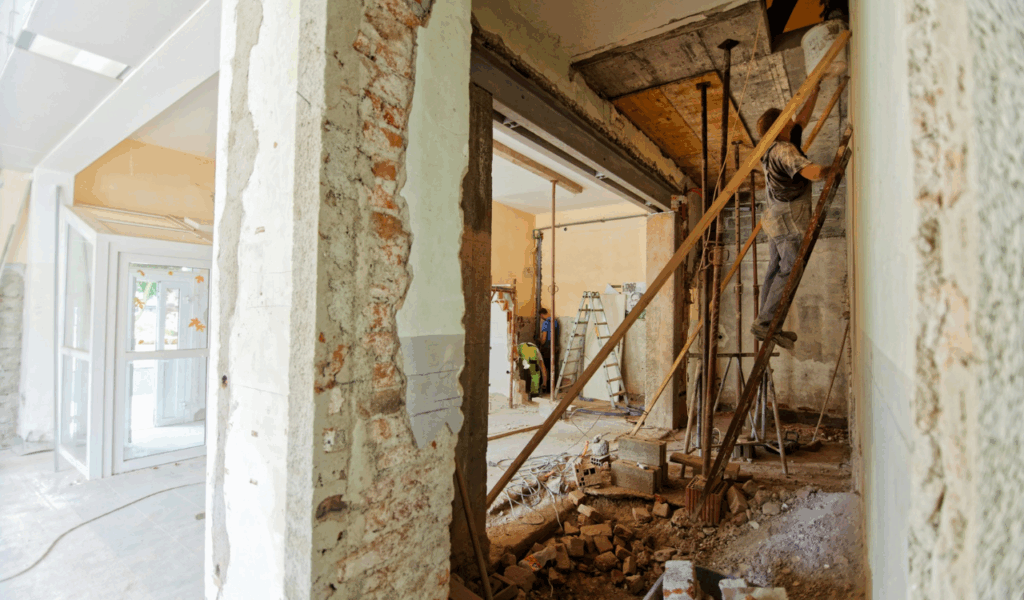
When everything seems to be working well, it’s easy to forget that some things in your home may need to be replaced. Many people who buy a house only think about the most obvious parts, like the kitchen or living room, and forget about the important parts that could wear out over time. But home inspectors are trained to find problems that most homeowners don’t see. They look at places that could make the home less comfortable or safe.
Over time, these parts can become less useful or even dangerous because of wear and tear. Knowing when to update some sections of the house will help you avoid costly repairs in the future. Being proactive about replacements can help a home stay safe, functional, and energy-efficient for a long time. Here are eleven things that inspectors commonly notice that need to be changed but homeowners often forget about.
1. Old Water Heaters
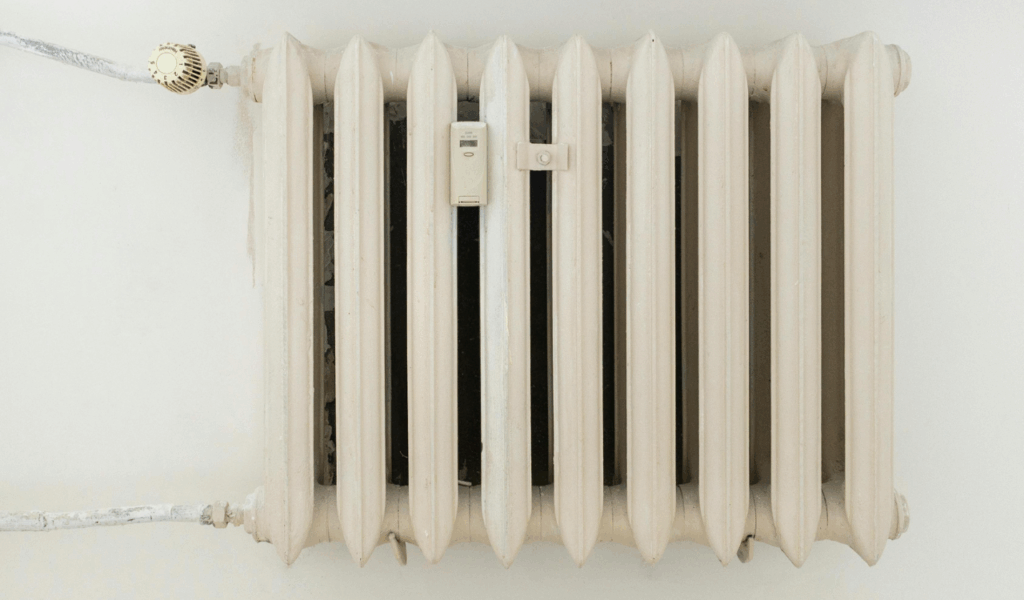
The water heater is an important feature of every home since it heats water for showers, dishes, and laundry. But this appliance won’t last forever. A water heater that is taken care of can last between 10 and 15 years on average. It may not work as well and be more likely to break down as it gets older.
It’s time to start thinking about getting a new water heater if yours is getting close to 15 years old. Strange noises, water that changes color, or water that doesn’t stay at the same temperature are all symptoms that your water heater is about to break down. Leaks are another big problem because they may do a lot of harm to your property.
If you replace an outdated water heater before it breaks down fully, you won’t have to deal with the trouble of taking cold showers or the cost of water damage. Also, newer models use less energy, which means you’ll save money on your power costs over time.
2. Roof Shingles
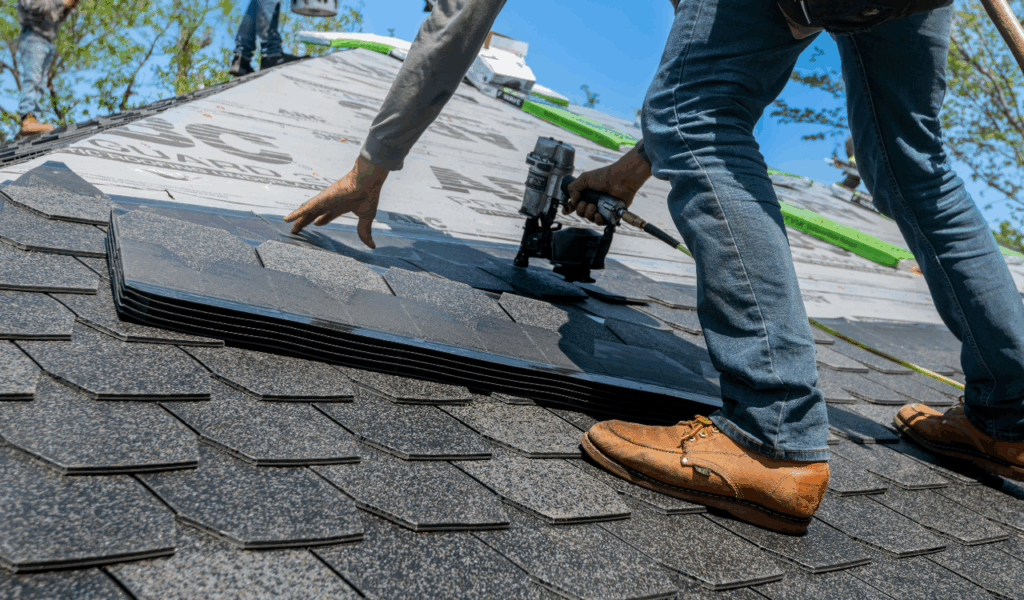
Your roof is very important for keeping your home safe from the weather, but it’s also one of the most exposed parts of your property. Most of the time, roof shingles need to be replaced every 20 to 25 years. However, the exact time frame depends on the weather and climate in your area.
In places where the weather is bad, shingles can wear out more quickly. Extreme heat, cold, wind, and rain can all cause a lot of damage. Missing or curling shingles, granules in the gutters, and leaks within the house are all symptoms that it’s time to replace the shingles.
If you don’t pay attention to these indicators, you could end up with expensive water damage or even problems with the structure. Quickly replacing your roof shingles keeps your property safe from the weather and stops more damage from happening.
3. Furnace and HVAC Systems
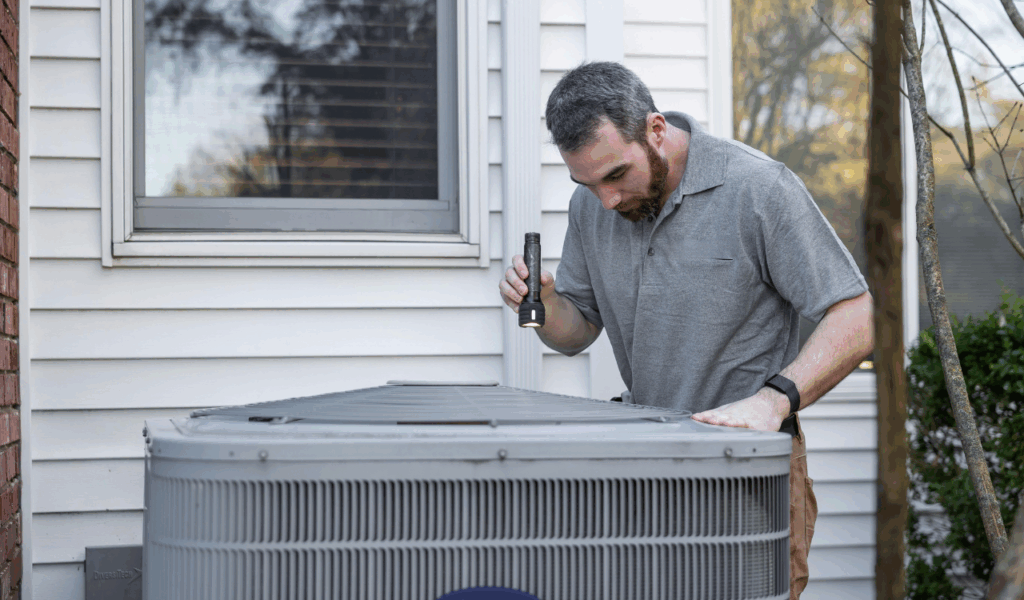
Your home’s heating and cooling systems are important for keeping it pleasant all year round, but like all machines, they will eventually break down. These systems usually last 15 to 20 years, but after that, they may start to exhibit indications of wear and need to be replaced.
When HVAC systems get older, they may not work as well, which might make your energy expenses go up. It could be tougher to locate parts, and the system might not be able to keep up with your heating and cooling needs. If your car breaks down a lot or the cost of repairs keeps going up, it might be time to get a new one.
Getting a new furnace or HVAC system can make your home much more energy efficient. It can also make the air inside your home cleaner by getting rid of outdated systems that might hold dust, filth, and other allergens. Being proactive and replacing these systems will save you money on maintenance and keep your house pleasant all year long.
4. Electrical Wiring
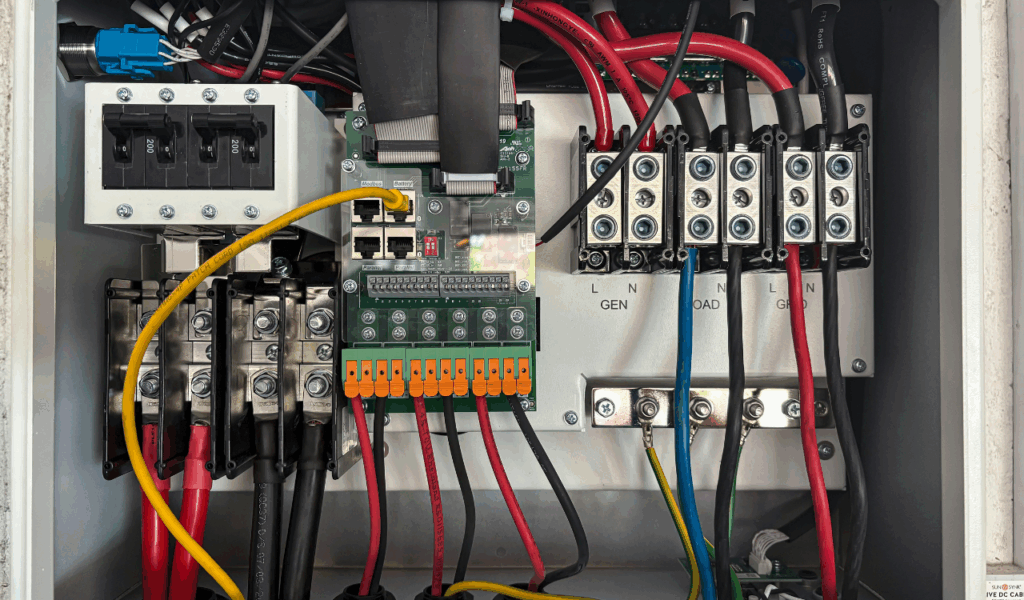
One of the biggest safety dangers in older homes is old electrical wiring. Wires can wear out over time, making them weak and less useful. Older electrical systems in some properties may not satisfy current electrical rules, which could start a fire. Aluminum wiring, which was widespread in the middle of the 20th century, is very dangerous.
It’s very important to upgrade your electrical system if your home has ancient wiring or a fuse box instead of a circuit breaker panel. This will not only make sure that your electrical system can manage the needs of today’s electronics and appliances, but it will also keep you safe from fires.
Home inspectors often mark homes with old wiring as a safety risk. Replacing or upgrading your electrical wiring will provide you peace of mind and make sure your home can manage today’s electrical needs.
5. Plumbing Pipes
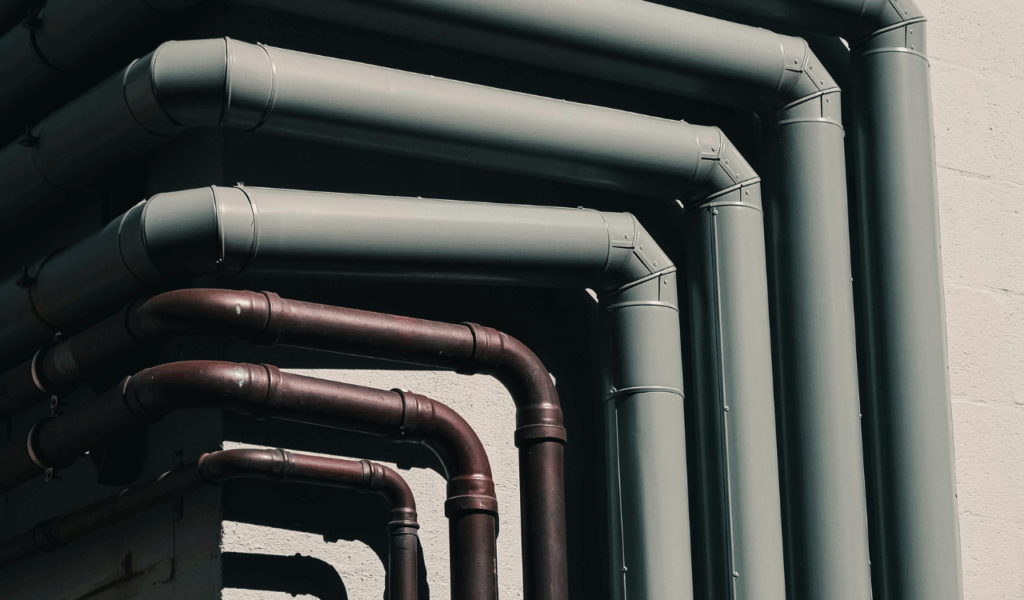
Another place where wear and tear can cause big difficulties is in plumbing pipes. Plumbing pipes made of different materials last for varied amounts of time. Pipes made of PVC usually last approximately 25 years, although pipes made of copper and galvanized steel can last up to 50 years. But aging, rust, and mineral buildup can make them less functional.
If your pipes are leaking, have low water pressure, or the water is discolored, these are all symptoms that they need to be fixed. Older pipes, especially those constructed of galvanized steel, can corrode and let water in over time. If you don’t fix leaking pipes right away, they could cost you a lot of money to fix.
Replacing old plumbing pipes with newer, stronger materials makes the water flow better, makes the water quality better, and lowers the chance of leaks and flooding. Replacing old pipes can also help you save money in the long run by making your home use less water and electricity.
6. Windows and Doors
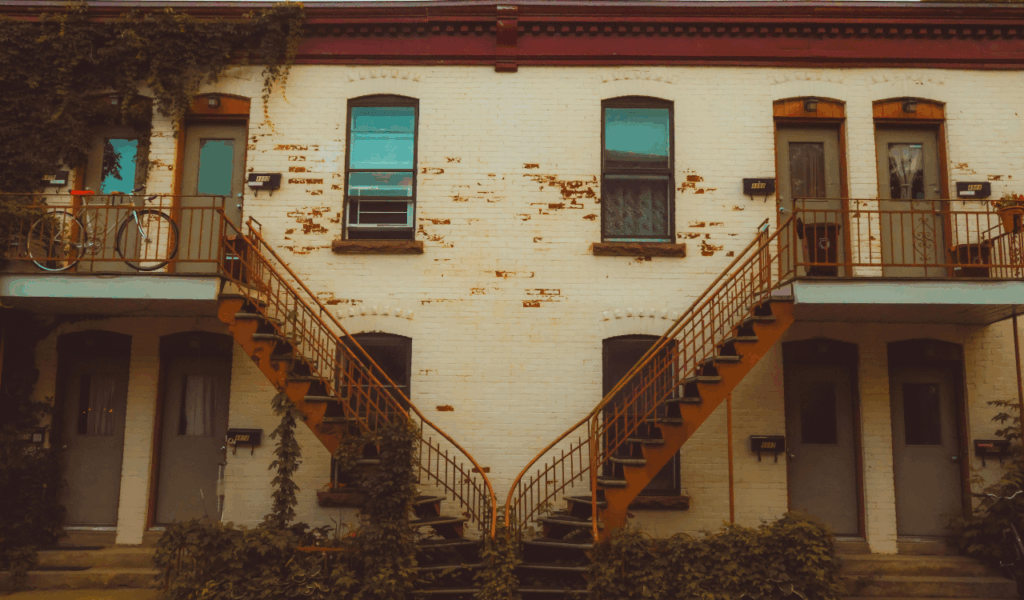
Windows and doors are important for keeping the house warm, safe, and looking good from the street. Older windows and doors might get cracks over time that let in drafts, which makes it harder to keep the temperature inside comfortable. Because of this, heating and cooling expenditures go up.
Old windows that don’t close correctly might also be a security problem because they may be simpler to break into. Also, old doors made of weaker materials are easier to break and may not be as secure as newer ones.
Not only can new windows and doors make your home more energy efficient, they also make it safer and look better. New windows that insulate better will help keep the temperature inside your home stable and lower your utility expenses. Replacing old doors with stronger ones makes your property safer and more valuable.
7. Smoke and Carbon Monoxide Detectors
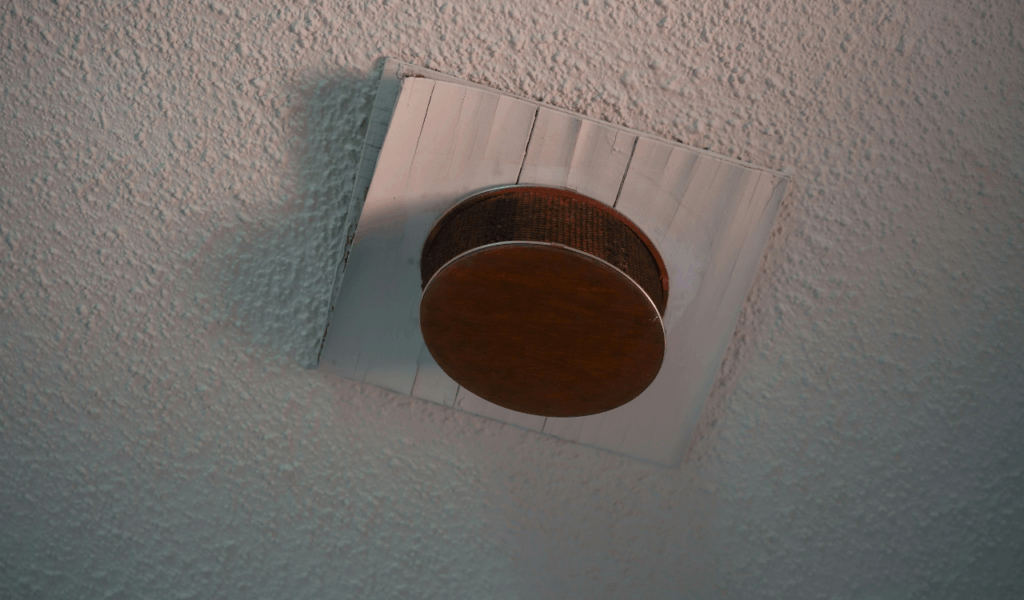
It’s very important to have smoke and carbon monoxide detectors in your house, but they don’t last forever. These devices are meant to warn you of possible fires or carbon monoxide leaks, but after roughly ten years, their sensors start to break down, making them less useful.
Homeowners often forget to replace these life-saving devices, but it’s important to keep them in good shape. Inspectors often tell people to replace them every ten years, even if they still look like they’re working. If you don’t do this, you could end up in dangerous situations where you might not be warned of a fire or high amounts of carbon monoxide.
Checking and changing the batteries in your smoke and carbon monoxide detectors on a regular basis will keep your house safe. It’s vital to test the detectors every month and update the batteries at least once a year, in addition to replacing the detectors themselves.
8. Gutters and Downspouts
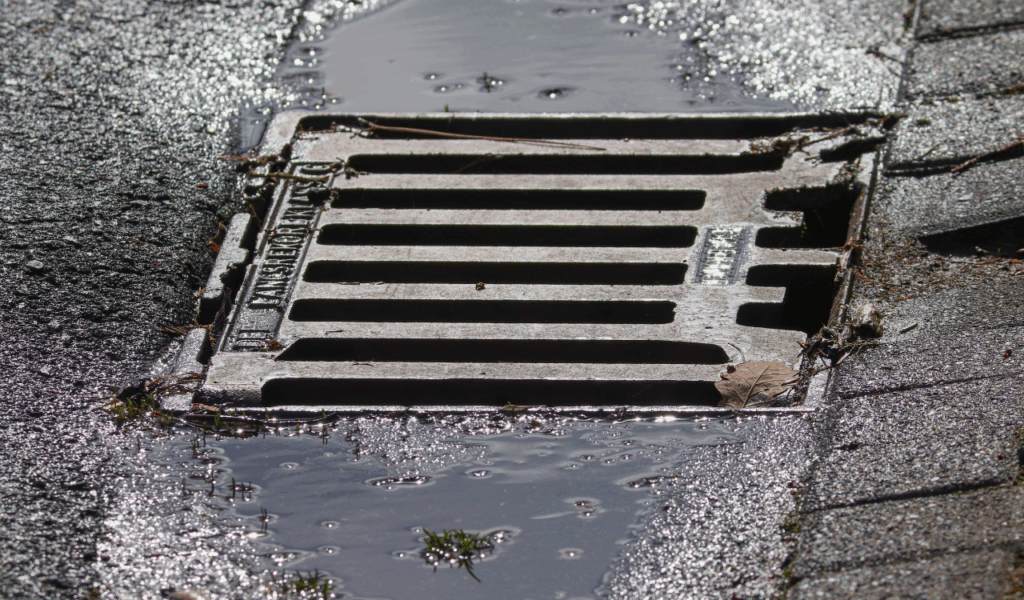
Gutters and downspouts are made to move rainwater away from the base of your property, which keeps it safe from water damage. But, over time, gutters can get blocked, corroded, or broken, which makes it hard for them to accomplish their job well.
When gutters are clogged or broken, water can back up, which can cause leaks in the roof, damage to the foundation, and even mold to grow. You should replace your gutters every 20 years, or sooner if they start to sag, corrode, or leak all the time.
If you replace your old gutters, you can be sure that rainwater will be correctly directed away from the base of your home. This will save you money on repairs and water damage. It also helps keep your home’s structure strong and keeps your landscaping from eroding.
9. Insulation
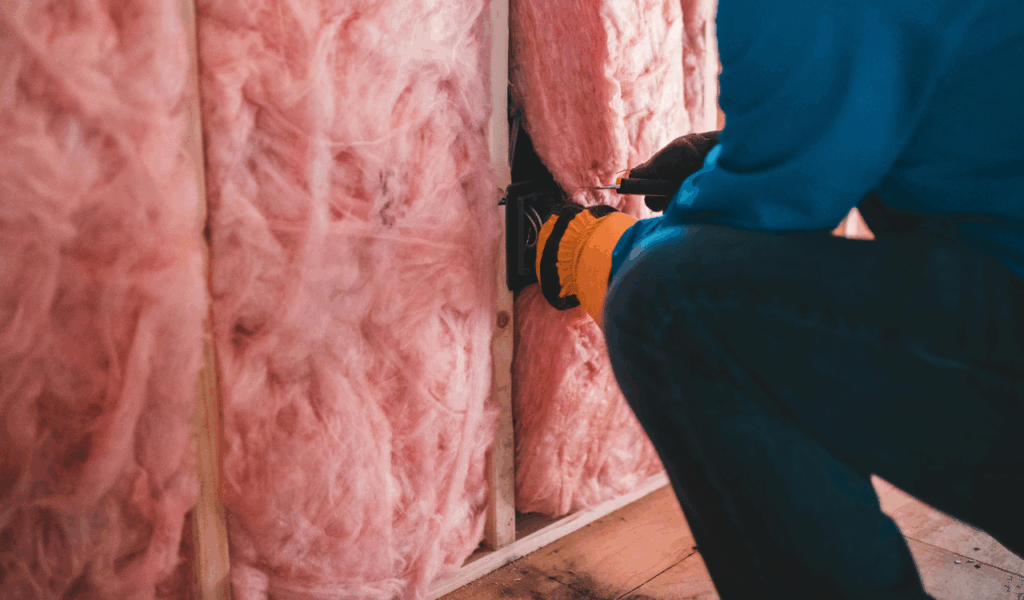
Insulation is very important for keeping your home energy efficient. But with time, insulation can break down, especially if it gets wet, is eaten by bugs, or becomes worn out. During the winter, old or broken insulation can let heat out and warm air in, making it harder to keep the temperature inside your home at a comfortable level.
It might be time to update your insulation if your home is particularly drafty or your energy expenses have gone up a lot. Fresh, intact insulation will work much better than insulation that is moist, moldy, or full of bugs.
Replacing aging insulation will make your home more pleasant all year long. It also makes energy use more efficient by lowering heating and cooling costs, which makes it a good investment for long-term savings.
10. Flooring
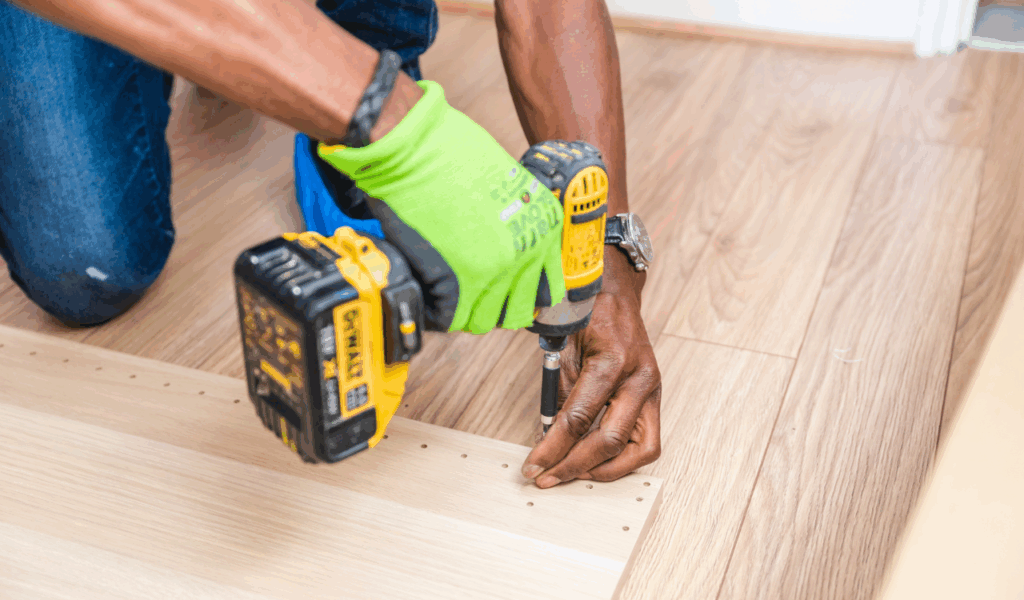
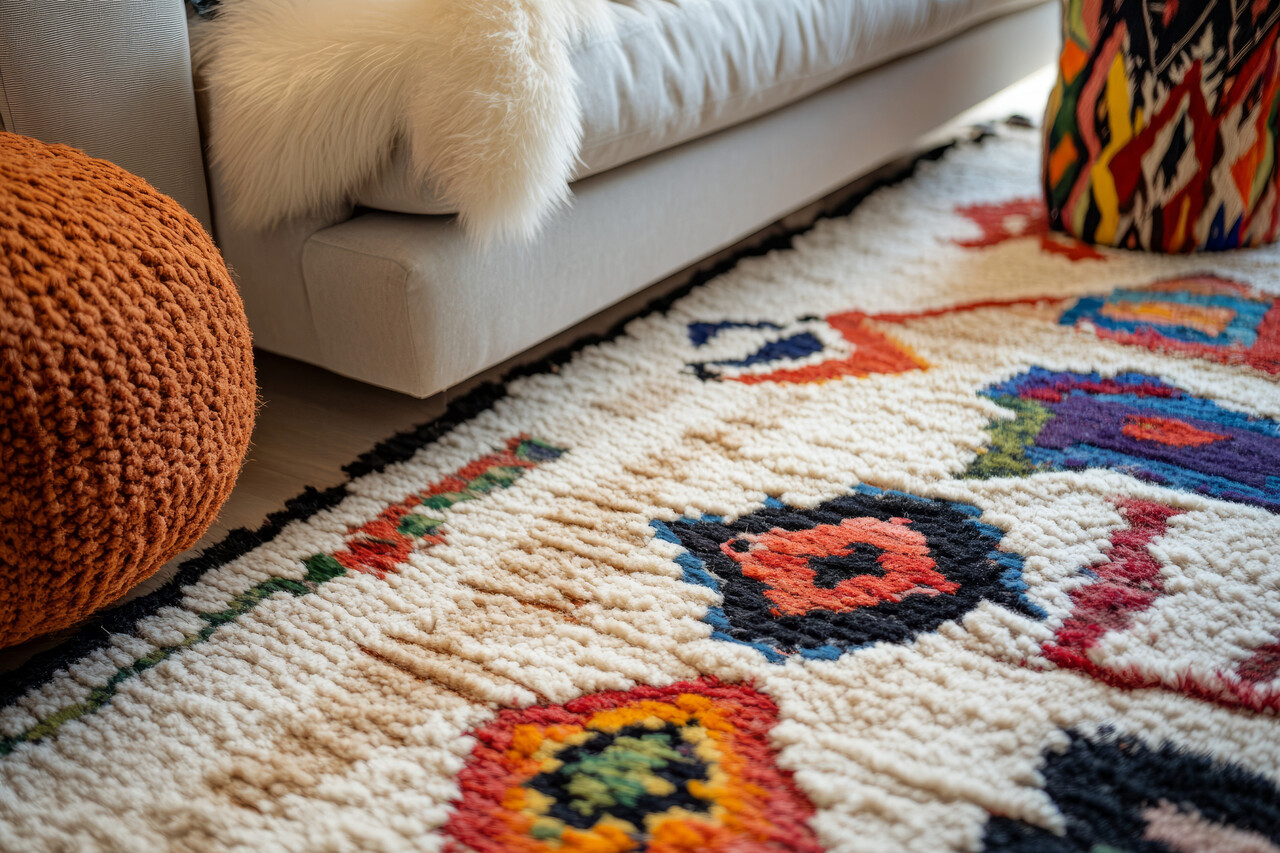
Carpets, hardwood, and tile are all types of flooring that can wear out over time because of frequent foot traffic or age. Hardwood floors can get scratched, warped, or uneven, while carpets can get stained, frayed, or matted. Tile floors can even break, which might make it easy to trip.
Not only does replacing worn-out flooring make your home look better, it also makes it safer by lowering the chance of slips and falls. New floors can help make the air in your home cleaner by getting rid of dust and allergies that may have built up over time.
New flooring can make your property seem better and raise its worth. If you choose new carpeting, hardwood, or tile, repairing damaged flooring is a good idea that may make your home seem better and be safer.
11. Siding
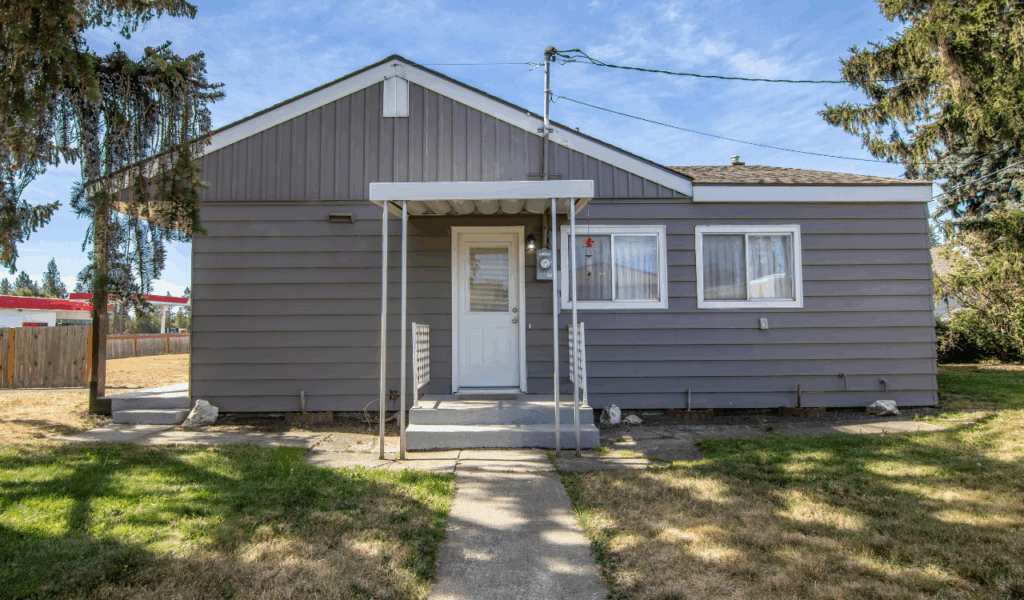
The siding on the outside of your house is always exposed to the weather, which can damage it over time. Vinyl siding can break and become weak, and wood siding might rot, bend, or be devoured by bugs. Damaged siding not only looks bad, but it can also make your home less safe and less insulated.
It’s best to replace your siding if it has cracks, chips, or has lost its color. Water can get into the walls through outdated siding, which can cause mold to grow and timber to rot. Replacing damaged siding makes your home look nicer and makes it more energy efficient by offering better insulation.
Replacing your siding not only protects your property from more damage, but it also makes it worth more. New siding can help your home use less energy and lower the expense of heating and cooling.