9 Fast-Food “New Flavor” Drops Fans Rage Are Just Rebrands
The “Limited Time Offer” (LTO) is a marketing tool that makes people feel like they need to move quickly and gets people talking on social media. However, experienced fast-food fans and people who work in the industry say that many of these “revolutionary” new flavor drops are just smart rebrands of old ingredients. Experts believe that for multinational chains, making a brand-new sauce or protein is a costly and risky logistical challenge.
So, corporations often take a popular menu item, give it a glitzy new name, and spend millions of dollars on a campaign to make customers think they are trying something new. When the curtain is pulled back, people often get angry when they find out they’ve paid extra for a “new” item that has been hidden in plain sight for years.
Restaurant consultants and professional food flippers say that these rebrands are often necessary to make supply chains easier. Restaurants may provide “new” dishes without having to spend money on educating workers on how to prepare them by using materials they already have on hand.
Fast-food menu designers say that a new color of packaging or a “collaboration” with a celebrity can make a flavor that people already know feel new to the average diner. But for the loyal fans, these new flavors feel like a betrayal of trust. Knowing how the “rebrand” works can help you tell the difference between a real new dish and a company trying to make an old dish taste new again by utilizing the same old ingredients.
1. The “Ghost Pepper” Sauce Upgrade
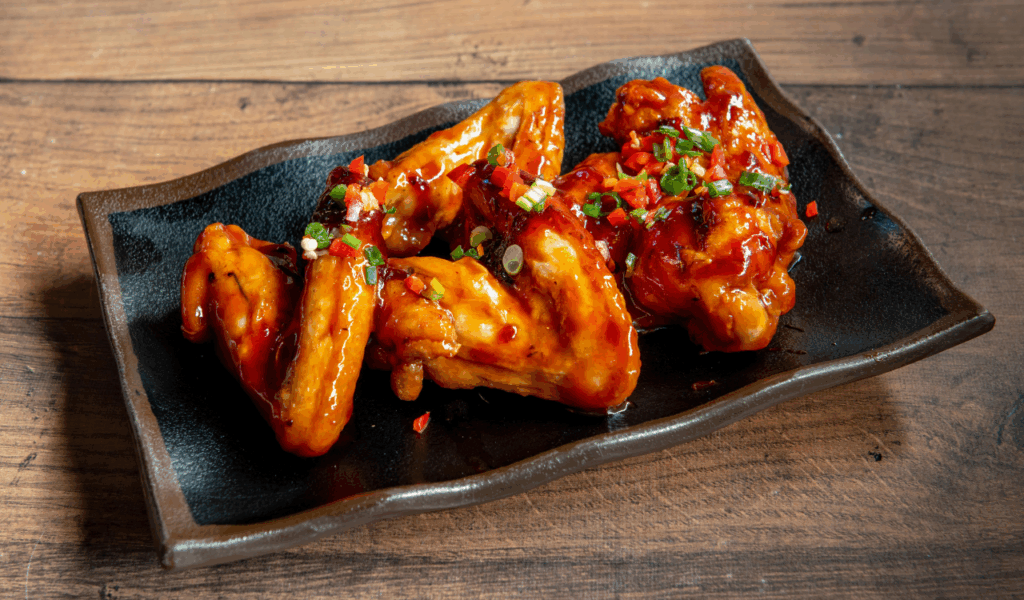
Trends in spicy cuisine are great for fast-food chains, but experts say that “Ghost Pepper” sauces are usually just a little smokier than regular buffalo or habanero sauces. Food scientists say that the real heat from ghost peppers is too strong for most people, so chains mix the extract with sugar and vinegar to make it less hot.
When fans find out that the “new” ghost pepper chicken or burger has the same level of heat as the “spicy” version that was on the menu the month before, they often get angry. Experts argue that the only actual change is frequently a few drops of liquid smoke and a more aggressive marketing effort.
Professional chefs say that the “ghost” in the name is usually a marketing ghost and makes up less than one percent of the actual ingredient list. Designers of spicy foods say that adding extra paprika to a dish to make it a deeper red color is a common way to create a “new flavor.” This tricks the brain into thinking that the dish will be hotter. Kitchen managers say that these sauces are often just a “dipping sauce” that has been given a new name as a “sandwich topper” so that the price of a limited-time burger construct can go up.
2. “Artisanal” Honey Mustard Blends
When a chain comes out with “Artisanal” or “Stone-Ground” honey mustard, fans typically find that it has the same high-fructose corn syrup foundation as their chicken nuggets. Restaurant advisors say that adding a pinch of dried mustard seeds to the bulk-bought food is a common way to get the “new” flavor.
Experts claim that “artisanal” is a vague legal term in fast food that suggests a level of craftsmanship that isn’t usually found in a busy kitchen. Fans say that the taste is still quite sweet and doesn’t have the sharp sting of real small-batch mustard.
Food wholesalers say that honey mustard is one of the cheapest and most stable sauces to make, which makes it an easy target for a rebranding. To hide the fact that the sauce hasn’t changed, fast-food menu designers often put this “new” sauce on a chicken tender with a little altered breading. Experts suggest that if the “new” mustard comes in the same plastic ramekin but with a different top, you are probably eating the same 20-cent sauce that has been repackaged as a premium “signature” product for an extra dollar.
3. “Zesty” Secret Sauce Re-Launch
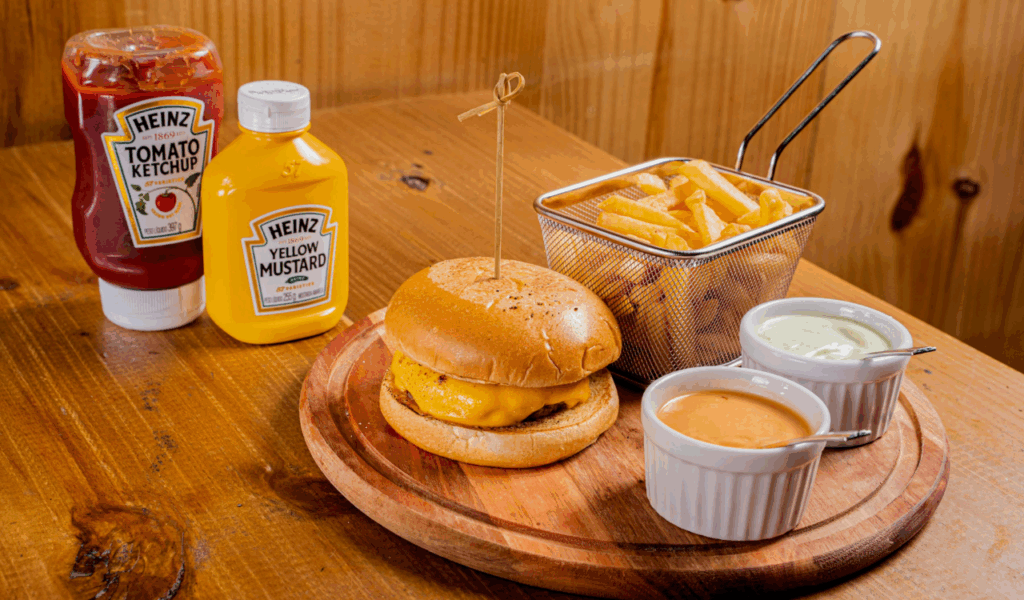
Fans get crazy when a “New Zesty Signature Sauce” turns out to be just a mix of mayo, ketchup, and relish. The “Secret Sauce” or “House Sauce” is a mainstay at burger businesses. Most fast-food secret sauces are just different kinds of Thousand Island dressing, according to food experts.
Experts say that when a firm “drops” a new version, it’s usually just the old recipe with a little more vinegar or black pepper. Brand identity designers say that the “newness” is frequently in the name, which changes from “House Sauce” to “Gold Sauce” or “Special Sauce.”
People who flip restaurant brands for a living say that these rebrands often happen at the same time as a change in supplier. Fans often detect a “new” taste that isn’t an intentional choice by the chef but rather a result of getting ingredients from a cheaper source. Kitchen managers say that the “zesty” profile is often just the addition of horseradish, which is already in many fast-food kitchens for roast beef or steak sandwiches. The “secret” for the fan is that they are paying for a “new” experience that is basically a condiment cabinet that has been emptied of its oldest stock.
4. “Truffle” Infused Mayo and Aioli
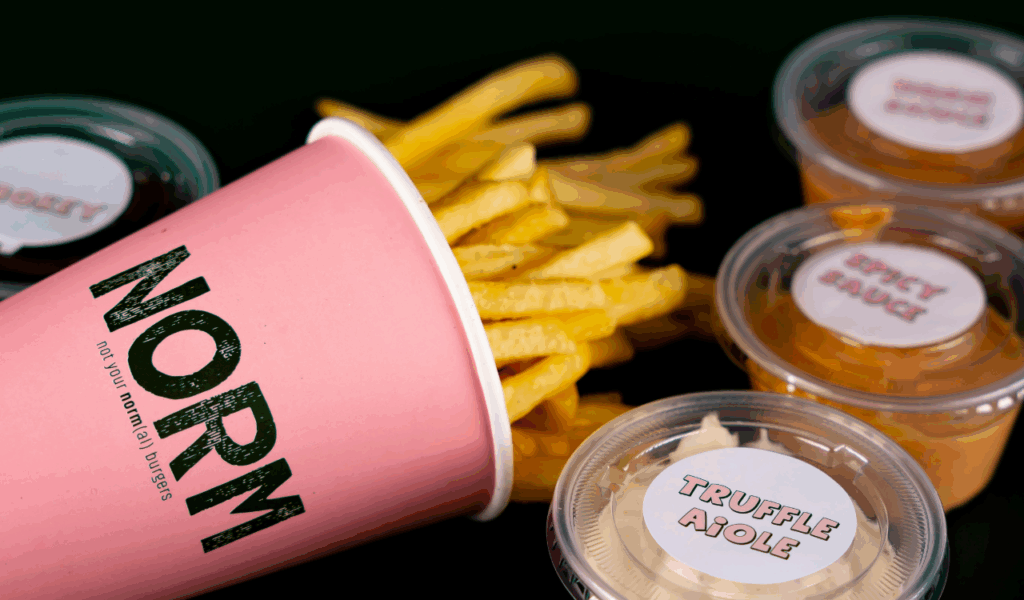
The truffle boom has hit fast food hard, but experts say that “New Truffle Aioli” is nearly invariably just regular mayonnaise blended with fake truffle oil. Food chemists say that synthetic truffle oil has 2,4-dithiapentane in it. This is a fragrance that scientists made in a lab to smell like truffles but doesn’t have any real fungi in it. When fans find out that the “premium” upgrade on their fries or burger is merely a 5-cent dab of flavored oil poured into the same bulk-bought mayo that goes on all the other sandwiches, they go crazy.
Restaurant consultants say that the only “cost” of this rebranding is the advertising. A pound of real truffles costs thousands of dollars, so a $6 burger can’t have them. Designers of high-end fast-food menus say that adding the term “truffle” might make a dish seem 20% to 30% more valuable. Experts warn that if you read the ingredients, you will often see “natural flavors” instead of real truffle pieces. For the diner, the “new flavor” is often only a strong chemical smell that hides the taste of the food already on the menu.
5. The “Smoky” BBQ Rib-Style Patty
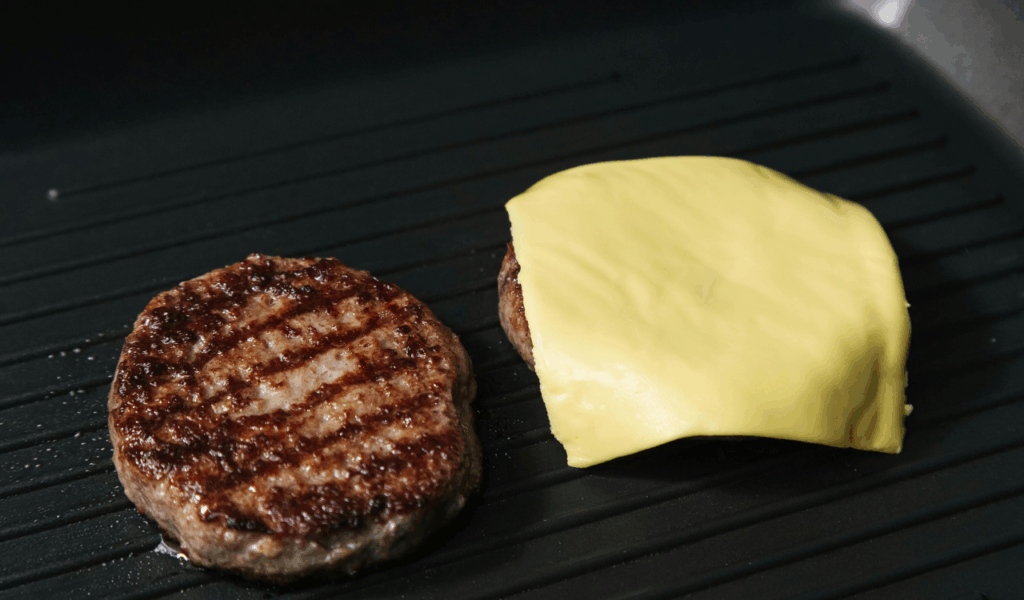
When a “New Smoky BBQ” sandwich comes out, people of a particular age can instantly tell that the pig patty has been changed from the way it used to be. Food historians say that the “rib-style” patty is a great example of how to rename something.
Experts suggest that a chain can bring back the same processed beef product every few years by altering the form of the mold and the name of the sauce from “Tangy” to “Smoky.” Fans are angry because the “new” item doesn’t have the texture of real ribs; instead, it has a spongy, even bite that hasn’t altered since the 1980s.
Kitchen supervisors say that these patties are often kept in the deep freeze for months at a time, waiting for a “limited time” window. Fast food commercial designers say that the “smoky” part is usually merely a liquid smoke additive in the BBQ sauce, which is the same sauce used for chicken nuggets.
Experts claim the rebranding works because of “nostalgia baiting,” which is when a little different version of a childhood favorite is marketed as a new idea. For the fan, the “new flavor” is just the reintroduction of a product that has been sitting in the company’s vault and has caused a lot of controversy.
6. “Mexican-Style” Street Corn Sauces
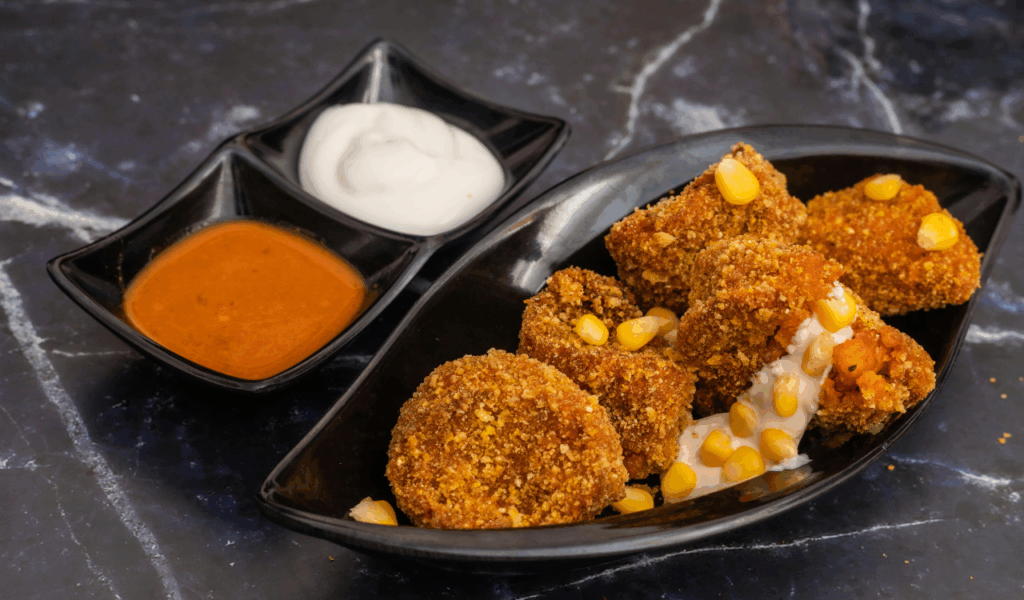
The recent craze for “Elote” or “Street Corn” flavors in fast food has led to the release of various “new” sauces that enthusiasts say are just ranch with a new name. Culinary teachers say that real elote has cotija cheese, lime, and chile in it.
Experts believe that many fast-food variations are merely the chain’s regular buttermilk ranch with a little cumin and lime juice added. Fans get angry when the “bold new flavor” tastes a lot like the dipping sauce that comes with their salad. This makes them feel “flavor fatigue,” which is when everything starts to taste the same.
Food scientists say that the “corn” flavor in these sauces is often an artificial scent that smells like popcorn but doesn’t have any real corn in it. Designers of seasonal menus say that these drops frequently happen in the summer to take use of the corn harvest motif, even though the sauce is completely shelf-stable and fake.
Experts argue that if you look closely, the “new” street corn sauce is typically merely a “Southwest” sauce from a prior promotion that has been given a new name and a slightly different chili flake garnish.
7. The “Buttermilk” Fried Chicken Coating
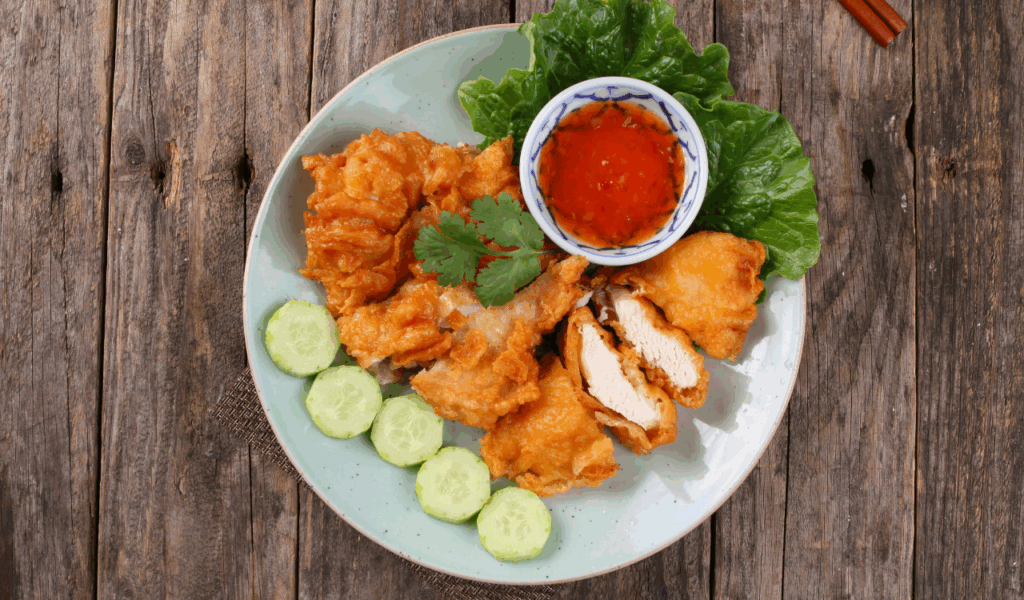
When a company says it has a new “New Buttermilk Crispy” chicken recipe, patrons generally can’t tell it apart from the old “Extra Crispy” recipe. Professional chefs say that the “buttermilk” in fast-food breading is often merely a dry powder that is blended into the flour instead of a fresh marinade.
Experts believe that a company frequently changes its name because a competitor is doing well, not because it really wants to alter its kitchen. Fans go crazy when the “new and improved” chicken tastes and feels much like the original version they were trying to avoid.
Restaurant advisors say that these rebrands typically mask a smaller dish size or a switch to a cheaper cut of meat. Fast food packaging designers say that altering the box from red to brown and adding the word “Buttermilk” can indicate a “farm-to-table” quality that isn’t there in the way the food is made.
Experts argue that if the breading looks the same as the old one, the “new flavor” is probably just a little more MSG or black pepper meant to make the brain think it’s something new without affecting the main product.
8. “Buffalo” Everything Drops
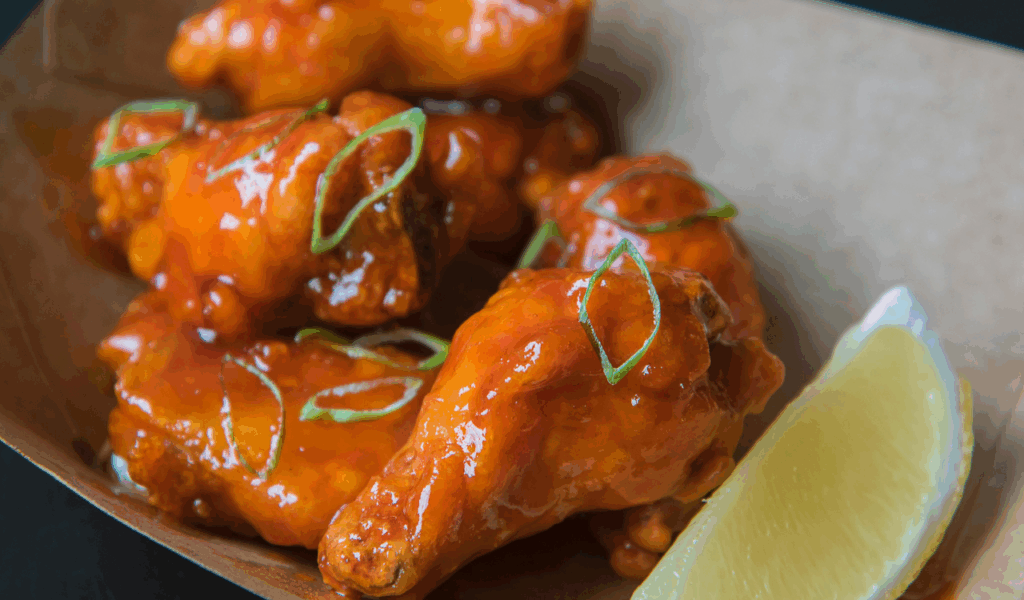
Buffalo sauce is the best way to rebrand fast food because it’s so well-known and cheap to make. Kitchen managers say that when a chain “drops” a new buffalo-style wrap, taco, or burger, they are just utilizing the same cayenne pepper sauce that they use for its wings. Fans are angry because the “new” flavor isn’t new; it’s just putting an old condiment on a new base. Experts say this is a “lazy” rebranding that uses a safe, popular flavor to boost sales during a weak quarter without needing to buy fresh stock.
Food distributors say that buffalo sauce has a shelf life that is almost unlimited, which makes it a low-risk “new” flavor. Fast food marketers say they can term it a “New Buffalo Experience” if they add a “blue cheese crumble” to the construct. Experts note that for the customer, the price is often an extra 50 cents for a sauce that used to come in a packet for free. Chains “innovate” most often by changing their name, which doesn’t involve any staff training and uses a flavor profile that has already been shown to work.
9. “Global” Fusion Spice Blends
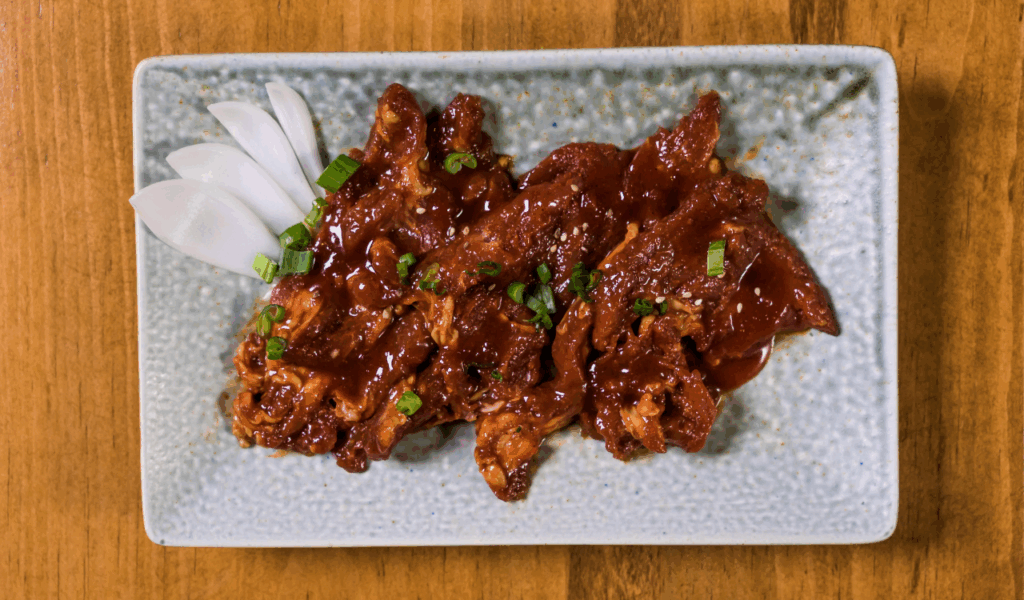
Chains regularly come out with “New Korean BBQ” or “Szechuan” varieties that fans quickly realize are just their regular sweet-and-sour sauce with a little soy sauce. Culinary historians say that fast-food “fusion” is frequently a cleaner version of foreign flavors that is meant to not offend the common person.
Experts suggest that adding “ginger flavor” or “garlic puree” to a base sauce like honey BBQ is a common way to get the “new” flavor. Fans are angry because the authenticity is negligible, and the “new” drop feels like a shallow attempt to take advantage of a cultural cuisine fad.
Restaurant consultants say that these “global” drops are typically “white-labeled” items bought from a big sauce maker that distributes the same base to a lot of different chains. Designers of fashionable fast-food advertising say that the “newness” is all in the pictures.
For example, they use chopsticks or certain color palettes to suggest a flavor that isn’t really in the sauce. Experts argue that the “Korean BBQ” sauce tastes like the “Teriyaki” sauce from three years ago since it is the same chemical formula, but it has a new name on the shipping container.