Why Chain Restaurants Tastes Noticeably Different Depending on Which State You Are In
The experience of dining at a favorite chain restaurant can vary widely from one state to another. Have you ever wondered why that burger or pizza somehow tastes different when you cross state lines?
Regional Ingredient Sourcing
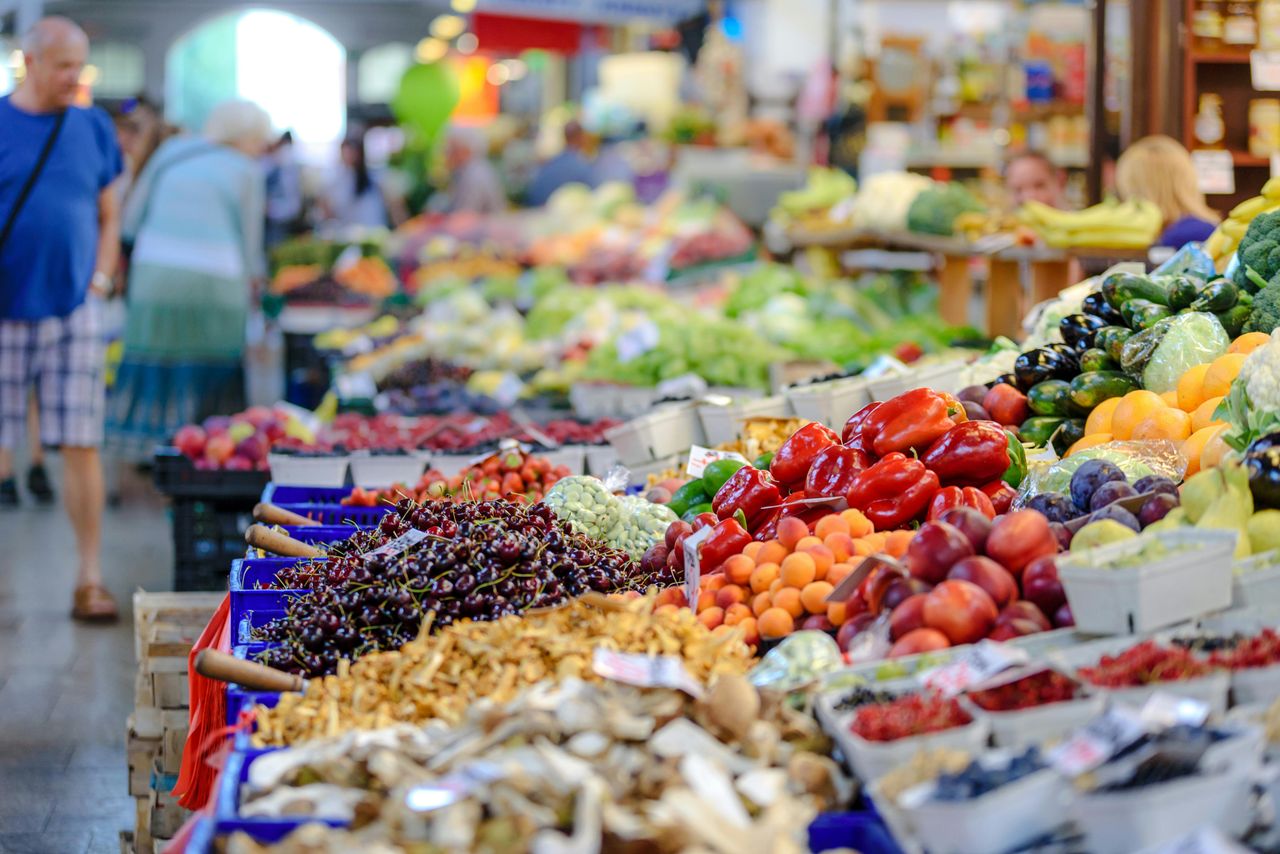
One of the primary reasons for taste differences is ingredient sourcing. Chain restaurants often rely on local suppliers to provide fresh ingredients. In Texas, a burger might feature locally-raised beef, while in California, the focus might be on organic produce. These regional variations in sourcing can subtly alter the flavors and textures of familiar dishes.
Climate and Seasonality
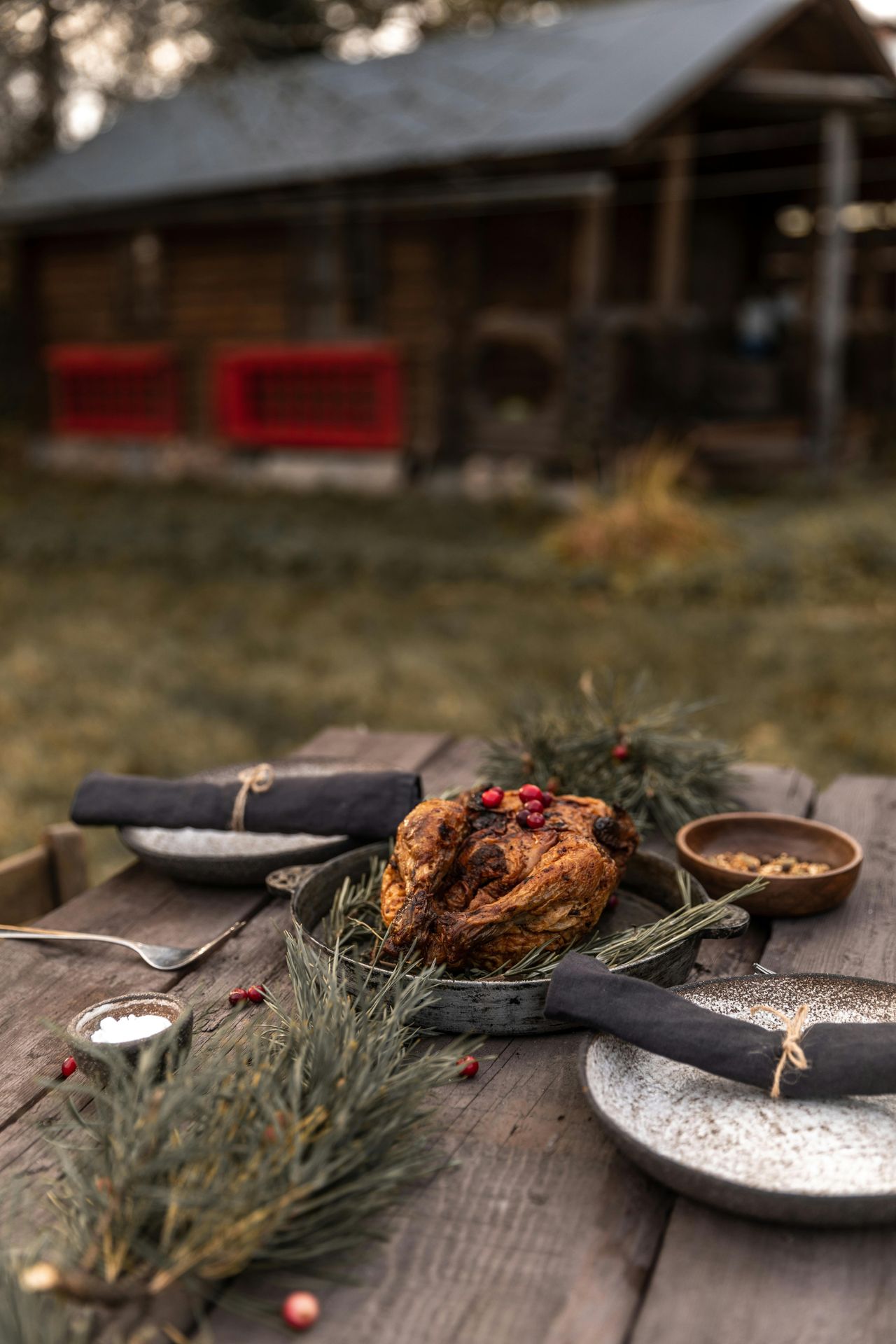
Climate significantly impacts the availability and quality of ingredients. A chain restaurant in Florida can use fresh, locally-grown tropical fruits year-round, while the same restaurant in Minnesota might depend on imports. This seasonal availability affects menu options and flavors, giving each location its distinctive taste profile influenced by local climate conditions.
State-Specific Regulations

Each state has differing health and safety regulations that chain restaurants must adhere to. Some states impose stricter guidelines on ingredient sourcing, food preparation, and nutritional content. These regulations can lead to modifications in recipes or cooking methods, contributing to taste variations in the chain’s offerings across different states.
Cultural Influences on Menus
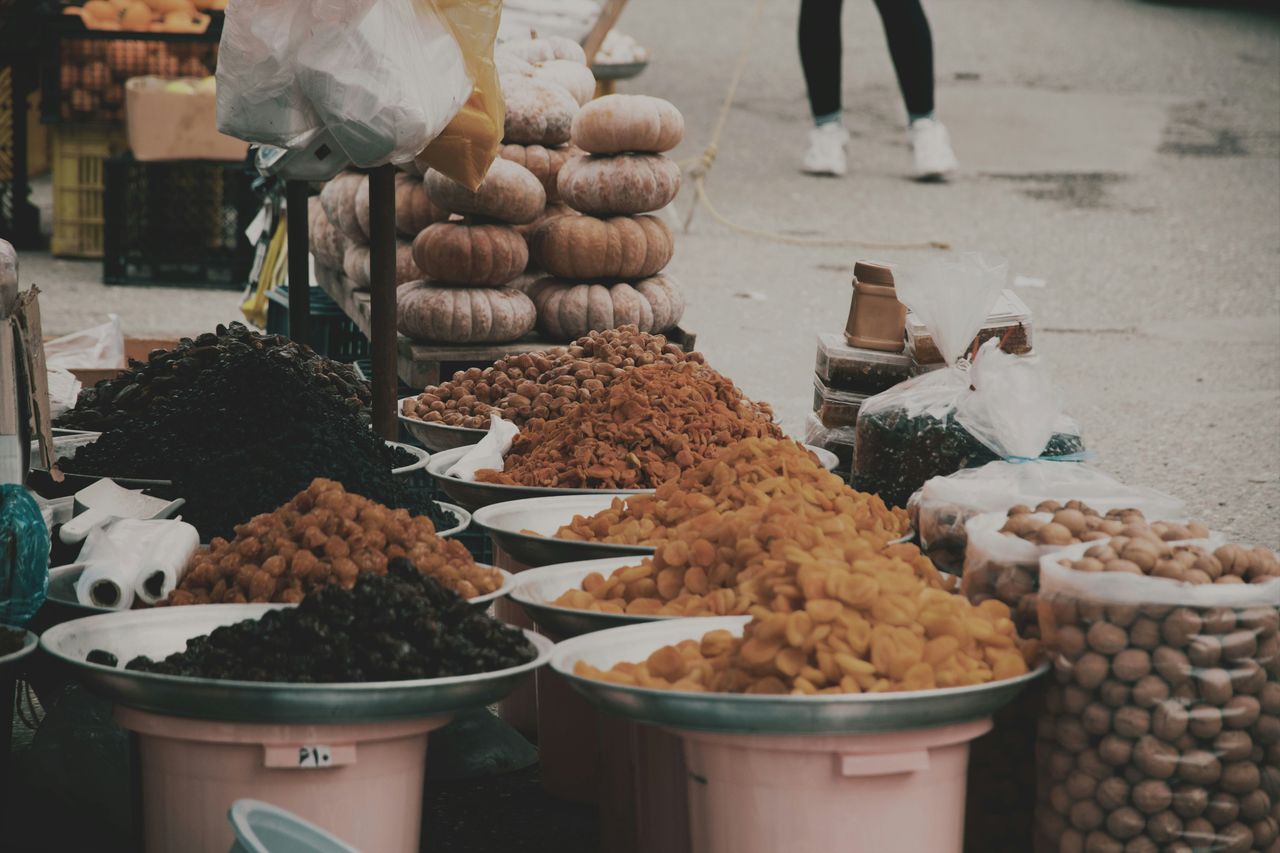
Culinary tastes are deeply influenced by regional culture. In Louisiana, the influence of Creole and Cajun cuisines might lead a chain to incorporate spicier options, while locations in the Midwest might lean towards comfort foods. These cultural preferences often result in menu adaptations that reflect local palates, offering a unique spin on standard offerings.
Local Staff and Training
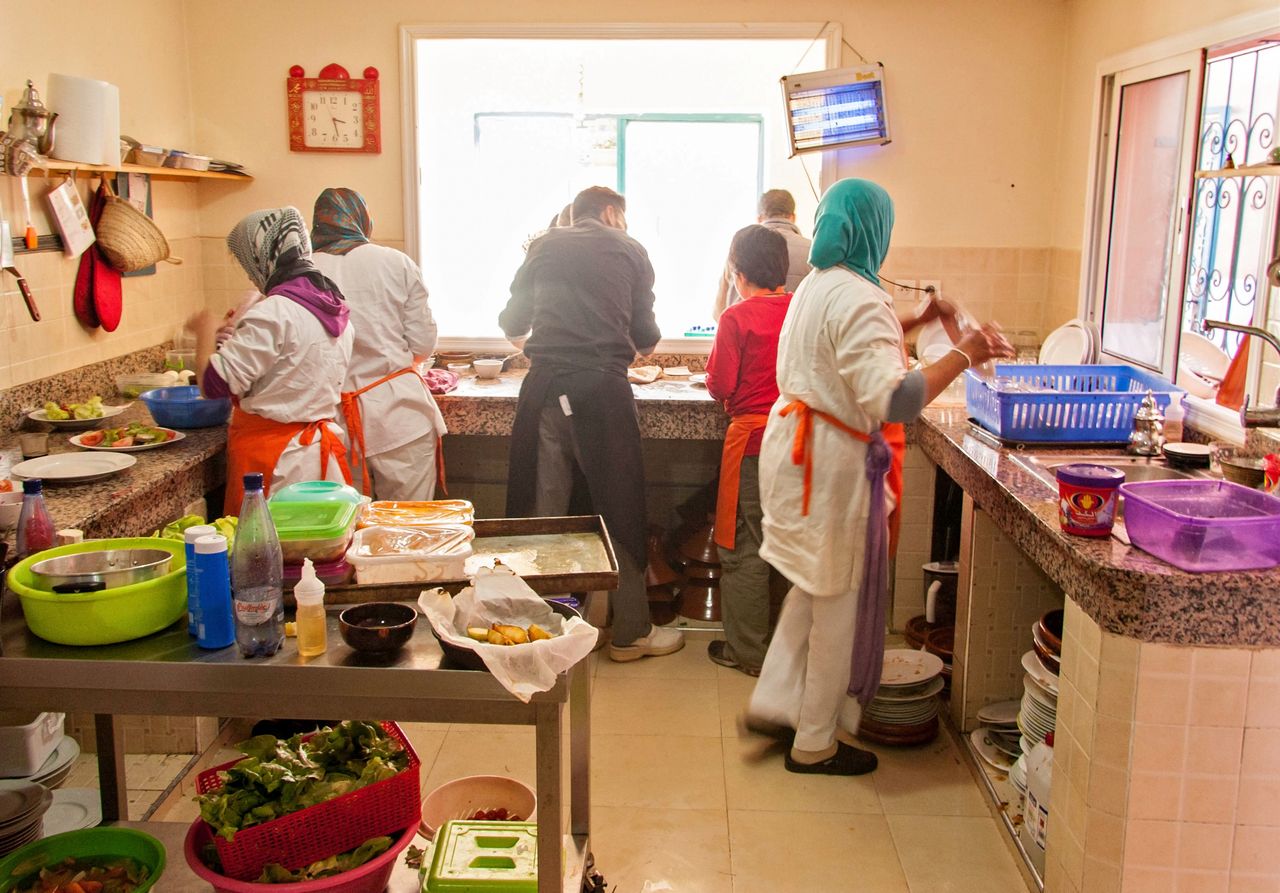
The proficiency and training of local staff can vary, affecting food preparation and service quality. Training programs might emphasize different cooking techniques or customer service styles, contributing to variations in taste and dining experience. A well-trained chef in one state might excel in crafting the perfect pizza, while another might bring a unique flair to burger grilling.
Supply Chain Variability
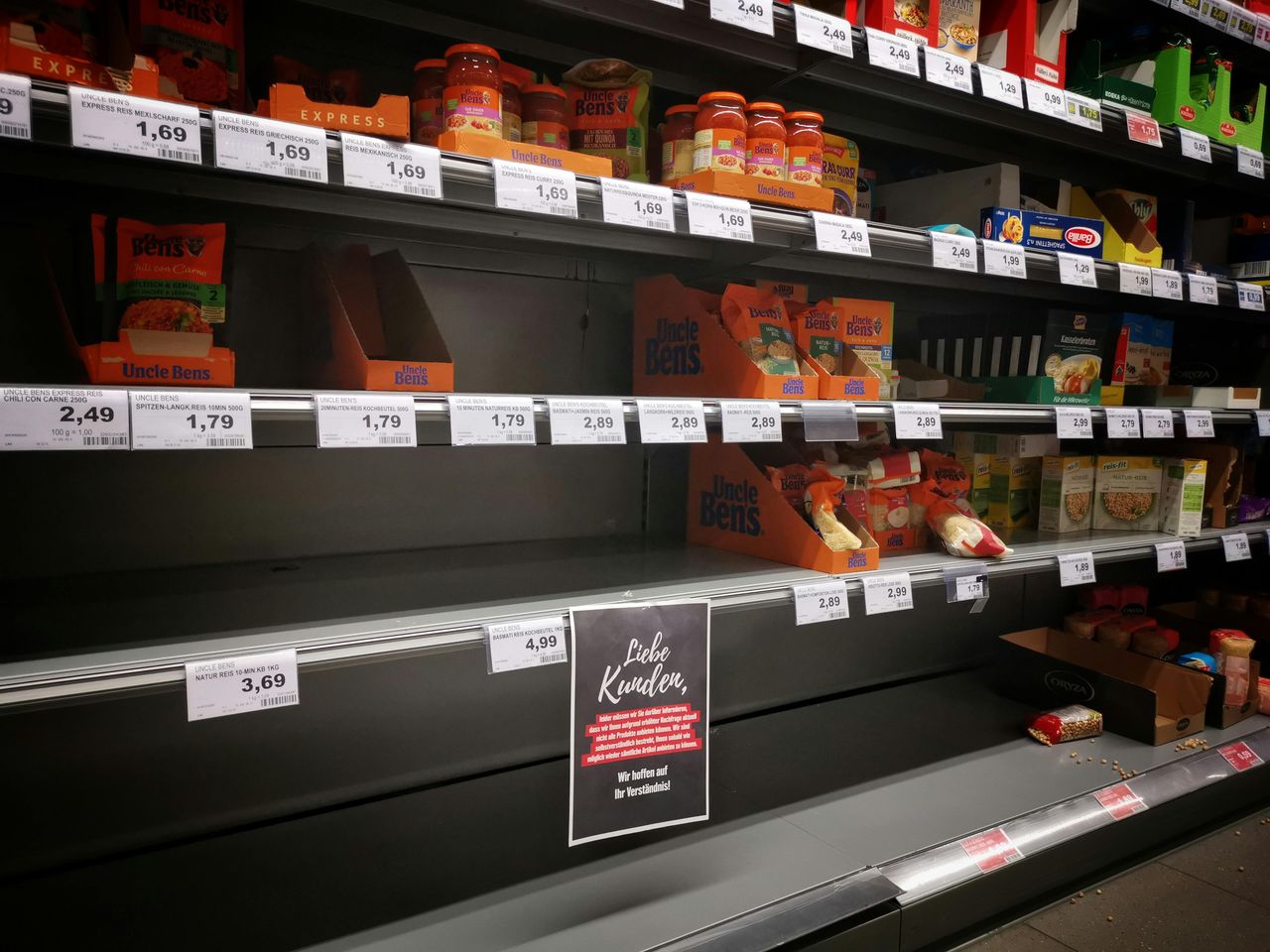
Supply chain dynamics can also play a crucial role. Weather disruptions, transportation issues, or logistical challenges can affect the availability and freshness of ingredients. A delay in the supply chain might force a restaurant to substitute certain components, inadvertently changing the dish’s taste until typical supplies are restored.
Marketing and Branding Strategies

Marketing strategies for chain restaurants often include regional campaigns that celebrate local flavors. In New Mexico, a chain might introduce a green chili burger or incorporate hatch chilies into its menu to capitalize on local flavor trends. These marketing adaptations aim to resonate with local customers, resulting in varied menu items and unique taste experiences.
Franchise Owner Decisions
Each franchise owner has a degree of autonomy regarding operations and menu decisions. This can lead to subtle differences in how food is prepared and presented. Owners might choose to tweak recipes slightly based on customer feedback or regional preferences, enhancing the local dining experience while maintaining overall brand consistency.
Consumer Preferences
Local consumer preferences inevitably shape how chain restaurants operate. What is popular and resonates with customers in one region might not have the same appeal elsewhere. This difference encourages chains to adapt their offerings to align more closely with local tastes, ensuring customer satisfaction and continued patronage.
Food Safety and Health Trends
Recent health trends and food safety concerns can drive menu changes. States vary in how they address public health issues, such as reducing sodium content or eliminating trans fats. Restaurants adapt their menus in response to these trends, creating state-specific variations in lineup and taste.
Conclusion
In essence, the same chain restaurant can deliver different taste experiences across states due to a myriad of factors. From local ingredients and cultural influences to regulatory requirements and consumer preferences, each state offers its unique taste trademark, making dining out an ever-exciting culinary adventure.