11 Household Habits Plumbers Wish People Would Stop in 2026
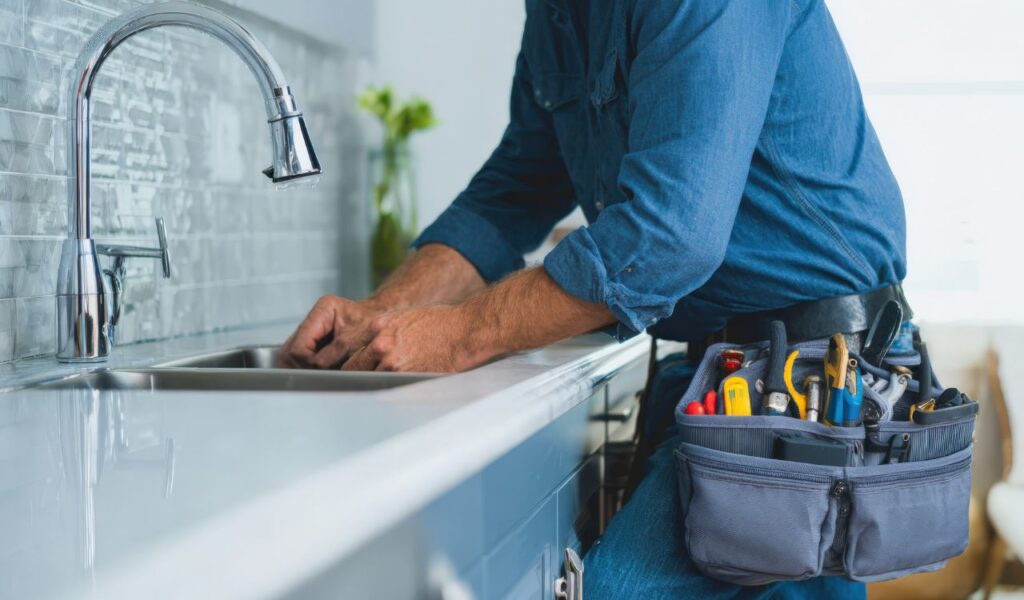
Plumbers across the United States continue to report the same avoidable problems that lead to expensive repairs, water damage and premature fixture failure. Many issues stem from daily habits that seem harmless but gradually strain pipes, disposals and drainage systems. The following habits are frequently cited by licensed plumbers, home maintenance experts and building inspectors as the leading causes of clogged drains, damaged plumbing components and unnecessary service calls.
Pouring Grease Down the Drain

Plumbers warn that kitchen grease solidifies inside pipes as it cools, forming blockages that can require professional removal. The Environmental Protection Agency notes that fats, oils and grease are a major cause of sewer backups. Even when chased with hot water or soap, grease accumulates over time. Professionals recommend letting grease solidify and disposing of it in the trash instead.
Flushing Non Flushable Items
Many homeowners flush wipes, cotton pads and sanitary products that do not break down like toilet paper. Plumbing associations report that wipes labeled as flushable can still cause blockages in residential pipes and municipal systems. These materials create clogs that often require mechanical removal. Only toilet paper should be flushed to avoid long term pipe damage.
Overusing Chemical Drain Cleaners
Chemical drain cleaners can erode pipes, especially older metal plumbing. Plumbers note that frequent use can cause leaks due to corrosion. These products often provide only temporary relief for clogs caused by hair or grease. Professionals recommend mechanical methods like drain snakes or enzyme based cleaners that do not damage pipe interiors.
Using the Garbage Disposal for Everything

Plumbers report that starchy foods, eggshells and fibrous vegetables commonly cause disposal jams and pipe blockages. Materials like potato peels expand in water and form thick paste inside drains. Fibrous foods can wrap around disposal blades, reducing efficiency. Disposals are intended for small, soft scraps, not full food waste loads.
Ignoring Small Leaks

A minor drip can waste hundreds of gallons of water per year and lead to mold growth or fixture damage. The US Geological Survey highlights how even slow leaks significantly increase utility costs. Plumbers emphasize that small leaks often indicate worn washers or loose fittings that worsen over time if unaddressed.
Using Drop In Toilet Tank Cleaners
Tablets placed in toilet tanks often contain chemicals that degrade rubber components such as flappers and seals. Plumbers note that these products can cause running toilets and premature part failure. Manufacturers of toilet fixtures have also warned that tank tablets shorten the lifespan of internal components. Regular bowl cleaning is safer than chemical tablets.
Overloading Washing Machines
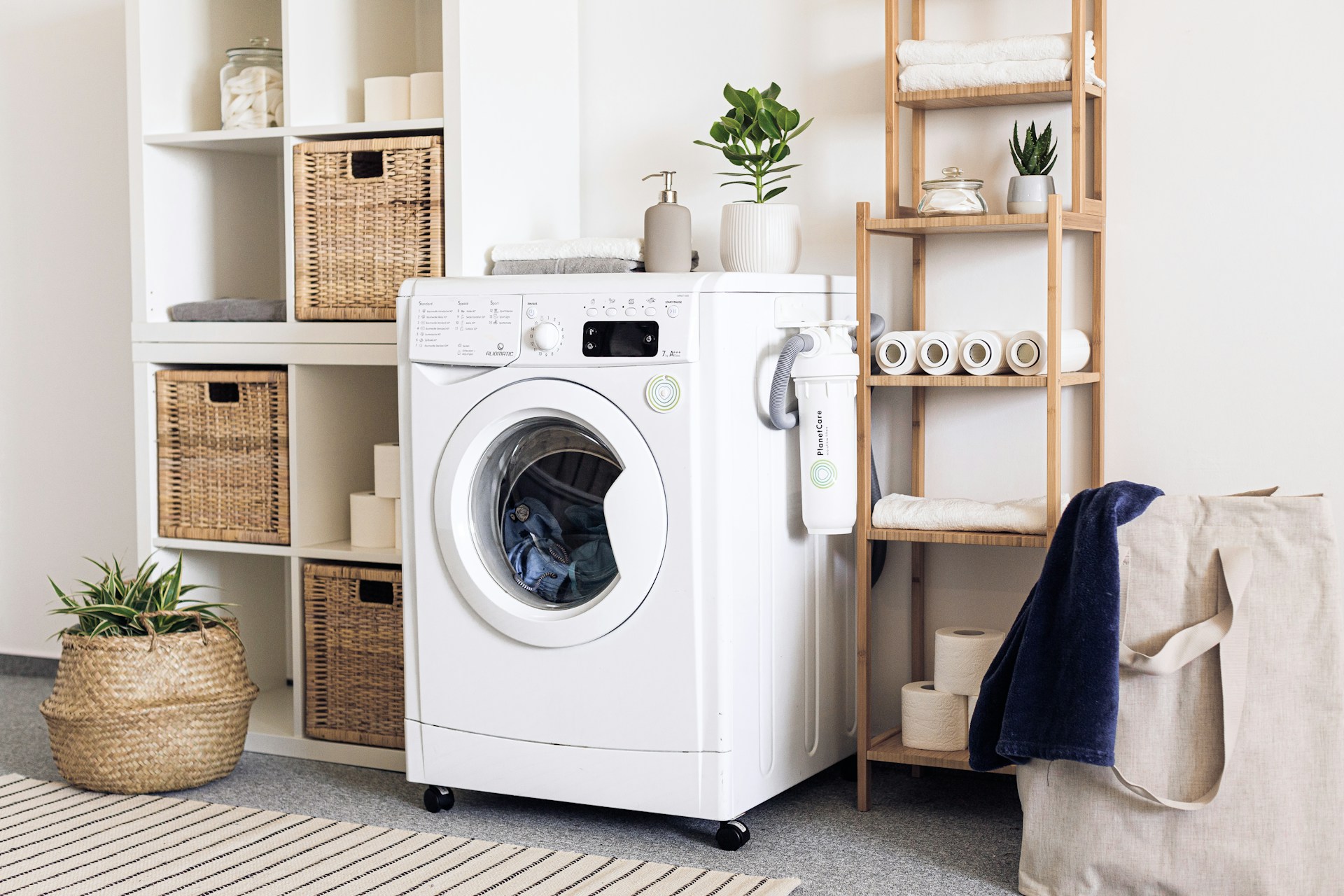
Plumbers frequently see drain line clogs caused by excessive lint and detergent residue linked to overloaded washing machines. Heavy loads strain the motor and cause incomplete rinsing, increasing buildup in hoses and drains. Appliance experts advise following manufacturer load guidelines to prevent mechanical stress and drainage issues.
Letting Hair Accumulate in Drains
Hair is one of the most common causes of bathroom clogs. Plumbers explain that hair binds with soap residue to form dense blockages. Even small amounts accumulate quickly in shower and sink traps. Using inexpensive drain screens and clearing them regularly prevents clogs that often require professional intervention.
Ignoring Water Pressure Issues

Both high and low water pressure indicate underlying problems. Excessively high pressure can damage pipes, fixtures and appliances, while low pressure may signal blockages or leaks. Plumbers advise homeowners to use a pressure gauge and maintain levels within recommended ranges, typically around 40 to 60 psi, to prevent long term system damage.
Putting Hard Objects in the Toilet
Children’s toys, dental picks and other small objects frequently cause toilet traps to clog. Plumbers report that even small hard items can lodge in bends of the toilet’s internal piping, requiring removal with specialized tools. Keeping bathroom trash bins accessible helps prevent accidental flushing of inappropriate items.
Skipping Routine Maintenance

Many homeowners overlook simple tasks like flushing water heaters, cleaning aerators and inspecting supply lines. Plumbers note that sediment buildup in water heaters reduces efficiency and lifespan, while worn hoses on appliances are a leading cause of indoor flooding. Annual maintenance helps avoid costly emergency repairs and extends the life of essential systems.