9 Wood-Fired Pizzas Ovens That Never See Real Wood
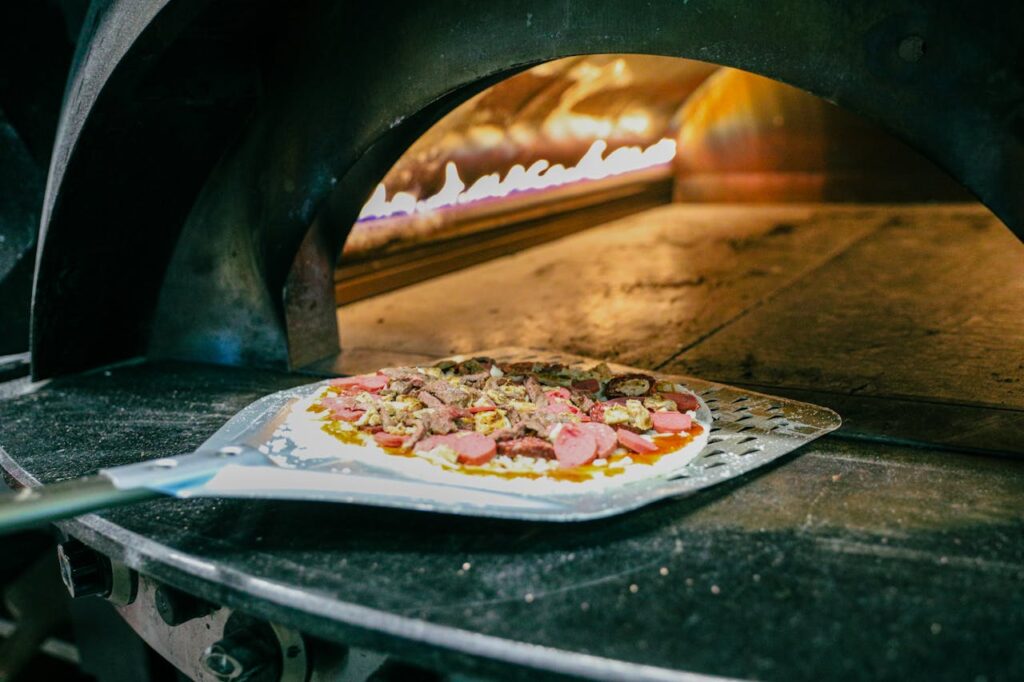
You might think every pizza labeled “wood-fired” is cooked over real flames, giving that smoky aroma and crisp crust. In reality, many popular restaurants and home setups rely on gas, electric, or infrared ovens that mimic the wood-fired experience without ever touching a single log.
These setups save time and reduce smoke, but they also stretch the definition of authentic wood-fired flavor. Knowing the difference can help you make smarter choices when ordering pizza, cooking at home, or exploring new eateries. Here’s a closer look at nine wood-fired ovens that deliver the illusion without the wood.
1. Restaurant Chains Claiming Wood-Fired Flavor Without Firewood
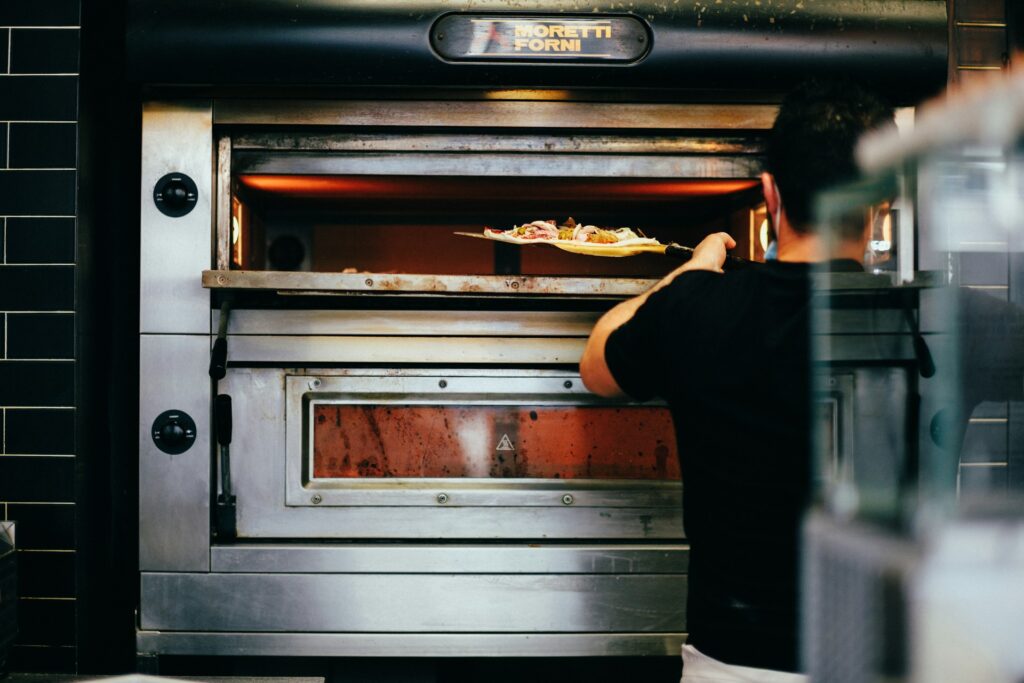
Many well-known pizza chains advertise wood-fired crusts, yet they actually operate using gas ovens that simulate the high temperatures of wood flames. These ovens create charred spots and crisp textures similar to traditional wood-fired pizza, but the smoky flavor comes from flavor additives, not real fire.
You can still enjoy a perfectly cooked pie, yet it’s important to recognize the difference between marketing claims and actual cooking methods. Restaurants prioritize consistency, speed, and efficiency, often skipping real wood entirely to serve large crowds while still promising the classic artisanal appearance that customers expect.
2. Fast-Casual Pizzerias Using Gas to Mimic Wood-Fired Taste
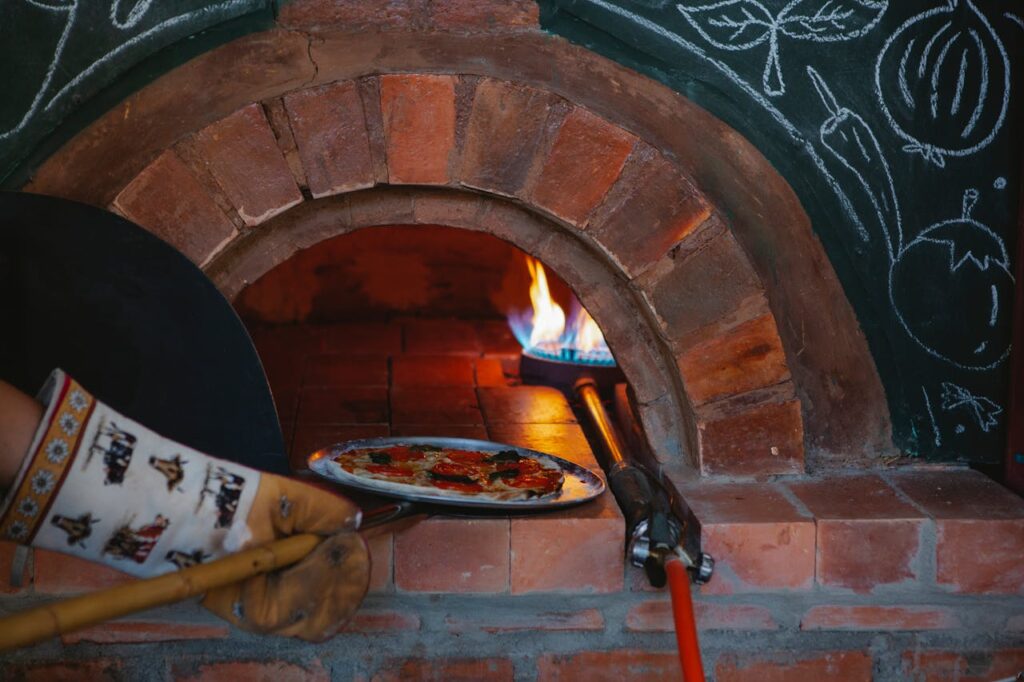
Fast-casual spots often highlight wood-fired branding, yet most actually rely on gas ovens for speed, consistency, and reliability. These ovens reach the high heat needed for a perfectly crisp crust while avoiding the complexity and mess of wood management.
Many of these pizzerias combine high temperatures with stone or ceramic cooking surfaces to produce that signature char and appealing texture. While the flavor isn’t fully authentic, the result can still be very satisfying. Being aware of these modern methods helps you appreciate the effort while understanding that real wood smoke isn’t part of the process at all.
3. Frozen Pizza Brands Marketing “Wood-Fired” Crusts

Even at home, you might encounter frozen pizzas claiming an authentic wood-fired taste. Manufacturers achieve the appearance of wood-fired crusts using pre-baked techniques, careful browning, and sometimes a touch of liquid smoke for added aroma.
The ovens used in production never see real wood at any stage. While convenient, these pizzas offer only a superficial nod to the classic style. You can still enjoy a crispy, flavorful meal, but don’t expect the full depth of flavor you’d get from an actual wood-fired oven. Checking packaging details closely gives helpful insight into the production method and ingredients.
4. High-End Restaurants Relying on Electric Ovens for Wood-Like Texture
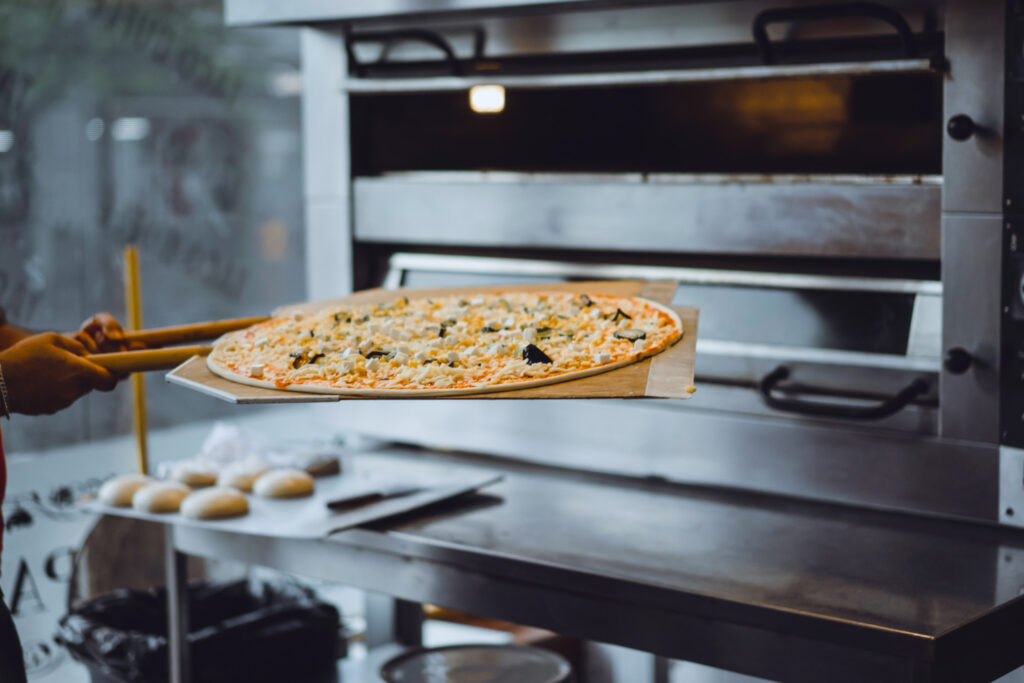
Upscale pizzerias often want the visual appeal of wood-fired cooking without dealing with smoke, sparks, or strict fire regulations. Electric ovens can reach extremely high temperatures and often include stone or ceramic decks to closely mimic a traditional wood-fired texture.
Chefs may enhance the smoky flavor using spices, natural additives, or finishing techniques, but actual flames are completely absent. This approach balances quality with safety, efficiency, and consistency. You still get a beautifully blistered crust and perfectly melty toppings, yet it remains a modern interpretation rather than true traditional wood-fired cooking.
5. DIY Home Ovens That Imitate Wood-Fired Cooking
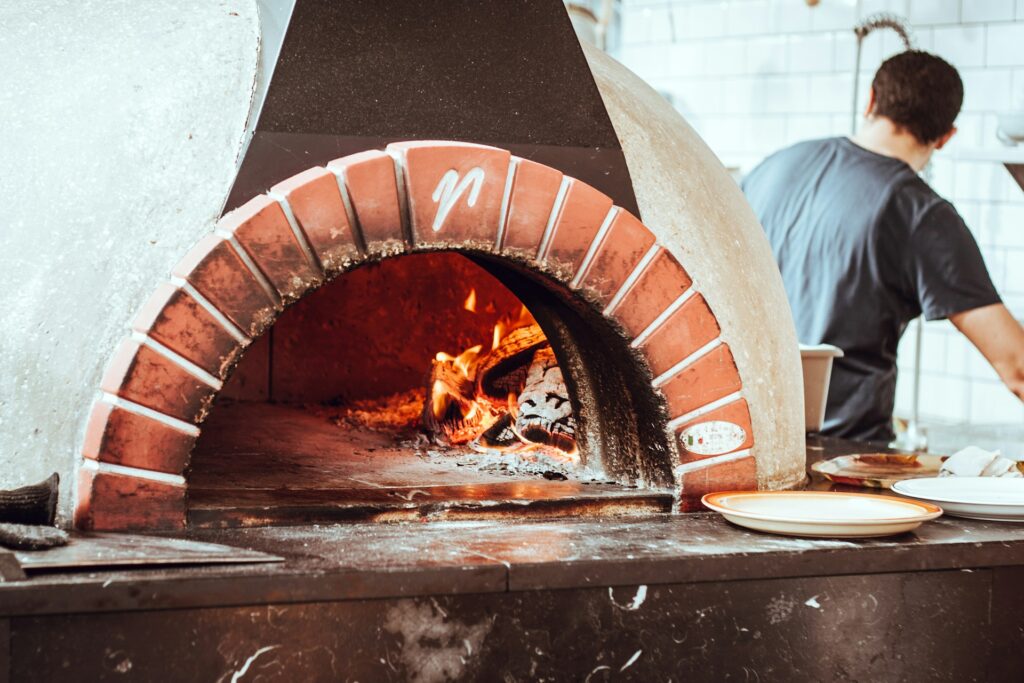
Many home cooks invest in countertop pizza ovens specifically designed to replicate authentic wood-fired results. These units use gas, electricity, or infrared elements to reach high heat quickly and maintain consistent temperatures throughout the cooking process.
They provide perfectly crispy crusts and even cooking, giving a visual and textural effect very similar to a true wood-fired oven. While some models include wood chips or smoking elements for added flavor. Knowing this helps you manage expectations at home while still producing impressive, restaurant-style pizzas for friends and family.
6. National Chains Using Infrared or Convection Heat for Authentic Appearance
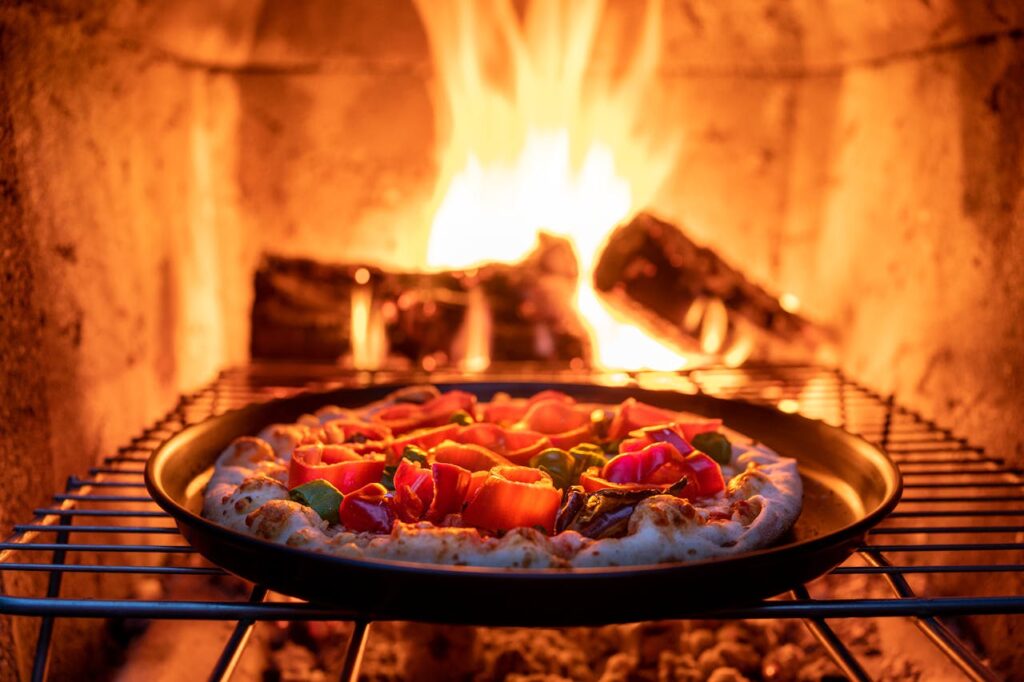
Large pizza brands frequently use infrared or convection ovens that cook pizzas evenly and create browning patterns closely resembling authentic wood-fired pies. These methods allow for high-volume service while maintaining consistent visual appeal and texture.
Infrared heat can char the crust and melt cheese quickly, giving the convincing illusion of traditional wood-fired baking. Understanding these modern techniques reveals why some chain pizzas look, smell, and even taste wood-fired, even if no real logs were involved. It’s an effective strategy for busy restaurants aiming for artisan aesthetics and efficiency.
7. Liquid Smoke Tricks in Gourmet Pizza Kitchens
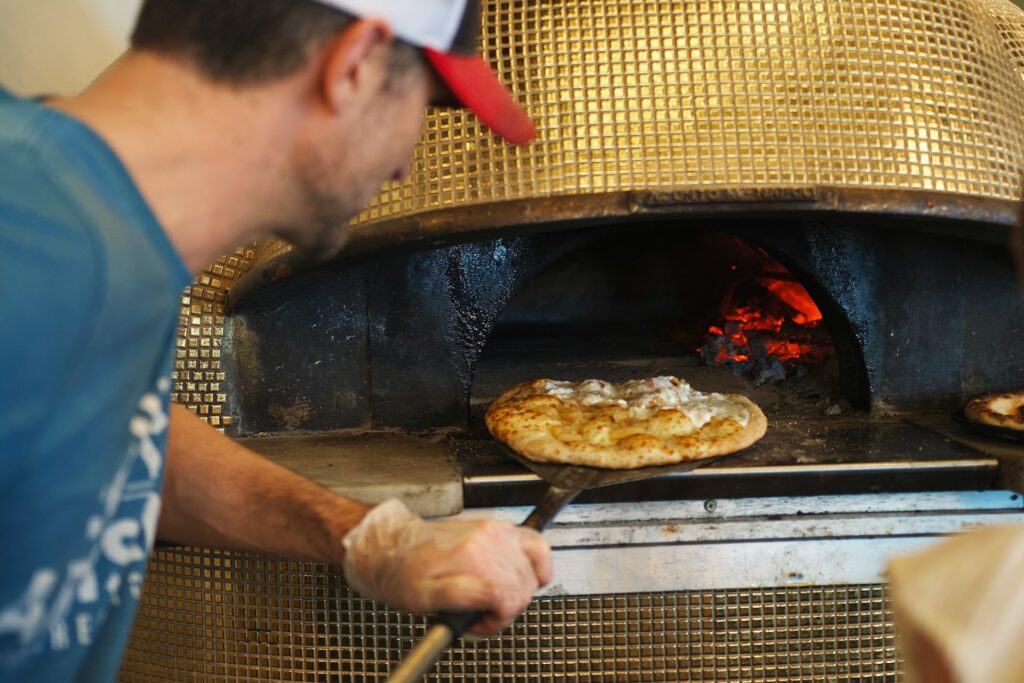
Some gourmet kitchens enhance flavor by carefully adding liquid smoke to dough, sauces, or toppings. This clever method simulates the characteristic smoky wood-fired aroma without requiring an actual fire. Combined with high-temperature ovens, it creates a remarkably convincing sensory experience that delights the eyes, nose, and taste buds.
Liquid smoke allows chefs to maintain precise consistency while offering customers a flavor profile reminiscent of traditional wood-fired cooking. Recognizing this clever technique shows how culinary creativity can successfully mimic classic methods without real wood while maintaining safety.
8. Ovens Touted as “Artisanal” but Actually Gas-Powered
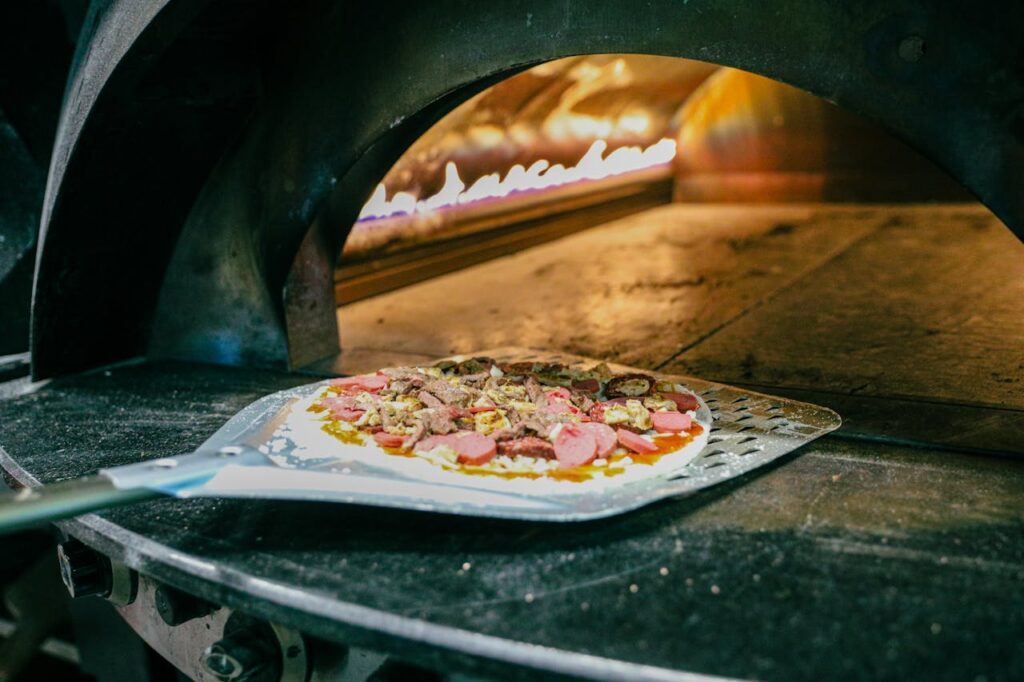
Pizzerias often label ovens as artisanal or wood-fired for marketing and branding purposes, but many actually operate entirely on gas. These ovens can achieve rapid heat, even cooking, and visual appeal closely resembling traditional wood-fired methods.
They help restaurants meet customer expectations while avoiding the challenges, and regulations of real fire management. You may notice the familiar bubble marks on crusts and smoky, charred edges, yet the flavor comes primarily from precise temperature control and expert baking techniques rather than burning real wood. Awareness enhances your understanding of what “artisanal” truly means.
9. Pizzerias That Market Tradition but Skip Real Wood for Efficiency
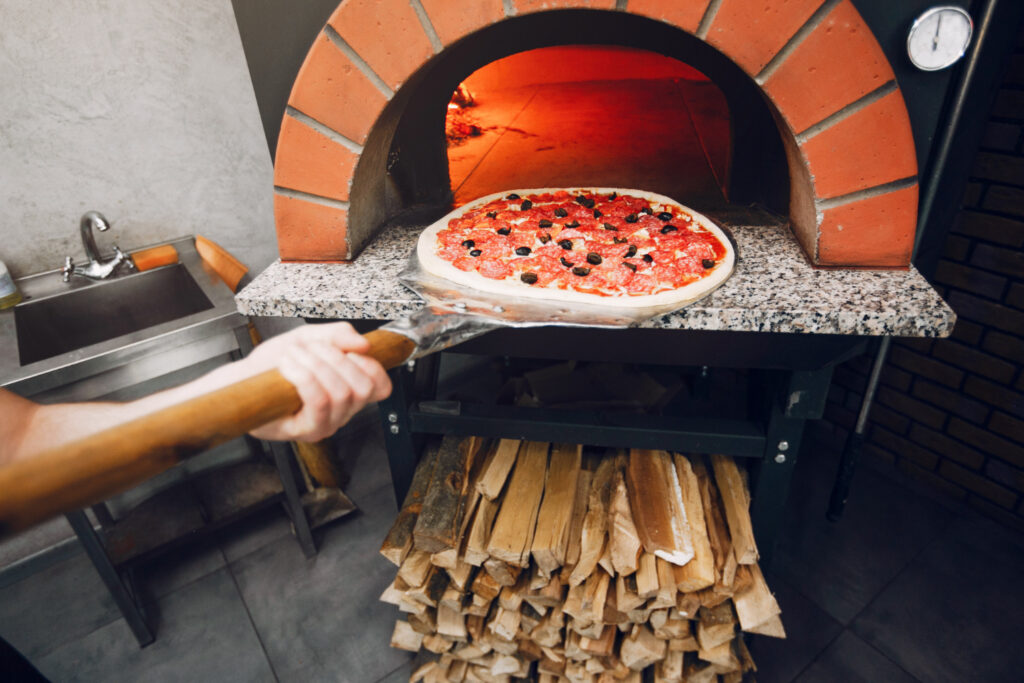
Efficiency drives many pizza kitchens to skip real wood while keeping the “wood-fired” narrative alive for marketing and customer appeal. Restaurants prioritize speed, safety, and consistently reliable results for every single order. Using gas, electric, or hybrid ovens, they can convincingly replicate the aesthetics of wood-fired baking, golden textures.
While the taste may slightly differ from authentic wood-fired pizzas, the pies remain appealing and satisfying to most customers. Understanding these modern practices lets you enjoy your pizza while fully recognizing the methods behind traditional appearances.