10 Grocery “BOGO” Deals Shoppers Realize Aren’t Real Savings
The grocery store’s most attractive marketing gimmick is “Buy One, Get One Free”. We think we’ve defeated inflation slightly. But retail experts and professional organizers say these discounts are sometimes well-planned traps to get rid of slow-moving merchandise or encourage people to spend more than they need to. Experts say “free” makes buyers forget about unit pricing, so they don’t realize that the first item was marked up to pay for the second. Shopping experts claim BOGO offers can cause “lifestyle creep,” when you buy things you didn’t want because they were cheap.
When considering the high base price or the reality that perishable foods usually go bad, grocery workers believe the “savings” are often not real. According to household budget flippers, firms commonly have these promotions before a product’s expiration date or package change. Store designers say BOGO displays at eye level or on end caps break up your walk and encourage you to buy unexpected items. Learn how these “freebies” work to prevent the mistakes that clutter your cupboard and drain your bank account. Thinking you’re saving when you’re not causes these mistakes.
1. Inflated Base Price Items
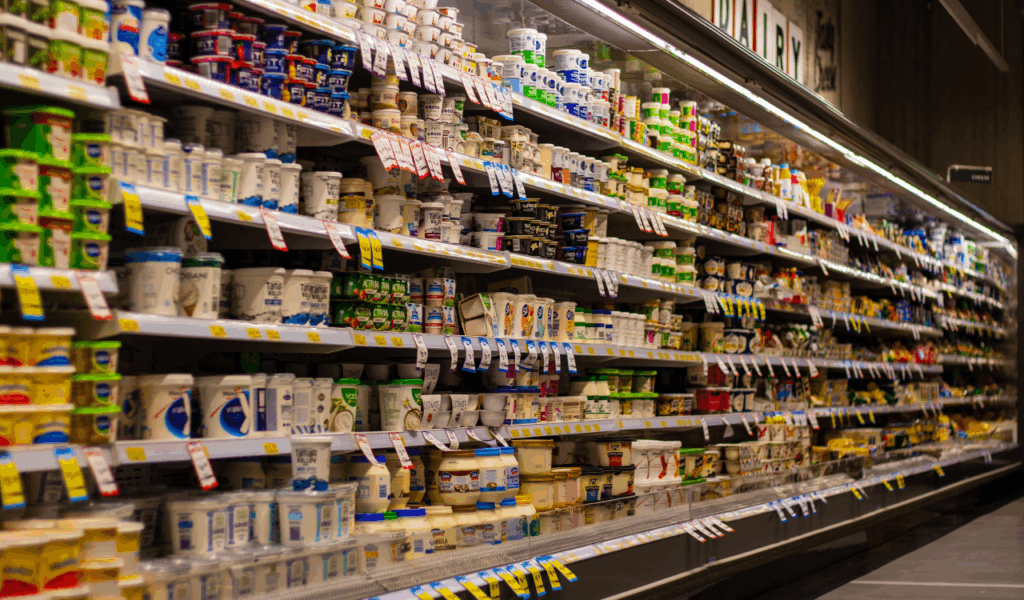
Raising the price of the first item right before the sale starts is the most popular strategy for stores to “fake” a BOGO offer. Retail watchdogs say that during a BOGO event, you can see a box of cereal that usually costs $4.00 suddenly cost $7.50. Experts argue that this “markup-to-markdown” method keeps the store’s profit margin high while making the customer think they are getting a 50% discount.
Designers of grocery pricing systems say that most buyers don’t keep track of the base price of every item, which makes them ideal candidates for this kind of psychological manipulation.
Look at the shelf tag’s “unit price” instead of the enormous “FREE” sign, suggest experienced organizers. If the price per ounce of a BOGO item is higher than a generic or larger-sized item, financial experts believe the deal is not worth it.
Real estate agents in retail believe that high base prices are common in popular sections like the snack department or bread aisle. If you pay roughly twice as much for the first thing to get the second “free,” you’re buying two items at their regular price.
2. Short-Dated Perishable Goods
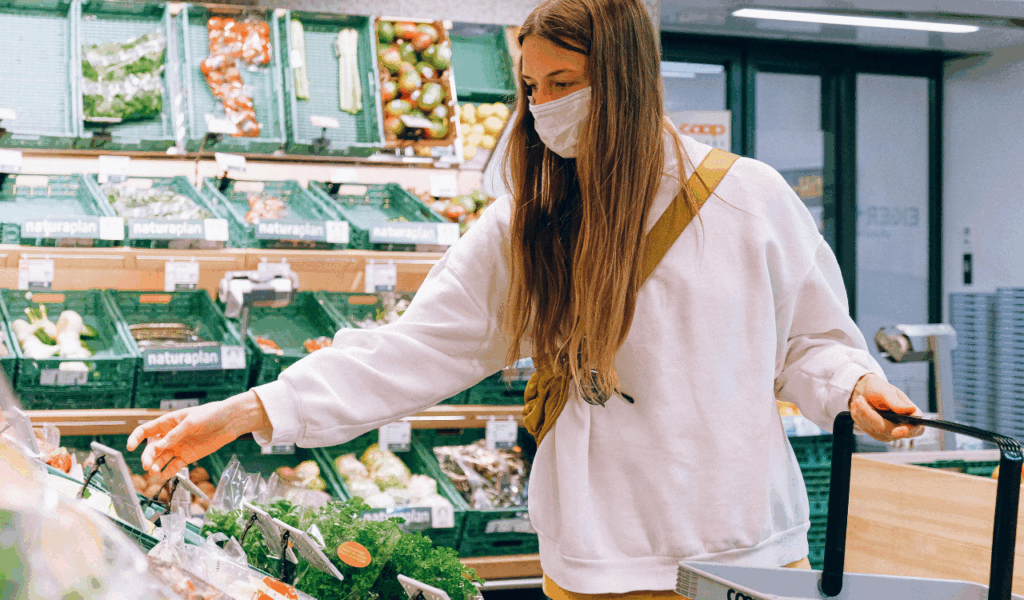
If you see BOGO deals on milk, yogurt, or fresh produce, it’s a good sign that the store’s stock is soon to run out. Grocery shop managers said that stores employ “buy one get one” deals as a last-ditch effort to get rid of stock that would otherwise go to waste. Experts suggest that if you don’t have a big family that can drink two gallons of milk or eat four packets of berries in 48 hours, the second item will probably end up in the garbage. This “food waste cost” makes the item you actually consumed cost twice as much, so any savings you thought you had are gone.
According to organizers, buying a lot of perishables is only cost-effective if you freeze or preserve them immediately. If not kept at the appropriate temperature, “short-dated” items might spoil, say food safety experts. Experts say customers usually detect mold in the second “free” container when they get home. Shoppers advise buying one fresh food item at a time unless the expiration date is at least a week away. So your “savings” don’t rot in the crisper.
3. High-Sugar Seasonal Snacks
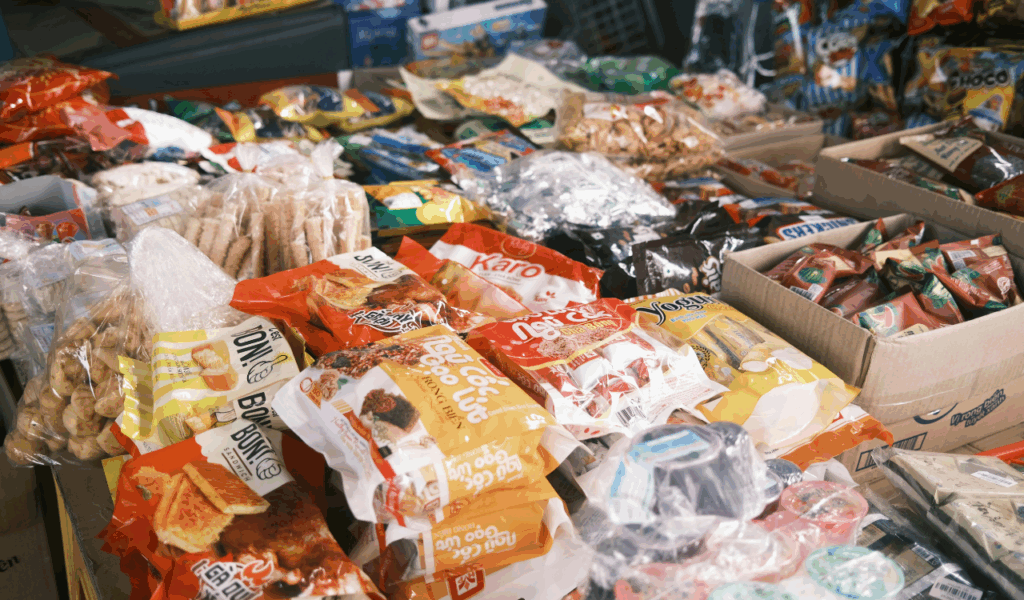
To get rid of themed inventory, grocery retailers often have BOGO bargains on seasonal sweets, cookies, and other sugary foods. Health experts suggest that the “hidden cost” of the “free” box of cookies is how it will affect your long-term health and your shopping budget for basic needs. Experts argue that these sales are meant to make you buy things you wouldn’t ordinarily buy.
Organizers say that these extra snacks take up important space in your cupboard, which might lead to a “snacking cycle” that makes you eat more food and go shopping more regularly in the future. Retail analysts claim these items are beneficial for firms because their production costs are so low that even at “half price,” profits are strong. Consumer behavior researchers have found that
BOGO junk food promotions often lead to less spending on healthy meats and vegetables. Experts recommend asking if you would buy the item if it were 50% off one unit. If no, the “free” second item is rubbish you’re paying for with your health and shelf space.
4. Proprietary “Starter” Products
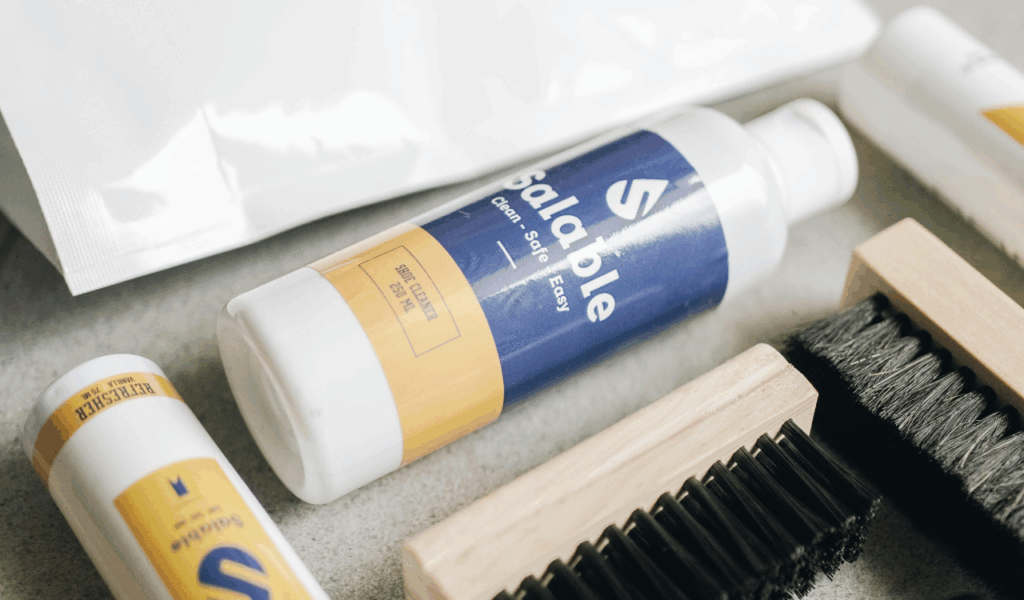
Offering a “starter” product with a “buy one, get one” bargain that needs expensive, proprietary refills is a smart move by manufacturers. You might find a “buy one get one” promotion on a certain brand of automatic air freshener or a unique cleaning wand, for instance. Experts believe that the “cost” of the free equipment is rapidly made up for by the high price of the replacement pads or cartridges you now have to buy. Retail experts say that the “free” item is really a “hook” that will keep you in a certain brand’s environment for months or years.
Since the ongoing cost is too high, professional organizers believe these “free” gadgets become “pantry orphans” after the first refills run out. Marketing funnel designers suggest businesses are willing to lose money on the first BOGO sale to get a loyal customer. Before getting the “free” starter kit, experts recommend calculating the six-month cost. If refills are twice as expensive as generics, the BOGO scam will cost you more over time.
5. Non-Stackable Coupon Items
A lot of people who shop don’t understand until it’s too late that BOGO bargains typically have fine language that says you can’t use any other manufacturer’s coupons. Couponing experts say that you may often save more by utilizing two high-value coupons on two different goods that are not BOGO than you can with a single “free” bargain. Experts claim that shops employ BOGO deals to “shut out” coupon savings, making sure that the customer pays the most for the “paid” unit.
This “opportunity cost” means you’re missing out on bigger bargains that smart buyers usually take advantage of. Retail experts say checkout software cancels additional discounts during BOGO sales. One of the most common things “extreme couponers” get irritated about, say checkout system designers.
Before checking out, experts recommend comparing the BOGO and “coupon-stack” prices. If you have a $2.00 coupon for a $4.00 item, you can save 50% without buying two. This frees up funds for other needs.
6. Pre-Cut and Packaged Produce
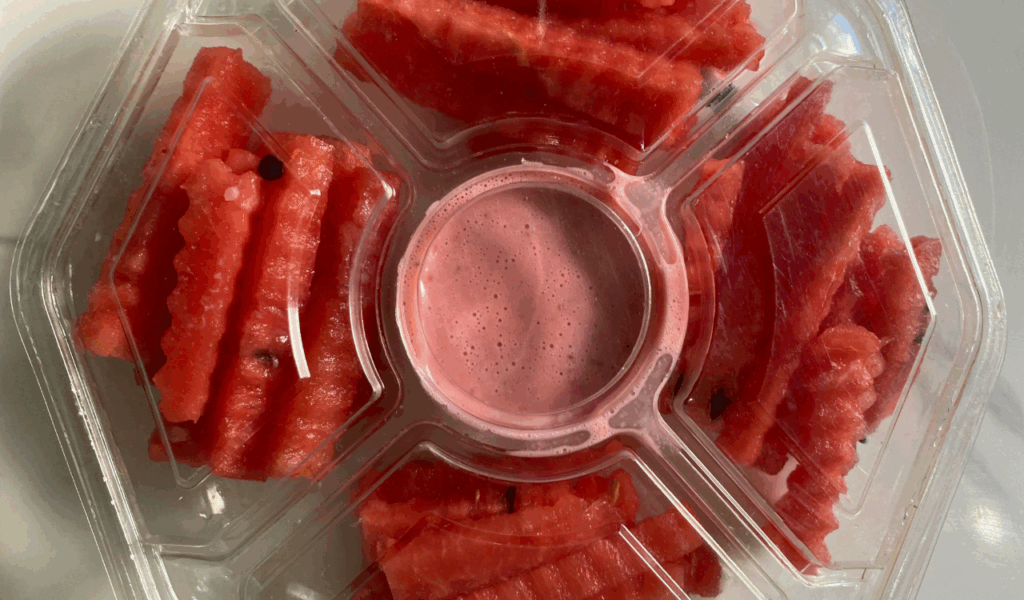
Even when they’re “free,” BOGO bargains on pre-cut fruit bowls or bagged salads are known to be bad buys. Produce managers say that the base price for pre-cut goods is already marked up by as much as 300% to cover the cost of labor. Experts suggest that even if you get two for one, you are still spending a lot more than you would for the complete, uncut fruit or vegetable. Also, food packaging designers say that pre-cut fruits and vegetables lose their nutritional content and freshness faster, which means that the “free” part typically wilts before you can consume it.
Professional organizers say “free” packaged salad is a major cause of “refrigerator guilt,” or throwing away food you should eat. Chefs claim BOGO pre-cut produce is sometimes inferior than “first-pick” products sold whole. Experts say the “savings” are an illusion; you’re paying for something you may not use. Thrifty kitchen designers recommend buying entire fruits and vegetables and preparing them in five minutes to save money. This always outperforms pre-cut BOGO offers.
7. Over-Processed Frozen Meals
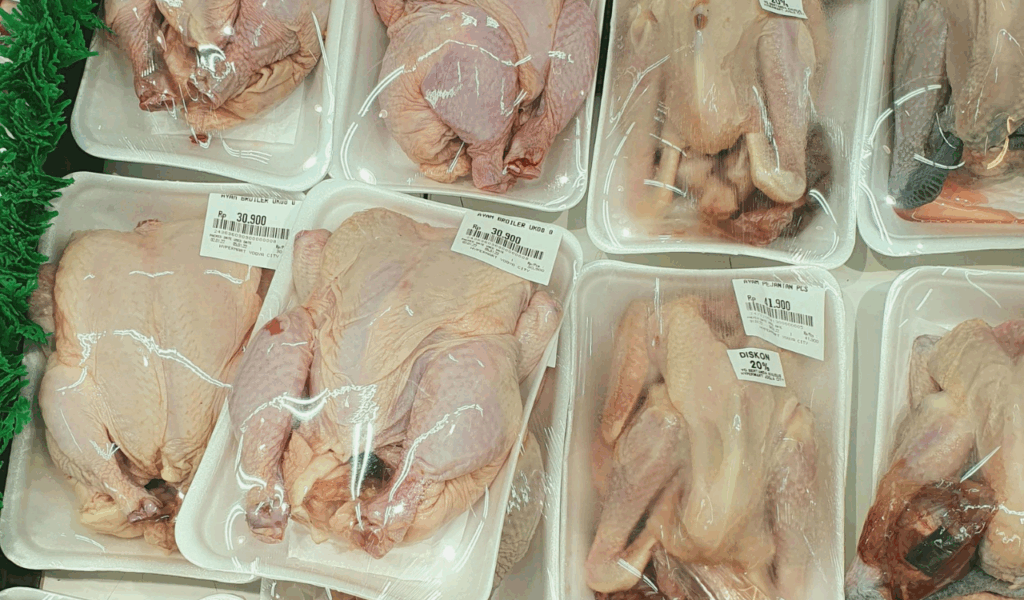
The frozen aisle is a great place to get BOGO deals, especially on single-serve “healthy” frozen dinners. Nutritionists say that these meals are often full of sodium and preservatives to keep them fresh, which might make you bloated and thirsty. Experts believe that the “cost” of the free lunch is that it doesn’t include a lot of nutrients. Retail experts say that frozen meals are good for retailers since they are cheap to make and keep.
When a store offers a BOGO deal, it makes you want to replace a fresh, home-cooked dinner with a processed one. Organizers say that frozen BOGO bargains are a big reason for “freezer jam,” which is when fresh, impulsive purchases bury older, healthier food.
Too many frozen meals can make people less willing to cook, which can increase shopping costs, according to kitchen workflow experts. Only utilize BOGO discounts on frozen basics like fruits and vegetables, say experts. The “free” unit in “signature” frozen dinners is often a technique to persuade you to eat more processed chemicals than you need.
8. “Must Buy 2” Minimums
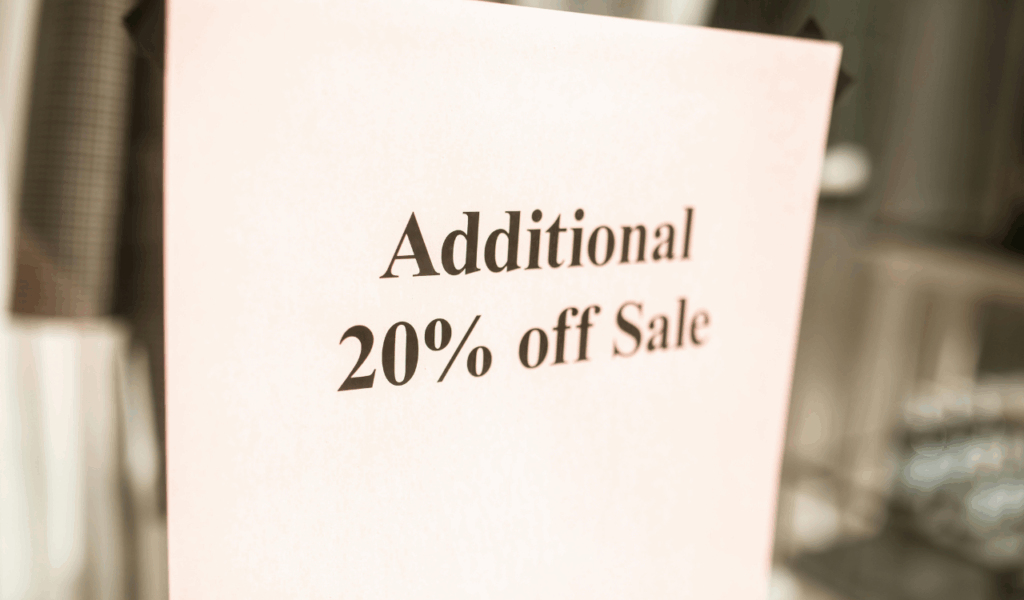
The “must buy two” rule disguised in the fine print is a subtle yet powerful BOGO fail. Retail experts say that certain stores promote a “BOGO” pricing but will only give you the discount if you buy exactly two products. You have to pay the full “single-unit” price, which is usually higher than the price for more than one unit, if you only require one. Experts claim this is a “quantity trap” that the store uses to get more people to buy things. People who make grocery commercials say that the “BOGO” lettering is always bigger than the “must buy 2” text, which might lead to surprises at the register.
Professional organizers say that this method makes people “over-buy” basics that could spoil or take up too much space. Financial experts believe forced bulk purchase messes up your monthly budget by tying up money in merchandise you won’t use for weeks. Experts recommend checking the store’s policies for “half-price” items. In many regions, stores must honor the 50% price on a single item even if they promote it as a BOGO, although they rarely tell buyers.
9. Specialty “Limited Edition” Flavors
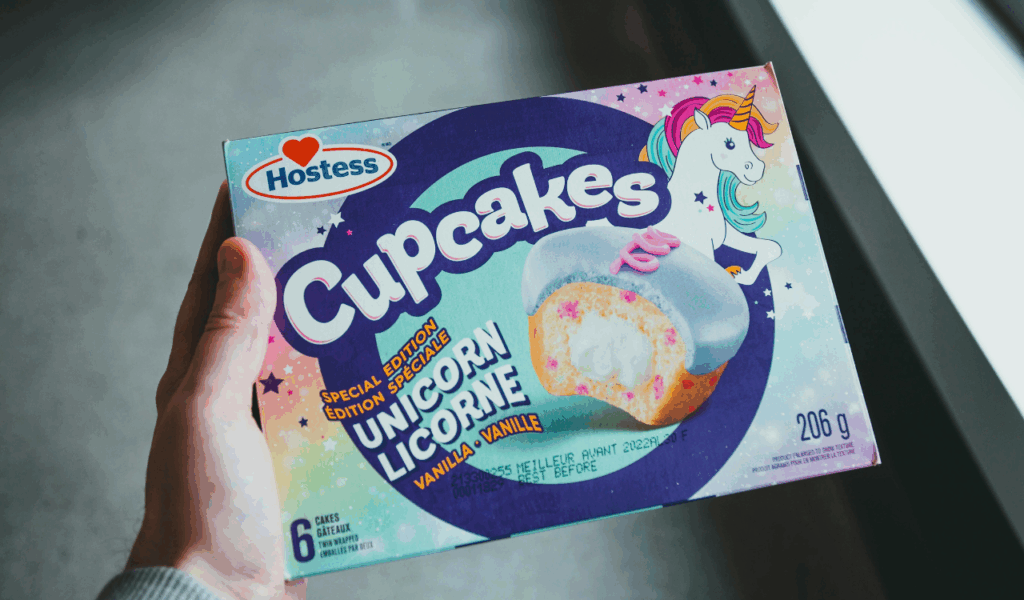
Manufacturers regularly employ “buy one get one” discounts to get rid of “limited edition” or experimental tastes that didn’t sell well. Food flippers say you might see a “buy one get one” deal on “Pumpkin Spice Potato Chips” or “Watermelon Oreos.” Experts argue the “cost” here is the chance of getting two packets of something you don’t even like.
Retail experts say that when a “limited” taste is set to be discontinued, retailers will do whatever to make room on the shelves for more popular mainstays that are available all year round. Flavor profile designers say that these experimental items are typically made using cheaper, fake scents. Experts claim that people often buy one, loathe the flavor, and then get a second “free” bag that stays in the cabinet until it goes bad.
Professional organizers say that BOGO deals are only worth it if you already know and love the item. Trying out your grocery budget on a “free” unit sometimes leads to “buyer’s remorse” and wasted money on the “paid” unit that you didn’t really like.
10. Low-Quality Store Brand Clones
Store brand versions of popular products that aren’t as good are sometimes pushed with BOGO offers. Professional chefs say that “house brand” products like paper towels, detergents, and condiments generally have less “active ingredients” than the big brands they try to copy. Experts argue that a “free” roll of thin, non-absorbent paper towels isn’t a good deal if you have to use three times as many to wipe up a spill. Product testing designers say that the “savings” are canceled out by the poor performance, which means you use the product up faster.
Retail experts say stores use BOGO specials on their own brands to keep customers, even if the product is bad. The “free” unit is a tactic to get you to stop comparing their brand to the better national brand, say experts. Professional domestic product flippers recommend only buying store brands on BOGO if you haven’t tried them and found them as good. Otherwise, you’ll pay for two things that don’t work, the worst “real savings” fail.