
4 Food Trends Americans Tried Once and Never Again
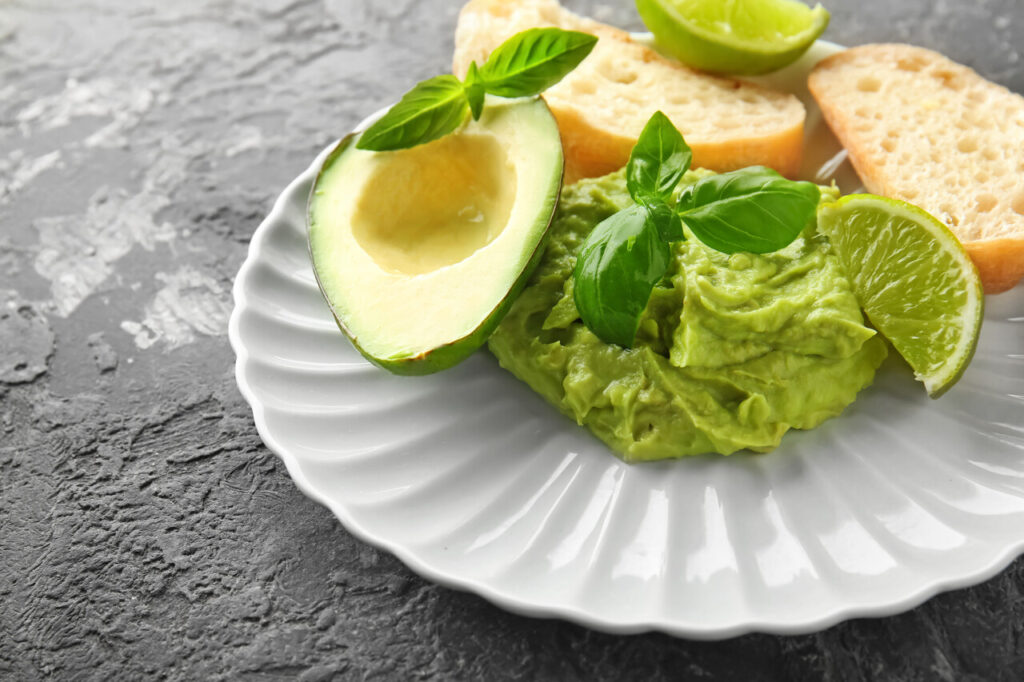
Food trends move fast, especially when curiosity, novelty, and social media collide. Americans have always been willing to experiment at the table, but not every trend earns a second order. Some ideas look exciting, promise health benefits, or feel fun in the moment, yet fall apart once the first bite settles in. Flavor mismatches, odd textures, inflated prices, and overblown claims often turn one-time experiments into permanent deal breakers. These short-lived food crazes reveal an important truth about how people actually eat. If something doesn’t taste good, feel satisfying, or fit into everyday life, it doesn’t matter how viral it becomes. Once the novelty fades, most diners are happy to move on.
1. Charcoal-Infused Foods

Charcoal-infused foods arrived wrapped in the promise of detox and visual drama. Black ice cream cones, jet-black burger buns, and pitch-dark lattes flooded social media feeds almost overnight. Here’s the thing. The appeal was almost entirely visual. Activated charcoal has little flavor, which meant these foods often tasted flat or oddly chalky. More importantly, health experts quickly pointed out that charcoal can interfere with medication absorption, which made the trend less harmless than it appeared. Once the novelty wore off, diners were left wondering why they paid more for food that looked striking but delivered no meaningful improvement in taste or nutrition.
2. Avocado Everything
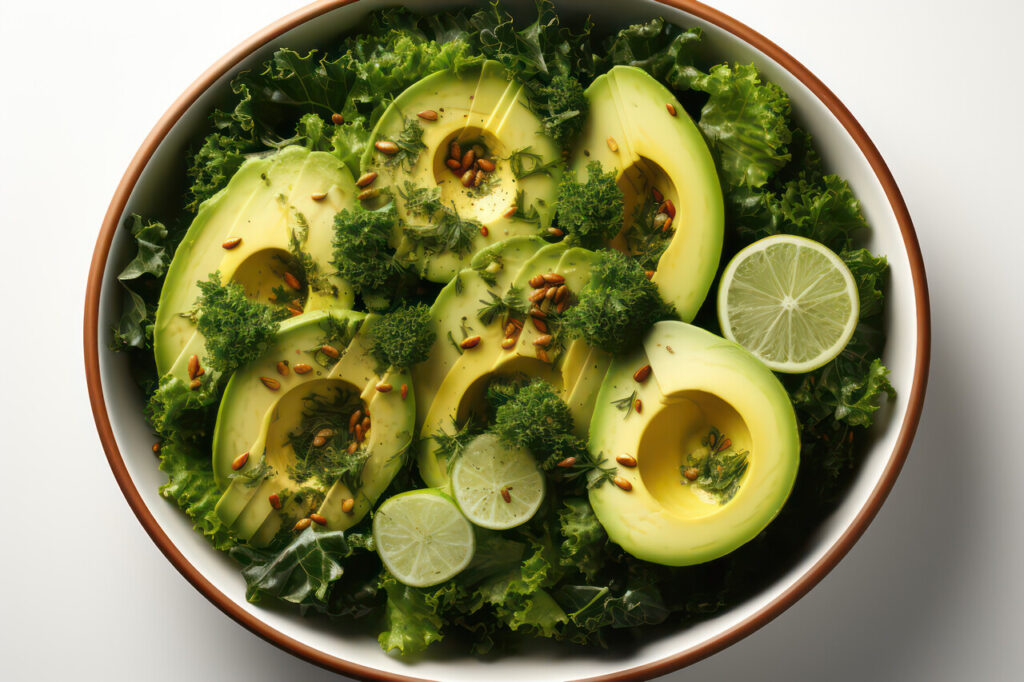
Avocado earned its place as a modern staple thanks to its healthy fats and versatility, but the obsession eventually went too far. When avocados started showing up in desserts, ice creams, and overly sweet baked goods, the balance tipped. The fruit’s mild, grassy flavor works well in savory dishes, but in sugary applications it often feels muted or mismatched. Many diners described these creations as expensive experiments that sounded better than they tasted. Texture also became an issue, with frozen or whipped avocado desserts turning gummy or bland. After a few curious bites, most people realized these versions didn’t improve on classic sweets.
3. Rainbow and Unicorn Foods
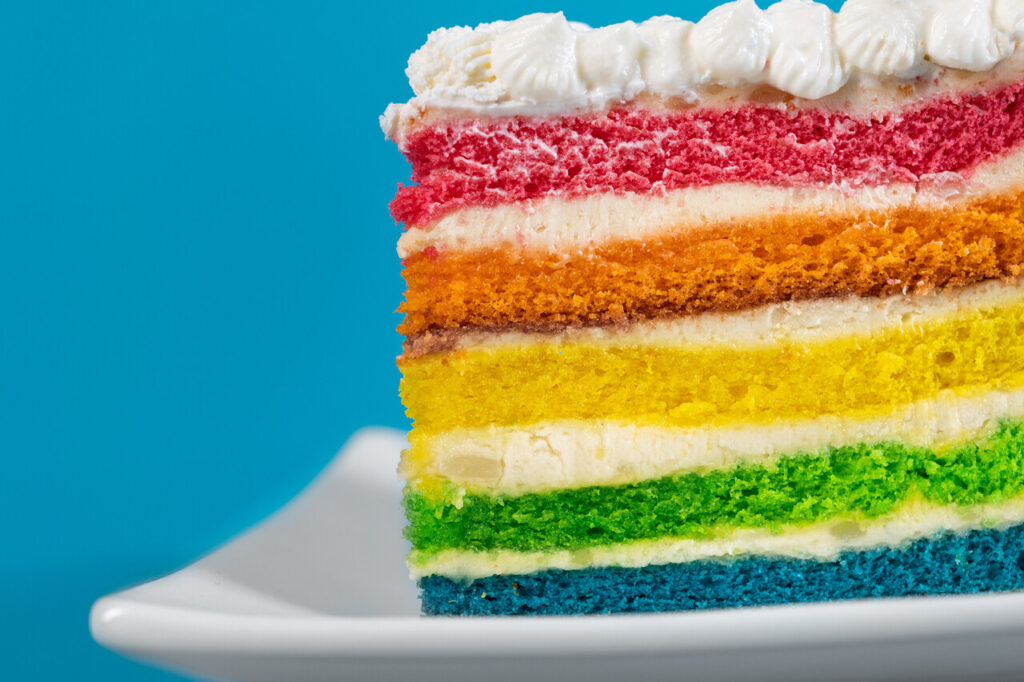
Rainbow bagels, unicorn frappes, and neon desserts captured attention through sheer spectacle. Bright colors promised fun, creativity, and a sense of play, especially for social media sharing. But once the photos were taken, the eating experience often disappointed. Artificial colors didn’t add flavor, and many of these foods relied heavily on sugar to compensate. What looked whimsical frequently tasted one-note and overly sweet. Parents grew wary of excessive dyes, and adults found the novelty exhausting rather than joyful. As food trends matured, consumers began favoring quality ingredients and balanced flavors over visual gimmicks.
4. Kombucha Cocktails and Extreme Ferments
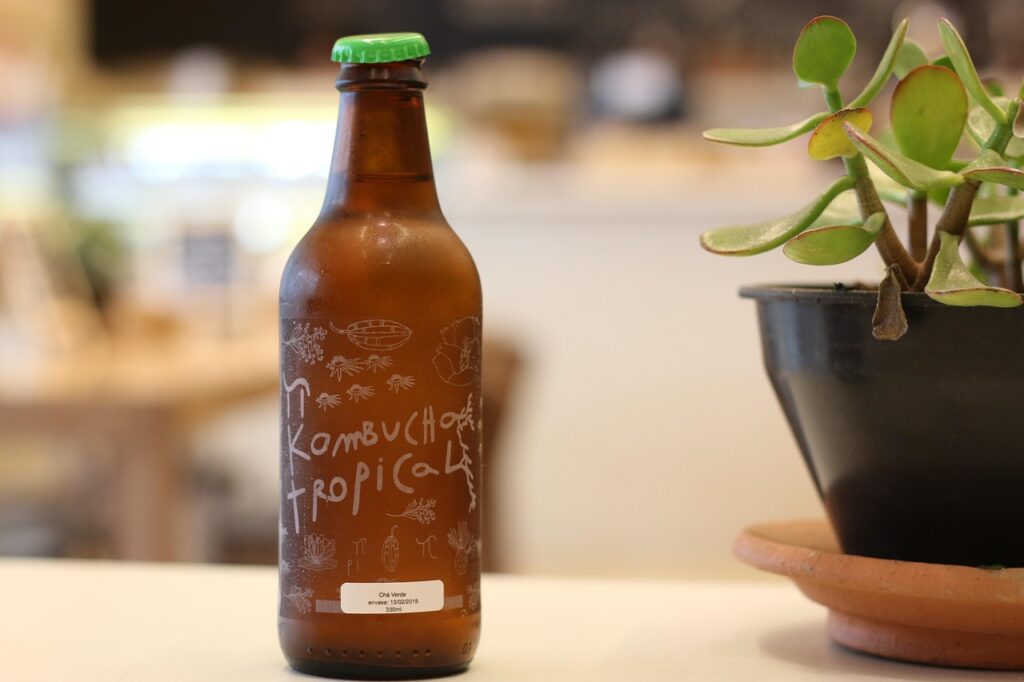
Fermented foods have deep culinary roots, but the kombucha cocktail trend pushed sourness into unfamiliar territory. Mixing kombucha with alcohol sounded intriguing, especially to health-conscious drinkers looking for alternatives. In practice, many found the flavor combinations jarring. The sharp acidity and funk of kombucha often clashed with spirits rather than complementing them. For casual diners, the taste felt more medicinal than refreshing. Strong fermented notes also limited appeal, making these drinks polarizing at best. While fermentation remains respected in traditional forms like yogurt, pickles, and sourdough, the cocktail experiments proved that not every trend benefits from going more extreme.