12 Living Room Layouts That Feel Better Than They Look Online
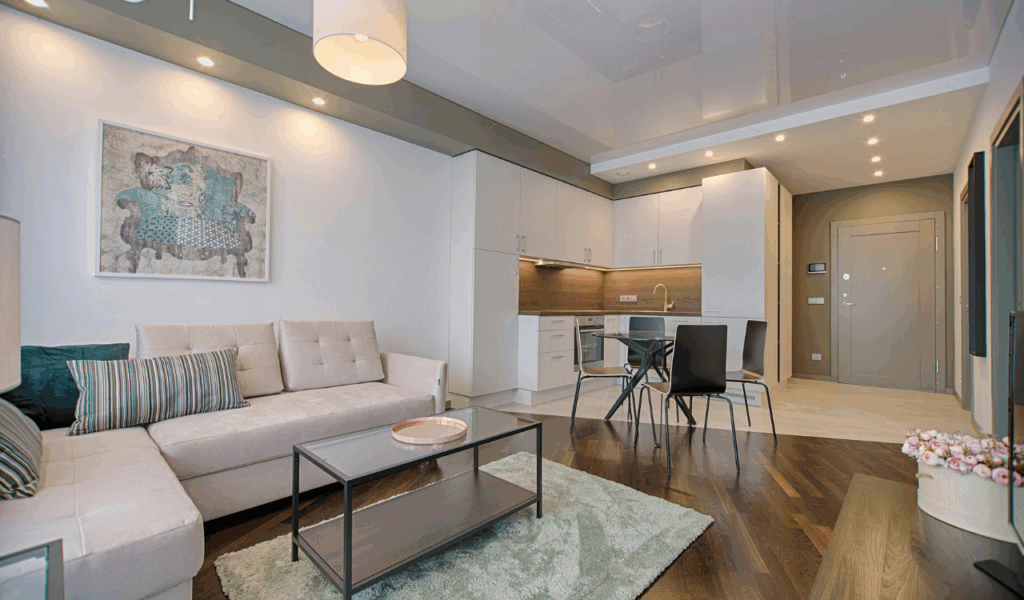
Many homeowners have trouble making their living rooms look as good in real life as they do in pictures. Interior designers and residential architects often say that a layout that looks great in a 2D picture might not feel as good in real life. Experts say that the “feel” of a room is based on things like how the furniture is arranged, how high the ceiling is, and how comfortable the seating is. High-contrast photos are eye-catching, but a good layout puts the experience of moving through and relaxing in the space first.
Professional decorators say that the best layouts are those that encourage conversation and let in natural light, even if they don’t look like they belong in a square-crop photo. Experts say that when we look at designs online, we often put too much emphasis on symmetry. However, in real life, a room that is a little off-center can feel more natural and less like a showroom. Homeowners can make their homes more livable by thinking about how people move between rooms instead of just how they look on a screen. These designs strike a balance between how good they look and how well they work as homes for a long time.
1. The Social Circle Arrangement
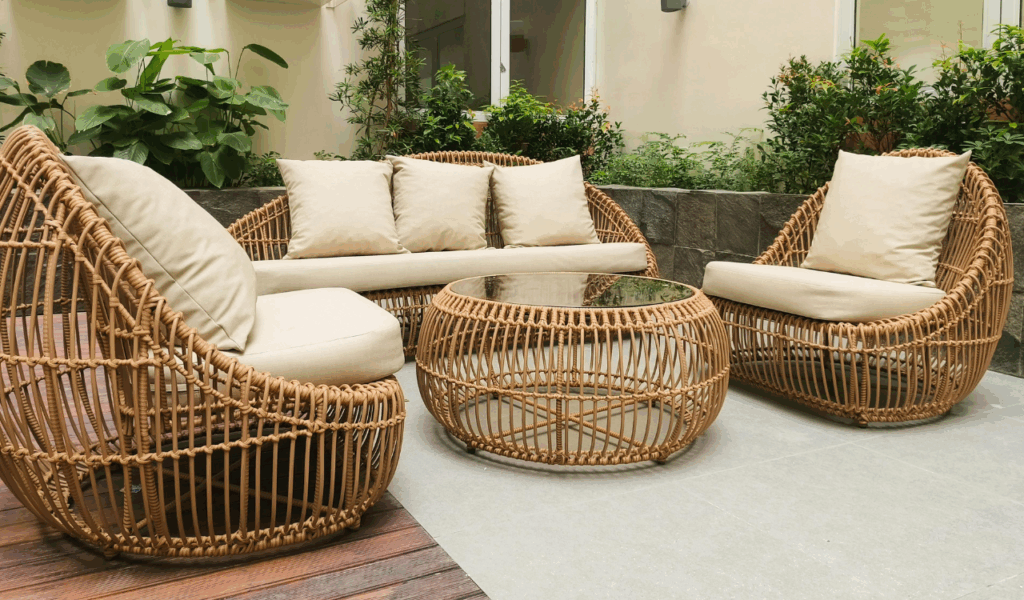
To set up a social circle, you need to move all the chairs away from the walls and put them in a group in the middle that faces inward. Interior designers say that this is the best way to set up a small gathering, even though it may look “floating” or untethered in wide-angle photos. Experts say that this layout gets rid of the “waiting room” feeling that comes from pushing chairs against the walls.
Putting the furniture in the center of the room makes a cozy, intentional space for people to interact, no matter how big or small the room is. Designers say that a big area rug should be used to ground this floating arrangement so that all of the furniture touches the fabric.
Experts say that this layout works best in big, open spaces where you want to create a “living” area without using walls. It may look like it wastes floor space on screen, but being surrounded by soft textures and sitting close together makes you feel safe and focused. This layout puts people before the limits of the building.
2. The Asymmetrical L-Shape
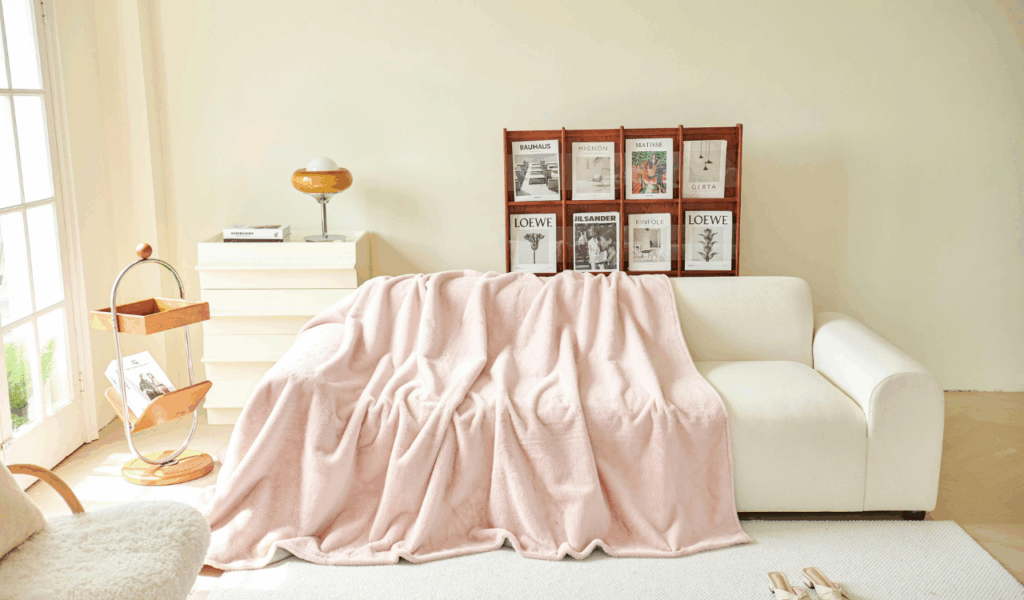
Online, the best L-shaped sectional is often shown in a corner to save floor space, but designers say it’s much better to pull it out and add a single, contrasting armchair. An asymmetrical design might look “unbalanced” to someone who just looks at it, but experts say it gives the eye a break and adds more paths.
Furniture experts say that the extra chair gives you a different view when you sit down, which makes the room feel more alive and less like a one-note theater. Professional stagers say that the single chair should be placed at a 45-degree angle to the sectional to promote a relaxed, open posture.
Experts say that this design stops the “blocked-in” feeling that big corner sofas often give people. Being able to walk around the furniture instead of just up to it makes the room feel much bigger and more open. It is a smart way to handle a big piece of furniture while still making the main living space feel bright and open.
3. The Multi-Zone Open Plan
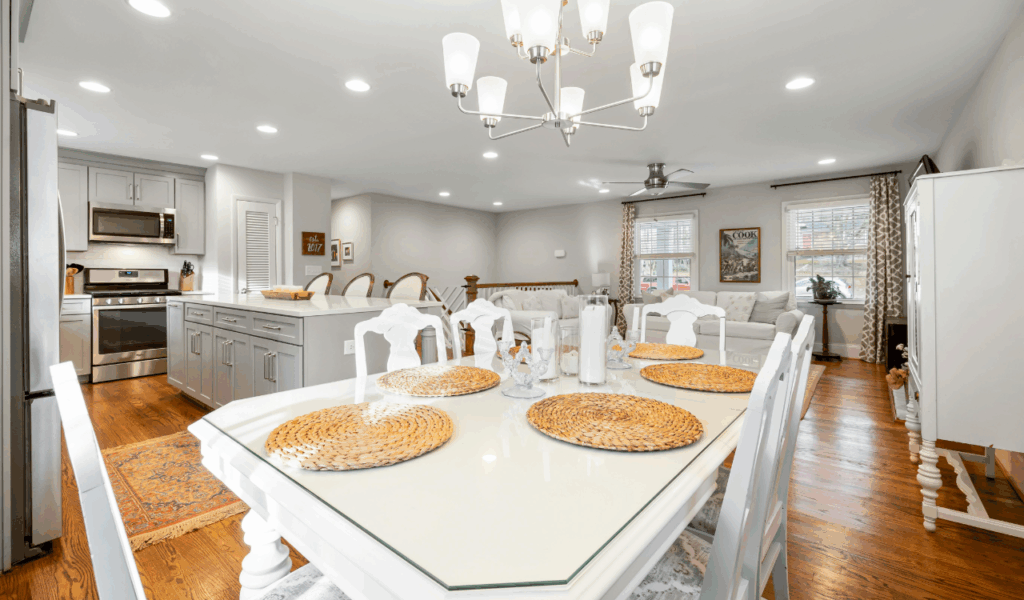
In a lot of modern homes, the living room has to share space with a dining area or a home office. This can make photos look messy. But professional organizers and designers say that a multi-zone layout is very useful because it lets family members do different things in the same room. Experts say that using low-profile bookshelves or console tables as “invisible dividers” can help keep the feeling of a big space while also making it clear where work and play should happen.
Interior architects say that keeping the same color scheme throughout all the zones is the key to making this feel right. Experts say that being able to go from a workstation to a relaxation area in three steps is a huge luxury when you’re actually in the space. These rooms may look busy or disorganized online, but in real life, they are convenient and full of shared energy. It is a design that shows how people really do multiple things at once and makes the most of every square foot of the home’s footprint.
4. The Symmetrical Fireplace Anchor
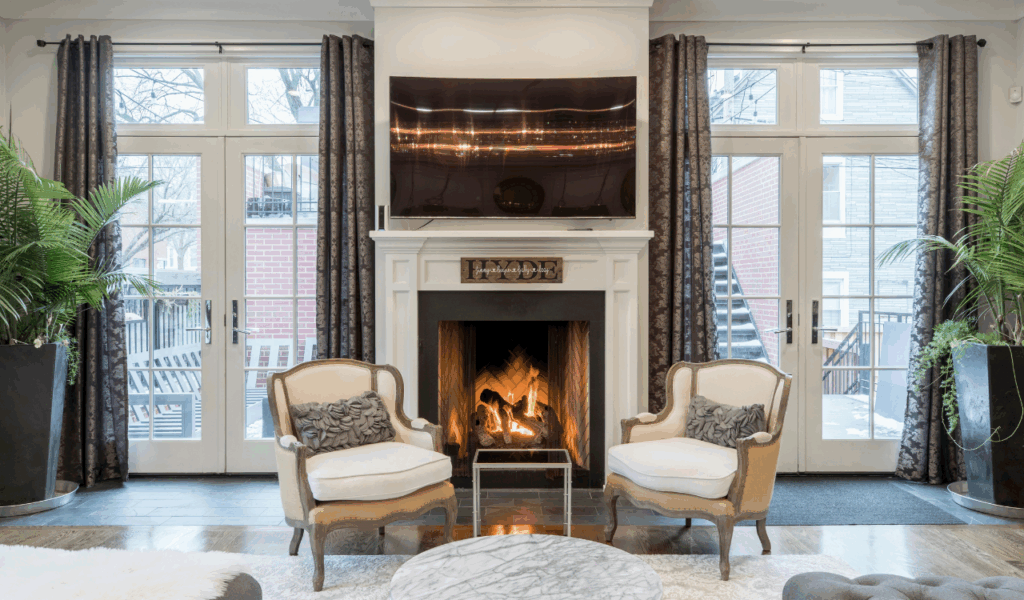
People often think that symmetry is too formal or “stiff” when they see it on a screen. Designers say that a symmetrical layout with a fireplace in the middle gives the room a strong sense of order and calm that you can feel as soon as you walk in. Experts say that putting two identical sofas or chairs across from each other in front of a central hearth creates a balanced focal point that naturally draws people to the light and heat.
People who like traditional comfort and a sense of architectural permanence love this layout.
Designers and contractors say that the size of the furniture should match the fireplace so that the hearth doesn’t look small.
Experts say that even though it may look like a “museum” in a picture, the real thing is stable and luxurious. This layout is great for entertaining because it creates a structured space that feels “finished” even with little decor. The mirrored arrangement makes the visual field less busy, which lets the brain relax and focus on the warmth of the fire and the quality of the conversation.
5. The Window-Focused Vista
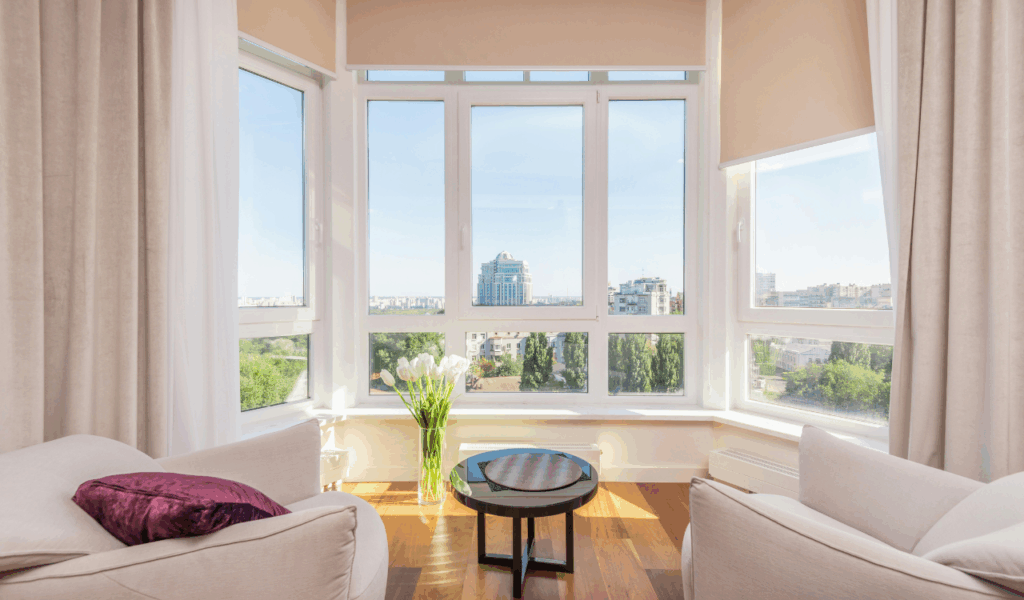
Most layouts are based on a TV, but experts say that having a room face a window or a view feels much more relaxing in person. It can be hard to take pictures of this because you often end up with silhouettes or overexposed backgrounds, but looking out at nature or a city skyline is life-changing. Interior designers suggest using low-backed furniture so that the view is always the main focus from every seat. Experts say that the most important “decor” thing in any home is natural light.
Lighting experts say that this layout makes the most of Vitamin D exposure and keeps people’s circadian rhythms in check by putting them in line with the sun’s natural cycle. People who watch a lot of daytime TV might think a “window-first” room is a bad idea, but it has a lot of mental health benefits. Designers say to use window treatments that are light and airy and can be easily pulled back to show off the view. It is a layout that puts the outdoor connection first, so even a small apartment in the city can feel like a large, sun-drenched sanctuary.
6. The Diagonal Shift
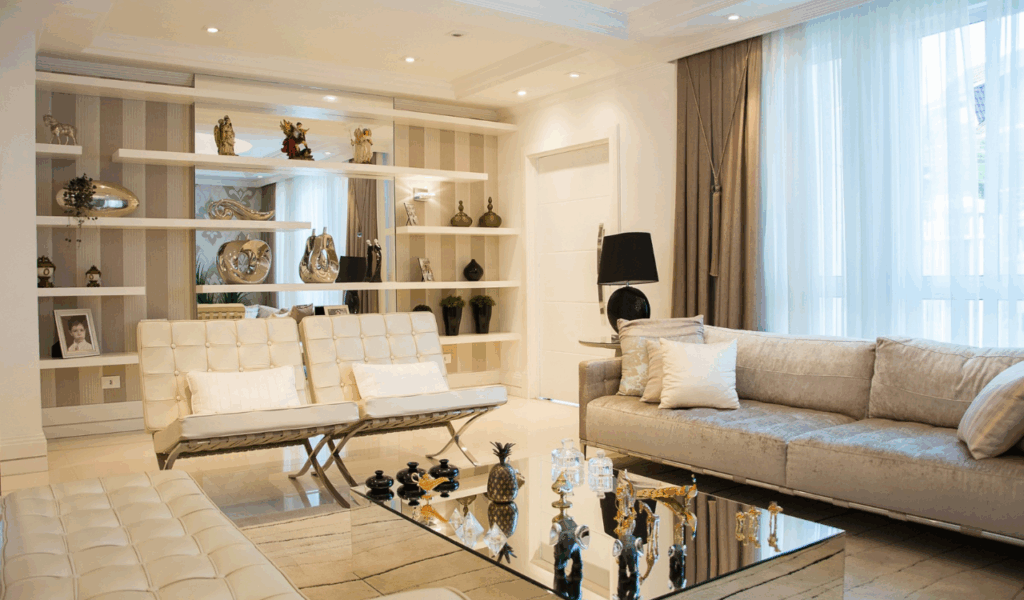
In floor plans and online galleries, a diagonal layout, where furniture is turned 45 degrees to the walls, often looks “accidental” or strange. But professional decorators say that this is a great way to make small or square rooms that feel boxy and boring feel better. Experts say that putting the rug and the main seating on a diagonal makes the room look much bigger by drawing the eye to the longest part of the room, which are the corners.
It breaks up the harsh right angles that can make a room feel sterile. Designers say that this layout makes interesting “dead zones” behind the furniture that are great for big potted plants or tall floor lamps.
Experts say that the diagonal shift makes a room feel more alive and creative because it goes against the usual grid-like pattern. The walls don’t seem to get in the way as much in person, and the flow of the room seems more natural. This design choice is brave, and it gives the homeowner a space that feels unique and custom-made, which is different from the standard layouts found in most suburban homes.
7. The Double-Sofa Face-Off
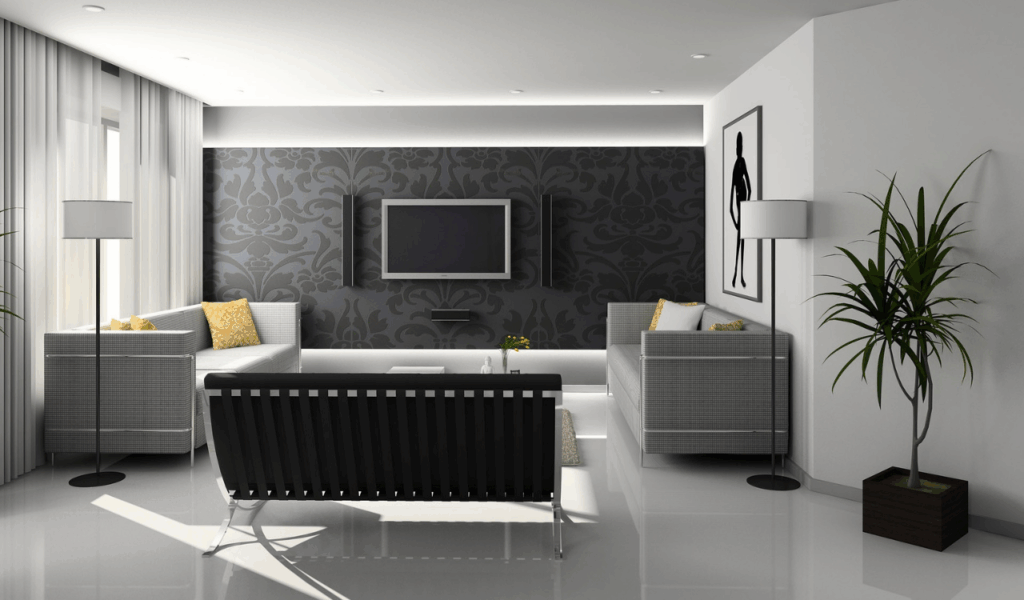
Putting two full-sized sofas on the screen instead of a sectional and chairs can make the screen look “heavy” or crowded. Interior designers, on the other hand, say that the “face-off” layout is much better for homes with a lot of people and families with a lot of kids. Experts say that sectionals often have a “dead corner” where no one wants to sit. On the other hand, two sofas give everyone a clear, comfortable place to sit. This layout makes a wide central aisle that gives the room a sense of order and a grand scale that sectionals often don’t have.
Experts say that to get the most seating space without making the room bigger, you should choose sofas with slim arms. Experts say that putting a big, strong coffee table between the two sofas makes a shared surface that is great for board games or meals. In a picture, it might look like “too much furniture,” but in real life, it is useful and there is no fighting over the “good seat.” The layout is practical and strong, and it handles the chaos of family life with style and grace.
8. The Library-Style Perimeter
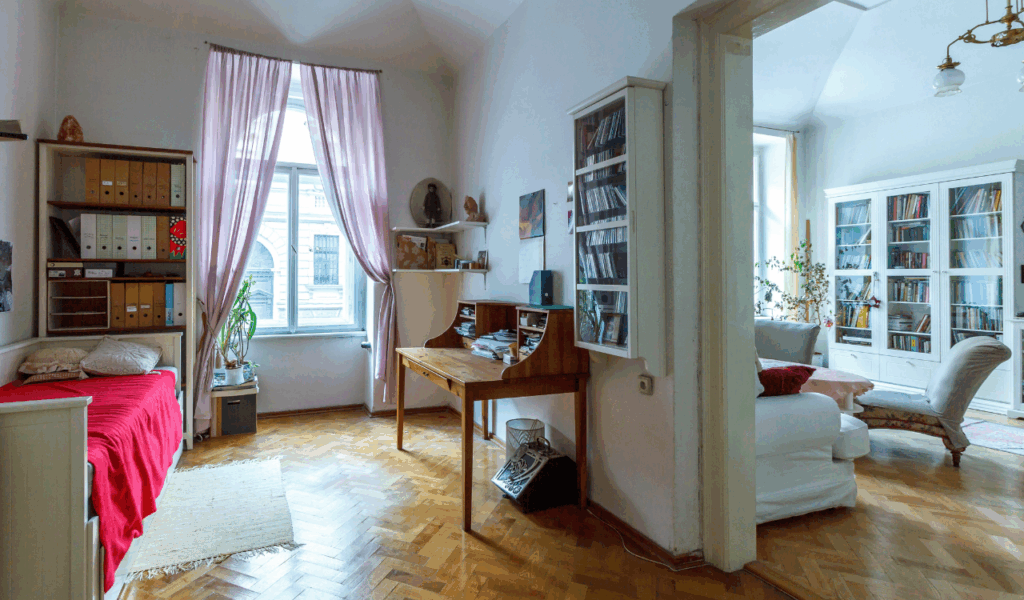
A library-style layout has tall bookshelves along the walls and seating in the middle, which often includes a library table. This may look dark or “cluttered” with books online, but in person, the sound and heat benefits are huge. Architects say that walls of books are great for keeping heat in and sound out, which makes the room feel very quiet and cozy.
Experts say that having books around makes the space feel “soft,” which is both intellectually stimulating and very personal. Interior designers say that adding lighting to the shelves can help keep the room from feeling like a cave.
Experts say that people who use their living room as a study or a quiet place to think rather than a media center like the library layout best. This layout may look old-fashioned, but modern shelving systems can make it feel new and sleek. Being surrounded by books and art gives you a sense of history and depth that a regular, “clean” living room layout can’t match.
9. The Minimalist Path-First Layout
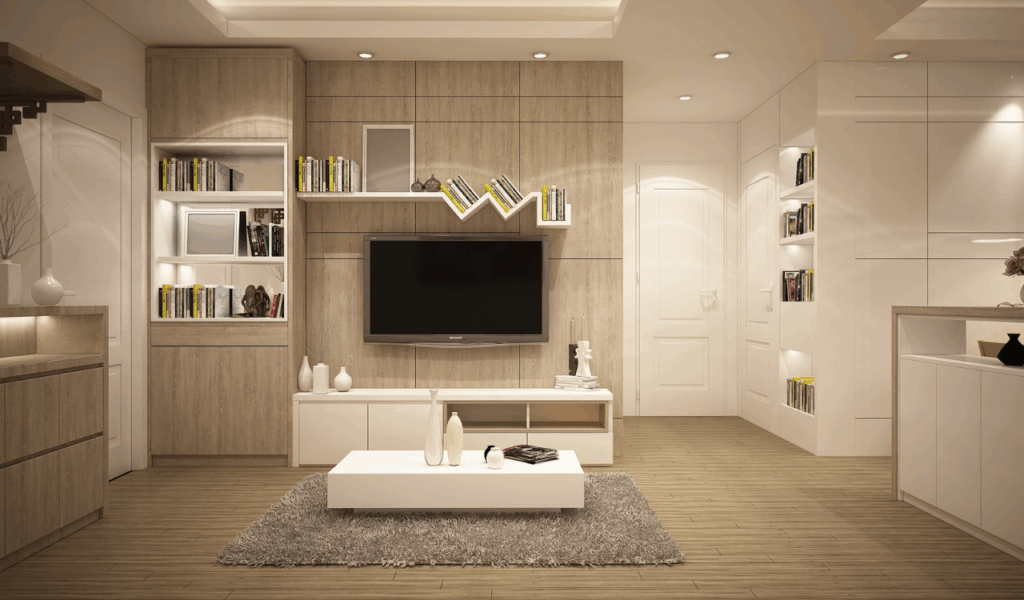
A “path-first” layout puts wide, clear walkways ahead of the number of seating pieces, which can look “empty” or unfinished in pictures. But professional organizers and universal design experts say this is the best way to live without stress. Experts say that having at least 36 inches of clear space between furniture pieces stops people from feeling “trapped” or having to turn sideways to move. People with kids, pets, or mobility issues who need a home that is easy to get around really like this layout.
Designers say that to keep the sense of purpose, it’s better to choose a few large, high-quality pieces than a lot of small ones. Experts say that the “negative space” in a room is just as important as the furniture because it gives the eye and body a place to rest. It might not win an online “most decorated” award, but the feeling of freedom and the lack of physical clutter give you a deep sense of mental clarity. It is a design that values the things in the room as well as the air and light.
10. The Corner Conversation Nook

In wide-angle photos, a small, dedicated conversation nook in one corner of a larger living room can look “disconnected” or out of balance. Interior designers say that these secondary zones are often the most used parts of the house, though. Experts say that a small table and two chairs near a lamp are the perfect place to have coffee or talk privately while someone else uses the main seating area.
This design gives a room more uses, making it feel more like a “great room” that can be used for many things. To define this nook and set it apart from the rest of the room, decorators suggest using a different texture or a small accent rug.
Experts say that these small groups of furniture make a big room feel more like a home and less like a big hall. In person, being able to step back into a corner without leaving the room gives you a sense of privacy in a shared space. The layout is well thought out because it understands that not every activity in the living room needs to involve the whole family at once.
11. The Wrap-Around Media Zone
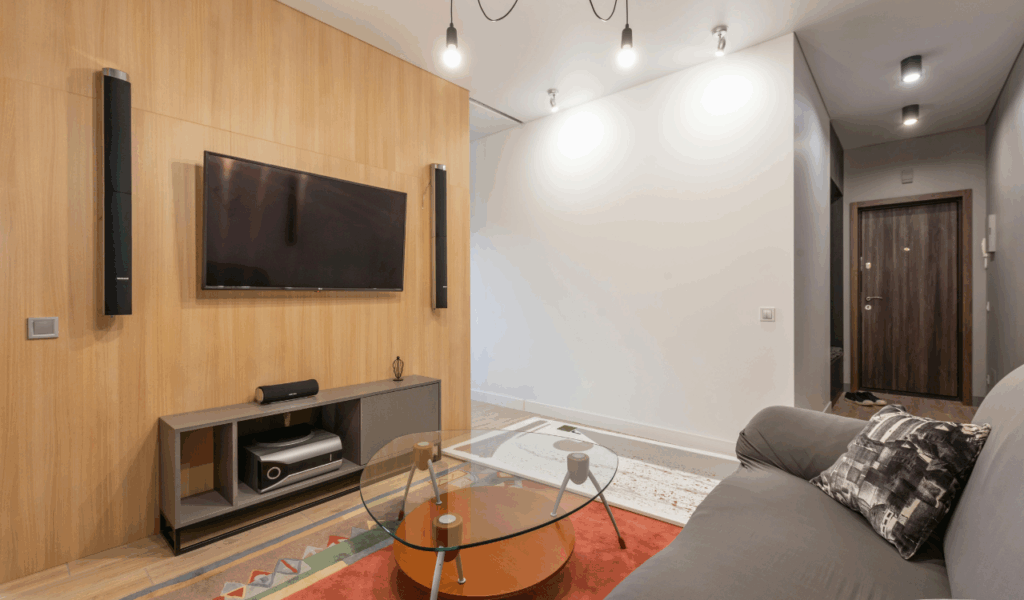
The TV is the center of attention in a lot of homes, but a “all-on-one-wall” media layout can look flat and boring online. Designers say that a “wrap-around” media zone, where the seating wraps around the screen and there is built-in storage, feels much more immersive and comfortable. Experts in tech integration say that this layout makes it easier for everyone in the room to hear and see. The TV becomes a part of the architecture instead of an eyesore when it is built into a larger wall of cabinets.
Contractors say that this layout needs good cable management and ventilation to work safely and look clean. Many professional flippers use the trick of using dark colors behind the screen to make it “disappear” when it’s turned off. It might look “built-in” and permanent, but having all your media, games, and electronics in one organized hub every day is the best thing ever. It is a design that welcomes modern entertainment while keeping things neat and tidy.
12. The Back-to-Back Double Area
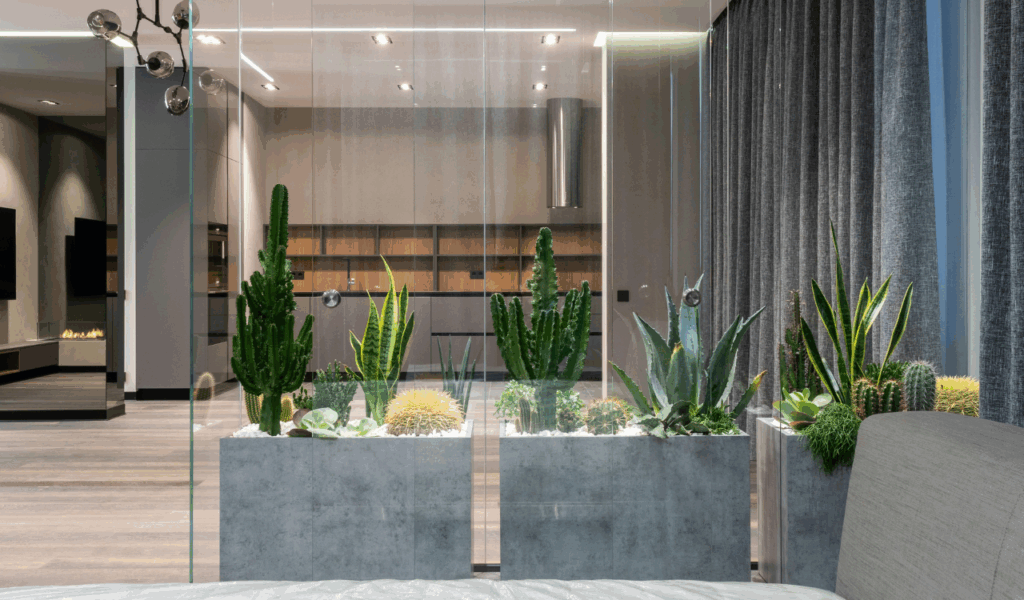
A single furniture arrangement can look “stretched” or weird in photos if the living room is very long or rectangular. Interior designers suggest a back-to-back layout, which means putting two sofas with their backs to each other to make two separate seating areas. Experts say that this does a good job of turning one big, hard-to-use room into two smaller, more useful ones.
Many luxury hotels and large estates use this method, but it also works well in many suburban homes with big “bonus” rooms. Designers say that putting a console table between the two sofas will give you a place to put lamps and decorations that will visually connect the two areas. Experts say that this layout is the best for families with different needs because it has a “quiet” zone for reading and a “loud” zone for playing or hanging out. It might look like “too much” in one picture, but having two separate spaces in one room is a huge functional improvement. It is a layout that handles the problem of scale perfectly and gives the residents endless options.