9 Storage Solutions That Prevent Clutter from Spreading
The tendency of disorganized households to move from one room to another is more annoying than the initial mess. Professional organizers claim that clutter is like a liquid and will automatically spread to fill any available flat surface if it is not contained. Implementing “containment strategies” that serve as tangible obstacles to this migration is necessary to keep your home functional.
The “visual noise” of the house is lessened when each object has a defined, sensible limit, preserving the architecture and interior design as the major focal points of the room. Realtors and interior designers frequently stress that a home’s storage efficiency directly affects how well it flows.
According to experts, you may break the practice of leaving things in transitional spaces like hallways or kitchen countertops by implementing “zonal” storage, where goods are put precisely where they are used. These nine methods are designed to prevent clutter and keep your possessions in their proper places. By implementing these professionally supported systems, you may shield your living areas from the constant barrage of objects, resulting in a more orderly and peaceful space that easily supports your way of life.
1. Deep Entryway Bench Cubbies
According to professional organizers, the main “breach point” for clutter to enter the house is the foyer, and the most common cause is a lack of floor-level storage. Designers claim that a built-in bench with deep compartments makes a landing area for bulky bags and shoes imperative. You may stop these items from “creeping” into the living room or main hallway by giving them a designated, secluded space. Every family member can tell by this physical barrier exactly where the private home begins and the outer world ends.
Because it conveys a regulated, tidy lifestyle, a well-kept mudroom or entry zone is frequently mentioned by realtors as a key selling element. To guarantee that larger shoes and bags are completely contained and do not spill out onto the floor, experts advise utilizing cubbies that are at least 14 inches deep. Contractors claim that these cubbies become even more useful and simple to maintain when a wipeable liner is added. The rest of your home’s floor layout is shielded from the daily squalor of shoes, grime, and abandoned equipment by keeping the heaviest stuff at the entryway.
2. High-Sided Decorative Trays
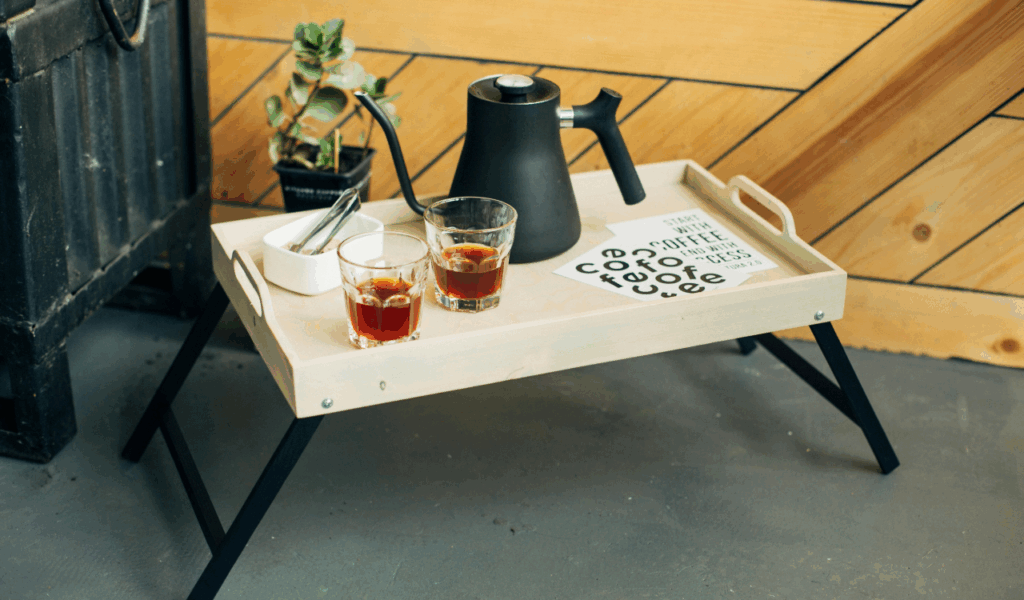
The fact that “clutter” is frequently just a collection of ungrouped tiny items is a huge secret among interior decorators. Experts say a high-sided decorative tray on a nightstand or coffee table offers a “micro-zone” for things like reading glasses, coasters, and remote controls. You can stop these items from spreading over the full surface of a tray by keeping them inside its four walls. Even though the tray itself is full, this method transforms a disorganized chaos into a well-chosen vignette, giving the space a sense of organization.
To help conceal the contents when seated, designers advise using trays with sides that are at least two inches high. Professional organizers say this works especially well in the kitchen for keeping salt cellars, oils and vinegars next to the stove. You establish a visual rule that objects must remain inside the “active area” of a countertop by delineating it with a tray. It is an easy-to-transport storage option that serves as a barrier for your level surfaces, keeping your surfaces clear and your décor deliberate.
3. Dedicated Charging Drawers

The “nest” of tangled mobile gadgets and charging cords is the most intrusive type of clutter in the digital age. Converting a typical kitchen or bedside drawer into a specialized charging station is advised by home automation specialists and designers. You may conceal a hub for all technology by mounting a power strip at the rear of the drawer.
Professional organizers claim that this keeps gadgets from taking up important counter space and guarantees that cords are hidden when not in use. According to contractors, “drawer outlet kits” are a rather easy modification that greatly increases a home’s usefulness. Centralizing your technology in a drawer, according to experts, also establishes a positive psychological boundary by motivating you to “put away” your social media and work at the end of the day.
One of the characteristics of a contemporary, “smart” home, according to realtors, is integrated tech storage. It is a practical decor option that eliminates the visible clutter of cords, guaranteeing that your major living areas are still used for connection and leisure rather than tech upkeep.
4. Floor-to-Ceiling Built-In Cabinets
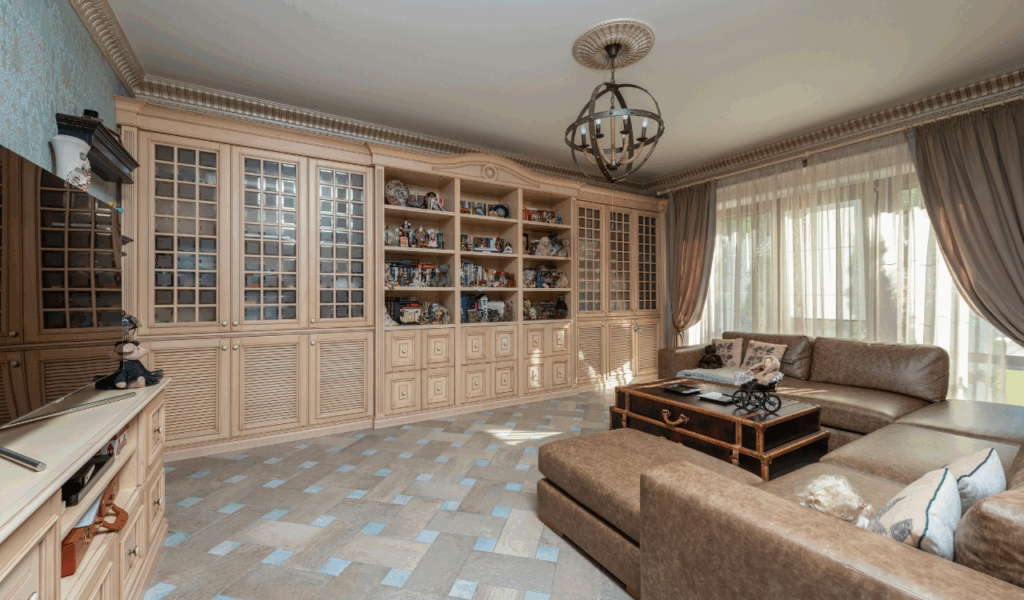
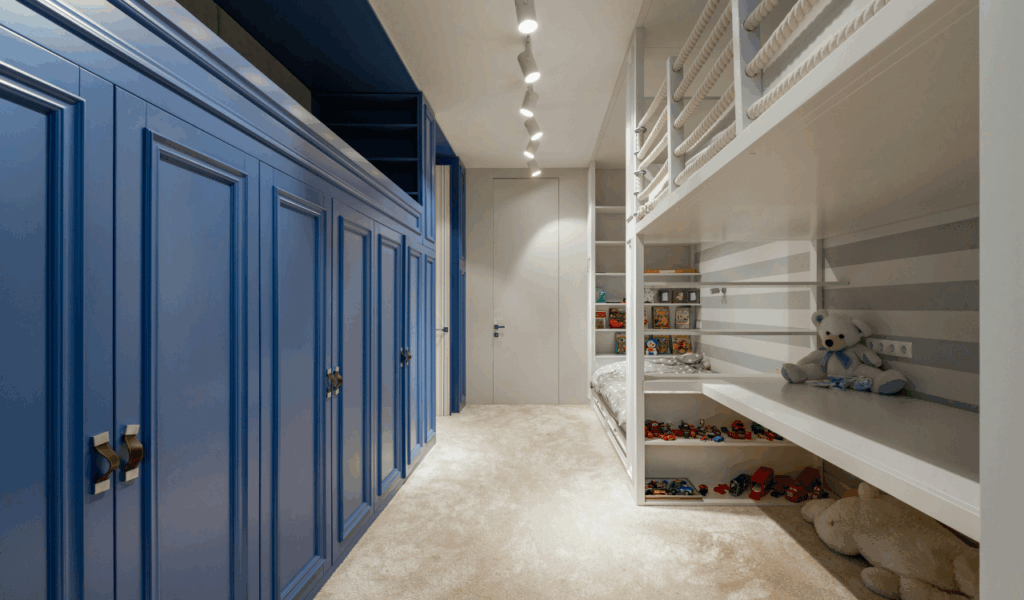
Architects and designers frequently recommend floor-to-ceiling built-in cabinetry to stop clutter from spreading both vertically and horizontally. Built-ins make use of every available inch of the wall, in contrast to freestanding bookshelves, which frequently leave “dust-trap” gaps at the top and sides. Designers suggest that while the upper portions can be left open for books or artwork, the basement sections should be set aside for large, closed storage. The heaviest detritus, such as games, toys, or electronics, is concealed behind sturdy doors thanks to this “closed-base” approach.
According to professional flippers, built-ins are among the most expensive additions since they give a space a sense of structural “finished Ness.” According to experts, having a permanent, high-capacity home for your possessions eliminates the need for numerous smaller storage units, which can cause a room to appear cluttered. Organizers claim that a floor-to-ceiling unit is sheer volume enables you to combine storage from several rooms into a single, well-organized wall. By doing this, you keep the remainder of the house open, airy, and concentrated on your main décor while preventing the “leakage” of goods into other rooms.
5. Under-Shelf Hanging Baskets
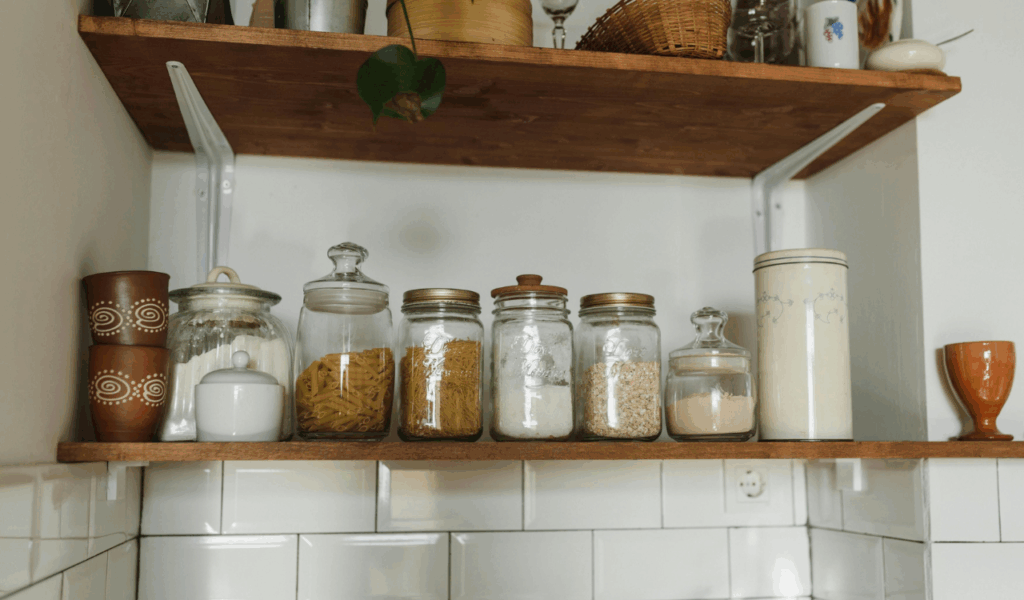
The “dead air” between high shelves causes clutter to proliferate in many linen closets and pantries. Under-shelf hanging baskets are a great way to free up this area for loose, smaller items, according to professional organizers. These wire or plastic baskets, according to experts, fit onto existing shelves and provide items like snack bags, wash cloths, or foil rolls a special place.
Filling the vertical gap stops these things from piling up on top of bigger boxes, which is the main reason why shelves become disorganized and create “clutter avalanches.” According to designers, these baskets can also be used in home offices to keep cords or paper under a desk.
Realtors claim that a prospective buyer feels much more spaced in a home with well-utilized wardrobe space. Experts suggest creating a lot more practical and granular storage system by grouping your smaller possessions into these hanging zones. This ensures that every inch of your storage furniture is operating at full efficiency to keep your home organized and accessible by preventing the “junk drawer” effect from taking over your principal shelves.
6. Lidded Woven Catch-All Baskets
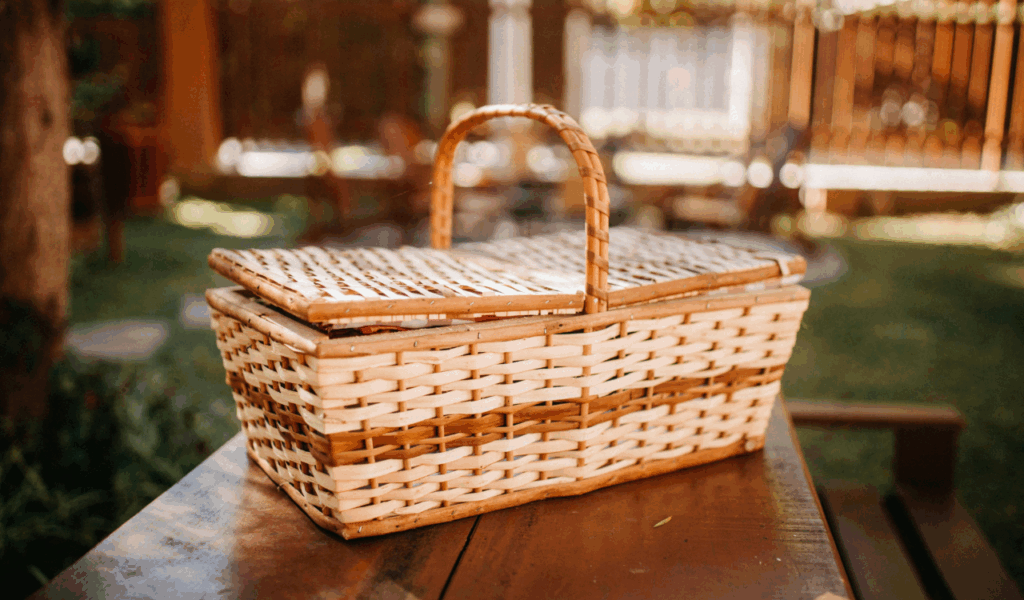
Designers swear by huge, lidded woven baskets for this purpose since the “one-minute tidy” is only feasible if you have a place to store items immediately. Experts say that the ideal “stealth” storage option for living rooms and play areas is a closed basket. It has a sizable capacity for storing pillows, blankets, or toys, but the top makes sure the contents are totally hidden. This preserves a neat and polished appearance by preventing the visual clutter of soft items from “bleeding” into the rest of the room’s design.
To capture things that need to be put up at the end of the day, professional organizers advise setting a covered basket at the bottom of the stairs. Realtors claim that wicker or seagrass’s organic texture serves a utilitarian purpose and gives contemporary rooms a much-needed organic touch. According to experts, having a special “overflow” container allows you to promptly put a room back in order before visitors arrive. It is a practical decor option that recognizes the realities of a busy life and offers a chic “safety valve” to prevent everyday clutter from overtaking your house.
7. Slide-Out Pantry Tiered Shelving
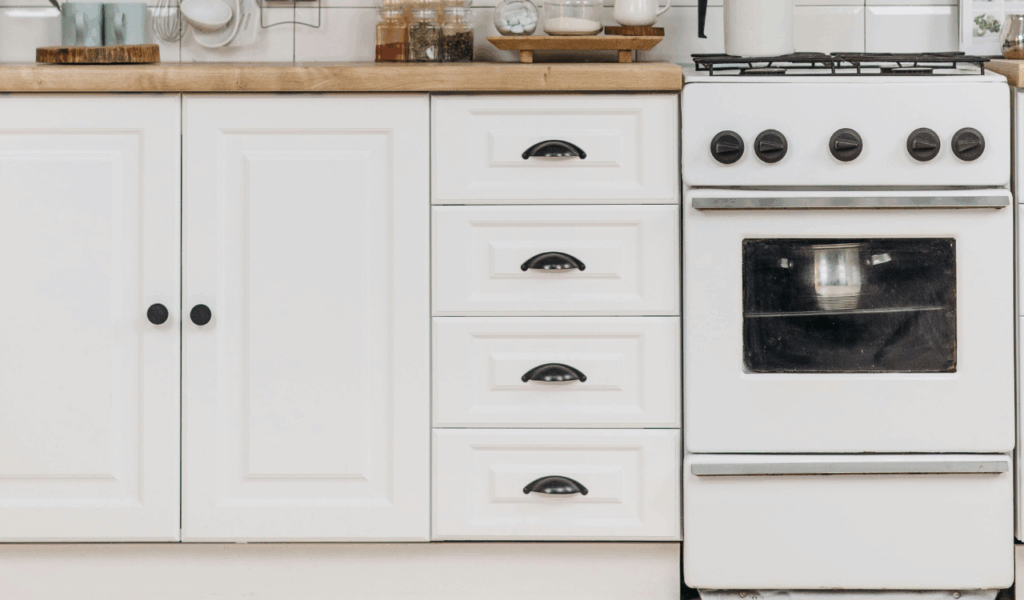
Since items toward the rear are frequently forgotten and replaced by fresh purchases, a deep pantry is frequently a haven for clutter. To address this issue, expert cooks and kitchen designers advise installing slide-out tiered shelves. Experts claim that these devices enable “visual auditing” of your stock by bringing the whole contents of the cabinet into the open.
You can avoid the buildup of duplicates and make sure that older things are used before they expire by being able to see every jar and box. These devices are simply retrofittable into ordinary 24-inch deep cabinets, according to contractors.
The organizers claim that the tiered design works especially well for spices and canned items because it makes the labels always visible. Improved “findability” of ingredients can greatly lower the friction of meal preparation, according to experts. Making it hard for items to hide in the back is the key to a clutter-free kitchen, as demonstrated by this technological storage solution that transforms a dark, disorganized closet into a highly functional culinary station.
8. Integrated Toe-Kick Drawers
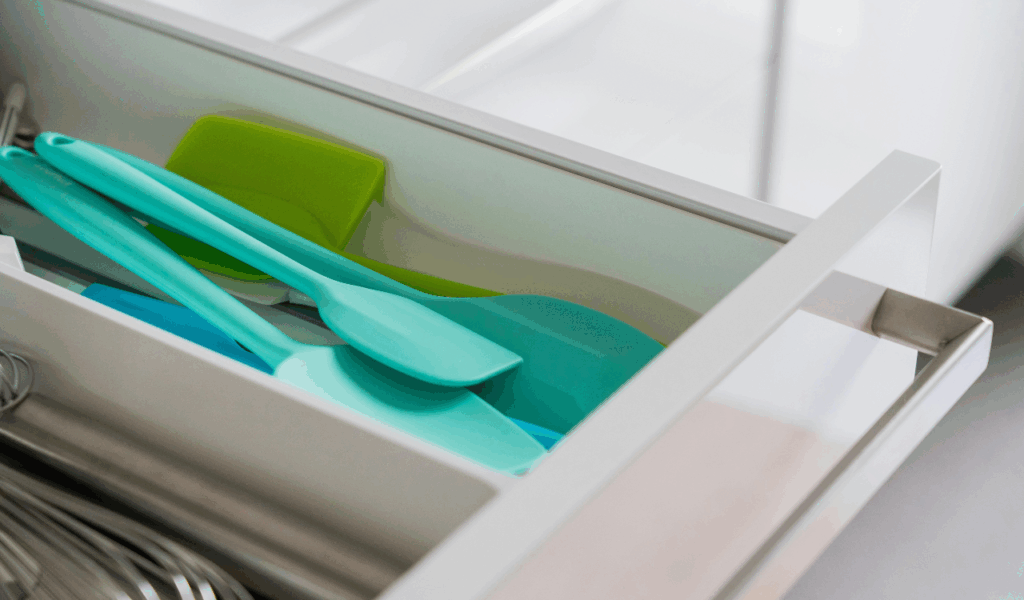
Architects and contractors advise using the ‘toe-kick’ region, which is the recessed space at the base of kitchen or bathroom cabinets, for the best ‘invisible’ storage. You can reclaim many square feet of storage space for flat things like baking sheets, place mats, or even pet bowls by putting shallow drawers in this area. Designers claim that this is a masterwork of making use of the “found space” in an existing home’s architecture. It offers a specific location for seldom used things, keeping them out of your way and off your main shelf.
Due to their incredibly creative use of space, professional flippers frequently utilise toe-kick drawers to provide a “wow factor” to a restoration. Organizers claim that these compartments are ideal for keeping seasonal tablecloths or excess floor tile that would otherwise take up valuable cabinet space. “Push-to-open” hardware is recommended by experts to preserve a smooth, handle-free appearance along the floor line. By locating storage in the most unlikely locations, you can maximize the footprint of your house and keep clutter from encroaching on your living areas.
9. Modular Closet System Dividers
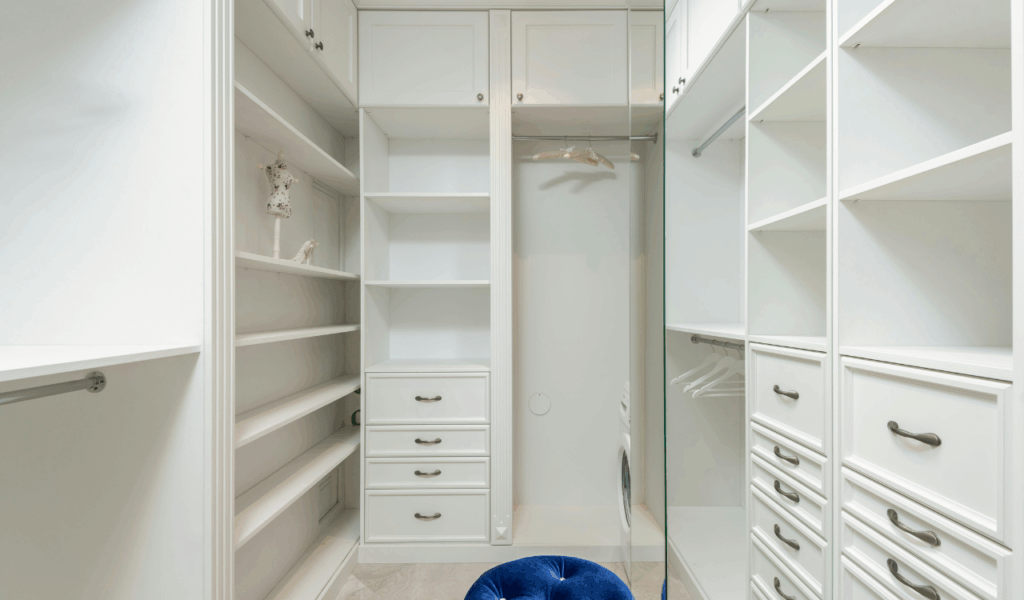
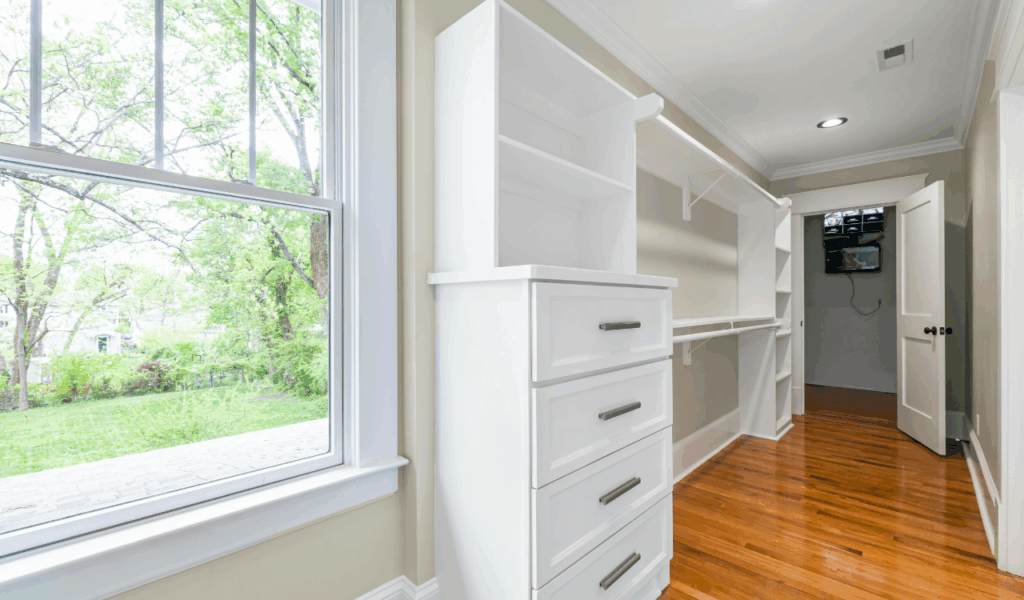
The absence of “micro-organization” in the wardrobe is the main cause of clutter spreading across a bedroom. To establish distinct areas for sweaters, purses, and accessories, interior designers and organizers advise utilizing modular dividers. Experts claim that in the absence of dividers, clothing piles would gradually collapse and mix, creating a disorganized mess that finally overflows onto chairs or the bed. Finding what you need is made easier by establishing ‘cubbies’ in your closet, which create a clear division and maintain each category of item in its own location.
Because it implies a stress-free morning routine, a customized closet is frequently mentioned by realtors as one of the most sought-after amenities for contemporary homeowners. Transparent acrylic dividers are advised by experts for a neat, boutique appearance that keeps everything in view. Because you can see exactly how much room you have left, designers say this level of organization motivates you to trim your clothing on a regular basis. Your bedroom will remain a calm place to sleep if you keep your clothes and accessories within a rigid modular system, preventing “closet creep” from taking over.