14 Organization Products That Looked Amazing… Until We Tried Them
New Year organization products are designed to feel like quick fixes for clutter and chaos. Stores and social media are full of bins, racks, and clever gadgets that promise to transform messy spaces fast. The trouble is that many of these products focus on appearance instead of how people actually store, grab, and return items every day. When storage adds extra steps, limits flexibility, or fails under real use, it gets abandoned. Instead of building better habits, these products often just move clutter into new containers. These are the organizing buys that looked helpful in January, but could not keep up with daily life.
1. Lidded Storage Bins That Hid Everything Out of Sight
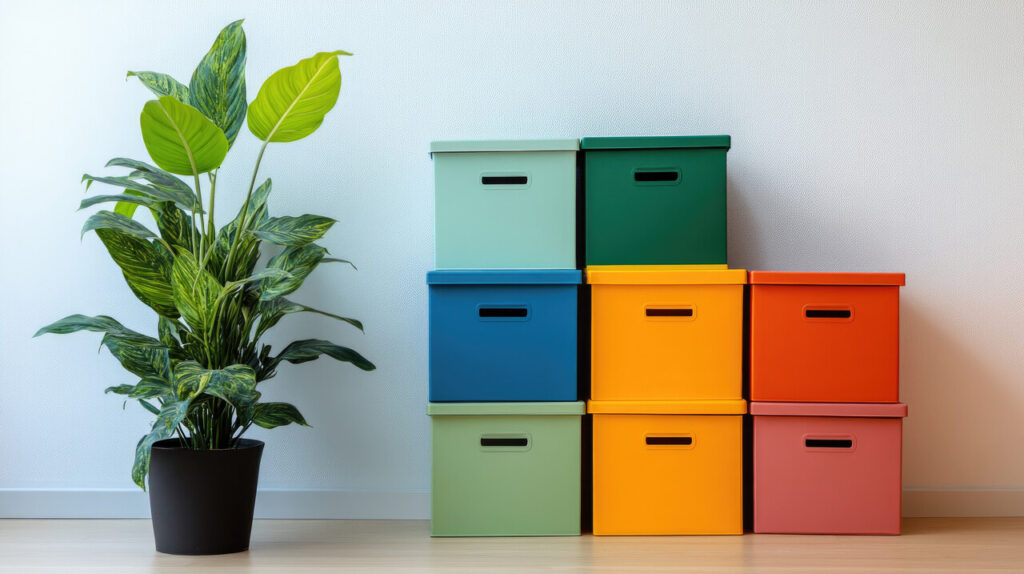
At first, closed storage bins feel like the perfect way to make clutter disappear. The problem is that when you cannot see what is inside, you forget what you own. Items get buried, especially if bins are stacked or placed on high shelves. This leads to duplicate purchases because people assume they ran out or lost things. Lids also add an extra step to accessing contents, which sounds small but matters in daily routines. When grabbing an item requires moving other bins and lifting lids, people stop putting things away properly. Instead, items get left on counters or floors, creating new clutter. Over time, bins become storage for rarely used objects rather than tools for everyday organization. Visibility is one of the strongest predictors of whether a storage system will be used consistently, and closed bins often fail that basic test.
2. Divided Lazy Susans With Compartments That Limited What Fit
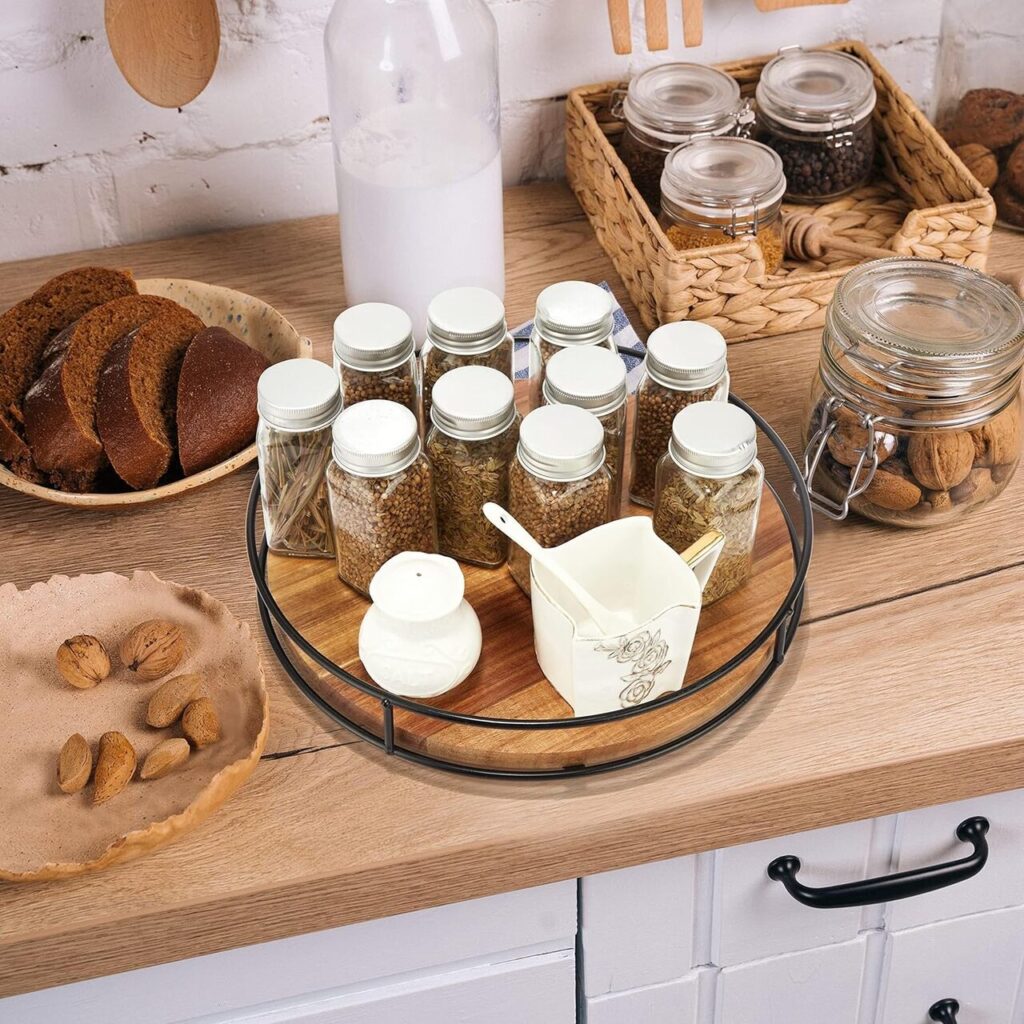
Turntables look great in cabinets and fridges, but divided versions often create more problems than they solve. Fixed compartments restrict the size and shape of items that can be stored. Bottles that are slightly too tall or wide end up leaning or not fitting at all. When one section overflows while others stay empty, space is wasted. Cleaning also becomes harder because spills get trapped between dividers. Many people end up removing the dividers or abandoning the turntable altogether. A simple rotating tray with open space usually adapts better as storage needs change. Overly structured systems work only when items never change, which rarely reflects real kitchens or pantries.
3. Plastic Drawer Organizers That Cracked or Jammed
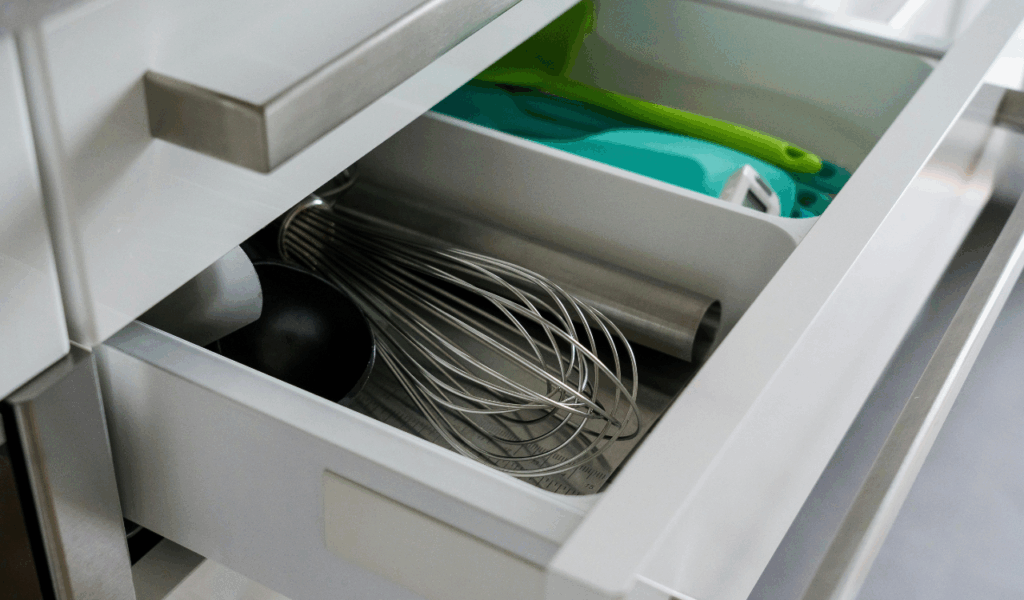
Cheap drawer organizers promise neat compartments for small items, but low quality plastic does not hold up to daily use. Drawers get pulled open quickly, dividers shift, and trays crack under pressure. Once edges break or pieces warp, drawers stop sliding smoothly and become frustrating to use. People then remove the organizers to restore function, leaving drawers cluttered again. Another issue is that fixed compartments rarely match the size of changing items, so some spaces stay empty while others overflow. Durable materials and flexible layouts tend to last longer than rigid plastic trays that cannot adapt.
4. Vacuum Storage Bags That Lost Their Seal Over Time
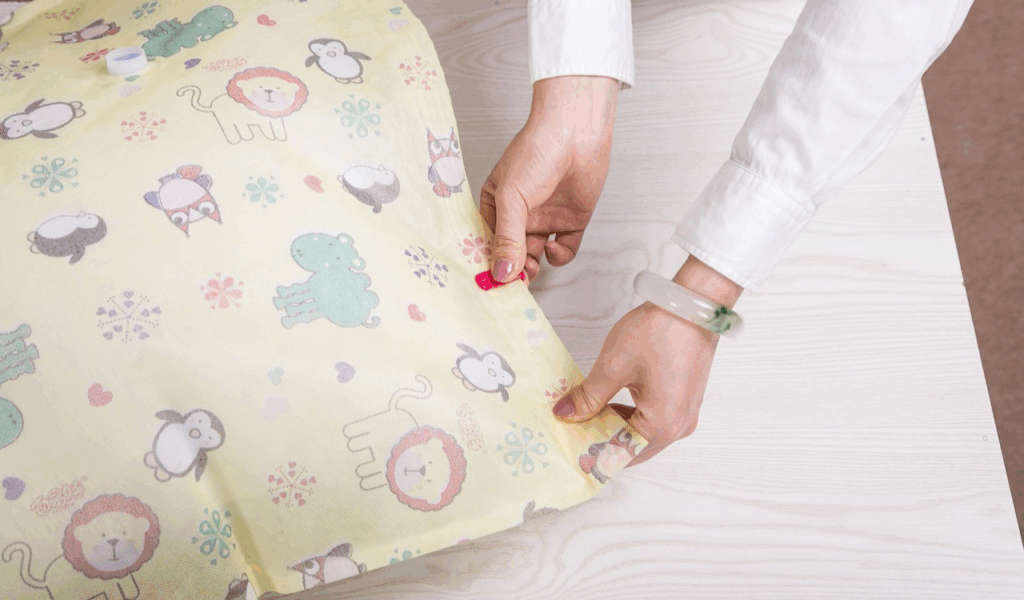
Vacuum bags seem like a miracle for storing bulky items, but many slowly let air back in. Once that happens, clothes puff up and wrinkle, defeating the purpose of compression. Moisture can also get trapped, which risks musty smells or fabric damage. Reopening and resealing bags repeatedly weakens seams and valves. Access becomes inconvenient since you must vacuum every time you need something. Because of this, people avoid using stored items and instead keep seasonal clothes elsewhere. What begins as a space-saving solution turns into long-term storage that is rarely accessed, reducing its usefulness for everyday organization.
5. Opaque Bins That Needed Constant Labeling to Stay Useful
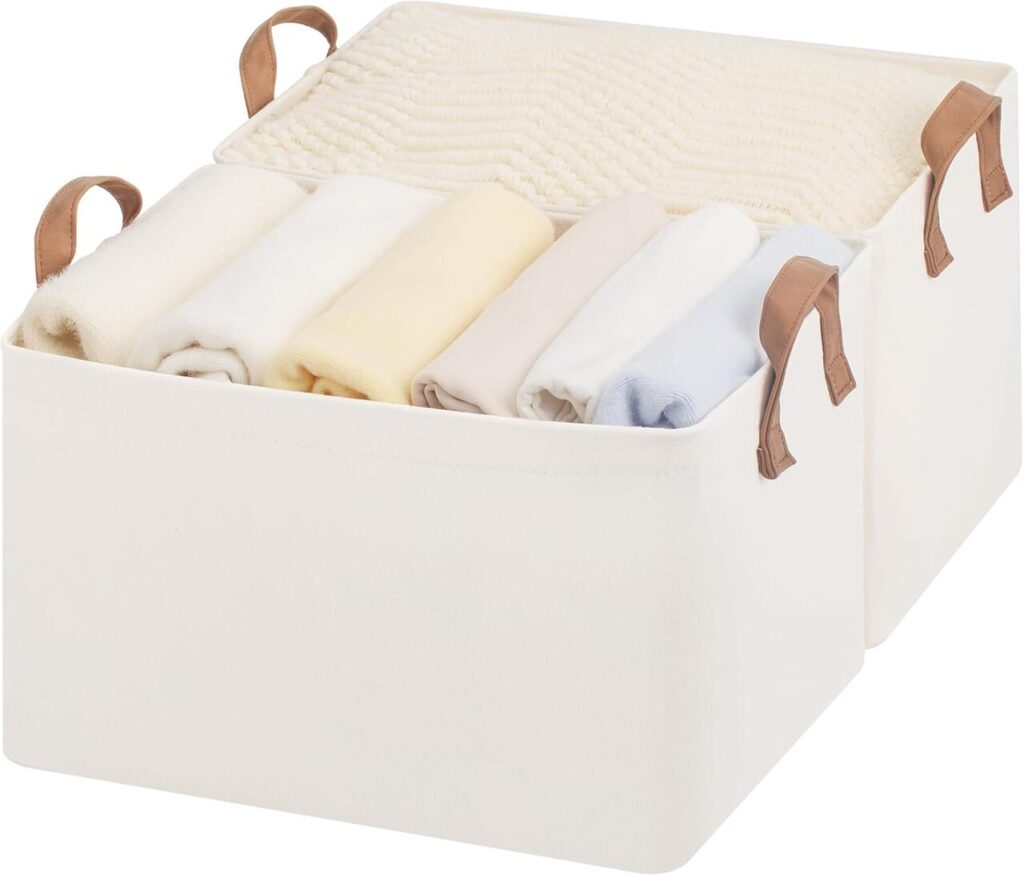
When bins are not transparent, labels become essential. But labels only work if they are accurate and updated. As households change, items shift categories, and labels no longer match contents. Re labeling becomes another chore that often gets skipped. Without reliable labels, people stop trusting what is inside each bin and start opening multiple containers to find what they need. This slows down routines and discourages proper storage. Clear containers reduce this problem by allowing quick visual checks. Systems that rely on constant maintenance tend to fail once initial motivation fades.
6. Open Kitchen Shelving That Turned Into Dusty Displays
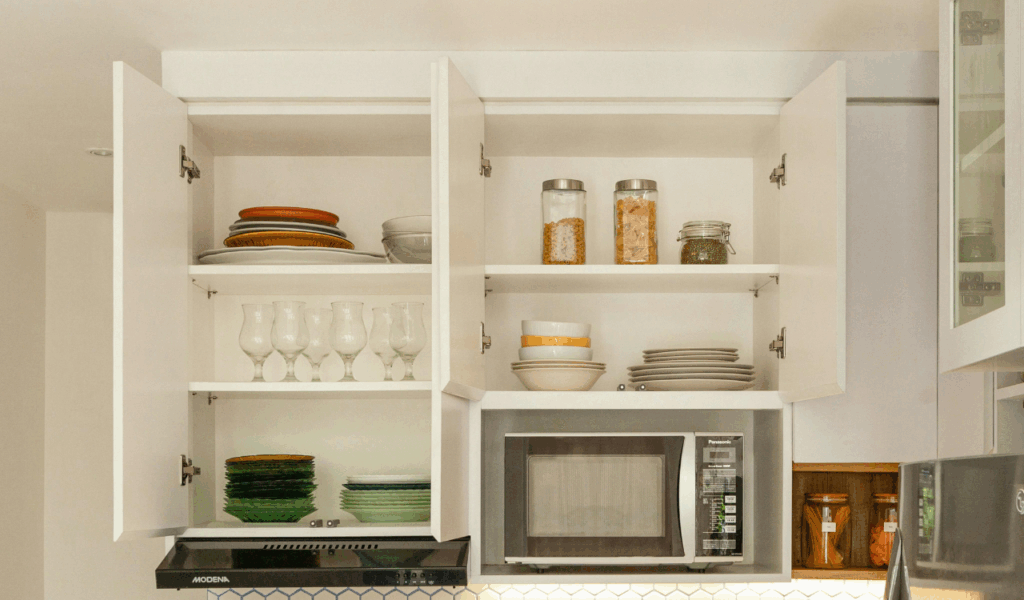
Open shelves look airy and stylish, but they require constant upkeep. Dust settles quickly, and cooking grease builds up on surfaces. Items must be kept visually tidy, which is difficult when using shelves for everyday dishes and pantry goods. People often stop returning items neatly, and clutter becomes visible at all times. Instead of hiding mess, open shelving exposes it. This creates pressure to keep things perfect or results in a space that always looks messy. Closed cabinets may feel less trendy, but they allow more flexible storage and hide visual clutter that naturally happens in active kitchens.
7. Over-Specialized Toy Organizers That Did Not Fit Real Mess
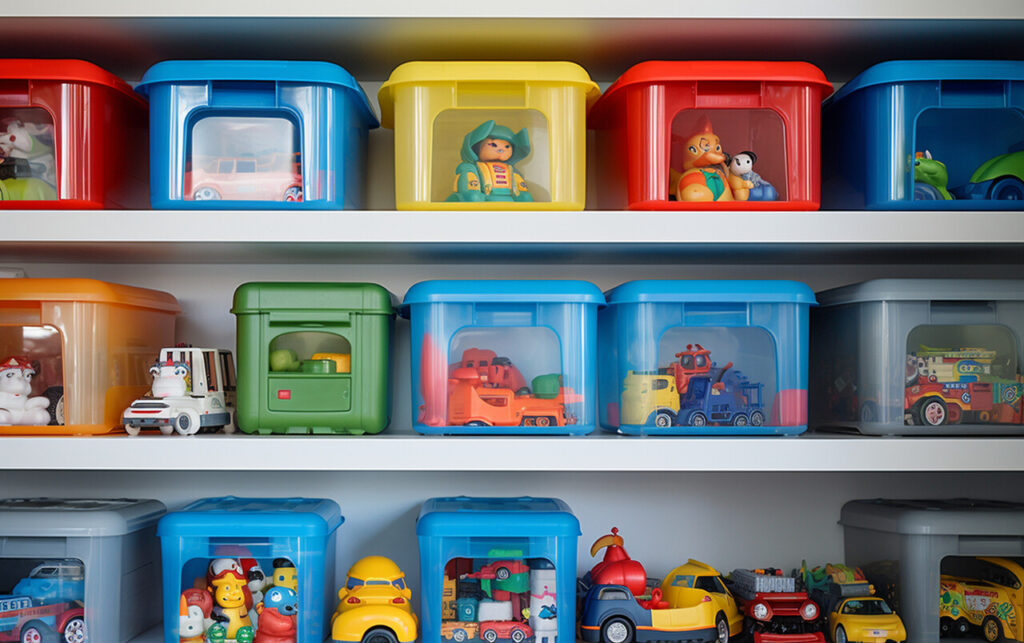
Toy storage designed for specific categories often fails because kids mix everything. Stuffed animal hammocks, doll bins, and block towers work only when children sort consistently. In reality, toys move between rooms and activities quickly. When organizers cannot handle mixed items, clutter spills onto the floor. Parents then spend time re-sorting instead of enjoying the benefit of storage. Flexible bins that accept many types of toys usually perform better than systems that expect perfect categorization. Storage needs to match how kids actually play, not how adults wish they would organize.
8. Wire Baskets That Let Small Items Slip Through
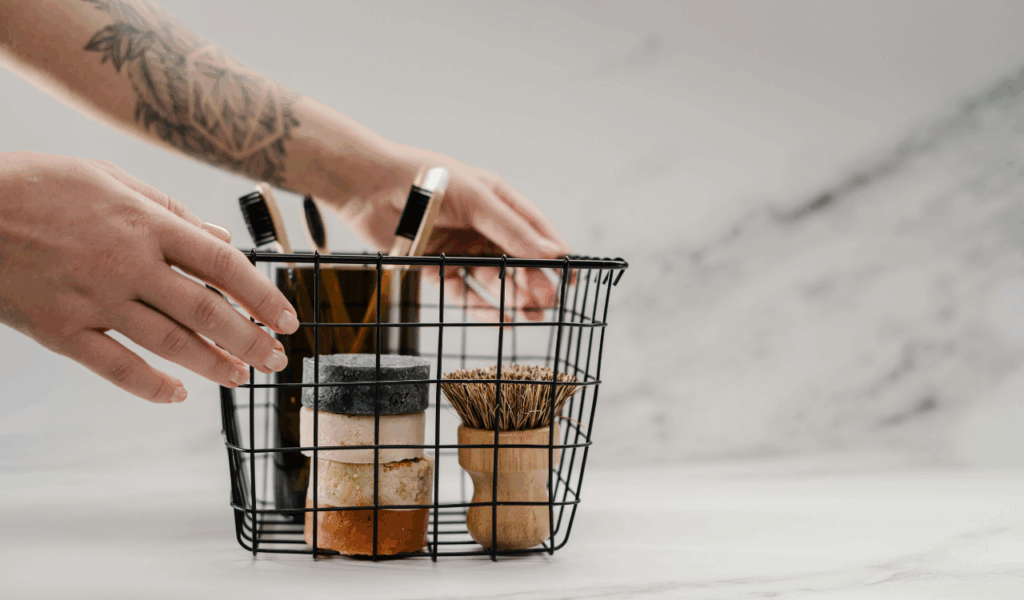
Wire baskets look industrial and stylish, but they are poorly suited for storing small objects. Items fall through gaps or get caught between wires, making shelves look messy even when things are technically contained. Liners can help, but they add cost and maintenance. Wire also scratches surfaces and can snag fabric items. Over time, people replace them with solid containers that hold items more securely. Storage that allows contents to escape defeats the purpose of organization and leads to constant small messes that feel harder to manage.
9. Premade Label Sets That Did Not Match Real Categories
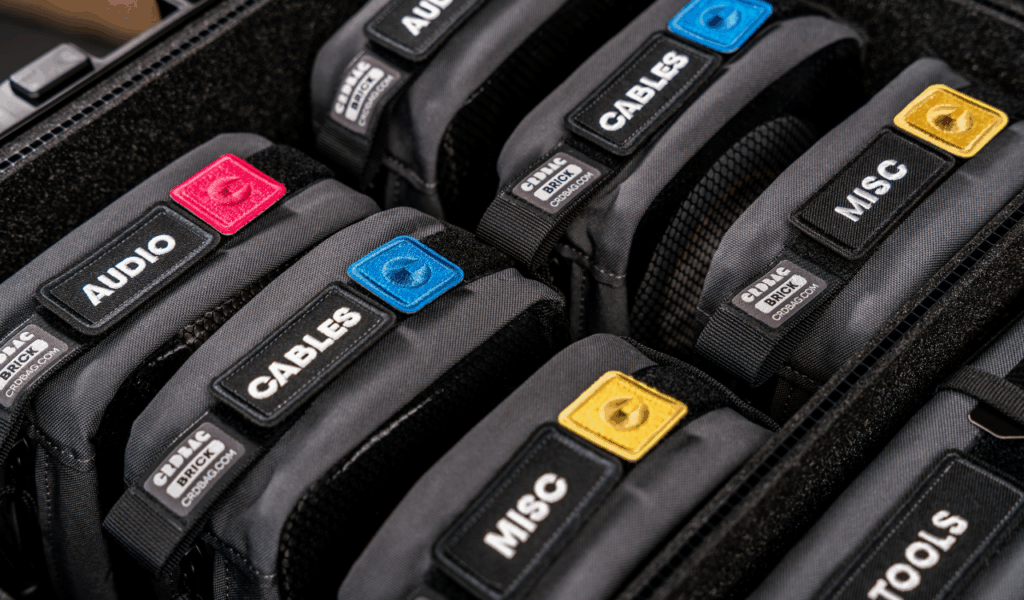
Pre-printed labels look professional, but they assume everyone organizes in the same way. Real households have unique needs that generic labels rarely match. When categories do not fit, people either force items into the wrong spots or ignore labels entirely. As routines change, pre-made labels quickly become outdated. Removing and replacing them leaves residue and visual clutter. Custom labels or simple visual cues tend to work better because they adapt with changing needs. Organizational systems must evolve, and rigid labeling limits that flexibility.
10. Fabric Hanging Shelves That Sagged and Lost Shape
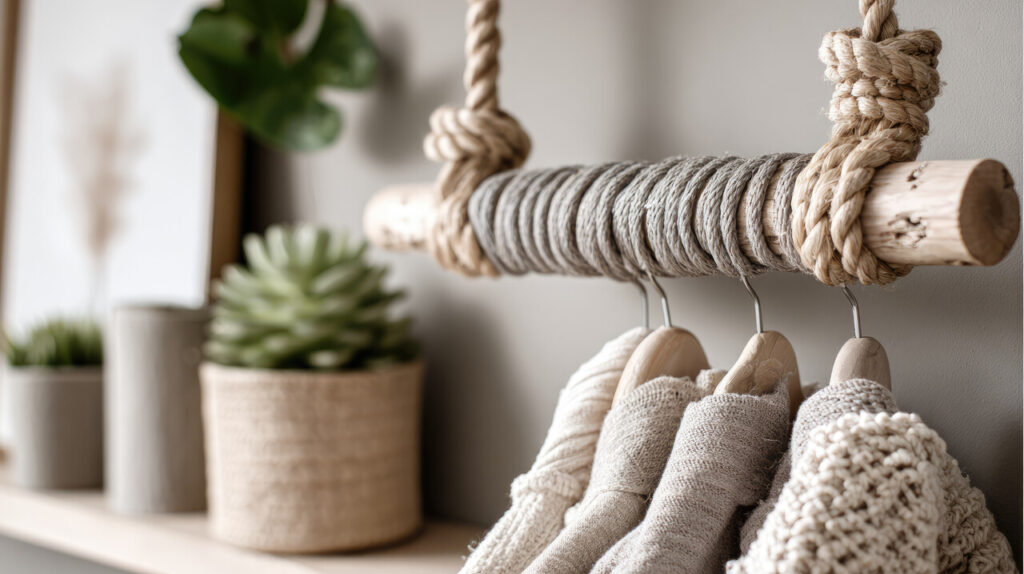
Fabric closet organizers seem lightweight and affordable, but they often sag when loaded with clothes or accessories. Without rigid support, shelves tilt and collapse, making items harder to access. Over time, the fabric stretches and the compartments lose structure. This makes it difficult to stack folded clothing neatly. People then pile items instead of placing them properly, which defeats the purpose of shelving. Solid shelving or reinforced units maintain shape and support consistent use far better than soft hanging systems designed mainly for light storage.
11. Small Shoe Racks That Could Not Handle Daily Rotation
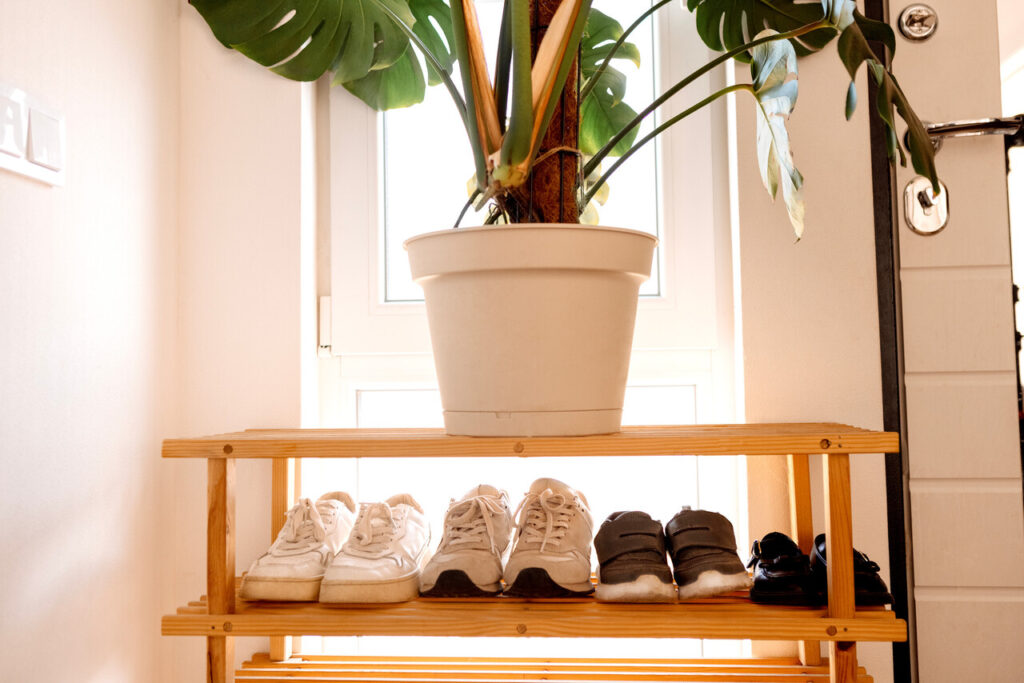
Compact shoe racks look tidy but rarely match the number of shoes a household actually uses. Seasonal changes, sports activities, and daily footwear quickly exceed capacity. Extra shoes end up lined along walls or piled nearby. Kids also tend to kick shoes off rather than place them carefully on narrow shelves. When racks are inconvenient to use, they get ignored. Storage that requires precision placement often fails in busy entryways. Larger capacity solutions that allow quick drop and go habits usually perform better long term.
12. Clear Fridge Drawers That Reduce Usable Space
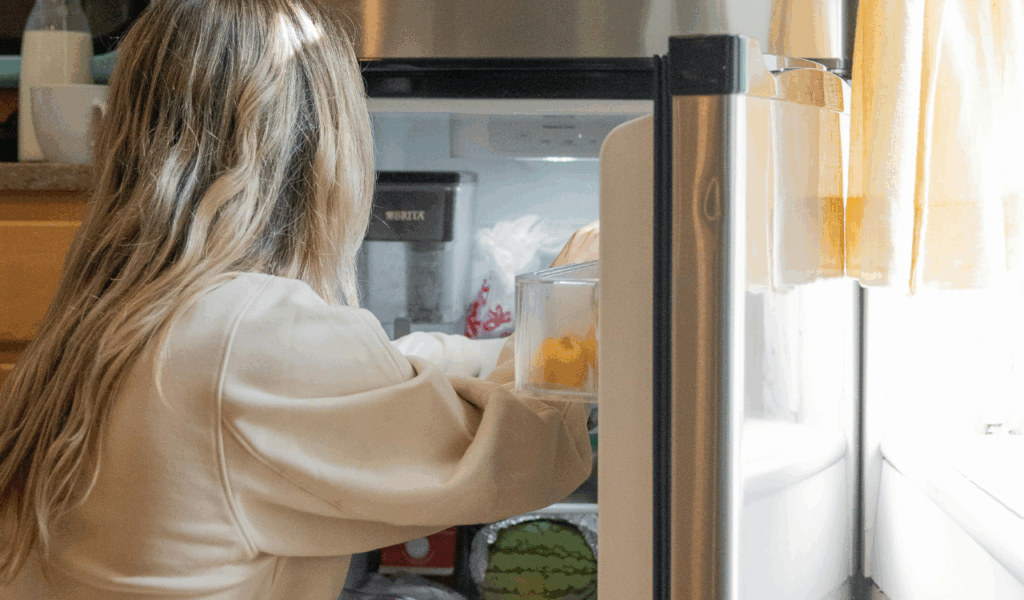
Adding extra bins inside refrigerators can create neat zones, but they also reduce overall storage flexibility. Drawers take up vertical space and limit how tall items can be stored. Large containers or leftovers may no longer fit properly. When drawers fill up, people still place items behind or on top, creating cluttered layers. Cleaning also becomes more complicated because every bin must be removed. Instead of simplifying food storage, too many containers often crowd the fridge and make it harder to see what needs to be used.
13. Cord and Cable Organizers That Would Not Stay Put

Small adhesive cable clips promise neat desks and nightstands, but many fail after repeated use. Adhesive weakens, clips pop off, and cords fall back onto the floor. Some clips are too small to hold thicker charging cables, while others grip too tightly and damage cords. When clips fail, people stop using them and return to loose cables. More durable solutions like cable boxes or sleeves tend to work better because they manage multiple cords without relying on tiny adhesive points that degrade over time.
14. Specialty Multi-Tier Hangers That Tangle Clothes
Multi-layer hangers claim to save closet space, but they often make clothes harder to access. Removing one item can disturb several others, causing wrinkles and tangling. Heavy garments pull on joints, bending frames, and cause sagging. Over time, users abandon them because normal hangers are faster and easier. Closet efficiency depends on smooth daily use, not just theoretical space savings. When storage slows down dressing and laundry routines, it quickly loses favor, no matter how clever it seemed at first.