
6 High-Fiber Grains Dietitians Recommend
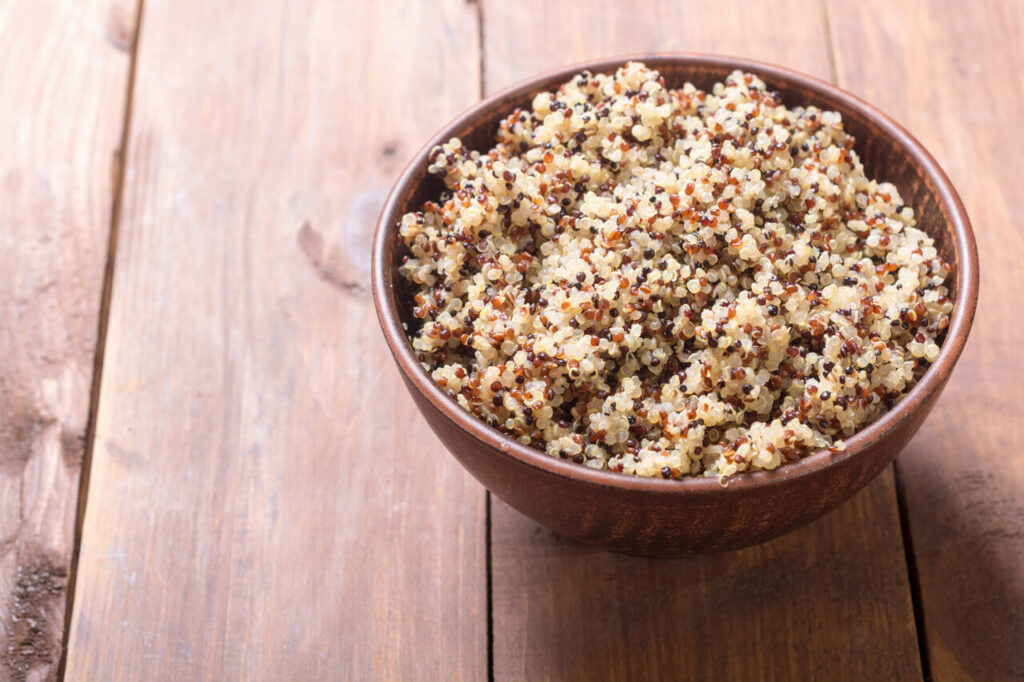
High fiber grains aren’t just about meeting a daily number; they shape how steadily you feel energized, how well your digestion runs, and how satisfying your meals are. The right grains bring more than bulk. They offer minerals, slow-digesting carbohydrates, and textures that make simple dishes feel more substantial. What surprises most people is how many options go beyond the usual oats and whole wheat, each with its own flavor and flexibility in the kitchen. Bringing even a couple of these into your routine can make a noticeable difference without upending how you eat.
1. Barley
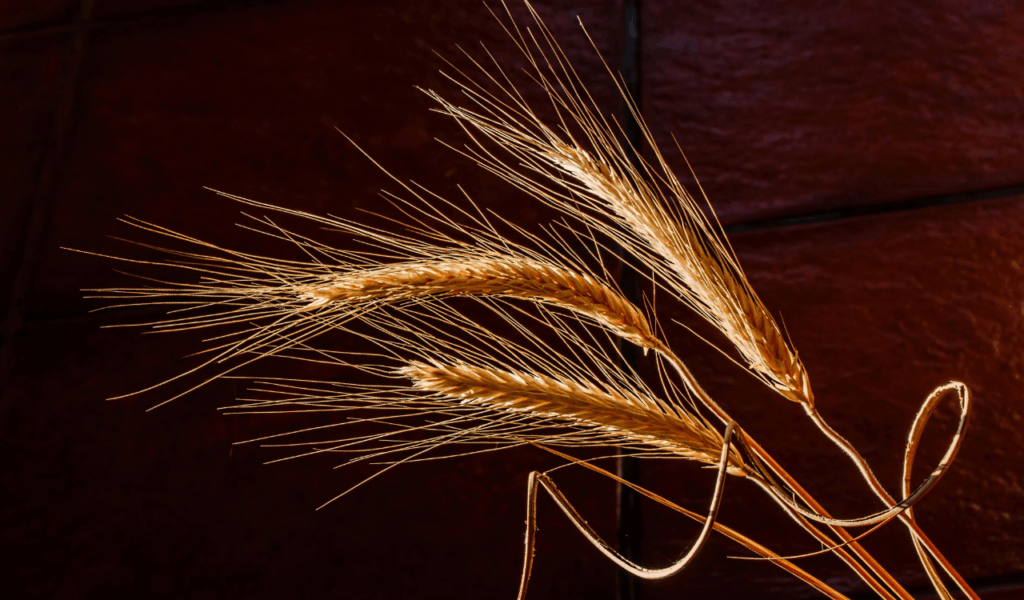
Barley is one of those grains that quietly does a lot of work for your health. Cooked barley contains a solid amount of fiber per cup, including a type of soluble fiber called beta-glucan that is known for helping support healthy cholesterol and more stable blood sugar. That makes it especially useful if you are watching heart health or looking for meals that keep you full longer. Its chewy texture holds up well in soups, stews, and grain salads, so it does not turn mushy the way some other grains can. Hulled or whole barley is the form to look for, since it keeps more of the bran layer where most of the fiber lives. Swapping barley in for white rice or refined pasta a few times a week is a simple way to increase fiber without changing your plate dramatically.
2. Quinoa
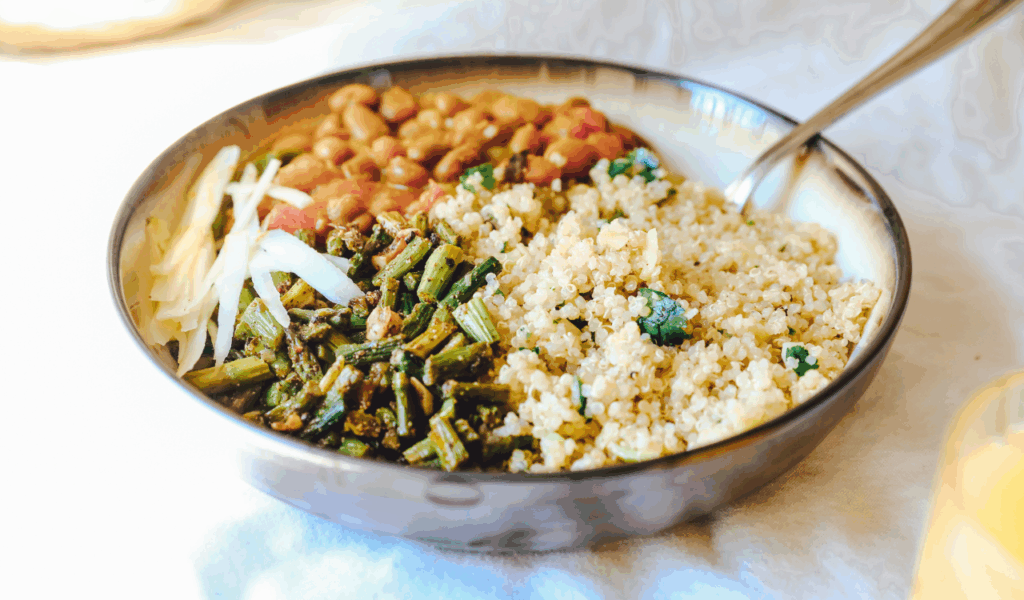
Quinoa is often talked about for its protein, but its fiber content is just as important. A cooked cup gives you several grams of fiber along with all nine essential amino acids, which is unusual for a plant food. That combination means quinoa can stand in as the main carbohydrate in a meal while also contributing to satiety in a way closer to beans than to white rice. It cooks relatively fast, usually in under 20 minutes, and keeps well in the fridge, which makes it a practical candidate for batch cooking. You can use it as a base for salads with vegetables and beans, in warm bowls with roasted vegetables and eggs, or even as a hot breakfast with fruit and nuts. Rinsing it before cooking helps remove natural bitter compounds on the outer coating, improving the taste.
3. Oats

Oats are one of the most researched grains when it comes to fiber and health. They provide both soluble and insoluble fiber, with beta-glucan again playing a starring role in supporting heart health. Regular intake of oat-based foods is associated with modest reductions in LDL cholesterol when combined with an overall balanced diet. Beyond the cardiovascular side, their fiber content slows digestion slightly, which can help keep energy levels steadier through the morning if you eat them at breakfast. Steel-cut and old-fashioned rolled oats are less processed than instant varieties and usually have a better texture and more staying power.
4. Whole Wheat Products

Whole wheat is a practical way to add more fiber for people who do not want to rethink every meal. When wheat is left in its whole form, the bran and germ parts of the grain remain, bringing fiber, B vitamins, iron and various plant compounds that are stripped away in refined white flour. Choosing breads and pastas labeled 100 percent whole wheat, or checking that whole wheat is the first ingredient, can turn familiar dishes into higher fiber versions. A slice or two of whole wheat bread, a serving of whole wheat pasta, or using whole wheat flour for part of your baking is often enough to move daily fiber intake noticeably.
5. Brown Rice
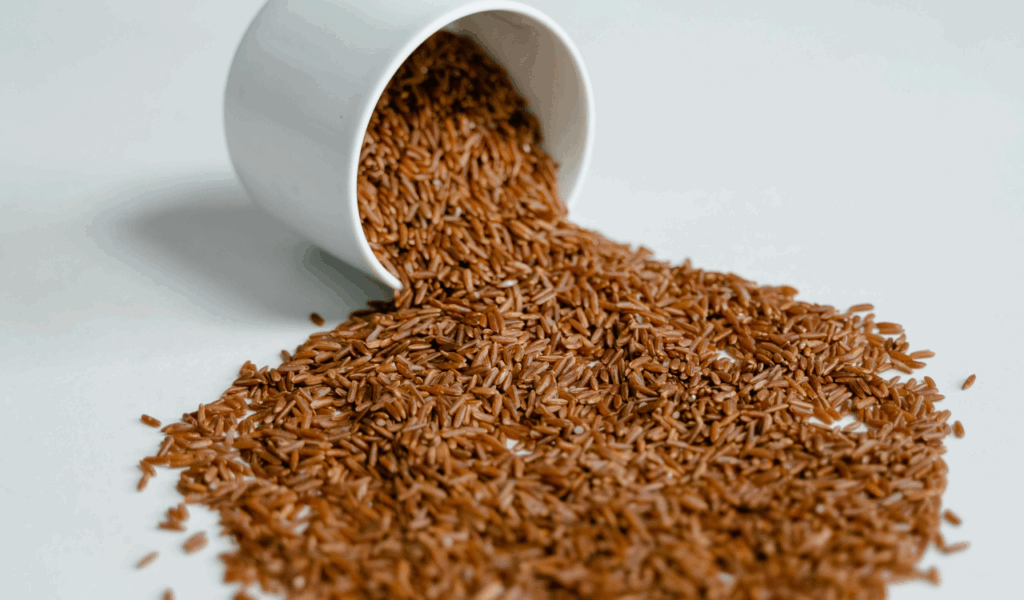
Brown rice is essentially white rice that has kept its outer bran layer and germ. That outer coating is where most of the fiber sits, along with extra minerals and some healthy fats. While it does not reach the fiber levels of barley or oats, it still offers more than white rice, and it fits easily into cuisines where rice is a staple. The slightly nutty flavor and firmer texture work well with stir fries, curries, grain bowls and stuffed vegetable dishes. It does take longer to cook than white rice, but batch cooking and freezing in portions can solve that. For people who prefer a middle step, options like parboiled or partially milled rice can offer some of the texture and a bit more fiber than fully polished rice.
6. Sorghum
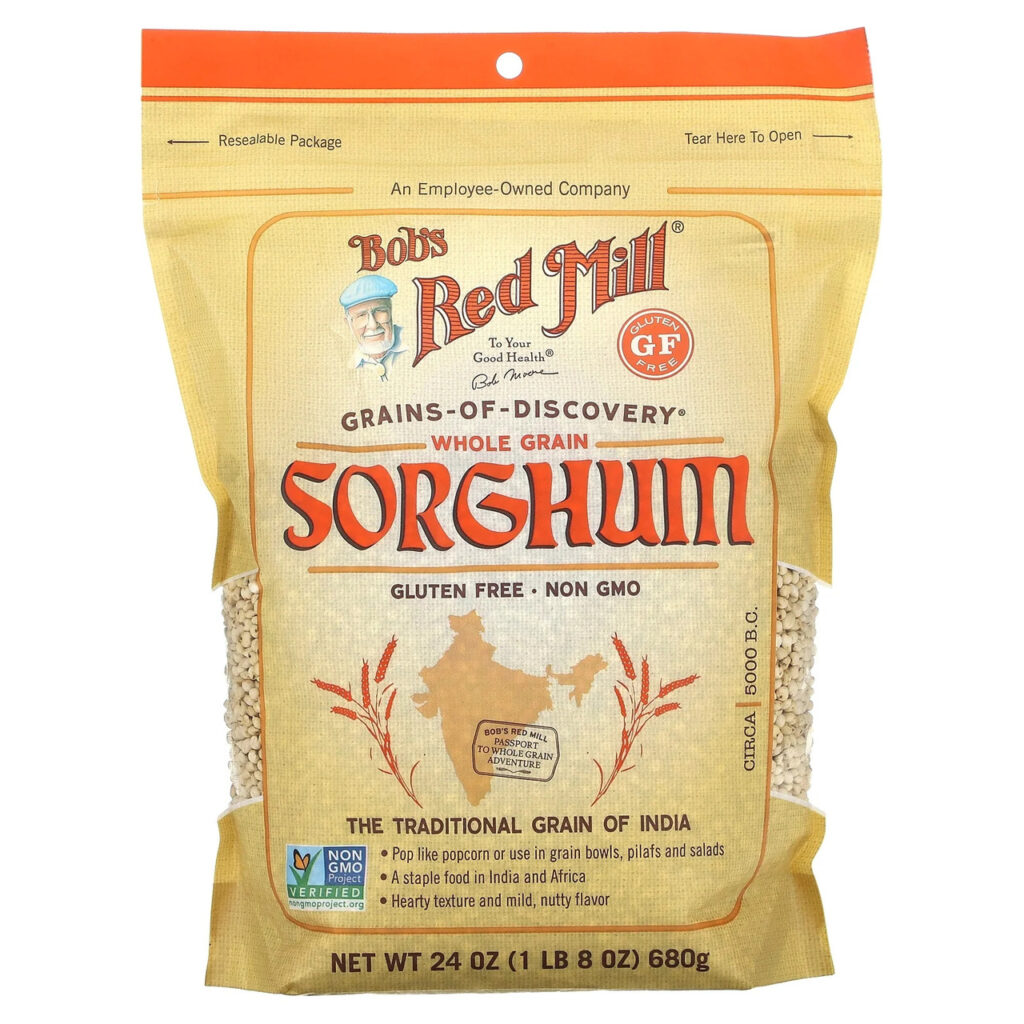
Sorghum is less common on many home menus, but it is a grain worth knowing if you care about fiber. The whole grain offers a substantial amount of fiber per serving along with a slower-digesting starch profile, which can be helpful for more stable blood sugar and sustained fullness. It is naturally gluten-free, so it is useful for people avoiding gluten who still want the benefits of whole grains. Cooked sorghum has a pleasantly chewy texture that holds up in salads, pilafs, and soups, and it can be popped like popcorn for a high fiber snack. Ground sorghum flour appears in some gluten-free breads and baked goods, adding structure and nutrition. Because it is relatively hardy as a crop, it is also attracting interest from growers in dry regions.