
8 “Spelter” Metal Sculptures That Rust Indoors Somehow

You might expect indoor décor to stay pristine, especially when it never faces rain or snow. Yet many collectors are surprised to see rust-like corrosion forming on decorative metal pieces inside their homes. Popular from the late 19th century through the early 20th century, spelter was widely used in clocks, figurines, lamps, and ornamental décor.
Over time, indoor humidity, aging finishes, and worn coatings allow oxidation to develop, even in climate-controlled spaces. Knowing which spelter objects are most at risk helps you spot early damage and protect your collection before corrosion becomes permanent.
1. Late 19th-Century French Figural Clocks
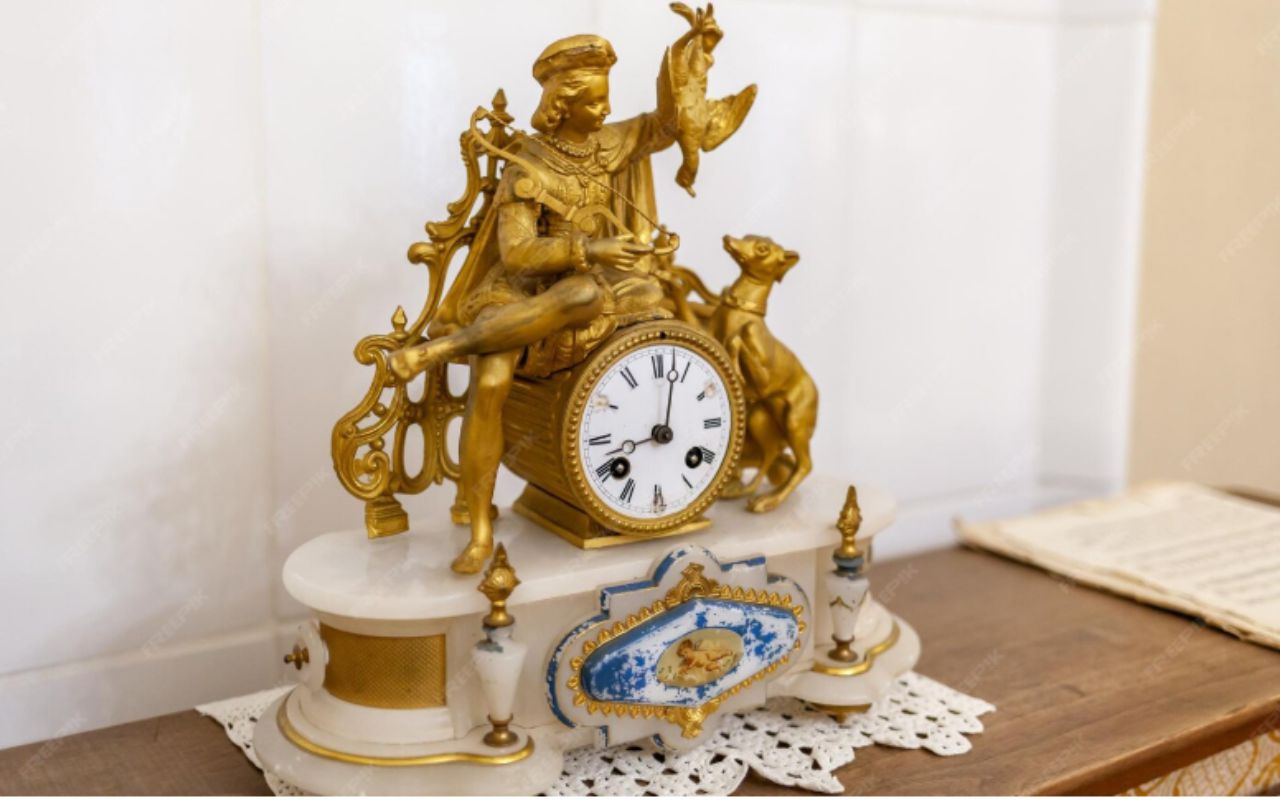
If you own a French figural clock from the late 1800s, corrosion often appears first at the base. These clocks typically feature allegorical figures cast in spelter and mounted on heavy platforms that trap moisture and limit airflow.
Over the decades, leading to white or brown corrosion that gradually spreads. Even when displayed indoors, repeated exposure to moisture slowly breaks down the metal and weakens decorative details. Keeping these clocks away from exterior walls, basements, and damp rooms, while ensuring steady indoor conditions, can significantly reduce further damage and help preserve their appearance.
2. Art Deco 1940s Copper-Plated Bookends
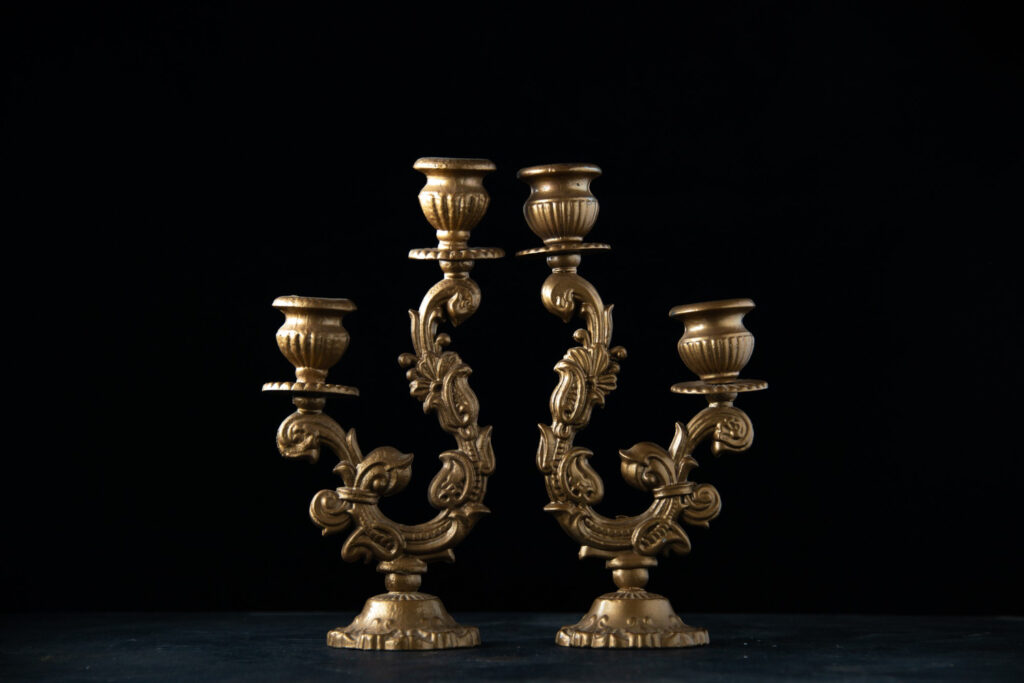
Art Deco bookends from the 1940s often rely on thin copper plating applied over a spelter base. Once that plating wears down from frequent handling or natural aging, oxidation quickly becomes visible on the surface.
You may notice greenish or brown discoloration along edges, corners, or raised decorative details. Indoor air pollutants, humidity, and fingerprints further accelerate deterioration over time. Limiting direct contact, placing bookends on felt pads, and avoiding abrasive cleaners helps preserve the remaining finish and slows further corrosion in everyday home settings over the years.
3. Art Nouveau Lamp Bases
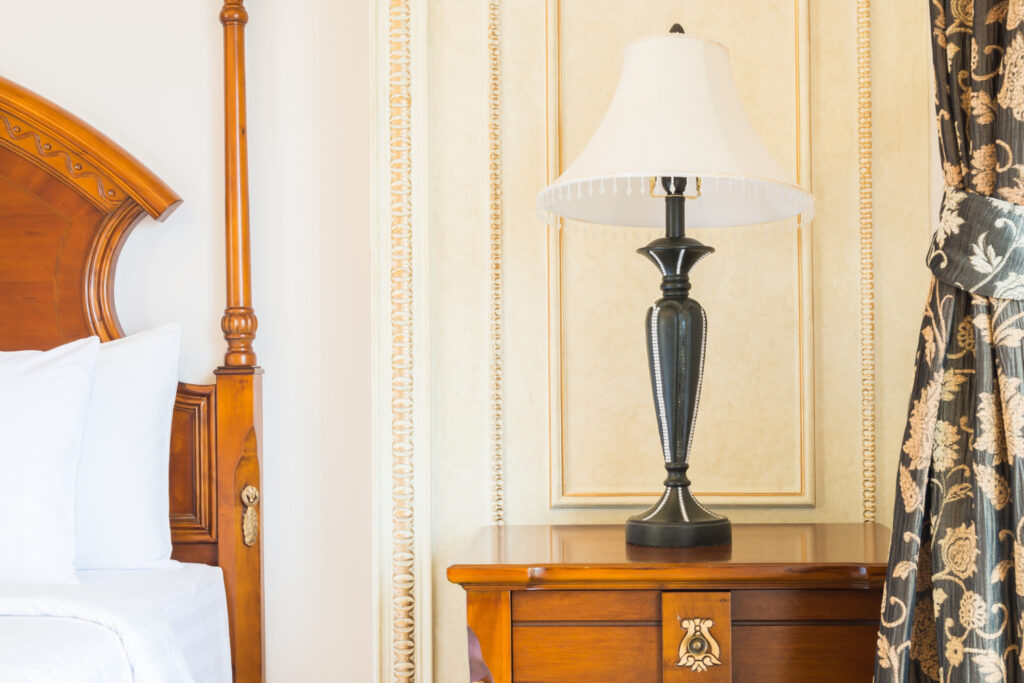
Art Nouveau lamp bases are prized for their flowing forms and intricate surfaces, but many were cast in spelter and finished with painted or patinated coatings that are surprisingly delicate. Heat from bulbs, sunlight exposure, and repeated temperature fluctuations gradually weaken these protective layers.
Once the finish cracks or flakes, oxidation spreads across the metal surface, often causing dull patches, discoloration, or surface bubbling near intricate decorative elements. Positioning lamps away from windows and keeping them in dry, stable rooms helps slow deterioration and preserves both the metal and decorative finish for decades.
4. Figural Spelter Paperweights

Small figural paperweights may seem low-risk, but their compact size and intricate details create ideal conditions for corrosion to develop over time. Dust, tiny debris, and moisture easily collect in recessed crevices, leading to dark spotting, or subtle surface discoloration. Frequent handling, or cleaning with improper materials can also wear away delicate protective finishes.
By regularly dusting with a soft, dry cloth, minimizing contact, and avoiding chemical cleaners, you can help prevent buildup that accelerates oxidation and maintain the visual appeal and structural integrity of these small decorative items for years.
5. Small Animalier Spelter Sculptures
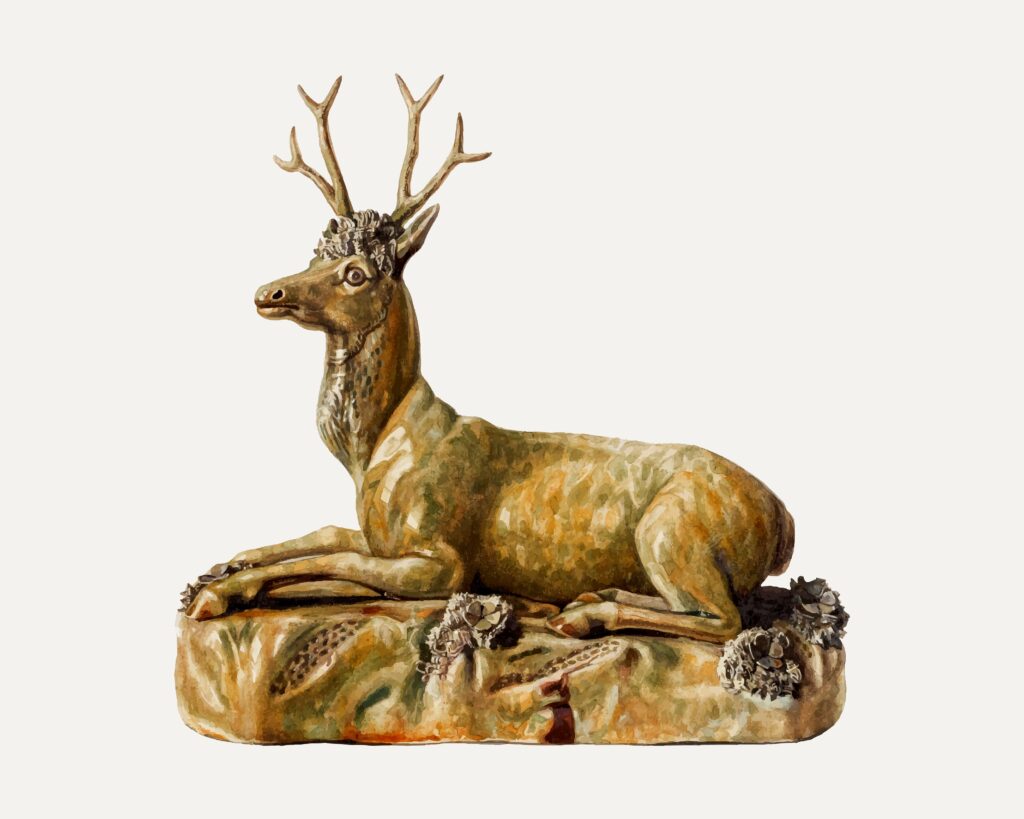
Animalier figures were often marketed as affordable alternatives to bronze, earning the nickname “poor man’s bronze” due to their lower cost and similar appearance. Over time, these small to medium-sized sculptures frequently develop pitting and tiny surface holes as the underlying zinc alloy reacts with indoor moisture or humidity.
Damage often appears on the undersides, making it easy to miss early signs of corrosion. Maintaining stable indoor conditions, limiting exposure to humidity, and performing regular visual inspections are key steps to preserving surface detail and preventing further deterioration in your collection.
6. Decorative Spelter Wall Hangings

Decorative wall pieces, including stylized sun faces, ornate plaques, and other ornamental designs, often show uneven corrosion and surface discoloration over time. Many of these items spent decades in storage or in non-climate-controlled environments before being displayed indoors, allowing moisture to settle into the metal.
Even after installation, gradually weakening finishes and creating rust-like patches. Hanging them away from kitchens, or other humid areas, combined with regular dusting and stable indoor conditions, helps limit further deterioration and preserves both the decorative detail and structural integrity of the pieces.
7. Spelter Knight and Medieval Figures

Large knight or medieval-themed statues often hide early corrosion within detailed armor, helmets, shields, and textured surfaces that make spotting damage difficult. Rust-like spots and pitting typically appear where protective patina has worn away from handling, cleaning, or minor impacts over the years.
Edges, raised details, and recessed areas are especially vulnerable to oxidation. Even indoors, humidity, temperature changes, and dust can accelerate deterioration. Elevating statues off the floor, keeping them away from sunlight or heat, and maintaining stable, preserve detailing, and extend the life of these decorative pieces.
8. Vases and Urns With Artificial Patina Coatings
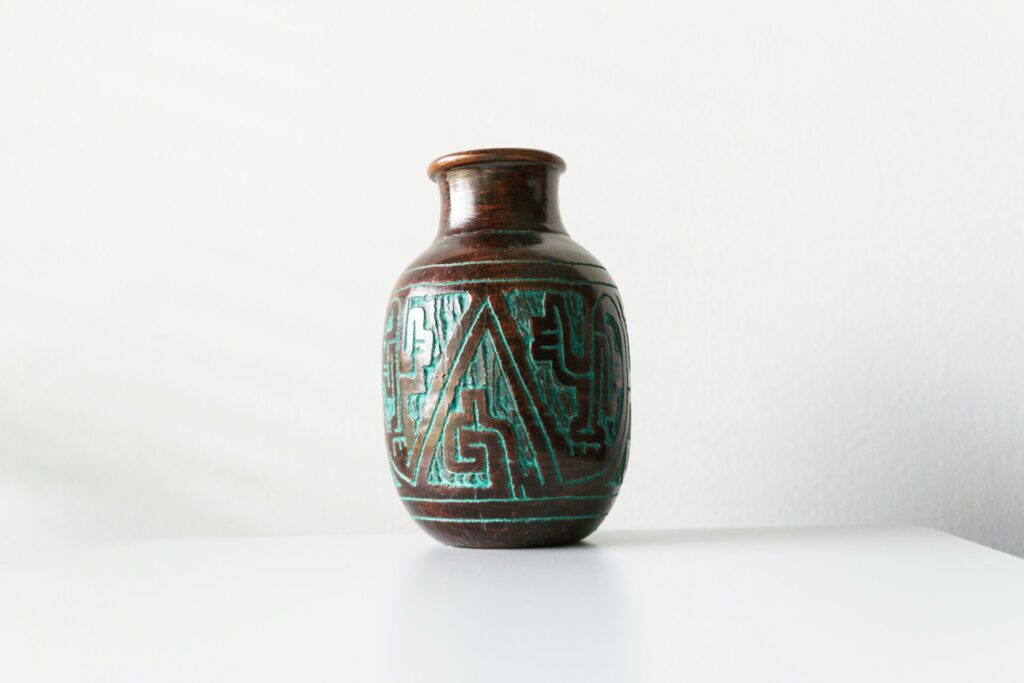
Many decorative vases and urns are coated with bronze-look paint or artificial patina to mimic more expensive metals, but these finishes are delicate. Once the top layer cracks, chips, or wears away, the underlying zinc alloy is exposed and rapidly oxidizes, often causing bubbling paint, powdery residue, or discoloration.
Indoor humidity, fluctuating temperatures, and dust can accelerate corrosion, even in climate-controlled homes. Keeping these items out of sunlight, kitchens, and bathrooms, and cleaning them only with a soft, dry cloth, helps slow the process and preserve both the metal and the decorative finish for years.