11 Kids’ Desk Trends That Didn’t Improve Focus
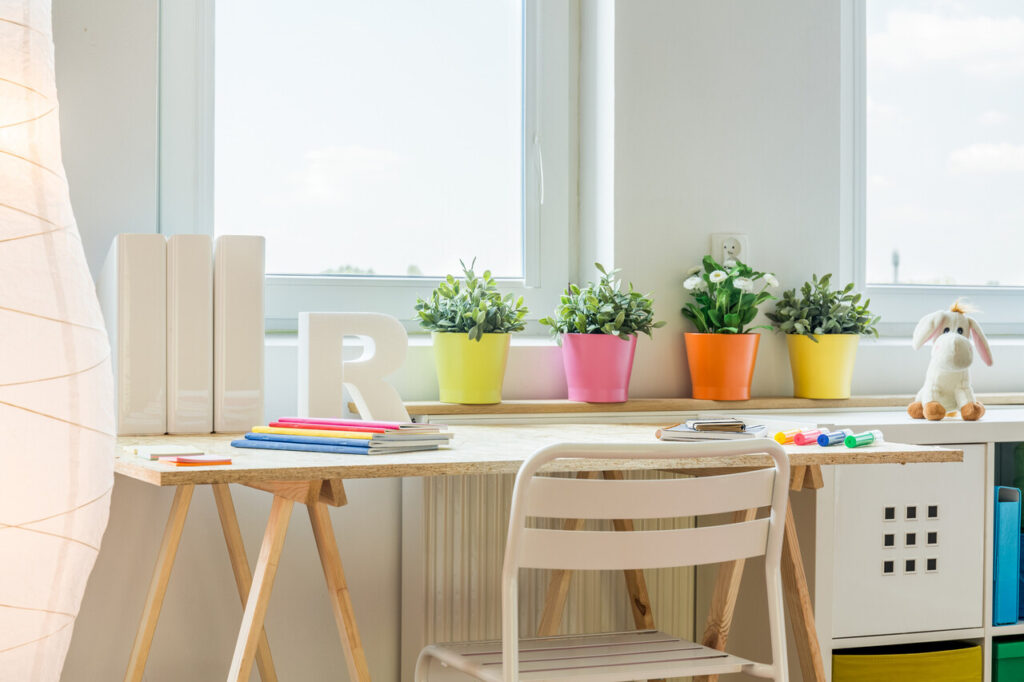
Parents often invest in stylish or creative desk setups, hoping they will make homework time easier and more productive. The reality is that focus depends less on how exciting a desk looks and more on how well the space supports calm, consistent routines. When furniture mixes play and work, crowd the room, or keep distractions within easy reach, attention becomes harder to sustain. Even well-intended features can backfire if they interrupt habits or overwhelm the senses. These desk trends looked helpful on paper, but struggled to support real concentration once daily schoolwork began.
1. Desks Packed With Built-In Shelves That Kept Distractions in Sight
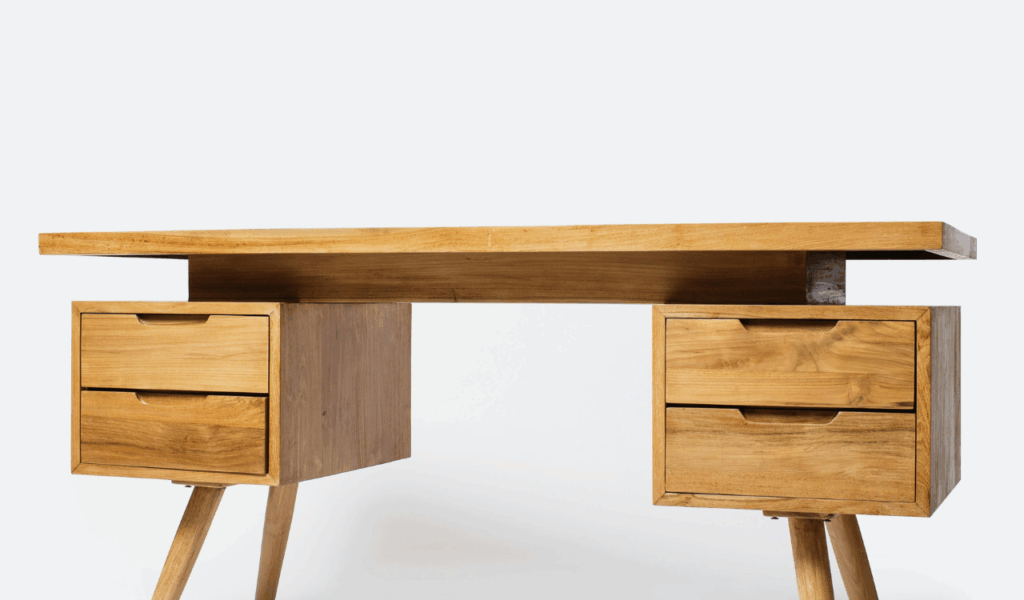
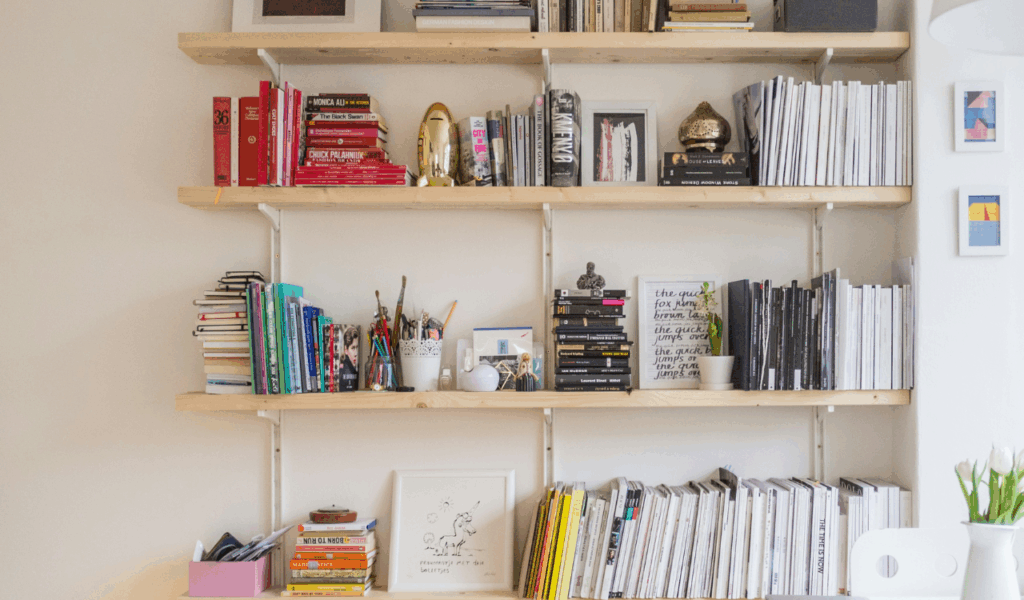
Desks with lots of built-in cubbies and shelves seem helpful because everything is within reach, but that constant visibility often works against focus. When toys, books, art supplies, and random objects sit right in a child’s line of sight, attention keeps drifting. Instead of looking at homework, kids notice items they want to touch or reorganize. The brain is wired to respond to visual stimuli, especially in children, so cluttered desk surroundings increase mental load. These desks also make it harder to reset the workspace at the end of the day, since every small compartment fills quickly. A simpler surface with limited items encourages task focus because there are fewer decisions to make and fewer distractions competing for attention.
2. Bright, Playful Desk Designs That Felt Like Toy Stations
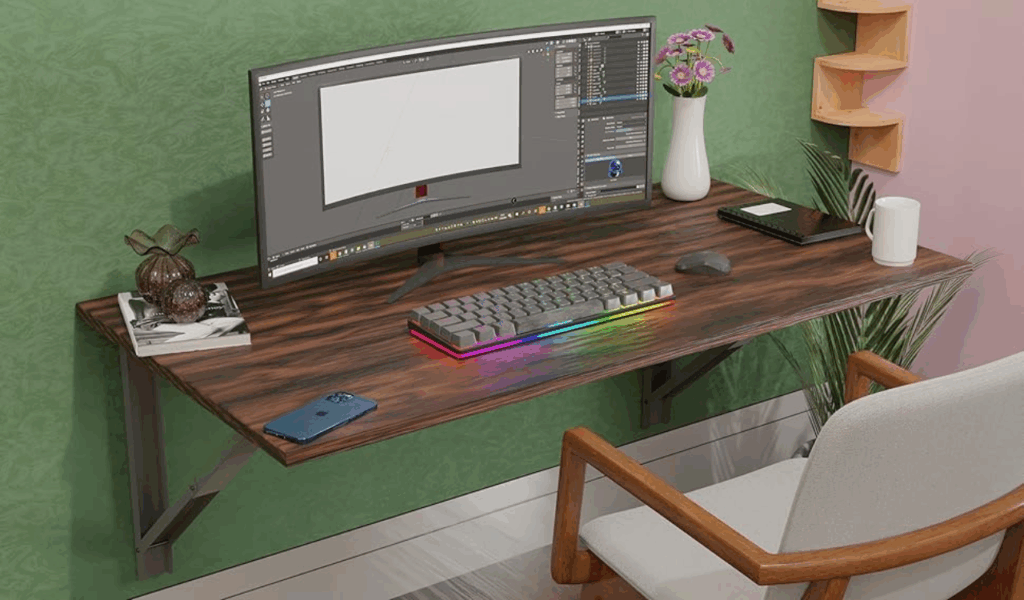
Desks shaped like race cars, castles, or covered in bold graphics are exciting at first, but they blur the line between play and study. When the desk itself feels like a toy, it becomes harder for kids to mentally switch into work mode. Instead of signaling that it is time to concentrate, the space invites imagination and movement. Younger children especially respond to visual cues, and playful furniture tells them that fun is the priority. Over time, parents notice that kids fidget more, stand up more, and engage less with assignments. Calm colors and neutral shapes tend to support longer attention spans because they reduce visual stimulation and help the brain settle into quieter focus.
3. Shared Desks That Encouraged More Talking Than Studying
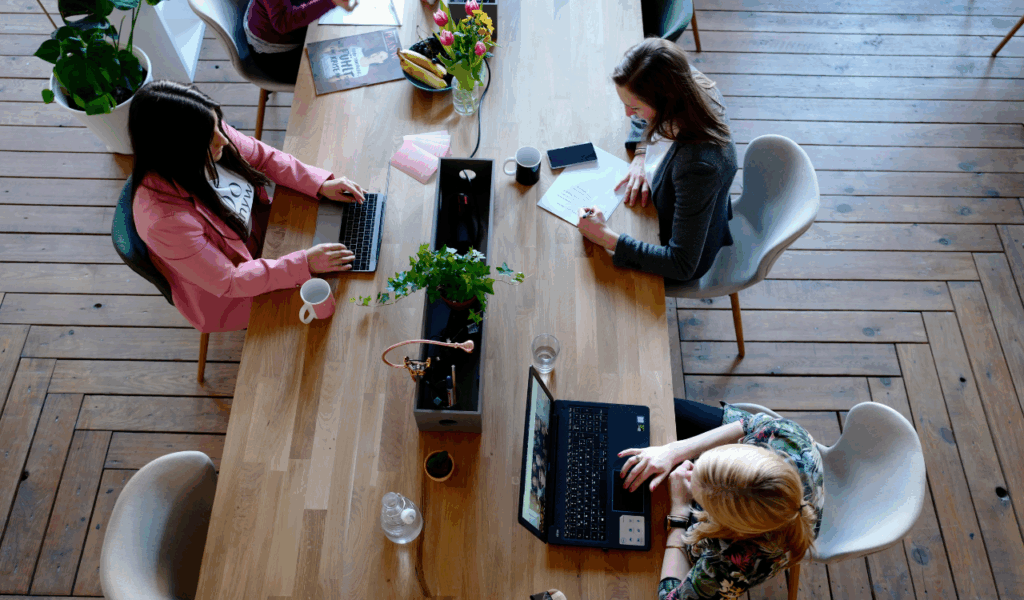
Large desks designed for siblings to work together look efficient, but they often increase distraction. When kids sit side by side, they naturally chat, comment on each other’s work, and get curious about what the other is doing. Even small interactions interrupt concentration and stretch homework time. Different assignments also require different materials, which leads to crowding and accidental mix-ups. When one child finishes early, their movement and noise distract the other. Separate work zones do not mean isolation, but they do allow each child to focus without constant social interruption. For tasks that require sustained attention, individual space usually works better.
4. Desk Setups With Whiteboards or Chalkboards That Invited Doodling

Adding writable surfaces near desks is meant to encourage creativity and planning, but during homework time they often become side entertainment. Kids start sketching, writing messages, or erasing boards instead of working on assignments. The proximity makes it tempting to switch tasks whenever boredom hits. While whiteboards can be useful for planning or studying, placing them directly next to work surfaces creates too many options for off-task behavior. Focus improves when tools for creativity are stored separately from tools for concentrated study. This helps kids learn when it is time to work and when it is time to play.
5. Loft Beds With Desks Underneath That Mixed Rest and Work Zones
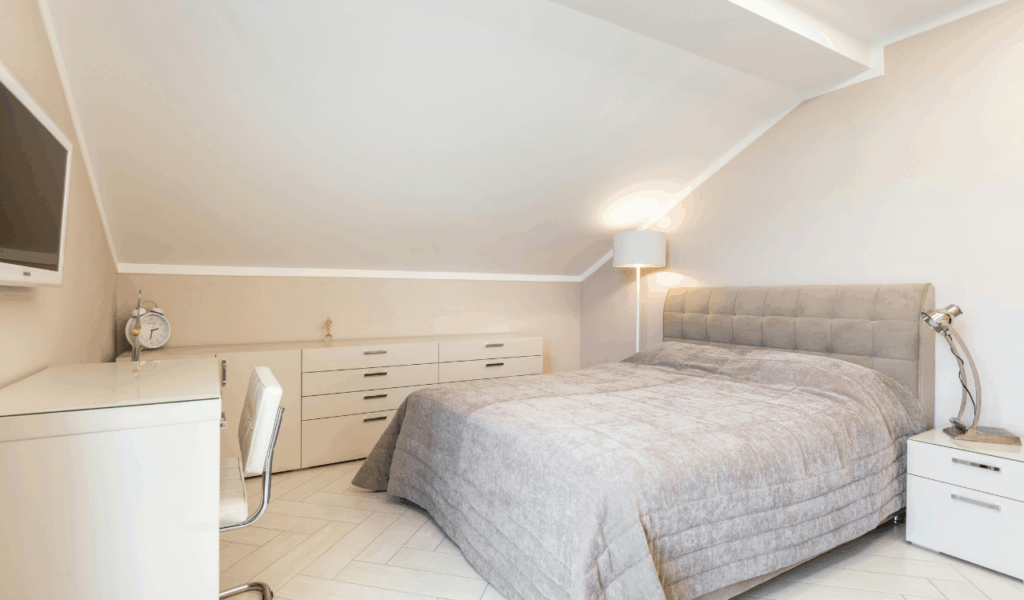
Loft beds with built-in desks save space, but they also mix two very different activities into one tight area. The desk sits directly under a sleeping space, which makes the environment feel cozy and enclosed rather than alert and focused. Limited lighting and reduced airflow can make kids feel drowsy or restless. The bed overhead also signals relaxation rather than productivity. Psychologically, separating sleep and work areas helps the brain associate each space with its purpose. When those boundaries blur, children struggle to shift into study mode and may feel less motivated to sit and concentrate.
6. Portable Desks That Disrupted Routine and Consistency
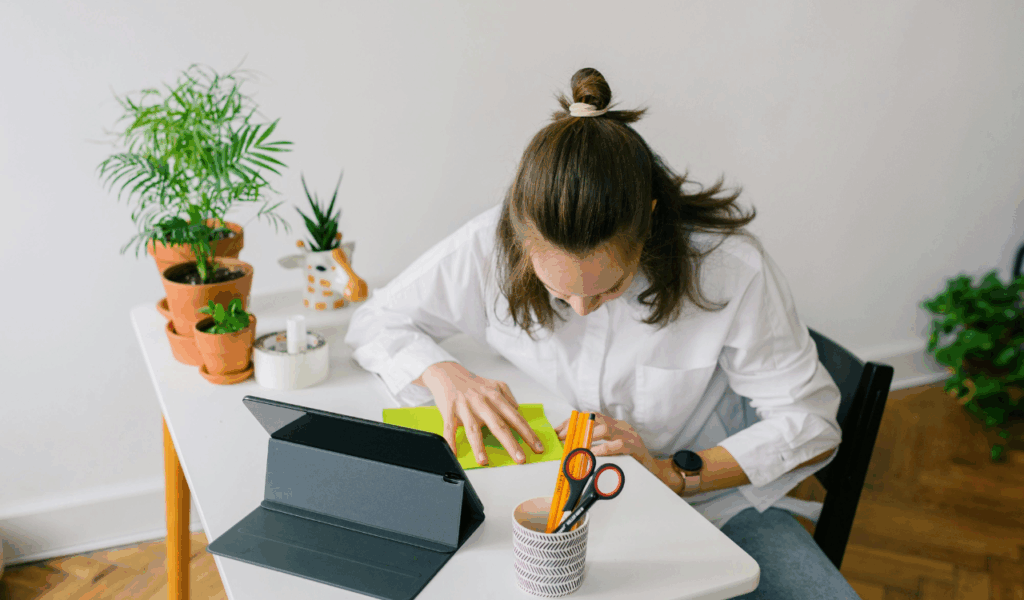
Foldable or rolling desks seem flexible, but moving study spaces from room to room breaks routine. Kids benefit from predictable environments when building habits. When the desk location changes daily, the brain has to adjust each time, which increases distraction. Portable desks also invite use in noisy or busy areas where interruptions are more likely. Without a consistent workspace, supplies get misplaced and posture suffers because seating is not always appropriate. Stability in location supports stability in behavior. A fixed desk in a quiet spot helps signal that it is time to focus and reduces the number of environmental changes the child must process.
7. Adjustable Desks That Encourage Constant Fidgeting

Height-adjustable desks promise ergonomic benefits, but without guidance, they often become novelty items. Kids change positions frequently, raising and lowering surfaces instead of settling into a single work position. Each adjustment becomes a break in concentration. Standing desks can be beneficial for some children, especially those who require movement, but frequent switching can disrupt cognitive flow. For most homework tasks, consistent posture helps the brain stay engaged. Adjustability should support comfort, not become another source of stimulation. When desks become toys instead of tools, their focus benefits disappear.
8. Minimalist Desks Without Storage That Created Supply Chaos
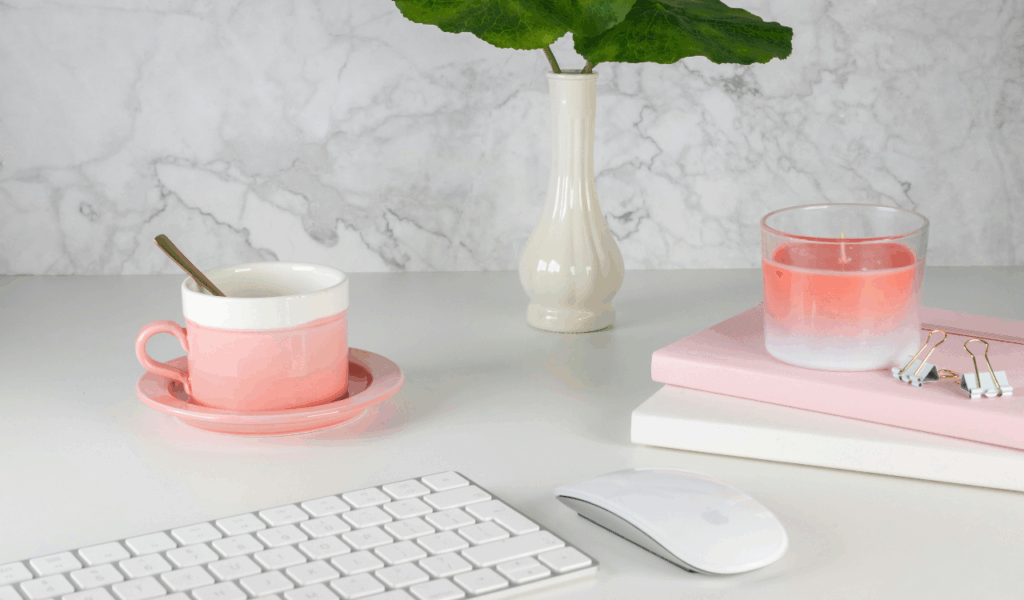
Sleek desks with no drawers or shelves look tidy, but they leave kids constantly searching for supplies. Pencils, notebooks, and chargers end up scattered across rooms or stuffed into backpacks. Each time a child has to hunt for materials, momentum is lost. Frustration rises, and focus drops. Effective study spaces balance simplicity with accessibility. Having basic supplies within arm’s reach prevents unnecessary movement and interruptions. Minimal design works best when paired with nearby storage that supports the task at hand, not when it removes functionality entirely.
9. Craft-Style Desks That Sent Mixed Signals About Purpose
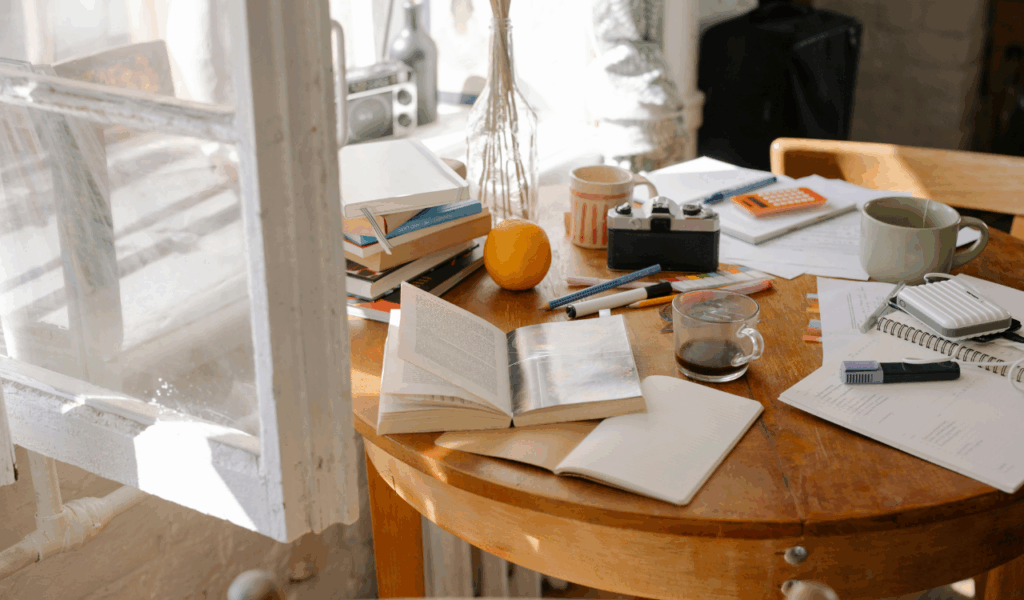
Desks that double as art stations often stay covered in markers, paper scraps, and glue. When homework time arrives, the surface must be cleared, which delays starting and creates mental resistance. The visual reminder of play materials also tempts kids to shift tasks. Over time, the desk becomes associated with creativity rather than structured work. While creative spaces are valuable, separating them from homework zones helps children mentally switch between modes. Clear purpose in furniture design supports clearer behavior patterns.
10. Oversized Desks That Overwhelm Small Rooms

Large desks can dominate small bedrooms, making the space feel cramped and cluttered. When the room feels crowded, children may avoid the desk area or feel restless while sitting there. Oversized furniture also limits storage options and reduces open floor space, which affects how comfortable the room feels overall. A desk that fits the room proportionally allows for better movement and calmer surroundings. Environmental comfort plays a major role in focus, and when a workspace feels physically overwhelming, mental focus often suffers too.
11. Decorative Desk Setups That Created Visual Noise
String lights, wall decals, novelty lamps, and themed accessories look charming in photos, but they increase visual stimulation. Every extra decoration competes for attention, especially for children who are easily distracted. When eyes keep drifting to lights, posters, or toys, concentration becomes harder to maintain. While personal touches matter, moderation is key. Workspaces benefit from calm backgrounds and limited décor that does not move or flash. When the environment feels visually quiet, the brain can devote more energy to thinking and problem solving instead of constant scanning.