14 Holiday Storage Solutions That Didn’t Stay Organized
It’s fun to take out holiday decorations, but keeping them tidy year after year is a lot harder than it looks online. Many smart-looking storage options fail in attics, basements, and busy schedules. This causes broken decorations, tangled lights, and hard-to-sort bins. Organization experts repeat that durability, easy access, and plain labelling are more important than complex tactics for long-term success. Storage “solutions” that sounded good at the time but were a hassle are covered in this article. You may avoid repeating mistakes. A few simple tweaks can make next season’s decorating faster, safer, and less stressful.
1. Cardboard boxes as permanent storage bins

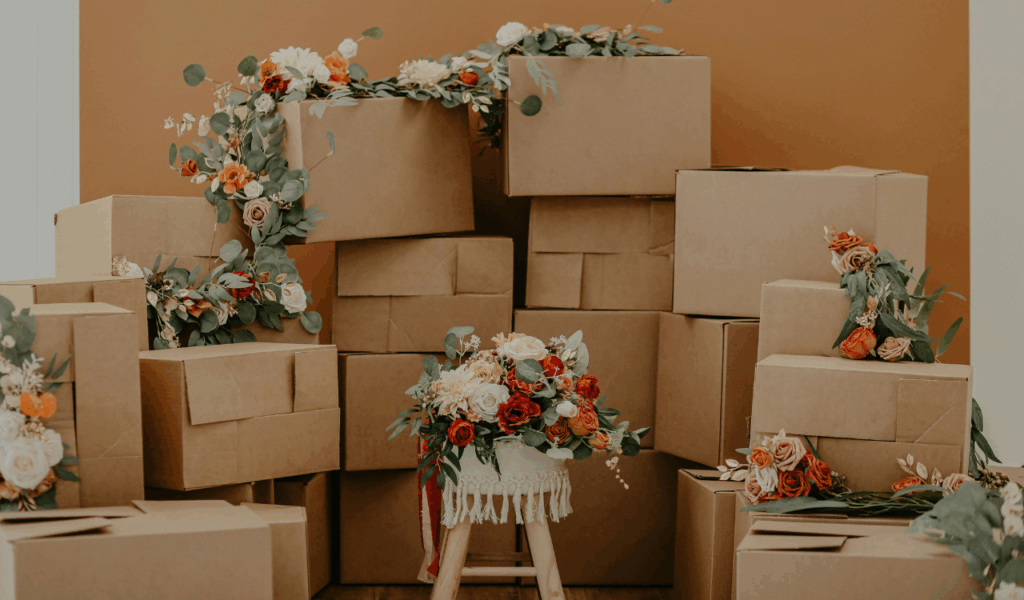
It may seem like a good idea to use old cardboard boxes for holiday decorations, but they can sag, tear, or get wet and attract bugs over time. If you keep cardboard in a damp basement, garage, or attic, it won’t preserve your stuff very well. Also, if the edges break, it won’t stack safely. A lot of organizing recommendations now say that you should move to strong plastic boxes with lids for everything you want to keep. These containers are great at preserving their shape, preventing water damage, and cleaning glitter or fake snow. Though cardboard is excellent for short trips, it doesn’t keep seasonal items clean or safe for long.
2. Unlabeled “mystery” totes and bins
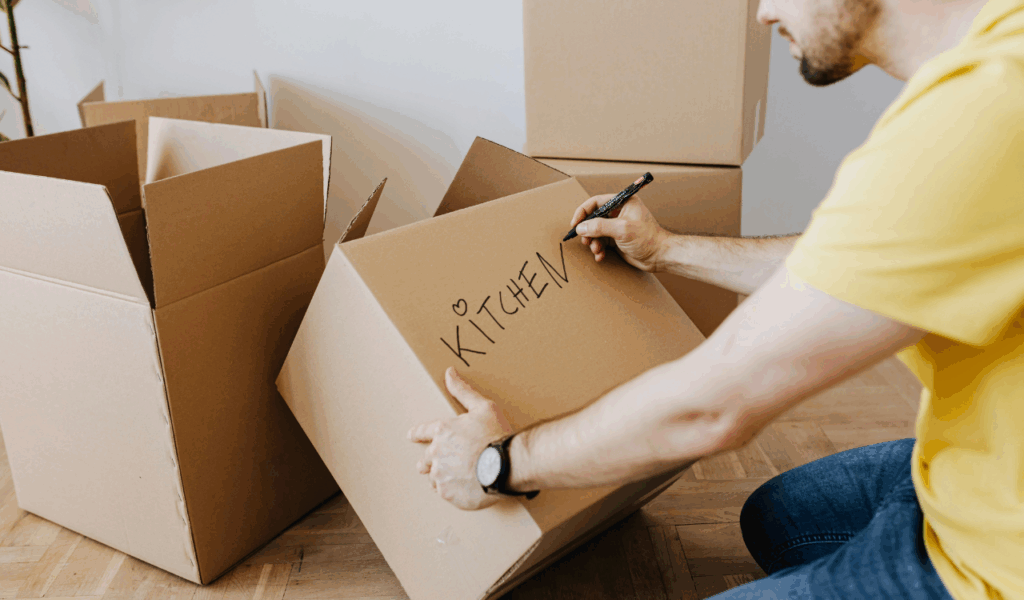
Clear containers or colored totes appear useful, but without labeling, they rapidly become a guessing game every Christmas season. Home organizers say that families often stack boxes in closets or storage spaces, which makes it hard to find a wreath or set of lights. This takes up time and makes it easy to leave things out of place. Experts say that to make it easier to find things, you should use particular labels for each holiday, room, or type of object, like “Living room ornaments” or “Outdoor lights.” Some keep a list or images in a binder near their storage place. This organizes a pile of bins into a useful system.
3. Over-stacked floor piles with no shelving

Putting bins straight on the floor could work for a while, but large pyramids of containers typically fall over, trap things near the bottom, and make getting to anything a big job. Organizers often stress how useful basic shelving units are for long-term storage, especially for holiday items that are only used once a year. If bins glide easily on and off shelves, you can get what you need without having to take down a full column. Raising containers also keeps them from coming into contact with any dampness on the floors. Even basic metal racks may turn messy piles into neat rows, making storage feel more like a library and less like a balancing act.
4. Single giant bin for every ornament
Putting all the decorations in one big bin is quick, but it can break things, get tangled, and take a long time to find your favorite things. Experts on how to store holiday decorations say that separating ornaments by type or how fragile they are can help them. Organizers intended for ornaments or cardboard grids or small boxes used for other items prevent fragile pieces from impacting larger ones. Sorting decorations by color or tree makes decorating more organized. One large box where everything moves and fragile decorations end up at the bottom is less organized than a few medium-sized, well-arranged containers.
5. Loose tangled light strands tossed in bags
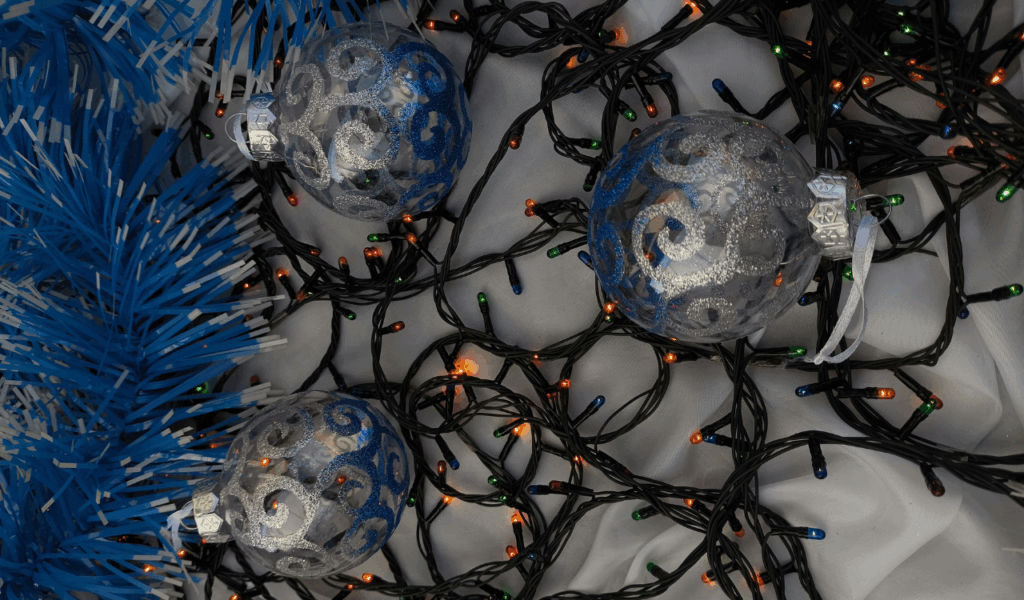
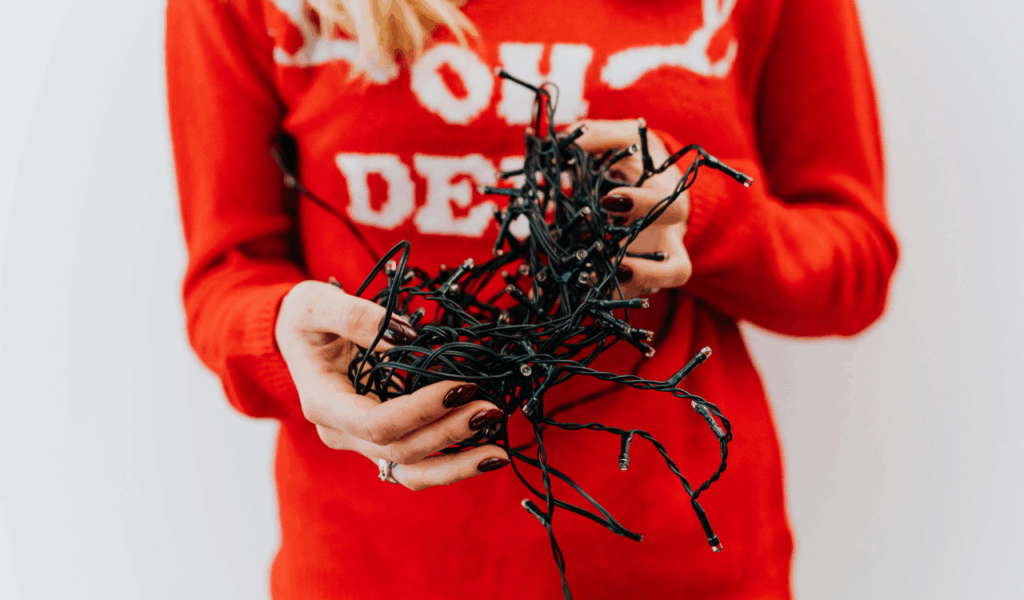
In January, it could seem like a good idea to throw light strands into bags or bins without twisting them, but this generally leads to a troublesome tangle following season. To keep wires neat, organizing recommendations say to wrap lights around cardboard pieces, gift wrap tubes, reels, or spools that are made just for this purpose. Simple method prevents tangles and pulls from damaging bulbs and wiring. It also speeds up light checks before hanging. Sometimes simple DIY remedies like wrapping lights around labeled cardboard or coiling them in shallow bins are enough. Without winding, “just toss them in” storage becomes disorganized after a year.
6. Vacuum sealing every soft decoration without a plan
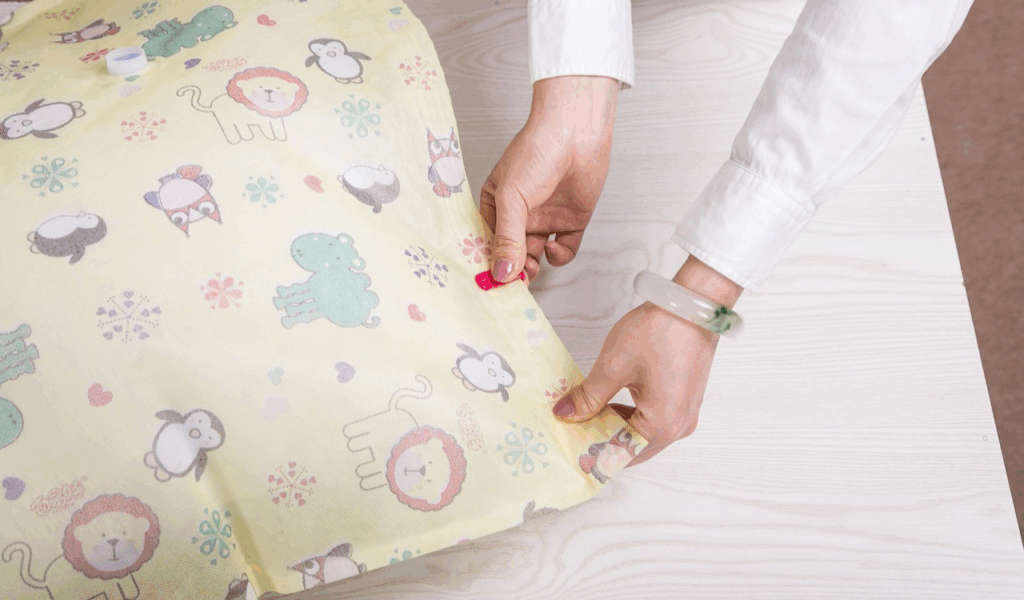
Vacuum seal bags can help you conserve room for soft things like tree skirts and fabric decorations, but if you use them too much without a plan, they can get mixed up later. Families have to open a lot of compacted bags to find one item if the bags aren’t labeled or grouped by holiday. Also, some materials, like specific foams or delicate trims, may not do well when compressed for a long time. Experts say that you should only use vacuum bags for strong fabrics that you don’t use very often, and you should clearly mark them by season and contents. Instead of dumping everything into one pile, bins or shelves make it easier to manage.
7. Hanging everything from random hooks and rods
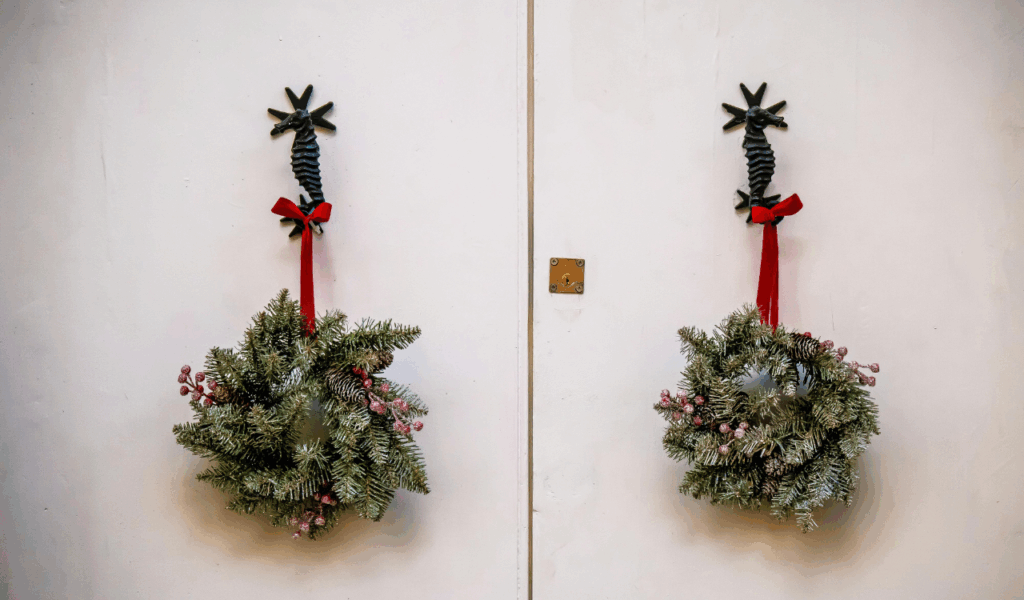
Putting wreaths, garlands, and strings of beads on spare closet rods, door hooks, and makeshift hangers can look clean at first, but without a plan, they typically end up in a mess. Heavy things droop, lighter things get stuck, and rods get too full. Articles on how to store holiday decorations say to use special wreath bags or hooks that are spaced apart so that each item hangs freely. Coil garlands and store them in labeled bags or containers to prevent tangling. When using vertical space, hanging storage works well. When you add hooks and rods without a plan, it often becomes a tangle that makes it harder to find decorations.
8. Mixing everyday and holiday items in the same bins
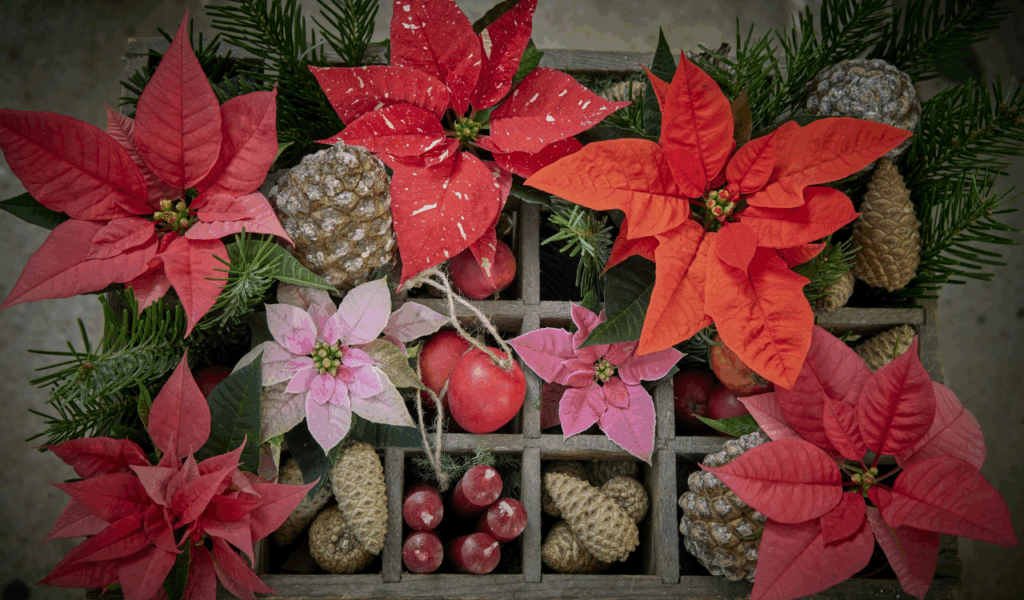
It may seem like a good idea to mix seasonal decorations with everyday things like tools, random linens, or clothes that aren’t in season, but this often results in lost items. Containers used for several purposes might make it hard to find things, and non-holiday items can go lost. Christmas decorations should be stored apart from daily and seasonal items, according to most organizational suggestions. Some recommend storing ordinary items in empty holiday containers and returning them when the decorations are put up. Clear lines help prevent constant movement and simplify year-round management of both groups.
9. Overcomplicated color coding systems
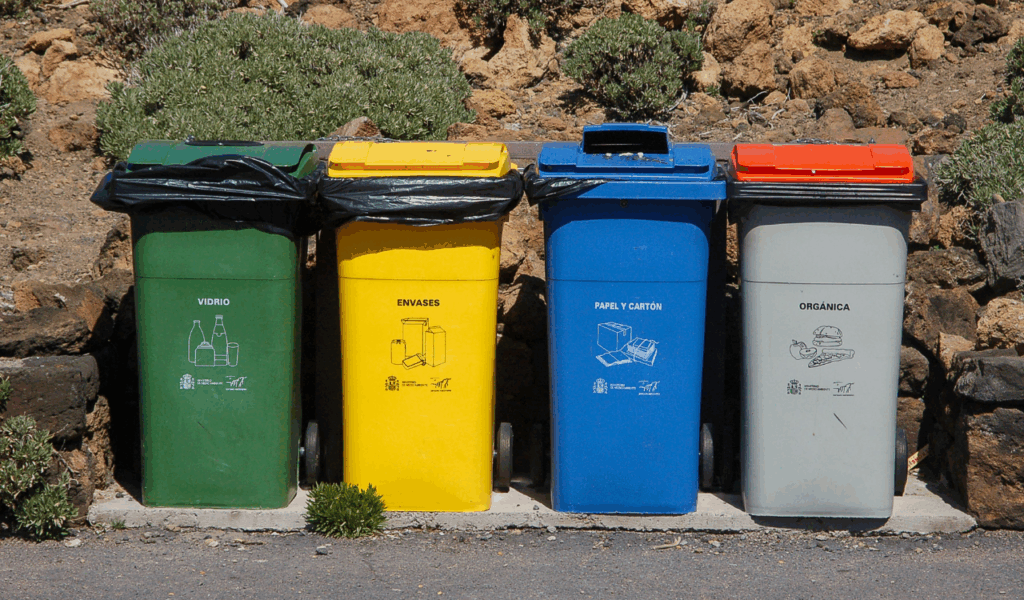
It can be helpful to color code bins and labels by holiday or room, but systems that are too complicated and have too many colors and categories can be hard to keep up with. Families might forget the code, buy new bins in different colors, or use containers for anything else, which makes the plan less effective. Organizing experts prefer simple methods like one- or two-color seasonal decorations and easy-to-read labeling to elaborate charts. It should be easy to use even for a non-installer. Color coding loses its organizational value when it makes things difficult to understand. It becomes another trend that appears better on paper than in storage.
10. Storing decor in extreme temperature or damp areas
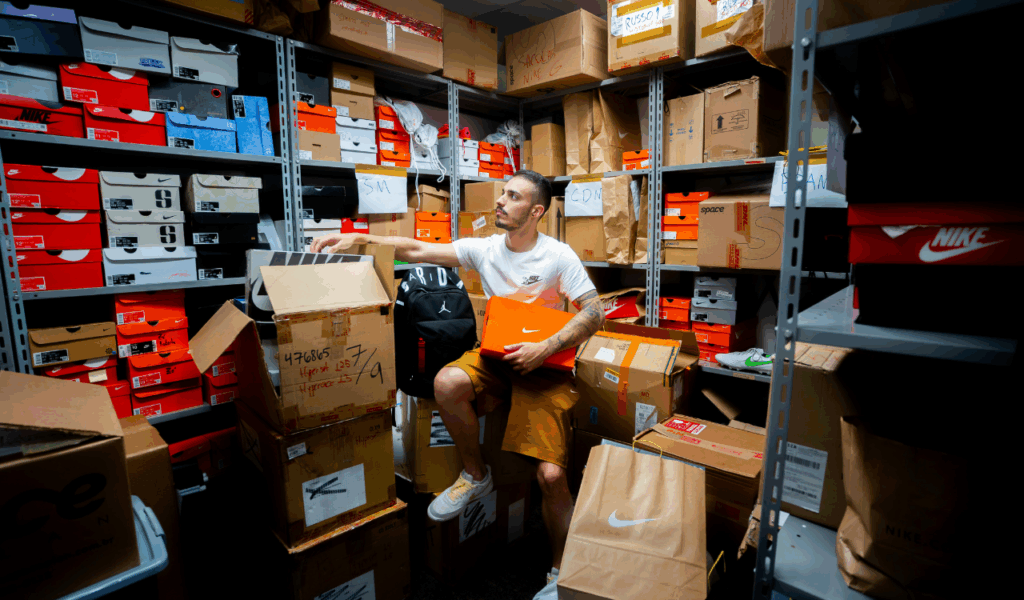
Some homes may only have uninsulated attics, garages, or wet basements where they can put holiday decorations. But without protection, this can make decorations last less long. Heat can hurt adhesives and some plastics, while moisture can bend cardboard, hurt fabrics, and corrode metal items. Storage advice says to pick the driest, most temperature-stable place you can find and use sealed containers whenever you can. If you must choose between attics and basements, moisture management and higher shelving can reduce risk. Because people prioritize convenience over the environment, neat storage solutions don’t last.
11. Keeping broken or unused decor “just in case”
No matter how well they are labeled, bins full of damaged, tangled, or undesirable decorations can’t stay tidy. Before buying new storage items, organizing recommendations often tell you to get rid of things you don’t need. Keeping broken lights, chipped ornaments, or decorations that never come out of the box each year takes up room and makes it harder to see what you really like. Setting a rule to get rid of things that aren’t safe and give away or repurpose things you don’t enjoy anymore will help you keep your storage organized. Even basic boxes and shelves work much better to keep things neat and easy to get to once decorations are cut down.
12. Tiny specialty containers for every item
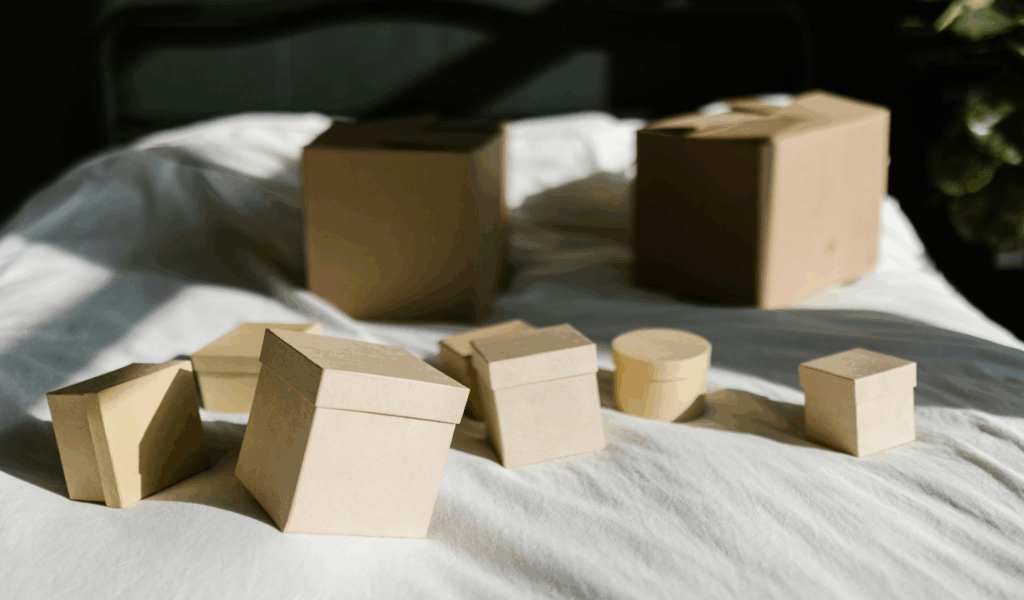
Getting a lot of small boxes for each kind of ornament, ribbon, and figurine may seem like the best way to stay organized, but it doesn’t always work. When decorating, it’s easy to lose track of dozens of little boxes, impossible to stack them, and takes a long time to open and close them. Instead of having a container for each little group, professional organizers recommend using a mix of container sizes and inserting dividers or smaller boxes inside larger containers. This strategy balances speed and safety. Too many discrete pieces cause people to stop putting things back in the proper box, resulting in a chaotic, confusing storage space.
13. “Temporary” storage that became permanent
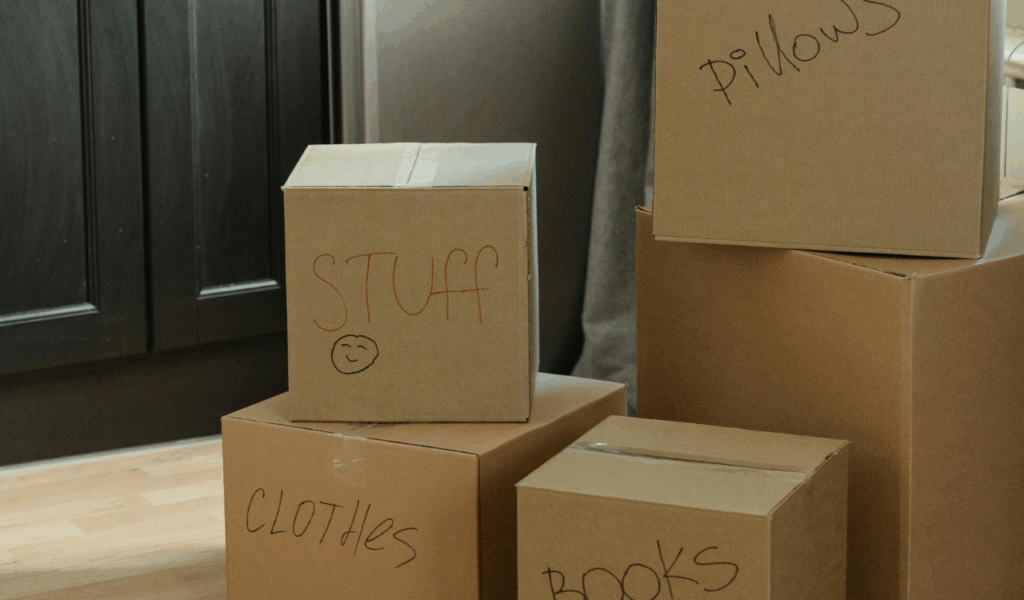
If you leave holiday decorations in hall closets, beneath beds, or along walls “just for a few weeks,” they can become clutter that stays around all year if you don’t put them back where they belong. As time goes on, these things compete with common goods and make rooms feel full. When giving advise on how to organize, people often say to pick a specific place for holiday decorations and promise to put them back there after the season is over. A shelf space or attic section can be a long-term habitat. Unless you do this, the temporary piles will keep growing and smart containers won’t make the place feel organized again.
14. Ignoring future setup when packing away
Some storage concepts only think about how to cram everything into the smallest space possible, without thinking about how hard it will be to unpack next year. It can be hard to decorate when you have deep bins full of stuff or stuff from several rooms mingled together. Experts say that as you pack, you should think about the next season. Sort decorations by room or how they will be used and put often used items in the front. Photographing displays and storing them in boxes or a digital scrapbook speeds up decorating. Storage stays organized longer when you plan for future use, making holiday preparation easier and more fun.