8 “Cozy” Throw Blankets That Actually Trap Dust and Pet Hair
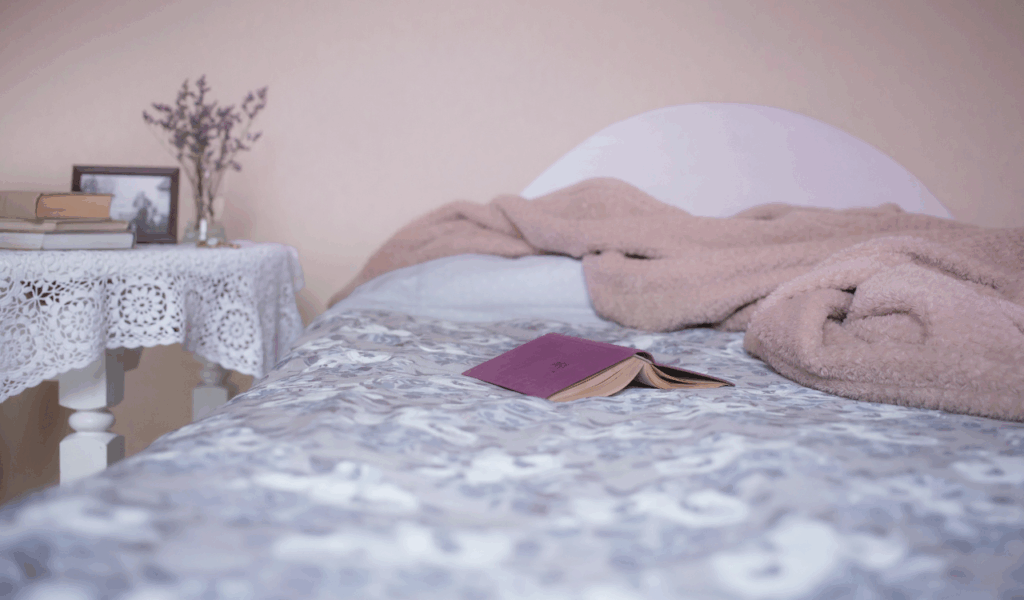
A soft throw blanket is frequently the last thing that makes a place feel like home, but a lot of the most popular styles are also magnets for dust and other allergies. Designers say that these textures may appear nice in a catalog, but they may rapidly become a nightmare for people who are allergic to dust or have pets.
The fibers that make a blanket seem soft and fluffy frequently function like tiny hooks, grabbing skin cells, lint, and dander deep inside the blanket. This hidden buildup can make the air inside your home less clean and make your living room feel less like a safe place and more like a place where dirt is filtered out.
Professional organizers say that in a home with a lot of activity, a blanket that is hard to clean is a burden, not an asset. Experts note that the “cozy” factor typically comes at the cost of a lot of work, since many of these fabrics can’t survive the repeated hot water washes needed to eradicate dust mites.
Landscapers and those who like to spend time outside also say that some textiles are prone to static electricity, which pulls pet hair out of the air and holds it in the weave. This article looks at eight typical types of blankets that may be making your home less clean, even though they look nice and feel good.
1. Chunky Giant Merino Wool Knits
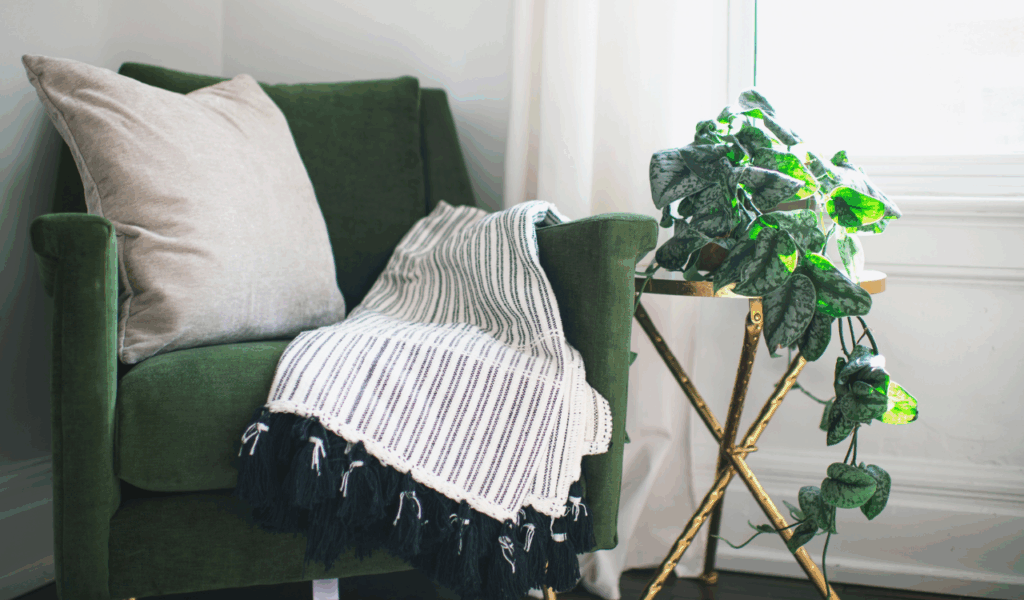
Chunky knit blankets employ big, unspun yarn, which is really popular right now, but it’s also one of the worst types of yarn for collecting dirt. Designers only recommend these for places with little foot traffic because the loose, airy fibers act like deep pockets that dust can settle into.
Experts say that because the yarn doesn’t have a tight twist, pet hair doesn’t just sit on the surface; it gets woven into the blanket’s core when you use it normally. This makes it almost tough to get rid of without a skilled dry cleaner and a lot of time.
Professional organizers say that these blankets also shed and pill, which adds more “fiber dust” to the air in your home. It’s hard to get a five-pound merino knit into a regular washing machine, so dander and dead skin cells build up and stay in your lounging area.
Realtors often see that these blankets can seem “dingy” very fast during open homes if they aren’t brand new. They seem great on a couch, but they are really just a sponge that needs a lot of care to catch every particle that floats around your living room.
2. High-Pile Faux Fur Throws
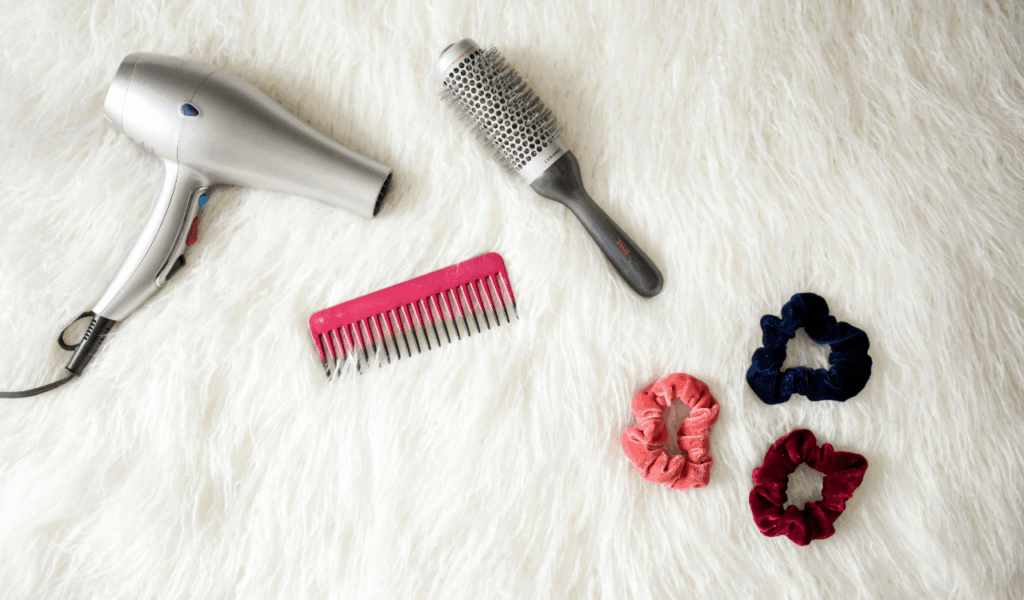
Faux fur is made to look and feel like real animal coats, which makes it a great way to catch pet hair that floats around. Designers say that the static charge that synthetic fur fibers give off acts like a magnet, drawing fur from your pets even if they never contact the blanket. Experts suggest that dust sticks better to faux fur with a longer “shag” or pile. When such particles get to the bottom of the fabric, they are safe from a vacuum or a light shake. They need a lot of shaking to get them out.
Professional cleaners say that faux fur is quite hard to wash without losing its softness. You sometimes have to use cold, moderate cycles that don’t get rid of dust mites or allergens since hot water and strong heat can melt the synthetic fibers.
If you really need fake fur, the organizers say you should keep it in rooms where pets can’t go. Realtors say that a fur blanket with real dog hair on it can turn off potential buyers right away if they have allergies. This is because it shows that the home is hard to maintain clean.
3. Ultra-Soft Polyester Sherpa Fleece
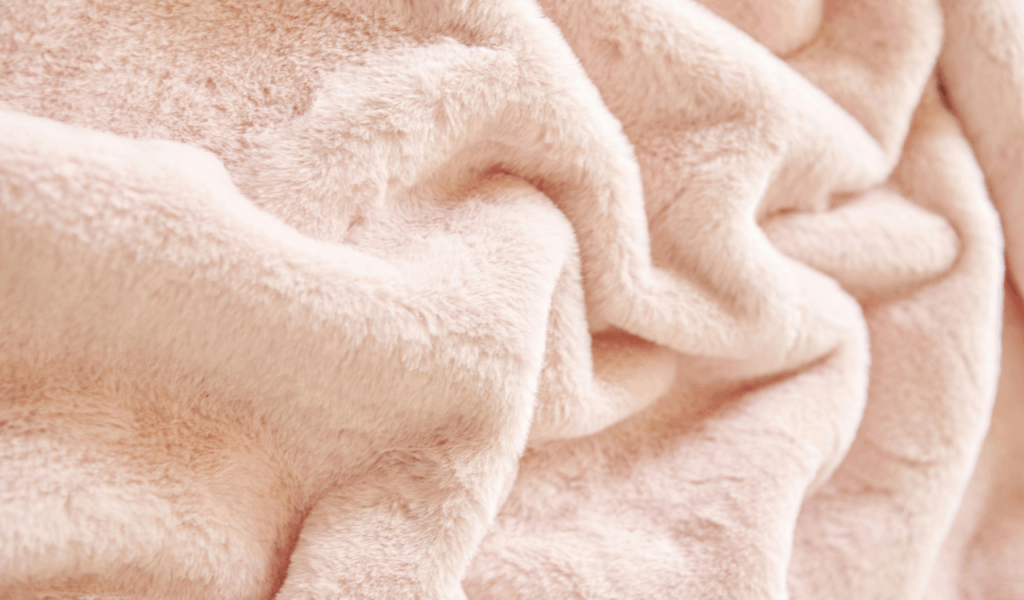
People love sherpa fleece because it feels like sheep wool and keeps you incredibly warm, but it is also known for “holding onto” anything it touches. Designers say that the looped, matted texture of sherpa makes thousands of tiny snags that hold onto pet hair and lint.
Experts say that if hair becomes stuck in a Sherpa lining, it will be hard to get it out with a lint roller or a special pet hair brush. Over time, it forms part of the fabric’s felted texture, making it look unclean and scratchy that regular cleaning can’t get rid of.
Professional organizers say that Sherpa also likes static a lot, which makes it stick to small dust particles on the floor or furniture. People commonly use Sherpa as a background for other textiles, so the dirt and dust that gets stuck in it is typically disguised until it starts to irritate the skin or make people sneeze.
Experts say that families with pets that shed a lot should stay away from sherpa and use smoother fabrics instead. It is a material that is really soft at first, but after just one season of frequent use, it often seems like a dusty, matted mess.
4. Open-Weave Cotton Crochet Blankets
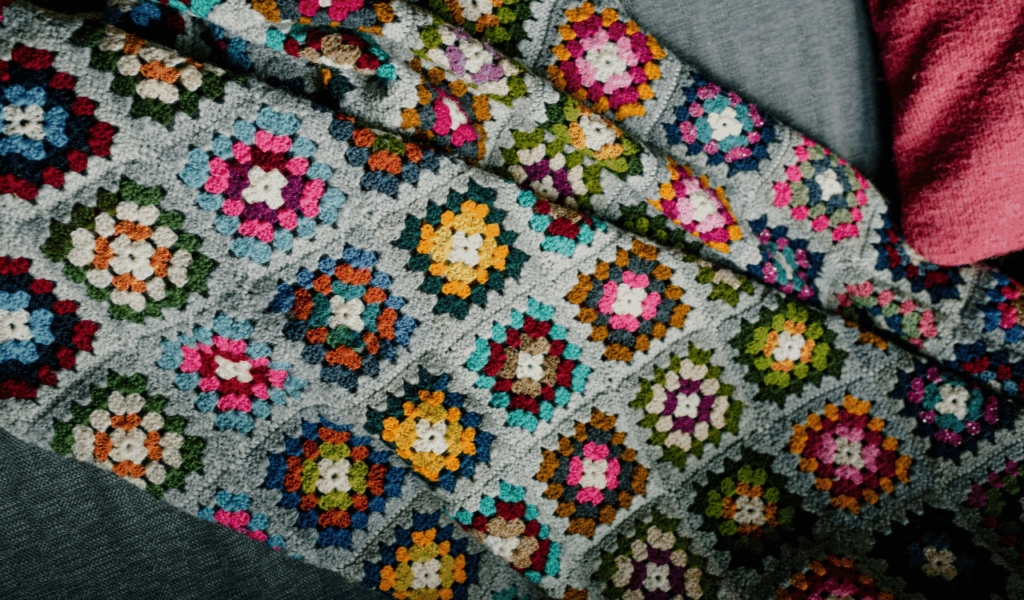
Cotton is usually a breathable and washable material, but the open, loopy weave of crochet makes it hard to keep clean. Designers say that the holes in the pattern work like a sieve, capturing pet hair and big dust bunnies as they move through the room.
Experts say that hair often becomes stuck in the holes and tangled around the yarn, which makes it hard to take out by hand. These blankets also tend to catch crumbs and small bits of trash, which might attract bugs if they are used near eating places or on the couch.
Professional organizers say that crochet blankets should be washed in a laundry bag to keep them from snagging more, but this sometimes makes it impossible to get rid of hair that is stuck in them. Landscapers say that if you take these blankets outside for a picnic, they will come back full of grass, twigs, and burrs that are very hard to get out.
Realtors typically suggest taking these out of sight during stagings since they might look “messy” if even one thread is pulled or if they have lint on them. They are gorgeous handmade things, but they also work quite well as nets collecting trash around the house.
5. Mohair and Brushed Alpaca Throws
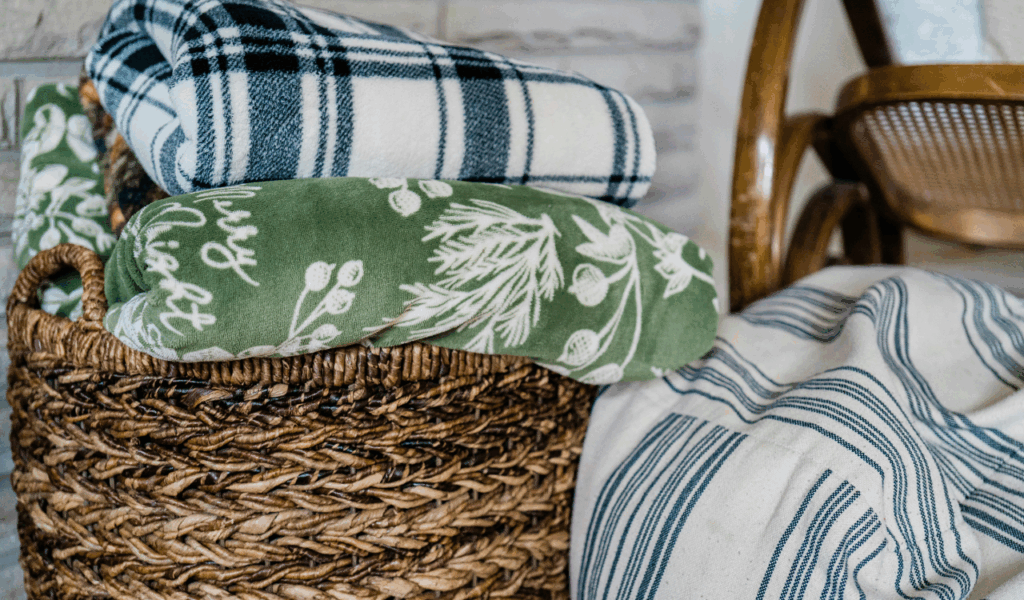
Mohair is popular because of its gorgeous sheen and fuzzy halo, yet that fuzz can trap tiny particles. Designers say mohair is a premium fabric, but experts say the long, delicate fibers can “felt” around dust and hair. Interior designers say that the scales on natural mohair and alpaca fibers are rougher than those on silk or cotton. This makes them naturally good for holding onto other materials. This implies that when a cat or dog rubs against the blanket, the hair gets stuck in the structure of the mohair.
Professional cleaners say that these kinds of natural animal fibers frequently need to be washed by hand or cared for in a unique way, which many busy households don’t do. This causes dander to build up over time, which can cause allergies all year round. If you want to keep these blankets clean, the people in charge say you should treat them more like decorative art than bedding.
Experts believe that the “halo” effect also wears off over time, which adds to the dust you are seeking to avoid. They are the best example of comfortable design, but they are also some of the hardest fabrics to keep clean in a home with pets.
6. Waffle-Weave Microfiber Blankets
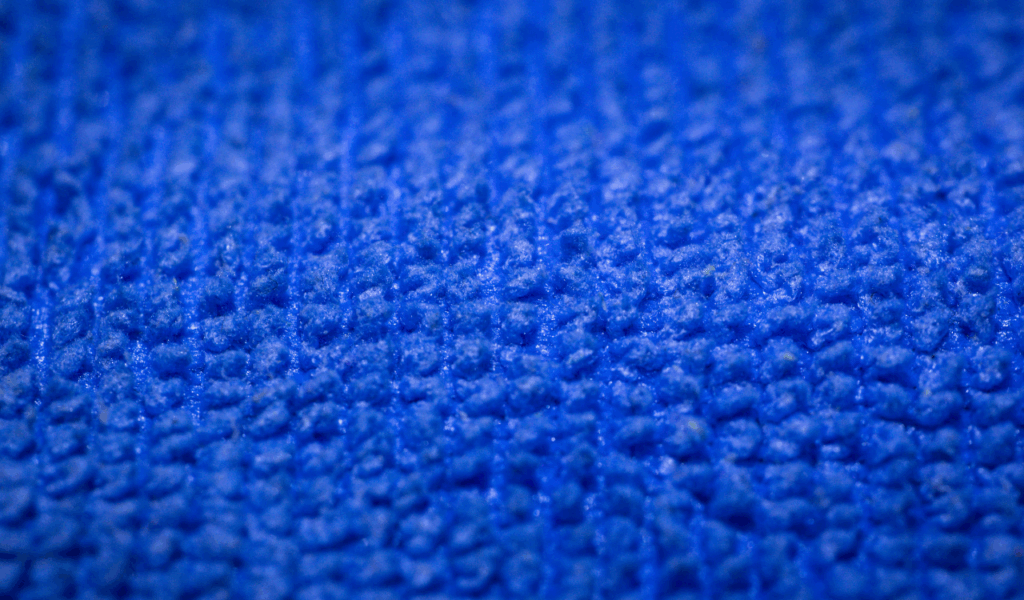
Microfiber is made to be a cleaning tool, which is why it’s not a good choice for a “chill” blanket. Designers say that the “waffle” texture makes the surface area much bigger, and the broken fibers of the microfiber are made to capture and keep dust.
Experts say that using a microfiber blanket is just like dragging a huge cleaning cloth over your furniture. It will take up all the pet hair and dander it comes across, and because it is made of synthetic materials, it will hold onto those particles with an extremely strong static grip.
Professional organizers say that microfiber blankets often come out of the dryer with more lint than they went in with because they attract lint from other things in the load. Experts argue that microfiber is strong and easy to clean, but its “sticky” texture makes it feel dirty very quickly.
Designers say that houses with long-haired pets should stay away from these since the hair gets stuck in the tiny fibers. It’s a useful cloth that works well for mops, but it can sometimes “clean” your air and furnishings too well when you just want to take a sleep.
7. Heavy Velvet Throws with Synthetic Backing
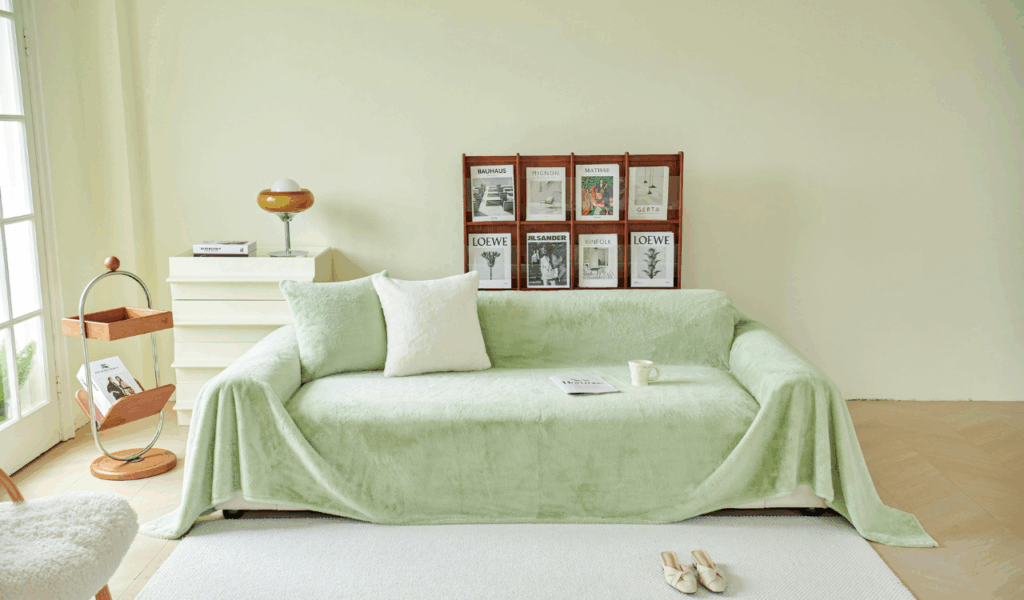
The thick vertical pile of velvet makes it the most luxurious fabric, but it also makes it a great place for dust to hide. Designers say that the “nap” of the velvet can hold particles at the base of the cloth where they can’t be seen by the naked eye. Experts say that when you sit or lie on a velvet blanket, you are pushing the dust deeper into the weave. If the blanket is made of synthetic material or has a “crushed” texture, the uneven surface makes even more places for pet hair to collect and stay for a long time.
Professional cleaners say that velvet attracts lint, therefore it often needs to be brushed all the time to keep it looking new. Realtors say that dark velvet blankets are especially hard to deal with during open houses because they show every single light-colored pet hair or bit of white dust.
Designers say that velvet makes a space look deeper, but it also collects allergens that can be hard to get rid of completely without professional steam cleaning. It is a high-end pick that needs a lot of care to be a healthy part of your home’s soft goods collection.
8. Loose-Gauge Acrylic Chenille
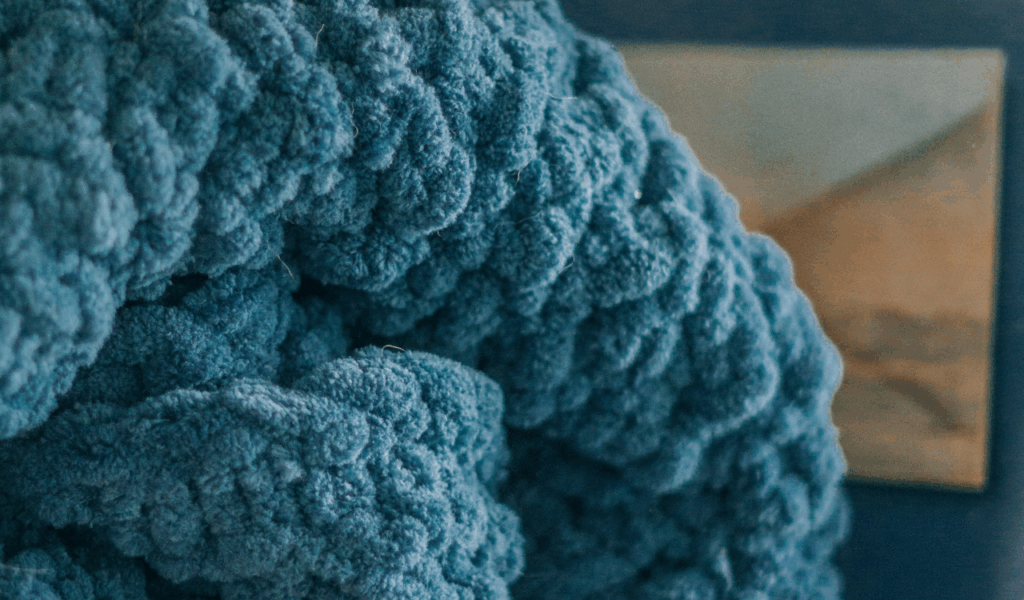
Chenille is soft like a caterpillar, but the way the yarn is made gives it a big allergy trap. Designers say that chenille is formed by putting small pieces of yarn between two “core” strands and then twisting them together. The ends of the threads are now visible, which makes the surface fuzzy and easy to collect pet hair.
Experts say that because the weave is typically slack in acrylic versions, dust can get through the surface and get stuck inside the blanket’s underlying structure, making it a heavy carrier of concealed dirt.
Professional organizers say that chenille can “shred” its own threads, which then mingle with dust in the house to make more mess. Experts explain that the synthetic acrylic used in these blankets is great at attracting static electricity, which means that pet hair from across the room will be attracted toward the sofa.
Realtors say that older chenille throws typically seem “matted” or “clumpy.” This is mainly because oils and dust have gotten stuck in the fibers and made them stick together. It is one of the softest textiles you can buy, but it is also one of the best for catching and hanging onto the mess that is always there in a busy home.