13 New Year Decorating Ideas That Didn’t Work in Real Homes
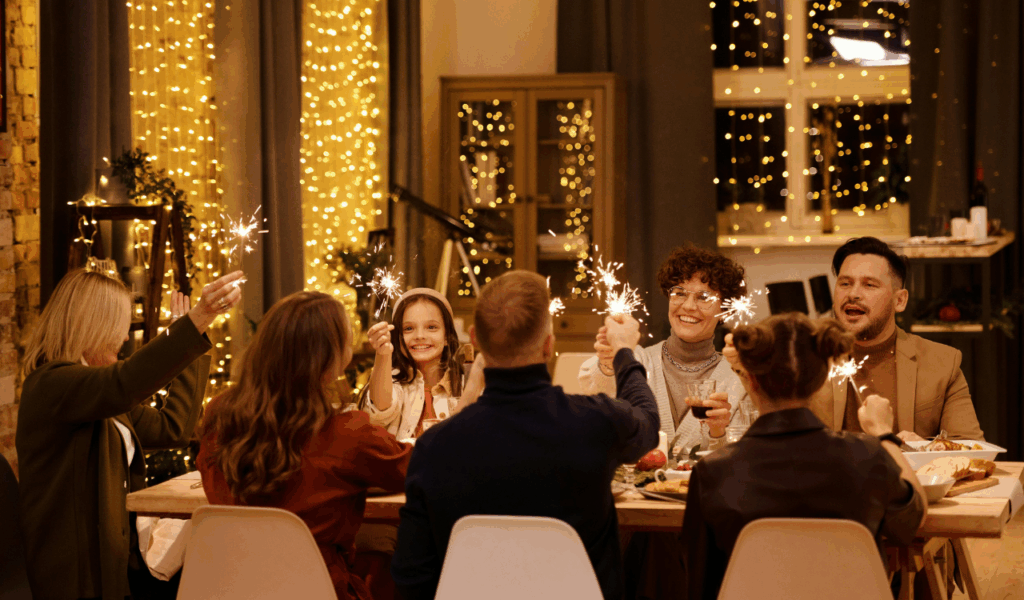
In pictures, New Year’s decorations frequently look spectacular, but in real life, some ideas feel messy, hazardous, or just not practical once the party starts. A lot of popular styles don’t take into account how people really walk, sit, eat, and assemble in a room, which makes “aesthetic” settings annoying every day. This post discusses decorating blunders that were initially enjoyable but quickly became problematic. By being aware of the reasons why these ideas are not successful, you will be able to continue to make your New Year’s party enjoyable, fashionable, and easy to live with before, during, and after the party.
1. Overloaded twinkle light tunnels
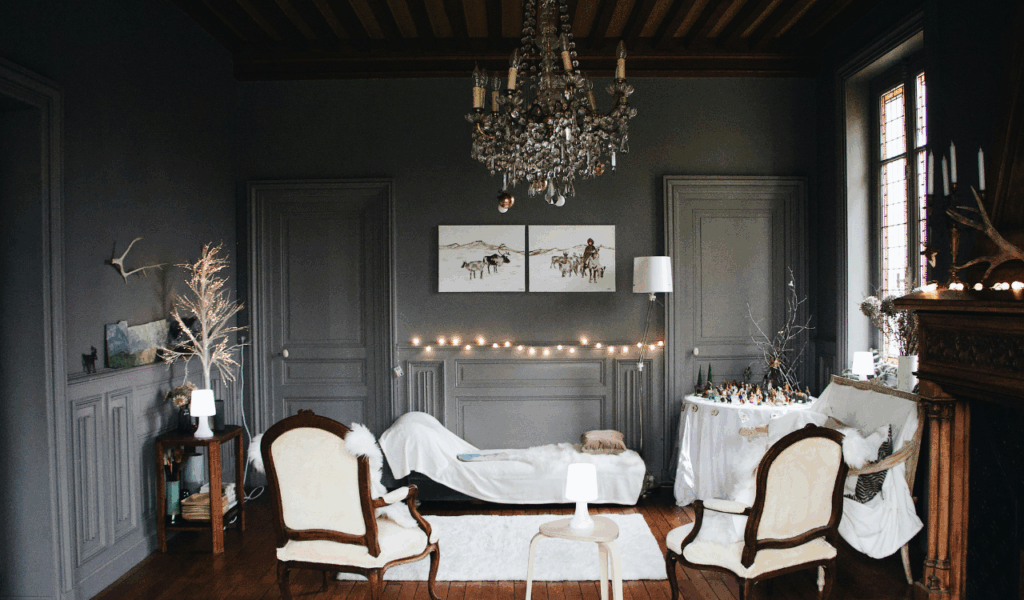
Putting string lights on every wall, door, and ceiling beam can look wonderful online, but in real life it often makes things too bright, too hot, and too messy. There are too many lights, which makes it hard for guests to rest or take clear pictures. Long chains that go over floors or entrances can potentially be a fire hazard and a tripping hazard if they aren’t rated for interior usage or aren’t properly fastened. Instead of wrapping the whole room in strands, it’s best to put a few strands around important spots like a window, a mantel, or a buffet table. This way, people can move around freely and safely all night.
2. Glitter everywhere on soft surfaces
A lot of glitter on cushions, blankets, carpets, and upholstered chairs could look fun, but it doesn’t work well in houses where people really sit, play, or eat. Fine glitter sticks to clothes, pet hair, and skin, and it can take weeks of vacuuming to get it all out of cushions and carpets. If guests are snacking near highly adorned surfaces, it can also get in their eyes or food. Instead of putting glitter on soft furniture, use it only on durable decorations, reusable banners, or sealed candle holders that can be wiped clean. You can still have shine this way, but it won’t be messy or uncomfortable for a long time in common living areas.
3. All white party rooms with real guests
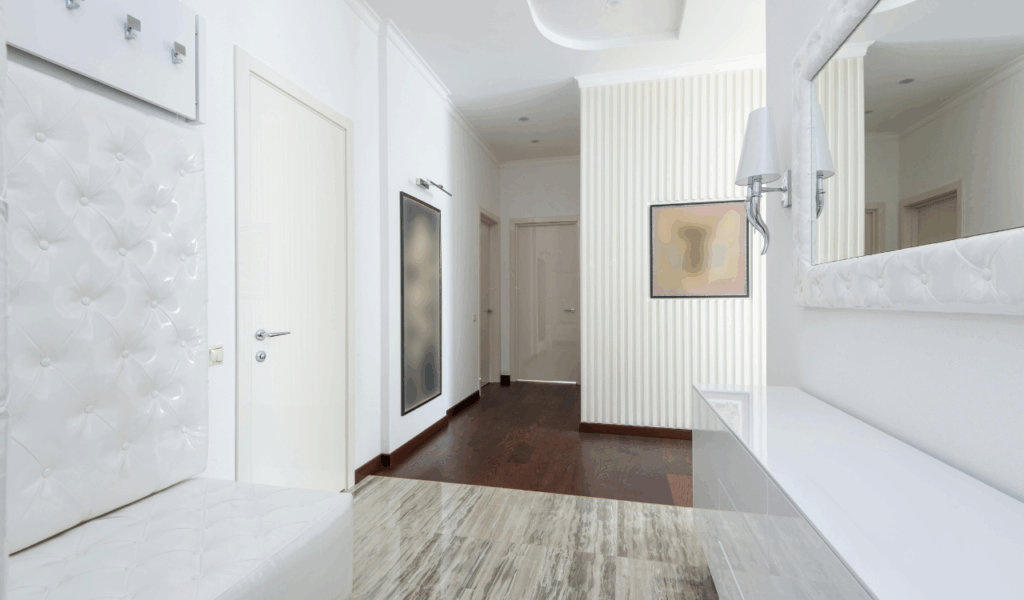
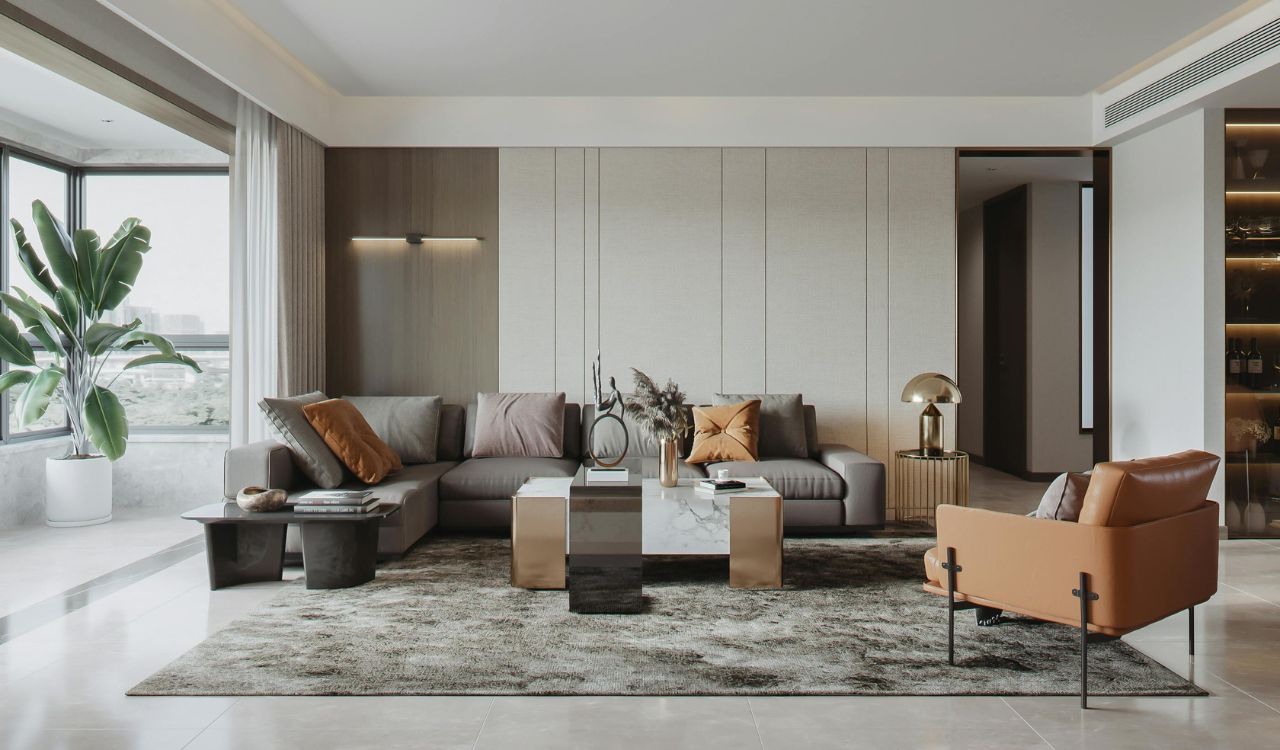
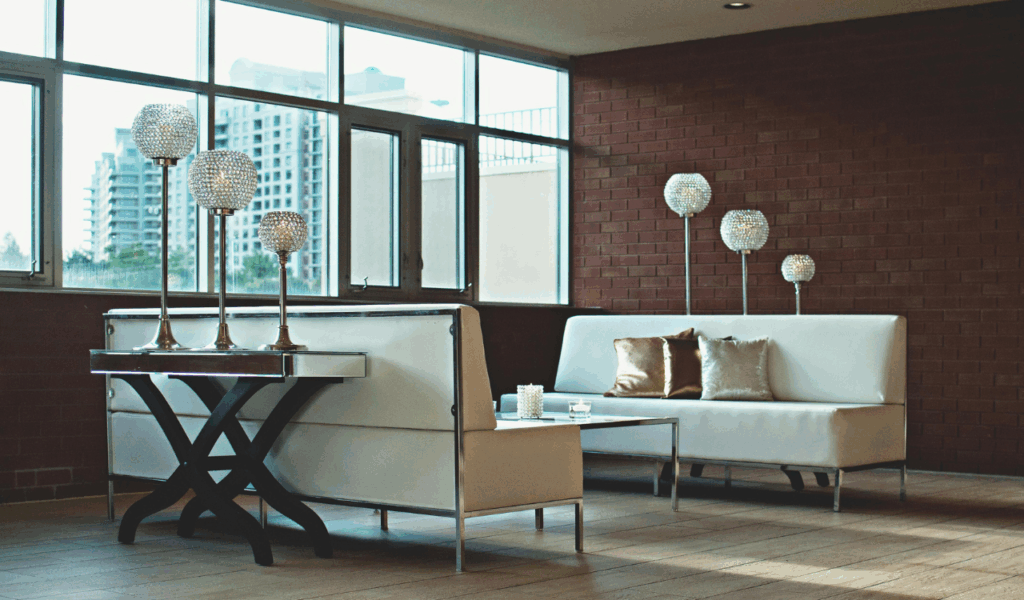
An all-white New Year’s theme, from the tree to the linens to the tableware, looks great in styled images, but it doesn’t hold up well when real people, food, and beverages come in. Light-colored sofas, rugs, and tablecloths show every spill, shoe mark, and makeup smudge, which might make hosts nervous all night instead of letting them enjoy the party. Bright overhead lighting and pure white may make a small space feel cold instead than joyous. Designers recommend pairing light neutrals with mid-tone or darker accessories that disguise wear, such as washable slipcovers, darker runners, or patterned cushions, to make the look beautiful but practical.
4. Unstable balloon ceilings and arches

Putting loose balloons on ceilings or making big balloon arches over doorways may appear cool at first, but these structures are shockingly weak in homes that are lived in. Balloons can pop or droop quickly if the temperature changes, there are sharp corners, or there are active kids. This can leave bits on the ground that are dangerous for small kids and pets. If helium balloons are too close to ceiling fans or smoke detectors, they might also cause problems. Better to anchor smaller balloon groups in corners or on weighted supports away from vents and busy walkways. Thus, party decorations will last longer and cleanup will be faster.
5. Confetti filled living spaces

Metallic confetti that is loose and spread across floors, sofas, and dining tables looks great in photos, but it gets stuck in vacuum cleaners, damages some surfaces, and lies under furniture for months. When visitors dance, handle drinks, or walk in socks, little fragments can make hard floors slippery, which makes falls more likely. Walking outside with shoes can also make confetti hard to differentiate from recyclables and end up in drains. Use controlled confetti instead of loose. Confetti balloons, transparent containers with confetti, and biodegradable paper pieces can be used in one photo area and swept up and bagged after midnight.
6. Blocking circulation with oversized displays
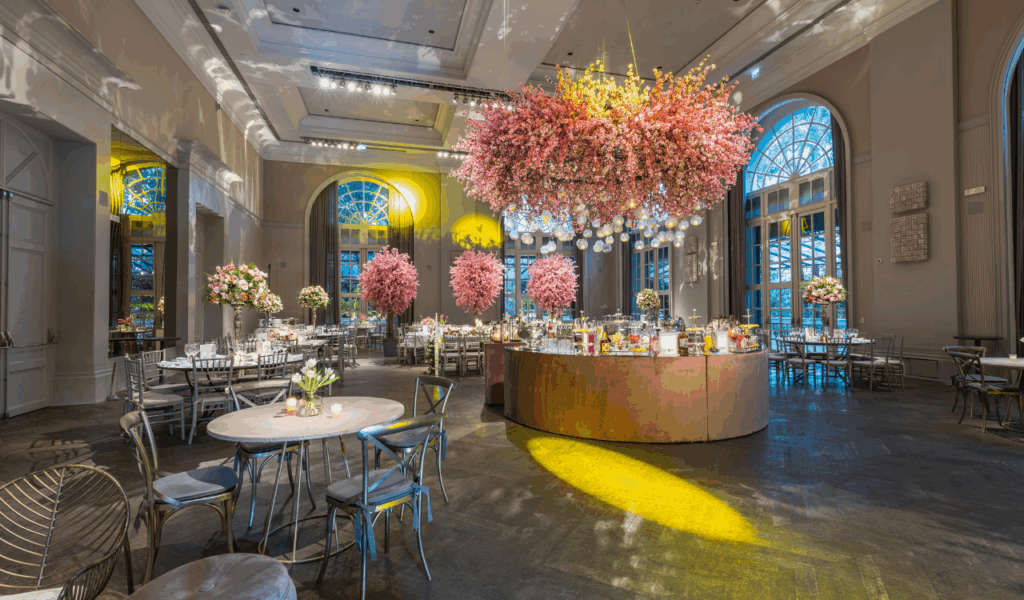
Big decorative pieces, such large New Year numerals, cluster candle displays, or towering branches put near doorways, might appear dramatic but make it hard for guests to walk across the space. When decorations block corridors or cluster around dining tables, guests have to squeeze past delicate items, knock things over, or stay away from particular places altogether. Designers say pleasant homes should have clear exits, kitchens, and restrooms, especially when people are around. Leave at least a shoulder-width space for people to pass before putting up a large display. Safety and comfort should come before a one-camera centerpiece.
7. Ignoring existing color and style
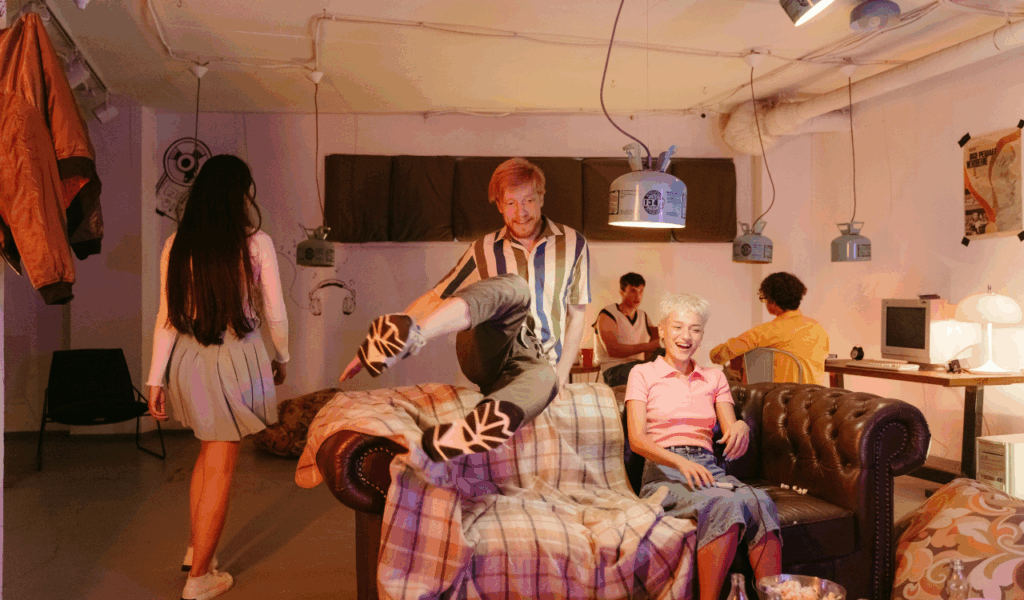
If you copy a dramatic New Year’s color scheme you see online, such metallic rainbow or neon brights, it might not go well with the colors of the furniture and walls in your home. When decor doesn’t match the foundation design, rooms look messy instead than planned, and important items like sofas, drapes, or rugs don’t fit in. Experts recommend starting with the space’s present color scheme and then choosing one or two accent colors to match. Putting warm metals and mild lighting in neutral settings or merging jewel-toned ornaments with darker furnishings will make your Christmas decorations match your everyday design instead of clashing.
8. Using only overhead “big” lighting
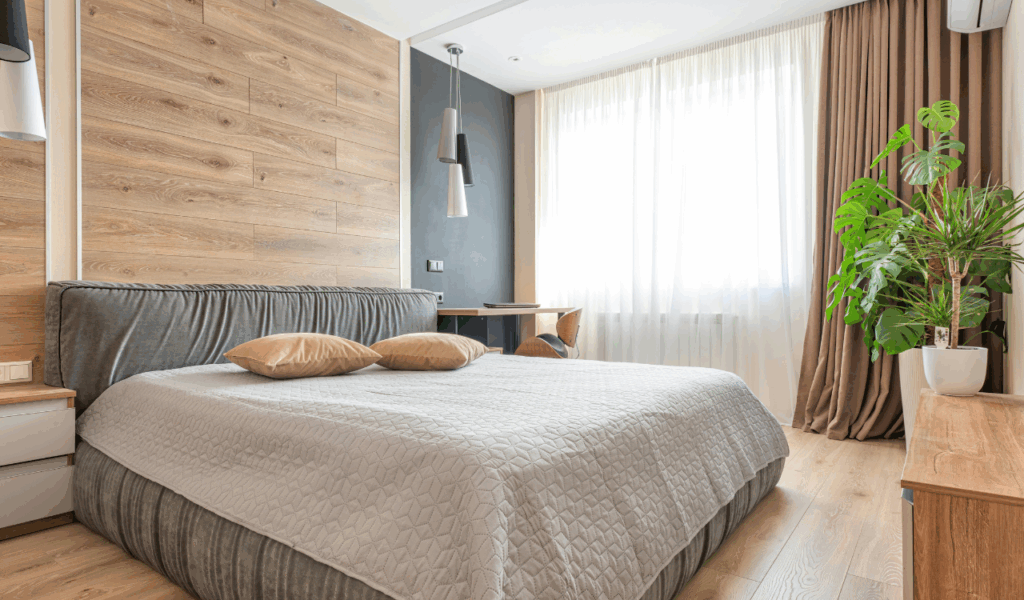
Using only bright overhead lights for a New Year’s party can make a room appear harsh and unattractive, especially in smaller spaces. Strong ceiling lighting make features look flat in images and make clutter stand out instead of making the room feel comfortable, which is what many people desire for countdown moments. To reduce shadows and allow guests adjust light intensity, designers recommend using ambient lighting, accent string lights, and candle-style LEDs. Smaller lights around chairs, snack tables, and entryways provide a welcoming ambiance. To highlight people and the celebration, hosts can dim the main light.
9. Fragile centerpieces crowding the table
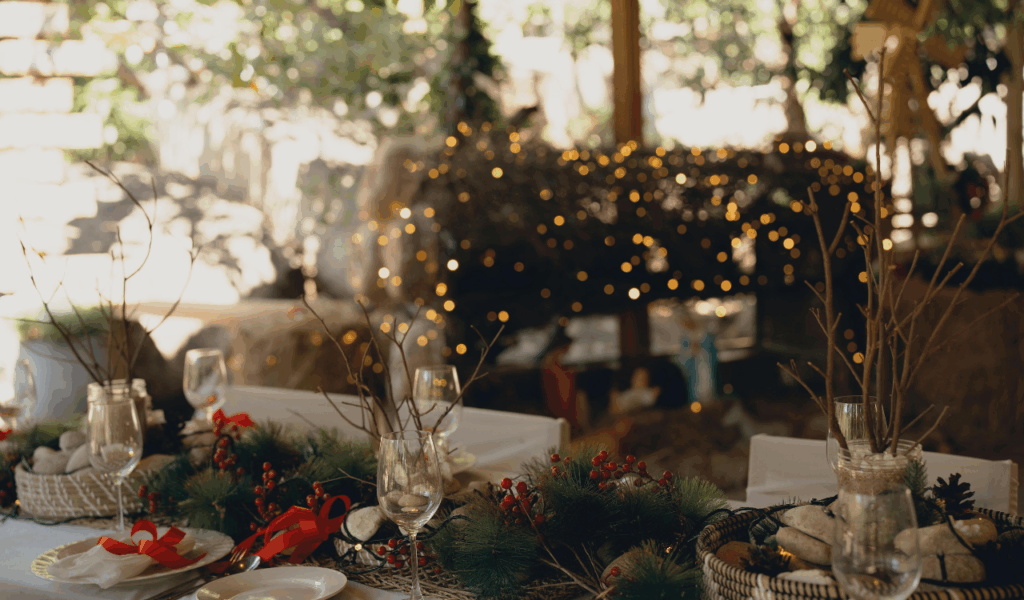
Even though tall vases filled with branches, narrow candles packed tightly together, or ornate glass displays may look fancy, they sometimes obstruct eye contact and leave little room for plates and drinks. People end up uncomfortably passing dishes around breakable decorations or taking things off the table completely, which contradicts the purpose of setting them. Many setups with little flames or dried plants can be harmful if people reach across them or sit under low decorations. Simple, solid centerpieces that stay below eye level and allow for dish service are safer and more pleasant for real-world dinners.
10. Trendy but uncomfortable seating swaps
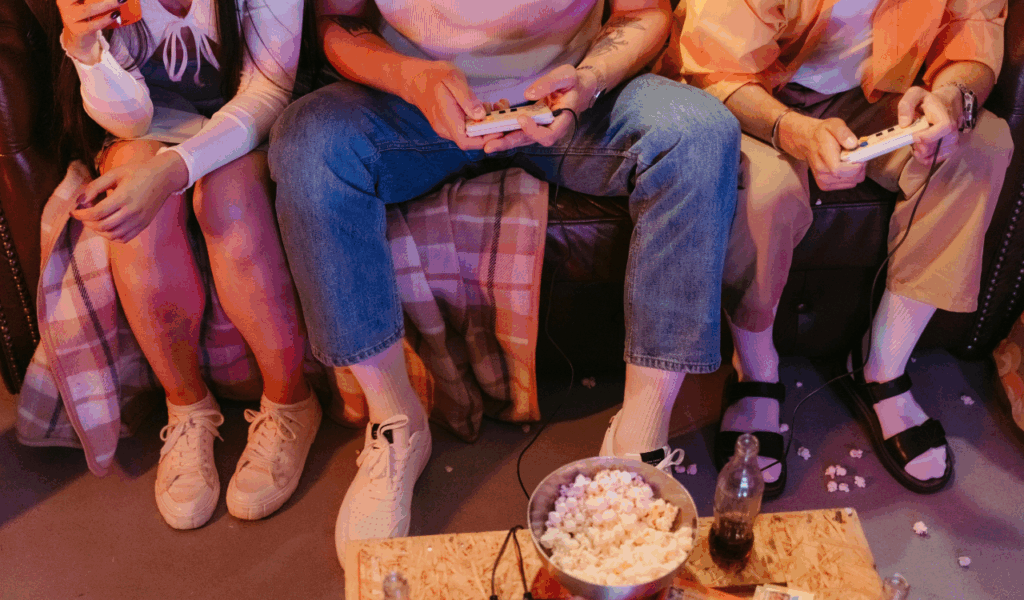
For brief shots, it might be fine to replace ordinary seats with low poufs, backless stools, or colorful benches only for the party. But these types of seating don’t usually work for guests all night. People grow tired soon, move around a lot, or leave their seats altogether and swarm the kitchen countertops instead if there is no back support or steady height. Design pros agree comfort is part of good style, even for brief meetings. Add stylish chairs to the room’s peripheral as secondary seating, reliable seats at the main table, and robust cushions where needed to balance how the room looks with how people sit, eat, and talk all night.
11. Decor too close to heat sources
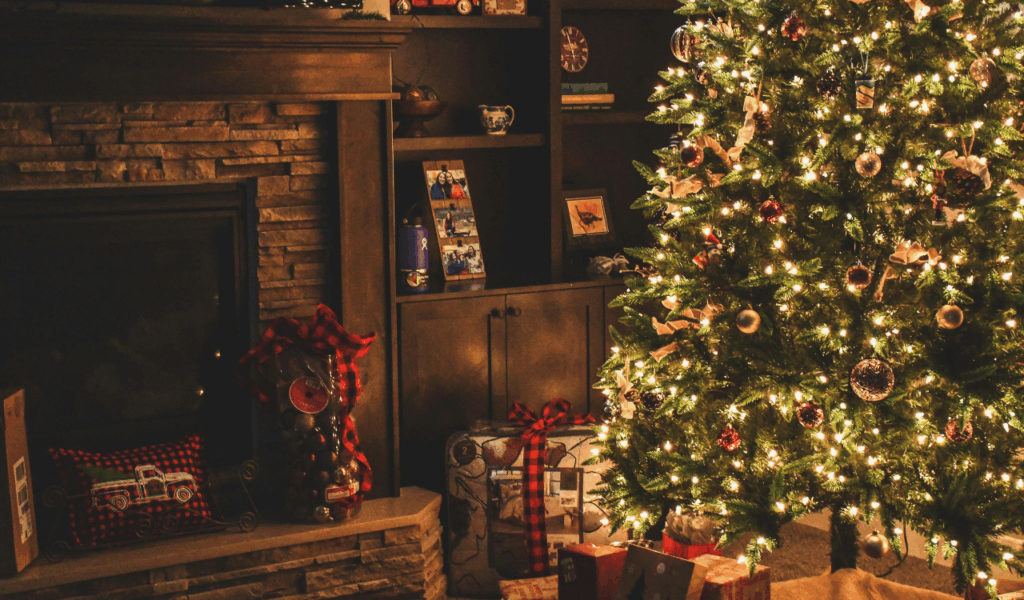
Putting wreaths, garlands, paper banners, or fabric stockings near fireplaces, radiators, or heated candles can be quite dangerous. If you leave dry plants, synthetic textiles, or some plastics in direct heat for too long, they can catch fire or melt. This is especially true in small living rooms. Interior specialists say that to be safe, you should leave clear space around open flames and heat vents and use battery-powered candles in places where there is a higher risk of fire. Keep mantel ornaments away from the aperture and never block airflow if you want a working fireplace. This keeps you warm and relaxed during the holidays.
12. Overcrowded small spaces with props
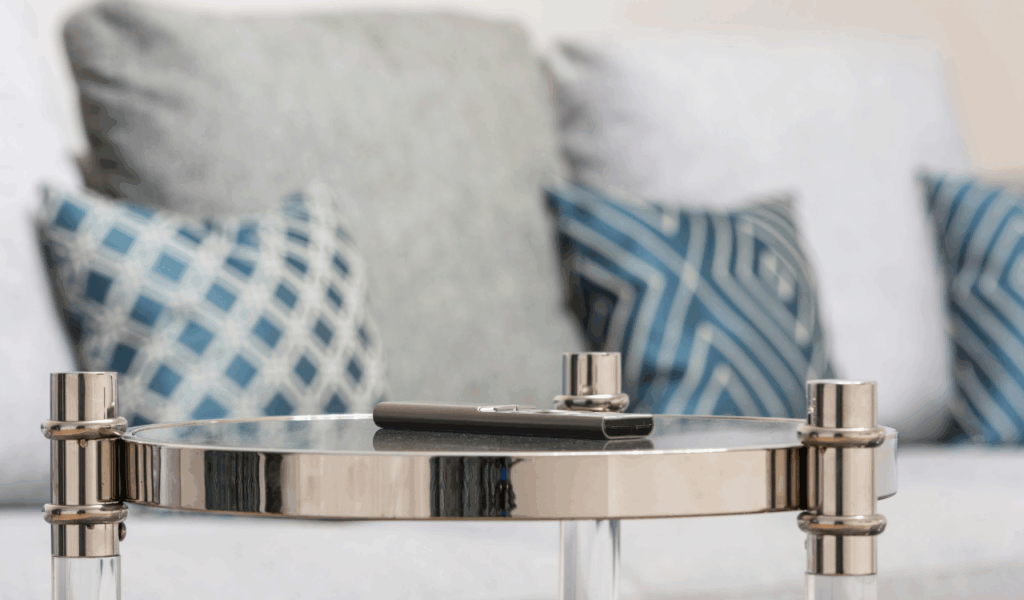
Making every corner of a small flat a themed photo spot with balloon walls and prop tables might sound fun, but it can quickly become too much for the eye and the floor space. Extra side tables, temporary shelves, and decorative ladders take up space that guests need for their bags, jackets, and to move around. Professional organizers and designers generally suggest leaving some surfaces clear in small homes so that there is “breathing room.” Choosing one or two pieces of design to focus on, such a bar cart or a single backdrop wall, makes a big visual impression while leaving hallways clear and seating flexible for everyday use.
13. Ignoring cleanup when planning décor
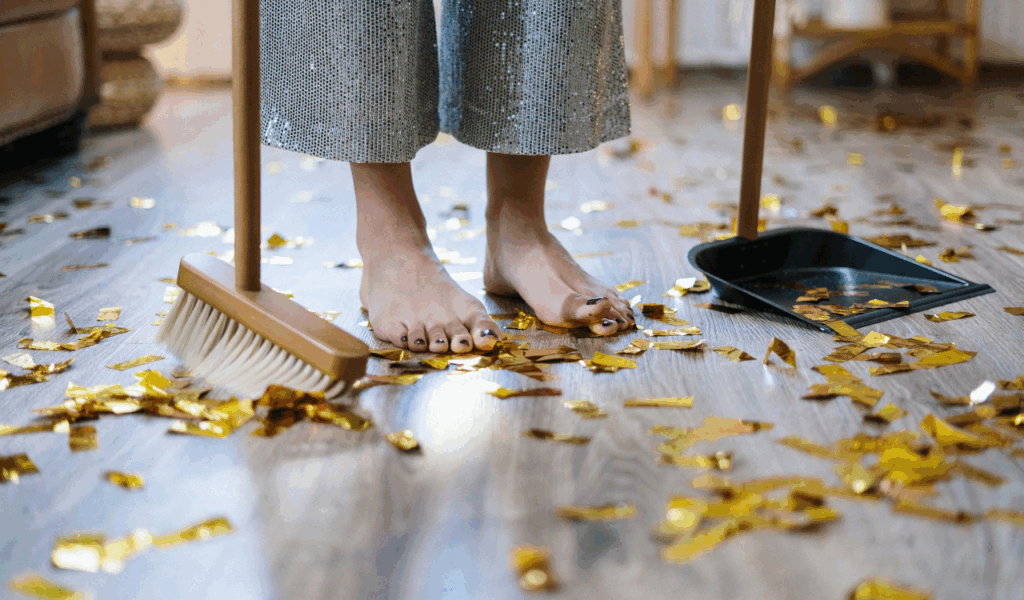
Some New Year’s decorations, including fake snow sprays, temporary wall stickers, and elaborate table settings, look great until it’s time to take them down. Sprays can leave behind a mess on windows and furniture, adhesives can tear paint or finish, and it takes hours to wash and organize multiple table settings. A lot of designers now suggest planning decorations with the “put away” stage in mind. They pick items that can be used again and again and surfaces that can be wiped clean without special products. When cleaning up is easy, hosts are more likely to want to decorate again next year instead of dreading the effort once the party is over.