12 DIY Charcuterie Boards for People Who Refuse to Buy a Snack Tray
Snack trays promise convenience, but they often deliver the same tired combination of rubbery cheese, limp crackers, and forgettable dips. DIY charcuterie boards flip that idea entirely by putting control back in your hands. Instead of settling for pre-packaged portions designed to last on a shelf, you get to choose ingredients that actually taste good together and hold up in real-life snacking situations. A well-built board is not about showing off or overloading the table. It is about balance, freshness, and flexibility. When snacks are arranged with intention, they invite grazing, conversation, and repeat visits to the table.
1. Classic Meat and Cheese Board
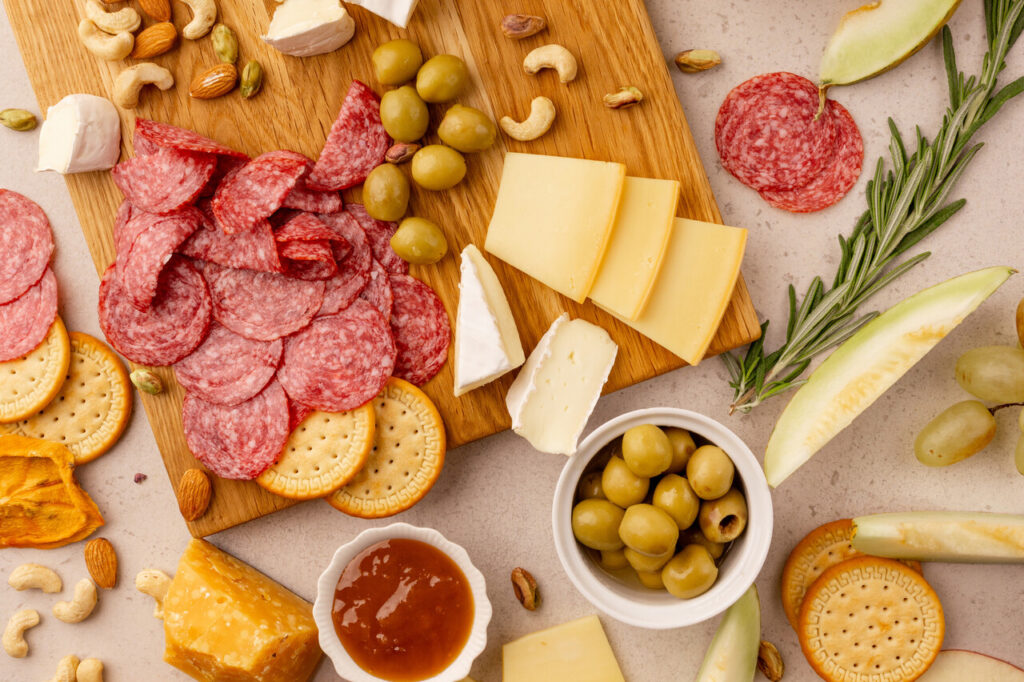
Here’s the thing about a classic meat and cheese board: it only works when the basics are done right. This isn’t about piling on random slices from the deli case. A strong board starts with contrast. Choose at least three cheeses with different textures and milk types, such as a firm aged cheddar, a soft bloomy brie, and a sharp blue or washed-rind option. Pair those with cured meats that vary in fat and intensity, like prosciutto, salami, and a peppered or smoked option. What elevates this board over a plastic snack tray is balance. Add acidity through pickles, cornichons, or marinated olives to cut richness. Include a neutral cracker and a sturdy bread, so spreads don’t overwhelm.
2. Seasonal Fruit and Cheese Spread
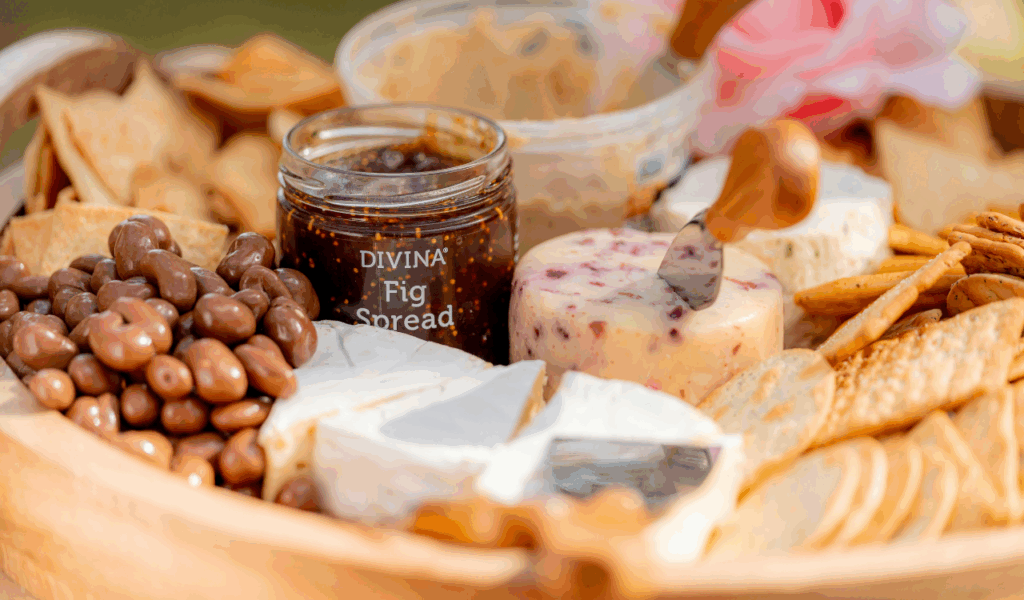
A seasonal fruit and cheese board works because it follows what tastes best right now instead of forcing variety year-round. In summer, juicy stone fruits and berries bring freshness that offsets creamy cheeses. In the fall, apples, pears, and grapes pair naturally with nutty or aged cheeses. The key is letting the fruit do real work rather than acting as a garnish. Slice it generously and keep textures varied, combining crisp, soft, and juicy elements. Cheeses should complement the fruit’s sweetness, such as goat cheese with berries or aged Gouda with apples. This approach avoids the bland predictability of packaged trays, which often rely on underripe fruit or sugary dips.
3. Mediterranean Mezze Board
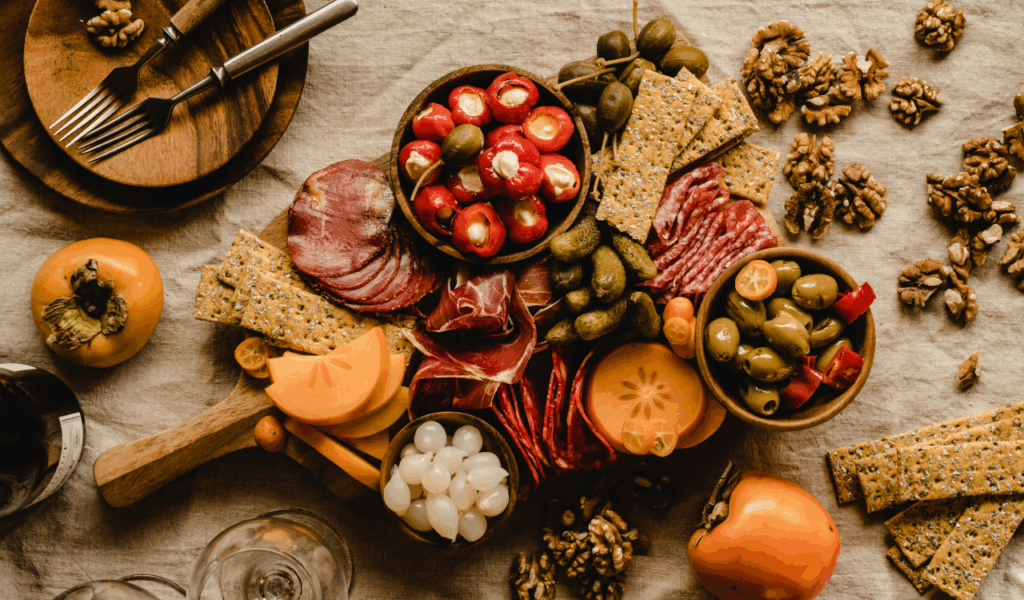
A Mediterranean mezze board succeeds because it’s built around variety without excess. Instead of focusing on meat and cheese alone, it spreads flavor across dips, vegetables, and briny accents. Hummus, baba ghanoush, and whipped feta provide creamy bases, while olives, roasted red peppers, and marinated artichokes add punch. Warm pita or flatbread anchors the board and encourages sharing. What makes this board superior to a snack tray is its flexibility. Guests can build bites that suit their preferences, whether light or indulgent. It also avoids the heavy, salty overload common in prepackaged options.
4. Vegetarian Garden Board
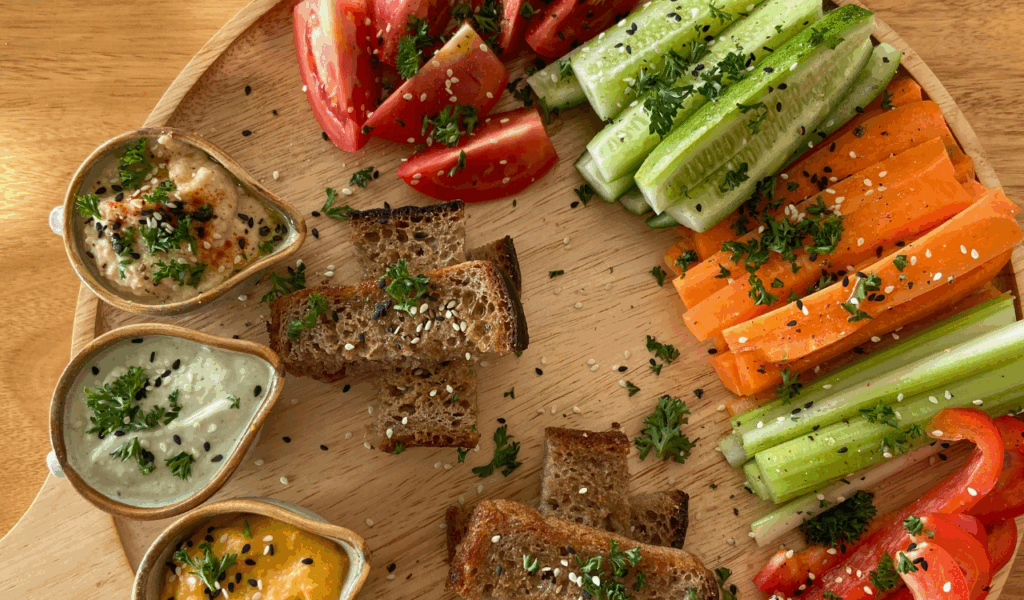
A vegetarian garden board proves that charcuterie doesn’t need meat to feel complete. The foundation is color and crunch. Raw vegetables like carrots, cucumbers, radishes, and snap peas bring freshness, while roasted vegetables add depth and sweetness. Pair them with dips such as herbed yogurt, hummus, or a bean-based spread for protein. Cheeses can still play a role, but they’re not required to dominate. The strength of this board lies in contrast, not excess. Snack trays often rely on processed items that blur together in flavor. A garden board keeps each element distinct and purposeful.
5. Breakfast Brunch Board
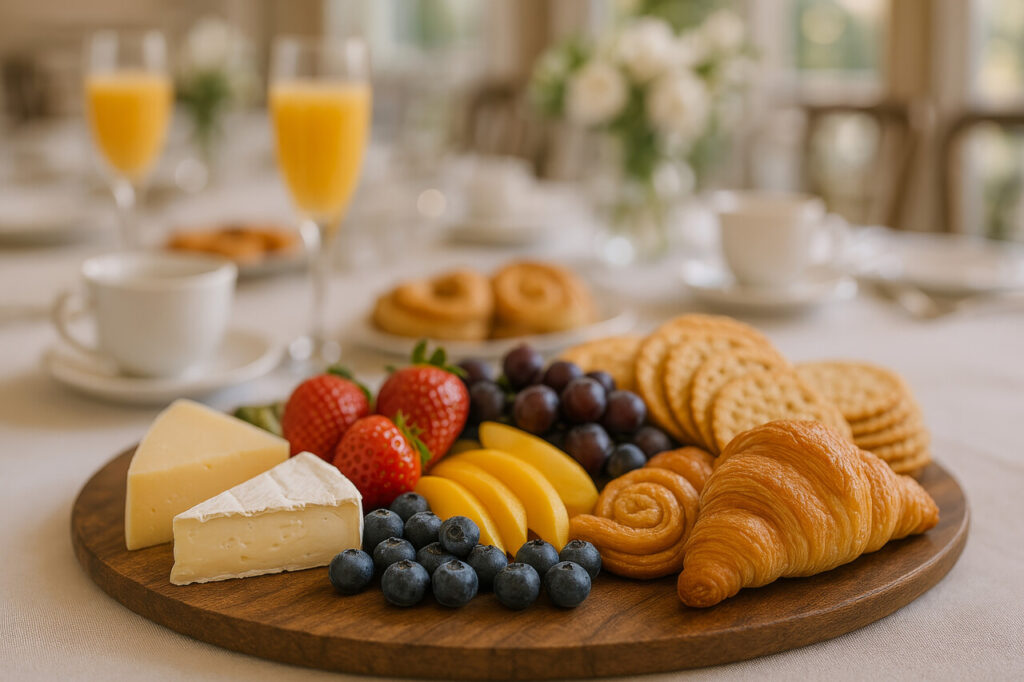
A breakfast brunch board works because it turns familiar morning foods into a shared experience. Instead of individual plates, it offers variety in one place. Include sliced breads, mini pastries, hard-boiled eggs, yogurt, fresh fruit, and spreads like nut butter or jam. Balance is critical. Too many sweets make the board feel heavy, while savory elements like cheese, smoked fish, or roasted vegetables keep it grounded. What sets this apart from a store-bought tray is adaptability. Guests can build a light breakfast or a hearty one without waste. Everything is recognizable, yet arranged in a way that feels intentional.
6. Sweet and Savory Dessert Board

A sweet and savory dessert board avoids the sugar overload that plagues many ready-made snack trays. Instead of leaning fully into sweets, it balances chocolate, cookies, or fruit with salty elements like nuts or cheese. This contrast keeps palates engaged longer. Choose a few high-quality sweets rather than many mediocre ones. Dark chocolate, shortbread, or brownies work well alongside fresh fruit and salted nuts. Cheese, especially something creamy or mildly sharp, grounds the sweetness. The board feels indulgent without being cloying. Guests can pace themselves, mixing bites instead of burning out quickly. That balance is what makes this board memorable rather than overwhelming.
7. Seafood and Smoked Fish Board
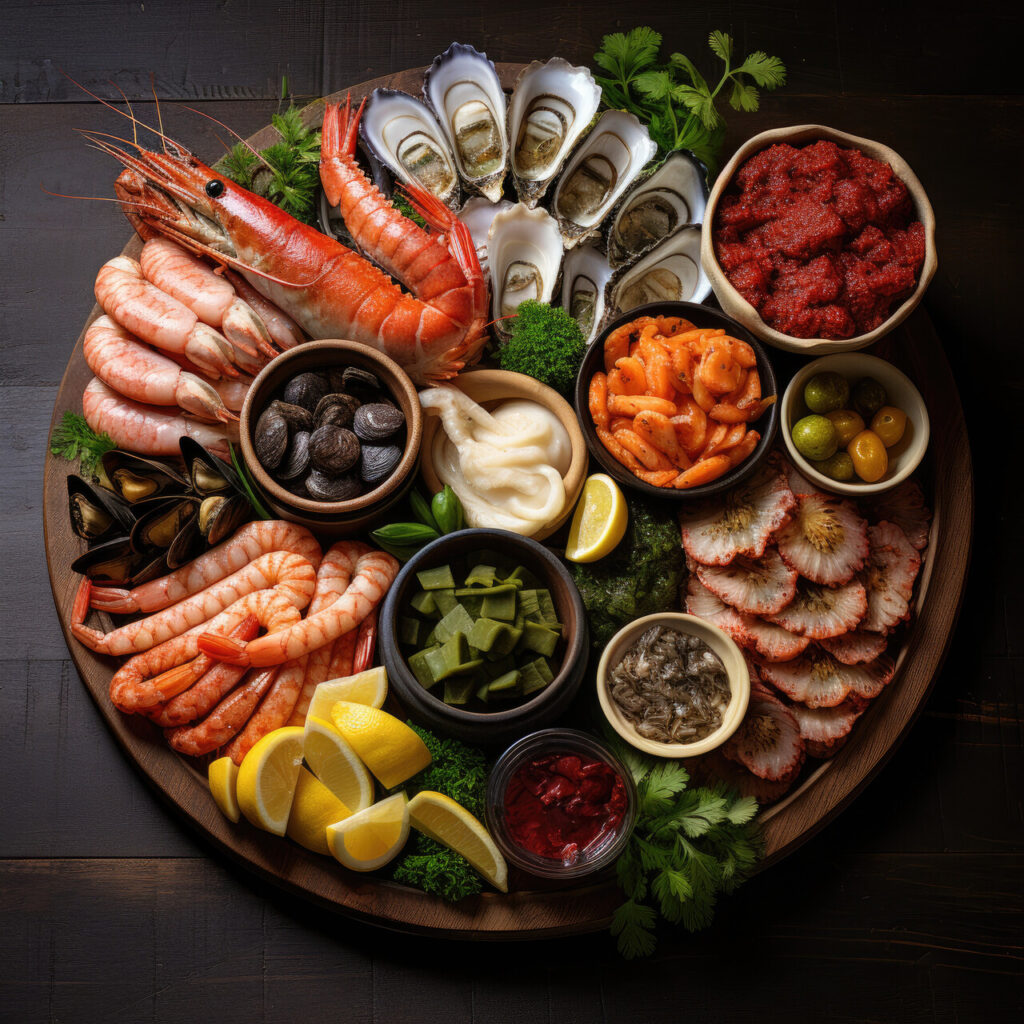
A seafood and smoked fish board feels luxurious without being complicated. Smoked salmon, trout, or mackerel bring richness and depth, especially when paired with cream cheese, capers, and lemon. Add crisp bread or crackers that won’t collapse under toppings. This board succeeds because every element has a clear role. Snack trays often struggle with seafood because of freshness and texture issues. A DIY board lets you control quality and timing. Keep everything chilled until serving and arrange just before guests arrive. The result feels intentional and elevated, offering bold flavors without relying on novelty.
8. Kid-Friendly Snacking Board
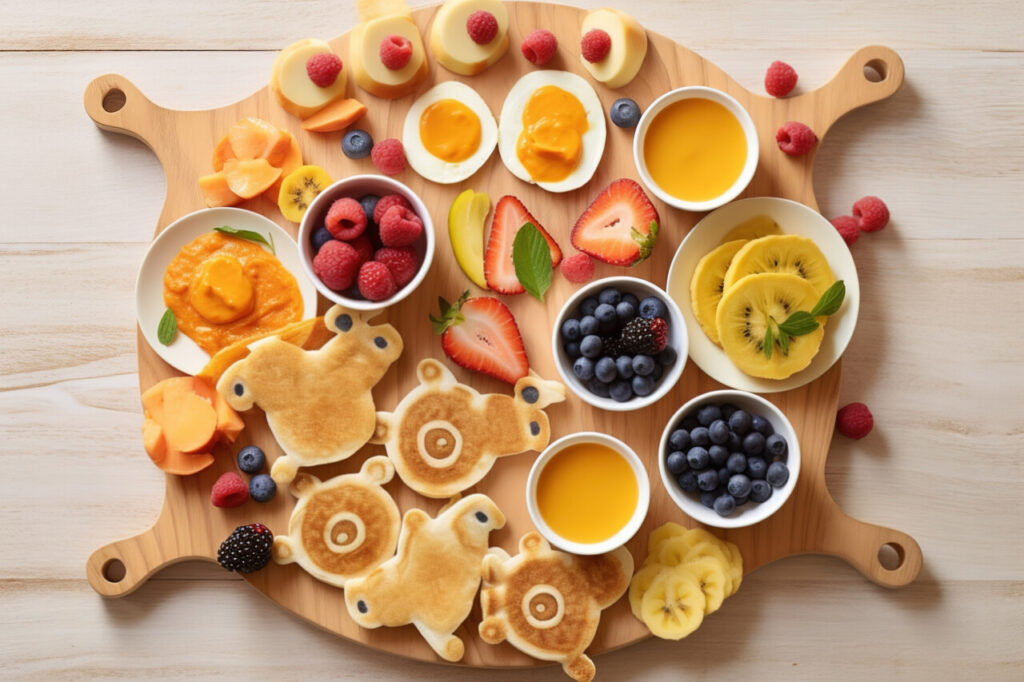
A kid-friendly board works best when it respects simplicity without sacrificing quality. Think sliced fruit, cheese cubes, crackers, and familiar spreads. Avoid overcomplicating it. The strength lies in offering recognizable foods arranged attractively. This approach beats packaged snack trays that rely on overly processed items. Kids can choose what they want, while adults appreciate that the board looks good and tastes fresh. Including a mix of textures and mild flavors keeps it approachable. When done well, this board disappears faster than anything from a box.
9. Vegan Delight Board
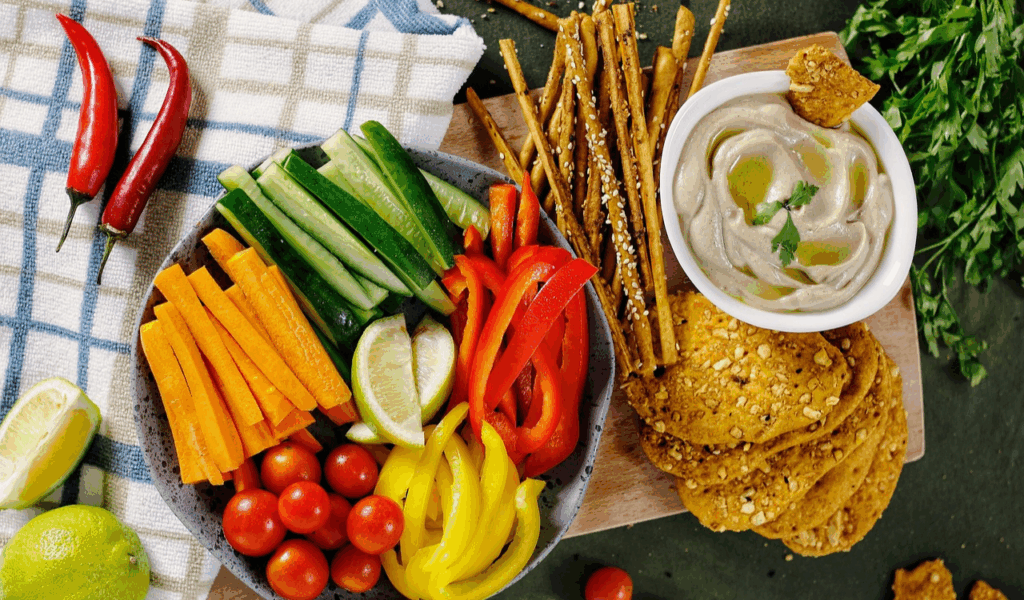
A vegan board shines when it treats plant-based ingredients as the main event rather than substitutions. Variety and texture do the heavy lifting. Roasted vegetables bring sweetness and depth, marinated beans add protein and bite, and hummus or other spreads create a creamy anchor. Nuts and seeds contribute crunch, while fresh fruit adds brightness. Seasoning is what separates a satisfying board from a forgettable one. Spices, herbs, citrus, and good olive oil turn simple ingredients into bold, distinct flavors. Snack trays often miss the mark by repeating bland items with little contrast.
10. Picnic Style Board
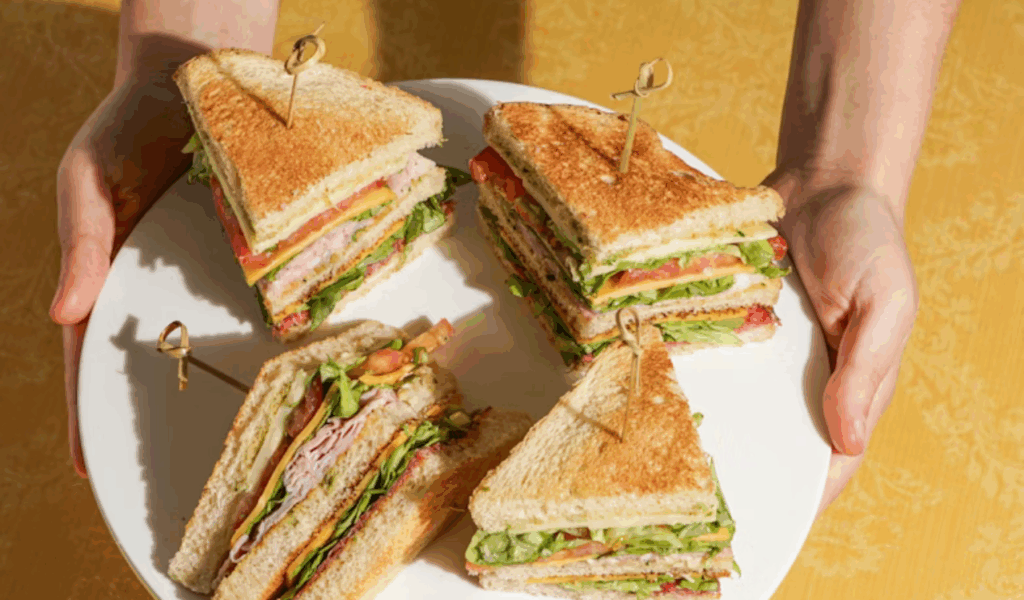
A picnic-style board succeeds by respecting the realities of eating outdoors while still delivering real flavor. Portability matters, so everything should travel well and stay appealing without refrigeration for short periods. Firm cheeses like cheddar or Gouda, cured meats, crusty breads, and whole or sliced fruit form a reliable base. Nothing should melt, wilt, or require constant attention. That practicality is exactly where this board outshines packaged snack trays, which often rely on bland, overly processed items designed only for shelf life. A picnic board keeps the ingredient list short but intentional, allowing quality to replace quantity.
11. Italian Antipasto Board
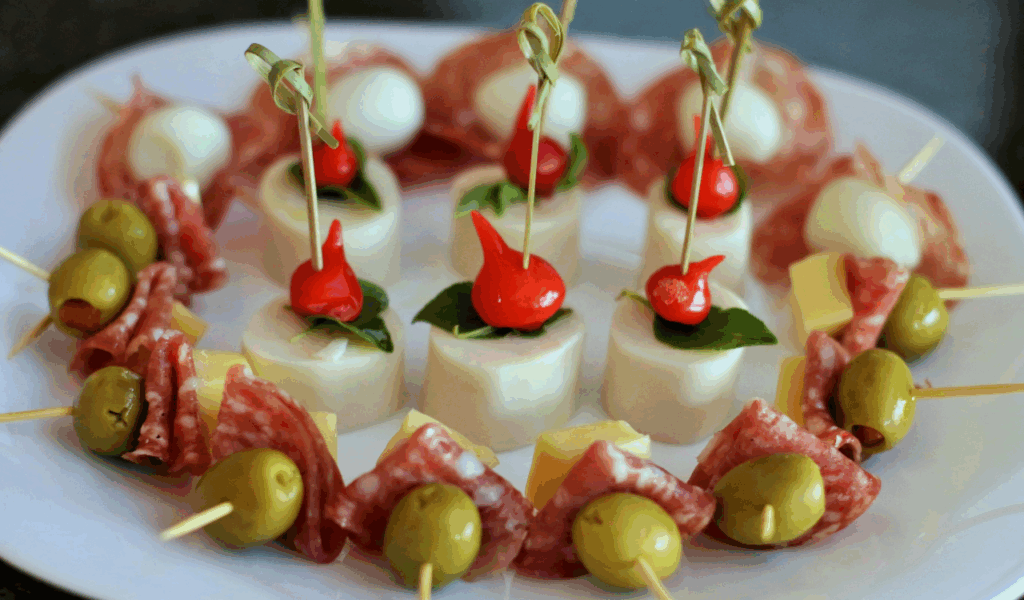
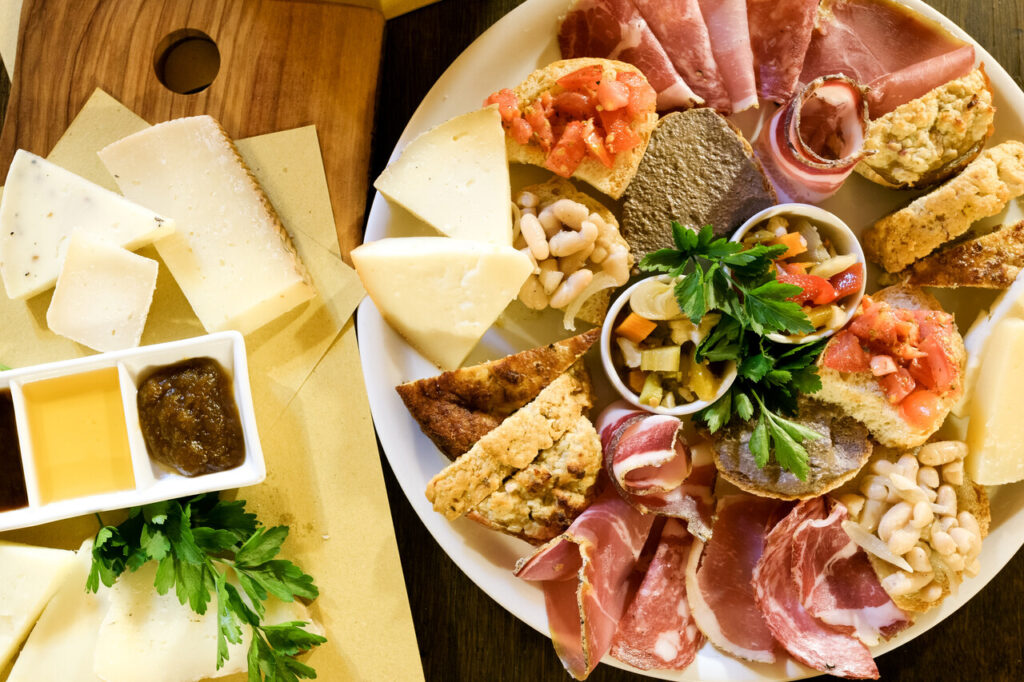
An antipasto board works best when it resists the urge to include everything at once. Its strength comes from bold, concentrated flavors that don’t need crowding to make an impression. High-quality cured meats like prosciutto or coppa, a few well-chosen cheeses, and marinated vegetables such as artichokes or roasted peppers create depth without excess. Olives add salt and bitterness, while crusty bread provides a neutral base. Snack trays often overwhelm by repeating similar items in large quantities, which dulls the experience quickly. An antipasto board does the opposite by giving each component space to shine.
12. Game Night Snack Board
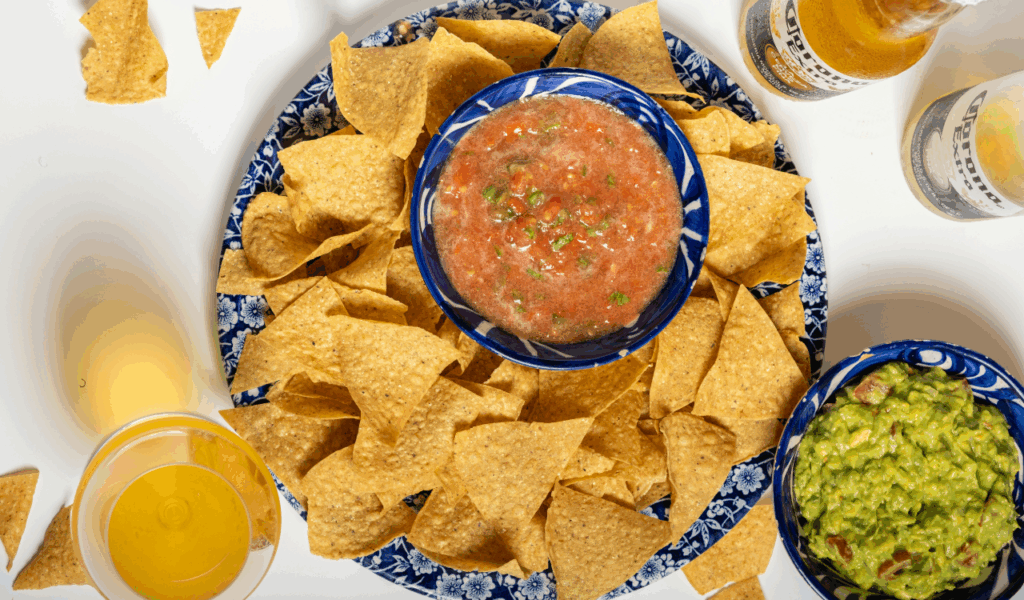
A game night board succeeds when it quietly supports the flow of the evening instead of interrupting it. The focus is on foods that can handle sitting out, repeated grabbing, and long stretches between refills. Sturdy crackers that don’t crumble, firm cheeses that hold their shape, roasted nuts, olives, and bite-sized proteins like meatballs or sliced sausage keep things practical. Nothing should drip, smear, or require a plate and fork. That’s where it immediately outperforms a packaged snack tray. Guests can mix salty, crunchy, and savory bites without being locked into one flavor or texture.