13 Holiday Foods That Looked Festive but Fell Flat on Flavor

Even while holiday menus often have tasty treats, not all of them taste as good as they seem. Sometimes, how a food looks is more important than how it tastes, which can make people unhappy after the first bite. Some examples of this are bright colors, interesting shapes, and seasonal displays. Most of the time, these things don’t have the right balance, depth, or seasoning, even though they could seem great in pictures or catch your eye at first. This article looks at thirteen holiday foods that, even if they seem good, are nearly never fun to eat. Because of this, we are reminded that how a food looks doesn’t always mean it will taste well.
1. Overdecorated Sugar Cookies
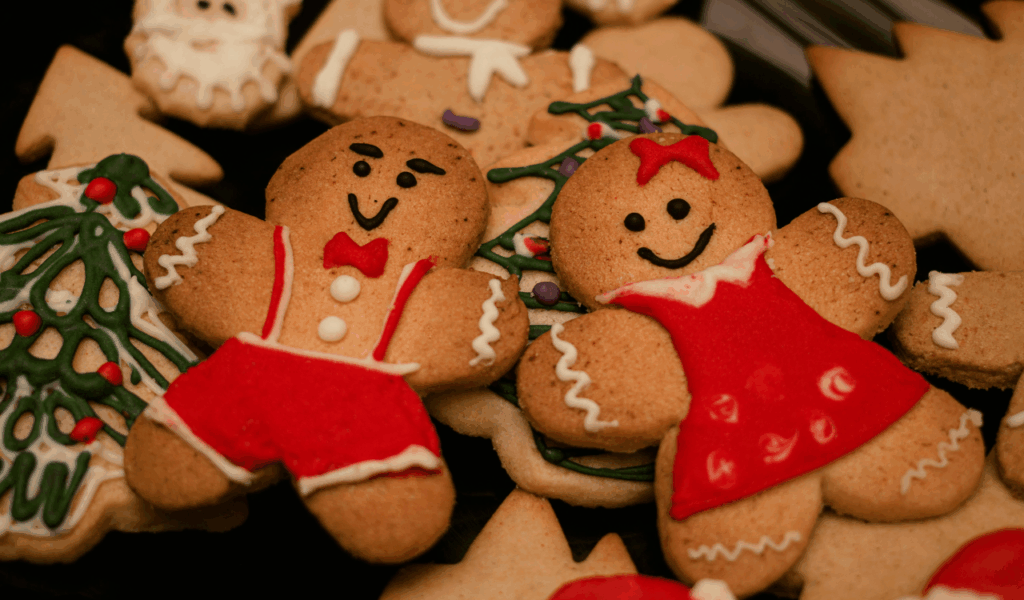
When too much icing, glittering sprinkles, and bright colors are put on sugar cookies, they often look like small pieces of art. Even while they look great, the taste is usually ruined by too much sweetness. The icing is often thick and sugary, which might hide the biscuit’s mild butter or vanilla notes. The texture is also an issue because the heavy decorations make the outside seem harsh, which doesn’t go well with the inside, which is quite nice. Even though they look like they would be fun to eat, people often just admire these cookies instead of eating them, leaving plates full.
2. Color-Themed Gelatin Desserts
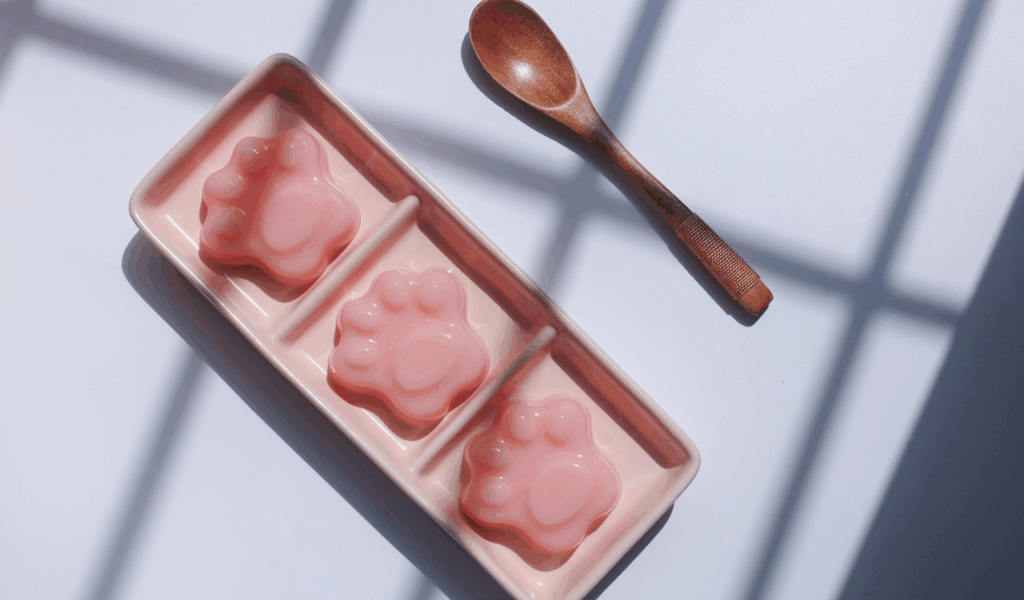
Holiday gelatin sweets that have been shaped into fun shapes can look both silly and interesting on the table. Bright hues like red and green, as well as layered patterns, show that something is fun and new. On the other side, the taste is often one-dimensional and excessively fake. The texture sometimes feel like rubber, and the sweetness isn’t very well balanced. Kids may like how these sweets look, but most adults think they are too simple. The novelty wears off quickly, and at this time, guests usually merely take a few bites before moving on to bigger things.
3. Fondant-Covered Cakes
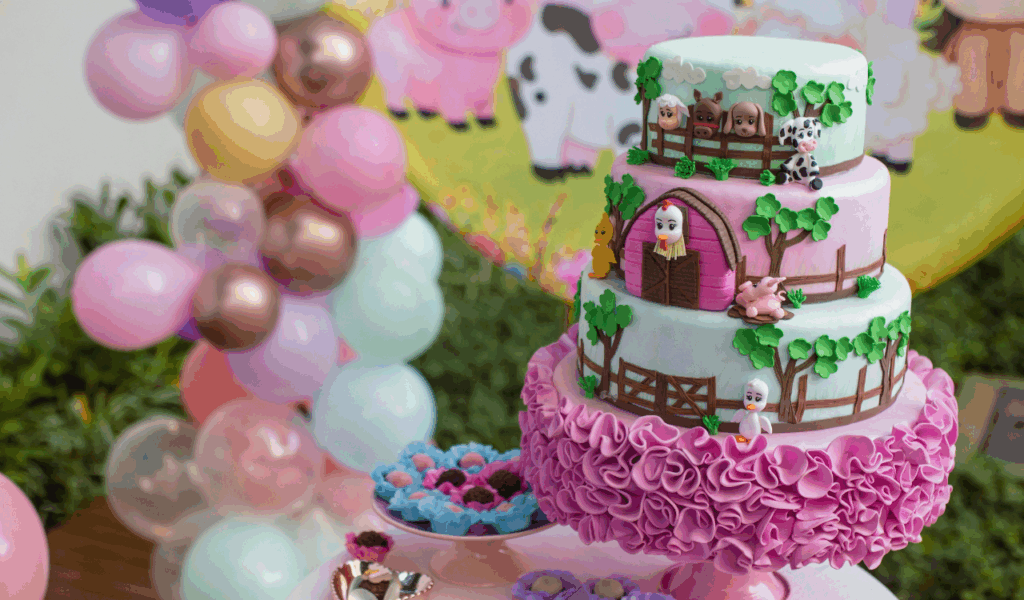
People often say that cakes with fondant on them seem perfect and velvety, and that their intricate holiday patterns are really pretty. The cakes look great because they have snowflakes, decorations, and scenes from the festive season on them. It’s too bad because fondant is sometimes bland and excessively sweet. A lot of the people who come take it off so they can get to the cake underneath. A thick outer layer could change the texture of the cake and cover up its inherent flavors. People want Christmas desserts to taste good, but these cakes often don’t live up to that expectation, even when they look great.
4. Decorative Fruit Cakes
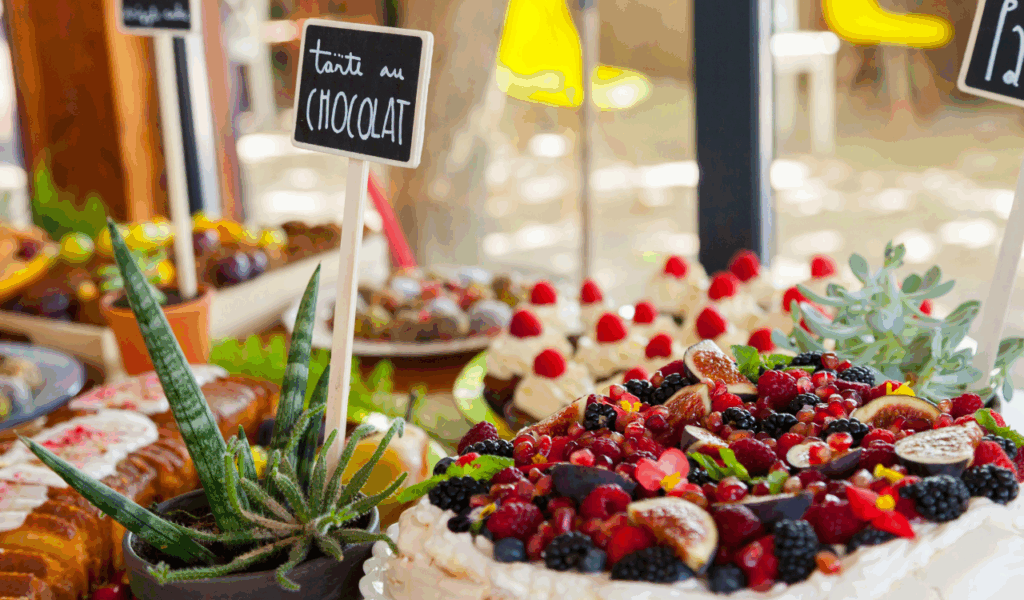
Many fruit cakes have a traditional and luxurious appearance because they are decorated with glossy fruits and festive patterns. In spite of their outward look, they frequently fail to live up to expectations due to their dense consistency and excessive sweetness. The use of preserved fruits in large quantities might lead to a consistency that is sticky and a flavor that is not uniform. If the spices are not properly balanced, the cake will have a jumbled flavor rather than a comfortable one. Many guests find it difficult to appreciate fruit cake beyond a tiny sample, despite the fact that it is visually connected with celebration and tradition.
5. Holiday-Themed Cupcakes
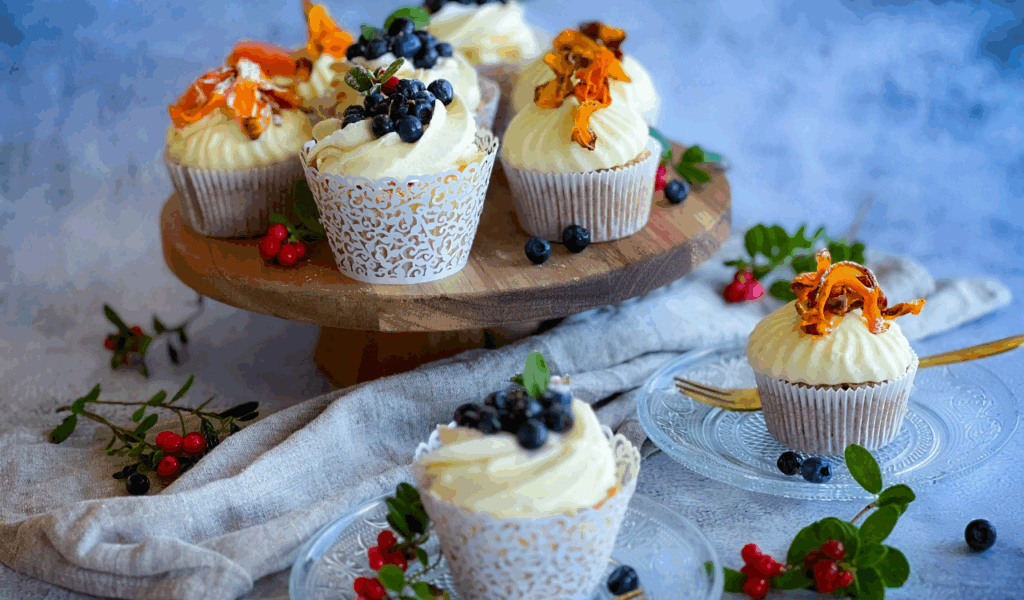
Cupcakes with a holiday theme that are topped with intricate frosting swirls and embellishments have an appearance that is both cheery and welcoming. On the other hand, the proportion of frosting to cake is frequently excessive, which results in mouthwatering sweetness in every bite. It is possible for the cake underneath to be dry or tasteless, with an excessive reliance on adornment for its appeal. Artificial colors and sprinkles enhance appearance but not flavor. Cupcakes are easy to serve, but festive versions often emphasize looks over taste, resulting in partially eaten leftovers.
6. Savory Dishes Shaped Like Symbols
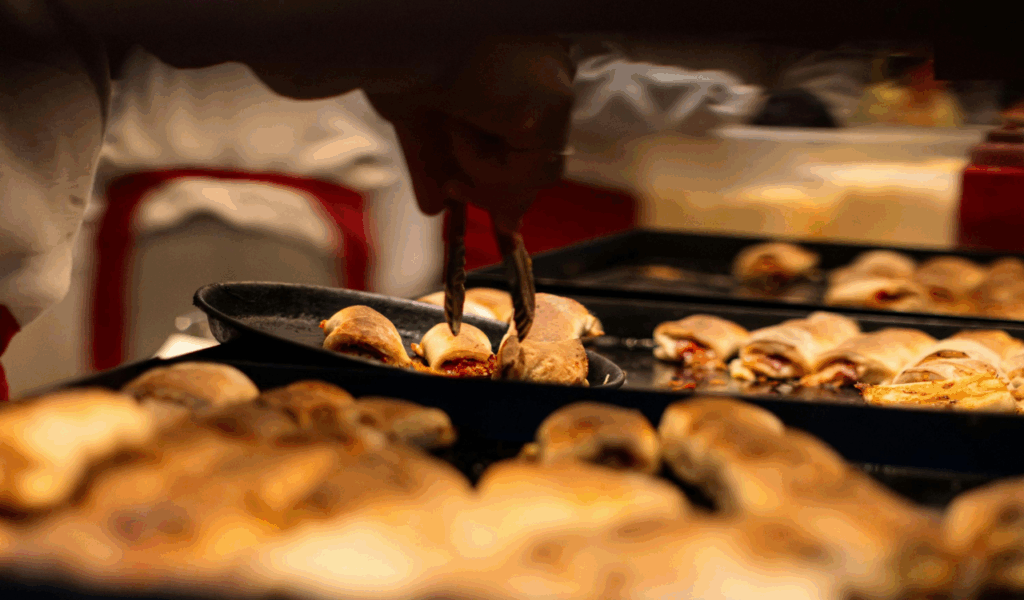
When people get together for the holidays, they frequently pay attention to savory delicacies that are fashioned like trees, wreaths, or stars. Even if it’s creative, molding food might cause the texture and seasoning to be compromised. It’s possible that the ingredients were spread unevenly or squeezed too hard, which led to bites that were not consistent. There are occasions when the emphasis on form takes precedence over the correct cooking procedure. Although these foods seem gorgeous on platters, they often lack the depth and balance of well-made savory dishes, making them more attractive than appetizing.
7. Glittery Holiday Drinks
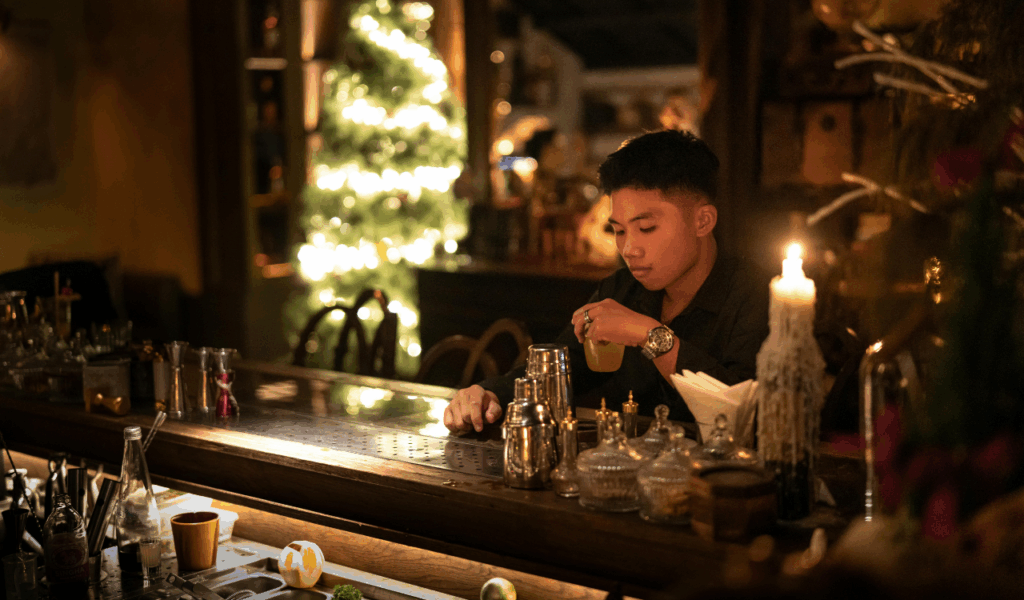
During the holiday season, sparkling drinks that sparkle under the lights of the celebration immediately grab attention. These beverages have a festive and exciting atmosphere because to the use of edible glitter and vibrant hues. Regrettably, the flavor is frequently lacking, largely relying on sugar or artificial flavoring to get the desired flavour. At times, the mouthfeel can be peculiar due to the glitter’s ability to impart texture without imparting any taste. Although these beverages are physically enticing for photographs, they can come out as gimmicky. Guests may try a single drink for the sake of novelty, but they never come back for a second glass.
8. Stuffed Bread Showpieces
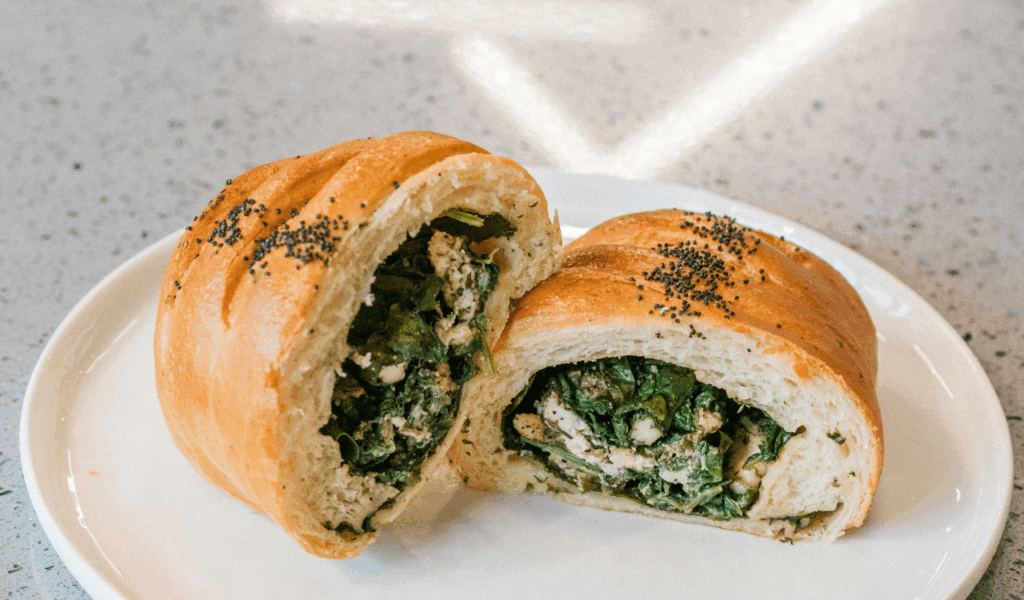
When positioned in the middle of the table, stuffed breads that have been formed into festive designs have an attractive appearance. Dough that is braided, slices that are ornamental, and fillings that are vibrant all promise flavor and comfort. The inside of these loaves, on the other hand, are sometimes under-seasoned or unevenly packed. Even if the interior may taste dull or dry, the exterior crust may have an appealing appearance. Because of the emphasis placed on appearance, adequate proofing and seasoning may be neglected, which can lead to bread that appears to be of higher quality than it actually is.
9. Candy-Coated Savory Snacks
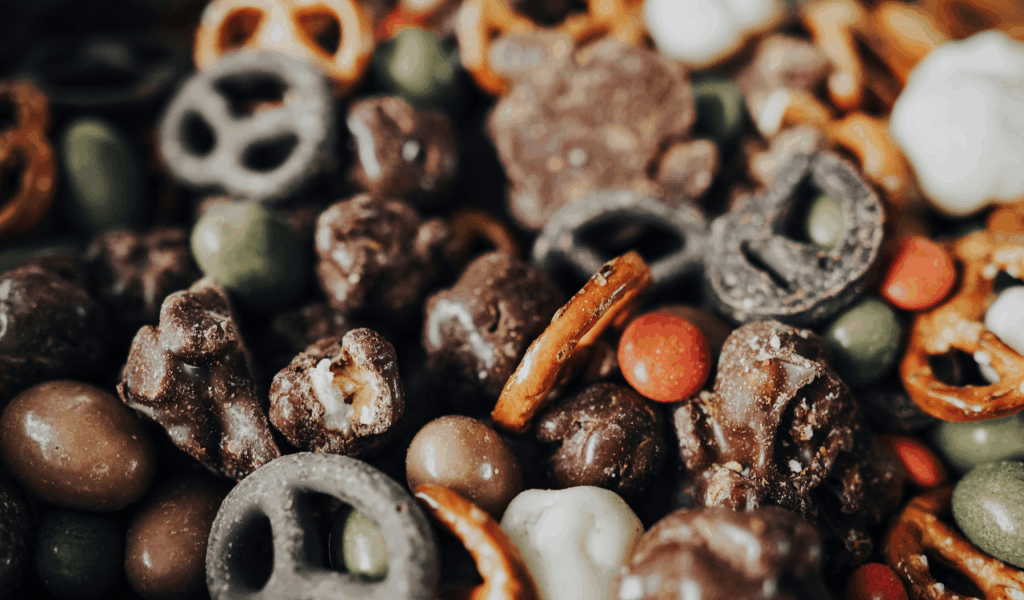
For the purpose of combining sweet and salty flavors, savory foods that are coated in candy shells or sugary glazes are designed. Even while it is visually striking, the balance is not always where it should be. The savory basis might be overpowered by an excessive amount of sweetness, which can result in confusion rather than contrast. When coatings harden unevenly, texture may also be negatively affected. In spite of the fact that these snacks appear to be fun and festive, many of the visitors find it difficult to consume a considerable quantity of them, which results in the bowls being left almost untouched.
10. Themed Cheese Boards with Novelty Shapes
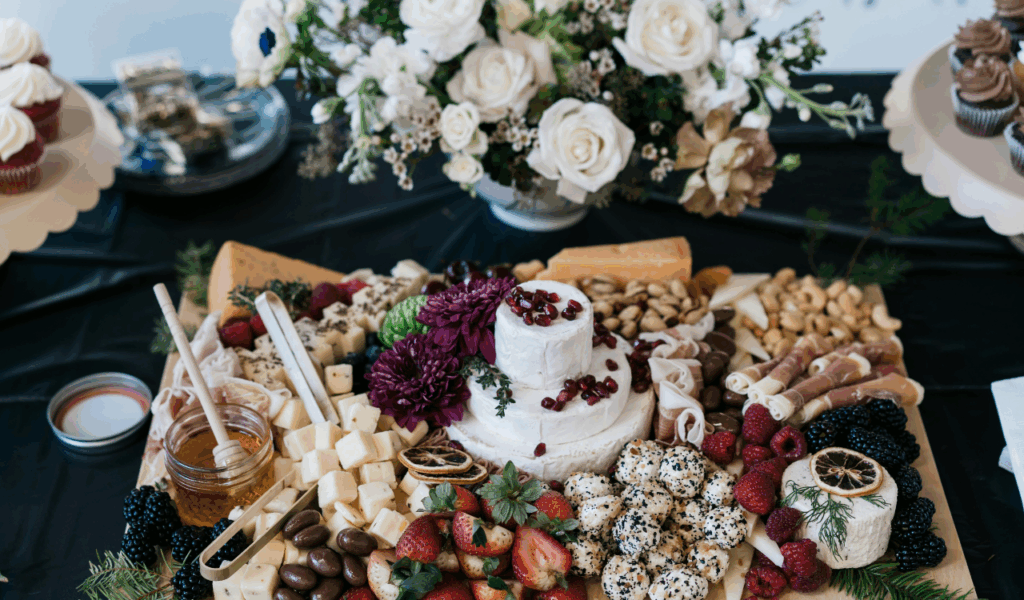
Cheese boards for the holidays that are formed like figures from the holiday season appear unique and inviting. Nevertheless, the emphasis placed on shaping can restrict both diversity and quality. The selection of cheeses may be made based on color rather than flavor, which might result in a tasteless assortment. In many cases, the number of garnishes exceeds the number of condiments. Despite the fact that these boards are good for photography, they do not always have a balanced texture and flavor. While guests may enjoy the architecture, they may have difficulty putting together a snack that is pleasant.
11. Artificially Colored Mashed Dishes
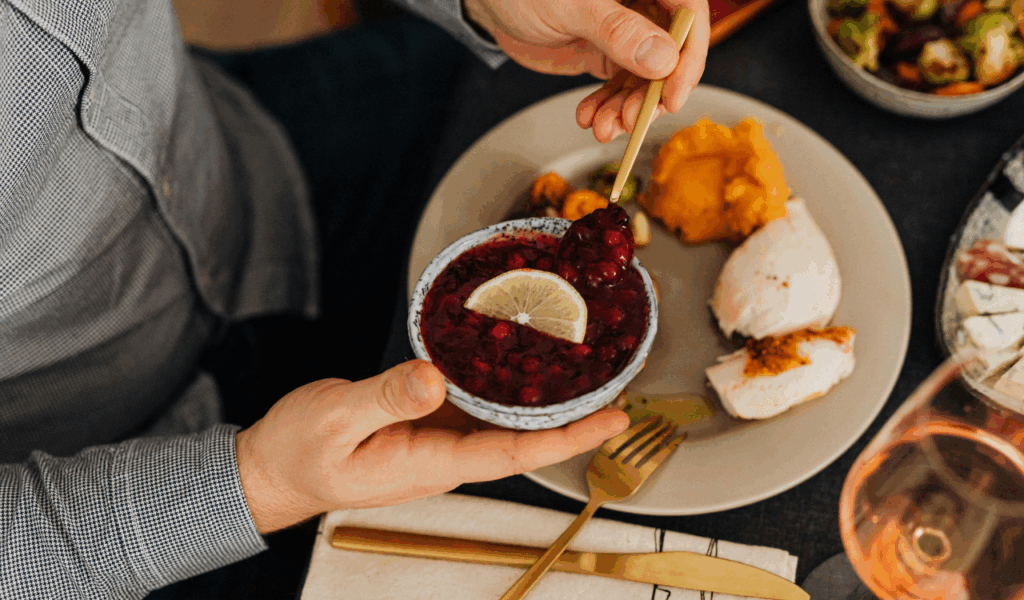
It is common for mashed meals that have been colored to match festival colors to attract notice right away. Bright colors, which promise inventiveness, frequently indicate the presence of artificial substances. Not only does the coloring not improve the flavor, but it might even cause psychological resistance. When guests see meals that they are familiar with, they might be reluctant to eat them. Even though the texture is the same, the way that taste is perceived shifts. Despite the fact that these dishes are cozy mainstays, they are frequently left unfinished. This is merely due to the fact that the visual treatment makes their natural attractiveness less noticeable.
12. Overloaded Holiday Casseroles
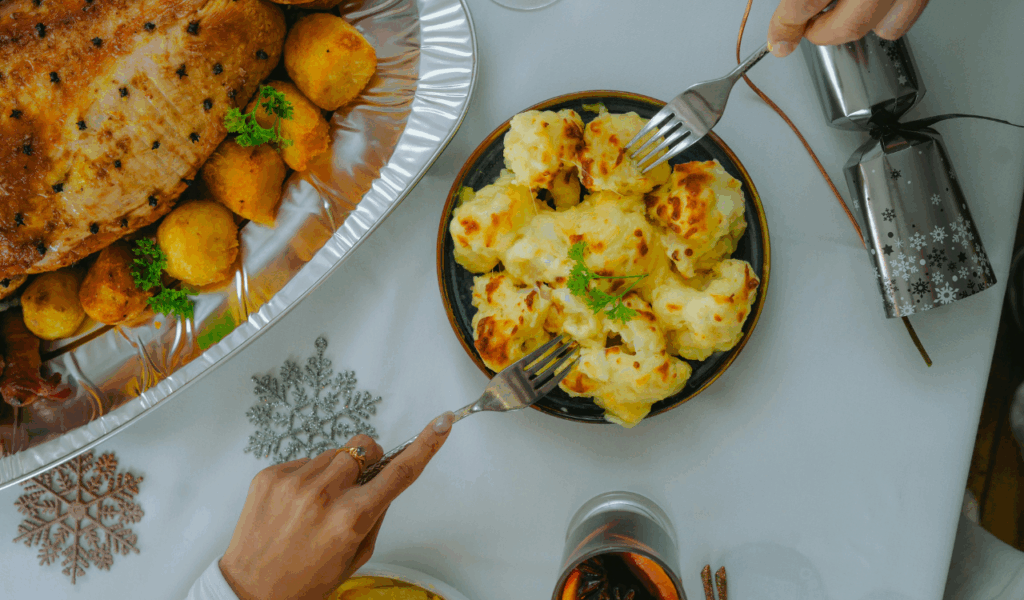
Casseroles for the holidays that are covered with layers of crunchy toppings and decorations give the impression of being lavish and abundant. Regrettably, an excessive number of components might detract from the flavor. Instead of complementing one another, ingredients compete with one another. It is possible for the texture to become jumbled, with layers of mushy food and thick toppings. After serving, these casseroles sometimes lose their charm, even though they look great fresh from the oven. They may be too heavy and unbalanced, so guests may choose simpler dishes.
13. Novelty-Shaped Chocolates

Chocolates molded into festive figures and shaped like novelty figures look lovely and are ready to be given as gifts. On the other hand, the chocolate itself is frequently of poor quality, with shape being prioritized over flavor. Flat flavor is the result of having an excessive amount of sugar and not having enough depth. A waxy, rather than smooth, texture could be experienced. It is rare for these chocolates to satisfy true chocolate enthusiasts, despite the fact that they are successful as beautiful treats. As soon as the novelty wears off, many are either admired, given as gifts, or left uneaten.