12 Fireplace Mantels Defining Cozy Cabins
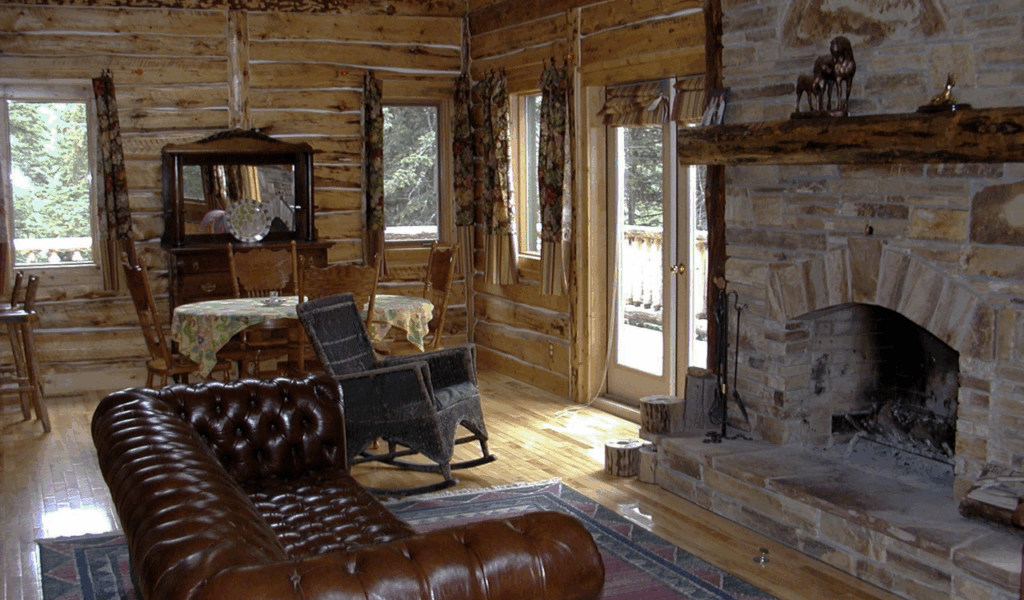
The fireplace is the heart of a cabin; it’s where people come together to share stories and stay warm in the cold woods. A mantel is not just a shelf; it is the architectural crown that gives the whole room its character. Designers say that the ideal mantel should fit in with the rough, natural surroundings and be a focal point that holds the area together. The mantel connects the rough structure of your cabin to the comfortable interior, whether it’s a modern glass-front cabin or a traditional log-walled getaway.
Realtors say that a well-designed fireplace may make a property much more appealing to purchasers, especially those looking for mountain or lakeside homes, because they typically look for homes that seem “cozy.” Experts suggest that the most important thing is to keep the room’s size in mind and pick materials that fit well with the landscape.
Professional contractors stress that safety is the most important thing, especially when it comes to the space between the firebox and the mantel shelf. You may turn a useful heating element into a beautiful piece of architectural art that celebrates the spirit of cabin living by choosing a design that shows off professional craftsmanship.
1. Hand-Hewn Reclaimed Barn Wood
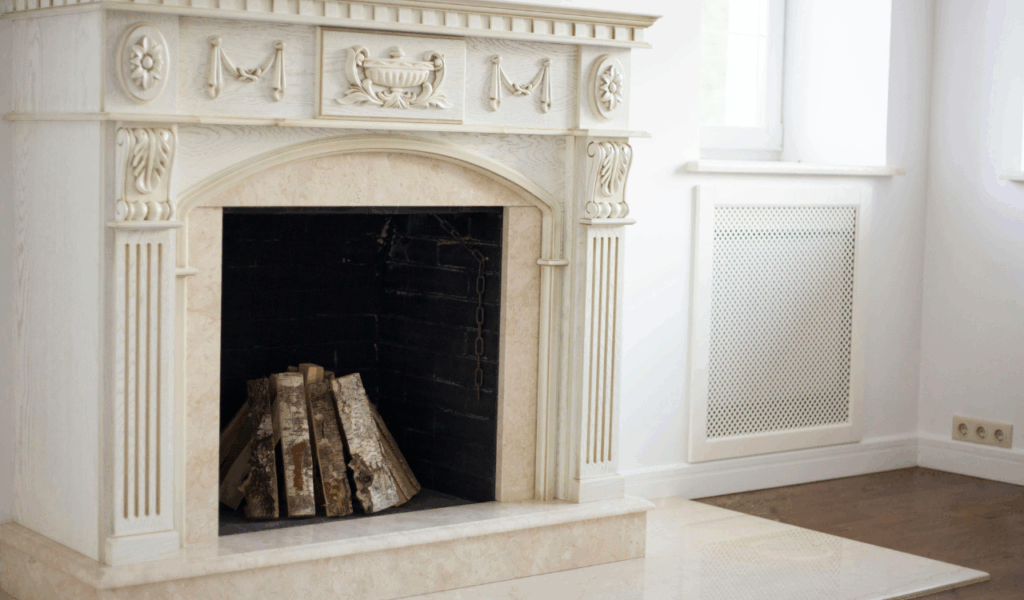
Reclaimed barn wood is perhaps the most famous choice for a cabin mantel because it has a history that new wood can’t match. Designers say that you should look for beams that still have their original axe marks and weathered surfaces since these flaws tell a tale of how they survived in the past.
Experts claim that the warm, organic contrast between old-growth timber and stone or plaster surrounds is created by the deep, multi-toned patina of the wood. This choice of material is good for the environment and gives a new cabin an instant sense of character.
Contractors say that installing a hefty salvaged beam requires special mounting hardware to keep it safe over time. Professional flippers say that this one change can make a living space feel decades older in the greatest way conceivable. Organizers say that you should keep the decor simple on a surface like this so that the wood’s innate beauty may shine through. When you choose salvaged materials, you’re not just adding a shelf; you’re adding a piece of history that connects the home to the land and the passage of time.
2. Live Edge Walnut Slabs
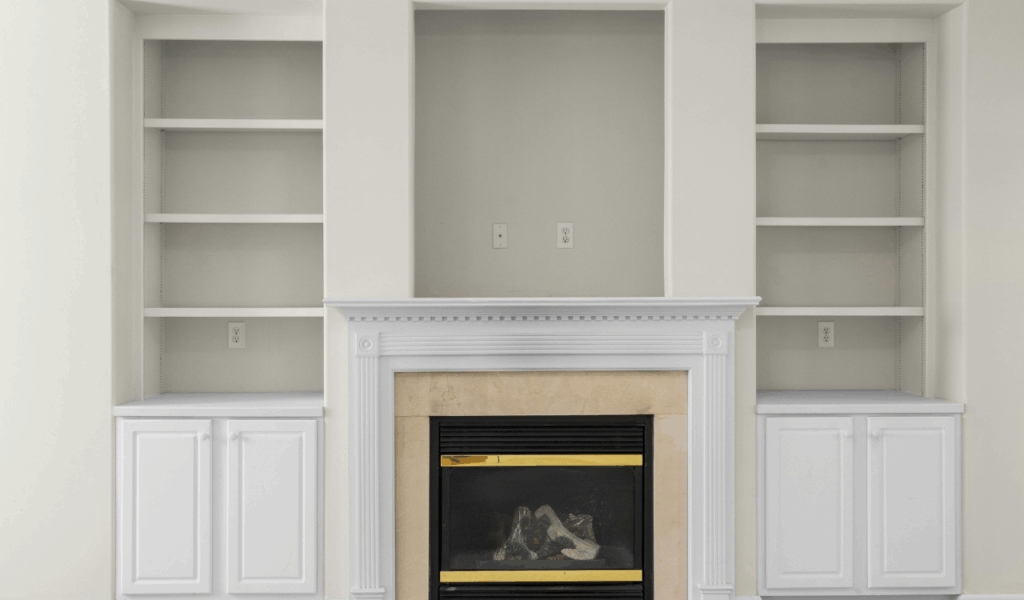
Designers recommend a live edge walnut slab for an appearance that is more modern rustic. This method keeps the tree’s natural shape, including the original bark line’s curves and ridges. Interior designers say that walnut is a great choice for a cabin interior because of its rich, chocolaty colors and unique grain patterns. The smooth, polished top and the chaotic, unfinished edge create an interesting visual tension that gets people talking.
Experts believe that live edge mantels look great in cabins with high ceilings and big windows because they look like the natural shapes outside the glass. Professional woodworkers say that using a high-quality oil finish will protect the wood from the heat of the fire and make it look shinier. Designers say that this kind of mantel looks great with simple adornment, such a single piece of stoneware or a few carefully chosen branches. It is a choice that honors the natural beauty of the forest in a way that feels planned and high-end.
3. Floor-to-Ceiling Fieldstone Surrounds
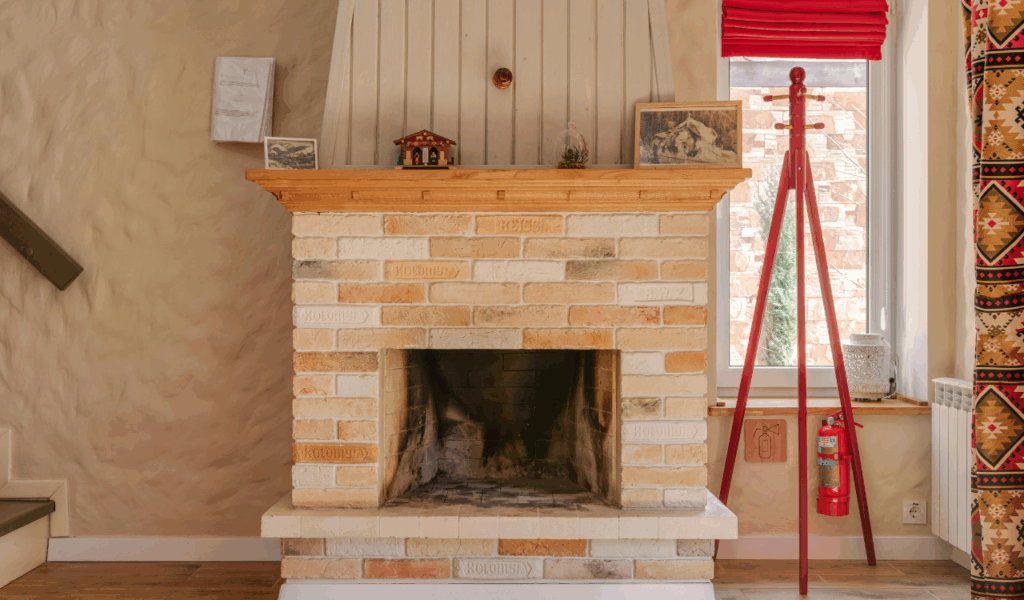
A fieldstone mantel is the most classic type of cabin design since it is based on the rocky landscape of the highlands. Professional stonemasons say that utilizing stones from the area makes the fireplace feel like it came from the earth where the cottage is built. Designers say that a big, flat flagstone should be used as the actual mantel shelf to keep the materials the same. This “heavy” appearance makes the fireplace feel like a strong anchor for the home, giving it a sense of solidity and safety.
Realtors say that one of the most popular features in luxury cabin listings is a fireplace with stone that goes all the way to the floor. Experts say that the different forms and hues of fieldstone make a neutral but interesting background that goes with any color scheme.
Contractors say that a full stone surround needs a stronger foundation because of its weight. This means that the design choice should be made early in the building phase. A fieldstone mantel can make every winter night feel like a getaway from the contemporary world if done right. It gives the room a dramatic, cave-like comfort.
4. Cast Concrete with Industrial Flare
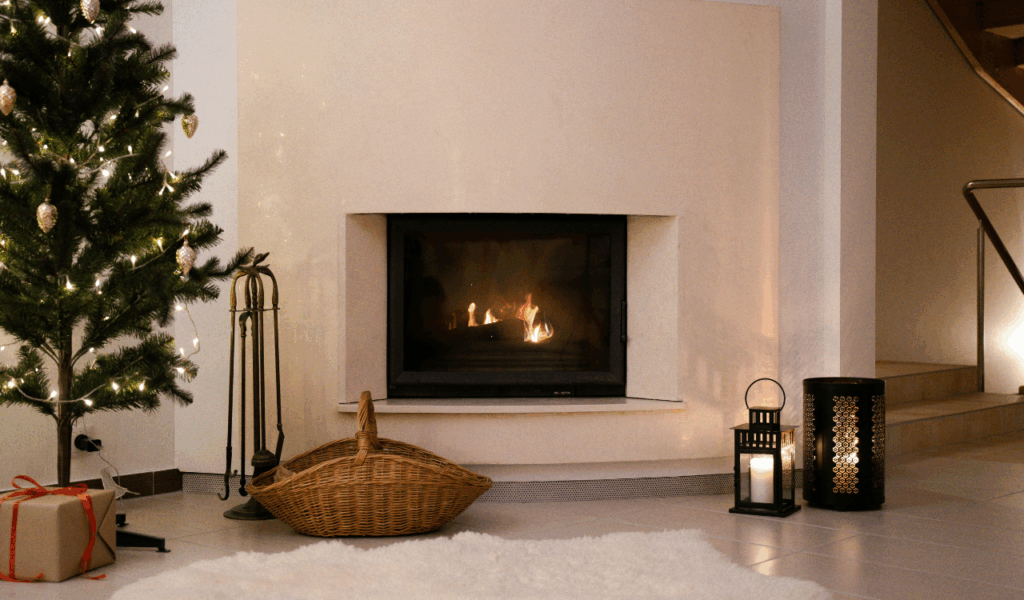
Contractors are seeing a trend toward cast concrete mantels in modern cabin designs. Designers say that concrete gives a cabin’s inside a clean, industrial look that balances out the wood that is commonly used. Experts suggest that you can change the color of concrete to match the ash-gray of the forest or the deep charcoal of volcanic rock. This material is also very fire-resistant, which makes it safer and lets you put more creative works closer to the firebox.
Professional flippers say that concrete is a long-lasting, low-maintenance choice that holiday rental owners like. Interior designers say that the smooth, matte feel of concrete is the perfect background for bright paintings or metal accessories. It gives a rustic space a clean, architectural line that keeps it from feeling too cluttered or “kitsch.”
Choosing concrete adds a modern touch that feels as solid and long-lasting as the mountains themselves. It also effortlessly bridges the gap between urban sophistication and living in the wilderness.
5. Antiqued Timber with Corbels
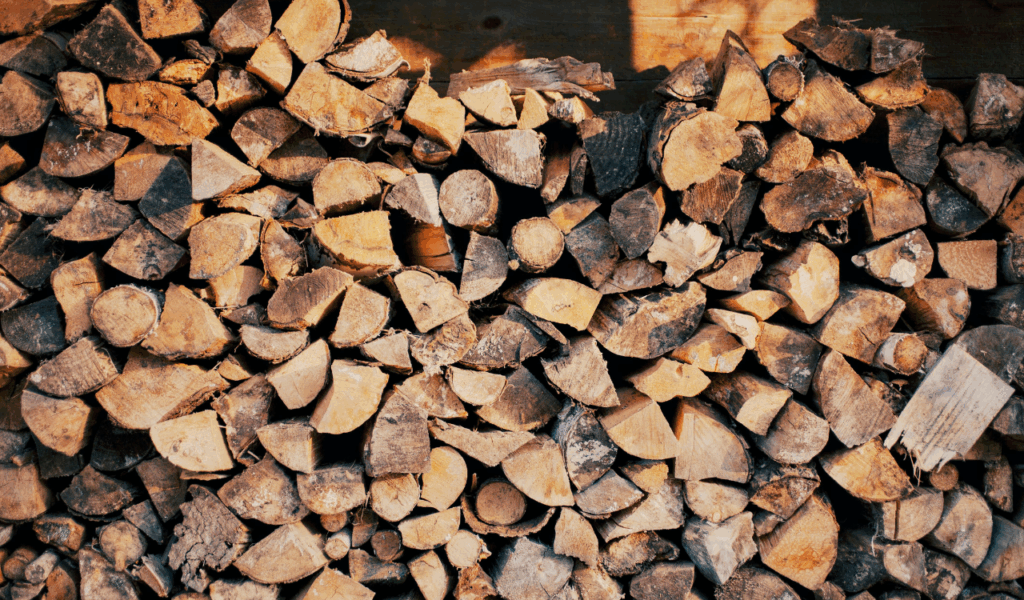
A North American cabin can look more like a European chalet with a wooden mantel supported by beautiful corbels. Designers say that utilizing big wooden brackets can give the structure a sense of strength and weight. Experts say that this style works well in cabins that have a more formal or “lodge” look. Depending on how much detail you want, the corbels can be carved in a lot of detail or left as plain, blocky decorations. This design makes a lovely frame for the fireplace.
Professional builders say that corbels should be attached directly to the wall framing so that they can support the weight of the mantel shelf and anything else that is put on it. Interior designers say that painting or staining the corbels a little darker than the shelf can make it look deeper and more interesting.
Organizers say that this method makes the mantel shelf deeper, which is great for showing off bigger collections or seasonal plants. It has a timeless style that makes it seem like the cabin has been a place of comfort and workmanship for generations, and it welcomes everyone who comes in.
6. Sleek Black Steel Minimalism
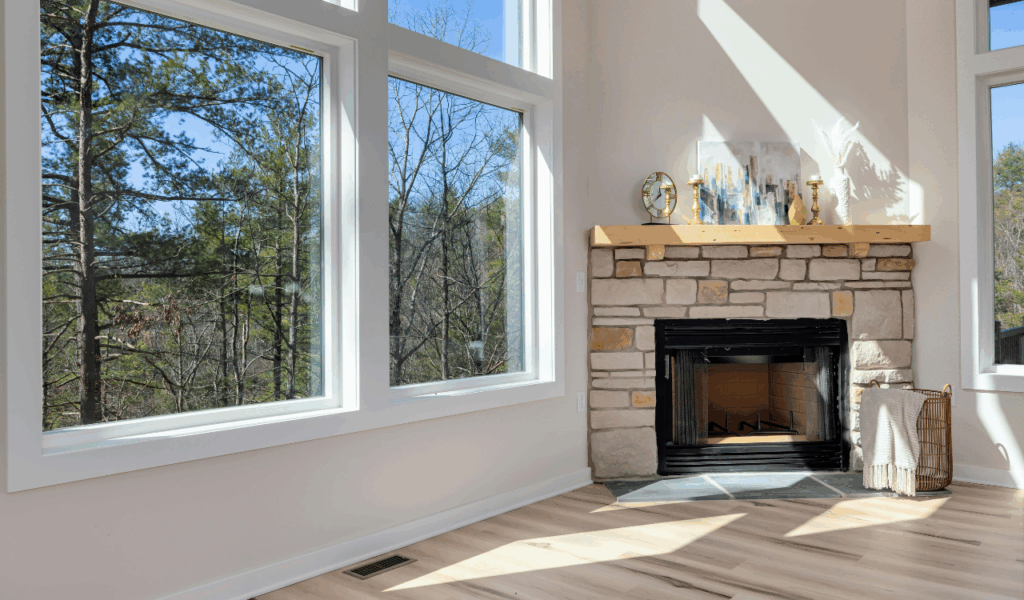
Designers recommend a custom-made black steel mantel for a cabin that has a minimalist or “Scandi-rustig” look. Interior designers say that steel’s small profile makes a sharp, clear line that doesn’t take away from the beauty of the fire itself. Experts argue that the matte black surface makes the colors of the flames stand out by acting as a neutral framing. Contractors say that one of the best things about this material is that it is naturally fireproof, which makes it easier to keep safety clearances in confined areas.
Steel mantels are popular with professional flippers because they are easy to put up and give an old brick fireplace a new look right away. Designers say that a steel mantel looks best with a plain white plaster or dark slate wall. This will make the mantel stand out. Realtors say that this style appeals to younger cabin buyers who desire the warmth of a fire without the weighty, old-fashioned look of logs and stones. It is a smart, subtle choice that shows that sometimes less is more when it comes to identifying a small cottage.
7. Floating Cedar Beams
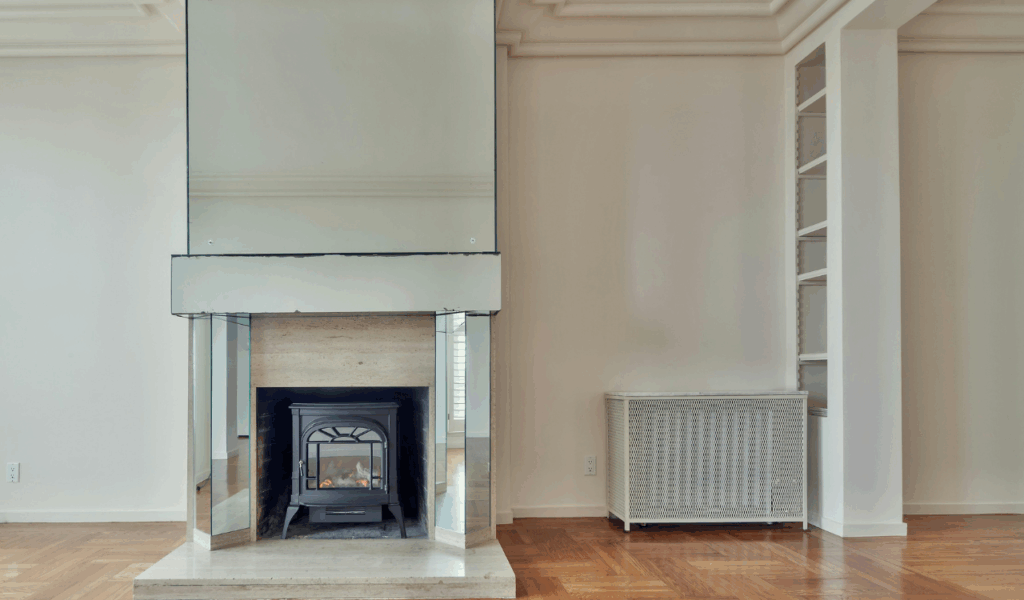
Cabin builders choose cedar because wood doesn’t rot easily and smells nice, like a forest. Designers suggest a “floating” installation for a cedar beam, in which the hardware used to mount it is completely hidden from view. This makes the heavy wood look like it’s floating against the wall of the fireplace, which is very cool. Experts say that the soft, warm colors of cedar may make a room that is mostly made of darker woods look brighter.
Professional builders say that cedar is much lighter than oak or walnut, which makes wood easier to work with for a DIY-friendly glow-up. Designers say that you should either leave the cedar unpainted or use a clear matte sealant to keep its natural smell and light hue. Organizers say that cedar should be handled carefully because it is a softer wood and heavier decorations could leave significant scratches. A floating cedar mantel gives a clean, open look that fits in perfectly with cabins by the river or in forest clearings that get a lot of light. It makes you feel more connected to nature.
8. River Rock and Driftwood Compositions
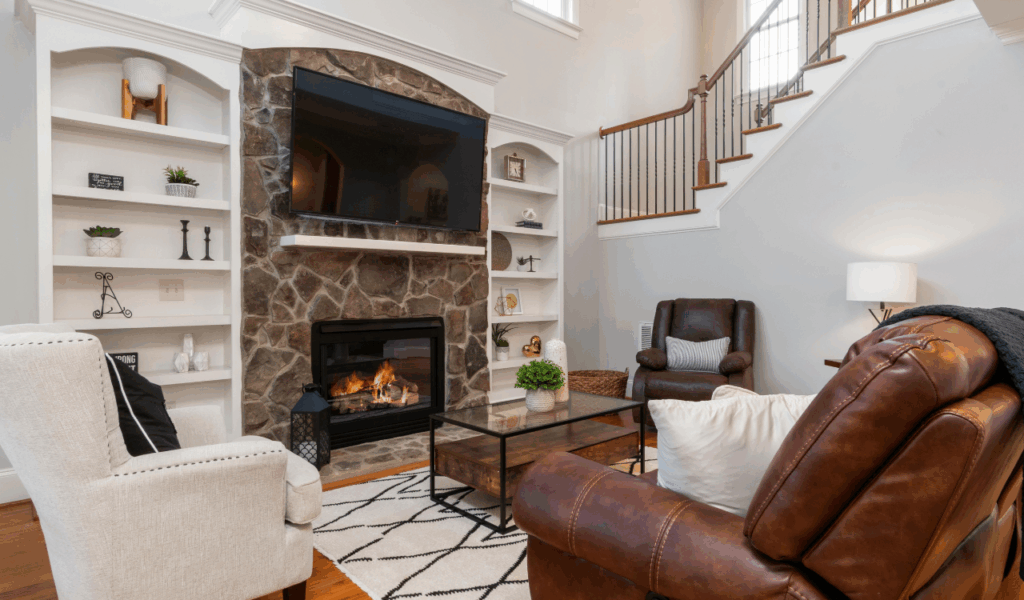
When you put river rock and a piece of polished driftwood together, you get a mantel that seems like a collection of things you found at the lake. Interior designers say that this style is great for waterfront cabins because it makes the transition between inside and outside look natural. Experts claim that the smooth, rounded shapes of river boulders make the fireplace feel quiet and peaceful. A big, old piece of driftwood on the mantel shelf fits perfectly with the coastal or lakeside theme.
Professional stonemasons say that putting in river rock needs a competent hand to make sure the stones are level and the grout lines are not too obvious. Designers say that this type of fireplace works best when the decor around it has natural fibers like linen and jute. Realtors say that a “themed” fireplace that fits in with the area makes a lasting impression on both guests and potential buyers. It is a creative and hands-on way to construct a mantel that shows off the cabin’s unique geographic position and natural surroundings.
9. Traditional Brick with a White Wash
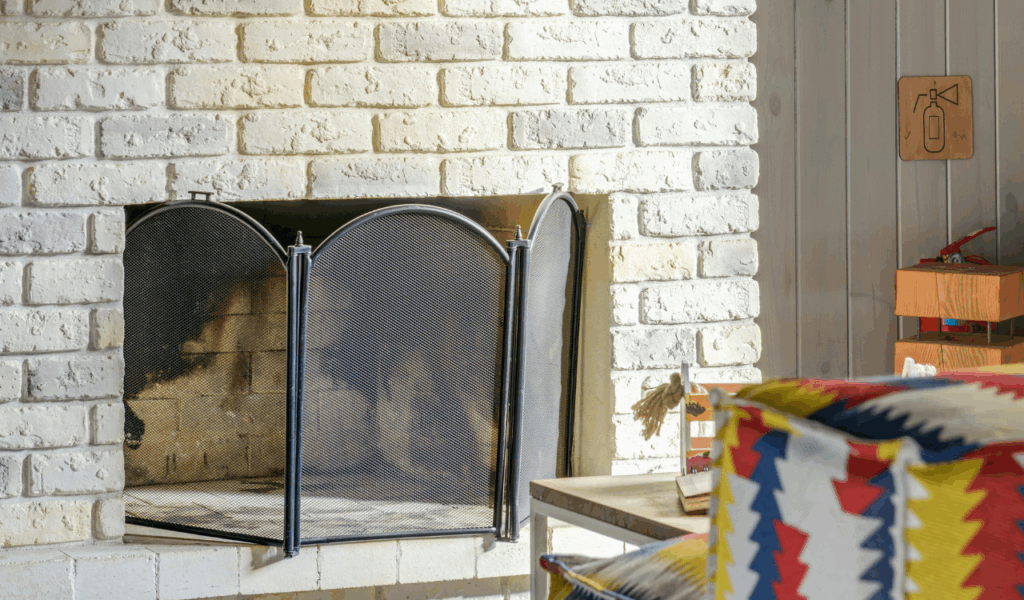
Brick fireplaces are typical in older cabins, but they may sometimes make the room feel dark and out of date. Designers say that a “German smear” or a simple white wash can make the brick look brighter while still letting its roughness show through. A basic, dark-stained oak mantel shelf goes well with this new appearance to make a classic, homey look that seems both new and old. Experts say that the white background makes the fireplace look like a clean, bright centerpiece during the day and a flaming hearth at night.
A lot of professional flippers say that this is a low-cost, high-impact option to remodel the primary living room of a cabin. Contractors say that for paint to last a long time, it needs to be the correct kind of heat-resistant paint. Interior designers say that a white-washed brick fireplace is the best place to put a gallery wall of old maps or nature images.
This theme works with a lot of various cabin styles, from “boho-chic” to traditional lake house. It makes the cabin feel warm and welcoming, which makes it a great place to sit by the fire for a long time.
10. Rough-Sawn Ponderosa Pine
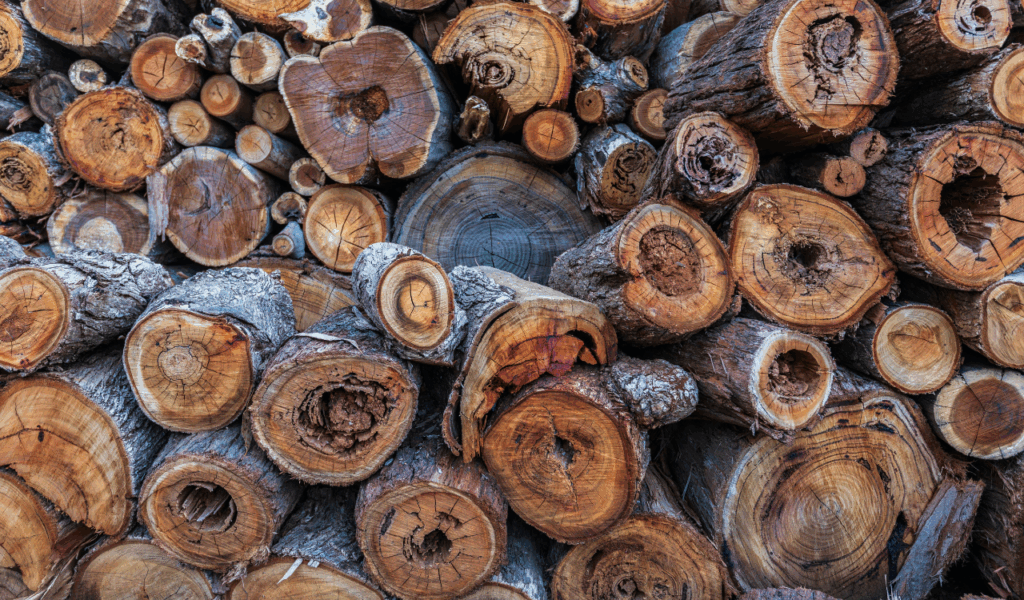
Ponderosa pine is a common choice for Western cabins because it has big knots and a rough look. Designers say that utilizing rough-sawn pine for a mantel will make it look like it came straight from the sawmill. Experts claim that the light yellow to honey-orange colors of pine give a room a warm, bright mood that makes it feel sunny even when it’s cloudy outside. This material is frequently cheaper than hardwoods, which makes it a good choice for bigger, more substantial mantel designs that need to fill a lot of area.
Professional organizers say that the flat surface of a pine beam is perfect for rotating seasonal displays, like pumpkins in the fall and evergreen boughs in the winter. Contractors say that pine should be well-seasoned so that it doesn’t sap too much or warp when wood becomes hot in the fireplace. Designers say that the rustic look of pine goes very well with wrought iron accessories like fire tools and log holders. It is a classic cabin choice that feels honest, strong, and firmly connected to the traditions of mountain architecture and life in the woods.
11. Slate Tile and Oak Trim
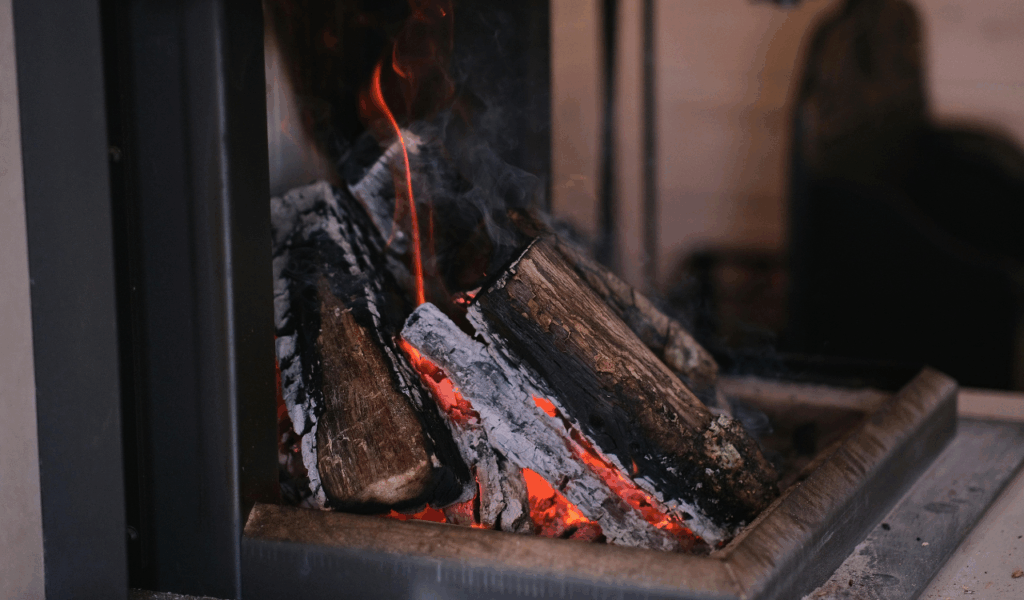
Designers recommend a fireplace surround constructed of slate tiles with a clean oak mantel for a more customized look. The dark, charcoal colors of the slate stand out sharply against the golden colors of the oak. Experts suggest that slate is a great material for cabins because it hides soot and ash better than lighter materials. The mix of stone and wood seems balanced and classy, which is why it’s a favorite choice for “modern lodge” interiors.
Professional contractors say that choosing large-format slate tiles will help reduce grout lines and make the surface look more like stone. Interior designers say that the oak mantel can be made with a narrow profile to keep the look modern. Realtors say that this exact combination of materials often shows potential buyers that the home is of excellent quality and has been carefully thought out. Using slate and oak to make a fireplace is a great way to make it easy to care for while also giving it a classic, elegant design that will still look great in twenty years.
12. Hand-Carved Narrative Mantels
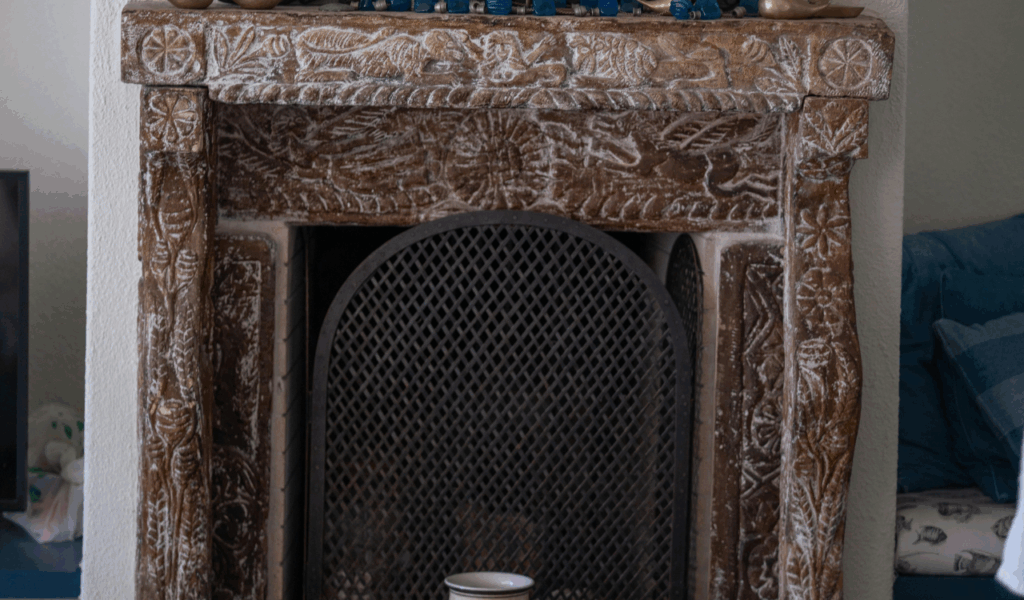
In the most artistic cabins, the mantel tells a tale via the art of wood carving. Designers say that you should hire a local artist to carve designs of local animals, such bears, elk, or pinecones, onto a strong wood shelf. Experts say that these hand-carved embellishments make a useful object into a one-of-a-kind piece of folk art. This level of customization makes sure that your cabin’s fireplace is one of a kind and shows how much you love the wilderness and its people.
For fine details, professional woodworkers say to use woods with a tight grain, like cherry or maple. Interior designers say that these mantels typically become the “heart” of the home, where family history and local stories are shared. Realtors argue that distinctive, handcrafted elements give a property an intangible worth that makes it stand out in a competitive market, even if this is often the most expensive option. A hand-carved mantel is more than just a design option; it’s a piece of history that shows the character of the cabin and the artist who made it.