
14 Back-to-School Furniture Trends That Didn’t Make Sense

Many furniture trends promise to help you focus, stay organized, and get more done during back-to-school season. Some solutions improve study surroundings, but others appear good but don’t work. These questionable tendencies rarely consider comfort, durability, or usefulness, which are crucial for students who study, read, or work on projects. Fads often seem like marketing experiments rather than solutions. Workstations are hard to use, and storage solutions may make things worse. If parents, students, and decorators understand why these ideas failed, they can choose a more effective and comfortable learning place that supports academics.
1. Ultra-Minimalist Desks With No Storage
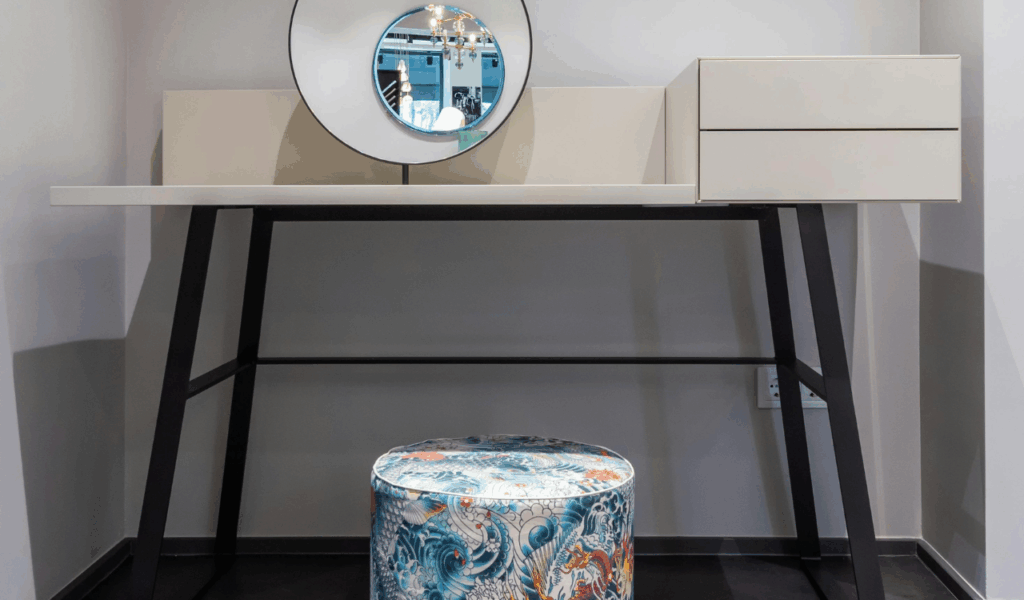
People liked ultra-minimalist desks because they looked sleek and had clean lines, but many of them were hard to use at school every day. These desks don’t have drawers, shelves, or cable openings, so students have to scramble to find places to put their notebooks, chargers, stationery, and books. Getting up all the time to fetch supplies interrupts your focus and wastes time. In shared or small spaces without enough built-in storage, surfaces may get dirty or you may require extra furniture, which goes against minimalism. These desks are great, but they make it hard to access materials that help you focus and organize, which hinders practical study practices.
2. Standing Desks Without Adjustable Height

People said that standing workstations were healthier options, however versions that didn’t let you change the height caused more problems than they solved. Students come in all different heights, and a desk that doesn’t move can make them sit in an awkward way, strain their shoulders, or bend their wrists. Long study sessions might be uncomfortable, which makes you tired and less productive. Younger students may have more problems because they outgrow the desk in months. Because these workstations don’t allow sitting and standing, you don’t get enough movement. What was advertised as ergonomic is uncomfortable and limiting.
3. Clear Acrylic Furniture Everywhere
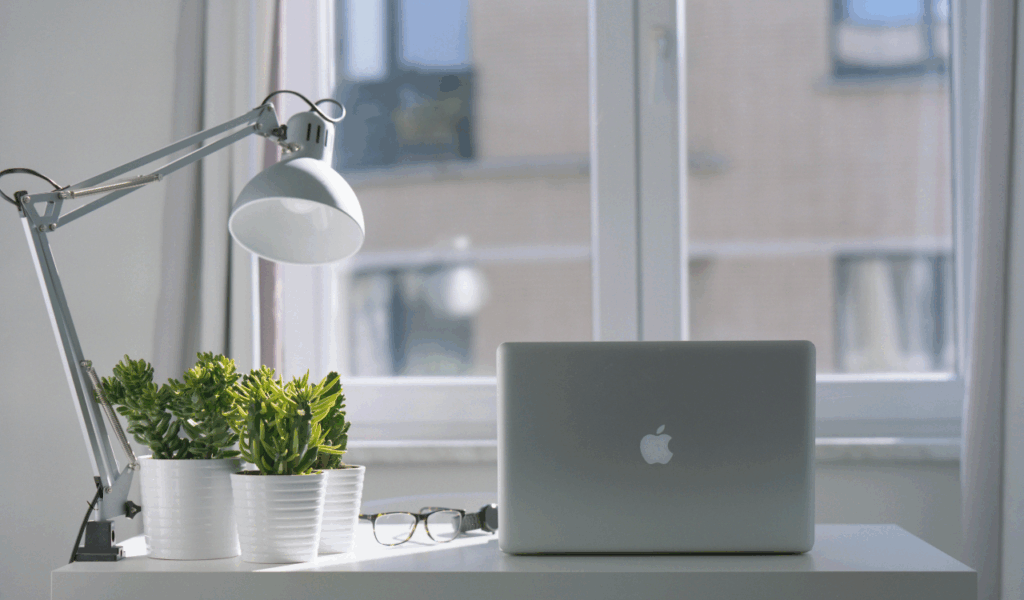
People liked clear acrylic seats, desks, and shelves because they looked futuristic and light, but they weren’t very useful. These things reveal every fingerprint, scratch, and scuff, so you have to clean them all the time to keep them looking nice. Acrylic surfaces get dirty and worn out rapidly when kids eat, write, and move around a lot. They can also be cold and uncomfortable, especially when you study for a long time. The delicate look makes people worry about accidentally breaking things in common family areas. Acrylic furniture may look good in principle, but it can be hard to keep clean.
4. Ladder-Style Desks for Small Rooms
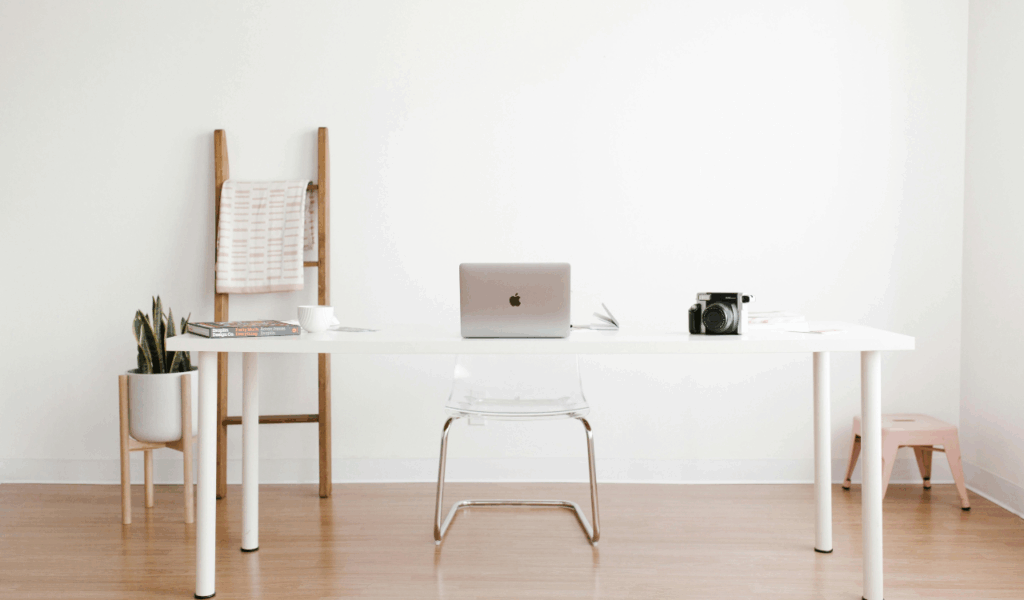
Ladder-style desks promised to save space by putting shelves and a work area in one vertical unit. In actuality, the design often makes it hard for children to move their legs and pushes them to sit in uncomfortable postures. Getting things from the shelf above the desk can break your study flow and make it more likely that things will fall on your desk. These workstations also tend to feel small, especially when you use regular seats with them. This tendency is less student-friendly than planned because comfort and freedom of movement are more important than visual novelty for everyday assignments and online classes.
5. Overly Bright, Glossy Finishes
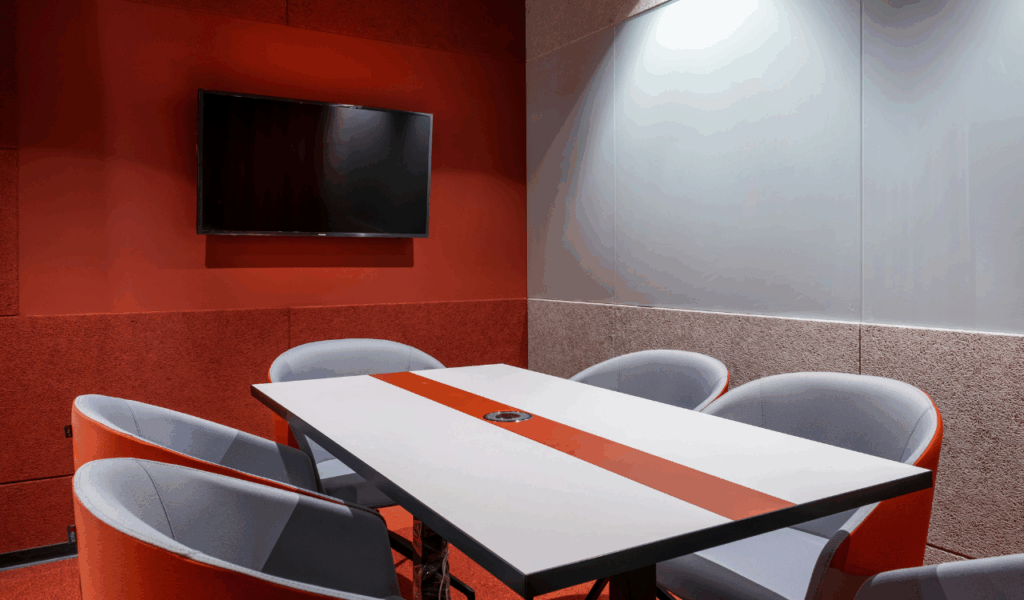
They sold desks and cabinets with a high shine and bright colors that were supposed to be fun and energizing for pupils. But reflective surfaces might make it tougher for your eyes to read or work on a screen because they can cause glare from study lights or natural light. Bright colors can also be too much over time, especially in small rooms where balance is vital. Scratches and chips are easy to see on glossy finishes, which makes furniture look old quickly. Anything that appears to be enjoyable at first may quickly become bothersome, making it difficult to concentrate in an environment that is peaceful and conducive to concentration.
6. Built-In Desks With Fixed Layouts

Built-in desks looked like a smart, long-term way to set up study areas at home, but fixed layouts often don’t work when needs change. As kids become older or convert from writing by hand to using computers and tablets, the size of their desks and the amount of storage they need changes. If the design is set in stone, it can be hard to move things around, such lights, seats, or technology. Fixing or upgrading things also gets harder and more expensive. These desks don’t change as the student grows; instead, they lock families into an arrangement that might only work for a short time in their academic life.
7. Study Chairs Designed More for Style Than Support
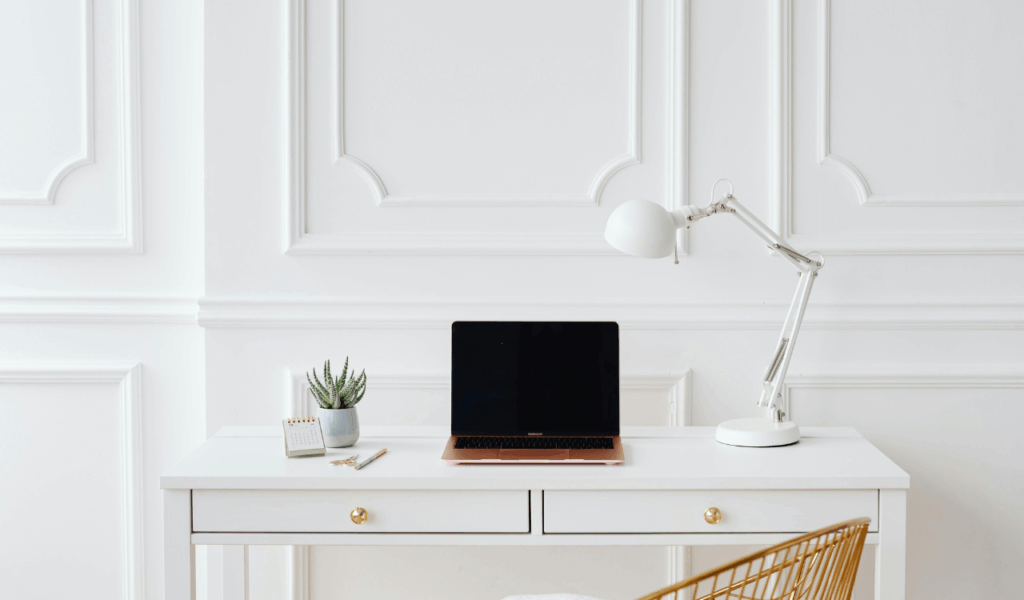
Chairs that go with contemporary desks sometimes put looks ahead of comfort. Modern-looking furniture with thin cushions, rough edges, or shallow chairs may not be good for your back and legs. Discomfort during long study sessions causes people to take breaks more often, sit up straighter, and lose attention. Children, particularly younger children, require supportive seats in order to facilitate the development of healthy behaviors. In situations when individuals select chairs based on how they appear, the chairs do not meet the fundamental requirements of completing homework, which makes the environment more exhausting.
8. Foldable Desks Meant for Daily Use
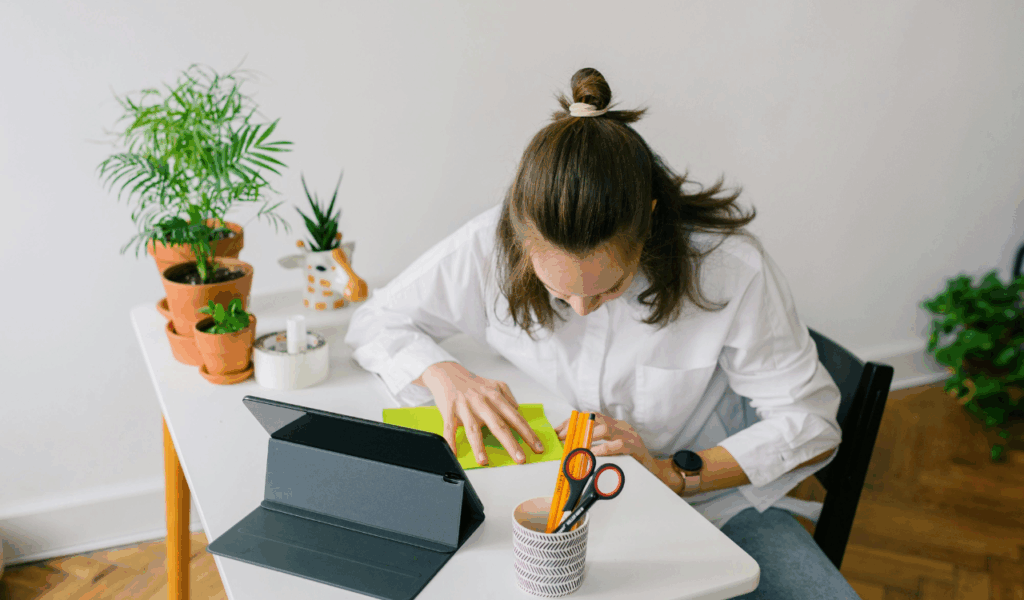
People often say that foldable desks are great for saving room when you go back to school, however many of them don’t work well every day. When students write, type, or put a lot of weight on their arms on the surface, these desks tend to shake. When you’re trying to study, constant movement can be annoying and distracting. Hinges and folding joints also wear down faster when you open and close them every day, which makes them less durable over time. There’s rarely enough storage, and changing the desk is annoying. Foldable desks can aid with some chores, but they don’t provide enough stability and comfort for academics.
9. Floating Desks Without Proper Wall Support
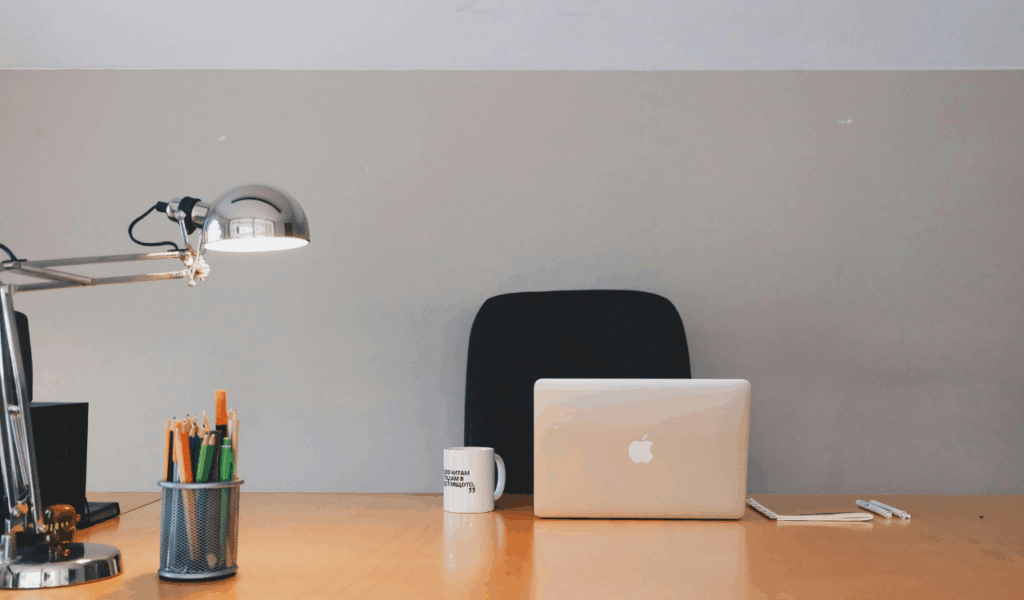
Floating desks give a room a clean, modern design, but many installations don’t pay enough attention to how to support the walls correctly. These desks can sag or seem insecure when books, computers, and other supplies are on them if they are not mounted appropriately or are attached to weak wall materials. Because the desk can only hold a certain amount of weight, kids have to be careful all the time. Floating designs don’t offer much area for legs or storage space either. Students may not feel free; instead, they may feel trapped and unhappy. A study desk should help you feel confident and focused, not worry about whether it will stay up.
10. Tiny Desk Chairs Marketed for Teenagers

Some back-to-school trends said that small, compact seats were great for teens, but these designs often don’t take into account how big their bodies really are. When you study for a long time, chairs that are excessively narrow or low might make your posture bad, strain your knees, and hurt your back. Teenagers grow quickly, therefore chairs that are too small become uncomfortable very quickly. Limited flexibility also makes it hard to line up with desks and screens correctly. Compact chairs may look like they save room, but they don’t help people sit in a healthy way. In a functional study space, comfort and adaptability are far more important than thin shapes.
11. Desks With Built-In Lighting Only
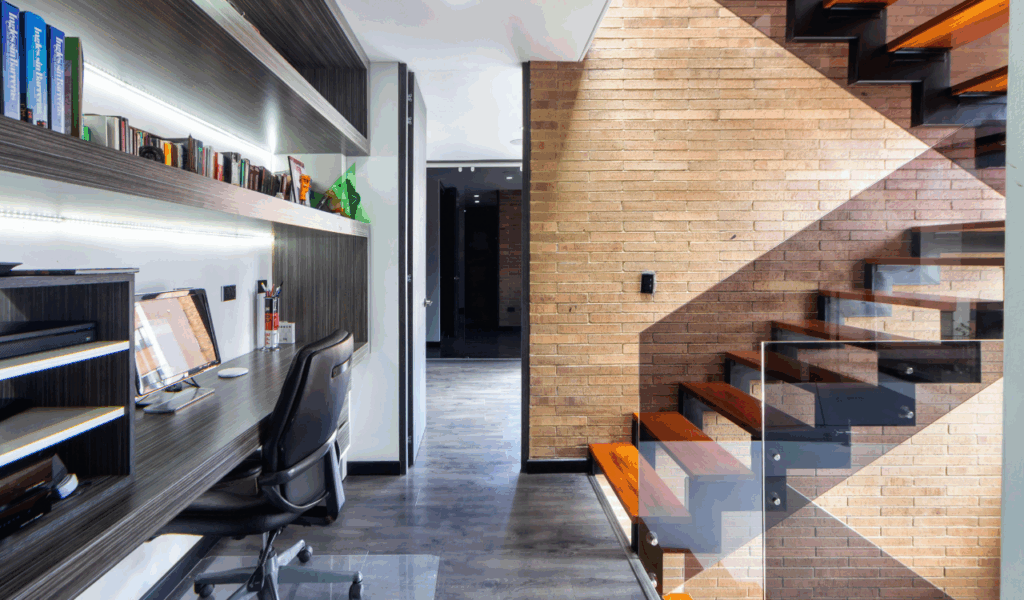
Desks that come equipped with lights built in were sold as comprehensive study solutions; nevertheless, relying solely on the lights contained within the desk can lead to issues. It is possible that fixed lighting angles will cause books to appear dark or screens to appear brilliant, depending on how a student places themselves or writes. Fixing a broken light without buying a new desk may be difficult or expensive. Built-in lighting also make brightness and color temperature adjustments harder. These desks lack adjustable illumination, which is necessary for productive study rooms because it depends on what you’re doing.
12. Multi-Level Desks With Excessive Tiers

Multi-level workstations with a lot of raised platforms may look useful, but too many levels might make them hard to use every day. It’s tougher to spread out books, journals, and devices comfortably when there isn’t much flat room. Getting to higher levels over and over again can mess up your work and make studying for a long time feel strange. Cleaning dust off of several surfaces takes more work. It’s possible that having an excessive number of layers will make things feel cluttered and restricted rather than making them more structured. A well-balanced workstation layout with accessible open space helps kids focus and use their desks.
13. Matching Furniture Sets With No Flexibility
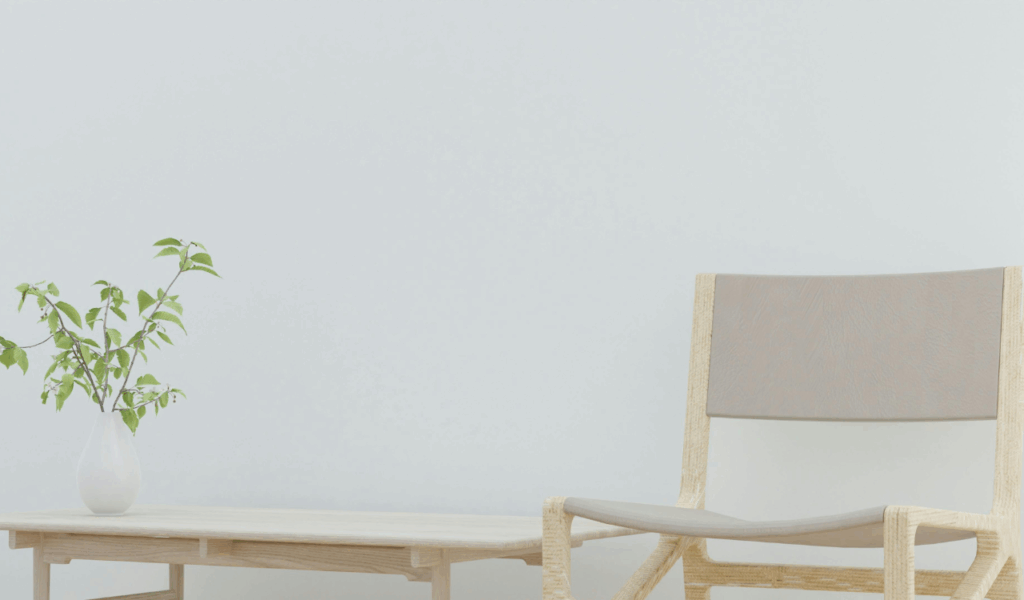
As basic back-to-school packages, people sometimes bought whole sets of matching furniture, but they don’t provide much room for customization. Most of the time, one-size-fits-all configurations don’t fulfill all of a student’s needs for storage, desk height, and chair comfort. If a piece breaks or becomes uncomfortable, it’s hard to replace it without affecting the look. When demands change, it could also be harder to be creative when setting up the space if you have matching sets. It’s best to choose parts for functional study areas based on what each person needs, not just because they all appear the same.
14. Decorative Storage That Holds Very Little
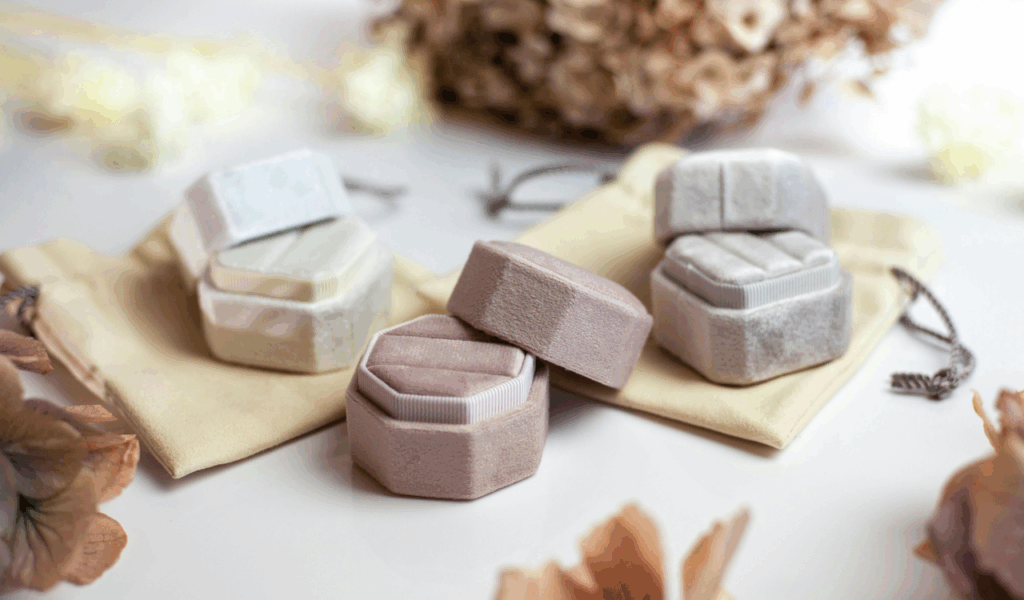
Decorative storage boxes and shelves were popular for making study areas look prettier, although a lot of them don’t have a lot of useful space. It’s hard to put books, folders, or bigger supplies in bins that aren’t very deep or compartments that are too small. Things on desks and floors make the place look more congested. Decorative items might not be robust enough to use every day. It is not enough for storage to simply be attractive; it should also assist in maintaining order and make it simple to access the items stored inside. A storage solution that prioritizes aesthetics above practicality is not going to work in a school.