A Flight Attendant With 15 Years of Experience Reveals 6 Drinks You Should Never Order
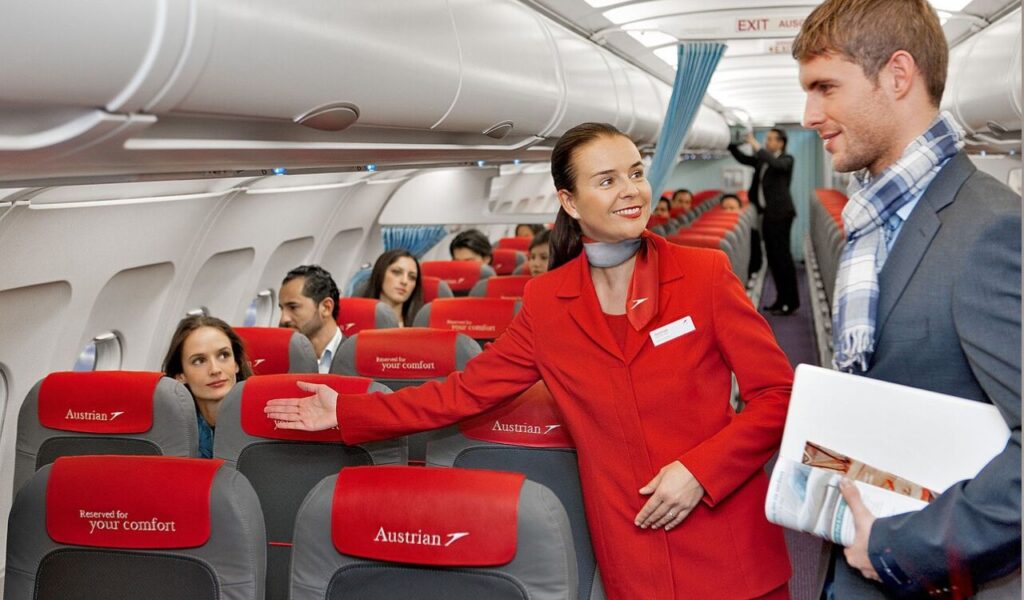
After more than 15 years working thousands of flights, one veteran flight attendant says the most overlooked in-flight mistakes passengers make often involve what they drink. While airline beverages look identical to what travelers consume on the ground, the aircraft environment changes everything. Cabin humidity typically sits between 10 and 20 percent, compared with 30 to 50 percent in most homes, and that shift alone alters hydration, digestion, and alcohol tolerance. According to aviation health research, these conditions make the body more sensitive to dehydration, acidity, and stimulants.
Flight attendants experience these effects daily and repeatedly see patterns emerge among passengers. Certain drinks consistently lead to stomach discomfort, dehydration, headaches, or complaints mid-flight. Based on long-term crew experience, FAA operational standards, and aviation health data, these six drinks are the ones flight attendants quietly avoid themselves and recommend passengers skip when possible.
Hot Coffee and Tea Made With Aircraft Water
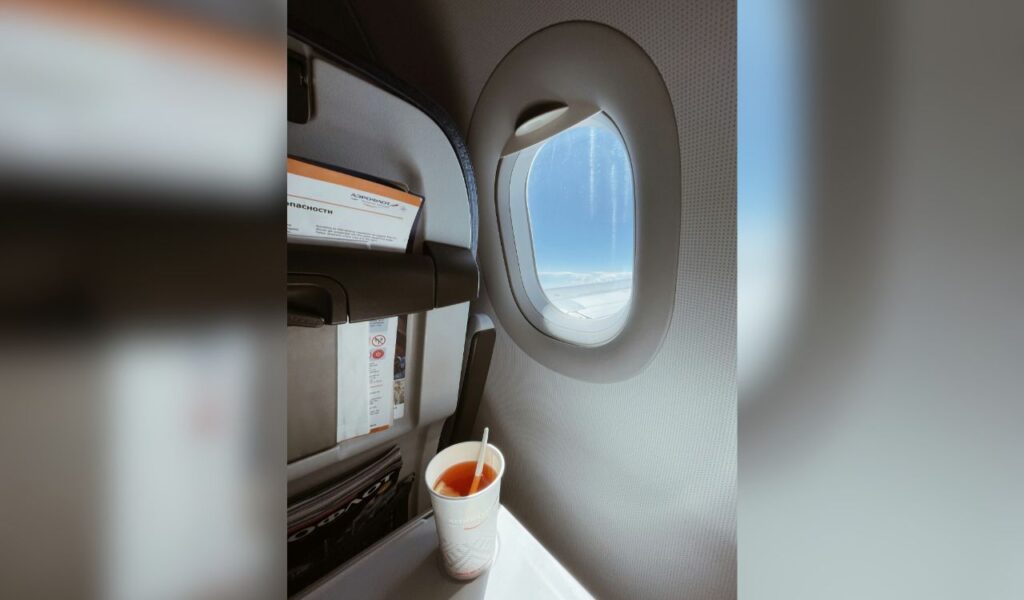
Flight attendants with long careers consistently warn passengers about ordering hot coffee or tea onboard, not because of caffeine but because of the water source. These drinks are made using water stored in onboard aircraft tanks that supply both the galley and lavatories. While the FAA sets minimum sanitation standards and requires periodic servicing, enforcement and cleaning schedules vary widely by airline and aircraft rotation.
According to aviation maintenance disclosures, aircraft water systems may go six months or longer between full cleanings, especially on high-utilization planes. Crew members report that these tanks are difficult to access and are not refreshed daily. Over years of flying, many flight attendants develop a strict personal rule of avoiding hot drinks entirely, choosing sealed bottled beverages instead. The concern is not immediate illness but cumulative exposure that can lead to stomach irritation or discomfort mid-flight.
Tap Water From the Galley or Lavatory
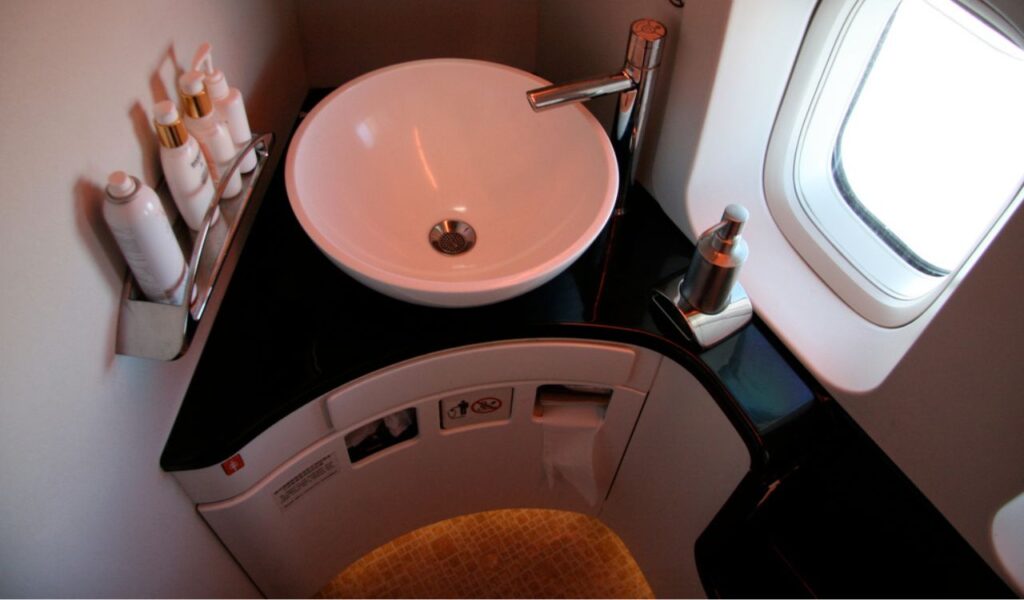
Tap water served directly from the aircraft galley is another beverage long-time flight attendants recommend avoiding. This water comes from the same onboard tanks used for handwashing and lavatory sinks. While technically approved for aircraft use, flight attendants explain that it is not treated or refreshed in the same way as bottled drinking water.
Independent aircraft water testing cited in aviation safety discussions has found bacterial contamination, including E. coli, in a notable portion of sampled aircraft across multiple carriers. These findings reinforce what many crew members already practice personally. Most flight attendants will not drink aircraft tap water under any circumstances and instead bring their own water onboard. They advise passengers to do the same or request sealed bottled water to avoid unnecessary digestive issues.
Any Drink Served With Ice Cubes
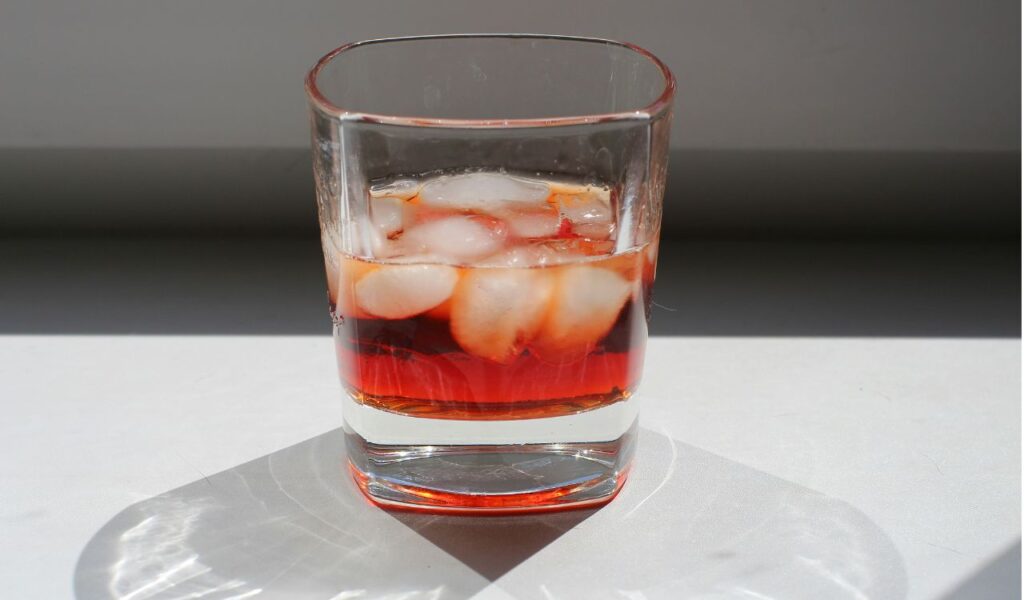
Ice cubes are often assumed to be harmless, but experienced flight attendants say they carry the same risks as tap water. Ice used onboard is typically produced using aircraft tank water, meaning any concerns about cleanliness extend directly to iced beverages. This applies to sodas, juices, and mixed drinks served with ice.
Beyond water quality, ice handling adds another layer of risk. During busy service periods, ice bins and scoops are used frequently, increasing the chance of contamination. Many flight attendants quietly skip ice in their own drinks and recommend that passengers order beverages without it. Choosing room-temperature drinks or sealed bottles significantly reduces exposure to onboard water systems.
Alcohol of Any Kind
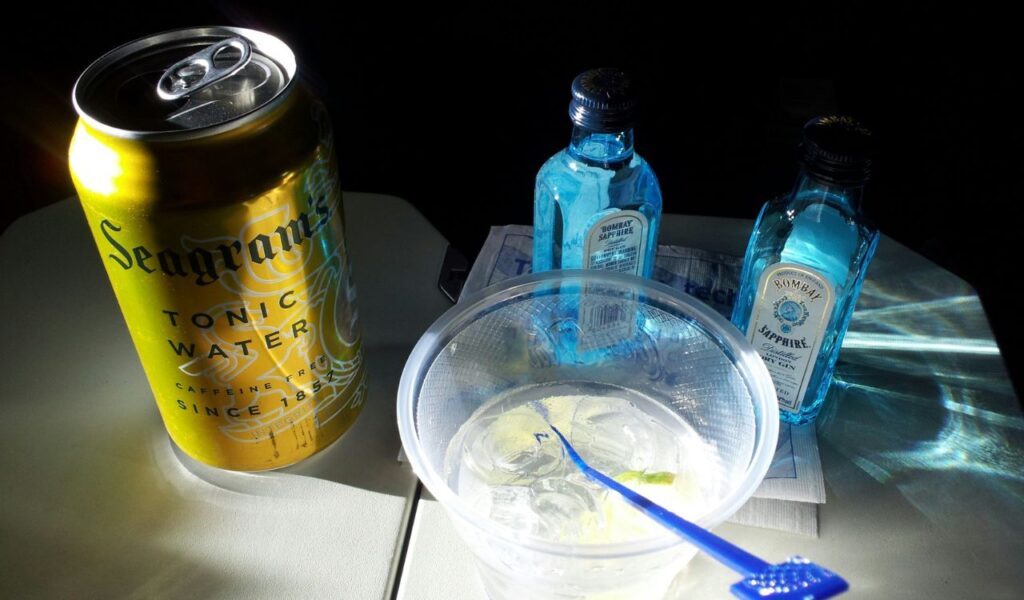
Alcohol is one of the most popular in-flight orders, yet flight attendants with years of experience say it causes more physical issues than any other beverage. At cruising altitude, the body processes alcohol differently due to low oxygen levels and extremely dry cabin air. FAA physiology studies show that alcohol tolerance can be roughly 25 percent lower at altitude, meaning one drink in the air can feel closer to one and a half drinks on the ground.
Flight attendants regularly observe passengers becoming dehydrated, dizzy, or fatigued more quickly after drinking alcohol onboard. Headaches, nausea, and disrupted sleep are common complaints, especially on longer flights. For this reason, many crew members avoid alcohol entirely while flying and suggest passengers prioritize hydration instead to reduce post-flight exhaustion.
Bloody Marys and Other Salty Drinks
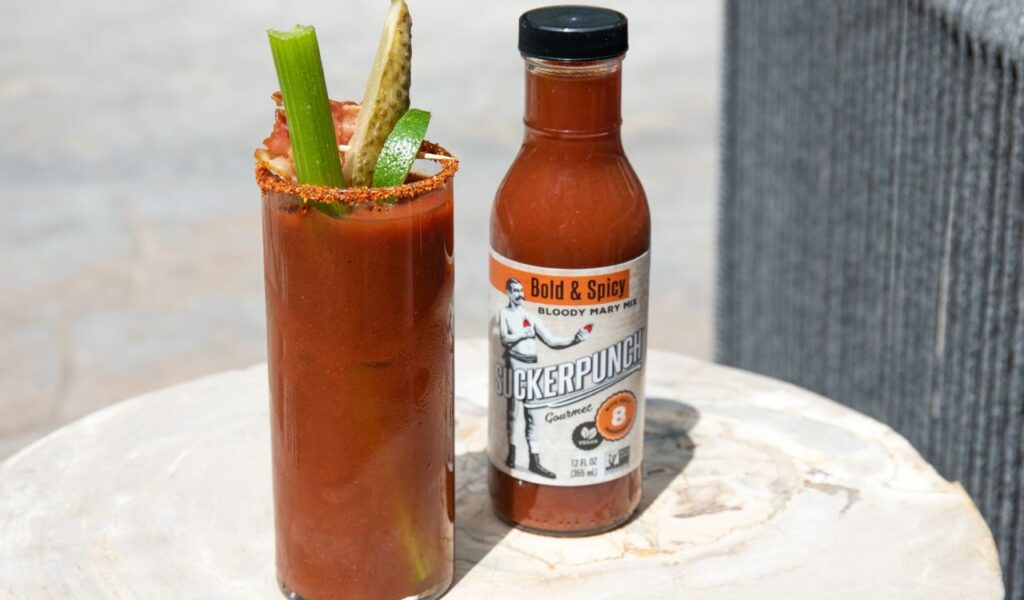
Bloody Marys remain a classic airplane drink, but flight attendants say their effects rarely justify their popularity. These cocktails are typically high in sodium, which worsens dehydration in an already dry cabin environment. Aerospace medicine research shows that fluid retention and bloating can increase at altitude, making salty drinks particularly uncomfortable during flights.
In addition to sodium, the acidity of tomato juice can irritate the stomach under cabin pressure conditions. Flight attendants often notice that passengers who order Bloody Marys are more likely to complain of bloating or digestive discomfort later in the flight. Despite their reputation as a comforting choice, salty cocktails often amplify physical stress rather than relieve it.
Drinks Made With Orange Juice From Concentrate
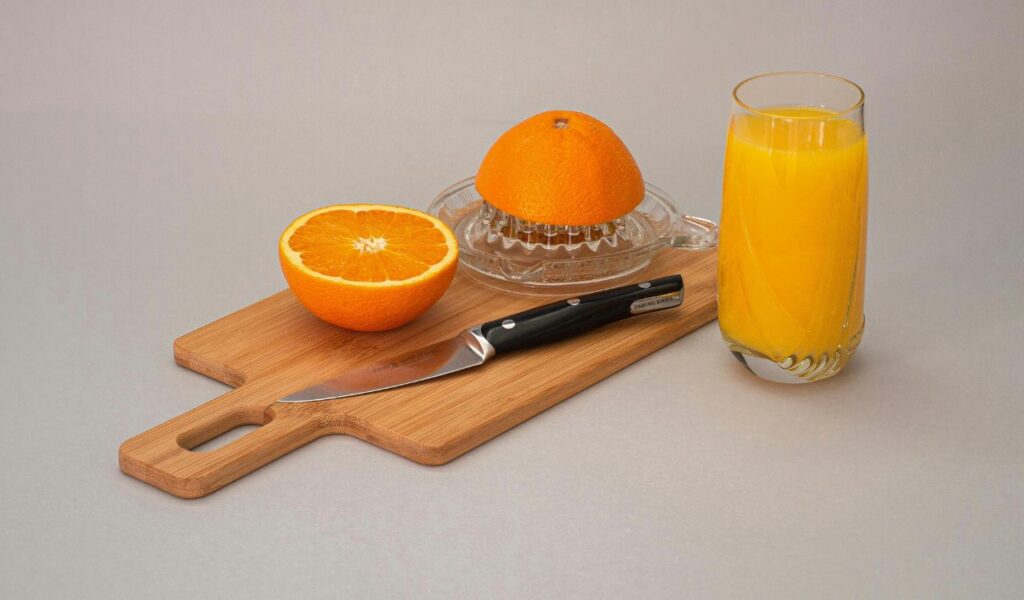
Orange juice-based drinks are frequently marketed as refreshing or healthy, but flight attendants with long experience recommend caution. Citrus juices are highly acidic, with pH levels that can trigger heartburn or acid reflux at altitude. Changes in cabin pressure can intensify these effects, even for passengers who normally tolerate citrus well on the ground.
Flight attendants report that citrus-based drinks are a common cause of mid-flight stomach discomfort. While orange juice provides vitamins, timing matters. Many crew members avoid it entirely during flights and suggest passengers choose less acidic beverages if they want to stay comfortable. What feels light and healthy at home can behave very differently once airborne.