9 New Year Styling Trends That Felt Impersonal

New Year’s style trends frequently promise a fresh start, which makes individuals want to change the colors, layouts, and decorations in their houses. Some trends really do make a place feel welcoming, but others put outward uniformity ahead of personal comfort. These styles may appear good in pictures, but when you live in them every day, they can feel cold, generic, or detached. Places lose individuality when stringent design standards replace distinctiveness. A home prepared to welcome the new year should seem cozy and lived in, not staged. See which New Year design trends looked impersonal to distinguish between impressing and speaking to you.
1. All-Neutral Color Palettes With No Personal Accents
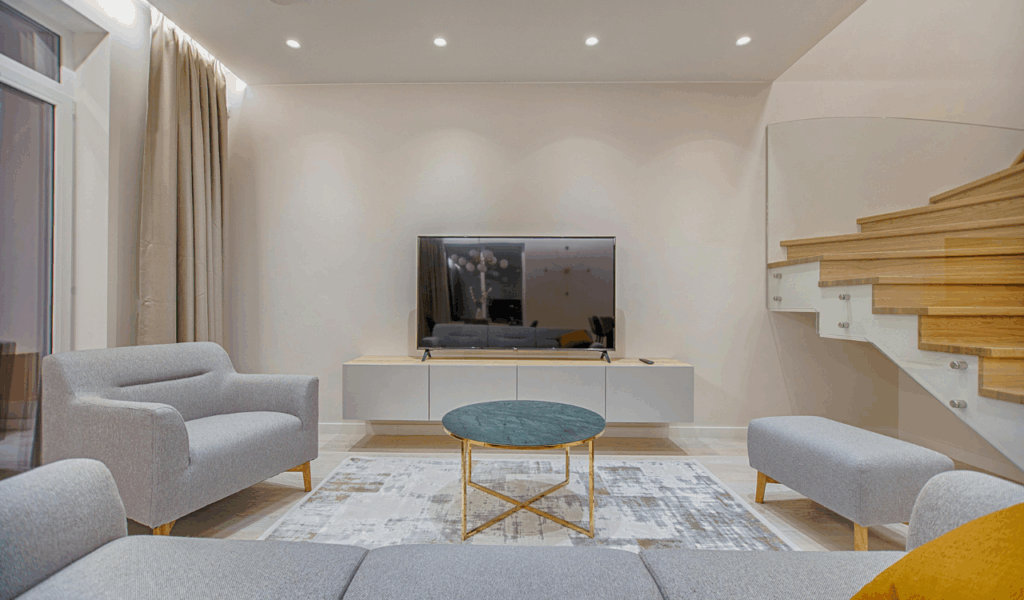
People liked all-neutral color schemes because they looked peaceful, but many rooms ended up feeling lifeless and impersonal. Rooms might look boring and feel cold when beige, gray, and soft white are the only colors that stand out. The area may feel incomplete instead of planned if it doesn’t have personal touches like significant art or different textures. Neutral tones also reveal wear and tear easily, which makes everyday life more evident. At first look, too neutral decor may seem calming, but it often takes away from the personality of a place, making it appear more like a staged interior than a real house.
2. Perfectly Symmetrical Furniture Arrangements
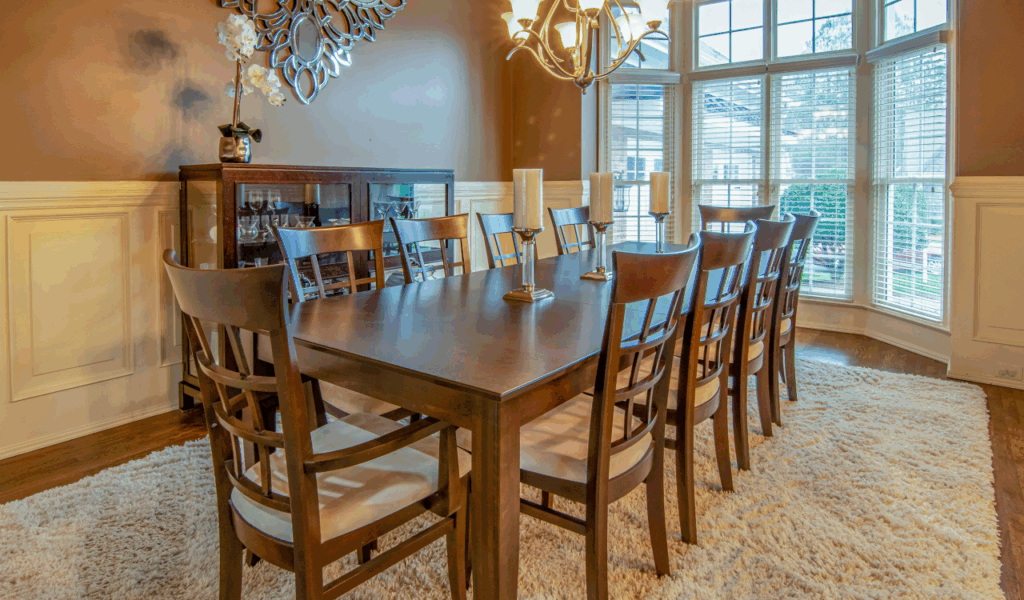
People typically admire symmetrical arrangements for their balance, yet absolute symmetry can make rooms feel stiff. Putting furniture in mirrored positions may make a room look neat, but it doesn’t always show how people actually move around or rest in it. These setups can make spaces feel stiff and unwelcoming, which can make them less flexible. As time goes on, it becomes impossible to keep exact symmetry since everyday use inevitably changes the layout. When you put visual perfection above comfort and personal habits, the result feels more like an exhibition than a home.
3. Trend-Driven Decorative Quotes Everywhere
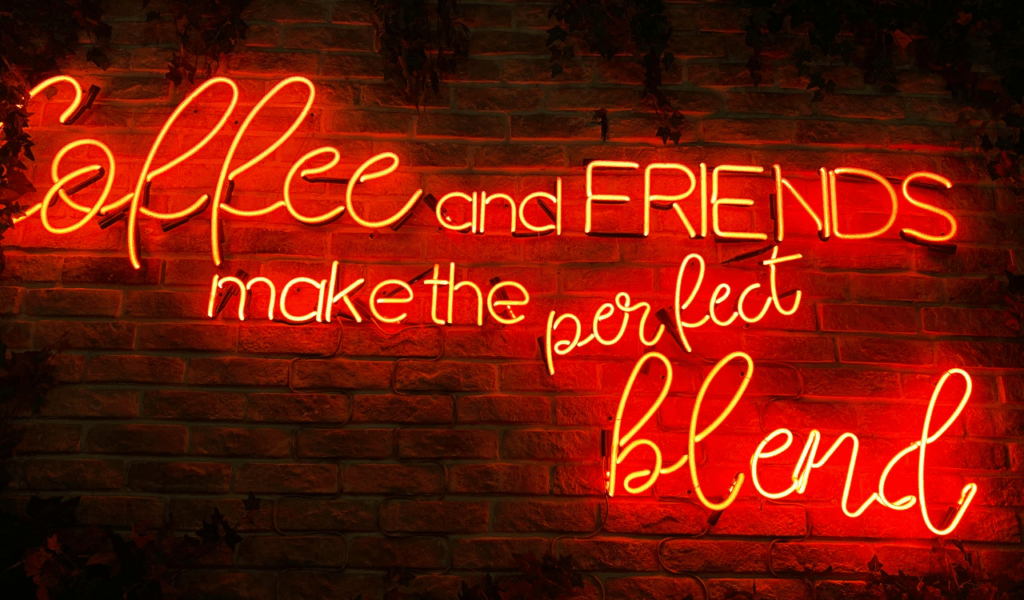
As New Year’s decorations became more popular, decorative quotes became more common. However, mass-produced statements generally don’t have any personal meaning. When the same motivational phrases show up in a lot of houses, they lose their power and become generic. Guests might just pass them by without noticing them, and homeowners might not even notice them anymore. These items don’t often show how people feel or what they value. They can feel like extra decorations instead of inspirational. A style that focuses too much on popular phrases often misses the possibility to show off its personality through deeper things.
4. Uniform Open-Shelf Displays
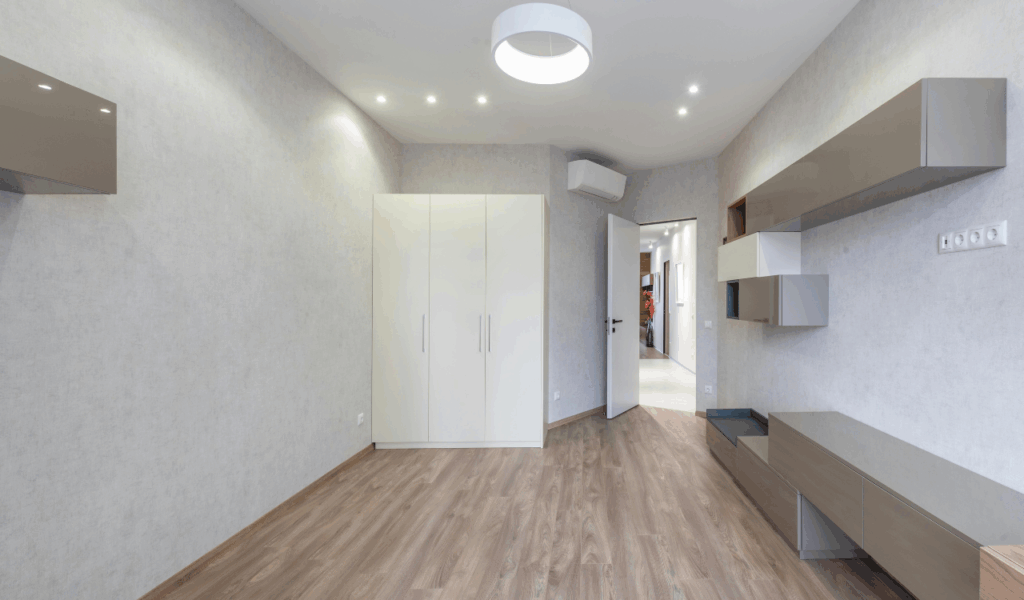
Open shelves with the same vases, books, and other items became popular for New Year’s, but a lot of people thought they looked staged instead of lived-in. When things are picked only to match, shelves lose their story. People frequently conceal their personal belongings in order to maintain the appearance of the area, which results in the impression that it is devoid of any personal items. They need to be reorganized on a regular basis in order to maintain a state of readiness for photographs. It is not uniform displays that make things feel warmer; rather, they make individuals feel as though they have to be flawless, which in turn makes the place feel less personal.
5. Hotel-Inspired Minimal Bedrooms
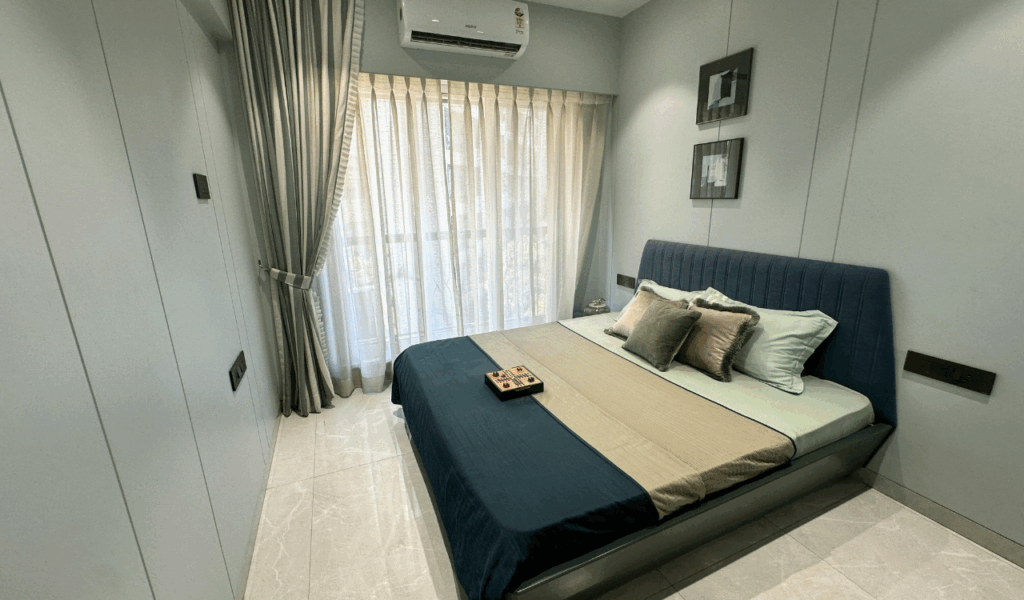
Despite the fact that many individuals believed that having a bedroom that resembled a hotel was a nice way to begin the new year, they had a sense of emotional independence. Having fresh bedding and minimalist furnishings can make a place look more elegant, but if there are no personal touches, the space will feel more fleeting. It is possible to relax and get some sleep in a bedroom because it is a very private space. It is possible that the atmosphere will feel sterile rather than comfortable if you decorate an area in a way that removes your personality. Unlike a hotel room, a bedroom should represent the owner’s individuality.
6. Matching Furniture Sets Bought All at Once
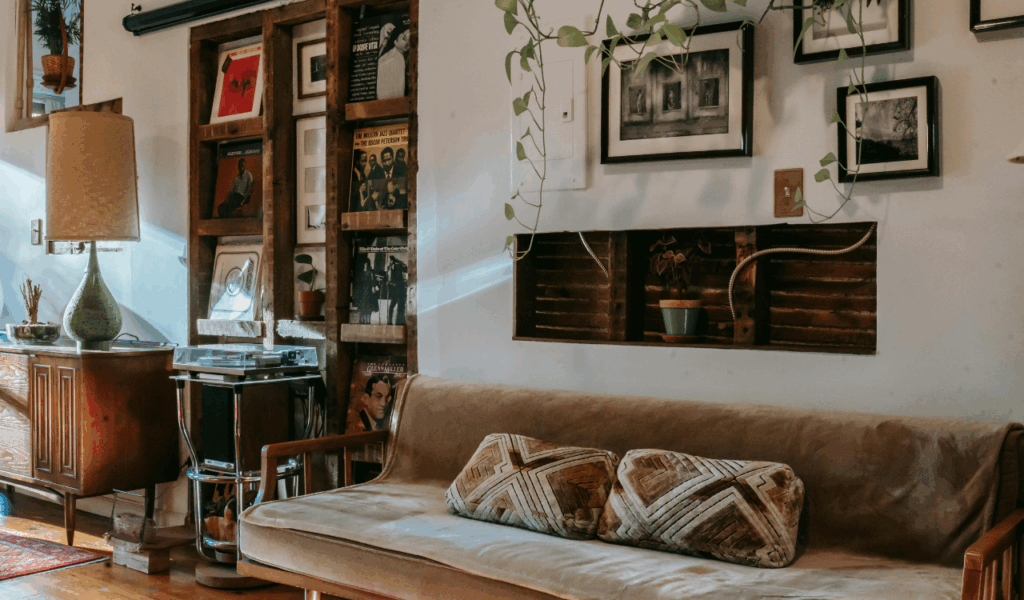
It became popular to buy whole sets of matching furniture as a quick way to decorate for the New Year, but many rooms ended up looking the same. When everything in a room matches precisely, it might lose its depth and personality. These setups rarely show how people really live, which means that function has to fit with design instead than the other way around. The area feels static and uninviting over time because there isn’t much variety. Over time, layers of choices give dwellings character and history. It may look like everything matches when done all at once, but it often removes the charm that makes a place seem lived in.
7. Overuse of Minimal Décor With Empty Surfaces
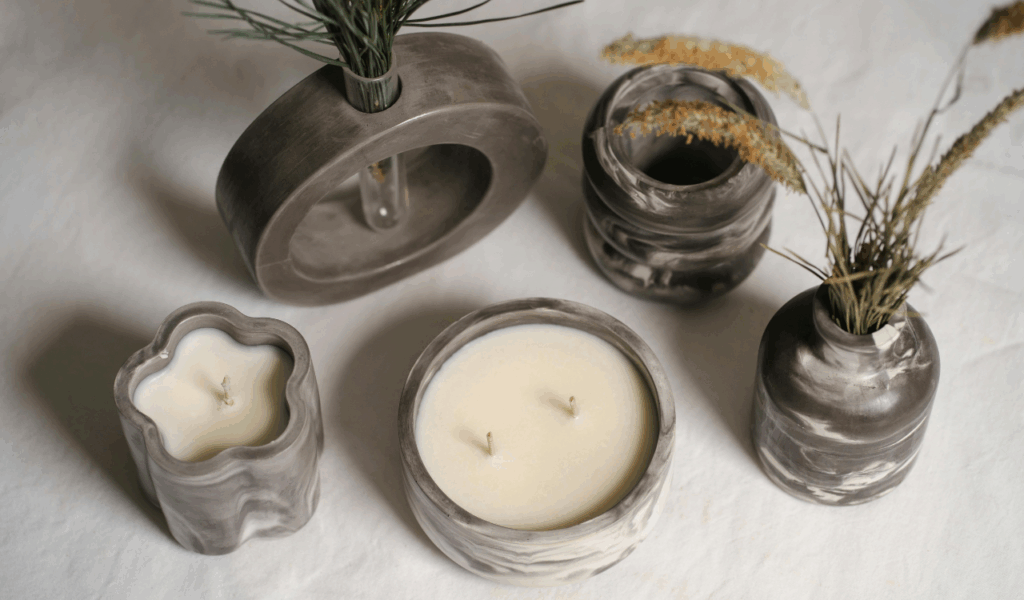
Minimalist design trends pushed people to clear up all surfaces, but many homes went too far and were empty. When carried too far, bare tables, shelves, and counters can feel chilly instead than comforting. Rooms without personal items don’t have any visual indicators that show how people live or how they feel. Keeping surfaces clear all the time also adds stress, making spaces feel more like showrooms than homes. Simplicity is good, but warmth often comes from carefully chosen pieces. When minimalism takes away any indicators of personality, it makes things feel cold and distant.
8. Copy-Paste Social Media Layouts
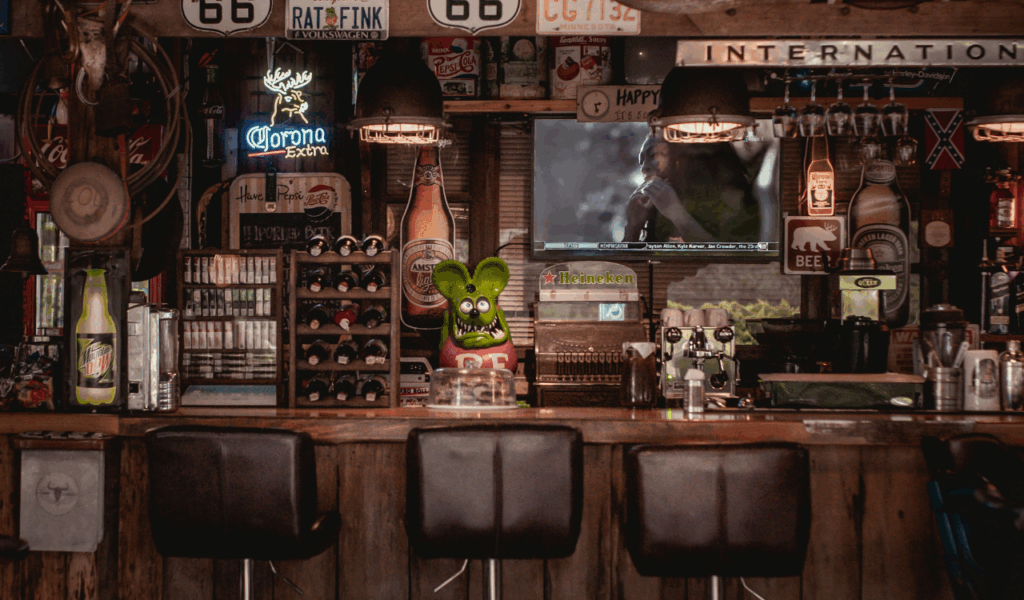
A lot of New Year’s styling trends were based on viral room layouts, which made homes look almost the same. Copying layouts without changing them to fit your own habits can make things flow awkwardly, even though they seem good. Putting furniture in one room may not work in another. When people decorate their homes to look good instead of being comfortable, they often give up comfort. Design decisions should be based on personal habits, room sizes, and lifestyle considerations. Without that change, spaces could look nice but not feel like they are used every day.
9. Decorative Pieces With No Personal Meaning
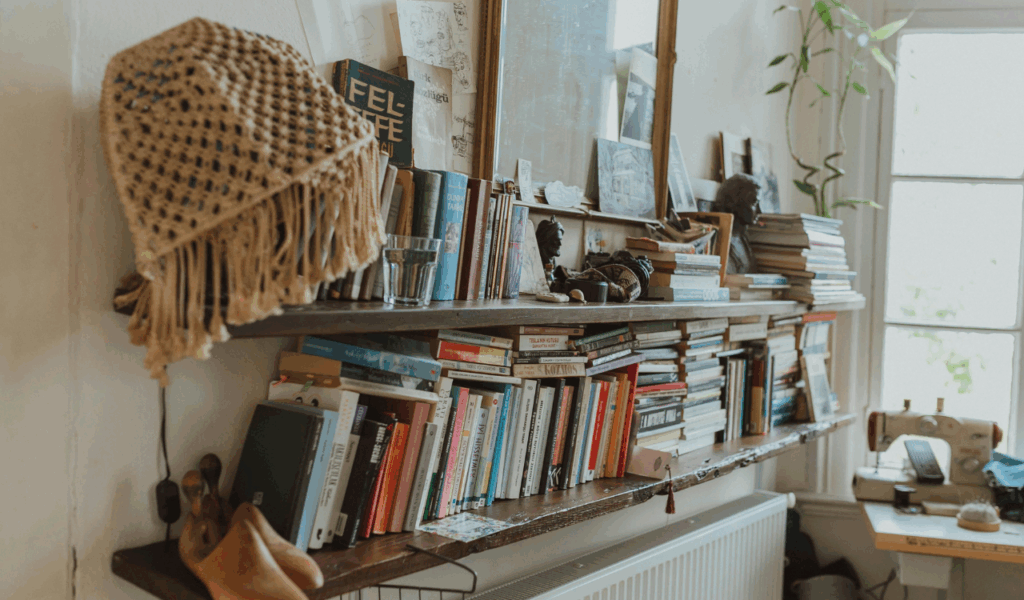
People sometimes chose decorative items for their New Year’s decorations only because they were in style, not because they meant something to them. Things that don’t have an emotional connection quickly fade into the background and lose their power. People might look at them for a moment, but they don’t start conversations or make people feel attached. Over time, this kind of decor doesn’t seem important anymore. When things in the house tell a narrative or remind you of something, it feels warmer. Styling that puts trend appeal ahead of personal meaning sometimes makes rooms look accomplished but feel empty.