13 Festive Treats That Felt More Decorative Than Delicious
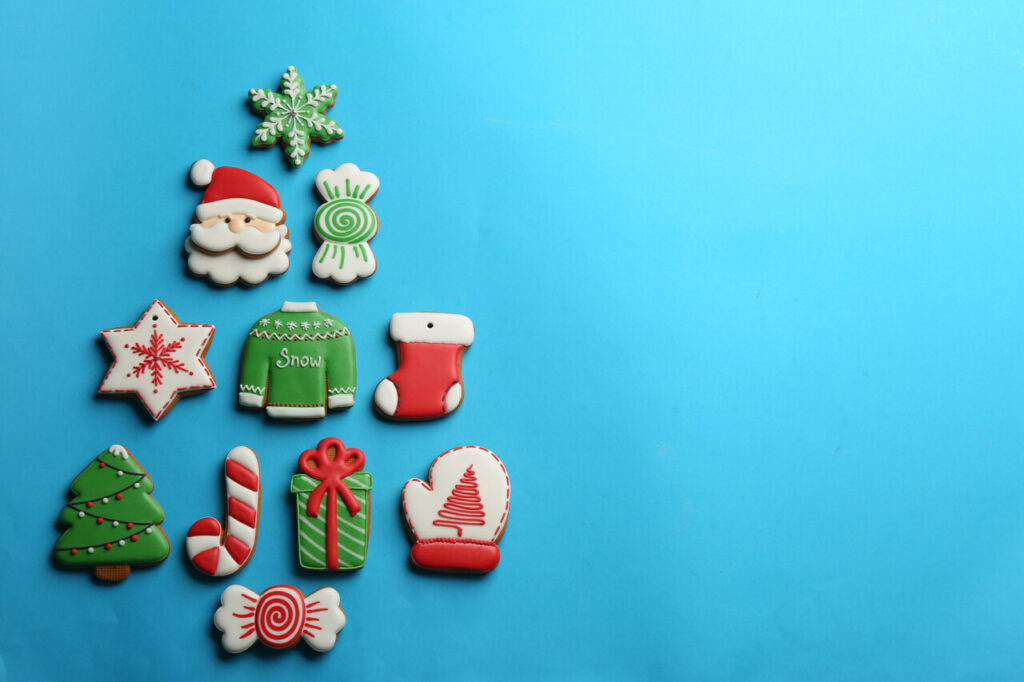
Holiday dessert tables are often built to impress before anyone even takes a bite. Bright colors, clever shapes, and playful themes make treats feel festive and photo-ready. The downside is that many of these desserts are designed more for display than for flavor. When recipes are chosen for how they look instead of how they taste, texture, and balance tend to suffer. Extra frosting, candy decorations, and sturdy structures may help treats hold their shape, but they also make them overly sweet or dry. Guests admire the creativity, sample a bite, and then quietly move on to simpler options that deliver better flavor. These festive treats brought plenty of visual cheer, but they did not always earn a spot on anyone’s must-eat list.
1. Tree-Shaped Sugar Cookies That Look Better Than They Taste
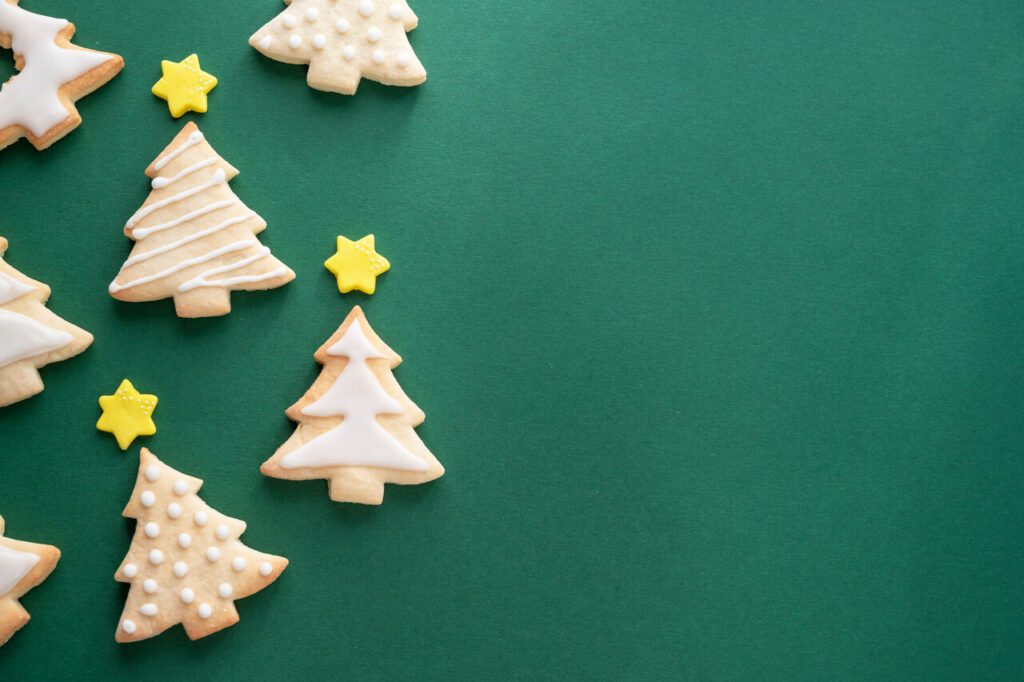
Tree-shaped sugar cookies are a holiday staple because they instantly signal the season. The trouble is that shaping and decorating often take priority over baking quality. To keep their sharp edges, dough is usually rolled thick and baked longer, which can lead to dry centers. Heavy icing adds sweetness but not much flavor, and once the cookies sit out, they lose any remaining softness. Many bakers also rush batches to keep up with party prep, which increases the chance of overbaking. Guests admire the colors and neat outlines, but after one polite bite, most move on to something with richer flavor or softer texture. These cookies do their job as decoration, but they rarely become the treat people go back for.
2. Ornament Cake Pops That Trade Flavor for Appearance
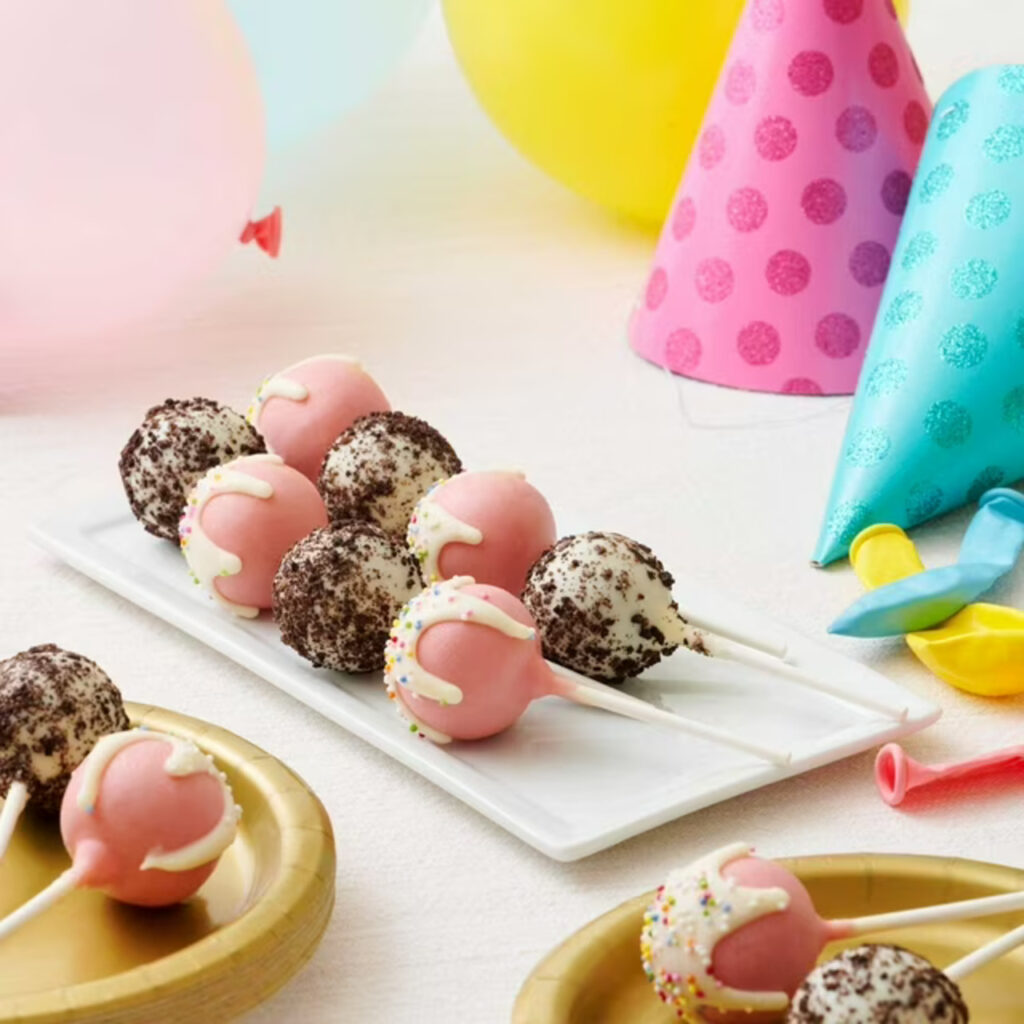
Cake pops shaped like shiny ornaments are visually impressive, but they often sacrifice texture and balance. To hold their shape, cake is mixed heavily with frosting, creating a dense, overly sweet interior. The thick candy coating adds another layer of sugar and can overpower whatever cake flavor is inside. Because they are small, bakers tend to focus on looks rather than flavor complexity. Sitting out at room temperature also affects texture, making them feel heavy instead of light. People enjoy holding them and snapping photos, but few reach for a second one. The design does all the work while the eating experience feels secondary.
3. Holiday Cupcakes Covered in Decorative Toppers
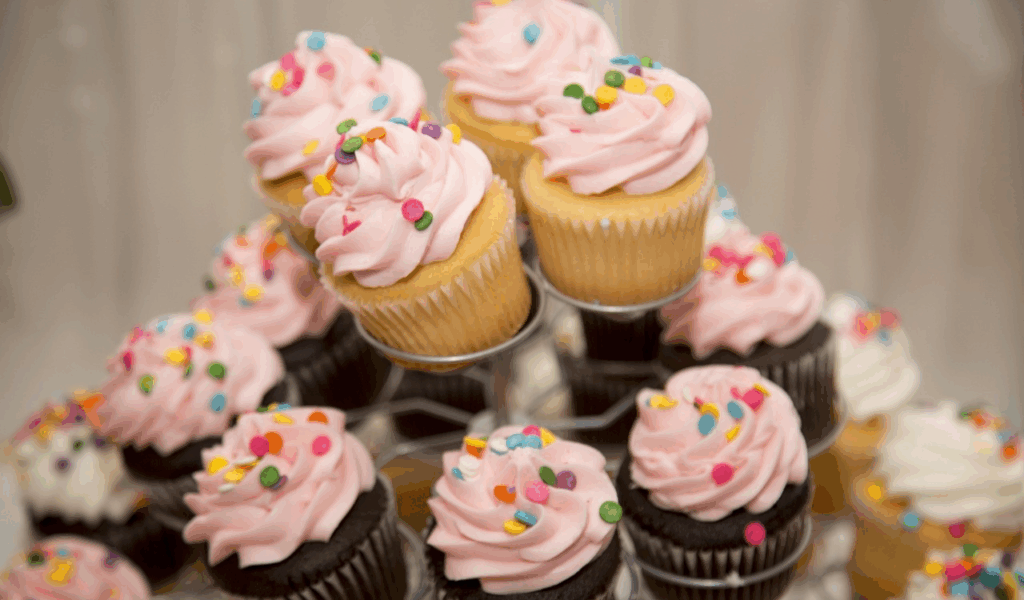
Cupcakes dressed with plastic toppers, sugar trees, or fondant figures can look like mini centerpieces on a dessert table. Unfortunately, the focus on decoration often means the cake itself gets less attention. Cupcakes can dry out quickly, especially if they are baked in advance and stored for parties. Frosting is often piled high to support decorations, which makes the balance between cake and topping uneven. Guests usually remove the topper and scrape off some frosting before eating, which says a lot about where the appeal really lies. The cupcake becomes a holder for décor rather than a standout dessert.
4. Gingerbread Houses That Serve More as Displays Than Desserts
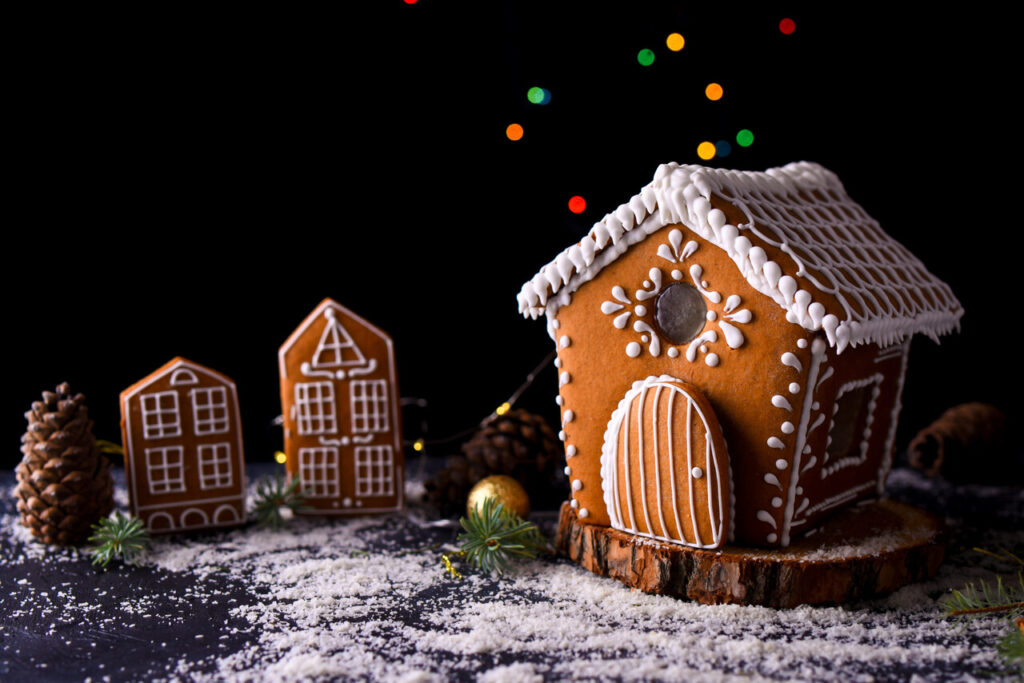
Gingerbread houses are meant to be admired first and eaten later, which already puts them at a disadvantage as food. The gingerbread itself is baked hard to support walls and roofs, so it is rarely soft or pleasant to chew. Royal icing dries stiff and chalky, serving as glue rather than a tasty element. Candy decorations attract attention, but they are usually eaten separately from the structure. By the time anyone considers breaking into the house, it has often been sitting out for days, making the gingerbread even tougher. It becomes a craft project that happens to be edible rather than a dessert people actively enjoy.
5. Candy Cane Bark That Becomes Too Sweet to Finish
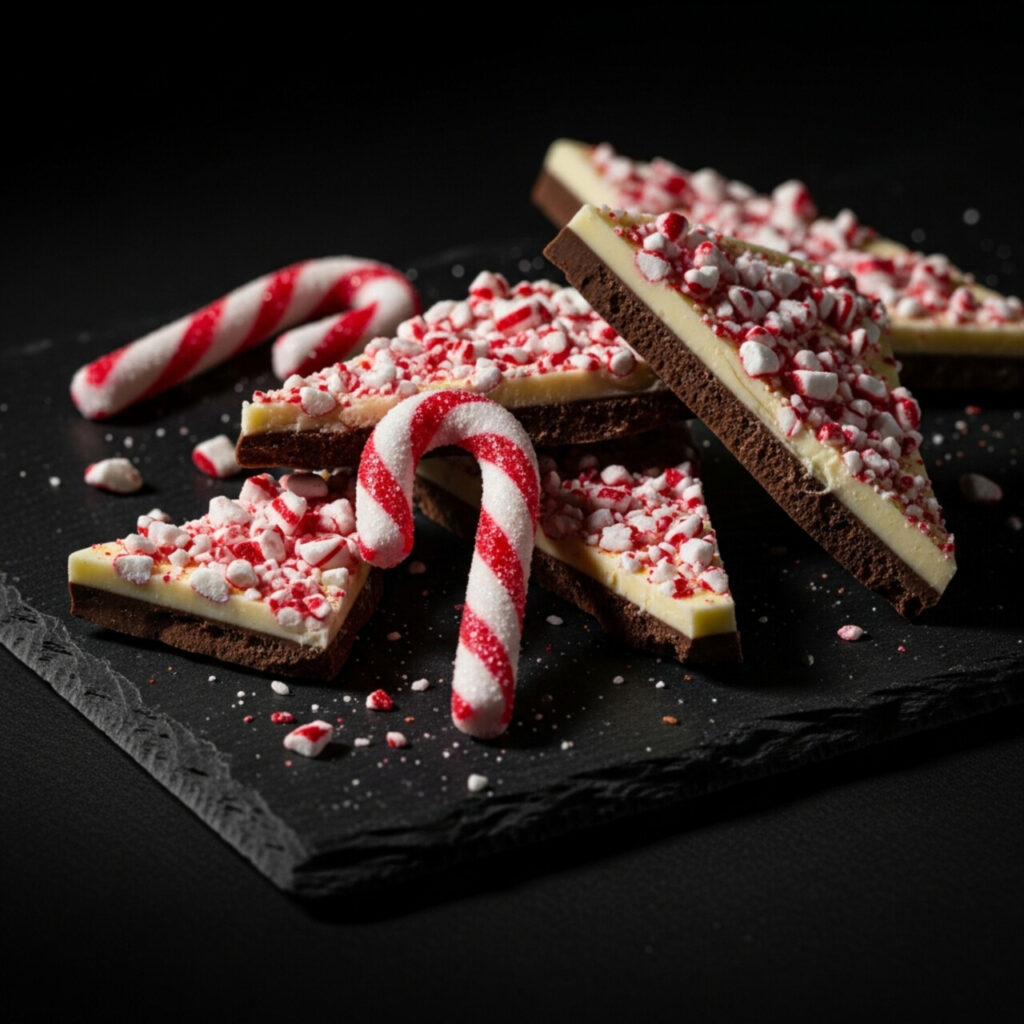
Candy cane bark looks festive with its red and white contrast, but the flavor balance is tricky. White chocolate is already very sweet, and crushed peppermint adds sharpness without much depth. After a few bites, the combination can feel overwhelming. Texture can also be an issue since thick chocolate layers become hard and brittle when cold. Guests often break off small pieces, enjoy the crunch, and stop there. It is eye catching on trays, but rarely disappears the way classic cookies or fudge do. The visual punch outweighs the eating experience.
6. Frosted Pretzels That Prioritize Looks Over Balance
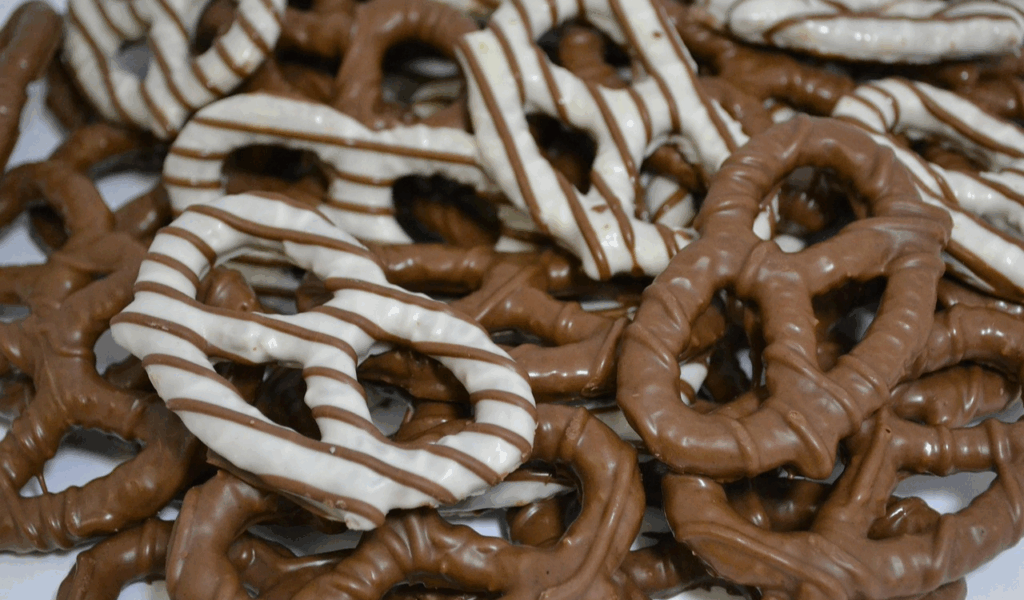
Chocolate or yogurt dipped pretzels decorated with sprinkles are popular because they are fast to make and photograph well. The problem is that thick coatings dull the salty crunch that makes pretzels appealing in the first place. Once covered, they taste more like candy than a sweet and salty snack. The coating can also harden unevenly, making them awkward to bite into. Sprinkles add color but little flavor. Guests enjoy the first bite for contrast, but most do not finish more than one. The design carries the appeal while the flavor fades quickly.
7. Holiday Shaped Rice Cereal Treats That Stay Basic Underneath
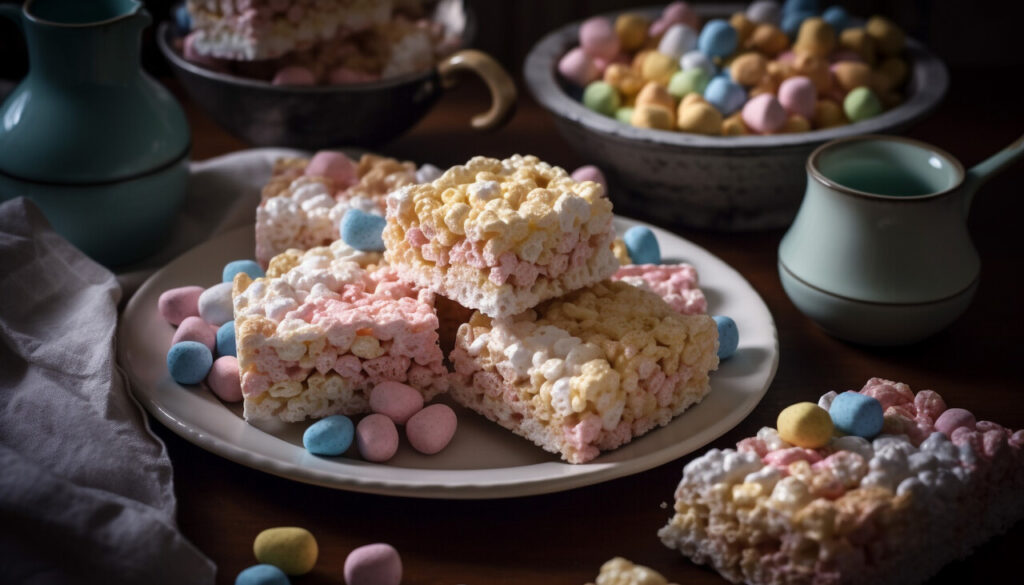
Cutting rice cereal treats into stars, trees, or snowmen makes them look festive, but the base recipe stays the same. Marshmallow and cereal deliver familiar sweetness and chew, but there is little variation in taste. Food coloring and frosting add decoration without improving flavor. Because they are pressed into molds or shapes, they can become denser than the loose bars people enjoy. After the novelty wears off, guests realize they are eating the same treat they have had at many other events. The shape gets attention, but the flavor does not surprise anyone.
8. Snowman Marshmallow Pops That Are Mostly Just Sugar
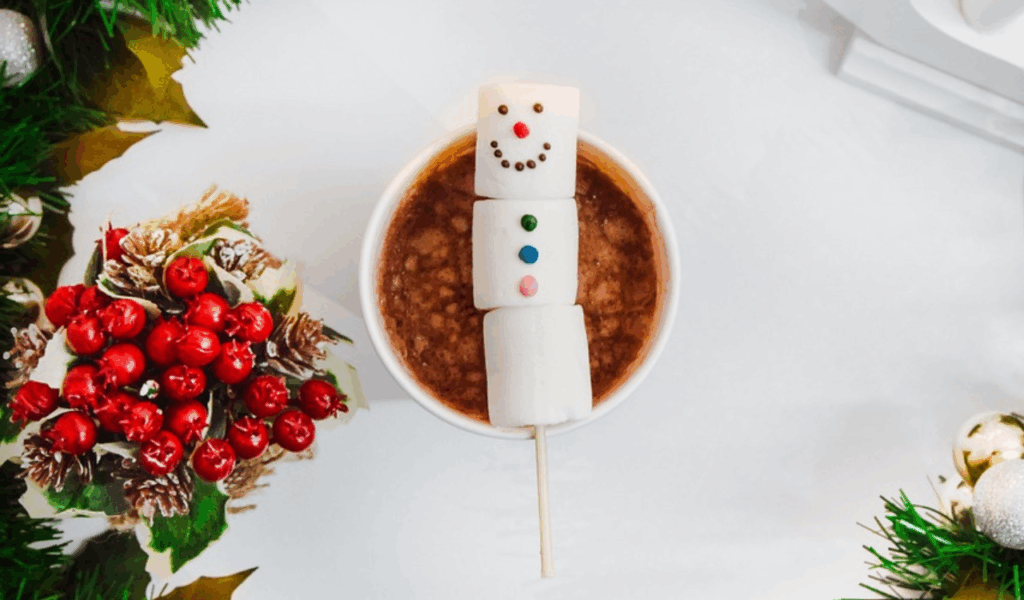
Marshmallow pops decorated like snowmen are cute and easy for kids to recognize, but they offer almost no flavor variety. Marshmallows are soft and sweet, and any added candy details are usually sugar on sugar. There is little texture contrast and no richness to balance the sweetness. Because they are light and airy, people finish them quickly without feeling satisfied. They function more like edible decorations than real desserts. Adults often skip them altogether, leaving them mainly as visual fillers on dessert tables.
9. Peppermint White Chocolate Truffles That Feel One Note
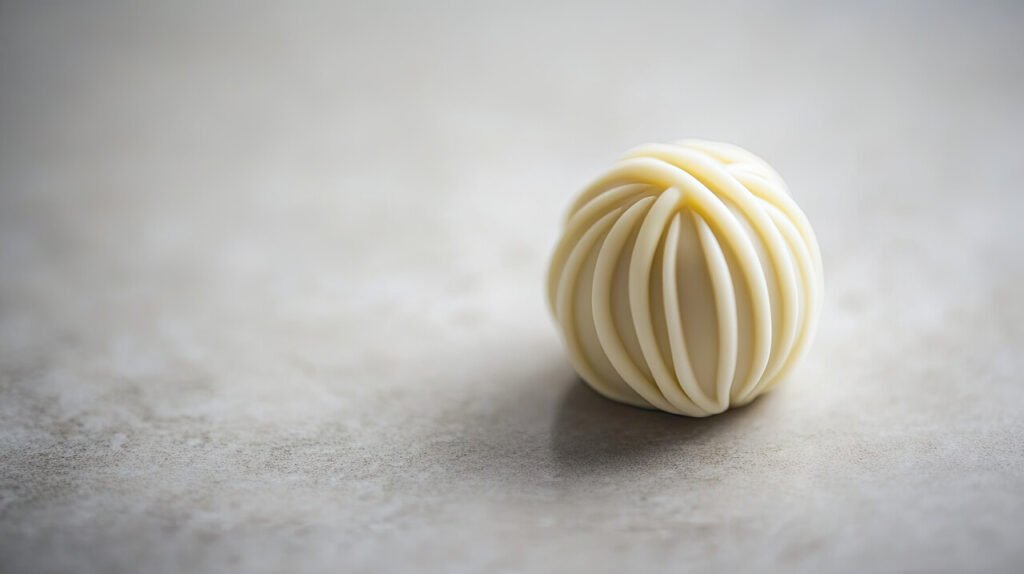
White chocolate truffles flavored with peppermint look elegant when rolled and decorated, but the flavor profile is narrow. White chocolate lacks the bitterness that balances sweetness in dark chocolate, so peppermint becomes the main contrast. The result is rich but flat, with little depth. The creamy center can feel heavy after just one bite. Guests may appreciate the smooth texture but often stop after sampling. Compared to classic chocolate truffles with layered flavors, these versions rely more on seasonal appeal than on lasting enjoyment.
10. Christmas Tree Brownies That Hide Baking Flaws Under Frosting
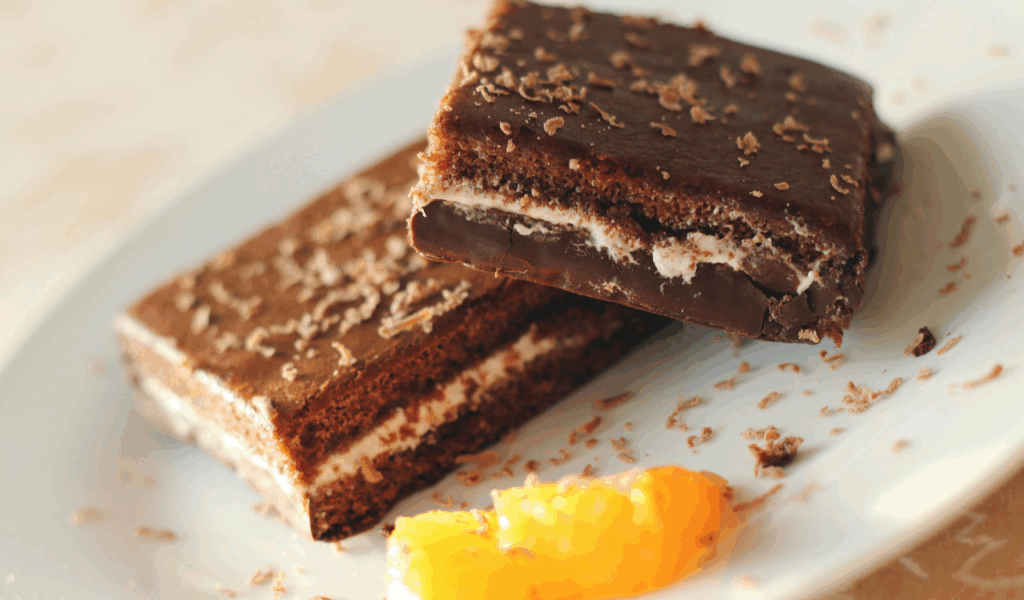
Brownies cut into tree shapes and topped with green frosting look playful, but cutting and decorating can mask issues in the bake itself. Brownies may dry out at the edges or stay undercooked in the center, especially when large batches are rushed. Thick frosting covers uneven surfaces and adds sweetness without improving texture. The decorative focus can distract from the fact that the brownie base is ordinary or inconsistent. Guests enjoy the look and take a bite, but they rarely comment on the flavor. The design becomes the highlight, not the dessert.
11. Sugar Cookie Bars With Heavy Layers of Icing
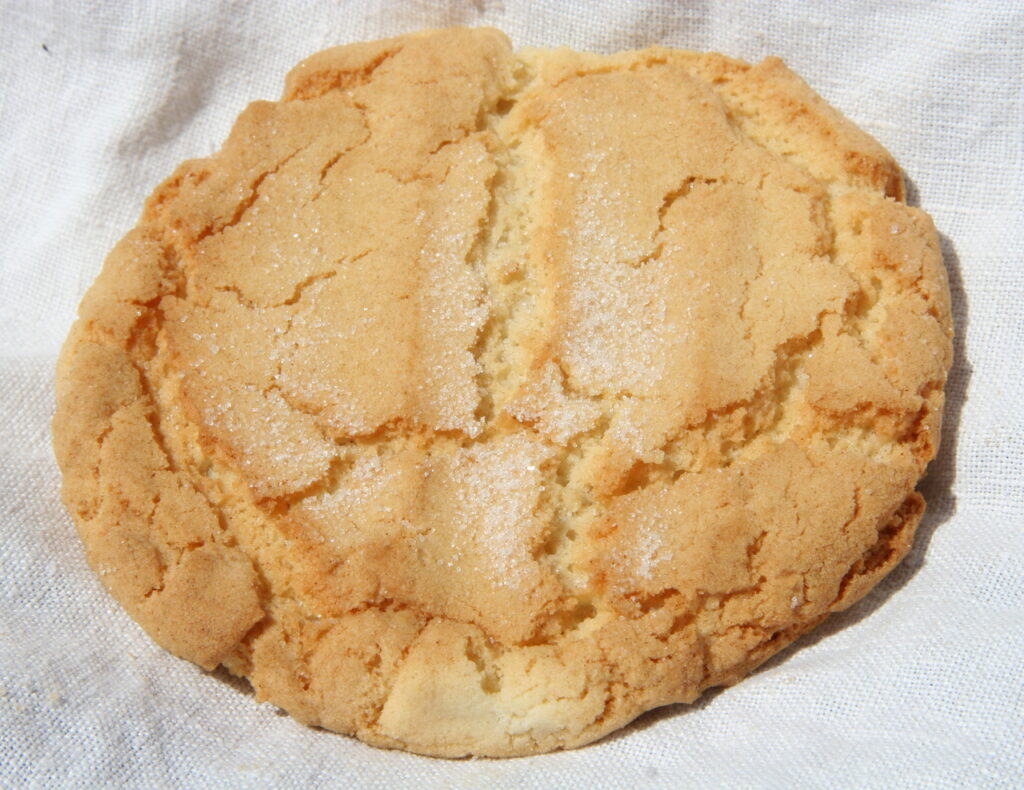
Sugar cookie bars with colorful frosting layers are designed to be bright and fun, but they often cross into overly sweet territory. Thick icing overwhelms the mild cookie base, making each bite taste mostly like sugar. Bars are usually cut into large squares, which can feel heavy after just a few bites. Because they are soft and sticky, they can also feel messy to eat at parties. Guests may take small bites and leave the rest on plates. The bars look festive in stacks, but they are not the first thing people reach for when choosing a second dessert.
12. Reindeer Cereal Clusters That Are Cute but Lacking Contrast
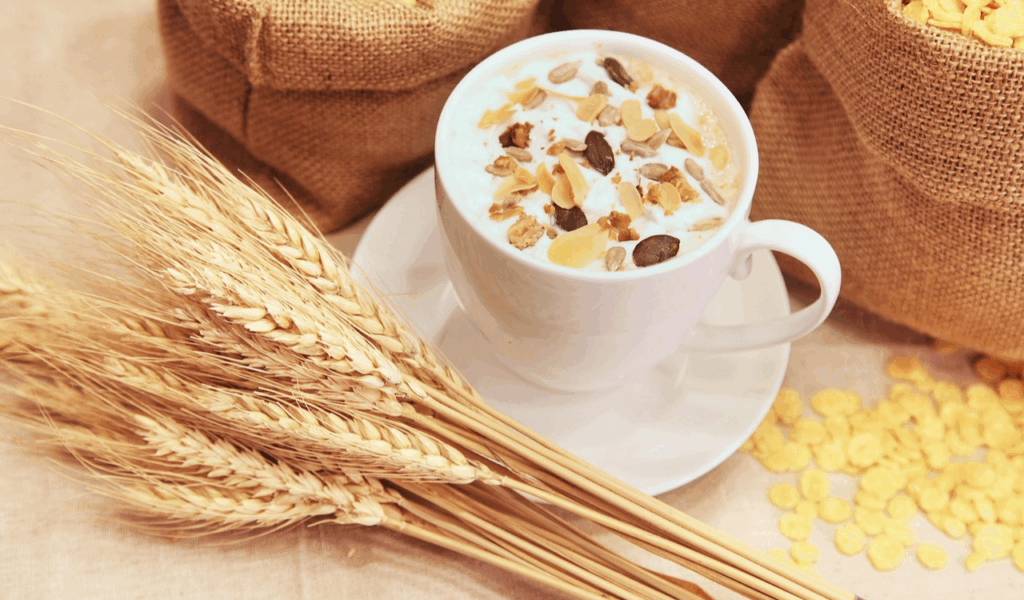
Cereal clusters shaped like reindeer faces rely on marshmallow to hold everything together, which creates a sticky and uniform texture. Candy eyes and noses add charm but not much flavor. Without contrast from nuts, chocolate, or spices, the taste remains very basic. The clusters are fun to assemble and display, especially for kids, but adults often find them too sweet and simple. They fill space on trays and attract attention, but they do not deliver the kind of layered flavor that makes a treat memorable.
13. Festive Gelatin Cups That Impress Visually but Not on the Palate
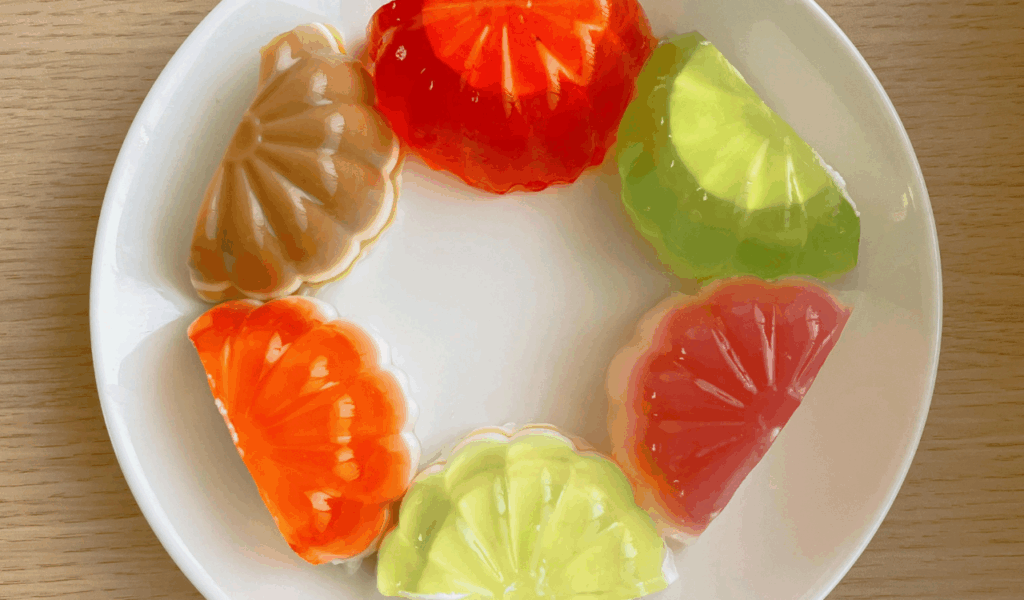
Layered gelatin cups with bright colors and candy toppings look impressive, especially when arranged in clear cups. The visual effect suggests complexity, but the flavor is usually just variations of sweet fruit. Texture stays the same from top to bottom, offering little interest beyond the jiggle. Candy pieces can sink or soften, making them less appealing to eat. While kids may enjoy the novelty, many guests leave them untouched once the initial excitement fades. They succeed as visual accents but rarely compete with baked desserts when it comes to actual enjoyment.