9 Cheap Décor Materials Masquerading as High-End
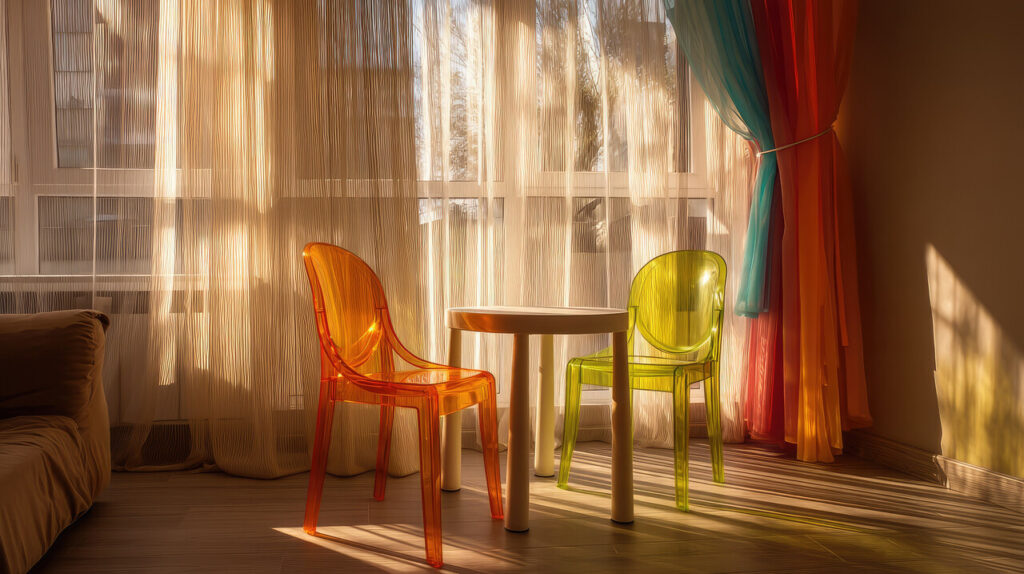
Not everything that looks expensive actually is. Many popular décor materials are designed to imitate luxury finishes, but in real homes, they often fall short. What photographs beautifully can reveal its shortcuts quickly through wear, texture, and durability. Homeowners are increasingly realizing that some budget-friendly choices don’t just save money, they actively cheapen a space over time. Knowing which materials age poorly helps avoid designs that feel dated, disposable, or flat far sooner than expected.
1. Laminate That Mimics Wood Grain
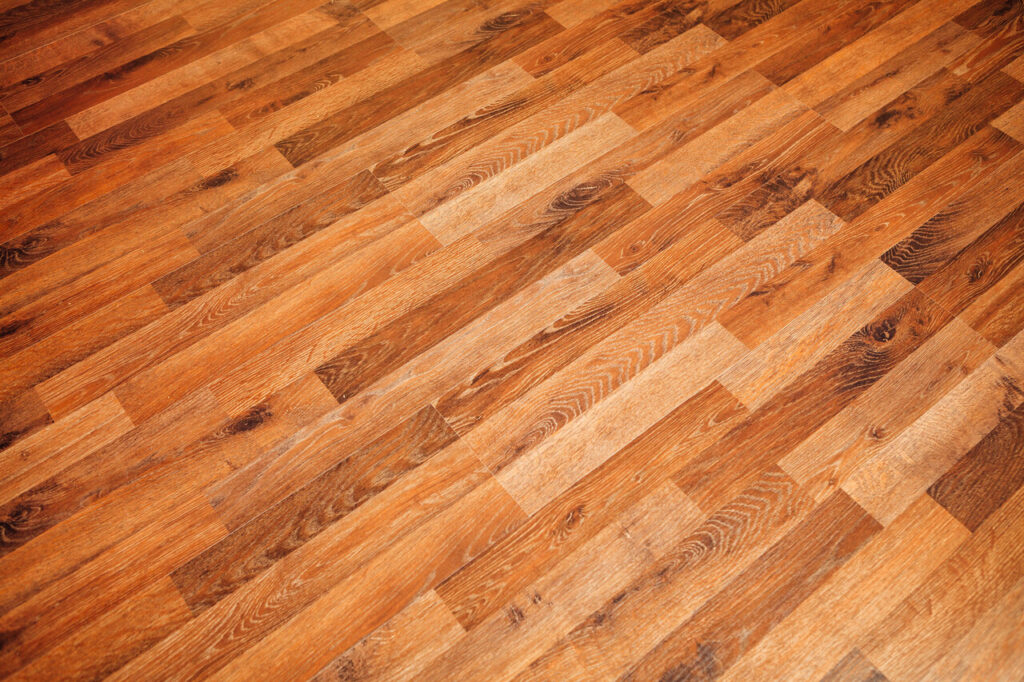
Laminate flooring and furniture gained popularity because they promise the warmth of wood without the price tag. The problem shows up once you live with it. Unlike real wood, laminate repeats grain patterns in obvious ways, which makes rooms feel artificial over time. It also lacks depth. When light hits real wood, it reveals subtle variation and texture that laminate simply cannot replicate. Practical issues pile on quickly. Edges swell when exposed to moisture, chips reveal the composite core, and scratches cannot be refinished. Homeowners often realize that while laminate photographs well, it fails to age gracefully.
2. Faux Marble Surfaces
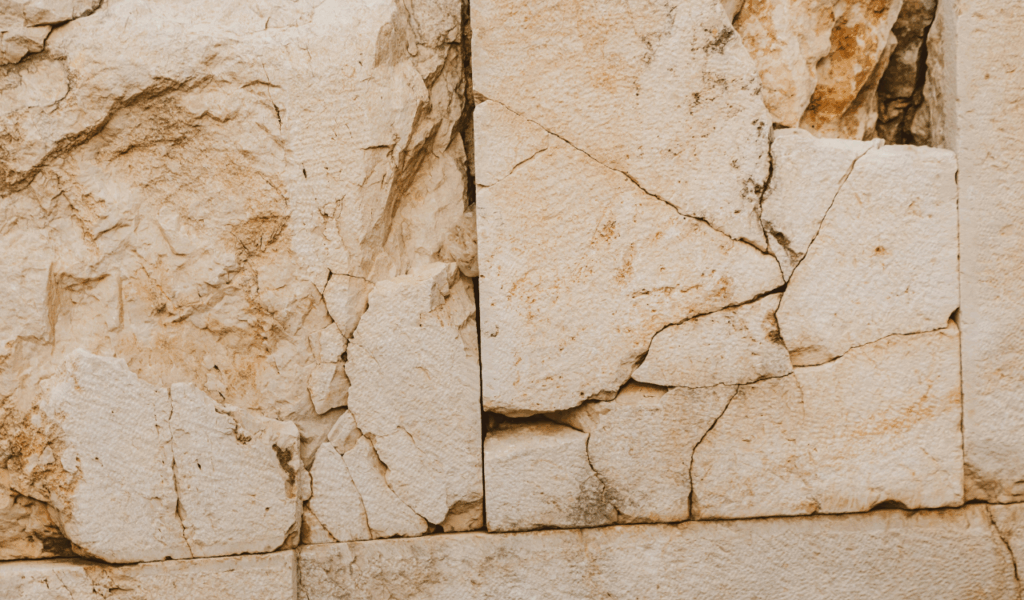
Faux marble countertops and tables try to borrow the prestige of stone without the weight or expense. At first glance, the veining can look convincing. Over time, the illusion fades. Printed patterns tend to repeat, which the eye eventually catches. Real marble varies naturally, while faux versions feel flat and uniform. Durability is another issue. Resin and composite marble stain easily and scratch more than expected. Heat resistance is limited, which surprises many homeowners who assumed marble look meant marble performance. Instead of feeling timeless, faux marble often locks a space into a very specific moment in design, one that quickly feels dated once the finish starts to show wear.
3. Mirror Film and Reflective Stickers
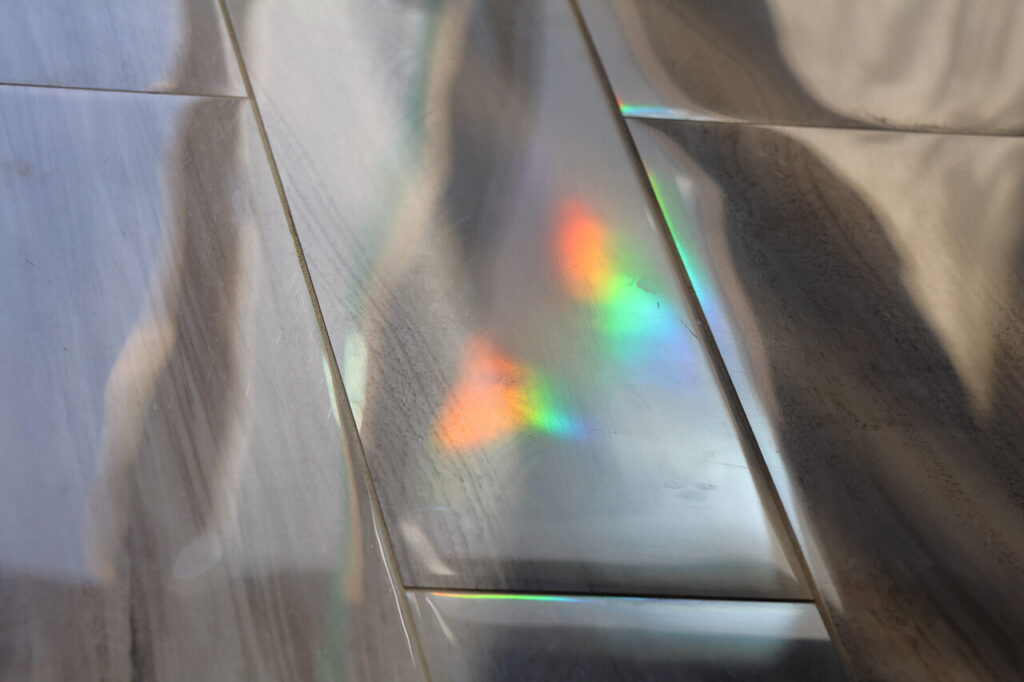
Mirror film is marketed as an instant upgrade, promising glamour without renovation. In practice, it rarely delivers. The reflective surface distorts slightly, which becomes noticeable in natural light. Edges peel, bubbles form, and seams catch the eye. Unlike real mirrors, these films lack weight and clarity, so reflections feel dull or warped. Cleaning becomes a challenge since aggressive wiping can damage the surface. What starts as a sleek accent often ends up looking temporary or unfinished. Instead of adding light and depth, mirror film frequently highlights corners being cut, especially in rooms where authentic materials would make a stronger, more lasting impact.
4. Peel and Stick Tile Imitations
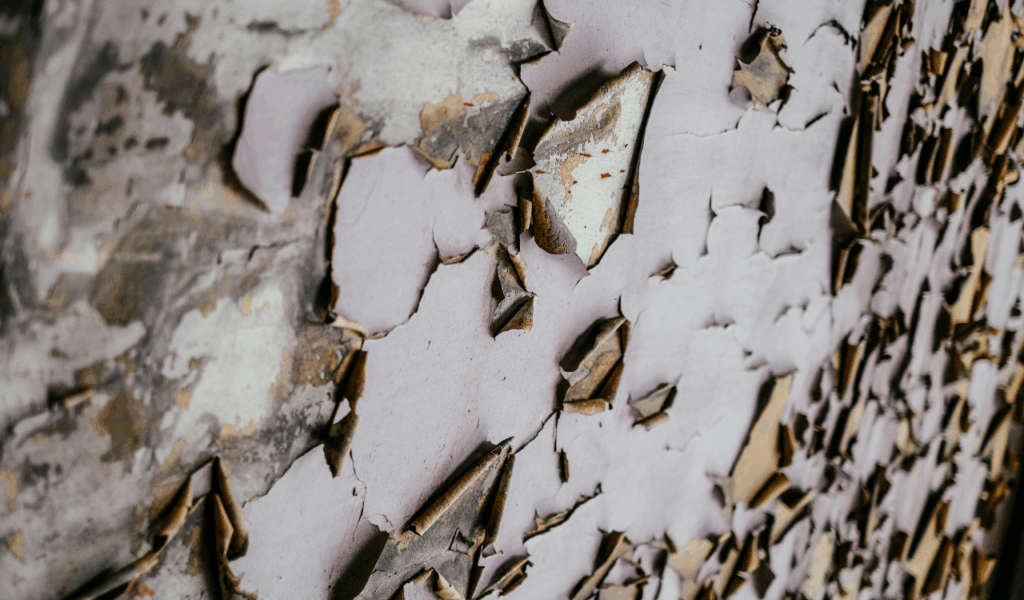
Peel-and-stick tiles appeal to renters and budget decorators because they promise transformation without commitment. The issue is scale and realism. These tiles often lack thickness, grout depth, and surface variation. When installed, seams are more visible than expected, and corners lift with humidity or temperature changes. In kitchens and bathrooms, moisture shortens their lifespan even further. While they can serve as a temporary solution, they rarely hold up visually. Over time, they make a space feel more like a short term workaround than a finished room. Instead of elevating design, they often draw attention to the absence of real materials.
5. Thin Metal Foil Finishes
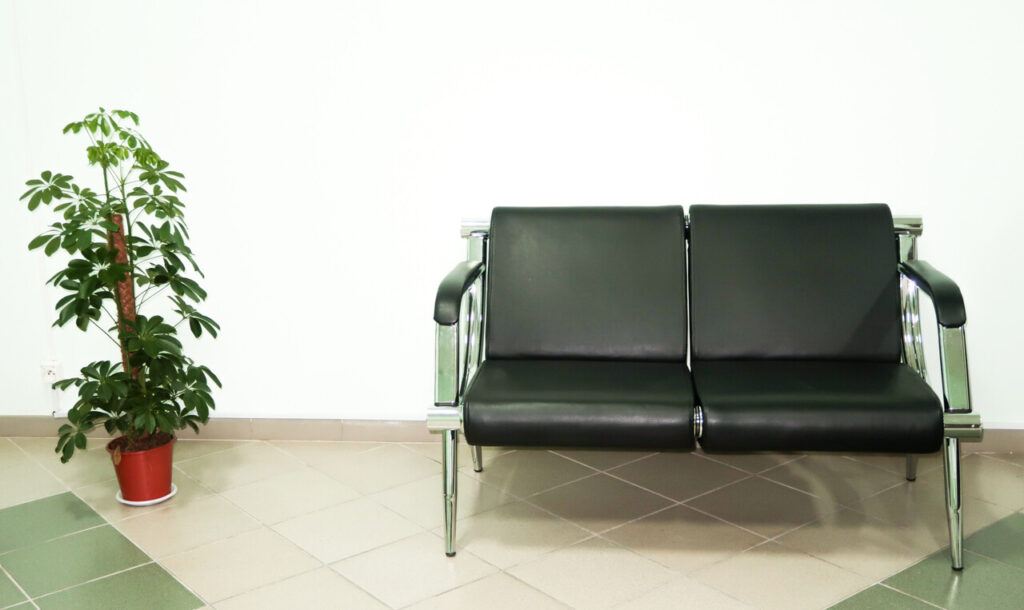
Furniture and decor wrapped in metal foil try to capture the appeal of brass, bronze, or steel without the cost. The problem is durability. Foil dents easily, scratches reveal the base underneath, and edges peel with regular use. Unlike solid metal, foil lacks weight and temperature response, so it never feels authentic to the touch. Visually, the shine can look harsh rather than refined. Over time, these pieces tend to age unevenly, developing scuffs that cannot be polished away. Instead of developing character, they degrade. What was meant to feel luxe ends up reading as disposable.
6. Acrylic Pieces Sold as Crystal
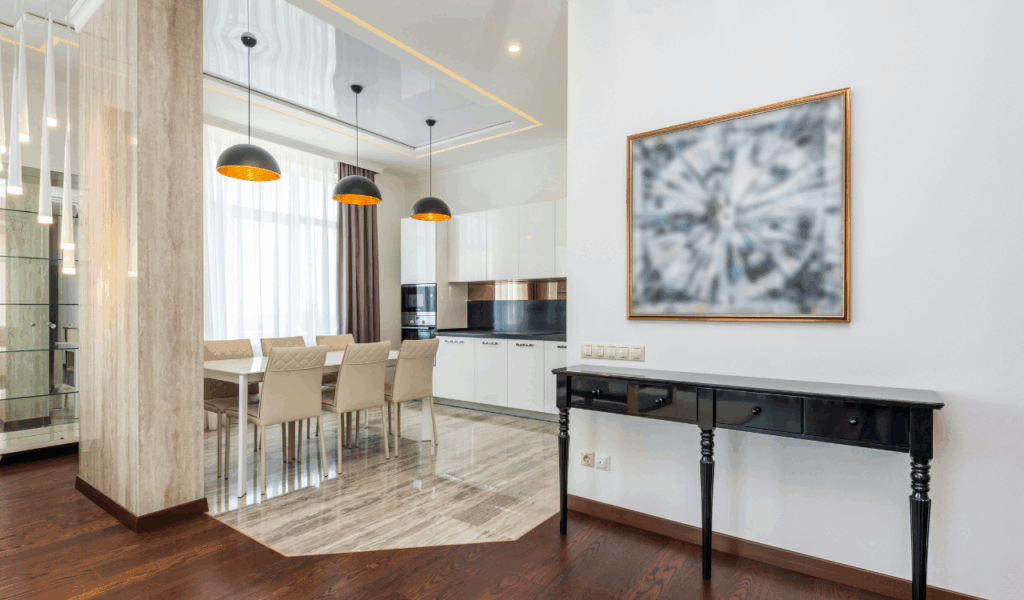
Acrylic vases, trays, and lighting are often marketed as crystal alternatives. In controlled lighting or styled photos, they can sparkle. In everyday use, their limitations become clear. Acrylic scratches easily, attracting dust and fingerprints. Edges lack the crispness of cut glass, and the material feels lightweight in a way that undermines its supposed elegance. Over time, clarity dulls, especially when exposed to sunlight. Rather than feeling refined, acrylic pieces often start to resemble novelty items. Homeowners expecting long-term sophistication are usually disappointed once the initial shine wears off.
7. Printed Rugs With No Texture
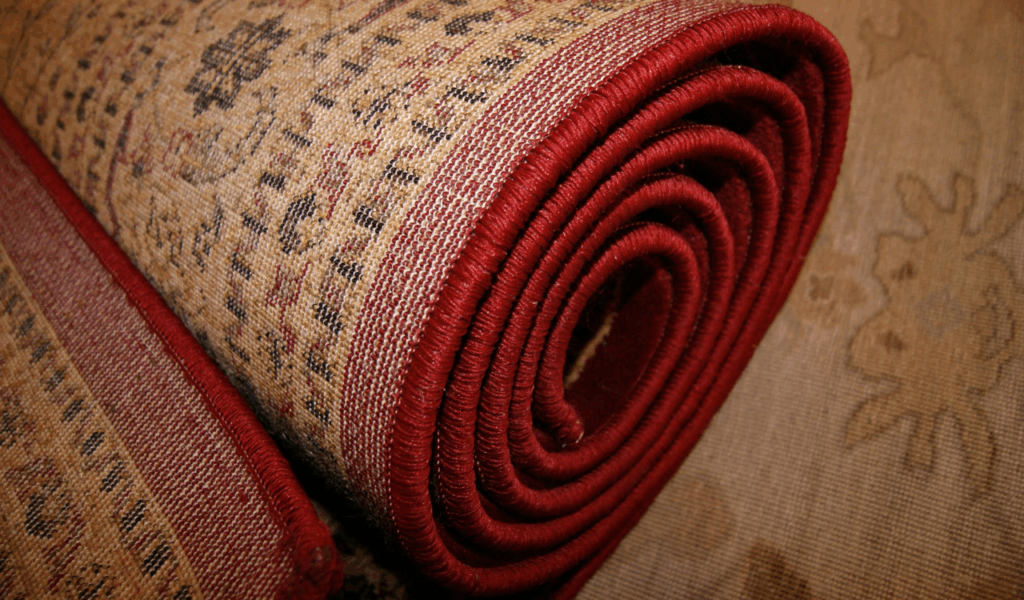
Some budget rugs rely entirely on printed designs to suggest richness. From a distance, the pattern can look intricate. Underfoot, the truth is immediate. These rugs feel flat, thin, and lack the tactile comfort people associate with quality textiles. Without pile variation or fiber depth, they fail to soften a room acoustically or physically. Wear patterns show quickly, especially in high-traffic areas. As colors fade unevenly, the rug starts to look tired rather than lived in. What was meant to ground a space ends up feeling like a surface-level solution that never truly integrates into the room.
8. Faux Leather Upholstery
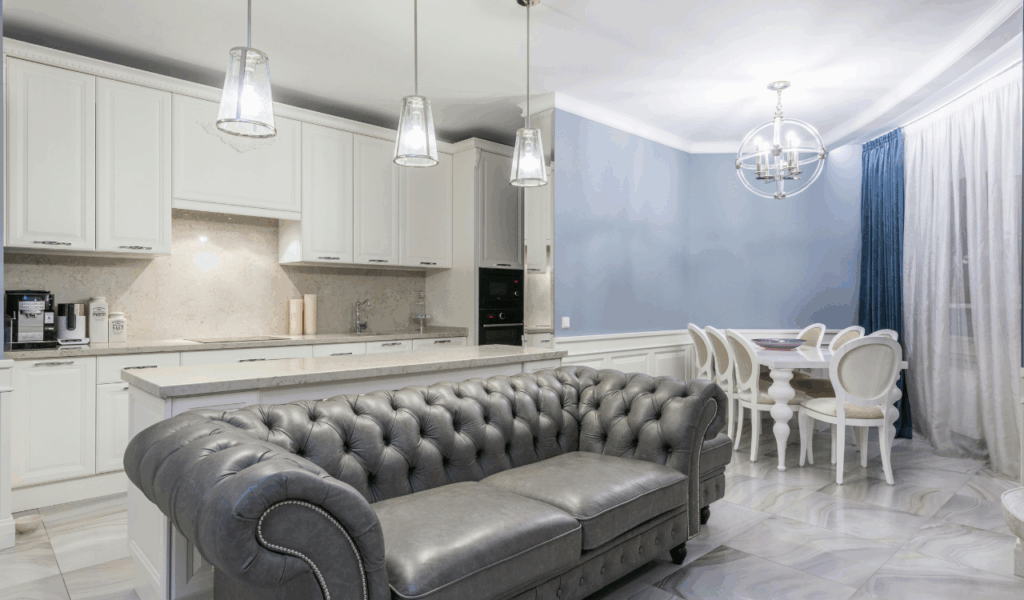
Faux leather seating is often chosen for its lower price and easy cleaning. The long-term trade-off is durability. Cheaper faux leather cracks, peels, and flakes as the surface coating breaks down. Temperature changes accelerate this process, making sofas and chairs uncomfortable in both heat and cold. Unlike real leather, which develops a patina, faux leather only deteriorates. Once damage begins, it spreads quickly and cannot be repaired. What initially looked sleek starts to feel worn and cheap far sooner than expected, forcing replacement instead of longevity.
9. Metallic Paint Used as a Stand-In for Hardware
Metallic paint is sometimes used to simulate brass or gold accents on furniture, frames, or walls. While it adds shine, it lacks dimension. Real metal reflects light unevenly, creating depth. Metallic paint reflects uniformly, which makes it appear flat and artificial. Chips and brush marks become visible over time, especially in high-touch areas. Instead of aging gracefully, painted metallics often highlight wear. Many homeowners eventually realize that fewer authentic metal accents would have been more effective than widespread imitation.