
8 Delivery App “Convenience Fees” Drivers Admit Are Pure Profit
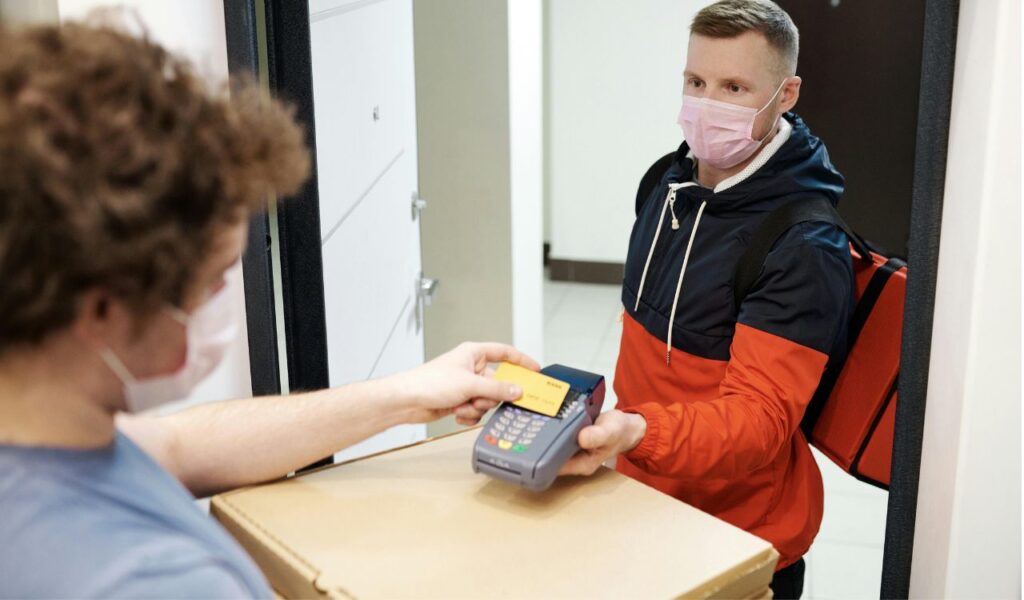
Delivery apps promise speed, convenience, and the joy of restaurant-quality meals at home, but the fees that appear on your receipt rarely tell the whole story. On average, customers pay about $7.50 per order in hidden fees, much of which goes directly to the platform rather than the driver. Industry analysts and drivers alike report that service charges, convenience fees, and other surcharges are designed to maximize profit, not reward the people actually delivering the food. Understanding these charges helps consumers see what they are truly paying for, while highlighting the gap between advertised convenience and driver compensation. Drivers share that the experience of navigating these fees is eye-opening, revealing how little of the total payment makes it into their pockets.
1. Service Fees (Percent-Based)

Service fees are often calculated as 15 percent or more of the order subtotal, giving platforms a consistent revenue stream while leaving drivers with only base pay and tips. Drivers note that even on large orders, these fees rarely influence their earnings, instead covering app operations like marketing, customer support, and technological infrastructure. For regular customers, the fee seems to justify app convenience, but delivery workers emphasize that it rarely translates into additional compensation for them. Experts suggest that understanding the breakdown of each charge can inform more equitable tipping practices or order choices.
Many drivers express frustration that service fees are perceived as directly supporting their work when, in reality, the platform captures most of the money. Analysts agree that these fees are profitable and predictable, forming a major part of app revenue models. For users who regularly order, the accumulated service fees represent hundreds of dollars per year flowing straight to the company, highlighting the financial imbalance between the platform’s gain and the driver’s actual pay.
2. Small Order Fees
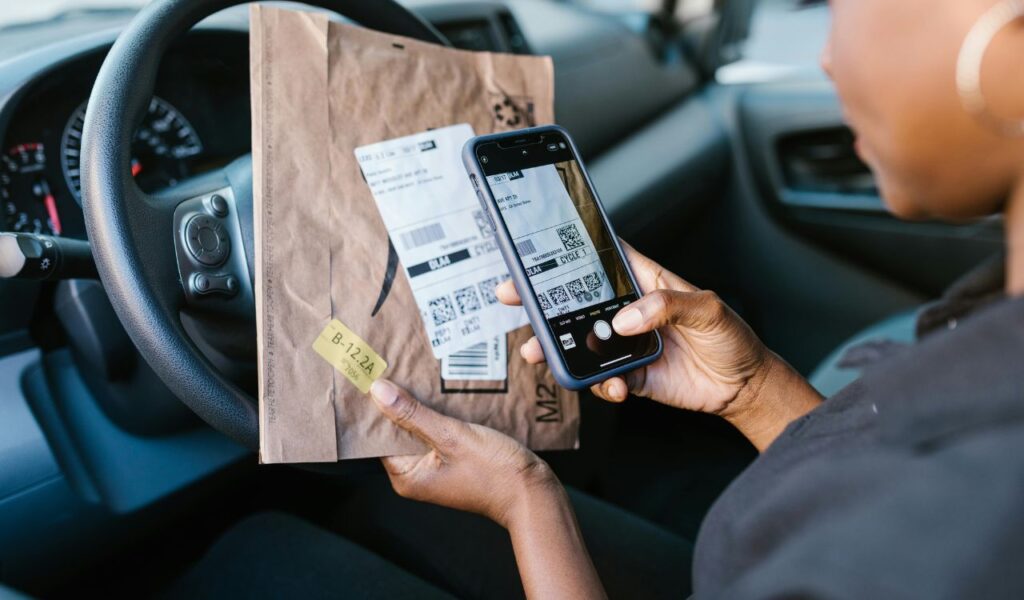
Small order fees are tacked onto purchases below a certain threshold, often around $10 or $12, typically costing the customer an extra $2 to $3. Delivery drivers report that while the fee is intended to make short trips worth their time, the platform often keeps the surcharge entirely. This leaves drivers with the same base pay they would have received without the extra charge. Analysts describe these fees as a way for apps to discourage low-value orders while increasing profit margins, all under the guise of “compensation for drivers.”
Homeowners and busy customers may not realize that ordering a small meal automatically triggers this hidden cost. Drivers note that the fee does nothing to ease their workload and sometimes complicates logistics, as short trips still require the same effort and travel time. Experts emphasize that recognizing how small order fees operate can help consumers make more informed decisions, while drivers advocate for greater transparency so the fee benefits the intended workers rather than just the platform.
3. Convenience Fees

Convenience fees are often added in place of, or alongside, the standard delivery fee, theoretically covering the ease of online payment and app usage. Drivers report that these charges rarely boost their earnings and mostly contribute to the company’s profit. Analysts highlight that these fees are especially profitable during peak hours or promotions, when order volume is high, but driver pay remains largely static. Customers typically view convenience fees as a small, justifiable cost for a seamless experience, unaware that most of the money never reaches the person making the delivery.
While marketing portrays convenience fees as necessary for service quality, drivers reveal that the reality is quite different. Many say the fee has little to no impact on their base pay, and sometimes creates confusion for customers who believe it rewards labor. Industry observers suggest that platforms have perfected these hidden revenue streams, extracting maximum profit while maintaining the appearance of fairness and transparency, leaving drivers to manage the real work without proportional compensation.
4. Long Distance Fees

Long-distance or “extra mileage” fees are meant to compensate drivers for delivering to farther locations, but the actual pay increase is often minimal. Drivers report that the platform frequently retains up to 80 percent of these fees, meaning that a triple-distance charge benefits the company far more than the delivery person. Analysts explain that this disparity is particularly pronounced in suburban or spread-out cities, where customers pay significantly more for the convenience of having food delivered to their door.
For drivers, longer trips involve more time, fuel, and wear on vehicles, yet the base payout remains nearly the same as a standard delivery. Consumers may assume the additional charge ensures better compensation for workers, but industry insiders stress that the reality is very different. This fee structure illustrates how apps leverage the promise of fairness to justify higher customer charges while maximizing platform profit, often at the expense of the very workers whose labor enables the service.
5. Surge Pricing Fees

Surge pricing is intended to balance supply and demand, increasing fees when order volume is high to keep drivers on the road. Drivers reveal, however, that much of the additional revenue generated during these peak periods is retained by the platform rather than passed on proportionally. Analysts explain that while surge pricing ensures orders are fulfilled quickly, it primarily inflates the app’s bottom line. Customers often accept the higher cost as a fair incentive for faster delivery, but the reality is that driver compensation rarely reflects the spike in fees.
Experienced delivery workers report that peak-time orders still pay the same base rate, leaving them to navigate longer distances or heavy traffic without a significant increase in income. Industry professionals note that platforms capitalize on the perception of fairness, presenting surge fees as a reward for labor when they are largely profit-driven. This disconnect highlights how convenience and speed are monetized, often at the expense of drivers who provide the service.
6. Hidden Menu Markups
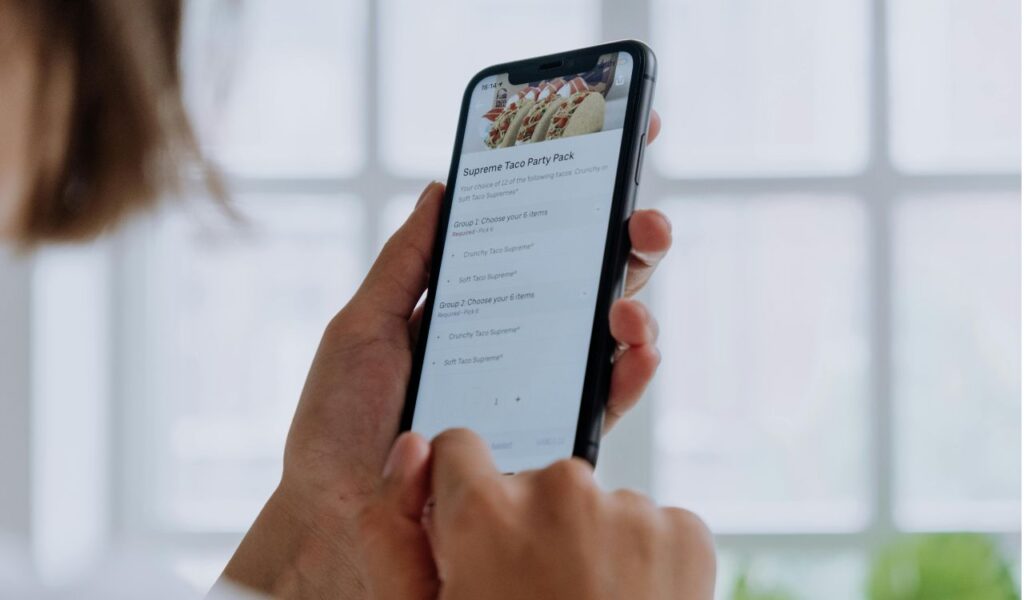
Many restaurants increase prices on delivery apps by 20 to 30 percent to cover commissions, effectively acting as hidden fees for customers. Drivers and analysts agree that these markups rarely benefit the person delivering the food, instead serving as an indirect profit generator for the platform. Homeowners may assume that the menu prices reflect the restaurant’s standard cost, unaware that the inflated amount compensates the app and its technology infrastructure rather than labor.
Drivers note that this practice can create friction with customers who feel they are overpaying for familiar dishes, yet have no visibility into how fees are allocated. Experts point out that while platforms market these prices as convenience-driven, the majority of the extra revenue contributes to corporate profit rather than enhancing delivery service. Understanding this dynamic reveals the complex fee structure that drives revenue at multiple levels while leaving drivers undercompensated.
7. Regulatory Response Fees
Some delivery apps add fees to offset costs associated with new local regulations, such as minimum wage laws, safety requirements, or labor ordinances. Drivers report that these charges are almost entirely retained by the platform and rarely result in increased pay. Analysts note that labeling them as regulatory fees gives an impression of fairness and transparency to consumers, even though the bulk of the money never reaches the workers responsible for fulfilling orders.
Homeowners often assume these fees are passed directly to drivers or cover new safety measures, but delivery professionals confirm that the additional charges are mostly absorbed by the company. Experts advise that while regulatory response fees appear minor individually, they accumulate over time and can contribute hundreds of dollars per regular customer each year. This structure highlights the subtle ways apps extract profit under the guise of compliance.
8. Subscription Program Costs
Programs such as DashPass or Uber One charge a monthly fee, typically $9.99, promising lower service or delivery fees to subscribers. Drivers and analysts report that these recurring fees generate pure profit for the platform, even during months when subscribers place few or no orders. While marketed as a benefit for users, the bulk of the subscription revenue does not increase driver pay. Drivers note that the base pay for each delivery remains largely unchanged, regardless of whether the customer has a subscription.
Industry experts point out that subscription models create predictable, recurring revenue streams while reinforcing the perception of value for consumers. Customers may enjoy slightly reduced delivery fees, but the monthly cost guarantees income for the company, independent of order volume. This system exemplifies how delivery platforms monetize convenience in multiple ways, ensuring steady profit while leaving the drivers who make the service possible with minimal gains.