
12 Popular Winter Comfort Foods Linked to High Sodium, Sugar, or Ultra-Processed Additives

Winter comfort foods have a way of wrapping you in nostalgia. They’re warm, familiar, and easy to reach for when the cold sets in. But here’s the thing. Many of the dishes we associate with cozy evenings or holiday gatherings are packed with sodium, sugar, or ultra-processed additives that quietly undermine their feel-good reputation. The issue isn’t that these foods are off-limits, but that their processed shortcuts and hidden ingredients can turn a simple winter habit into something heavier than expected. Looking closely at what goes into these favorites helps you enjoy them with clearer choices and fewer surprises.
1. Mac and Cheese: Comfort That Can Cost You in Salt and Additives
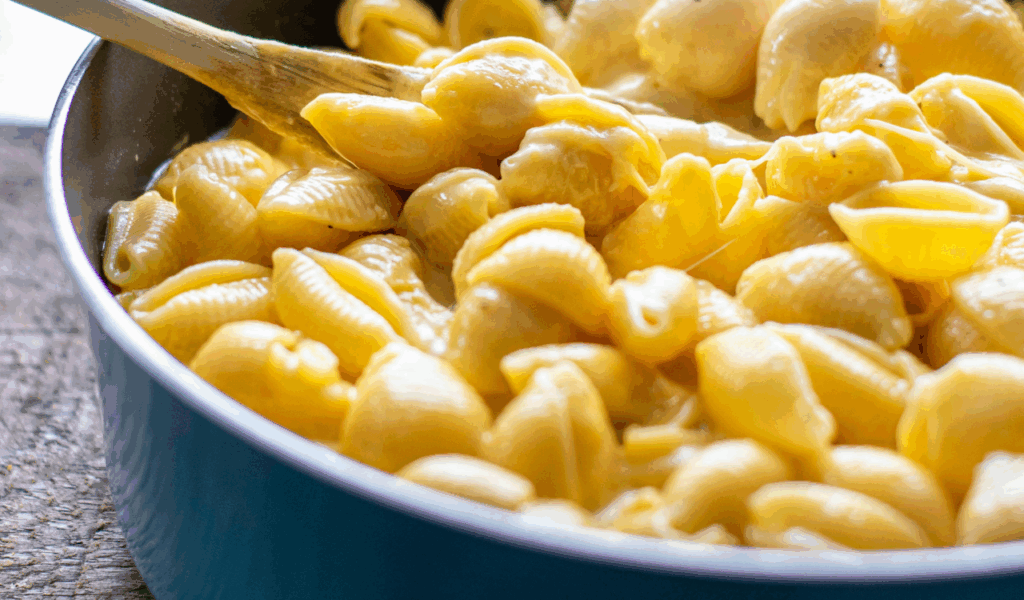
Mac and cheese is the childhood comfort food that adults still reach for on cold nights. The problem is how it’s often made. Boxed mixes and restaurant shortcut sauces rely on processed cheese powders, stabilizers, and a high dose of sodium to deliver that ultra-creamy, instantly satisfying texture. Even homemade versions made with preprocessed cheeses can carry high salt content and lots of saturated fat. Eating it occasionally is fine, but when mac and cheese becomes a weekly habit, it can quietly push your sodium and saturated fat intake higher than recommended.
2. Canned Soup and Instant Broths: The Fast Warmth That Hides A Salt Shock

There’s nothing wrong with wanting something warm and quick on a cold evening, and canned soups and instant broths answer that call. The tradeoff is that manufacturers often depend on salt and flavor enhancers to mask the lower quality of base ingredients. Sodium levels in a single can can approach or exceed an adult’s recommended daily limit, especially when consumed with bread or crackers. Making your own stock or choosing low-sodium labeled products, then adding a squeeze of lemon and fresh herbs, brings the same cozy result with far less hidden salt and fewer additives.
3. Frozen Pot Pies and Ready-Made Meals: Convenience with Processed Fillings

Frozen pot pies and ready meals are winter staples because they require almost no work and feel hearty. What they deliver most often is a tightly engineered product: thickened sauces based on starches, reconstituted vegetables, and processed meat components stabilized for long shelf life. Those formulations rely on higher levels of sodium, preservatives, emulsifiers and sometimes hydrogenated or highly refined fats to maintain texture after freezing and reheating. If you need the convenience, look for brands that list whole ingredients, check sodium per serving, and balance the meal with a side salad or steamed greens to boost fiber and nutrients.
4. Hot Chocolate and Sweetened Warm Beverages: Sugar, Not Just Comfort

A steaming mug of hot chocolate on a frosty evening feels like an instant mood lifter, but it is often a source of added sugars and high-calorie mixes. Ready-made powder blends and many café versions rely on sugar, nonfat milk solids, and flavor enhancers rather than pure cocoa, which increases both sugar and overall calorie content. Specialty winter drinks layered with whipped cream, flavored syrups, or condensed milk can turn a comforting ritual into a dessert-level indulgence. For a better balance, prepare hot chocolate from unsweetened cocoa and a touch of dark chocolate or natural sweetener, or use milk alternatives with lower sugar.
5. Chili Made With Processed Meats: Hearty but Heavy on Sodium and Nitrates
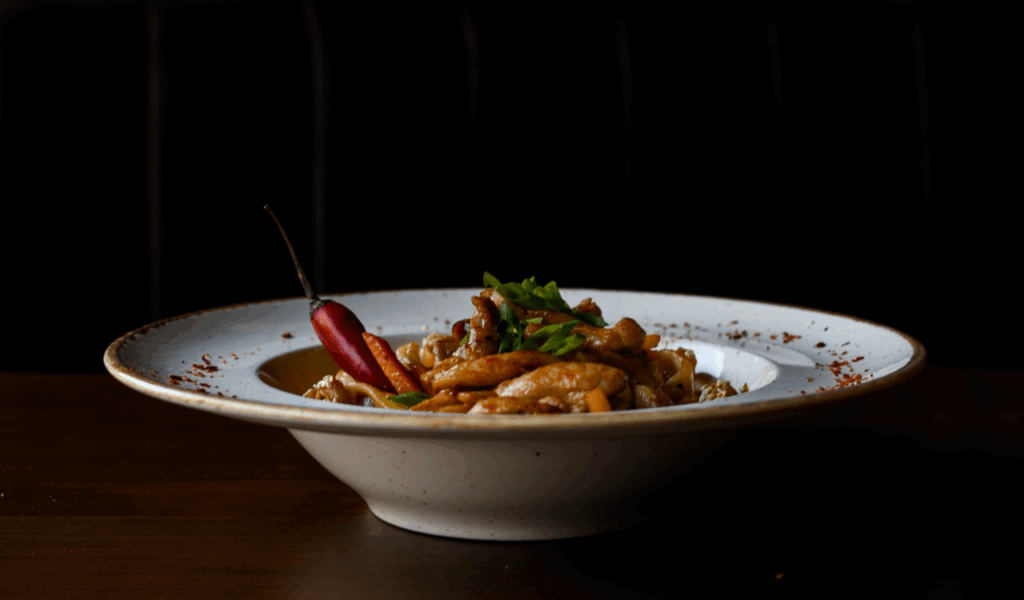
Chili is classic winter fare: filling, spicy and designed to warm you from the inside out. Trouble arises when the recipe leans on processed meats like cured sausages, preflavored ground blends, or boxed chili kits. Processed meats carry high sodium, nitrates, and other preservatives that both inflate the salt content and introduce additives linked to long-term health risks. Even canned beans and prepackaged spice mixes can contribute added sodium. You get the same bowl of comfort by starting with lean fresh beef, turkey or plant proteins, adding your own spice blend, and controlling salt.
6. Fried Winter Snacks: Deep-Fried Treats That Spike Refined Fats and Sugar

Winter street food often means battered, fried, sugared snacks, doughnuts, fritters, and beignets that promise immediate joy. Deep frying, especially in repeatedly used oil, elevates trans fats and oxidized lipids, which are far less healthy than fats from fresh cooking methods. Sweet glazes add a quick sugar rush on top of refined flour, creating a high glycemic load that hits the bloodstream fast. When you crave that crispy, warm bite, try baking with a touch of oil, using whole grain flours, and finishing with fruit compotes or smaller amounts of natural sweeteners to keep the pleasure without the processed overload.
7. Packaged Cookies, Cakes, and Pastries: Sugar, Refined Flour, Industrial Fats
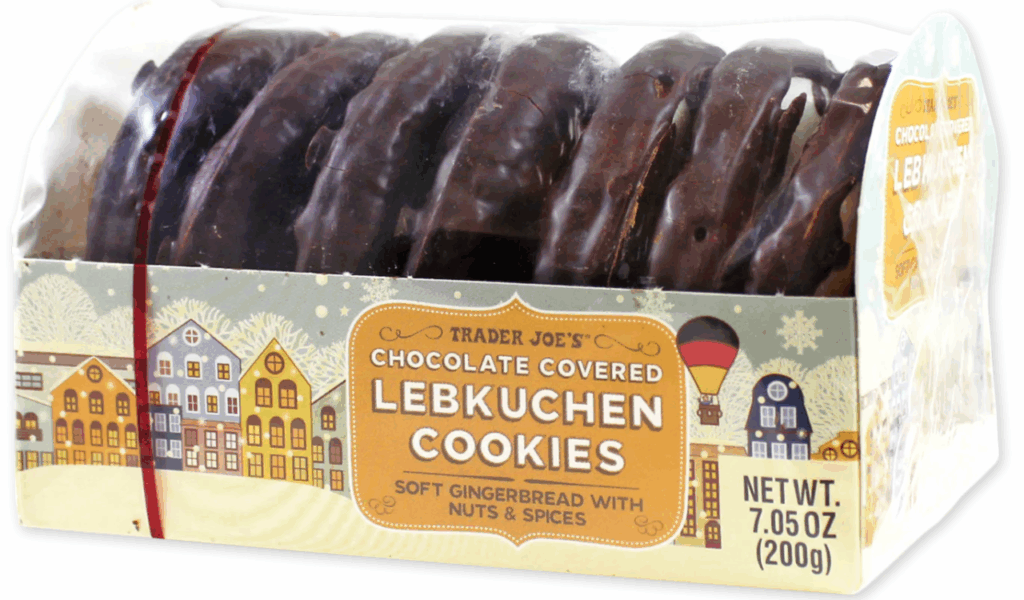
Holiday baking and winter teas go hand in hand, but store-bought cookies, cakes, and pastries are often engineered to last on shelves and taste uniformly indulgent. That stability comes from refined flours, added sugars, and industrial fats or emulsifiers. Those ingredients deliver texture and shelf life but contribute empty calories, low fiber, and rapid blood sugar spikes. If convenience is necessary, choose pastries with whole grain labels, smaller portion sizes, or treat these items as true treats, special and occasional, and complement them with nuts, yogurt, or fruit that supply fiber and slow digestion.
8. Bread-Based Comforts: From Garlic Bread to Loaded Toast, Salt and Fat Add Up
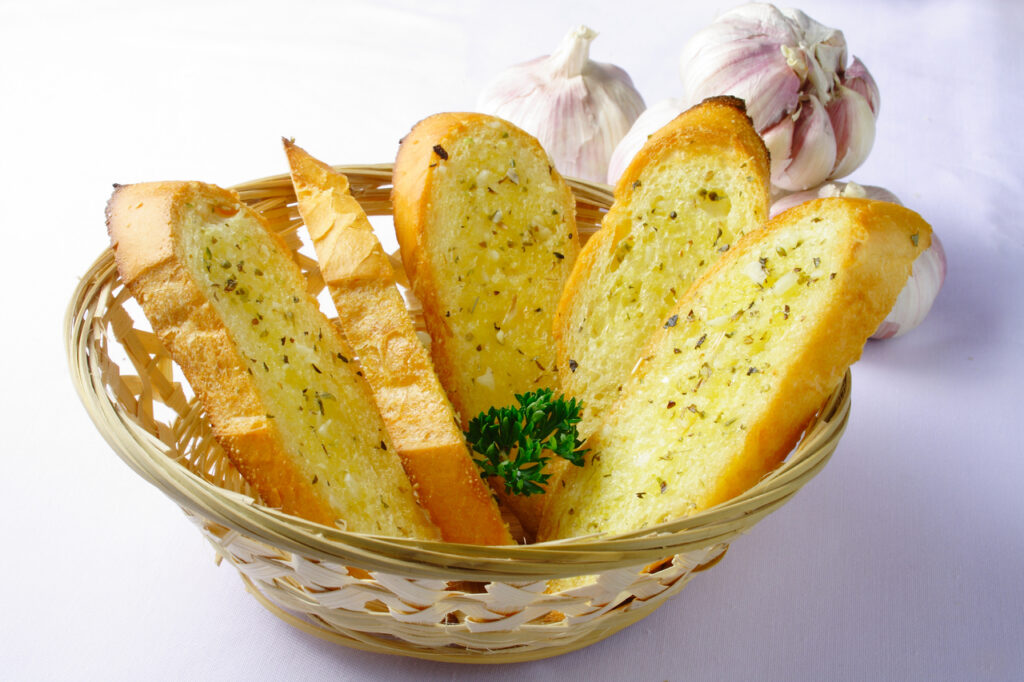
Bread is a winter ally, toast, garlic bread at the side of a soup, or loaded avocado toast on a cold morning. But it’s easy to let toppings turn a simple slice into a high-sodium, high-fat dish. Garlic butter, salted spreads, processed cheeses, and cured meats add concentrated amounts of salt and saturated fat. Additionally, many commercial white breads are made with refined flour that is low in fiber and micronutrients. Choosing whole-grain breads, using small amounts of real butter or olive oil, and favoring fresh toppings like roasted vegetables or a soft poached egg keeps the ritual satisfying while improving the nutritional profile.
9. Packaged Breakfast Cereals With Milk: Sugary Starts on Cold Mornings
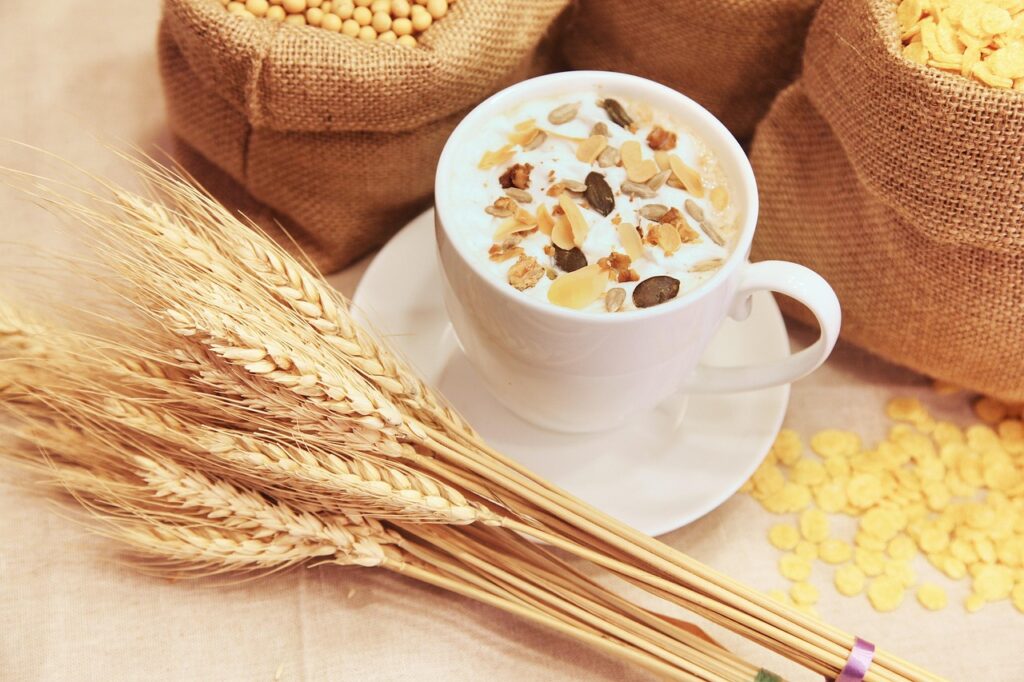
For a quick winter breakfast, a bowl of cereal with warm milk can be appealing. The downside is that many packaged cereals are loaded with added sugars and are highly processed to achieve that addictive crunch. Pouring warm or cold milk over sugary flakes yields a high glycemic start that can leave you hungry again within a short time. Some cereals marketed as “healthy” still contain added sweeteners, flavors, and stabilizers. Look for whole grain, low sugar options, add fresh fruit and nuts for fiber and protein, or swap to oatmeal made from rolled oats that you sweeten lightly with fruit and spices for a slower, more nourishing energy release.
10. Instant Noodles in Broth: Speed at the Expense of Salt and Additives

Instant noodles are a winter go-to because they are cheap, fast, and comforting. The seasoning packets inside are a sodium and additive bomb, packed with flavor enhancers and preservatives. Even the noodles themselves are often highly refined and fried, increasing their calorie density. That quick bowl fills a need for warmth but contributes sizable sodium and little nutrient balance when eaten frequently. A healthier habit is to use the noodles occasionally and bulk up the bowl with frozen greens, an egg, lean protein and a reduced portion of the seasoning packet.
11. Processed Meat Sandwiches: Deli Convenience That Adds Preservatives and Salt

During winter, a quick sandwich with ham, salami, or other cured meats can be satisfying, but processed cold cuts are typically high in sodium and often contain nitrites or other preservatives. Regular intake of processed meats is associated with higher health risks compared to fresh, minimally processed proteins. Even when paired with fresh bread and veg, the meat can turn the whole meal into a high-sodium event. Prefer thin slices of roasted, freshly cooked meats, or choose plant-based spreads and grilled vegetables for a sandwich that offers the same convenience but with fewer additives and lower salt.
12. Sweetened Yogurts and Dessert-Style Dairy: Hidden Sugars in Creamy Packages

Dessert yogurts and flavored dairy products are common winter desserts or snack options because they feel indulgent yet harmless. Many varieties, however, contain substantial added sugars, fruit syrups, and stabilizers that push them into the ultra-processed category. This turns a food that could be a source of protein and calcium into a sugary treat that spikes insulin and adds empty calories. Plain yogurt with a drizzle of honey, fresh fruit, nuts, or a spoon of homemade compote preserves the creamy texture and comfort while avoiding manufactured sweeteners and unnecessary additives.