6 Beef Restaurants Attracting Criticism Over High Prices and Sourcing Transparency
People rarely question the price of a great steak when the restaurant delivers clear quality and a memorable experience. The trouble starts when rising menu costs collide with vague sourcing, shifting portion sizes or confusing claims about premium breeds. Diners today know more about beef than ever, so they notice when the story behind the plate doesn’t match the number on the check. What this really means is that transparency has become just as important as flavor. When a steakhouse can’t explain where its beef comes from or why its prices keep climbing, trust erodes faster than any review site can fix.
1. Steak 48: Premium Price, Vague Provenance
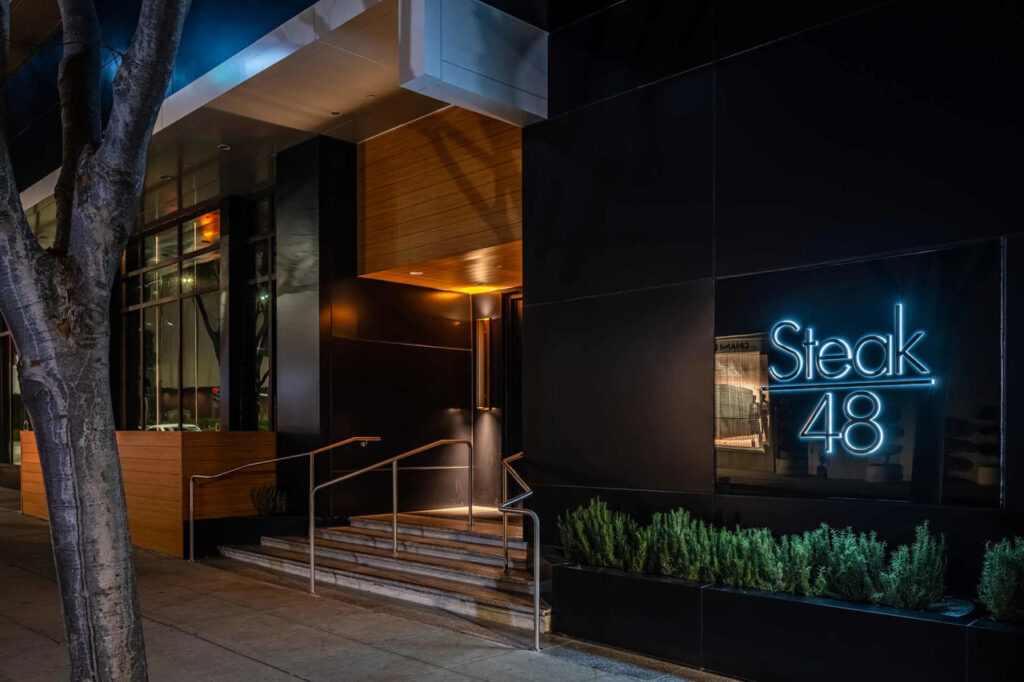
Steak 48 presents itself as a high-end temple of beef, all velvet booths and lacquered menus. That image sets a customer expectation: when you pay premium prices, you want to know exactly what you’re eating. The recurring complaint isn’t just cost, it’s the gap between price and traceability. In many locations, the menu lists impressively named cuts without a transparent origin story, so diners assume the worst or the most expensive story and feel let down when it’s not confirmed. For restaurants in this tier, publishing named ranches, certified programs or estimated ages of the animals would go a long way toward closing the trust gap.
2. Fogo de Chão: Churrasco Hype Meets Sourcing Questions
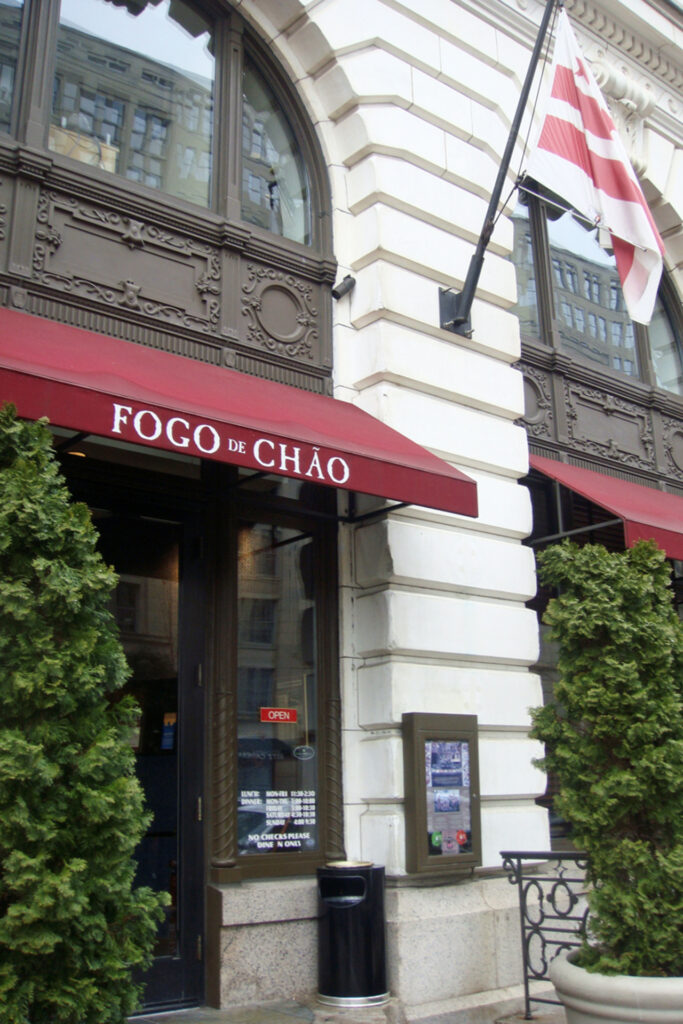
Fogo de Chão sells an experience that justifies a high check: endless cuts carved tableside, a theatrical service model, and tropical branding. Yet consumers who pay for that spectacle also increasingly ask where the animals come from and how they were raised. Critics point out that festive all-you-can-eat formats can mask commodity sourcing unless the company consistently advertises grass-finished versus grain-fed, country of origin, and animal welfare standards. When menu prices climb with little public discussion of procurement changes, guests assume simple margin hikes instead of better cattle stewardship.
3. LongHorn Steakhouse: Casual Price Point, Casual Questions

LongHorn positions itself as accessible cattlehouse dining, a place to celebrate without breaking the bank. The problem is that beef is no longer predictably cheap, and consumers notice when menu tags rise while details about the cuts remain generic. Patrons wonder whether price increases reflect higher grade beef, inflation, or simply chainwide margin pressure. Large chains rely on broad supplier networks and centralized purchasing, which helps keep kitchens consistent but also dilutes provenance. Customers who expect a better-than-fast-food experience want to see named suppliers, USDA grades, or at least explanations of aging practices.
4. Texas Roadhouse: Hearty Portions, Not Always Clear Origins
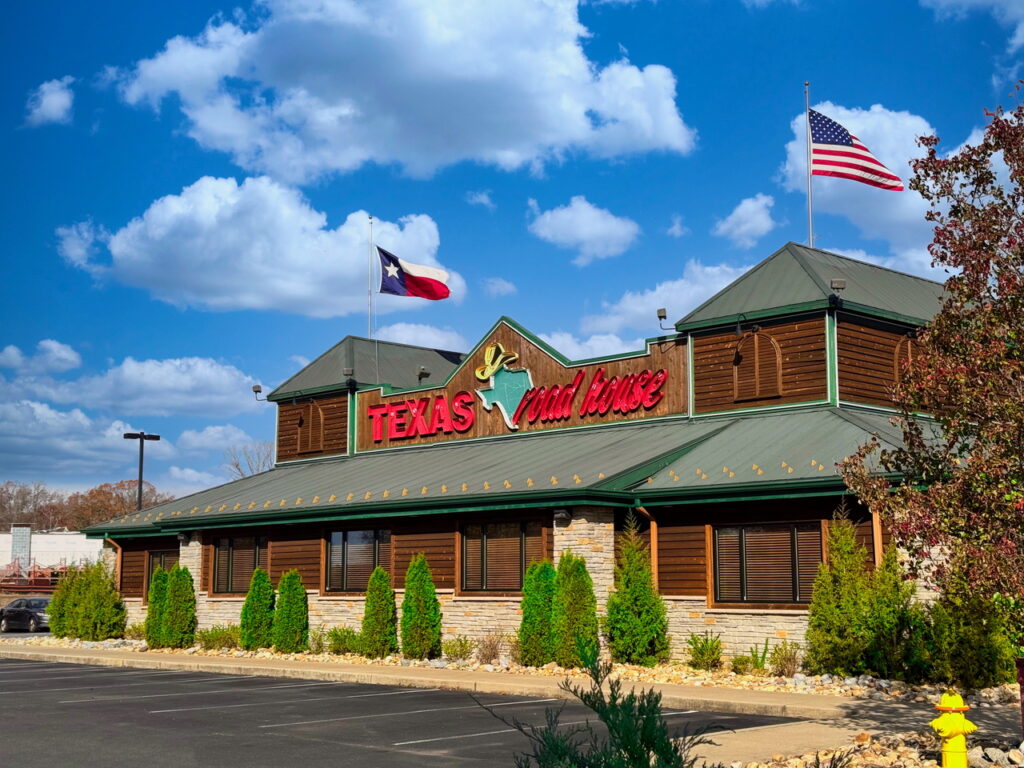
Texas Roadhouse trades on a blue-collar generosity that used to mean big plates and predictable value. As beef costs climb and operational expenses rise, the chain has adjusted pricing and portioning. Diners voice two connected concerns: portions that feel smaller for the same price and limited information on where the animals were raised. Like many large operations, Texas Roadhouse depends on broad commodity markets and regional suppliers, which provides stability but not much story to sell at the table. Clearer labeling or storytelling about supply regions and the chain’s standards would reduce the sense that prices rose for no visible reason.
5. Steak ’n Shake: Franchise Tensions and a Long History of Pricing Grievances
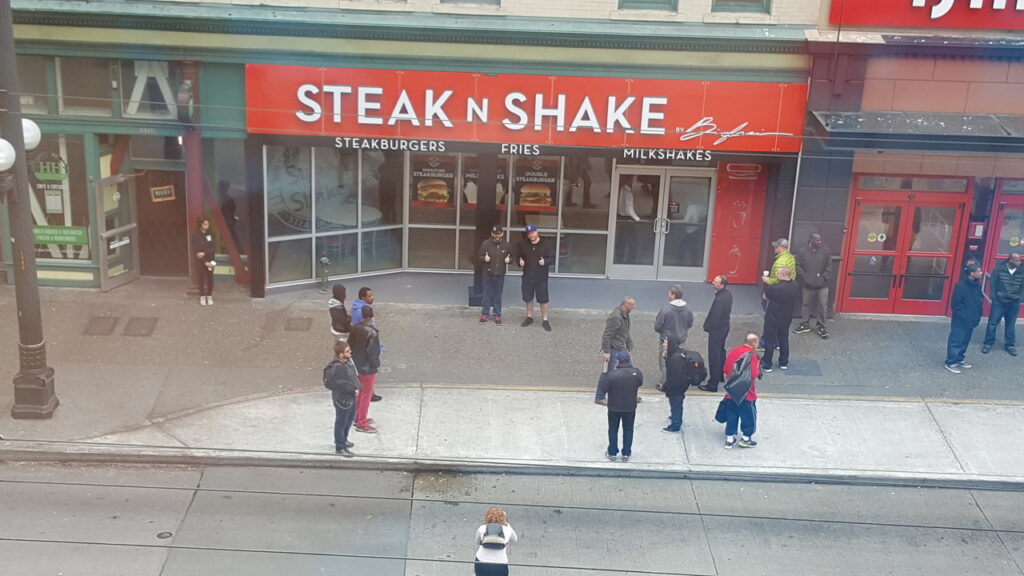
Steak ’n Shake is an odd fit here because it sits at the intersection of fast casual burgers and steakhouse nostalgia. It has faced long-running franchisee disputes and public complaints about pricing and operational decisions that affect ingredient choices. For a brand built on beef, customers have occasionally complained that quality slips while menu prices do not. Much of that stems from conflicting pressures: franchisees needing predictable costs, corporate pushing value propositions, and wider commodity shocks. When a brand’s identity is closely tied to beef, clarifying sourcing and quality controls would ease tensions with paying customers.
6. STK Steakhouse: Wagyu Labels and the Expectation of Full Disclosure

STK markets itself as a modern upscale steakhouse with a trendy clubby feel and a menu that can include wagyu and other premium cuts. When a restaurant charges top dollar for wagyu or signature breeds, customers rightly expect full details: grade, origin, feeding program, and whether the animal was full-blood wagyu or a cross. Complaints crop up when the bill reflects a wagyu premium without placard-level traceability. Urban luxury concepts often have complicated supply chains and use imported or domestically produced premium beef interchangeably, but diners want that spelled out.