9 Home Layout Changes That Quietly Improve Flow
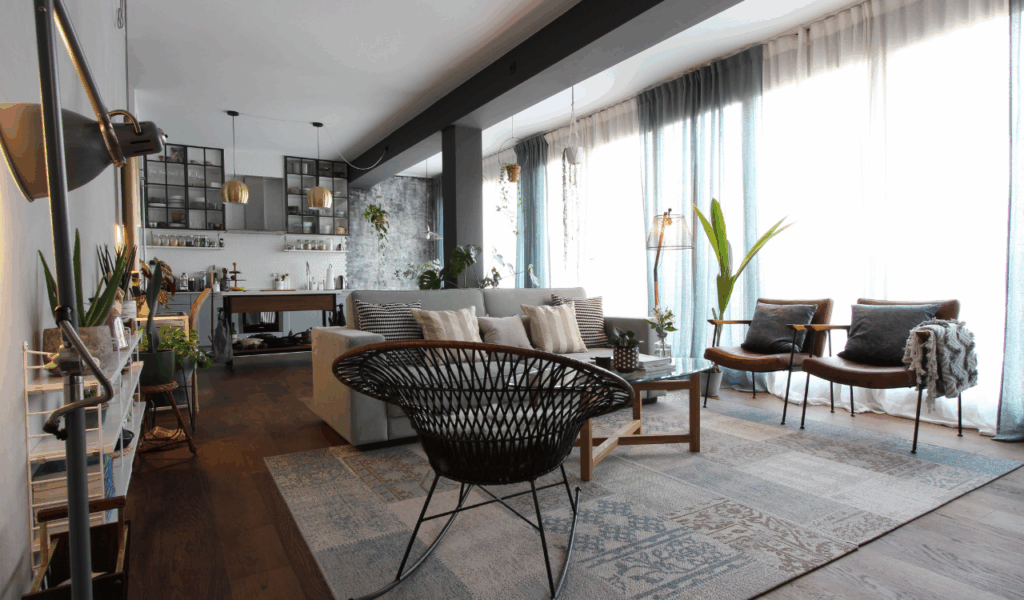
The best home plans are the ones that let you move about without having to think about where you are going. Professional architects say that the flow of a house’s interior is like its “circulatory system.” When it works, the whole space feels healthy and alive, but when it is blocked, every task feels like a labor. Most homeowners deal with small layout issues for years, changing how they move around the house instead of changing the house to meet their lifestyle.
Professional flippers typically say that making a space flow better is less about expanding square footage and more about getting rid of visible and physical friction. When a corridor of the proper width or a kitchen island is in the right place, moving between areas becomes natural and quiet. You cease noticing the layout because it doesn’t get in the way of your daily life anymore. By making these changes based on expert advice, you may turn a floor plan that is choppy and doesn’t flow well into one that flows smoothly from room to room.
1. Establishing Clear Sightlines
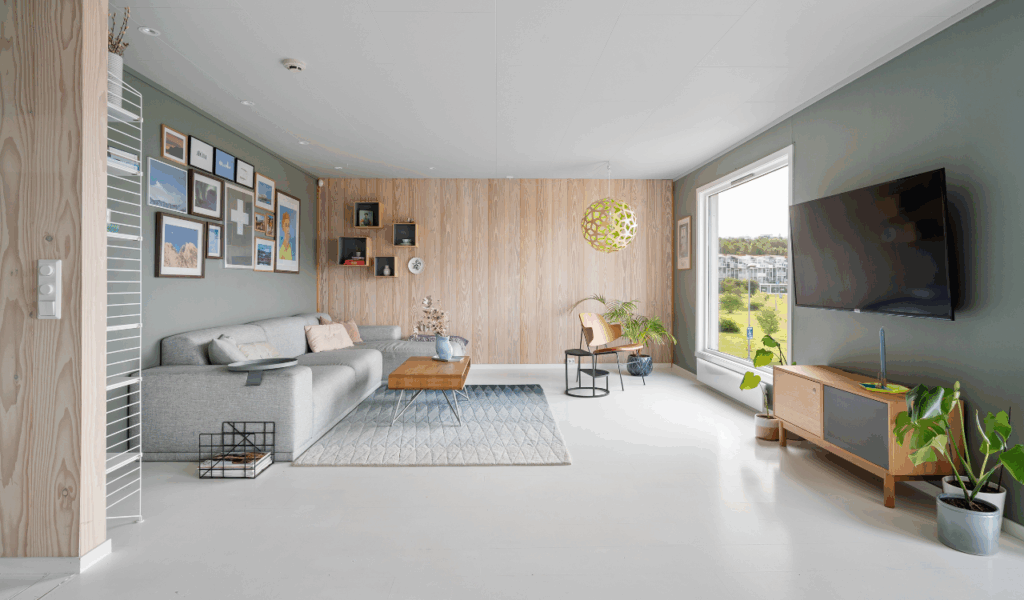
Interior designers say that the first thing you should do to improve flow is to make sure you can see into the next zone before you reach it. Realtors say that homes with excellent sightlines from the front entrance to the back windows feel much bigger and more welcoming to guests. Setting the furniture in a way that makes “visual runways” gives the brain a mental picture of the house that helps it relax.
The trip through the house seems shorter and more rational when you can see where you’re going. Experts believe that you should be able to stand in the main living area and see at least one other big room or an outside location without anything blocking your view.
This doesn’t mean that all of the walls need to be taken down; it just means that tall bookshelves or big armoires should never block a natural line of sight. When these barriers are gone, the house breathes better, and moving from one functional area to another is a smooth flow instead of a series of sharp bends.
2. Optimizing the Kitchen Work Triangle
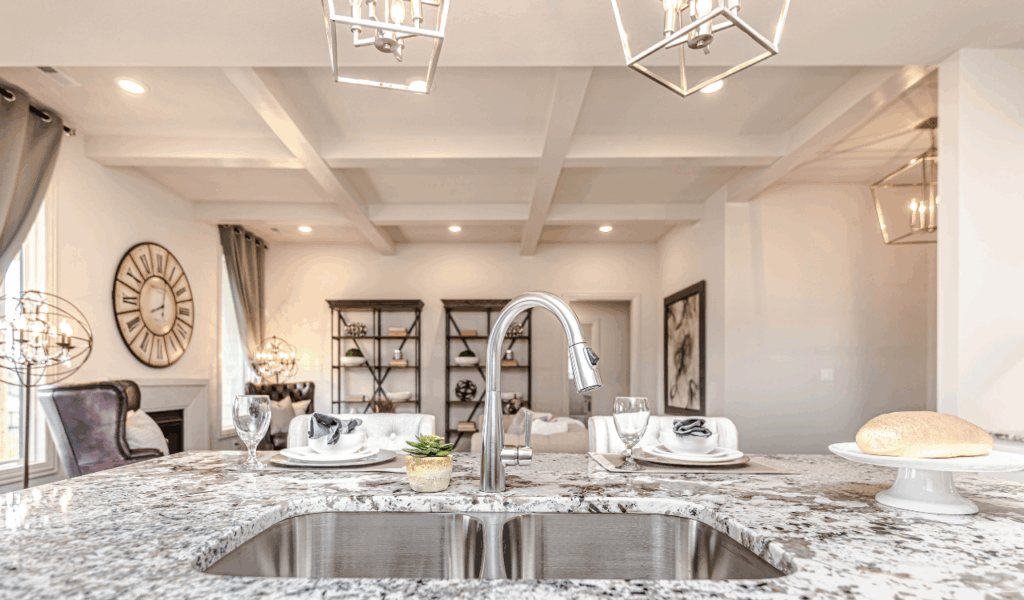
The kitchen is the busiest part of the house, and cooks and kitchen designers have used the “work triangle” for a long time to make sure everything runs smoothly. This idea is to put the refrigerator, sink, and stove in a triangle so that you don’t have to walk as much when you cook. When this distance is just right, you don’t notice how hard it is to cook anymore because everything you need is right where your hand expects it to be.
Professional organizers say that the three sides of the triangle should be between 12 and 26 feet long in total. If the triangle is too tight, the kitchen feels confined. If it is too spread out, cooking becomes tiring. You can get rid of the “traffic jams” that happen when a lot of people are in the place by changing the layout to fit these proportions. This alteration works so well that it almost disappears, leaving behind only the delight of a very functional workspace.
3. Widening High-Traffic Walkways
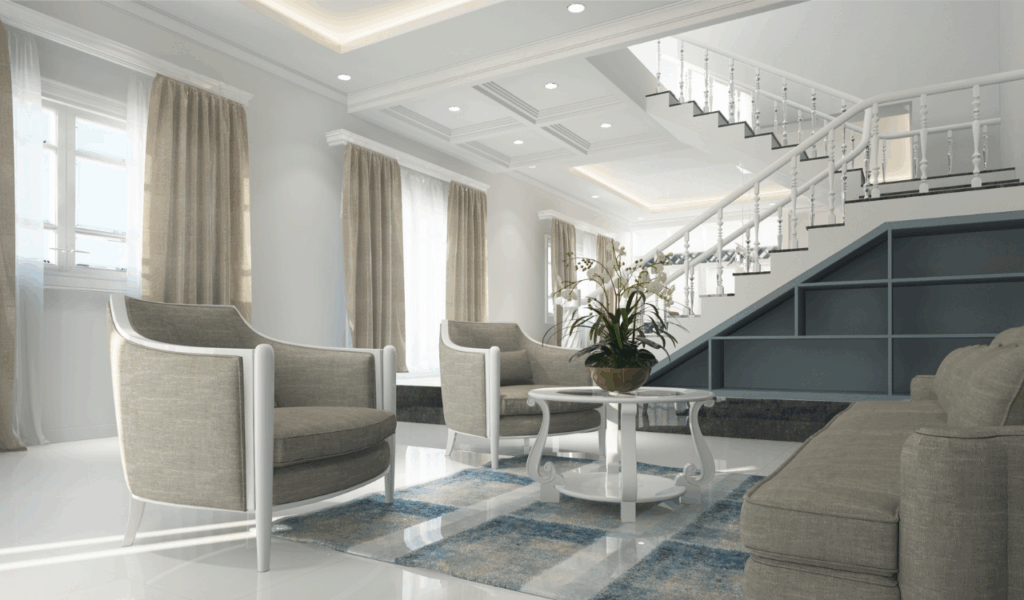
Contractors often see that the only thing that makes a home feel crowded is a few inches in the walkways. Accessibility experts say that main walkways should be at least 36 inches wide so that people can move around comfortably without hitting the corners of furniture. When you move a couch six inches away from a wall, the passage gets wider and you cease “squeezing” through your own home.
A clear road quickly becomes a background comfort that you don’t think about. Designers say that in places where people are active, like the dining room, there should be at least 48 inches between the edge of the table and the next wall or piece of furniture.
This lets visitors walk behind guests who are sitting without making them move their chairs. These minor changes to the space prevents the room from moving in a “stop-and-start” way all the time. Once the way is clear, you stroll through the house with a smooth confidence that makes the whole thing feel like it was planned by a professional.
4. Creating Dedicated Entry Zones
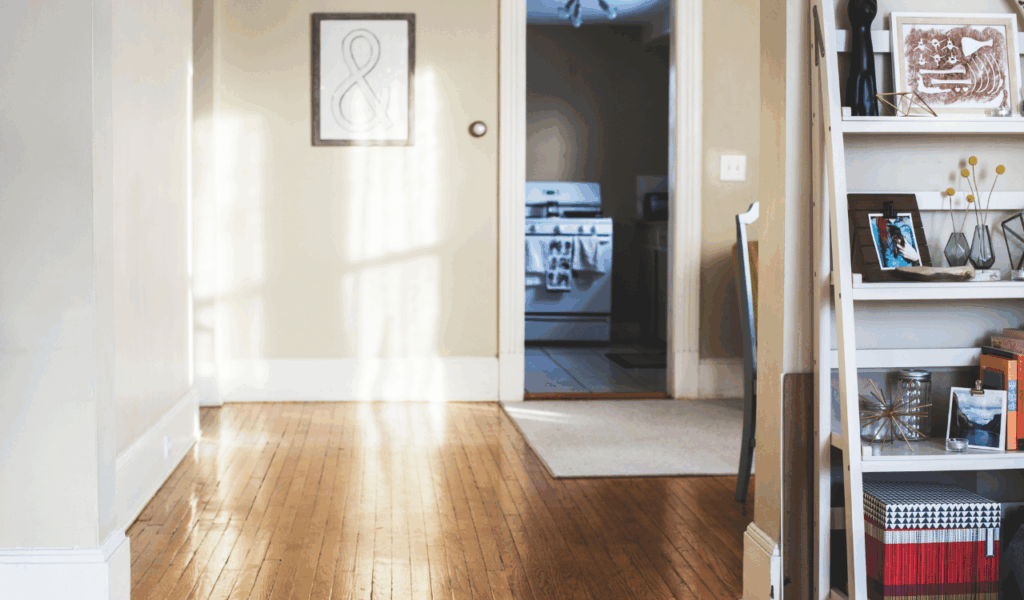
Professional organizers say that the first five feet of a home’s front door can impair its flow. If you don’t have a special place for keys, purses, and shoes, they will end up in the kitchen or living area, which will make things look and feel messy. By making a special space for entering rituals, such a small console table and some hooks, you establish a transition point that keeps the rest of the house tidy and focused.
Realtors say that a well-defined entryway tells your brain that you have moved from the outside world, which is full of chaos, to a private, regulated space. When this zone is working well, you don’t even notice that you’re putting your things away; it just happens automatically when you arrive. By keeping the “transition items” in one place, you keep the main living rooms free of the daily mess of life. This keeps the heart of the home open and welcoming.
5. Floating Furniture Away From Walls
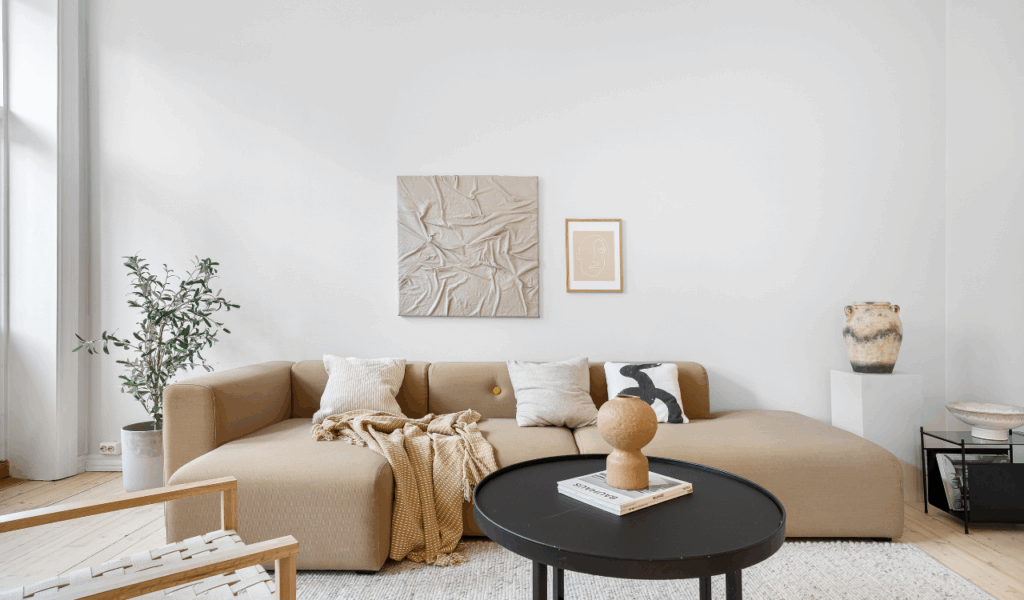
The “waiting room” impression, where all the furniture is pushed against the walls of the room, is a common mistake that breaks up the flow. Interior designers suggest “floating” furniture to make little areas of activity with clear walkways around them. This new structure makes it easier for individuals to go around the chat area instead of through the midst of it.
It gives the room a purpose while yet making it feel open and airy, which wall-hugging furniture can never do. Experts claim that leaving a space between the wall and the back of a sofa makes the room look bigger since the shadows and floor space continue behind the piece.
This makes a second “outer loop” for traffic, so that someone may get to a window or bookshelf without bothering someone who is reading or watching TV. The area feels more elegant and planned because of a small change in the geometry. This gives the home a quiet boost in utility.
6. Aligning Door Swings for Logic
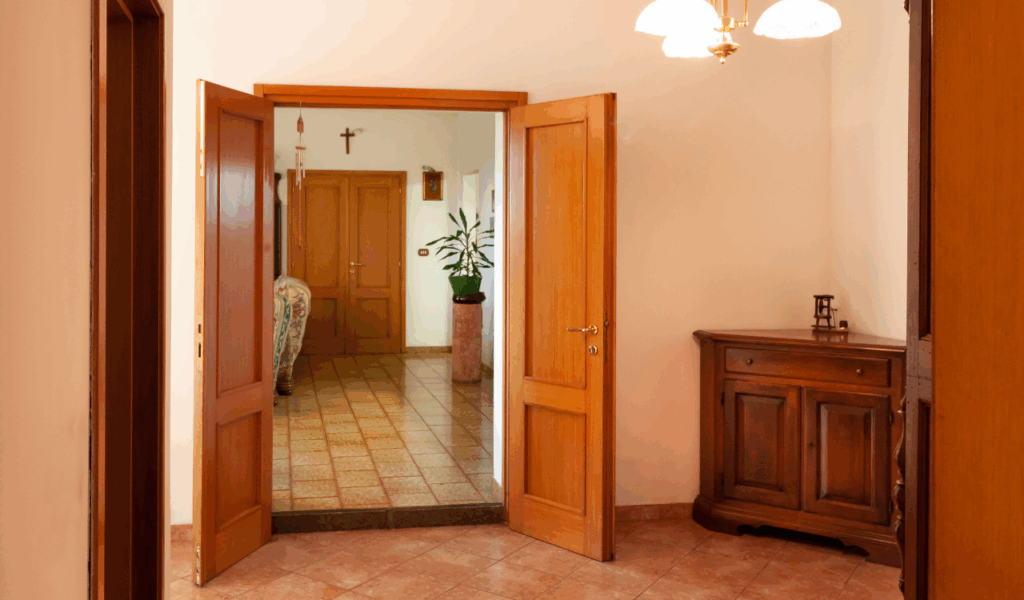
For good reason, architects and constructors often spend a lot of time arguing about which way a door should swing. A door that opens into a hallway and blocks a walkway is a small but frequent nuisance that makes the whole house less comfortable. You can remove a physical barrier by changing a door so that it swings against an empty wall or by putting in a pocket door in a small space. You forget about the door after a while because you don’t have to step back to open it anymore.
Professional flippers say that altering a regular swinging door to a sliding barn door or a pocket door in a laundry room or master bath can free up a lot of floor space. This “recovered” space makes it easier to move around and put furniture where it belongs. When a door works correctly and doesn’t get in the way, it makes moving from one area to another feel much more natural. It is a technical fix that makes things more comfortable and easier to move around in every day.
7. Zoning with Area Rugs
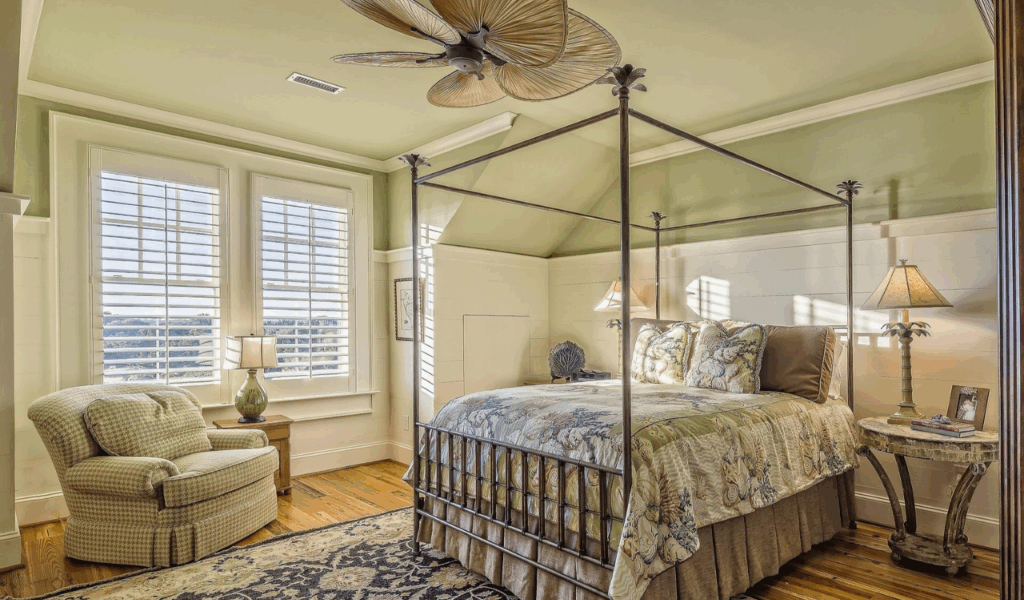
Interior designers utilize area rugs to create “zones” in an open-concept layout, just like walls do for rooms. Experts say that a rug is a visual barrier that shows the eye where the living room finishes and the dining room begins. Without these anchoring, furniture can feel like it’s “floating” in a big room, which can make you feel uneasy.
The layout feels more stable once the rugs are in place, and the spaces between the rugs become the home’s natural halls. Professional organizers say that putting carpets in different areas of a big space can help keep different activities from getting in the way of each other.
You may have a reading nook in one corner and a workspace in another, with each space clearly distinguished by its own fabrics. Because the rugs make each activity feel like a smooth “landing,” you stop noticing how big the room is and start to enjoy the pleasant, useful pods that are in it. It is a shift in the layout that gives structure without the necessity for barriers that limit movement.
8. Balancing Room Symmetry
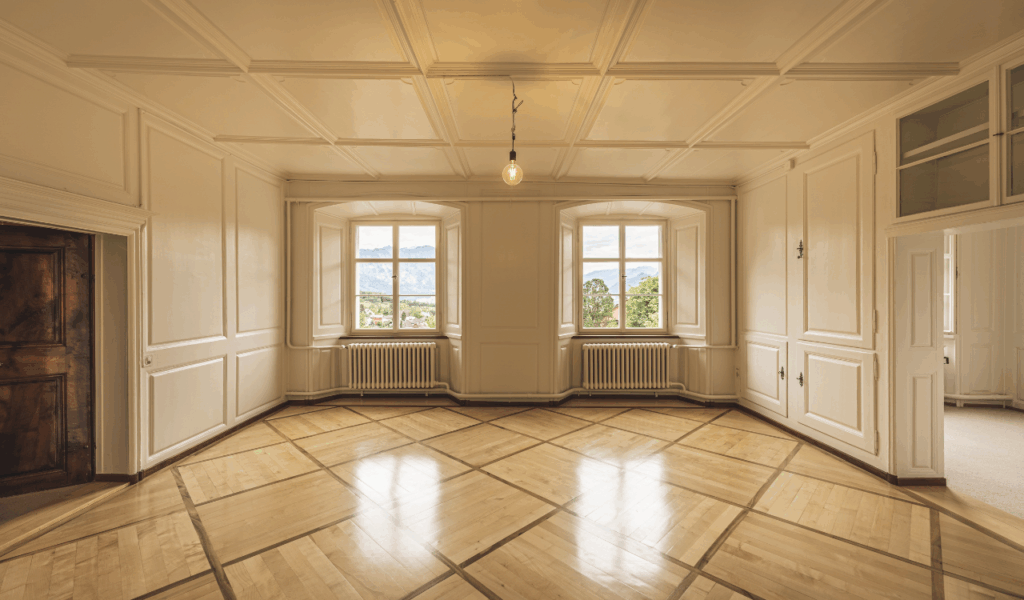
Designers often utilize symmetry to make a layout feel calm and organized because people are naturally drawn to it. Realtors say that a room that is symmetrical, like a living room with two similar chairs facing a couch, feels “finished” and easy to get around in. Symmetry gives you a clear center line that helps you move and look around. Your brain knows how the room flows right away when it’s balanced, so you don’t have to “solve” the arrangement every time you go in.
To get this feeling of balance, experts say to use pairs of lights, side tables, or pieces of art. This doesn’t mean that the space has to seem exactly the same on all sides. However, having the same “visual weight” on both sides keeps the room from looking imbalanced. When the layout is balanced, the flow becomes calm and easy to follow. You stop paying attention to the specific pieces of furniture and start paying attention to how quiet they make the room feel. This lets the room do its job as a place to relax.
9. Integrating Multi-Functional Landing Strips
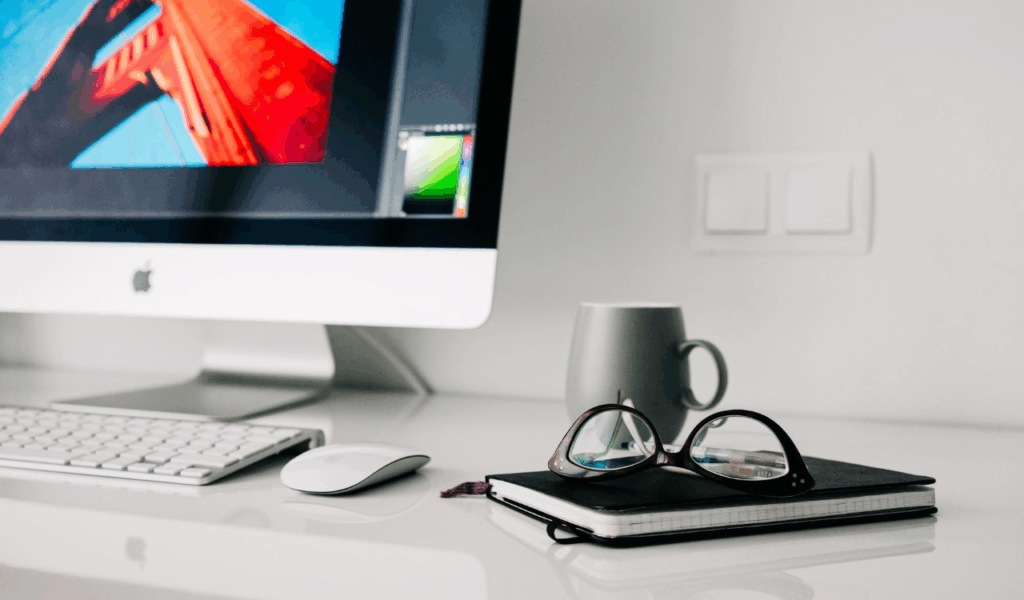
In a modern home, the flow is sometimes broken up by the need to charge electronics or organize mail. Designers say that “landing strips”—small, built-in surfaces near outlets in the kitchen, corridor, or home office—are a good idea. These places are like a digital mudroom, giving laptops and phones a place to be.
When you have a place for your equipment, it stops getting in the way of your dining tables and kitchen counters, which can then be used for their intended purposes. Professional organizers say that these little changes to the plan work best when they are hidden in existing structures, like a deep windowsill or a built-in nook.
By putting these duties in one place, you get rid of the “visual static” of cords and devices in your main living areas. Because the charging station works so well in the background, you stop noticing it. This lets the rest of your house flow freely and stay focused on relaxing and connecting.