6 Big-Box Groceries That Changed Shopping—Not Always for the Better
Big-box grocery stores didn’t just make shopping faster and cheaper. What started as a push for convenience and scale gradually altered supplier relationships, reduced regional variety, and changed what shoppers expect from a grocery trip. While these retailers brought undeniable benefits like lower prices and one-stop convenience, they also introduced trade-offs that became clearer over time. From consolidation to bulk buying culture and data-driven decision making, the modern grocery landscape reflects choices made by a handful of powerful chains. Understanding their impact helps explain why grocery shopping feels so different today.
1. Walmart
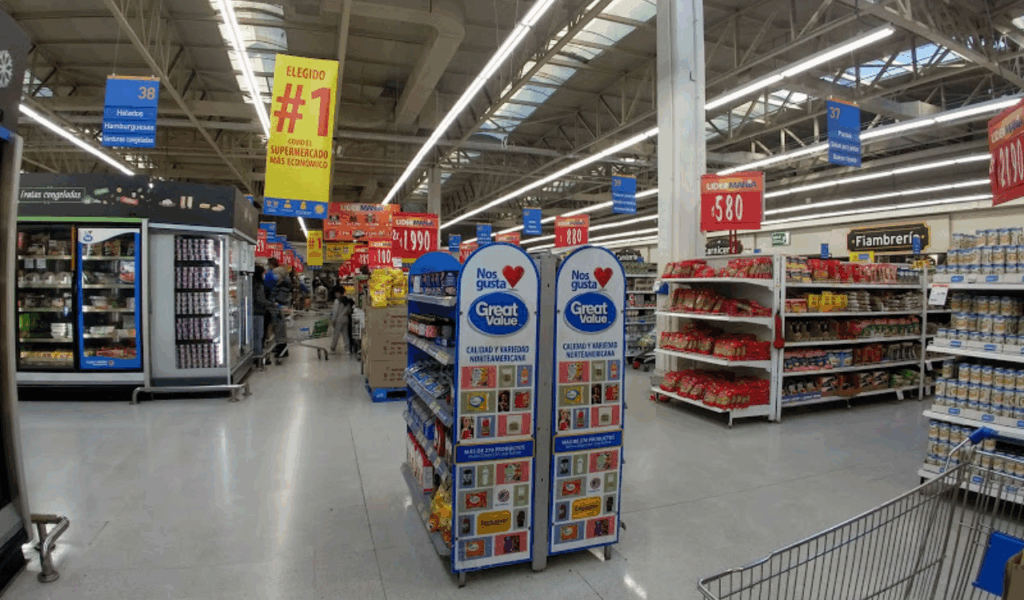
Walmart didn’t just change grocery shopping; it reset expectations across the entire food industry. By prioritizing everyday low prices at a massive scale, it forced suppliers to cut costs relentlessly to stay on shelves. That pressure reshaped how food is produced, packaged, and priced, often favoring efficiency over quality or regional diversity. Small brands and local producers struggled to compete with Walmart’s volume demands, leading to fewer independent options in many communities. But over time, critics have pointed out that the race to the bottom on pricing contributed to thinner margins, lower wages, and standardized products that look the same no matter where you shop.
2. Costco
Costco transformed shopping by proving that limited selection paired with bulk buying could feel premium rather than cheap. Its model emphasizes quality control and strong supplier relationships, which earns loyalty. But the warehouse approach also changed consumer behavior in subtle ways. Buying in bulk encourages overconsumption and food waste, particularly for smaller households. Items are sized and priced for families or businesses, not individuals. The limited assortment reduces decision fatigue, yet it also means shoppers rely heavily on Costco’s choices rather than personal preference.
3. Kroger
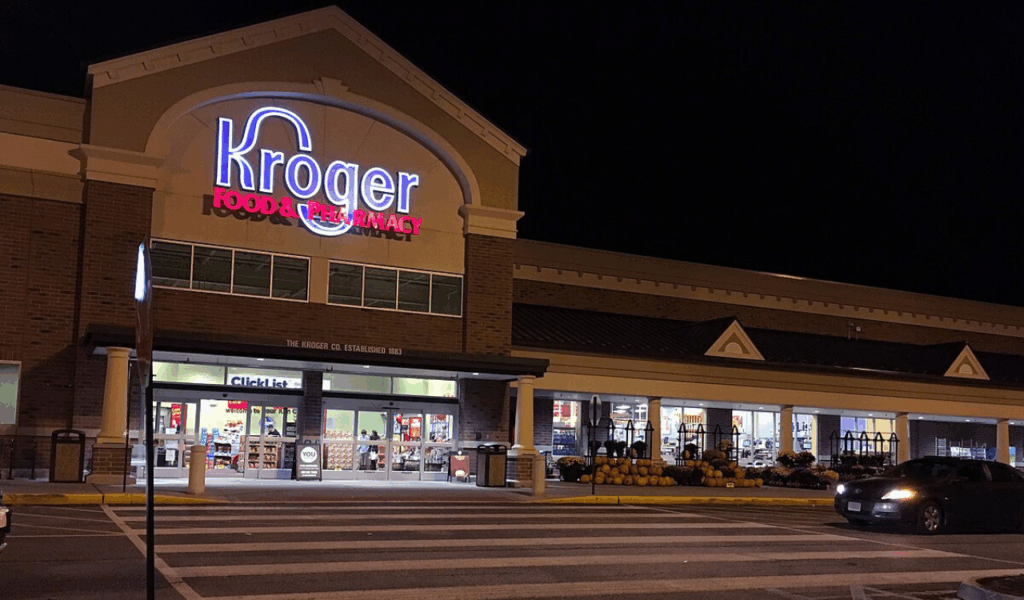
Kroger’s impact comes less from flash and more from consolidation. Through years of acquisitions, it absorbed regional chains and standardized operations across wide geographic areas. That efficiency helped stabilize pricing and improve logistics, but it also diluted regional identity. Stores that once reflected local tastes now often share similar layouts, private labels, and product mixes. Independent grocers struggled to compete with Kroger’s scale and data-driven pricing strategies. The result is a grocery experience that feels optimized but less distinctive, efficient but less rooted in place.
4. Target
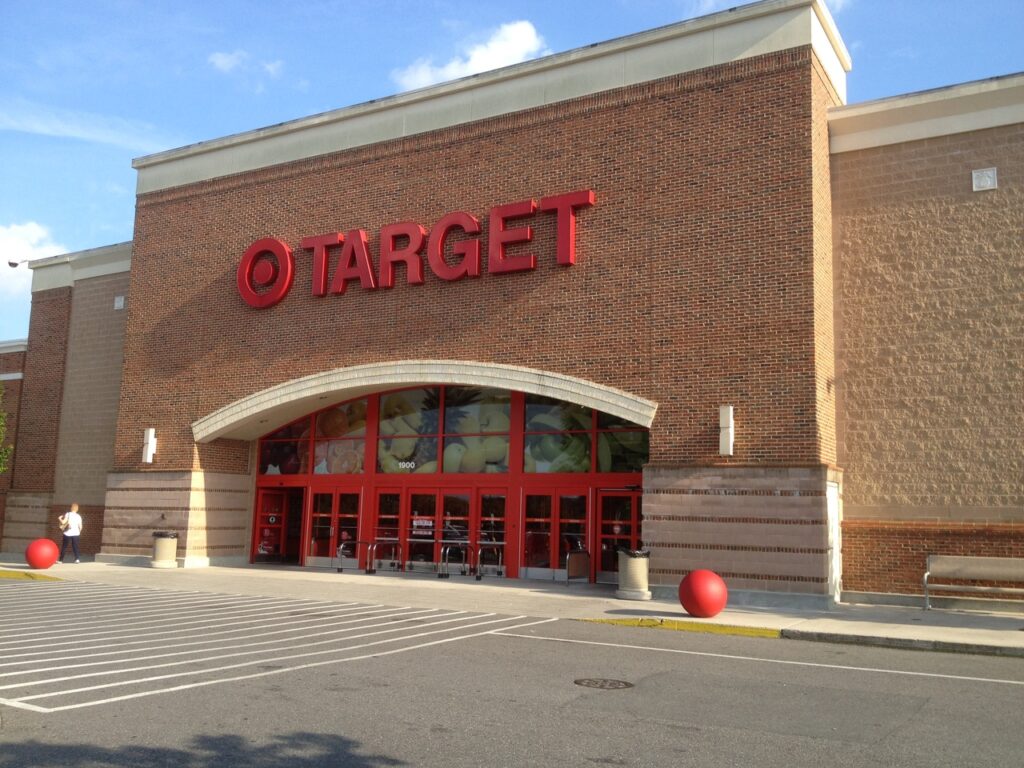
Target reframed grocery shopping as part of a lifestyle experience. Merging food aisles with home décor, clothing, and seasonal displays, it made grocery runs feel aspirational rather than utilitarian. This approach worked, especially for urban and suburban shoppers short on time. However, food selection often takes a back seat to aesthetics. Fresh produce variety can be limited, and specialty items rotate quickly based on trends rather than staples. Target excels at convenience and presentation, but its grocery sections are rarely designed for serious food shopping. The model prioritizes impulse and brand alignment over depth, subtly shifting expectations of what a grocery store needs to deliver.
5. Aldi

Aldi changed grocery shopping by stripping it down to essentials. With private-label dominance, minimal staffing, and no-frills stores, it challenged the idea that choice equals value. Prices dropped, efficiency improved, and shoppers adapted quickly. But the trade-offs are real. Limited brand options mean less flexibility for dietary preferences or specialty needs. Staffing levels reduce service and assistance, which can frustrate some shoppers. Aldi’s success pushed competitors to adopt similar cost-cutting measures, influencing the broader market. While Aldi made groceries more affordable for millions, it also normalized a shopping experience built around speed and sacrifice rather than exploration.
6. Amazon Fresh
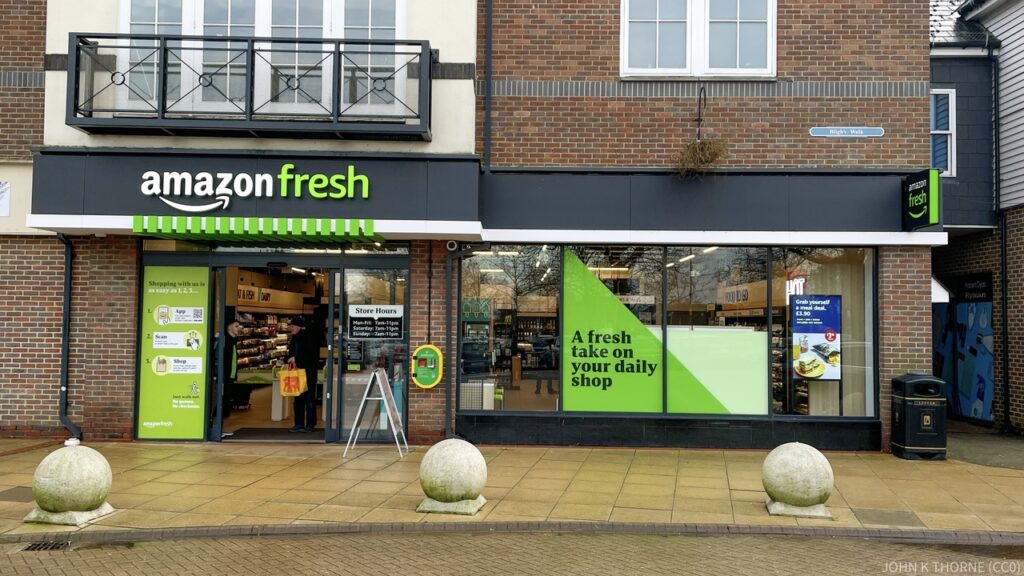
Amazon Fresh represents the most disruptive shift of all, moving grocery shopping into a data-driven, tech-first model. Convenience is unmatched, with delivery windows, smart carts, and app integration redefining speed. Yet this shift raises concerns beyond the cart. Labor practices, data ownership, and market dominance have become central issues. Traditional grocers struggle to match Amazon’s logistics and pricing power. In-store experiences feel secondary to algorithms and automation. While Amazon Fresh promises frictionless shopping, critics argue it distances consumers from food sourcing, reduces human interaction, and concentrates too much control in a single corporate ecosystem.