13 Home Refresh Purchases That Didn’t Feel Personal
Although many popular purchases end up seeming bland or removed from the individuals living there, renovating a home frequently begins with good intentions. These things typically appear nice in showrooms or online, but when they are put in the house, they don’t represent everyday routines, memories, or individual preferences. Relevance is usually the problem, not quality or cost. When items reflect your lifestyle rather than just how a place should appear, a home feels more unique. This list examines home update purchases that frequently fall short of expectations, outlining why they may seem generic and what typically goes wrong when selecting them. Future improvements will be more purposeful, meaningful, and accurately represent actual life if these issues are recognized.
1. Generic Wall Art Prints

Although mass-produced wall art frequently has a fashionable initial appearance, it rarely conveys a personal narrative. These prints lack emotional depth and personal significance because their goal is to appeal to as many individuals as possible. They may seem less like a representation of individual interests or experiences when hung at home and more like background filler. The impact of the artwork is further diminished by the possibility that visitors have already seen it elsewhere due to its widespread availability. Generic prints struggle to give warmth or identity because they lack a connection to memories, values, or creativity; as a result, walls are decorated but not particularly expressive or memorable.
2. Matching Furniture Sets
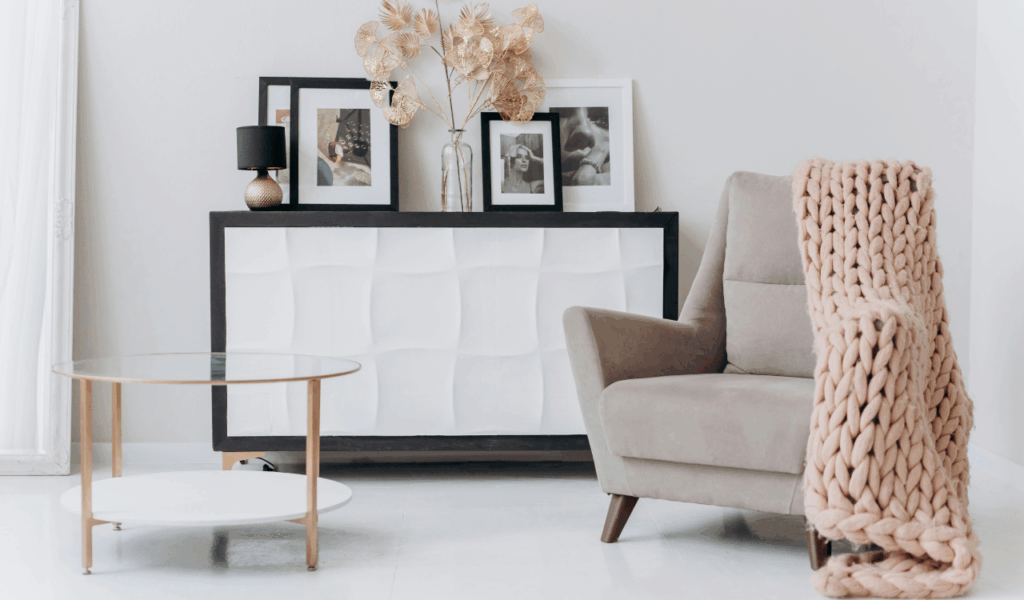
Although purchasing an entire set of matching furniture might seem practical, doing so frequently leaves the space feeling staged rather than lived in. Uniformity is the goal of these sets, which might eliminate individuality and aesthetic appeal. Real homes typically change throughout time, including various eras, materials, and styles. There isn’t much space for narrative or uniqueness when everything fits precisely. The area may seem less like a private setting and more like a showroom display. While full sets frequently conceal personal tastes behind a polished but impersonal appearance, mixing parts lets them shine.
3. Trend-Driven Decorative Objects
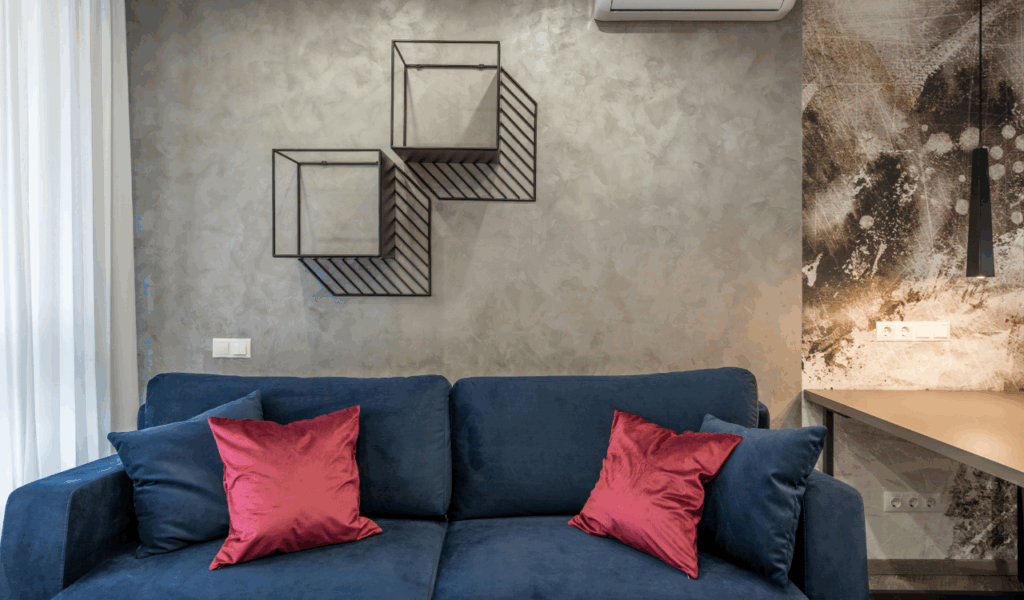
Items of décor that are closely linked to current trends may rapidly become outdated. Even while these items can seem new right now, trends shift quickly, making them seem out of date or unimportant. Trend pieces seldom have long-term worth because they are frequently selected for their appearance rather than their significance. The object may seem out of place in the rest of the house once the trend wears off. Instead of fostering enduring satisfaction, this leads to a cycle of continual replacement. Trend-driven items frequently fall short of feeling genuinely personal because personal décor typically stems from actual passion or usefulness rather than popularity.
4. Scented Candles Chosen Only for Packaging

It’s simple to buy candles with pretty packaging, yet everyone has their own aroma preferences. If you pick a candle just because of how it looks, the smell may become strange or unpleasant with time. Scents can change your mood and memories, so if they don’t match your comfort level, the candle becomes more of a decoration than something you can use. A lot of these candles are still not lighted, and they just serve as visual accents. They don’t make you feel warm or relaxed if they don’t have a perfume that connects with you on an emotional level. A candle that smells good feels personal, but one that is picked just for looks doesn’t always.
5. Decorative Throw Pillows Without Purpose
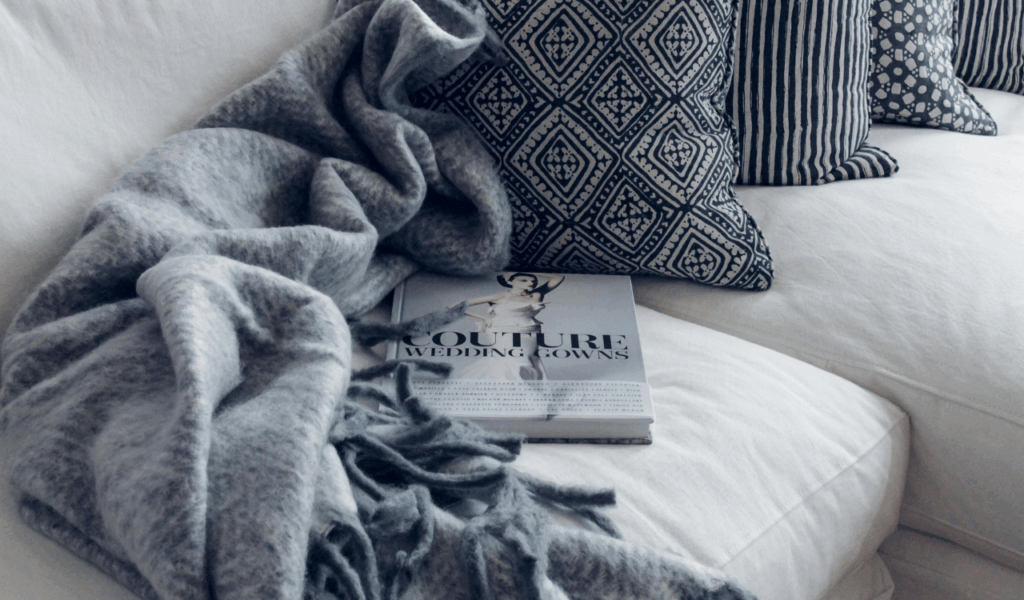
People often add throw pillows to a room to make it feel new, but many of them don’t use them. Pillows that are just chosen for their color or pattern may appear good, but if they are uncomfortable or not useful, they are put away. When decor objects don’t fit with how people actually live, they feel more like props. Unused pillows can make seating places less comfortable over time. A personal house shows how people unwind and roam around. Decorative pillows that don’t serve a purpose typically show the difference between how things look and how they really are, which makes them seem pointless instead of important.
6. Oversized Statement Rugs
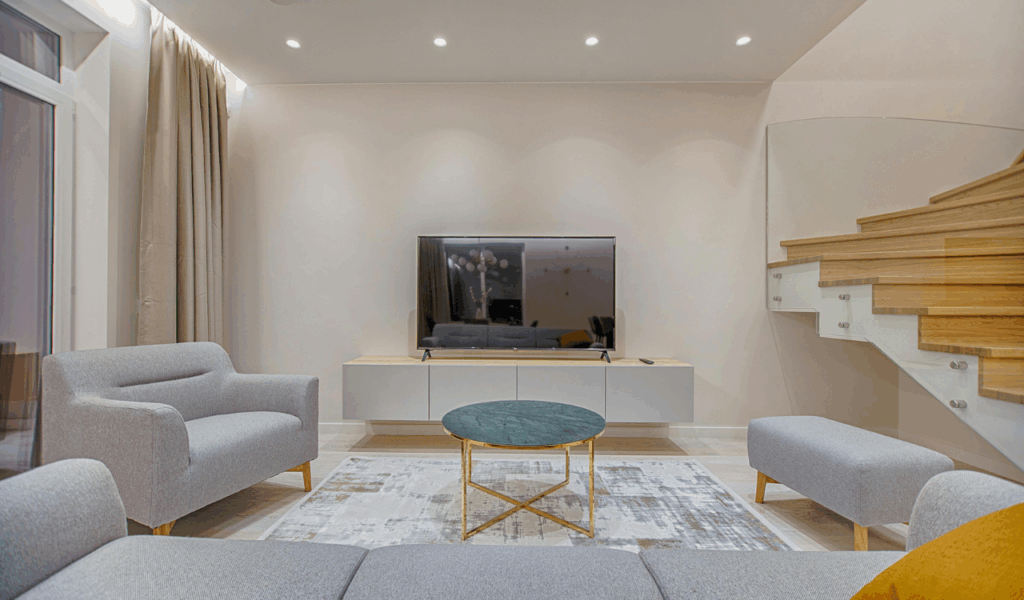
When you pick out a large statement rug without thinking about how it will fit in with your area or your lifestyle, it can take over the room. Bold rugs can make a statement, but they can also clash with other things or make furniture look too big. If the rug doesn’t fit the room’s size or how you use it, it could feel like it’s in the way instead than anchoring. When design makes it easy to move around and be comfortable, homes feel more personal. If you choose a big rug just for looks, it can feel out of place in the room, making it a continual reminder that style was more important than everyday needs.
7. Artificial Plants With No Emotional Connection
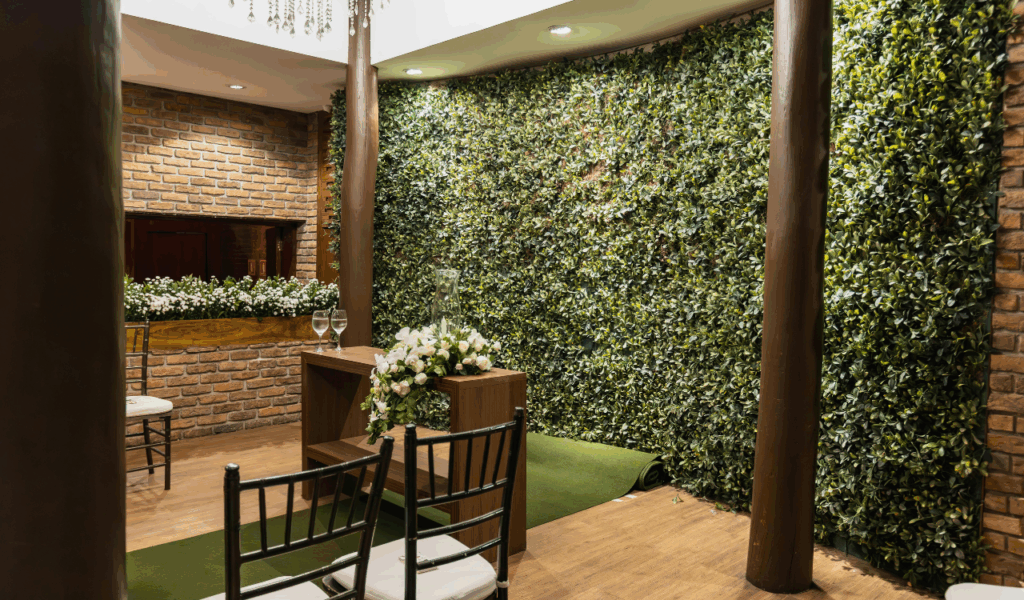
People like artificial plants because they don’t need much care, but they don’t always provide you the same emotional gratification as real plants. They can seem like they are only there to look nice and not do anything if they don’t grow, change, or get care. They are useful, but they don’t often make people feel alive or attached. Plants are often linked to taking care of things and doing things on a regular basis. When such part is missing, fake versions can feel empty. If you don’t choose them carefully, they may emphasize convenience over connection, making them feel more like design placeholders than unique touches to a home.
8. Decorative Books Never Read
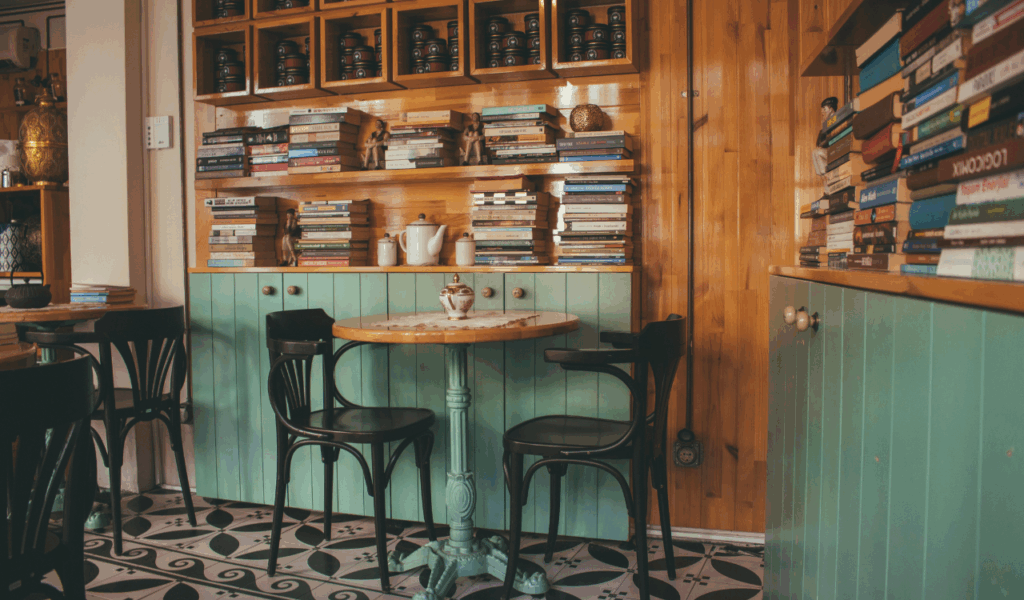
People often buy decorative books for their covers instead of what they say. Books lose their original purpose when they are solely picked to fill shelves or complement color schemes. A home library feels like a part of you when it shows your interests, curiosities, or recollections. Books that are never opened can seem like they’re trying to show off an identity instead of actually being one. These things may start to feel dishonest or empty over time. Shelves full of unread books may look nice, but they don’t usually provide you the comfort or authenticity that personal collections do.
9. Accent Chairs Rarely Used
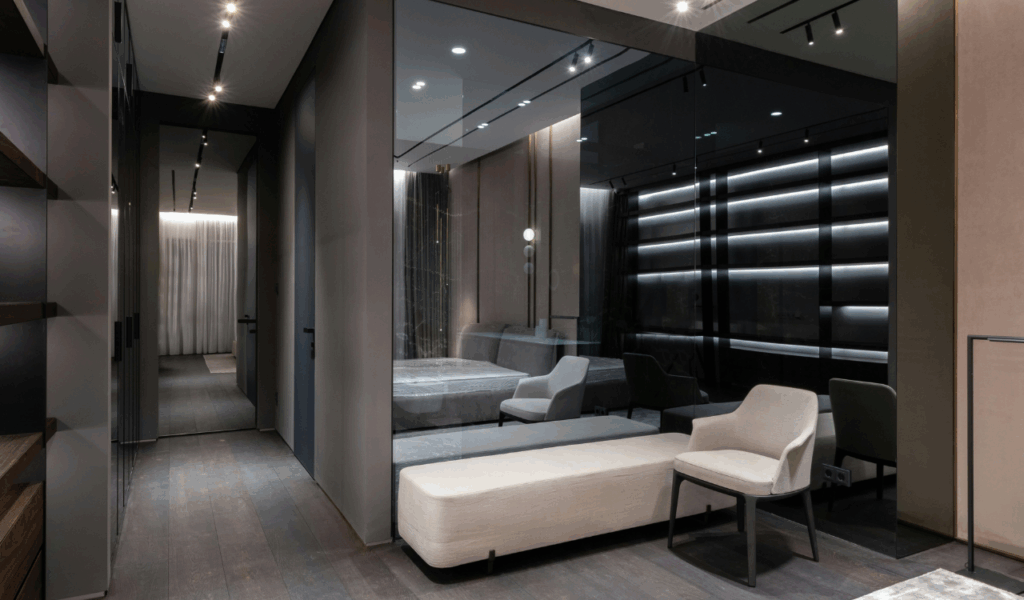
Many people buy accent chairs to finish off a room, but many of them never use them. When a chair is uncomfortable or in the wrong spot, it becomes more of a decoration than a useful piece of furniture. Furniture that isn’t useful can seem out of place in everyday life. A personal house puts comfort and socializing first. If an accent chair is just there to fill space, it might not seem like it has to be there. Over time, it can draw attention to corners that aren’t being used instead of promoting relaxation. This is a reminder of design choices that didn’t take real life into account.
10. Decorative Trays With No Function
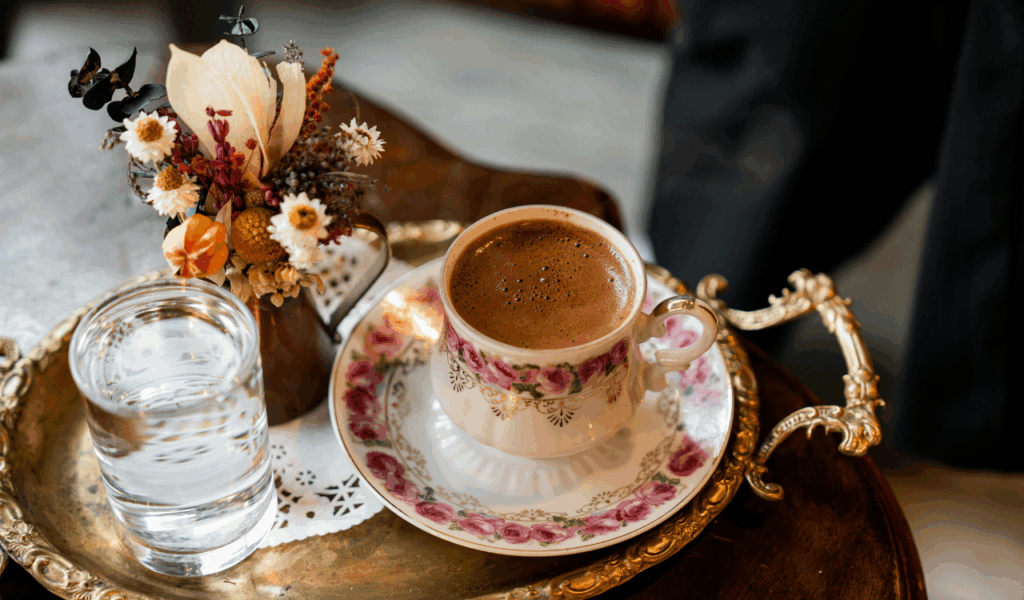
People often utilize decorative trays as stylistic tools, but they can feel forced if they don’t have a clear purpose. Trays are most useful when they keep things you use a lot in order. When added just for looks, they might hold odd things or nothing at all. This might make surfaces feel like they are set up for a show instead of being practical. Personal areas often show how people live and what they do. A tray that doesn’t have a purpose doesn’t help with everyday life, which is why it frequently feels like a placeholder instead than a meaningful addition to the home.
11. Impulse Lighting Purchases
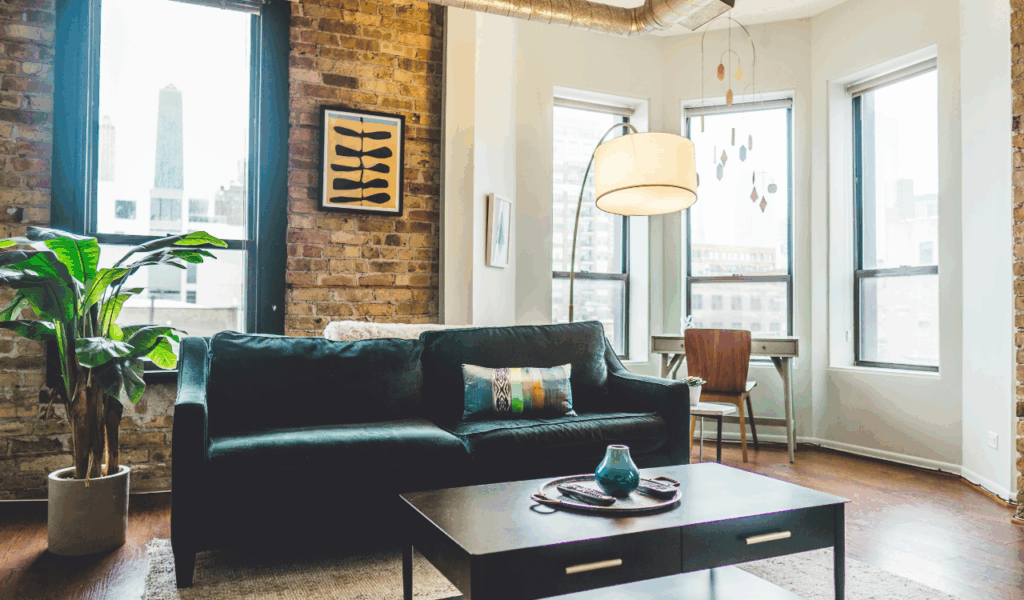
Lighting has a significant role in comfort, but impulsive purchases frequently fail to achieve this objective. Even if it has a pleasing appearance, a lamp may not produce adequate illumination or be too bright. It can be very frustrating when the lighting is not conducive to activities such as reading, relaxing, or working. Personal homes are able to accommodate a variety of schedules and requirements. Choosing lighting without taking into account its brightness, arrangement, or mood might give the impression of disconnection. However, rather than enhancing the environment, it draws attention to the inconvenience. In the long run, these kinds of acquisitions feel less like upgrades and more like reminders of decisions that were taken without knowing how they will be used on a regular basis.
12. Decorative Mirrors With No Practical Use

It is common practice to have mirrors installed in order to make a room appear larger or brighter; however, not all places are appropriate. It is possible to have the impression that a mirror is not necessary if it does not reflect light well or serve a functional purpose. Mirrors that are selected solely on the basis of their shape or style might not be suitable for the way the area is utilized. In personal dwellings, beauty and functionality are in harmony. Rather than being a meaningful design feature that helps with day-to-day activities, a mirror that is never used or observed may give the impression of being more of a wall filler.
13. Seasonal Decor Stored Most of the Year
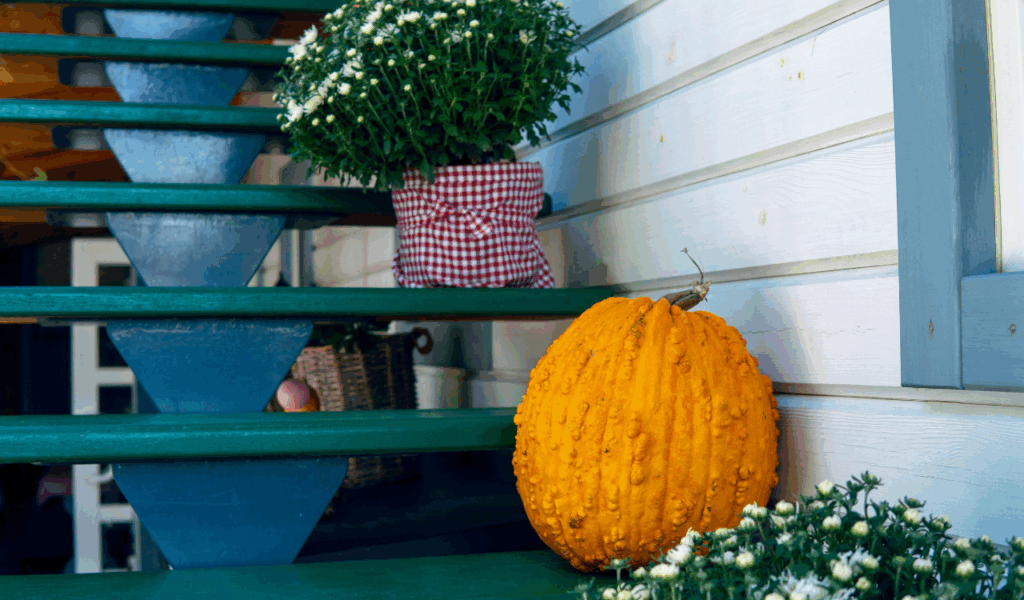
It’s fun to decorate for the seasons, but goods that are only used for a short period of time can feel disconnected from everyday life. When home furnishings are kept in storage for the most of the year, they are rarely incorporated into the character of the house. After some time has passed, these things could start to feel more like clutter than joy. Most of the time, personal spaces are adorned with artifacts that continue to be visible and relevant. However, when compared to products that are essential to day-to-day life, seasonal objects that are purchased on impulse may appear to be celebratory for a little period of time; however, their limited use may cause them to feel less meaningful.