11 Holiday Baking Trends That Weren’t Worth the Time
Holiday baking trends come and go, often fueled by social media and perfectly styled photos that hide the real work involved. Many of these ideas look festive, creative, and impressive at first glance. Once you start baking, the reality sets in. Extra steps, precise techniques, long cooling times, and expensive ingredients turn what should be a joyful activity into a drawn-out project. By the time the desserts are served, the payoff rarely matches the effort. These holiday baking trends promised something special but ultimately asked for far more time than they were worth.
1. Homemade Marshmallows for Hot Chocolate Bars
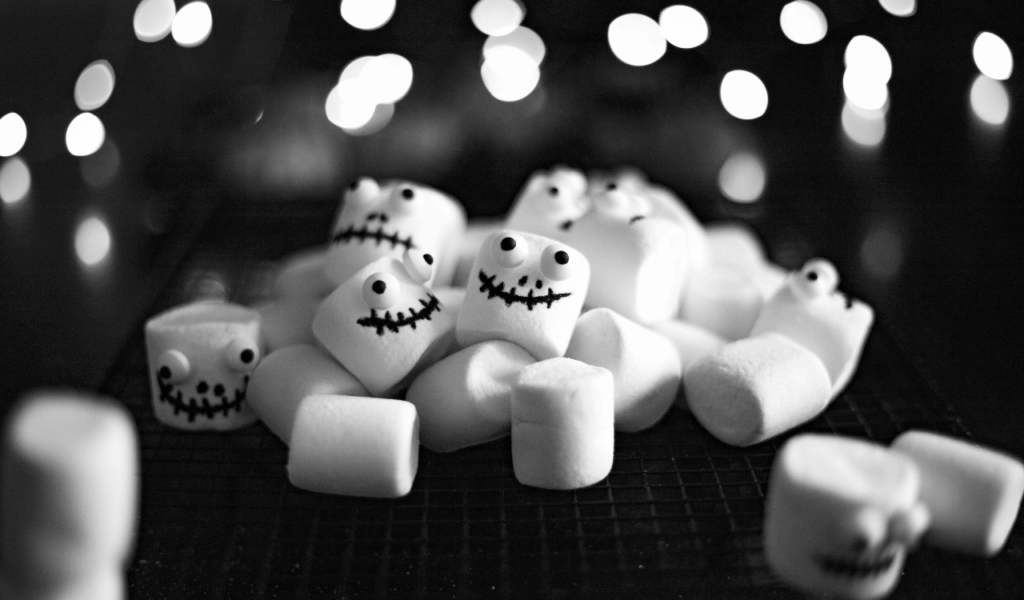
Homemade marshmallows sound charming until you actually make them during an already busy holiday baking schedule. The process requires precise temperature control, candy thermometers, and constant attention while hot sugar syrup boils. One distracted moment can ruin the batch. Even when successful, the payoff is limited. Most guests drop marshmallows straight into hot chocolate, where texture differences disappear quickly. Store-bought versions melt just as well and hold their shape reliably. Homemade marshmallows also need curing time, proper cutting, and storage with starch to prevent sticking. By the time they are ready to serve, many bakers realize the effort far outweighs the noticeable improvement, especially for something that disappears in seconds.
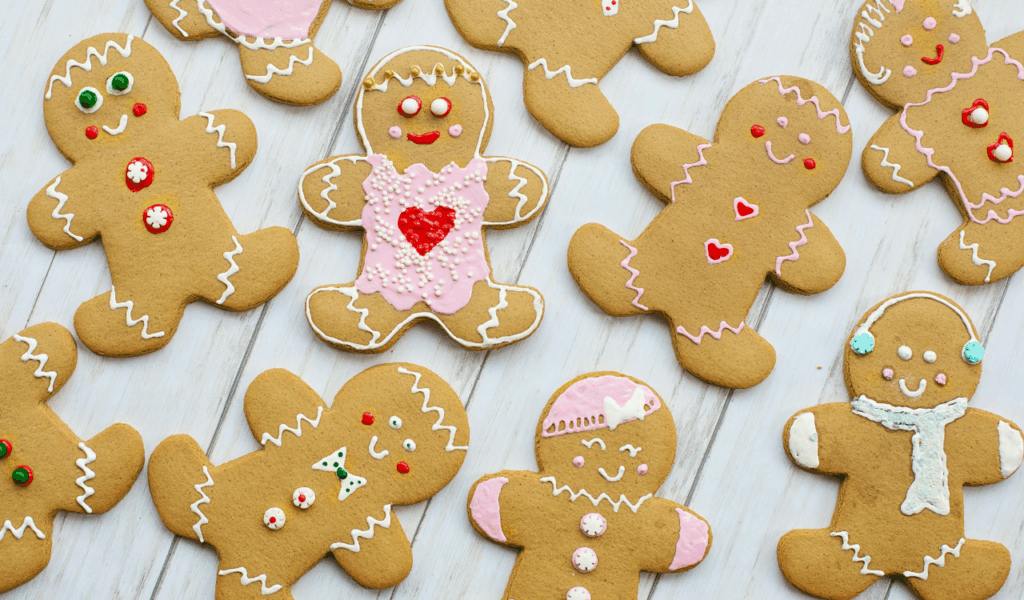
2. Hand-Painted Gingerbread Cookies
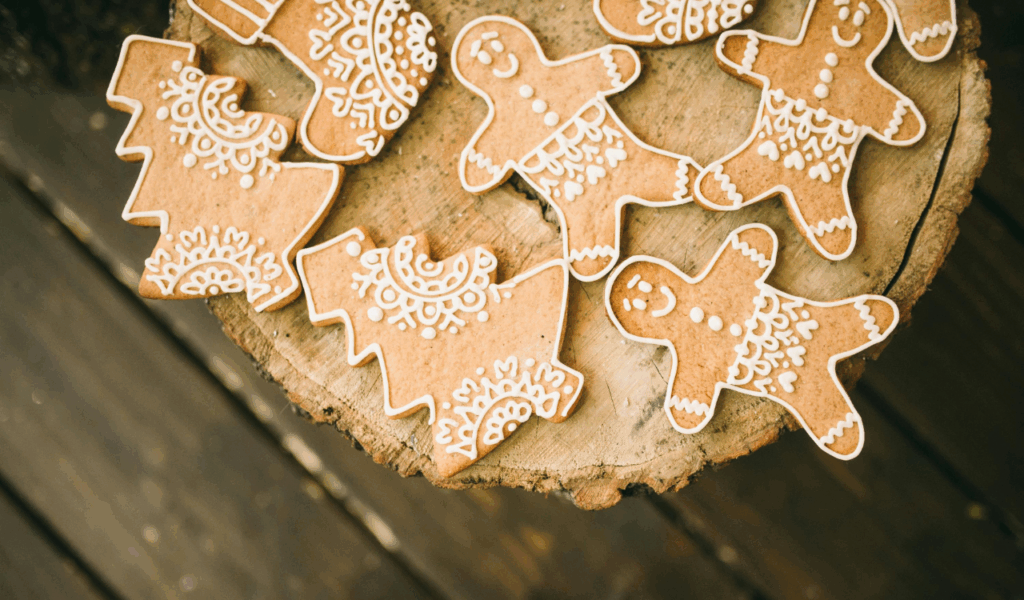
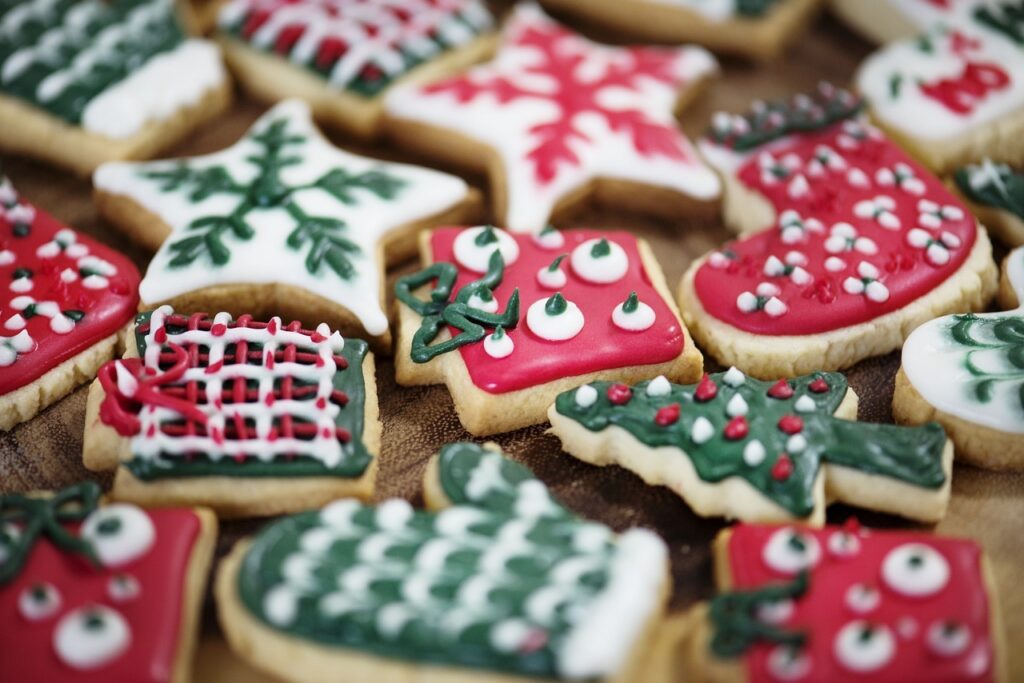
Hand-painted gingerbread cookies look stunning online, but they demand time, patience, and artistic confidence. Each cookie requires a fully cooled base, edible paints mixed to the right consistency, and a steady hand. Any moisture can cause colors to bleed or crack. Mistakes are hard to fix without starting over. The cookies also dry slowly, which delays packaging and serving. Flavor often takes a back seat because thick royal icing and paint layers dominate the surface. For most bakers, the process becomes stressful rather than joyful. Guests admire them briefly, then eat them just like any other cookie, making the hours spent painting feel excessive.
3. Croquembouche Towers
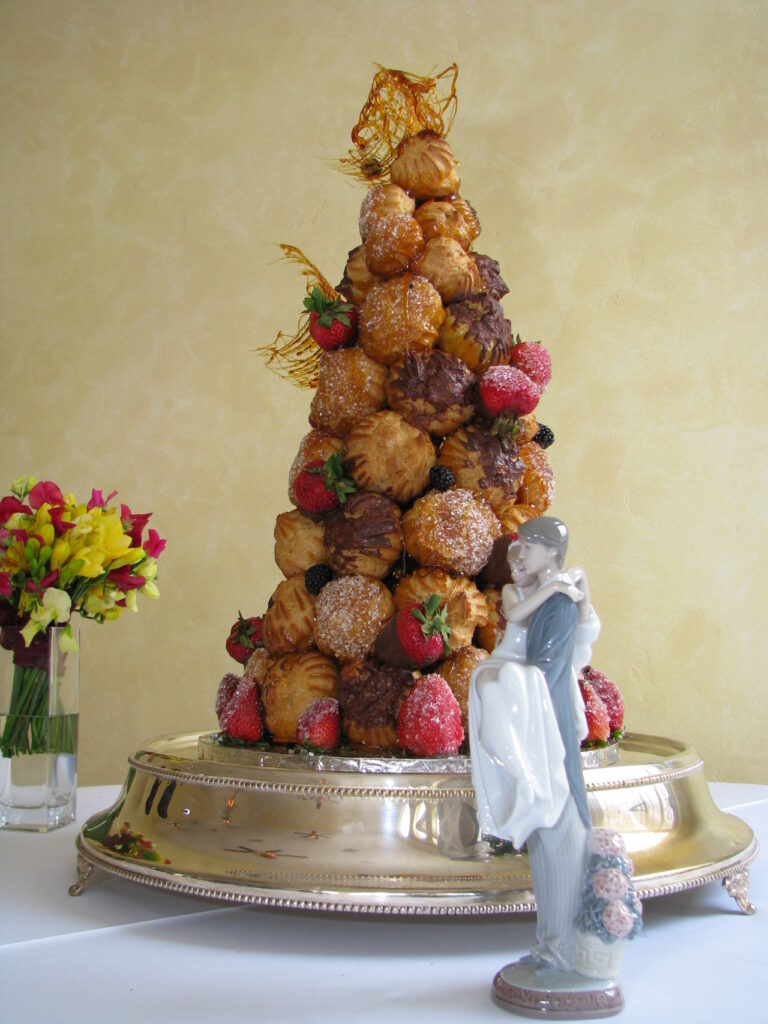
A croquembouche is impressive, but it is one of the most labor-intensive desserts in holiday baking. It requires perfectly piped choux pastry, consistent pastry cream, and caramel cooked to an exact stage. Assembly must happen quickly before the caramel hardens, leaving little room for error. One slip can collapse the structure or cause burns. Storage is also tricky. Humidity softens caramel, and refrigeration affects texture. While visually dramatic, many guests struggle to serve themselves without breaking the tower. The dessert often becomes more of a display than a pleasure to eat, leaving bakers exhausted and questioning the effort.
4. Matcha Holiday Treats
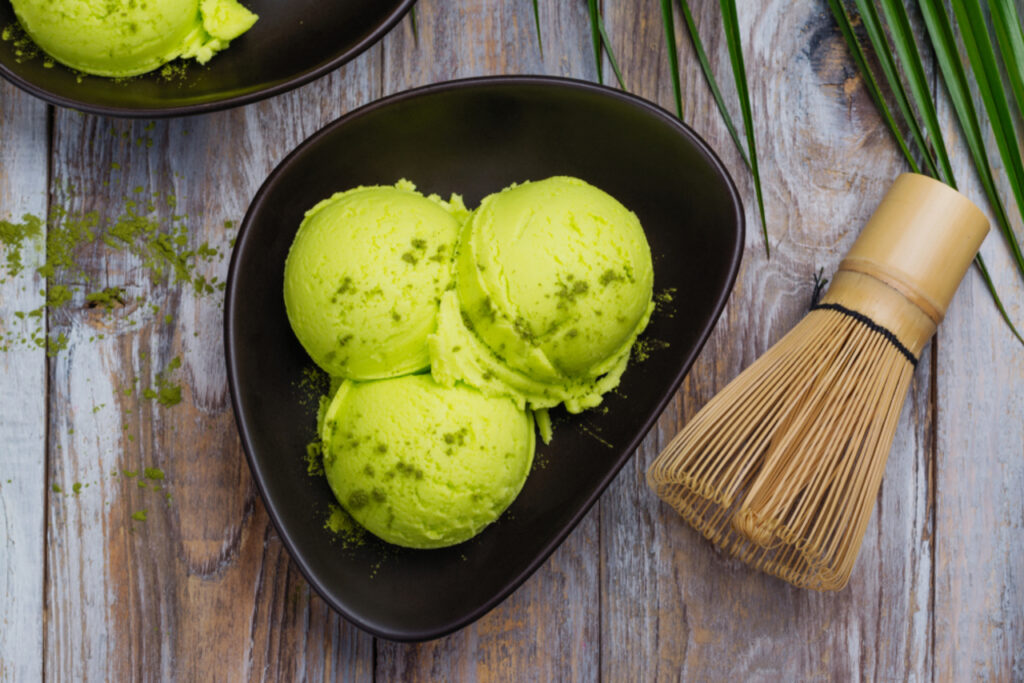
Matcha desserts surged in popularity, but they often miss the mark during the holidays. High-quality matcha is expensive, and lower grades taste bitter or grassy when baked. The flavor profile clashes with traditional holiday spices, confusing rather than delighting guests. Matcha also browns easily, making baked goods look dull instead of festive. Achieving balance requires careful measurement and experience. Many bakers find that guests either love or avoid matcha entirely, resulting in leftovers. For a season centered on crowd-pleasing comfort, matcha treats often feel more niche than rewarding.
5. DIY Candy Cane Bark With Multiple Layers
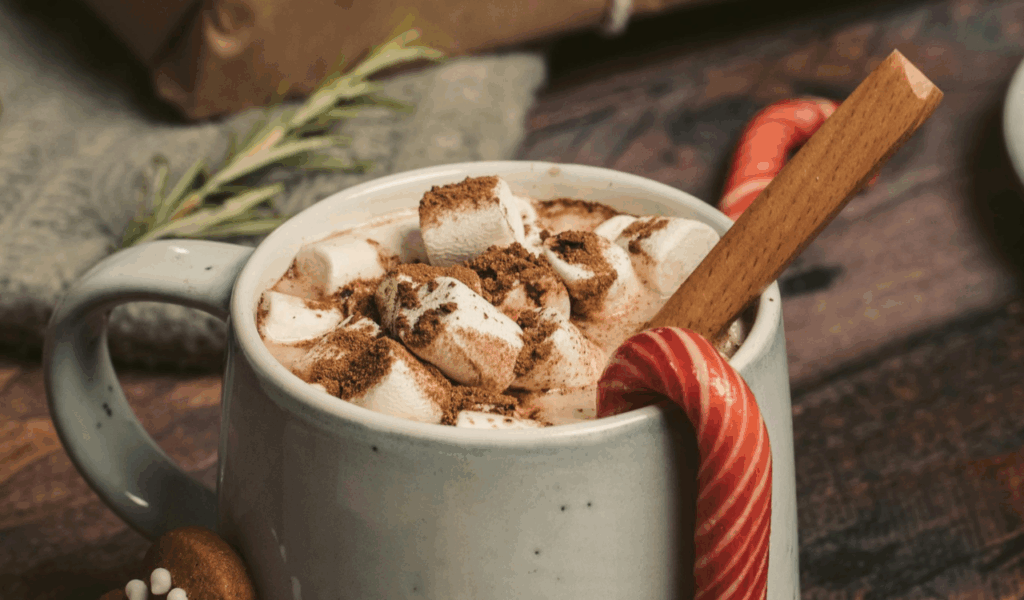
Candy cane bark seems simple until layers complicate everything. Melting and tempering chocolate properly takes time, and rushing leads to streaks or bloom. Each layer must cool fully before adding the next, stretching the process over hours. Candy canes introduce moisture, which can seize chocolate or cause separation. Cutting the bark neatly is another challenge, often resulting in uneven shards. The final product tastes fine but rarely better than simpler versions. Many bakers realize that single-layer bark delivers the same satisfaction with far less effort and cleanup.
6. Intricate Stenciled Sugar Cookies
Stenciled cookies promise uniform beauty, but the technique is unforgiving. Icing consistency must be perfect, too thin and it bleeds, too thick and it tears. Stencils clog easily and require constant cleaning. Any shift during application ruins the design. Drying time increases, which complicates stacking and storage. While the results look polished, they lack the warmth of hand-decorated cookies. Guests often focus on flavor, and stenciled cookies tend to prioritize appearance over taste. The precision required makes this trend feel more like work than a celebration.
7. Spiced Pumpkin Pie Variations With Unusual Spices
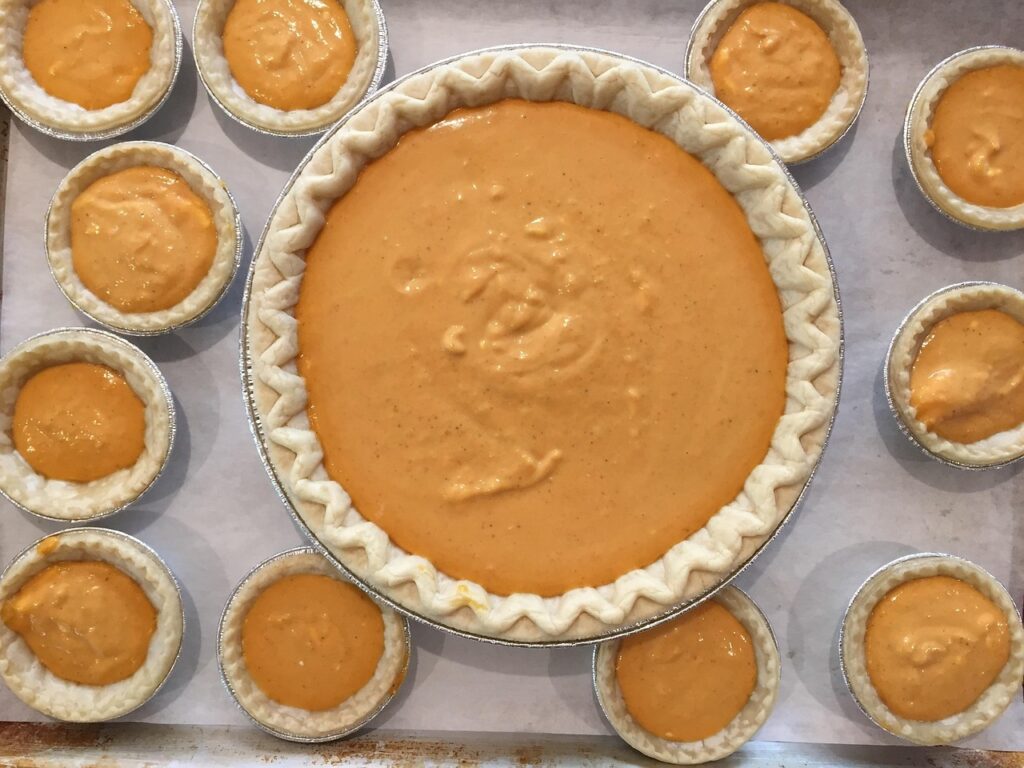
Adding unexpected spices to pumpkin pie sounds creative, but it often backfires. Pumpkin already carries subtle sweetness and warmth that can be overwhelmed easily. Spices like cardamom, star anise, or clove-heavy blends dominate the filling, masking the pumpkin entirely. Achieving balance takes testing and restraint, which most holiday bakers do not have time for. Guests expect familiarity from pumpkin pie, and deviations can disappoint. Many slices go unfinished as people return to safer desserts. In the end, classic spice blends usually outperform experimental versions during holiday gatherings.
8. Homemade Fruitcake From Scratch
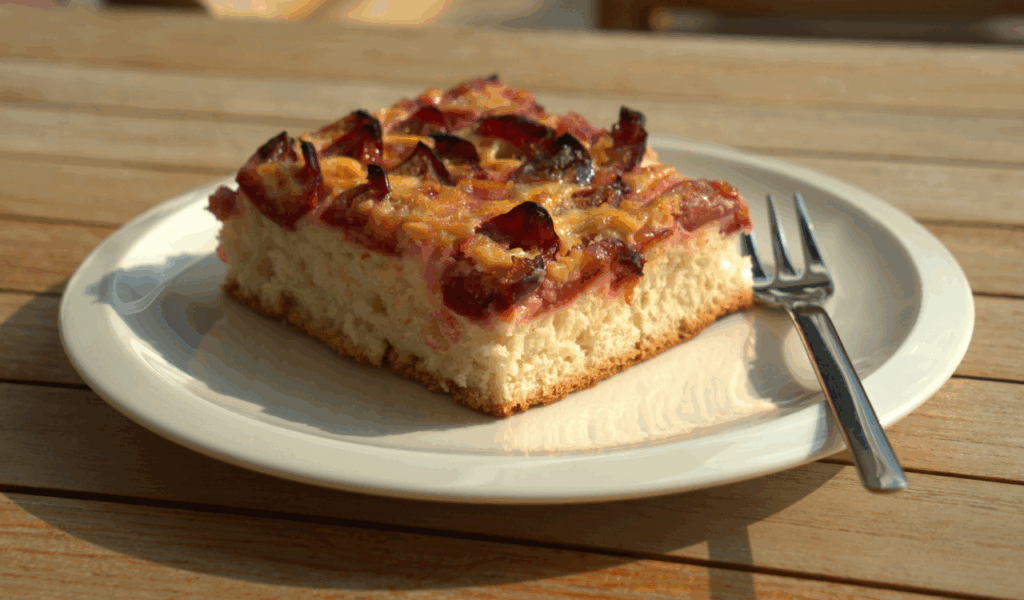
Fruitcake has a reputation problem, and making it from scratch rarely fixes that. The process is long and expensive, requiring quality dried fruits, nuts, alcohol, and aging time. Timing is critical, as fruitcake needs weeks to mature properly. Miss the window and the texture suffers. Even well-made versions divide opinion sharply. Some guests avoid it entirely based on past experiences. Bakers invest significant effort into a dessert that many people will not try, making it one of the least rewarding holiday baking projects.
9. Miniature Festive Éclairs
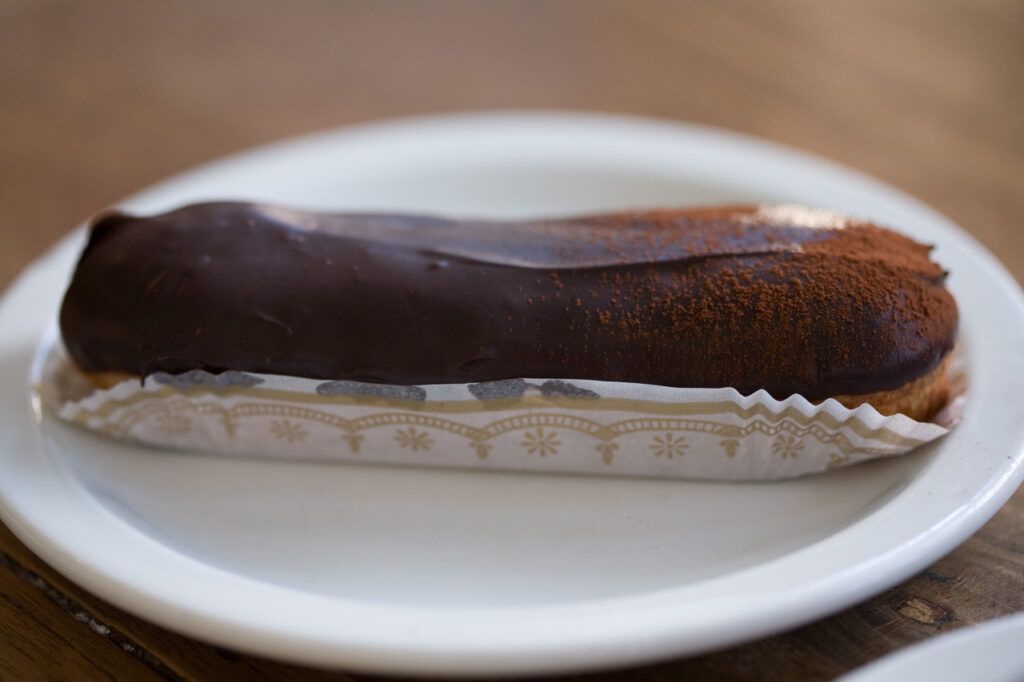
Mini éclairs multiply effort without multiplying enjoyment. Choux pastry must be piped uniformly, baked carefully, filled neatly, and glazed precisely. Making them smaller increases difficulty, not convenience. Filling requires patience, and leaks are common. Storage is short, as éclairs lose texture quickly. While they look elegant on trays, guests often reach for sturdier desserts that are easier to eat standing up. The labor involved does not translate into lasting appreciation, leaving bakers wondering why they did not make a simpler pastry instead.
10. Nitrogen-Chilled Ice Cream Dessert Bars
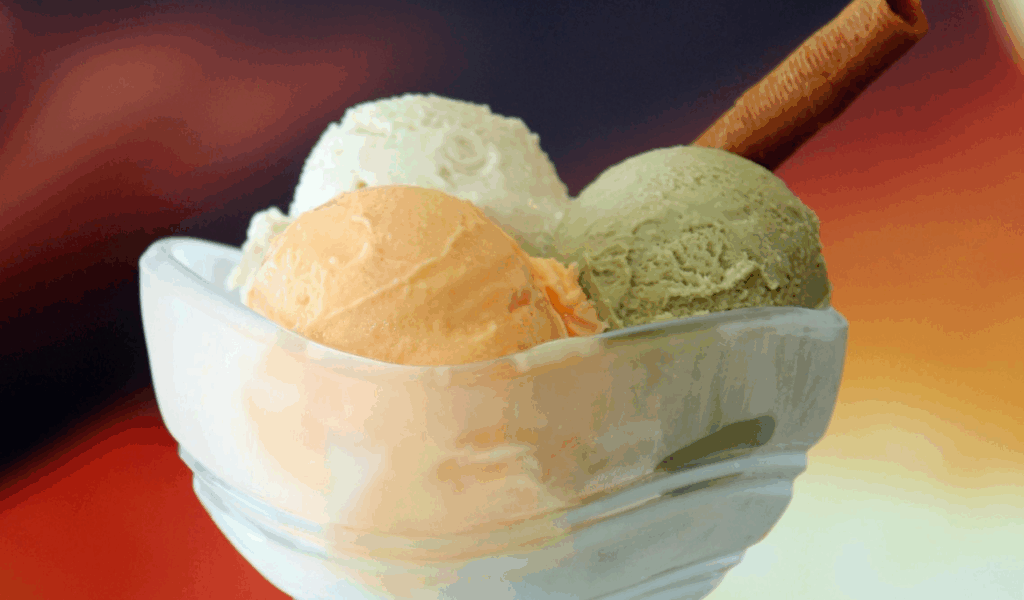
Liquid nitrogen desserts attract attention, but they are impractical for home baking. Handling requires safety precautions, proper ventilation, and experience. Equipment costs are high, and sourcing nitrogen is inconvenient. Texture benefits are subtle once the novelty wears off. Serving becomes complicated, as desserts must be consumed immediately. For most holiday settings, the risk and effort outweigh the payoff. Traditional frozen desserts deliver similar satisfaction without the hazards, making this trend more spectacle than substance.
11. Peppermint Mocha Bûche de Noël
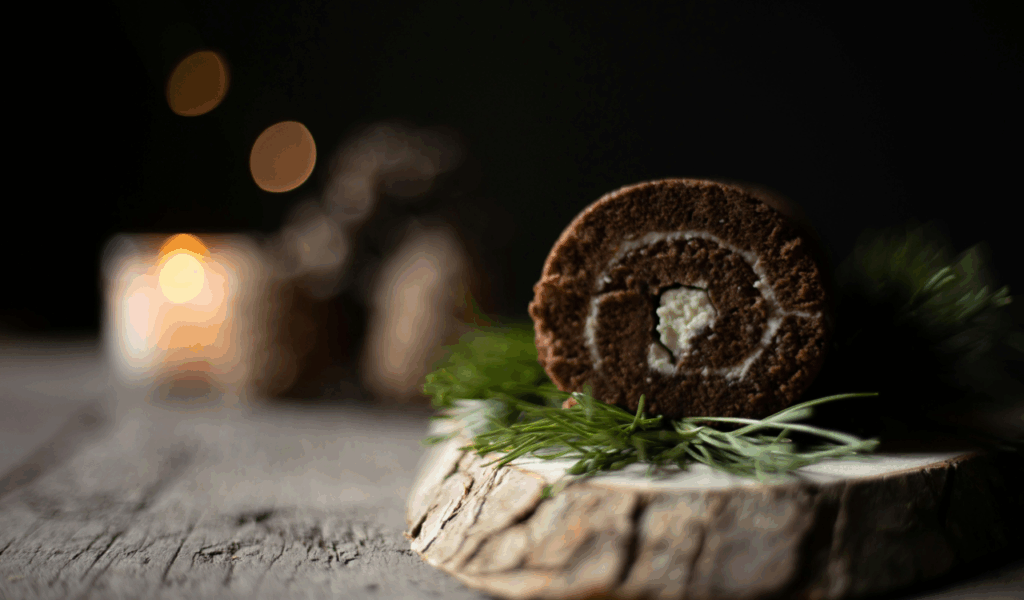
The classic yule log is already complex, and adding peppermint mocha raises the difficulty further. Balancing chocolate, coffee, and peppermint requires precision. Too much mint overwhelms, too little disappears. Rolling the sponge without cracking takes skill, and filling consistency matters. Decorating adds another layer of work. While the result can be impressive, flavor fatigue sets in quickly. Guests often prefer simpler chocolate desserts. For the amount of time invested, this variation rarely delivers enough payoff to justify the effort during a busy holiday season.