13 Seasonal Rugs That Slipped All Winter
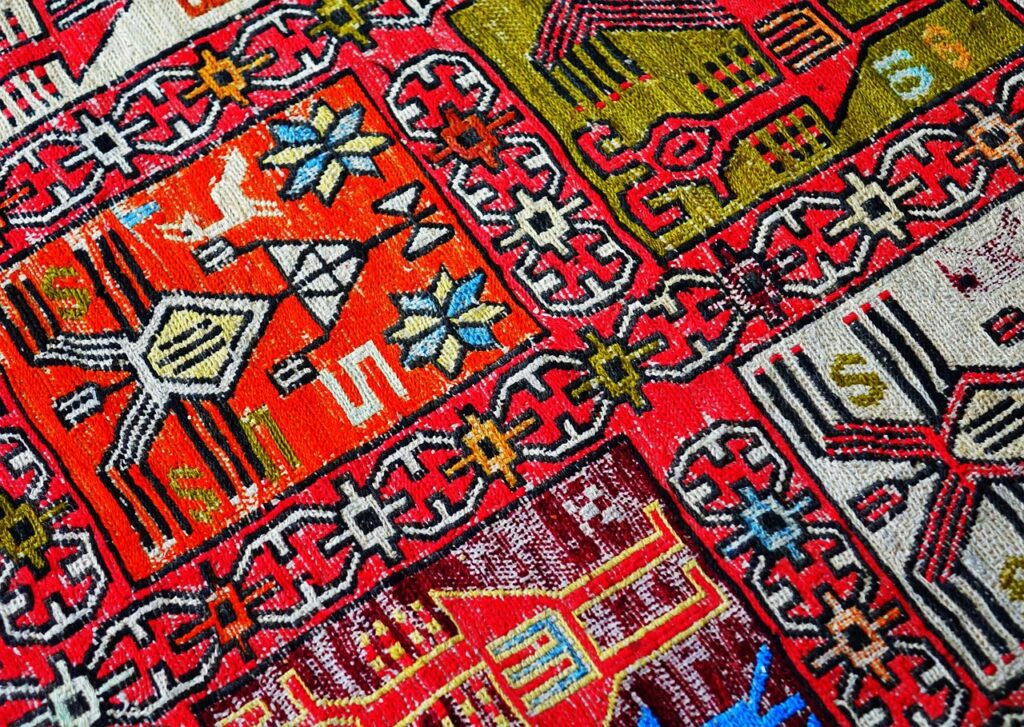
Seasonal rugs promise warmth, texture, and a quick winter refresh, but many quietly fail once the cold months settle in. Foot traffic increases, floors dry out, and boots track in moisture that changes how rugs interact with hard surfaces. Designs meant to look cozy often overlook grip, weight, and backing. By mid-winter, homeowners find themselves straightening corners, tugging runners back into place, and stepping carefully to avoid slips. These are the seasonal rugs that looked right for winter but refused to stay put once daily life kicked in.
1. Thin Cotton Rugs Without Backing
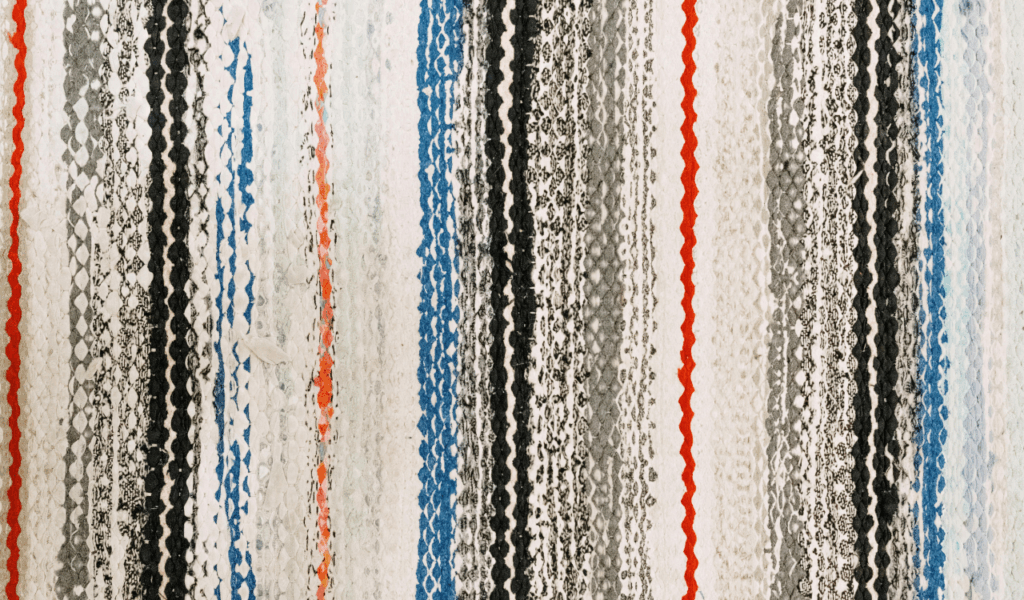
Here’s where good intentions meet physics. Thin cotton rugs feel soft, washable, and seasonally light, which makes them popular winter swaps. The problem is what they lack underneath. Without rubberized or latex backing, cotton grips nothing, especially on hardwood, laminate, or tile. As winter footwear comes into play, even light foot traffic pushes these rugs forward inch by inch. Vacuuming makes it worse, pulling corners inward and creating waves that never fully flatten again. Cotton also relaxes as indoor humidity changes, which loosens tension and encourages shifting. What starts as a cozy layer quickly turns into a daily adjustment, with corners curled and paths misaligned no matter how often you straighten them.
2. Low-Pile Indoor Outdoor Mats
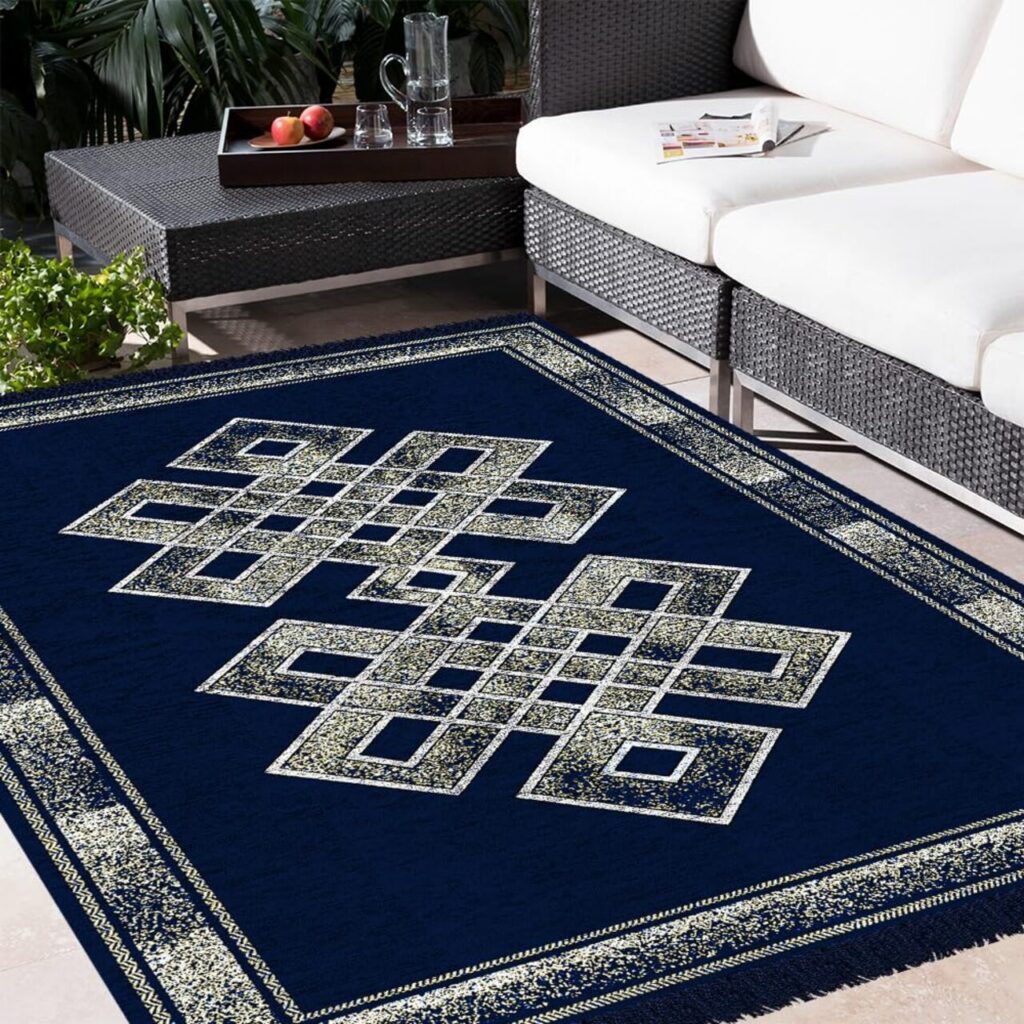
These rugs are marketed as durable and practical, but winter exposes their weakness. Low-pile indoor outdoor mats are often made with slick synthetic fibers and stiff backing designed to hose off easily, not stay put indoors. On cold floors, especially near doors, they slide easily with wet boots and repeated traffic. Salt residue and moisture reduce friction even further. Their thin profile offers little weight to anchor them, and many skip rug pads because they assume these mats are grippy enough on their own. Over time, they migrate toward walls or bunch at thresholds, creating constant trip hazards rather than solving entryway mess.
3. Wool Runners on Hard Floors
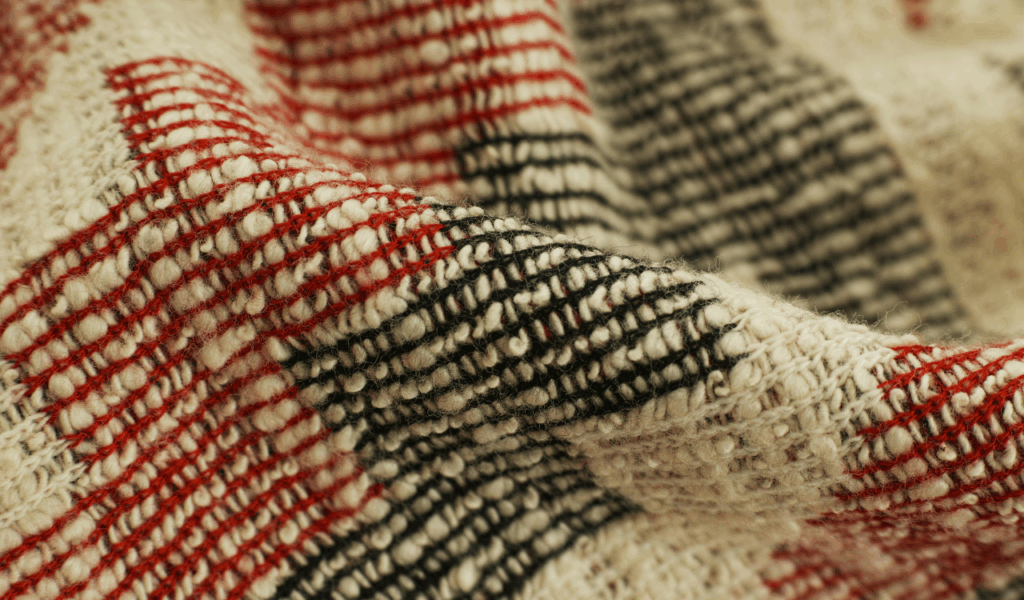
Wool sounds like the perfect winter material, warm, natural, and durable. But wool runners on smooth flooring have a tendency to glide. Wool fibers compress over time, reducing surface grip, while the backing on many wool rugs is either minimal or untreated. Long, narrow runners are especially prone to movement because pressure is concentrated along a single walking path. Each step nudges the rug forward, particularly in hallways where traffic is constant. Seasonal dryness also stiffens fibers, making the rug less flexible and more likely to slide as a single sheet rather than settle into place.
4. Faux Fur Accent Rugs
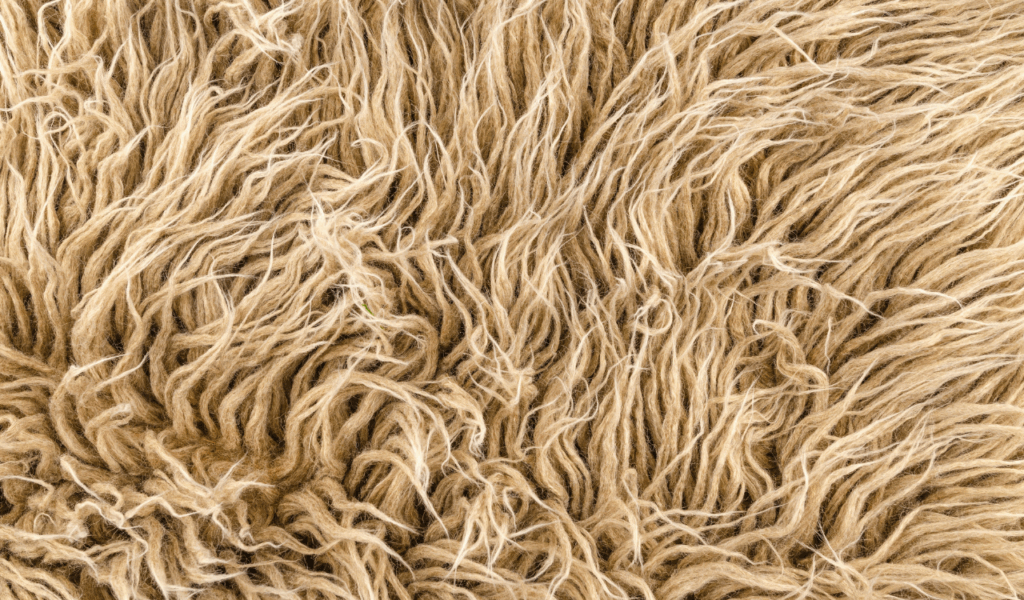
Faux fur rugs deliver instant winter coziness, but they are among the worst offenders for slipping. These rugs are usually lightweight with soft fabric backing that offers almost no traction. The plush top layer shifts independently from the floor beneath, which means even slight foot pressure sends the rug skating. Static buildup in dry winter air can also cause the fibers to lift and move unpredictably. Because they are often placed beside beds or sofas, the slipping feels especially dangerous during early mornings. Without a full-size rug pad, these accents rarely stay centered for more than a few hours.
5. Shaggy High-Pile Rugs
High-pile rugs feel luxurious underfoot, but their structure works against stability. The thick fibers compress unevenly, allowing the rug to flex and shift with movement. Many shag rugs rely on thin fabric backing to keep weight down, which provides little resistance on smooth floors. As winter goes on, compressed traffic paths form, creating subtle slopes that encourage sliding. Vacuuming lifts the pile but also loosens the rug’s position. The heavier the pile, the more exaggerated the movement becomes. What looks anchored visually often shifts just enough to cause constant straightening.
6. Holiday Themed Red and Green Rugs
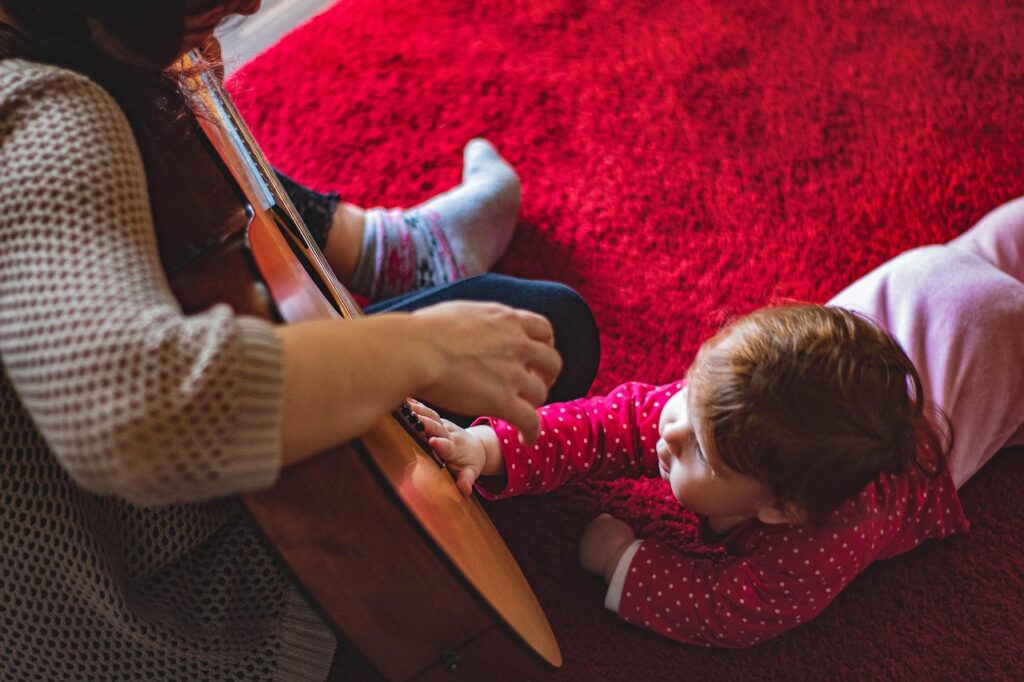
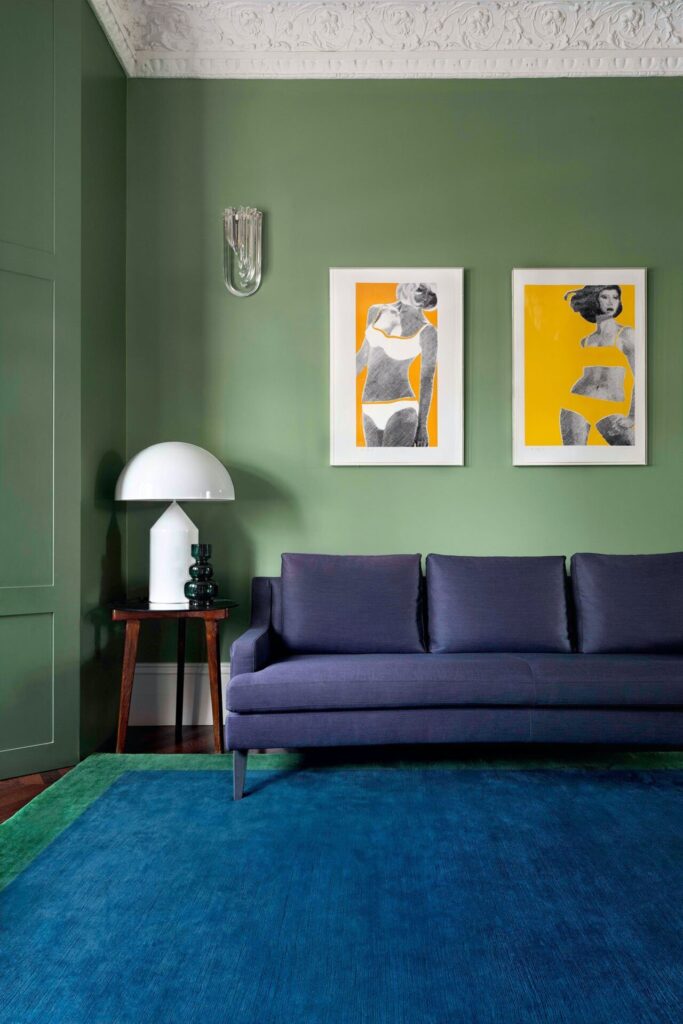
Seasonal rugs are often designed for looks first, function second. Holiday-themed rugs frequently use lightweight materials and decorative backings meant for short-term use. Many are mass-produced with smooth synthetic undersides that prioritize easy rolling and storage over grip. Winter conditions amplify the issue. Boots track in moisture, floors cool down, and traction drops. These rugs are commonly placed in high-traffic spots like entryways and kitchens, where movement is unavoidable. By mid-season, edges curl, corners drift, and the rug no longer aligns with the space it was meant to highlight.
7. Vintage Look Rugs With Worn Backing
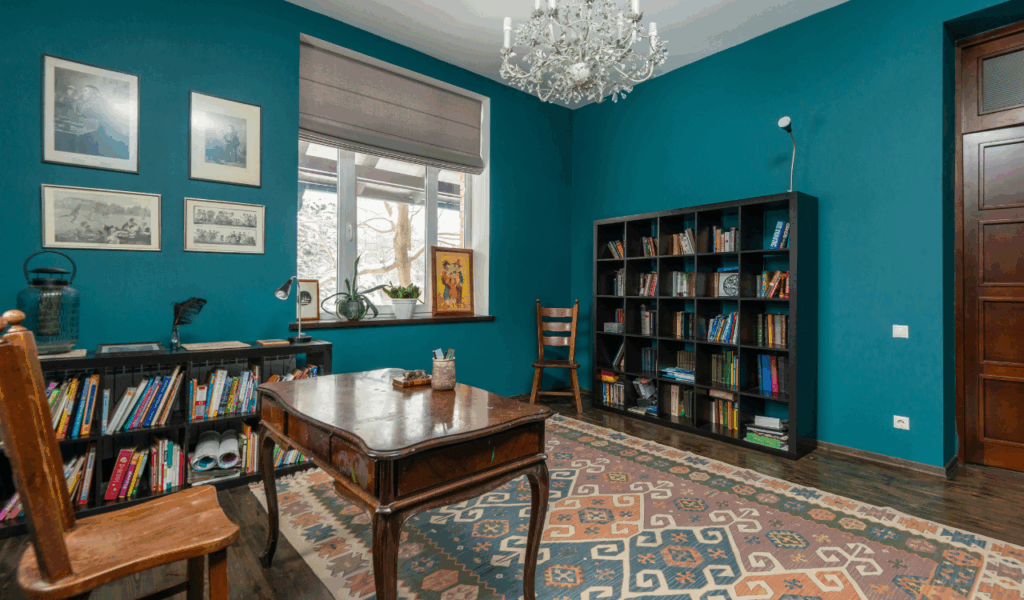
Vintage-style rugs often mimic aged construction, including distressed or faded backing. While the look is intentional, the performance suffers. Worn backing reduces friction and allows the rug to behave more like fabric than floor covering. On winter floors, especially sealed wood or polished concrete, these rugs slide easily. Their flexible structure means they fold and shift rather than resist movement. As temperatures drop, fibers stiffen slightly, making the rug more prone to gliding as a single unit. Without reinforcement underneath, the charm comes with constant repositioning.
8. Braided Jute Rugs in Entryways
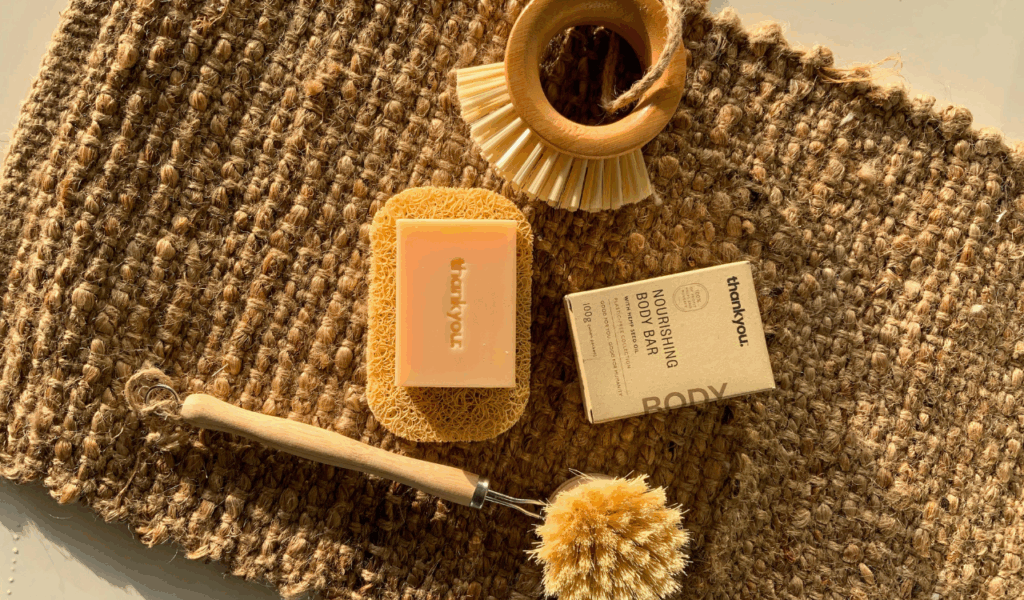
Jute rugs are popular for their texture, but winter reveals their limitations. Braided construction creates rigidity, which prevents the rug from conforming to the floor. Many jute rugs also have minimal or no backing, relying on weight alone to stay in place. In entryways, repeated foot traffic and moisture reduce friction quickly. Jute fibers absorb humidity unevenly, causing subtle warping that lifts sections off the floor. Once the rug loses full contact, sliding becomes constant. What feels grounded in summer becomes unstable once winter conditions arrive.
9. Flatweave Striped Rugs
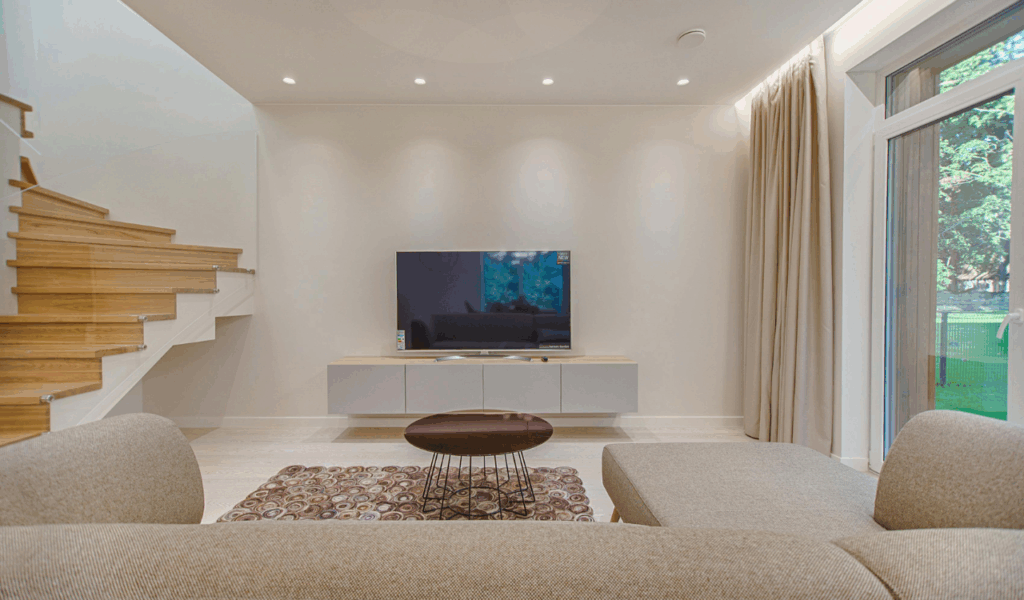
Flatweaves are lightweight by design, and stripes tend to emphasize movement visually when they shift. These rugs have no pile to create friction and often feature smooth woven backs. On hard floors, they slide easily with even light foot pressure. Seasonal dryness tightens the weave, making the rug less flexible and more likely to drift. Because flatweaves are easy to flip and fold, they are rarely paired with substantial rug pads. Over the course of winter, they creep out of alignment repeatedly, especially in living rooms and dining areas.
10. Seasonal Graphic Mats
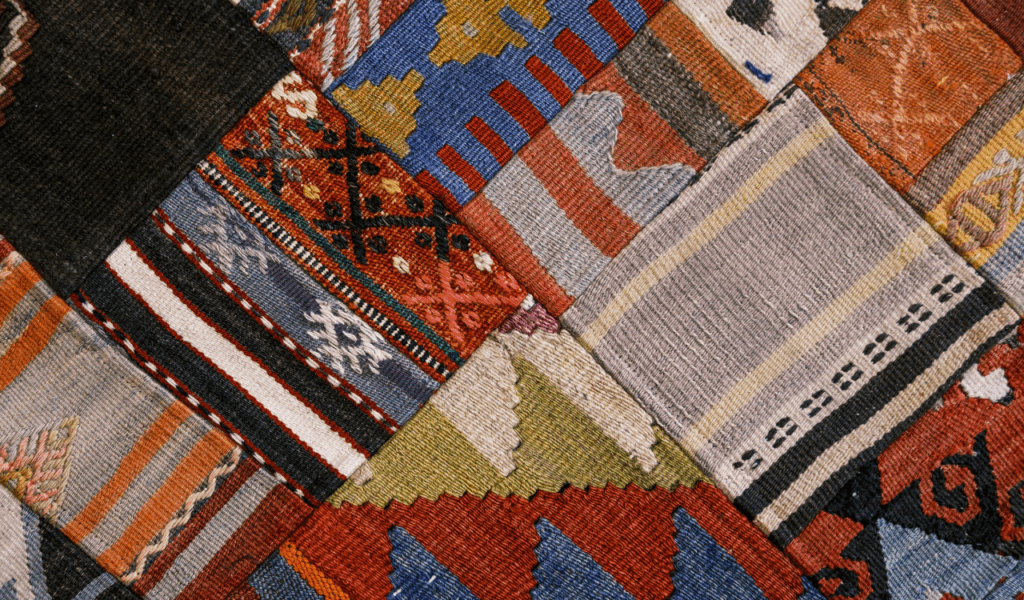
Graphic mats featuring snowflakes, reindeer, or winter slogans are often printed on thin synthetic bases. These mats are designed for visual impact, not stability. Their smooth backing glides easily on tile and laminate, especially when dust or moisture builds up underneath. Because they are usually small, they lack the weight needed to resist movement. Each step shifts them slightly until they no longer sit square to the space. Winter foot traffic only accelerates the problem, turning a decorative touch into a daily annoyance.
11. Thin Hallway Runners With Smooth Backing
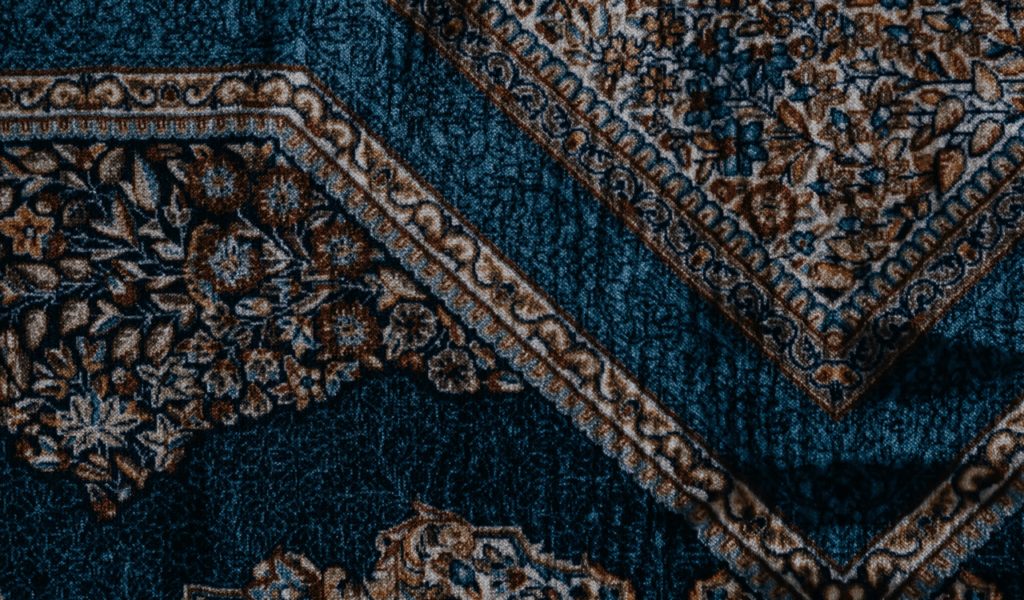
Hallway runners take more abuse than most rugs, and thin versions struggle to cope. Narrow dimensions concentrate force with every step, pushing the rug forward repeatedly. Smooth backing offers little resistance, especially on sealed wood or vinyl. Over time, runners inch toward one end of the hall, bunching near doorways. Seasonal dryness reduces grip further. Without a pad that covers the full length, these runners rarely stay aligned for long, no matter how often they are straightened.
12. Kids’ Play Rugs With Printed Designs

Play rugs are built for color and creativity, not traction. Many use lightweight foam or fabric bases with printed designs that slide easily on smooth floors. Kids move quickly, pivoting and jumping, which applies uneven force across the rug. Winter socks and smooth pajamas reduce friction even more. As the rug shifts, corners fold and edges curl, increasing the risk of slips. Parents often assume the rug’s purpose makes it safe, but without proper backing, play rugs move more than expected during active use.
13. Reversible Seasonal Rugs With Slick Undersides
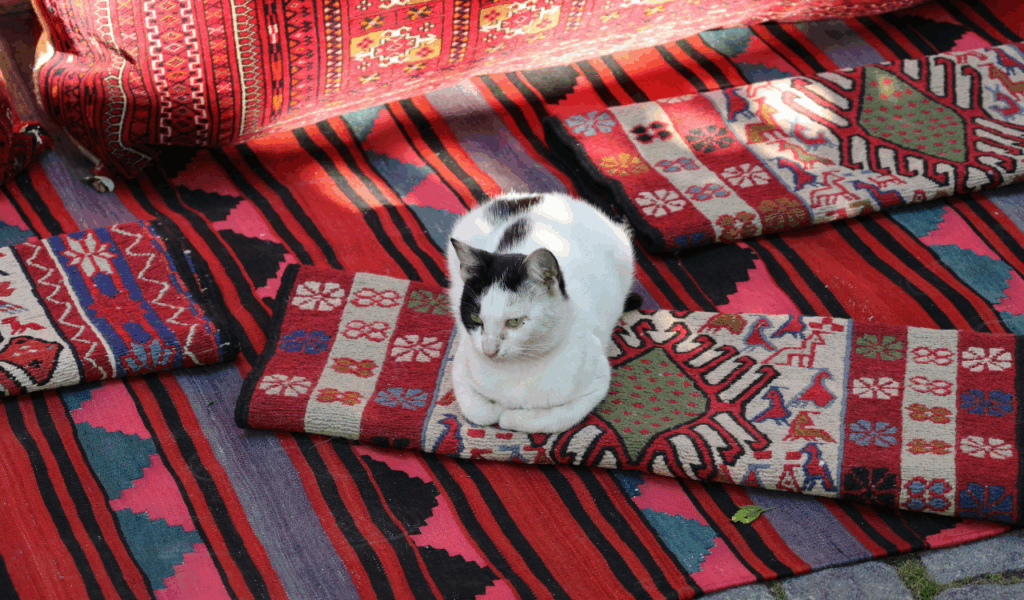
Reversible rugs double the design options but sacrifice stability. Both sides are finished for appearance, leaving no dedicated gripping surface. Slick woven undersides glide easily, especially when flipped for seasonal changes. These rugs also tend to be thinner to allow easy reversal, which reduces weight. During winter, repeated movement combined with dry indoor air makes them especially prone to sliding. Without a rug pad, reversible rugs rarely stay centered, no matter which side is facing up.