Inspectors Warn: These 10 Electrical Add-Ons Are Illegal Yet Homeowners Keep Installing Them

Many homeowners are unaware that some common electrical add-ons can create serious hazards and violate building codes. These modifications often seem like convenient upgrades or DIY fixes, but they frequently compromise safety, damage property, or even void insurance.
Licensed inspectors report that unpermitted circuits, DIY subpanels, and improper GFCI installations are among the most common violations encountered in modern homes. Understanding why these add-ons are risky, how they breach safety regulations, and what alternatives exist is crucial for maintaining both a functional and safe electrical system.
1. Unpermitted Extensions and Add-On Circuits
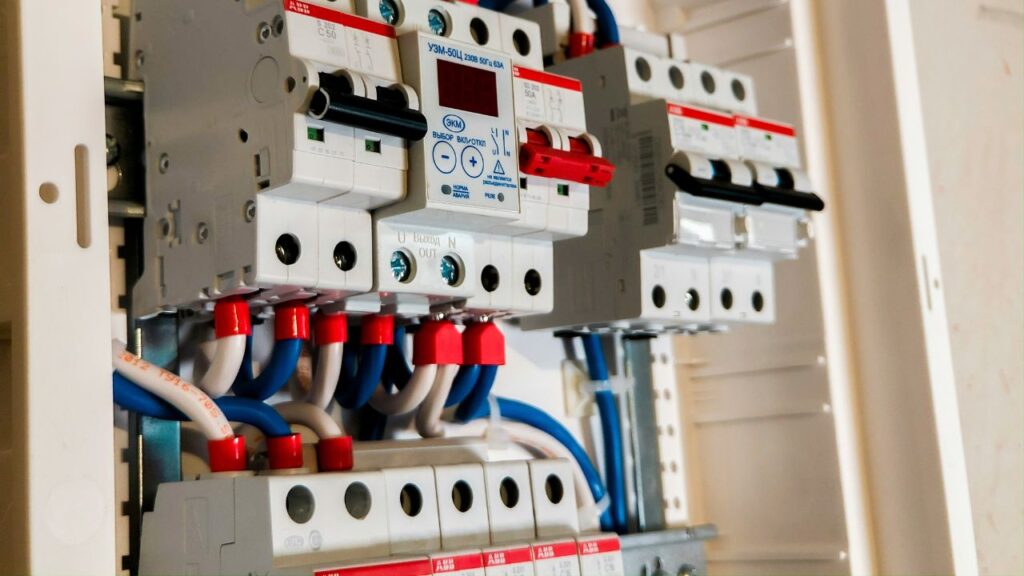
Some homeowners install extra circuits or extend wiring without proper permits, believing it is a simple way to add outlets or support new appliances. While this may seem harmless, these unpermitted additions often bypass inspections designed to ensure safe load distribution and proper grounding. Improperly connected circuits can overload panels, cause short circuits, and significantly increase the risk of fires.
Building codes exist to protect against these hazards, and bypassing them undermines both home safety and compliance. Inspections often reveal that such extensions do not follow required standards, making them a common reason for violations. Homeowners should always obtain permits and ensure circuits are installed according to code to prevent long-term dangers and insurance issues.
2. DIY Subpanels
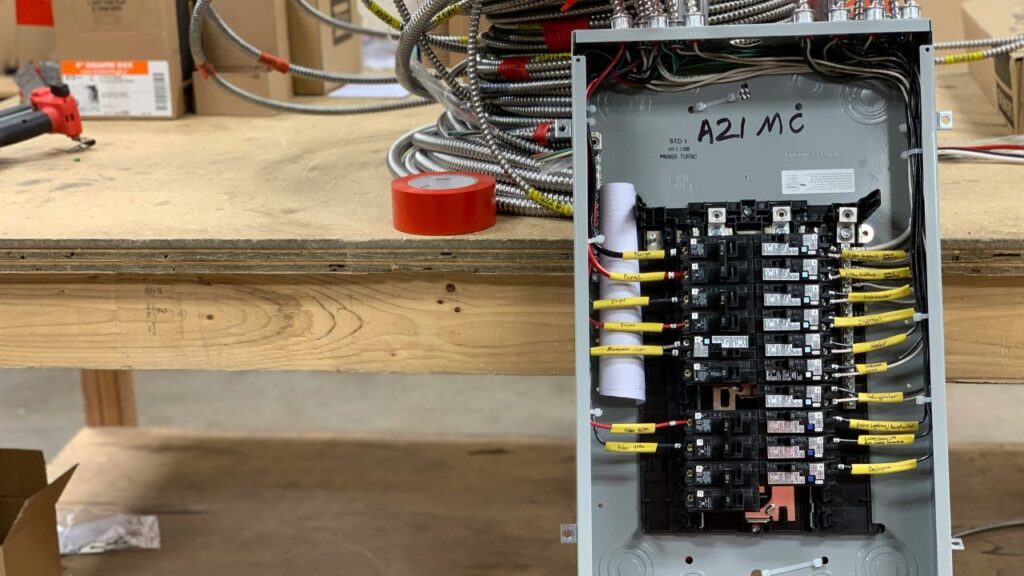
Installing a subpanel is often marketed as a DIY way to increase a home’s electrical capacity. Homeowners may attempt it to avoid hiring professionals or to save time. However, subpanels require precise labeling, grounding, and connections to avoid backfeed, overload, or improper bonding. Installation errors can cause shock hazards and circuit failures.
Electrical codes require all subpanels to meet strict safety standards, including correct wire sizing and grounding. Without following these requirements, even minor mistakes can compromise the home’s overall electrical safety. Inspectors consistently highlight DIY subpanels as high-risk violations, emphasizing that professional installation is essential for safe operation.
3. GFCI-Free Wet Area Wiring
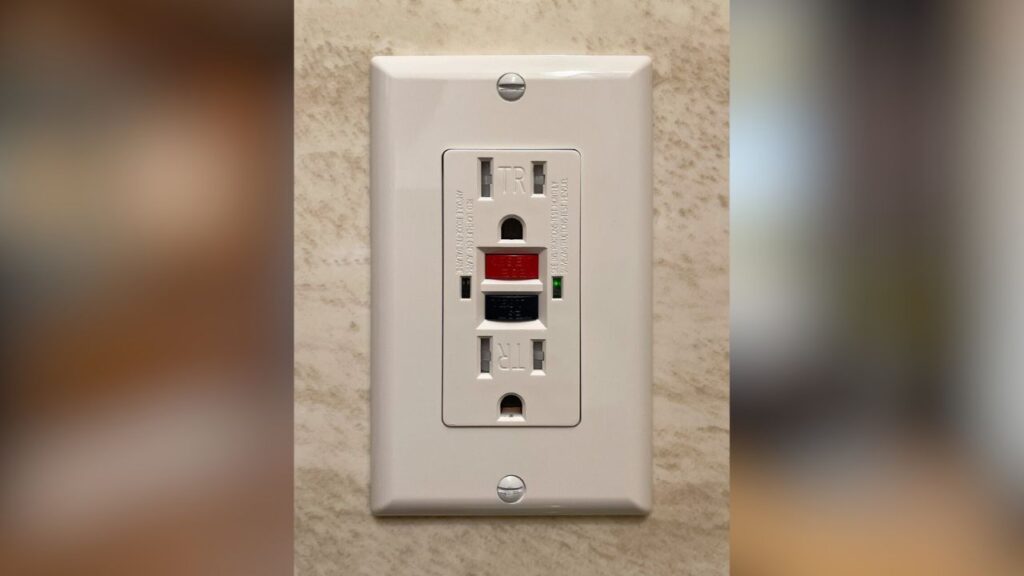
Bathrooms, kitchens, garages, and outdoor outlets are required by code to have ground fault circuit interrupters (GFCIs). Some homeowners skip this, assuming normal outlets are sufficient. Without GFCI protection, even minor water contact can result in serious shocks or electrocution.
Inspectors frequently encounter homes where these outlets are missing or improperly wired, particularly in older or renovated areas. Installing GFCIs ensures rapid power cutoff during faults, preventing injuries and fire risks. Skipping this step is not only illegal but also exposes residents to significant hazards during routine household activities.
4. Concealed Extension Cords
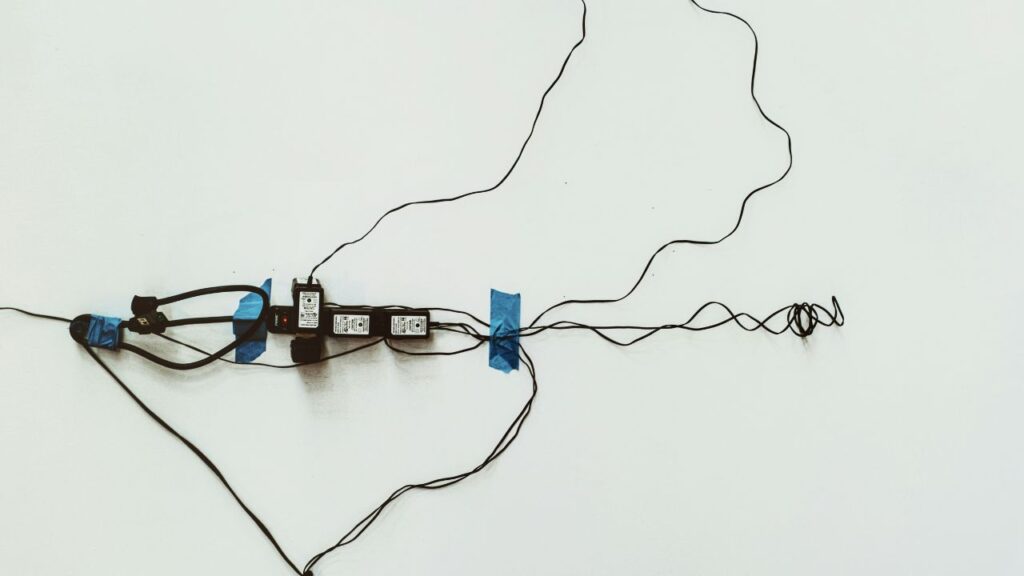
Running cords behind walls or through ceilings to add power points may seem convenient for avoiding visible clutter, but permanent hidden cords violate code and create fire risks. These cords are not designed for long-term installation and can overheat, fray, or be damaged by nails or screws.
This practice is surprisingly common in remodels and rental homes. Codes require proper in-wall wiring methods, including conduit or approved cables, to ensure heat dissipation and protection from mechanical damage. Concealed cords may appear tidy, but they create an invisible hazard that can result in catastrophic electrical failures.
5. Backstabbed Outlets
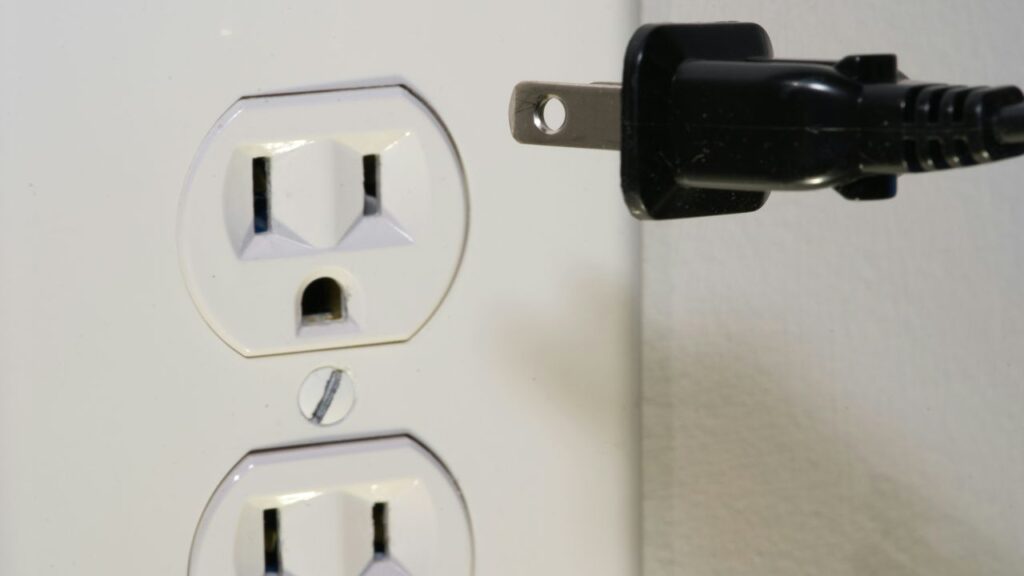
Many homeowners opt for backstabbed outlets, where wires are pushed into spring-loaded holes rather than attached to screw terminals, for speed or convenience. While it may save time, this method increases resistance and can loosen connections over time, leading to arcing, overheating, and fire hazards.
Inspectors consistently flag these outlets as a common failure point during home inspections. Using screw terminals and securing wires properly ensures stable, long-lasting connections. Despite appearing clean and simple, backstab wiring sacrifices reliability and violates standard safety practices.
6. Improper Smart Device Wiring
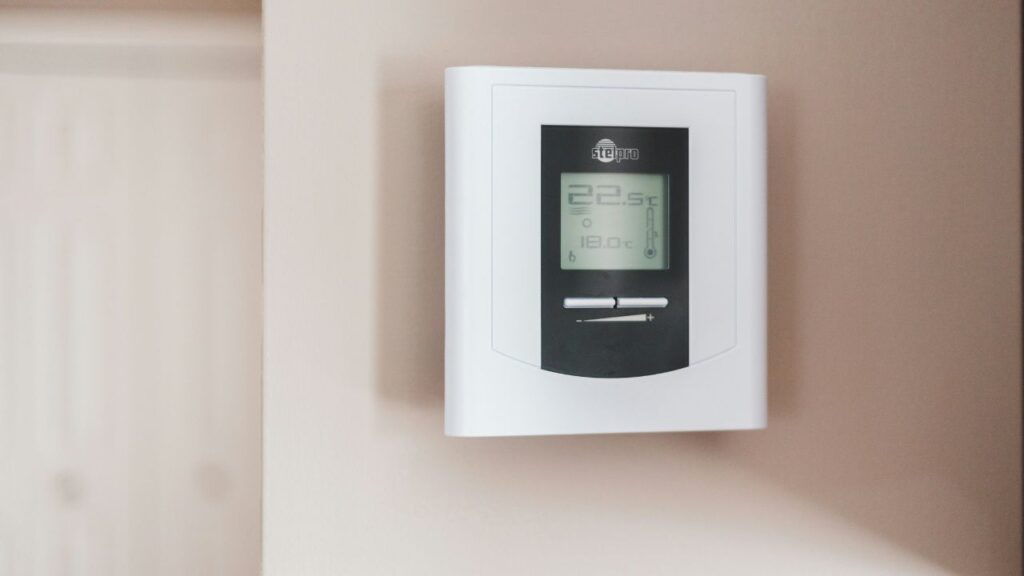
Smart plugs, thermostats, and other IoT devices are increasingly popular, but connecting them improperly or bypassing listing requirements can create code violations. Incorrect wiring can overload circuits, create fire hazards, or interfere with system functionality.
Many installations disregard manufacturer instructions or fail to integrate devices with existing panel protections. The following code ensures that smart home upgrades enhance convenience without compromising safety. Improper installations may result in hidden risks that only become evident during inspections or after electrical failures.
7. Aluminum Wire Splicing Without Antioxidants
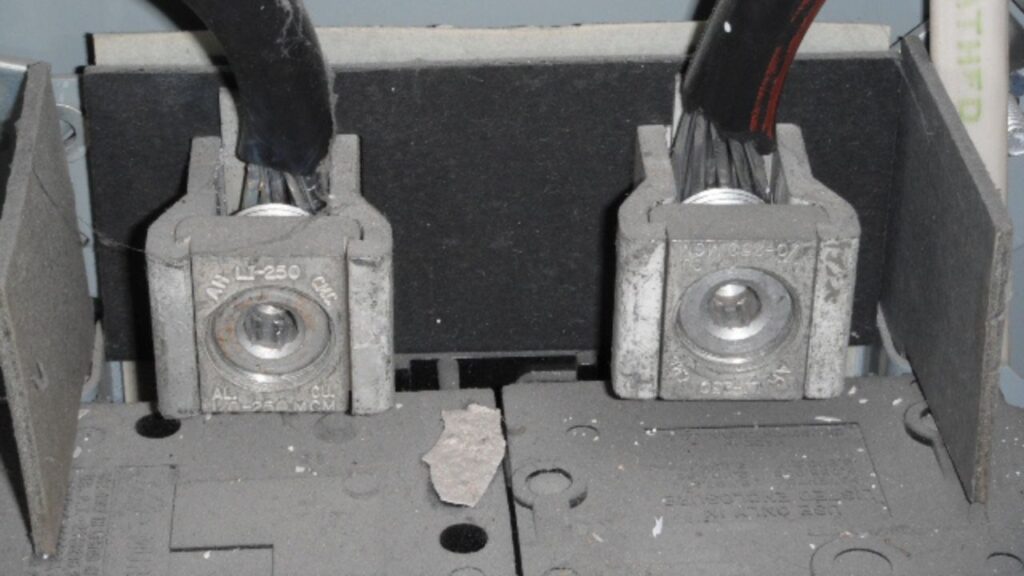
Aluminum wiring can be used safely, but splicing aluminum wires without antioxidant compounds or proper connectors is a frequent violation. Without correct treatment, oxidation can increase resistance, generate heat, and cause fires.
Many homeowners attempt this when updating older circuits or adding outlets. Electrical codes require specific connectors and compounds for aluminum wiring to prevent dangerous failures. While copper remains the preferred choice, properly handled aluminum wiring is permitted, but only when all code requirements are followed.
8. Tampered or Overridden Breakers
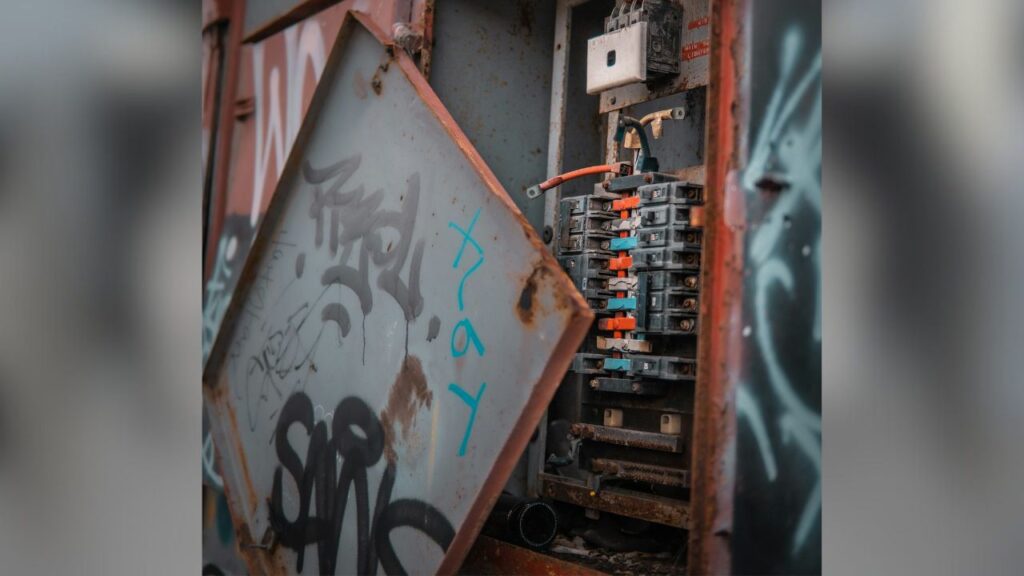
Some homeowners reset or replace breakers without considering load limits, believing they can bypass tripped circuits or accommodate extra devices. Tampering with breakers undermines safety because each breaker is designed to protect a specific wire gauge.
Overriding this system risks overheating, sparks, or electrical fires. Inspectors frequently find homes with mismatched breaker and wire combinations. The following code ensures that the correct breaker size matches the wire gauge, maintaining a safe circuit and preventing dangerous overloads.
9. Outdoor Outlets Without Weatherproofing

Installing exterior outlets without proper weatherproof covers is a common violation, particularly for convenience lighting or holiday decorations. Exposed outlets are vulnerable to moisture, which can lead to corrosion, short circuits, and shock hazards.
Codes require weatherproof covers and GFCI protection for all outdoor outlets. Inspectors warn that neglecting these protections is a frequent cause of outdoor electrical incidents. Proper installation ensures that outlets remain safe, durable, and functional even in wet or freezing conditions.
10. Backfeeding Generators
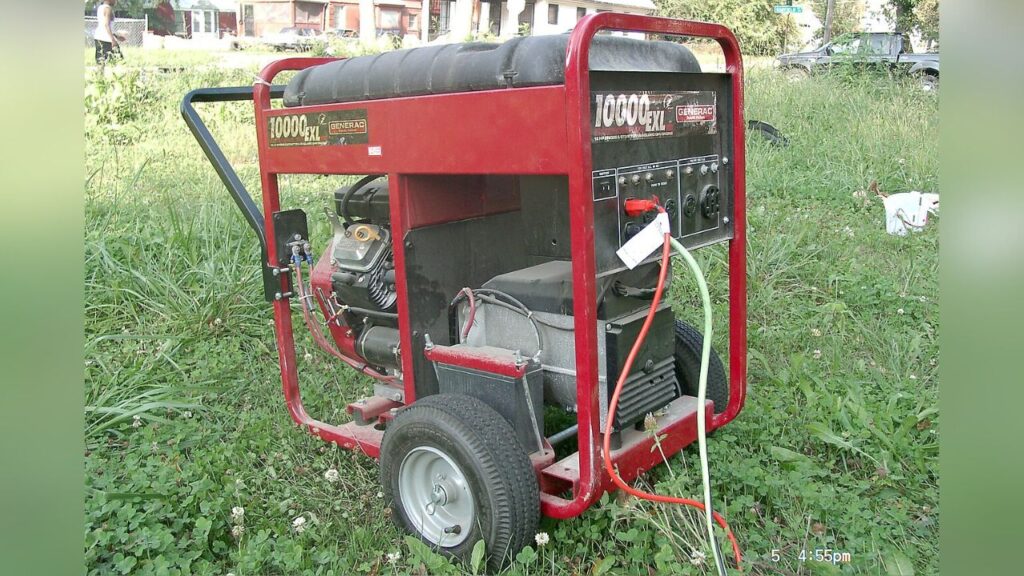
Connecting a generator directly to home wiring without a transfer switch is illegal and extremely dangerous. Homeowners may do this to provide emergency power quickly, but backfeeding risks electrocution for utility workers and can overload circuits.
Electrical codes mandate transfer switches to safely isolate generator power from the main grid. Improper connections are common during winter storms or power outages. Bypassing code may seem convenient, but it creates life-threatening hazards and severe legal consequences.