11 Bakeries That Still Use Traditional Wrapping Methods
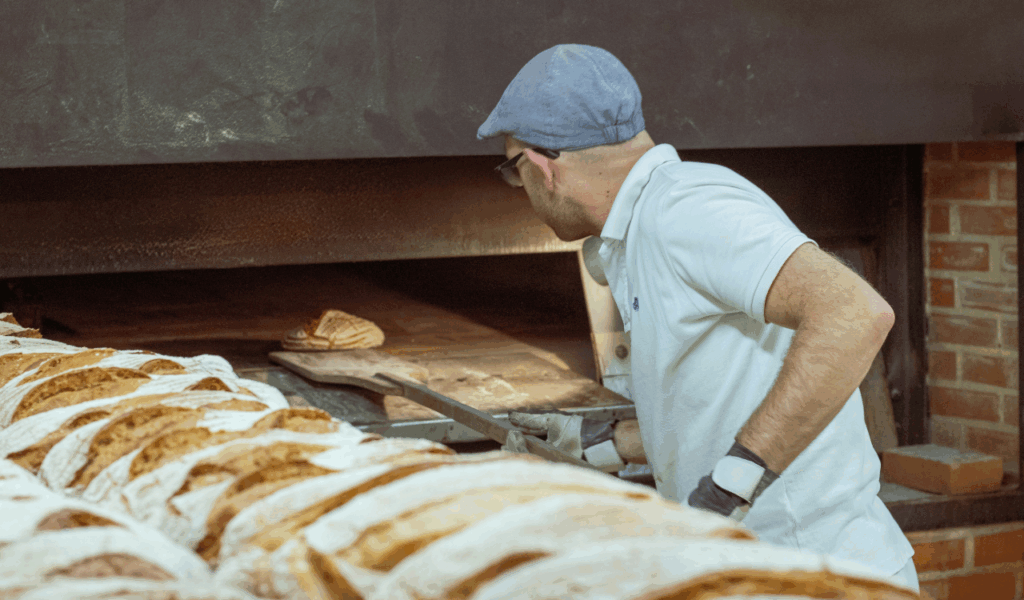
The tactile pleasure of traditional bakery wrapping is a dying art in a time when vacuum-sealed containers and plastic film rule the day. A loaf or pastry’s packaging is an essential last step in maintaining the product’s structural integrity, according to culinary historians and artisanal bakers. The remaining heat from a fresh bake can escape using traditional methods, which use breathable materials like waxed liners, heavy-weight paper, and butcher’s twine, without producing the “steaming” effect that destroys a crisp crust. A bakery that prioritizes the bread’s biological life over the convenience of a longer, if soggier, shelf life is shown by its dedication to historical packaging.
Expert pastry chefs and boutique restaurant designers frequently observe that “the unboxing” is a component of the sensory luxury of fine dining. These bakers use natural, compostable packaging to complement their “honest” doughs, experts say. From the “boulangerie fold” to the wax-sealed pastry box, these eleven enterprises retain the craft’s history. By visiting these bakeries, you can guarantee a perfect crust, a light crumb, and artisanal attention from oven to counter.
1. The Traditional Parisian Boulangerie
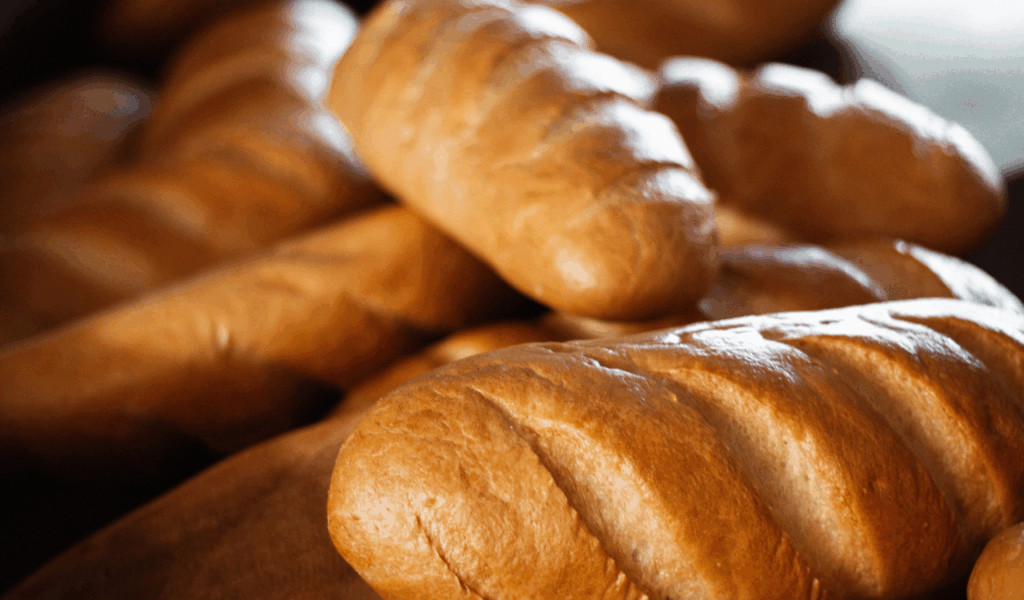
The classic Parisian boulangerie remains the gold standard for the “minimalist fold.” According to traditional bakers, a fresh baguette should never be fully enclosed in plastic, as the moisture from the crumb will immediately migrate to the crust, turning it leathery. Instead, these bakeries use a narrow, open-ended paper sleeve that covers only the middle of the loaf. This allow the tips to remain exposed to the air, preserving the “shattering” crunch that defines the French standard.
It is a functional tradition that prioritizes the immediate quality of the bread. Designers of these historic shops reveal that the simplicity of the paper sleeve is a badge of honor, suggesting the bread was baked only hours ago.
According to realtors and travel writers, the sight of a patron carrying a partially wrapped baguette is the ultimate signal of a high-quality local life. By choosing a bakery that respects this “open” wrapping method, you are benefiting from a technical decision that protects the Maillard reaction on the crust. It is a humble yet essential part of the daily ritual that ensures the bread stays at its absolute sensory peak until the moment it is broken.
2. The Old-World Italian Pasticceria
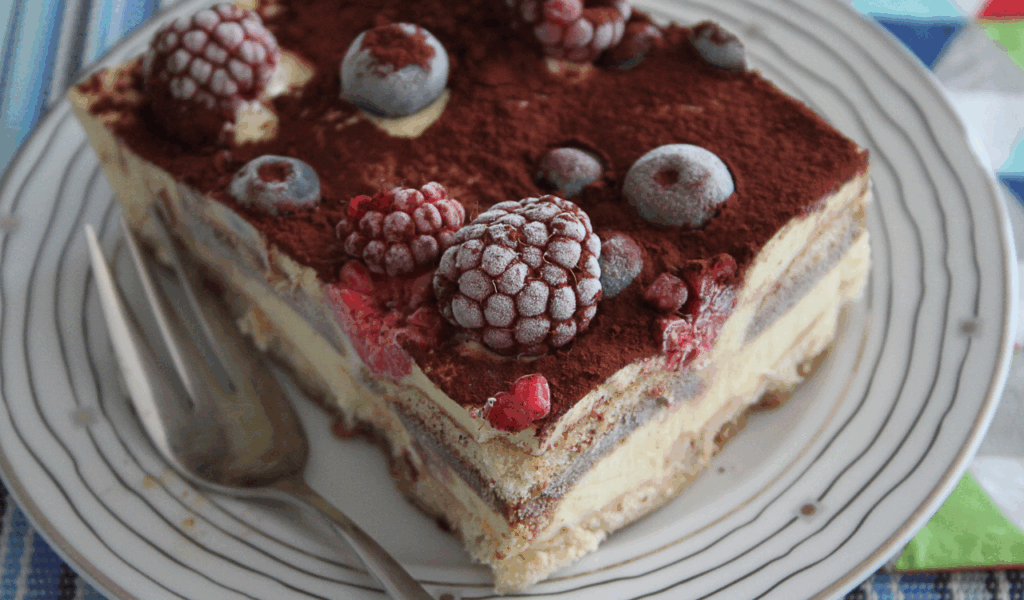
The act of wrapping a tray of pastries is a carefully choreographed performance in a traditional Italian pasticceria. Pastry experts say that the “vassoio” (tray) of cannoli or sfogliatelle is wrapped in a thick paper that has been embossed with gold and then fastened with a gorgeous ribbon that doubles as a handle for carrying. According to experts, this “parcel” technique preserves the airflow required to keep the pastry shells crisp while preventing the delicate cream fillings from being crushed. This elegant and joyous packaging transforms an ordinary transaction into a present.
The branding on these classic parcels, which typically features exquisite writing and family crests, is frequently praised by interior decorators for adding a touch of “heritage luxury” to the house. The last part of the guest experience, according to hospitality professionals, is untying the ribbon. By continuing these time-consuming wrapping customs, the pasticceria conveys that their goods are handmade and should be handled with care. The nicest things in life are worth the time it takes to wrap them with sincere care and creative intent, as seen by this sophisticated take on bakery culture.
3. The Artisanal Sourdough Micro-Bakery
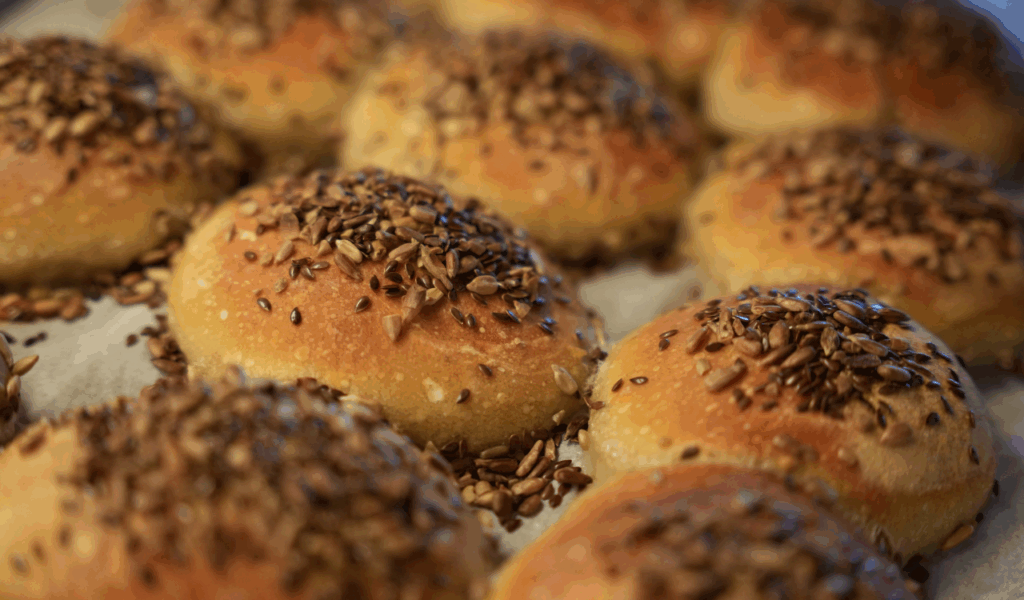
In homage to pre-industrial baking, the “butcher paper and twine” style has been adopted by the contemporary sourdough movement. Master bakers claim that a sourdough loaf’s thick crust serves as a natural preservative of its own, and that this barrier is maintained by covering the loaf with thick, breathable paper. Brown kraft paper bound with a basic knot of cotton twine or natural jute is used by many micro-bakery proprietors.
According to experts, this “zero-plastic” strategy is a practical decision that keeps bread from molding in the moist environment produced by plastic bags, not merely a fad. This kind of packaging is frequently cited by real estate agents and flippers of “artisan” lifestyles as an indicator of superior, environmentally friendly sourcing.
Food critics claim that the “honest” quality of the three-ingredient bread (flour, water, and salt) is reflected in the tactile qualities of the paper and twine. Your sourdough will be able to “breathe” while it develops flavor on your counter if you choose a bakery that stays away from contemporary movies. The loaf is treated with the deference it merits as a living, fermenting product in this rustic and incredibly fulfilling presentation style.
4. The Traditional Jewish Deli and Bakery
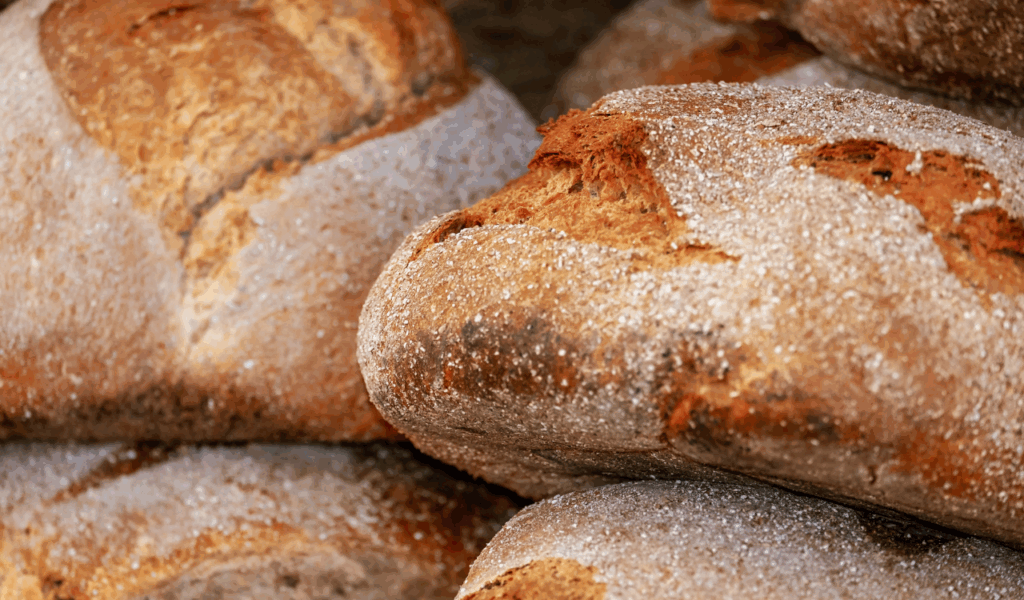
The “paper-twist” method is frequently used in traditional Jewish bakeries, especially those that specialize in rye bread and challah. Culinary historians state that a large sheet of thin, translucent tissue-style paper is frequently used to tightly coil the ends of a heavy-seeded rye in order to bind the loaf. Experts claim that this method provides a light dust barrier while retaining the powerful aromas of grain and caraway. Challah is usually prepared in a simple white paper bag, often left open, to maintain the soft, egg-glazed texture of the braided crust.
The designers of these busy restaurants believe that the speed and efficiency of the paper twist are critical to high-volume service. The scent of fresh rye through its paper wrapping is a powerful memory trigger for many towns, according to realtors. By using these subtle materials, the bakery keeps the focus on the product’s weight and aroma. It is a handy and traditional wrapping technique that has been employed for many generations, proving that a simple, breathable travel companion is all that is needed when the bread is this substantial.
5. The British Afternoon Tea Patisserie
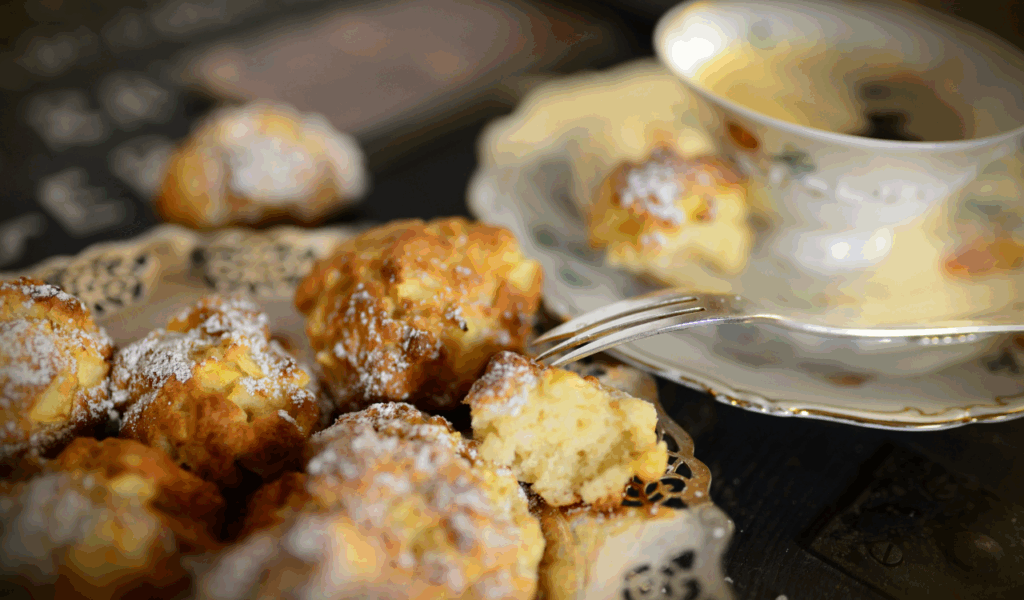
The upscale British bakery treats tea cakes and scones with the same level of refinement as a high-end store. Pastry professionals advise wrapping scones in “greaseproof” parchment paper and putting them in a sturdy box lined with wax. This preserves the scone’s interior moisture content while preventing the butter-rich pastry from leaving stains on the outside of the container. According to experts, the conventional usage of a “paper-line” guarantees that the jam and clotted cream will not weaken the box’s structural integrity while being transported.
To generate a feeling of occasion, designers of these sophisticated “tea rooms” frequently utilize silk ribbons and pastel-colored boxes. The “box and ribbon” approach is crucial for products meant for sharing or as a communal offering, according to hospitality experts.
The patisserie transforms a casual afternoon pleasure into a formal occasion by managing the presentation with such care. In an environment of calm luxury and healing tranquility, this elegant method of wrapping guarantees that every scone comes in perfect condition, ready to be split and topped with cream.
6. The Traditional Japanese Wagashi Shop
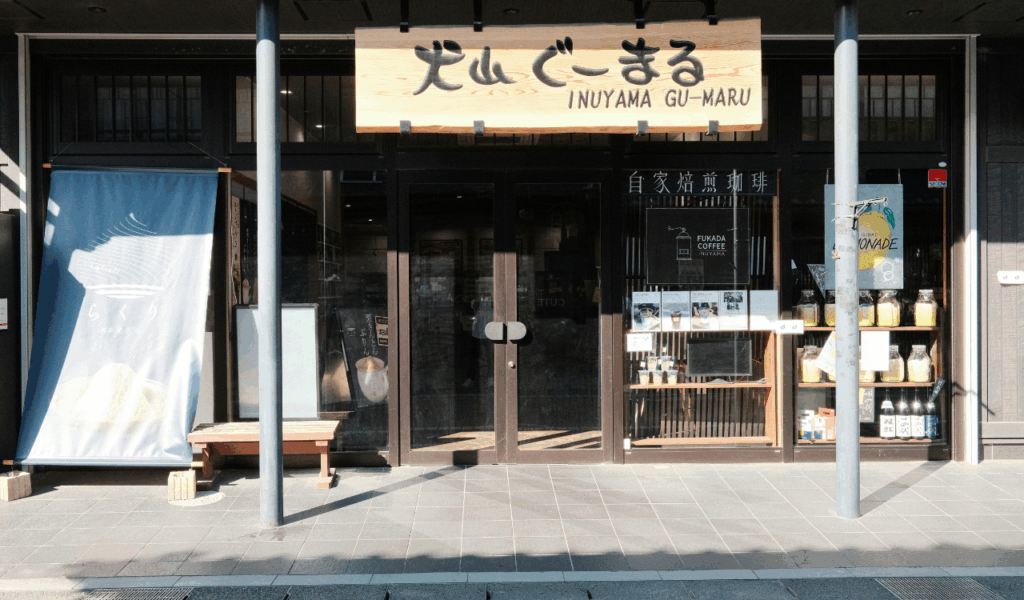
The wrapping is an extension of the season and the natural environment in the world of Japanese wagashi, or traditional sweets. Expert confectioners claim that individual candies are frequently wrapped in natural bamboo leaves or specialty washi paper. According to experts, this “leaf-wrapping”—as observed with kashiwa-mochi—acts as a natural, biodegradable barrier and gives the sweet a delicate, organic scent. The last layer is frequently a meticulously folded piece of paper that is fastened without the use of tape by making a number of exact, geometric folds.
These minimalist buildings’ designers and architects disclose that the packaging is meant to feel “of the earth.” High-end sustainable design is currently heavily influenced by the Japanese aesthetic of tsutsumu, or the art of wrapping, according to realtors. The store makes sure that the environmental impact is as little as the sweets themselves by utilizing natural materials and staying away from synthetic adhesives. The passage from the shop to the hand is handled with remarkable sensitivity, grace, and artisanal intent in this elegant and extremely intelligent presentation style.
7. The Old-School German Konditorei
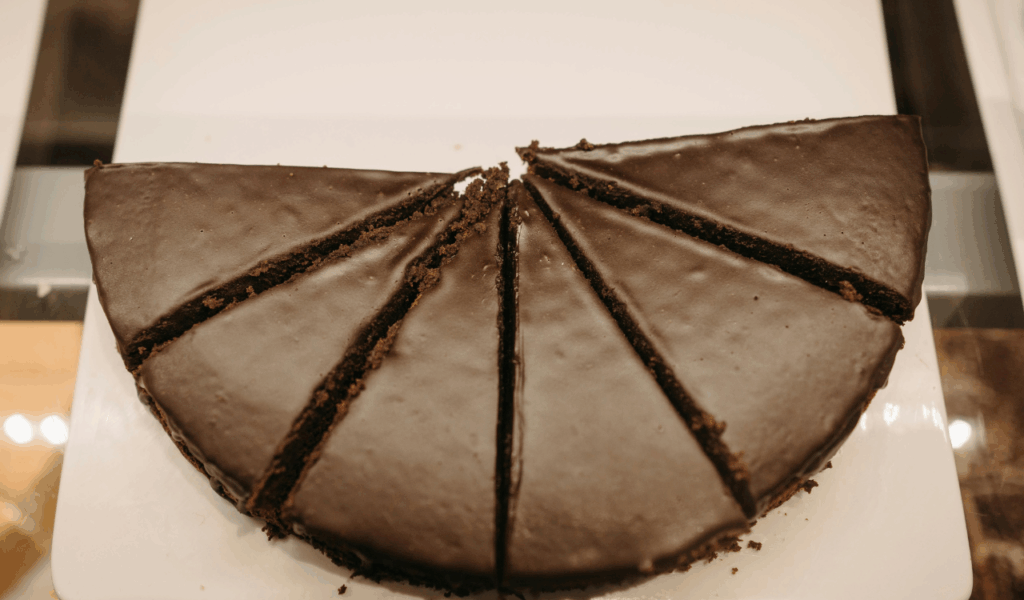
The “torten” (layered cakes) of the German Konditorei are well-known and call for a unique wrapping method that includes a “cardboard collar.” Pastry masters advise protecting the cream layers on a slice of rich Black Forest or Sacher Torte by first wrapping it in a piece of stiff paper or clear, food-grade acetate. After then, the entire slice is wrapped in a heavy paper “tent” and set on a tiny cardboard foundation. According to experts, this “structural tent” keeps the paper away from the delicate frosting, guaranteeing that the cake will look flawless when it is unwrapped.
Heavy, wax-coated papers with regional landscapes or floral patterns are frequently used by designers of these warm, traditional rooms. The “cake tent” is a sign of a professional baker who is aware of the laws of transportation, according to specialists in hospitality.
The Konditorei makes sure that a smeared decoration will not ever disrupt your afternoon “Kaffee und Kuchen” ritual by giving priority to the “clearance” between the paper and the frosting. It is a sophisticated and incredibly dependable wrapping method that embodies the German dedication to accuracy and culinary integrity.
8. The Traditional Mexican Panadería
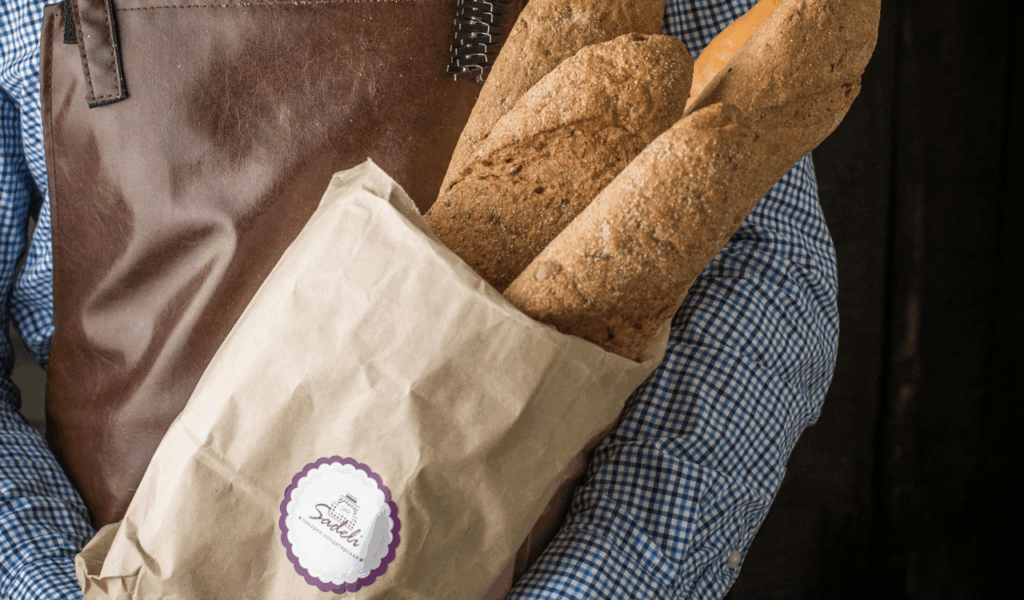
The “tray and tong” ceremony and a skillful “paper-bag-and-twist” wrap are part of a typical panadería visit. Bakers say a wide, light brown paper bag is the ideal way to store sweet loaves like conchas. A built-in handle that keeps the air flowing is created when the cashier quickly twists the bag’s top. According to experts, the absence of a seal is deliberate because it keeps the concha’s sweet crust from melting into the dough in a humid, confined atmosphere.
Interior decorators frequently observe that a panadería bag’s “rustic” appearance contributes to its allure for the community. A twisted paper bag full of sweet bread is a global symbol of a warm, bustling home, according to real estate agents. The bakery maintains a quick turnaround time and sustainable materials by eschewing plastic and staples. It is a straightforward and effective method of wrapping that has not changed in decades, demonstrating that the most effective techniques are frequently the most straightforward ones that put the fresh bake’s breathability first.
9. The Amish or Mennonite Country Bakery
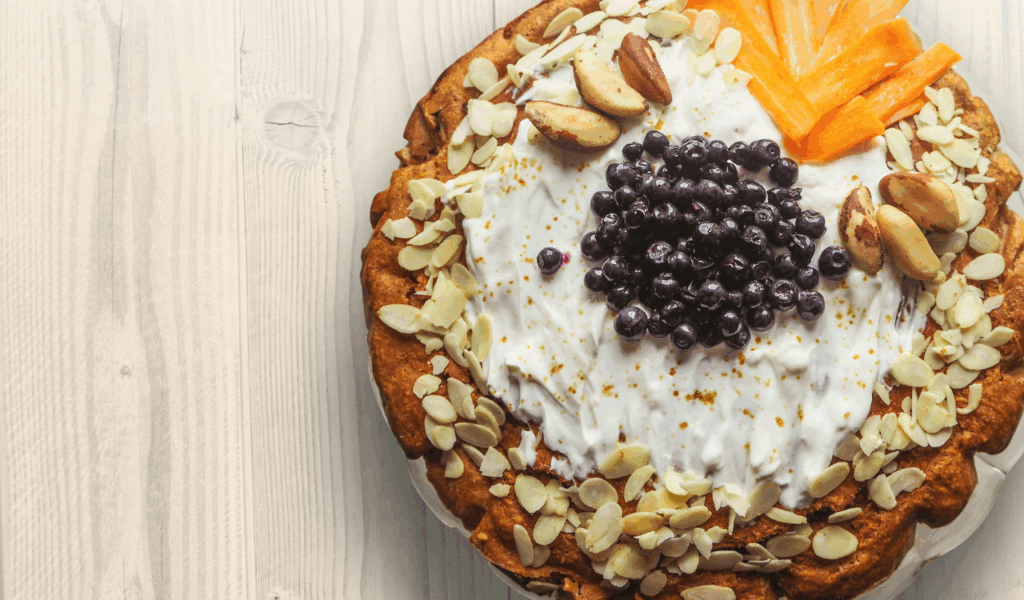
The “parchment-and-string” wrap is frequently the preferred method of wrapping pies and “sticky buns” at rural country bakeries. Traditional bakers say that a fresh fruit pie is typically covered with a wide piece of heavy parchment paper, which is then tied with a length of kitchen twine around the lip of the tin.
According to experts, this “tight-drum” technique lets the steam from the hot fruit escape through the porous paper while offering a strong barrier against pests. It is a traditional and practical way to prevent the “sweating” that contemporary plastic caps create. This style is frequently used by designers of rustic “farm-to-table” environments as a symbol of genuine, small-batch manufacturing. Realtors claim that the “hand-tied” appearance is a strong clue that a product has not been handled by a factory machine.
The bakery stays connected to a pre-industrial way of life by using these simple, biodegradable materials. It is a strong and dependable method of wrapping that guarantees your pie will arrive at the table with a crunchy crust and a colorful filling, giving each slice a feeling of household warmth and grounding.
10. The Traditional Middle Eastern Flatbread Bakery
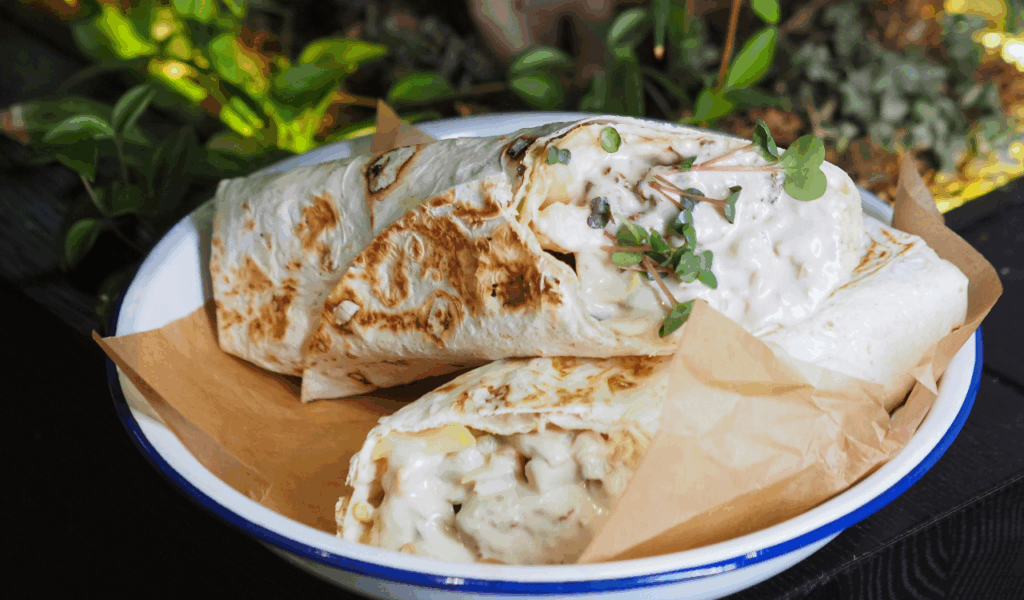
A lesson in heat management can be learned from the wrapping of fresh pita or lavash. Bakers report that flatbreads are frequently stacked while still steaming and then promptly covered with multiple layers of thick, absorbent paper or a wide, thin cloth. This “towel-wrap” technique, according to experts, is crucial for maintaining the bread’s softness and pliability because the thin dough would soon become brittle and fracture if it were left out in the open. By serving as a heat blanket, the paper or cloth enables the bread to “relax” and absorb its own steam in a regulated way.
Large rolls of unbleached paper are frequently used by designers of these busy, flour-dusted environments to manage the high volume output. One of the great delights of the morning market, according to travel experts, is the warmth of the bread through its thick paper wrapping. The bakery makes sure the bread does not get “gummy” from too much moisture by utilizing absorbent materials. The bread is treated as a crucial, life-sustaining commodity that needs to be kept warm and soft for the family dinner in this practical and culturally meaningful wrapping method.
11. The Scandinavian Rye Bakery
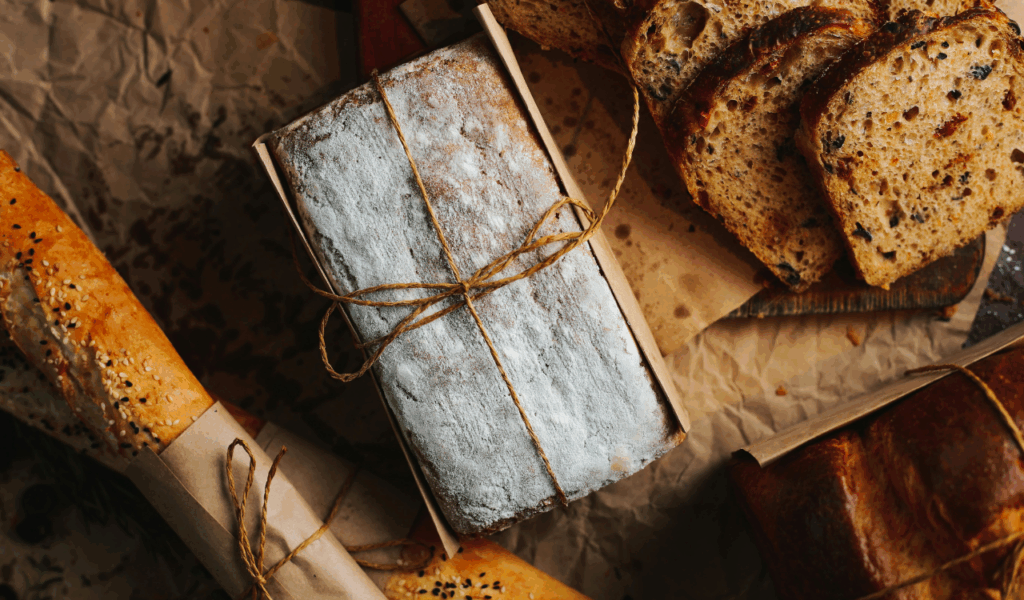
Rugbrød and other dense, dark rye breads need a “sealed-yet-breathable” wrap to preserve their moist crumb. Danish bakers claim that these loaves are frequently wrapped in a special “greaseproof” paper and sealed with a straightforward wax seal or a brand-heavy paper band. Experts claim that because rye bread can take up to 24 hours to fully “set” after baking, the paper wrap is vital for regulating the final stage of evaporation. It keeps the bread moist for up to a week while preserving the grain’s strong, malty aroma.
This “banded” appearance is frequently used by designers of contemporary, minimalist bakeries to convey a sense of high-end, “slow” cuisine. Realtors claim that a rye loaf’s weight and sturdy packaging are indicators of a disciplined, healthful lifestyle.
The bakery avoids the sticky tight crust by utilizing paper wrap rather than a plastic bag. The Scandinavian reverence for grain and the long-lead process of traditional fermentation is reflected in this elegant and technically required wrapping method, which guarantees a long-lasting and superior product.