7 Home Décor Trends Buyers Say Look Cheap After One Year
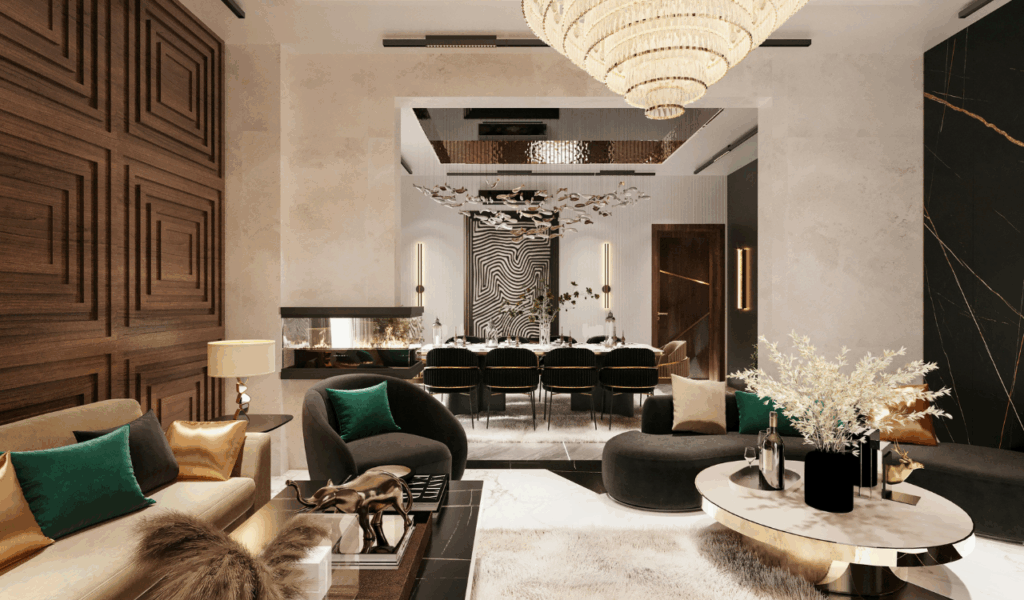
The fashion trends in design come and go, but some of them age more gracefully than others will. When you first install anything, it could feel contemporary and fresh, but after a year, it might look antiquated, worn out, or like it was done cheaply for the first time. Everyone from homeowners to people who are passionate about interior design has discussed which trends have lost their allure the quickest. At first sight, these seven trends in interior design could appear to be fashionable; nevertheless, once the novelty of them has worn off, many people regret adopting them. If you are decorating a space with the intention of achieving long-term attractiveness, you might think about avoiding some choices that were formerly trendy.
1. Peel-and-Stick Wallpaper
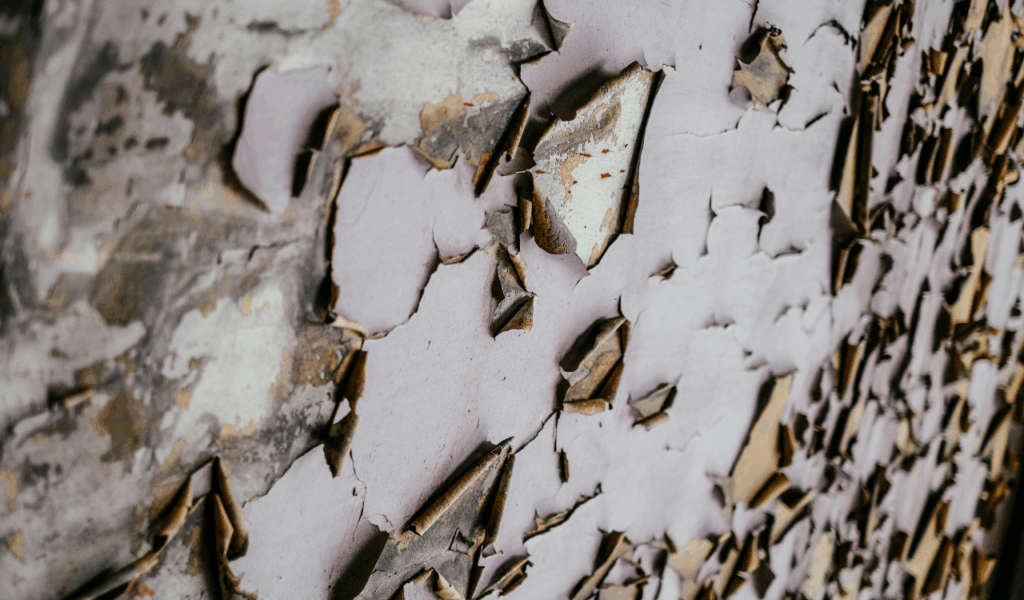
The ease of use and extensive variety of patterns offered by peel-and-stick wallpaper contributed to its meteoric rise in popularity. But many purchasers quickly became aware of its shortcomings. In just one year, the edges may begin to peel, the patterns may become less noticeable, and humidity frequently results in bubbles or warping. The appearance of something that at first appeared to be a short cut to style frequently turns out to be ephemeral and of poor quality. Even worse, the removal of certain versions actually causes harm to the wall. It is not uncommon for peel-and-stick wallpaper to fail to keep the polished appearance that consumers expect for over time, despite the fact that it is ideal for short-term use or for renters.
2. Faux Marble Contact Paper
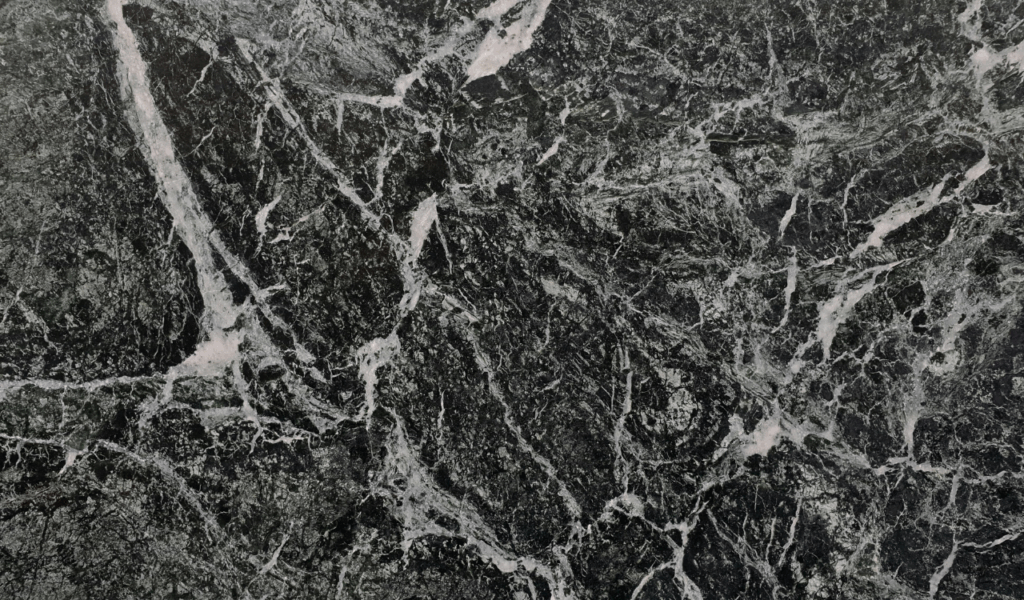
Covering anything from worktops to furniture with faux marble contact paper has been done in the hopes of achieving a sophisticated and expensive appearance without incurring the expense. The corners, on the other hand, have a tendency to rip after months of usage, and the shiny plastic surface frequently scuffs, stains, or loses its original sheen. What at first appeared to be worthy of being posted on Instagram quickly exposes itself to be a cheap band-aid rather than a design choice that is long-lasting. Buyers frequently express dissatisfaction when the material begins to resemble stickered plastic rather than stone, particularly in interior spaces such as kitchens and bathrooms.
3. Matching Furniture Sets
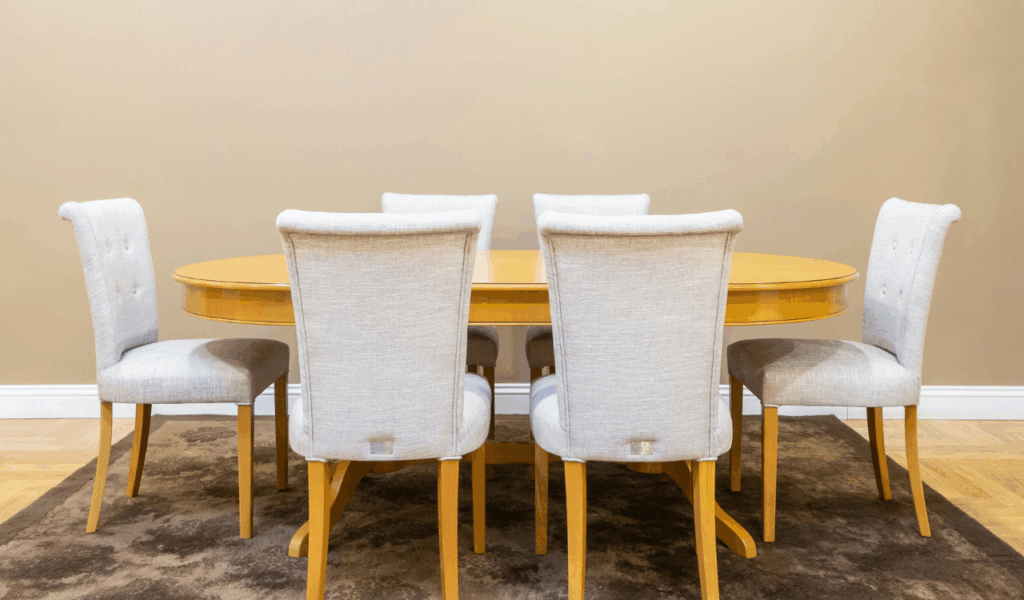
Sets that are precisely matched are frequently displayed in furniture showrooms, which might give the impression of being an easy victory when it comes to arranging a space. On the other hand, many homeowners today claim that these sets do not age well and appear uninspired. It is possible to give the impression of being overly staged and cookie-cutter if you match every piece, including the sofa, loveseat, coffee table, and end tables. The absence of contrast or texture, after a year, gives the impression of being uncurated and flat. These days, people prefer to mix different materials and styles in order to achieve an appearance that is more layered, lived-in, and ageless rather than feeling like they are in a showroom.
4. Excessive Gray Everything
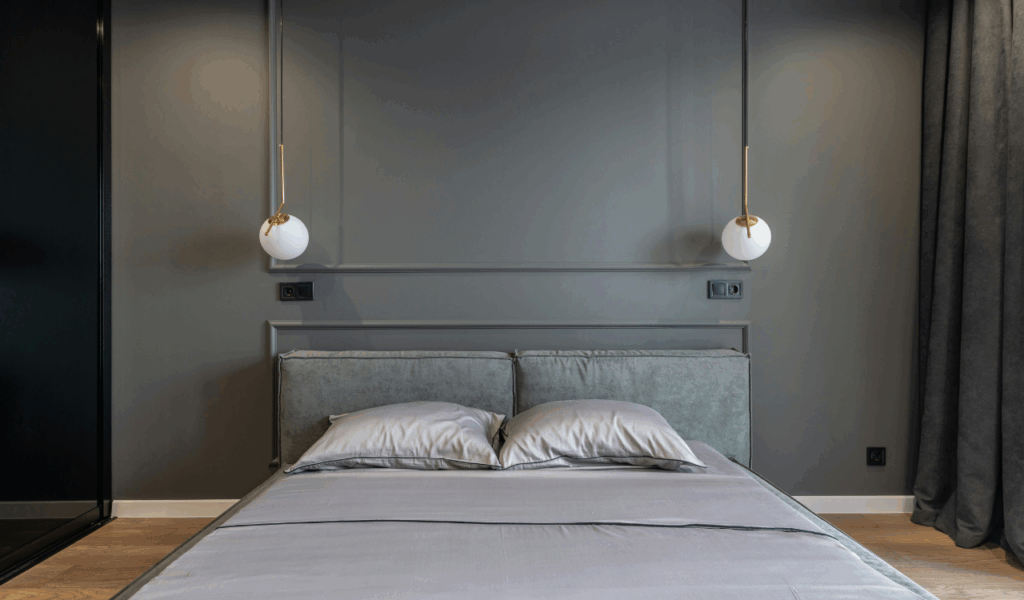
Grey was previously considered to be the perfect neutral color, but when used in excessive amounts, it can swiftly rob a space of its vitality. The use of walls, floors, furniture, and decor that are all in different hues of grey creates an effect that is cold and flat. It is common for homeowners to discover that after a year, the area has a dark or too sterile atmosphere. Gray-on-gray loses its contemporary allure and begins to appear worn out when it is not accompanied by any color or warmth elements. The use of grey in excessive amounts has the tendency to make interiors feel antiquated and uninspired over time, despite the fact that grey can still work effectively when it is balanced.
5. Open Shelving in Kitchens
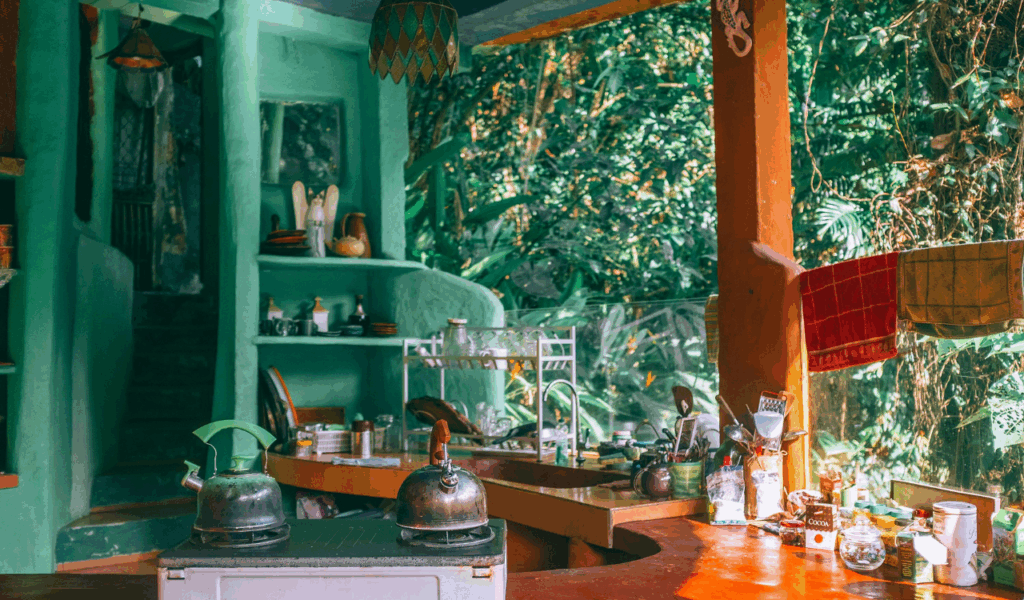
It is possible for open shelves to appear stunning in staged kitchens or on Pinterest; nevertheless, the reality does not always correspond to the presentation. Over time, dust and oil accumulate on open shelves, particularly in areas where cooking is taking place. It is possible for them to start looking cluttered or mismatched if they are not styled carefully and consistently. A number of purchasers have reported that the maintenance becomes a burden, and after a year, the open plan appears to be more chaotic than fashionable. Most individuals have regrets about switching from closed cabinets to open storage in the long run, despite the fact that open storage is ideal for minimalists and exhibit objects.
6. Word Art Wall Décor
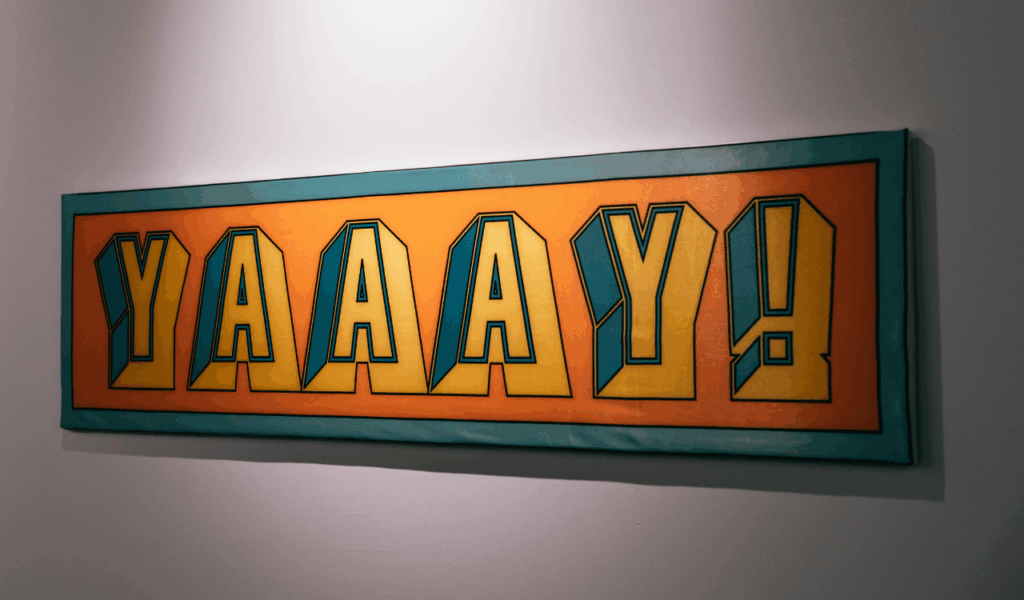
Decor that included scripted words such as “Eat,” “Family,” or “Love” for a brief period of time was extremely popular, but it rapidly got overused. Despite the fact that these indications could have an endearing quality at first, after a year they frequently begin to appear to be overused. The fact that they are extremely literal and have a mass-produced feel causes them to be ineffective in environments that are intended to represent personality and depth. Original artwork, framed photographs, or textured wall decorations are becoming increasingly popular among homeowners as a means of enhancing the authenticity of their homes and reducing the amount of trend-based kitsch that is there.
7. All-White Interiors
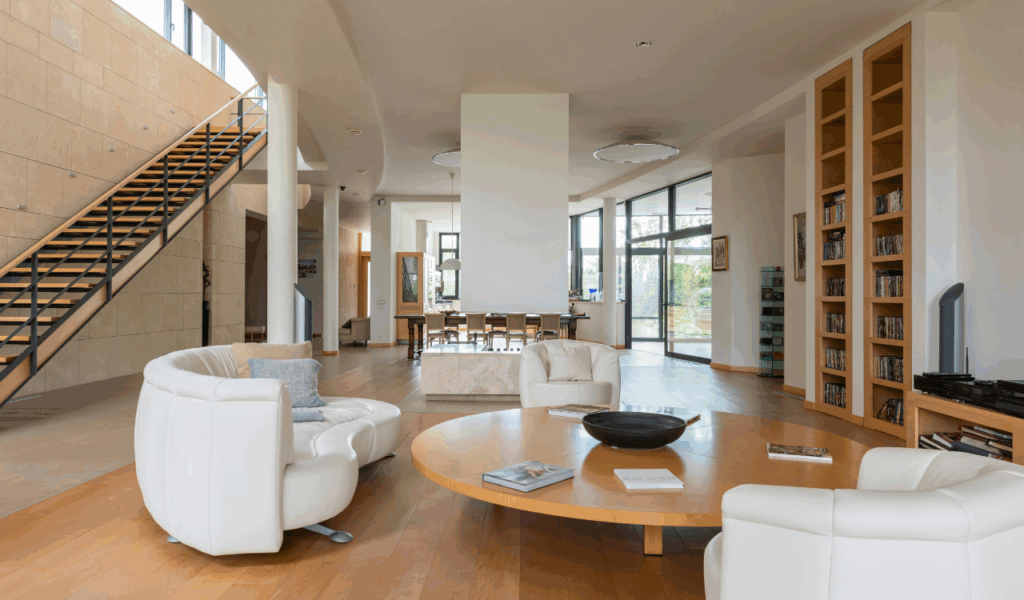
In spite of the fact that all-white rooms may initially give the impression of being clean and bright, many homeowners have reported that they rapidly become unappealing and boring. Scuff marks, fingerprints, and general wear and tear are easy to spot, particularly on high-traffic areas such as walls, sofas, and rugs. The absence of contrast or texture in these areas can cause them to develop a feeling of sterility or uninvitingness over time. The buyers have reported that after a year, items that were once worthy of being featured in a magazine sometimes appear worn out and monotonous. It is possible to avoid the dreaded “rental unit” look by incorporating elements such as warmth, color, and layered textures.