6 Bakeries Criticized for Holiday Price Gouging and Supply-Chain Shortages
Holiday baking brings out nostalgia, urgency, and big expectations, which makes pricing changes feel especially personal. When beloved bakeries raise prices or limit availability during peak seasons, customers don’t just notice; they question the motives behind it. Here’s the thing. Supply chain disruptions, rising ingredient costs, and staffing shortages are real pressures, but when explanations stay vague, price jumps start to look strategic rather than necessary. What this really means is that trust becomes just as important as taste during the holidays, and once that trust wavers, even iconic treats feel harder to justify.
1. Magnolia Bakery
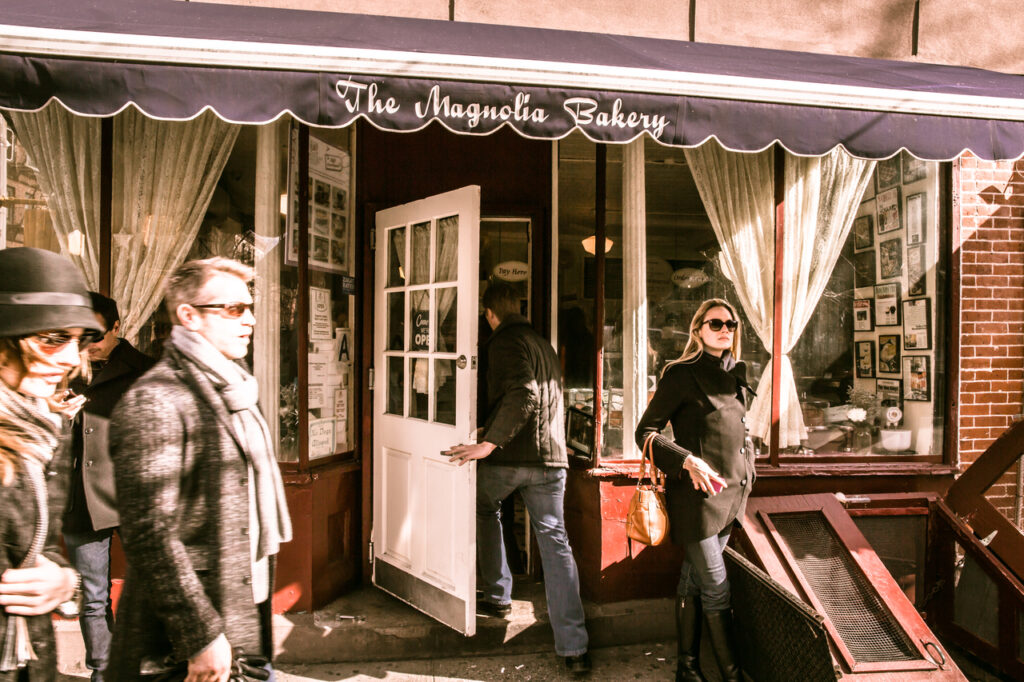
Here’s the thing about Magnolia during the holidays: demand spikes fast, and so do prices. Customers regularly point out that classic items like banana pudding and layer cakes cost noticeably more in November and December than they do the rest of the year. The bakery often explains these increases by pointing to higher dairy, egg, and labor costs, which are real pressures across the baking industry. Still, the frustration comes from limited transparency. Holiday menus are trimmed, popular sizes sell out early, and substitutions quietly appear.
2. Milk Bar
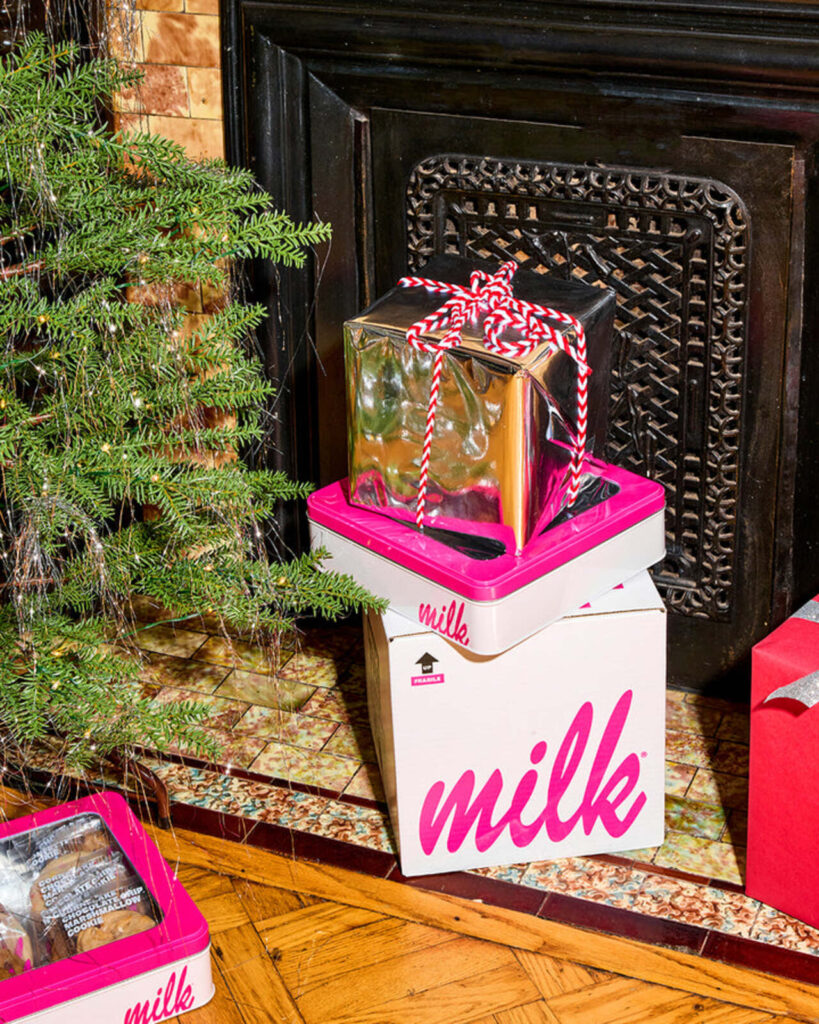
Milk Bar has always leaned into indulgence, but the holidays amplify that approach in ways some customers find hard to swallow. Seasonal bundles often carry higher price tags while containing fewer items or smaller portions than expected. Ingredient shortages, especially butter and specialty chocolate, are frequently cited as the reason for limited production runs. What fuels criticism is the combination of scarcity and premium pricing wrapped in festive branding. Customers report racing to preorder only to find items gone or delivery windows narrowed, all while paying more than in prior years.
3. Carlo’s Bakery
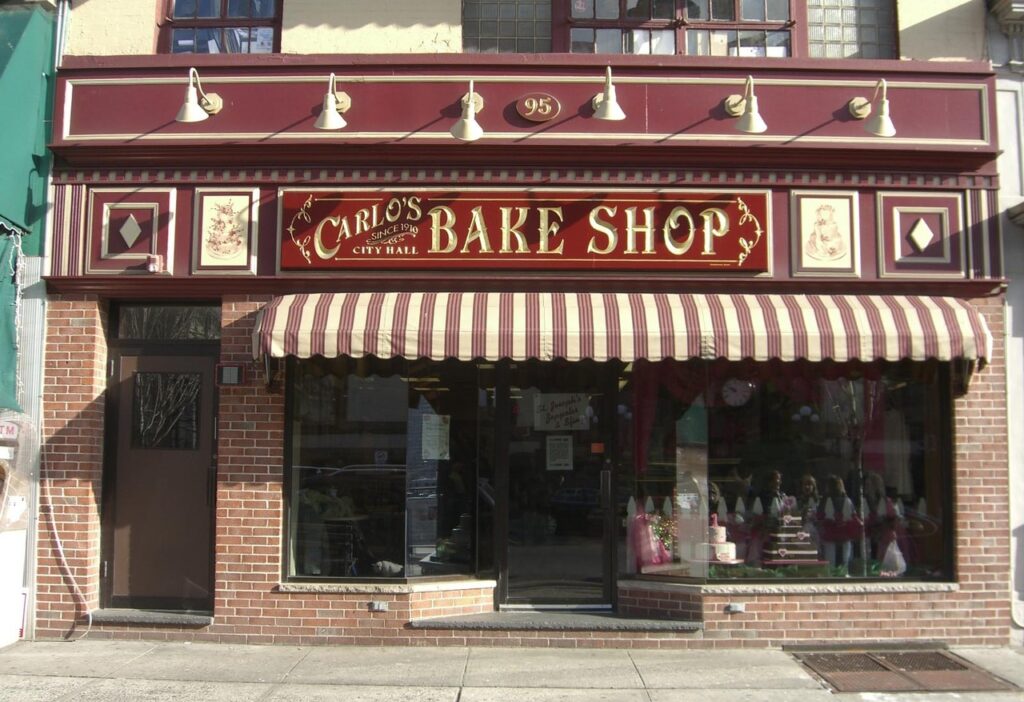
Carlo’s Bakery faces a different kind of holiday pressure: custom orders and themed cakes overwhelm production capacity. During peak seasons, prices for decorated cakes often jump significantly, with added fees for rush orders or design changes. Staffing shortages are a recurring explanation, especially for skilled decorators, but customers still feel sticker shock when similar cakes cost far less earlier in the year. Delays and last-minute cancellations have also drawn criticism, adding stress to already expensive orders. The tension comes from expectation versus reality.
4. Levain Bakery
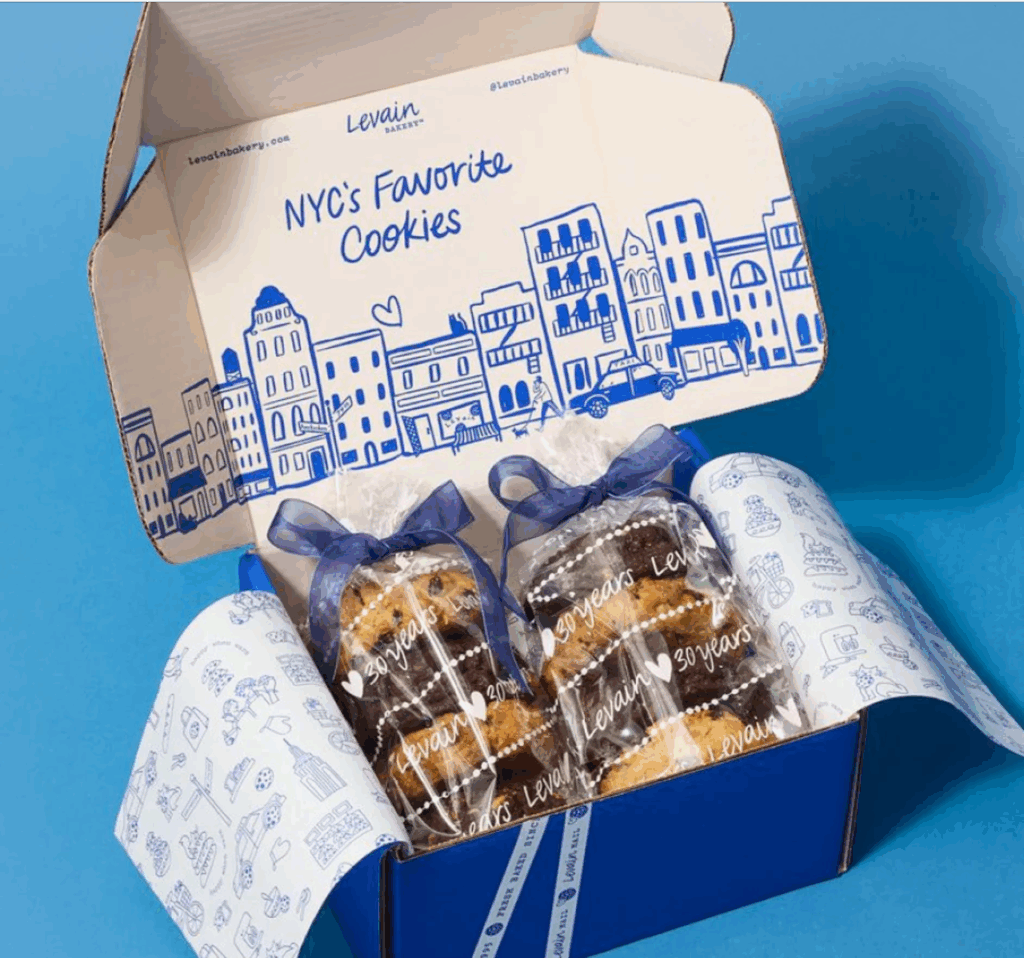
Levain’s oversized cookies are iconic, but holiday season economics have complicated that reputation. Customers note that box pricing climbs in winter months, while flavor availability shrinks. Supply chain challenges around chocolate and butter are real, yet the bakery’s limited communication around changes leaves room for frustration. When holiday shoppers encounter higher prices, shorter menus, and long waits, they question whether the scarcity is unavoidable or strategically managed. Because Levain’s product is simple on paper, expectations for consistency are high. Any deviation, especially paired with higher costs, stands out sharply to loyal fans who know exactly what they’re paying for the rest of the year.
5. Baked by Melissa
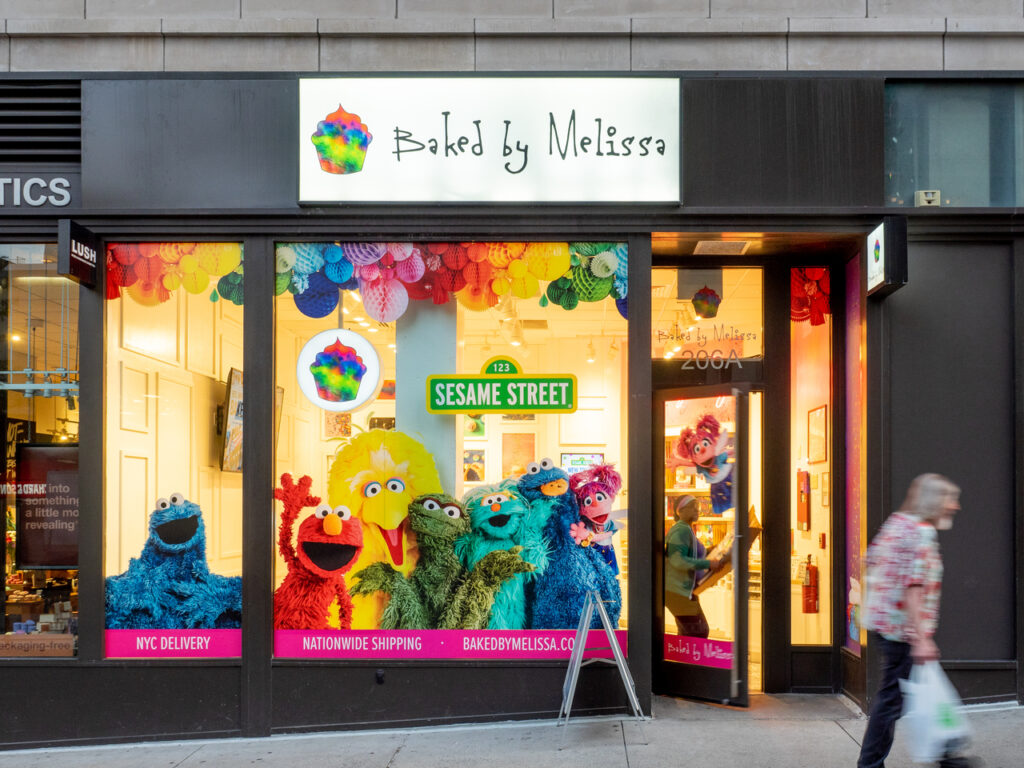
Tiny cupcakes make Baked by Melissa feel accessible, which is why holiday pricing hits some customers as surprising. Seasonal assortments often cost significantly more than standard boxes, with the justification centered on packaging, logistics, and ingredient volatility. Customers also point to limited holiday designs selling out quickly, forcing upsells to larger or more expensive assortments. The issue isn’t that costs rise during the holidays; it’s that the value equation changes without clear explanation. When a brand known for bite-sized treats starts to feel premium-priced, shoppers question whether convenience and presentation are outweighing the actual product.
6. Sprinkles Cupcakes

Sprinkles operates at the intersection of convenience and luxury, and holiday seasons expose the pressure points of that model. Seasonal cupcakes and gift boxes often come with noticeable price increases and limited availability. Ingredient shortages and delivery constraints are commonly cited, especially for specialty frostings and decorations. Customers, however, frequently report feeling nudged toward higher-priced options when standard items sell out. That pattern feeds the perception of holiday gouging, even if the bakery is simply managing demand. For a brand built on consistency and automation, any hint of artificial scarcity or inflated pricing stands out sharply against its everyday promise of predictable indulgence.