11 Back-to-School Routines That Didn’t Last Past September

Every new school year starts with good plans. Families plan more organized mornings, healthier lunches, and quieter evenings, sure that this time would be different. For a few weeks, routines feel structured and hopeful, thanks to new notebooks and early alarms. Then reality hits. Homework piled up, schedules get busier, and you run out of energy faster than you thought. A lot of good habits go away without a sound before September ends. These routines aren’t failures; they’re just reminders of how hard life can be every day. Parents can make methods that work with real schedules instead than ideal ones if they know why they fade.
1. Waking Up Extra Early for Calm Mornings

Families often get up earlier in early September so they may have quiet, relaxed mornings. The goal is to eat breakfast together, minimize stress at the last minute, and start the day off well. In real life, early alarms quickly conflict with late homework, sports practices, and kids who are weary and can’t go asleep on time. Lack of sleep piles up quickly, making mornings sluggish and alarms go off. After a few difficult weeks, a lot of families go back to waking up as late as possible. It’s a good idea to want quiet mornings, On the other hand, if you do not have consistent bedtimes and realistic energy levels, it will be difficult to maintain your early morning wake-up times.
2. Packing Perfectly Balanced School Lunches

At the beginning of the year, lunchboxes often look great because they are full of vibrant fruits, veggies, and entrees that are perfectly portioned. Parents want to give their kids a healthy diet and stay away from manufactured foods. But not having enough time in the morning, being selective about what you eat, and bringing home food that you don’t consume quickly lower your drive. As the weeks go by, convenience becomes more important, and meals become simpler, with familiar, quicker choices. This change isn’t about ignoring health; it’s about saving time and cutting down on food waste. Instead than attempting to make every lunch perfect, sustainable lunches mix nutrition with kid-friendly items.
3. Homework Done Immediately After School

A lot of families prepare for their kids to do their homework directly after school, before they watch TV or play. It seems possible to do this in early September because the work is less and the motivation is high. Kids typically require breaks from their schoolwork after long days at school as the task gets harder. Fatigue, after-school activities, and social requirements make schoolwork take longer. Strict norms about studying after school start to relax, and flexible timetables take their place. Structure can help with learning, but expecting kids to stay focused right after school ignores the fact that they need to rest and move around when their energy levels drop.
4. Daily Home-Cooked Family Dinners

When school starts, many people plan to make dinner at home every night. Eating at home is better for your health, brings your family closer together, and saves you money. In real life, there are late meetings, school functions, and just being tired. It becomes impossible to cook every night as schedules get busier. Families start to depend on simple dinners or takeaway every now and then to keep their sanity. This adjustment doesn’t mean that shared meals aren’t important; it only shows how hard it is to balance job, school, and personal energy. Even if you only have family dinners a few times a week, they can still help you bond.
5. Strict Screen Time Limits
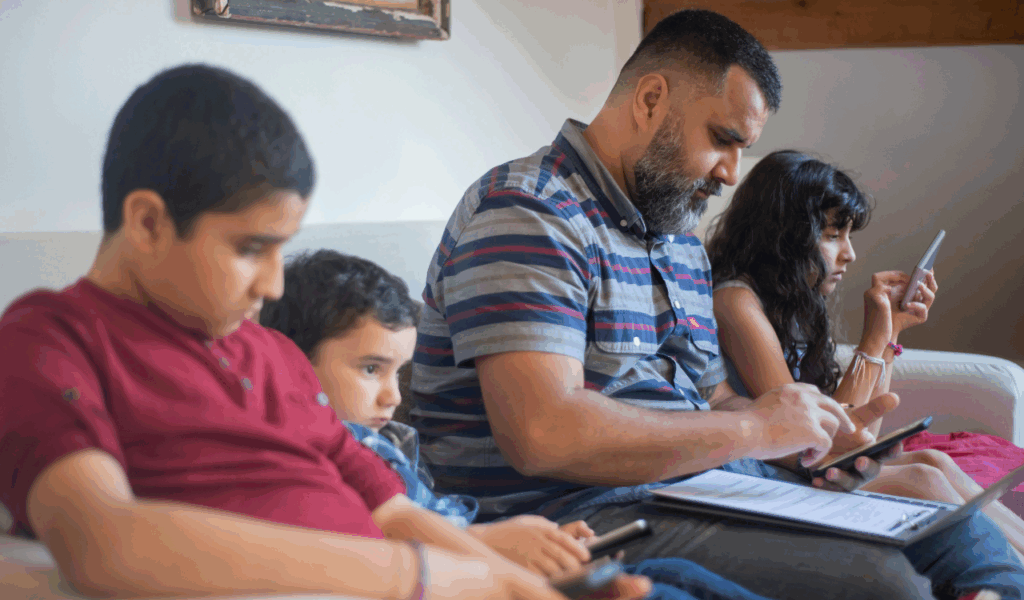
There are typically new guidelines about how to use screens when school starts up again. Parents set explicit rules to get their kids to read more, play outside more, and sleep better. At first, the restrictions seem easy to follow, but as the weeks go by, homework needs more and more gadgets, and screens become instruments for studying and relaxing. It’s tougher to enforce rules when people are busy at night, because screens fill the gaps between activities. Over time, severe constraints turn into agreed-upon bounds. This change shows how important technology is in today’s world. It also shows that flexible, well-thought-out rules frequently function better than tight ones.
6. Organized Backpack and Planner Systems

In September, new calendars, color-coded folders, and well-organized bags give you a strong sensation of control. Parents and students agree to keep track of their homework and keep their things clean. As the term goes on, documents pile up and it’s harder to stay organized every day. When mornings are rushed and calendars are full, there isn’t much time for upkeep. Eventually, half of the planners are used up, and the backpacks are messy again. Having said that, this does not imply that the organization was ineffective; rather, it merely indicates that the systems should be simple and speedy. In times of high stress, a procedure that contains an excessive amount of details may fail.
7. Consistent Bedtimes Every Night

Families often set rigid bedtimes at the start of the school year to help kids stay focused and healthy. These routines work for a short time, but homework, events, and social activities make the evenings longer. Older kids have a harder time going to bed early as schoolwork gets harder. When you miss your bedtime, you become more flexible over time, especially on hectic weekdays. Sleep is still important, although absolutely consistent routines don’t usually last long. A lot of families are moving away from making sure everyone goes to bed at the same time every night and toward making sure everyone gets enough sleep throughout the week.
8. Morning Exercise or Stretching Routines

Plans for fast morning exercise or stretching before school are often part of September optimism. The goal is to give you more energy and attention for the rest of the day. In actuality, mornings already feel rushed, and the first things to go when you don’t have enough time are extra activities. Cold mornings, lack of motivation, and tiredness also make it harder to follow through. Exercise doesn’t go away completely; It only applies to activities that take place on the weekends or after school. This shift demonstrates that it is typically simpler to incorporate physical activity into one’s schedule when it is in sync with natural energy patterns.
9. Weekly Meal Planning and Prep

To save time during hectic weeks, a lot of families make extensive meal plans and prep food on the weekends. This approach lowers stress and decision fatigue for a short time. As time passes, it becomes increasingly difficult to adhere to specific plans due to the fact that schedules are more likely to shift, unexpected occurrences occur, and preferences shift. Having things that have been prepared go to waste can be very frustrating. When it’s all said and done, planning becomes less stringent or occurs less frequently. The findings indicate that weekly menus that are more flexible are more effective than those that are more rigid.
10. Reading Every Night Before Bed

A common objective for going back to school is to read every night. This helps with learning and makes sleep routines more relaxing. People are really excited in September, and books are easy to open. As the nights get longer and more difficult, reading time has to compete with homework and sleep. Some nights, reading is cut short or not done at all. Even though the routine could become less frequent, reading will continue to be an essential activity. The practice of reading together is maintained in a more practical manner by many families, who opt to do so on fewer nights or weekends than they would otherwise.
11. Perfectly On-Time Mornings Every Day

Many families are excited about the start of school because they know they may leave the house early and without stress. At first, new routines seem to work perfectly, but then you lose your shoes, forget your homework, or get stuck in traffic. As time goes on, mornings become a compromise between being productive and being flexible. The ideal of daily excellence is replaced by being late sometimes. In the real world, things do not always go according to plan, which is why this modification makes perfect sense. There are times when it is more vital to learn how to calm down after a hectic morning than it is to adhere to a schedule that is entirely faultless.