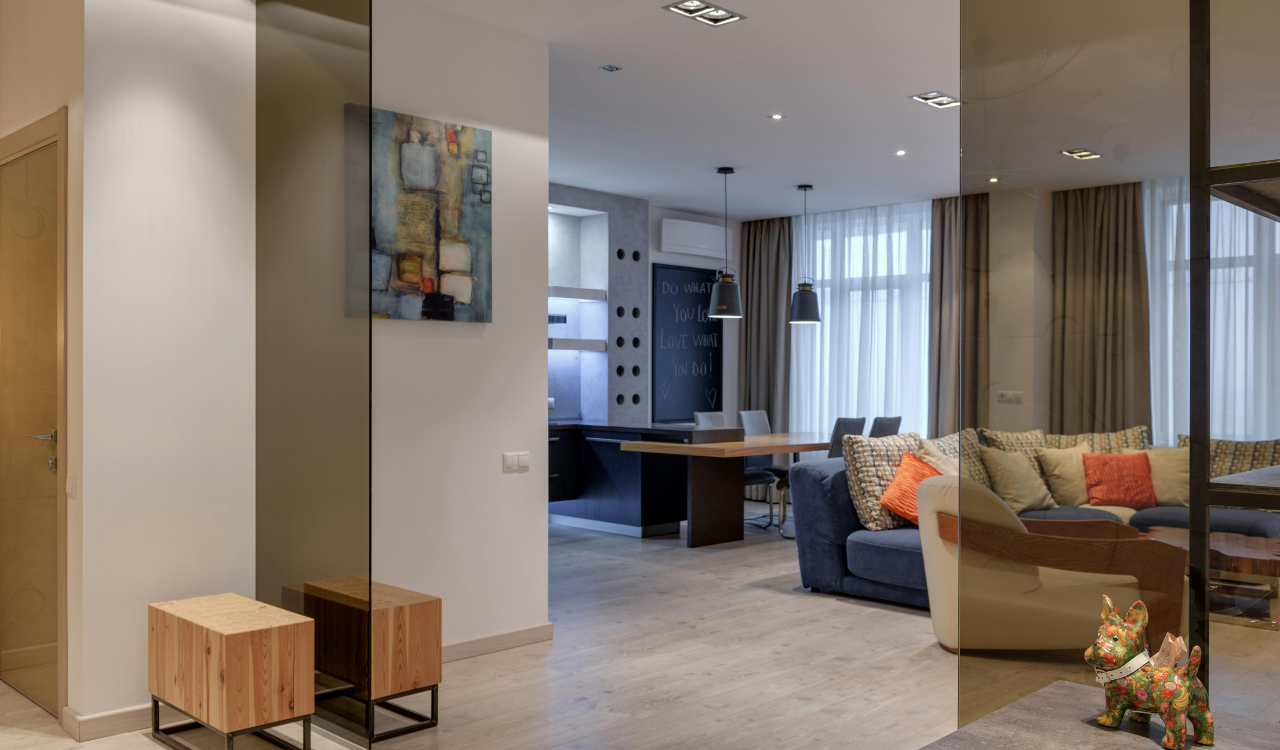
9 Cheap Window Treatments That Instantly Cheapen a Room

Window treatments do more than block light or add privacy. They quietly shape how finished and intentional a room feels. When corners are cut, the result is almost always obvious. Cheap materials, poor proportions, and quick-fix solutions tend to draw attention to themselves, making even well-furnished spaces feel less polished. Many budget options promise style and savings, but instead signal shortcuts and compromise. Understanding which window treatments consistently cheapen a room helps homeowners avoid mistakes that are far more visible than expected and harder to ignore once installed.
1. Plastic Vertical Blinds
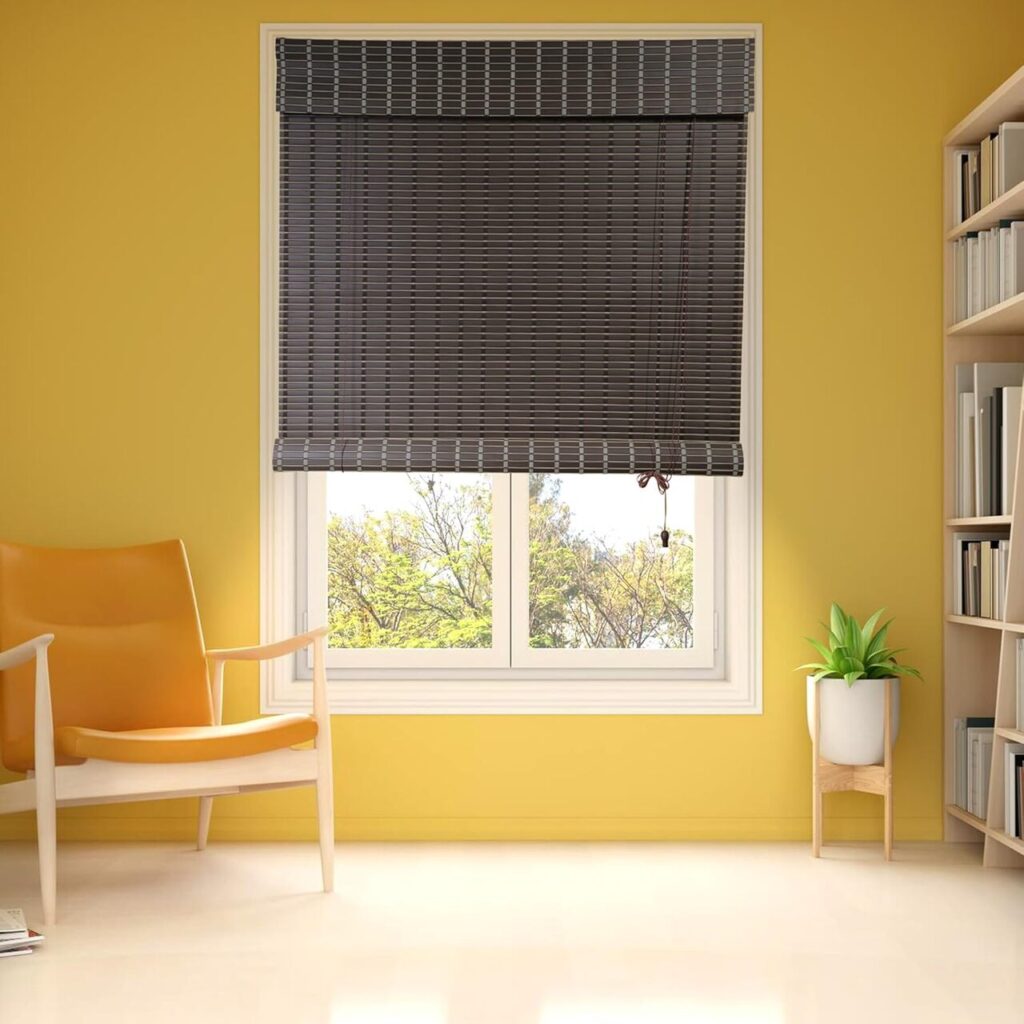
Plastic vertical blinds almost always signal a compromise the moment you walk into a room. They were designed for offices and rentals where durability mattered more than atmosphere. In homes, they tend to rattle, tilt unevenly, and show wear quickly, especially near windows that get strong sunlight. The plastic yellows, cracks, or warps over time, which makes the entire space feel neglected, even if the rest of the décor is thoughtful. They also break visual flow by slicing windows into harsh vertical segments rather than framing them. Because they hang inside the window frame, they visually shrink the window instead of enhancing it.
2. Ill-Fitting Ready-Made Curtains
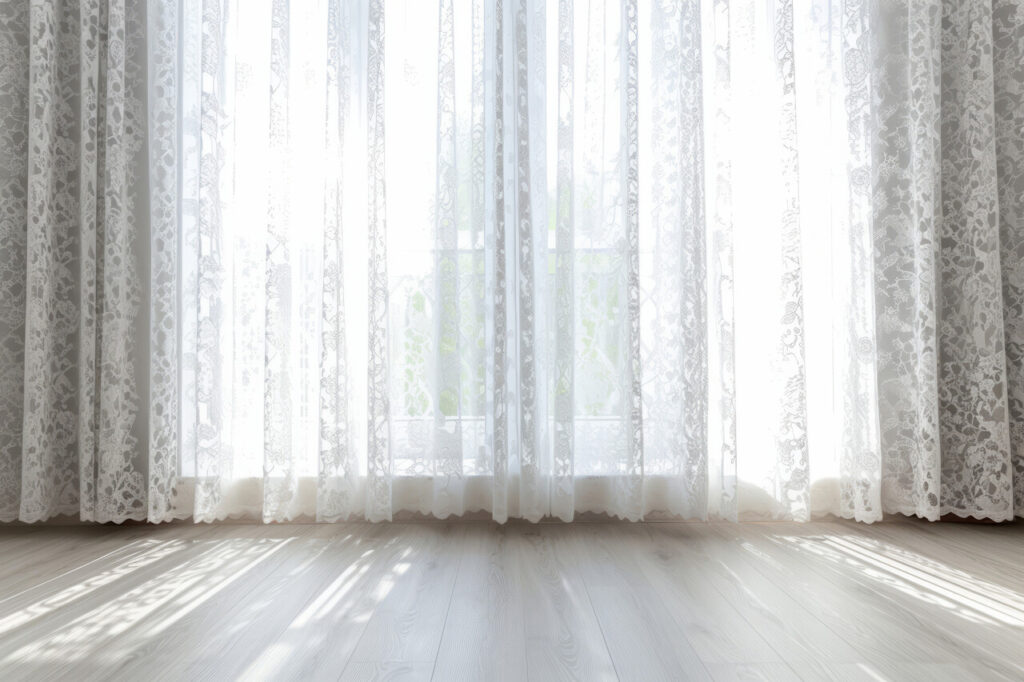
Curtains that do not fit properly undermine a room faster than almost any other detail. Panels that stop short of the floor make ceilings feel lower, while overly long curtains that puddle unintentionally look sloppy rather than elegant. Narrow panels leave windows exposed at the edges, breaking the illusion of fullness and intention. These issues usually come from relying on standard sizes without tailoring or proper measuring. Even high-quality fabric looks cheap when proportions are off. Curtains are meant to frame a window, not hover awkwardly around it. When sizing is wrong, the eye notices immediately, and the room feels unfinished no matter how well everything else is styled.
3. Low-Quality Vinyl or Aluminum Blinds
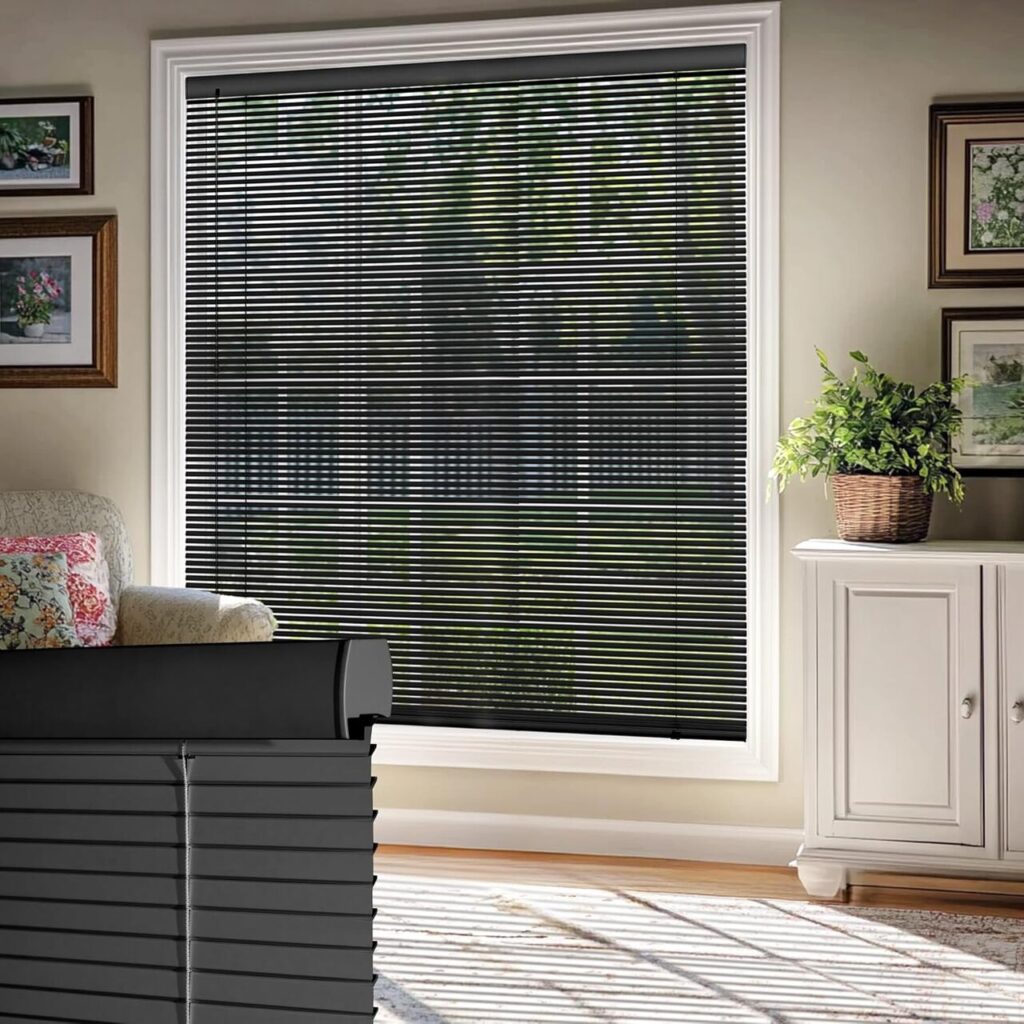
Thin vinyl and aluminum blinds promise affordability but deliver frustration. The slats bend easily, twist out of alignment, and often refuse to sit evenly once raised or lowered a few times. Light filters through inconsistently, creating a patchy look that feels more accidental than designed. These materials also amplify noise, clattering at the slightest breeze or window movement. Over time, cords fray, mechanisms stick, and individual slats snap off, leaving gaps that cannot be ignored. Instead of disappearing into the background, these blinds demand attention for all the wrong reasons. Their short lifespan makes them feel like a temporary fix that overstays its welcome.
4. Mismatched Window Treatments Across Rooms

Using different window treatments from room to room can make a home feel disjointed and improvised. Even if each choice is reasonable, the lack of continuity disrupts visual flow, especially in open floor plans or homes with clear sightlines. One room might have blinds, another sheers, and another heavy drapes, creating the impression that decisions were made in isolation. This inconsistency subtly cheapens the space because it suggests a lack of planning. Homes feel more cohesive when window treatments speak the same visual language, even if fabrics or colors vary slightly. Without that connection, the overall design loses polish and intention.
5. Bare Roller Shades With No Texture
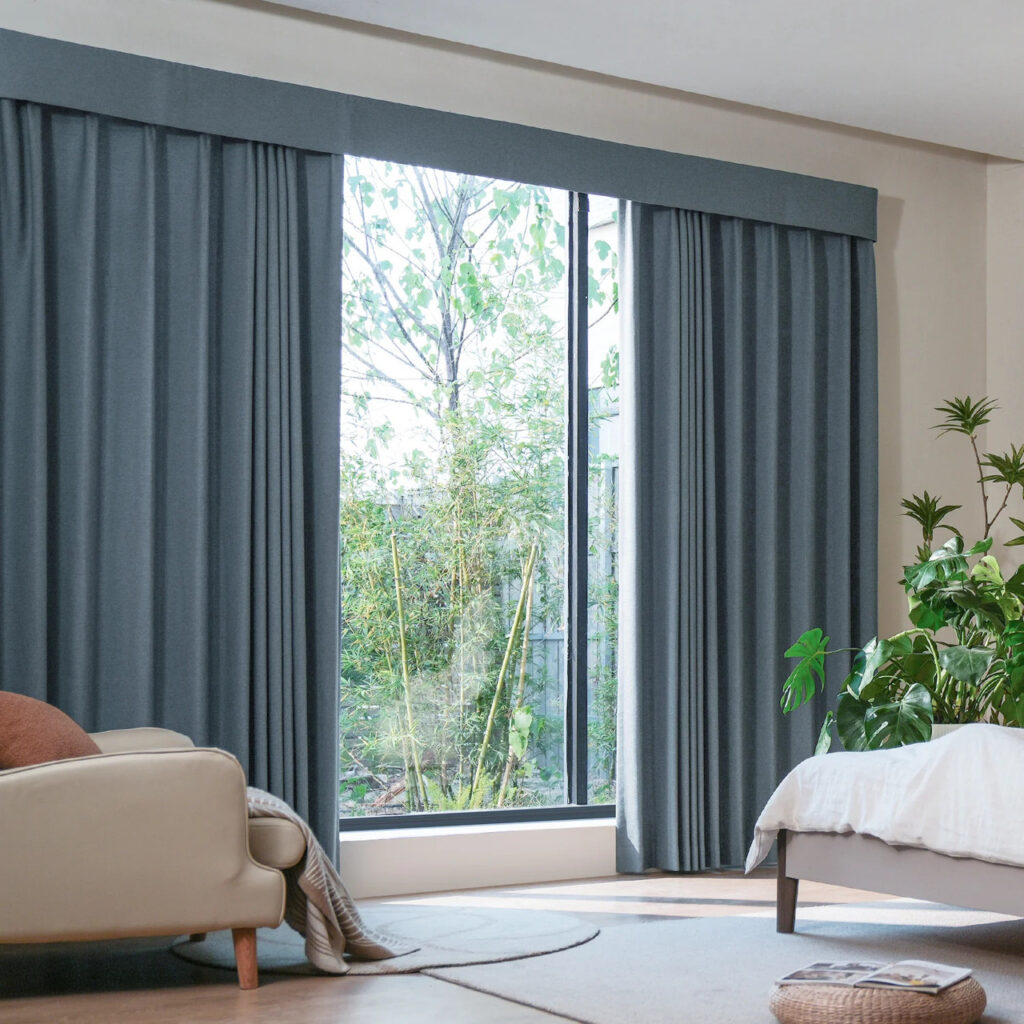
Plain roller shades may seem like a clean solution, but without texture or layering they often feel stark and impersonal. Their flat surfaces absorb none of the warmth that fabric treatments naturally bring into a room. In daylight, they can look harsh and utilitarian, especially in living spaces meant to feel relaxed. At night, they offer privacy but little visual interest, leaving walls feeling bare and unfinished. Roller shades work best as a supporting layer rather than the main feature. When used alone, they can make a room feel more like a temporary workspace than a lived-in home.
6. Budget Drapes With Weak Structure

Low-cost drapes often fail because of what you cannot see at first glance. Thin fabric lacks weight, causing panels to hang limply instead of falling in clean lines. Weak headers and poorly stitched seams prevent proper pleating, which makes curtains look flat and lifeless even when opened fully. These drapes also struggle to block light or provide insulation, undermining their practical purpose. Over time, repeated washing exaggerates these flaws, leading to uneven hems and distorted shapes. Instead of enhancing the window, budget drapes often draw attention to their own shortcomings.
7. Sheer Curtains Used Alone
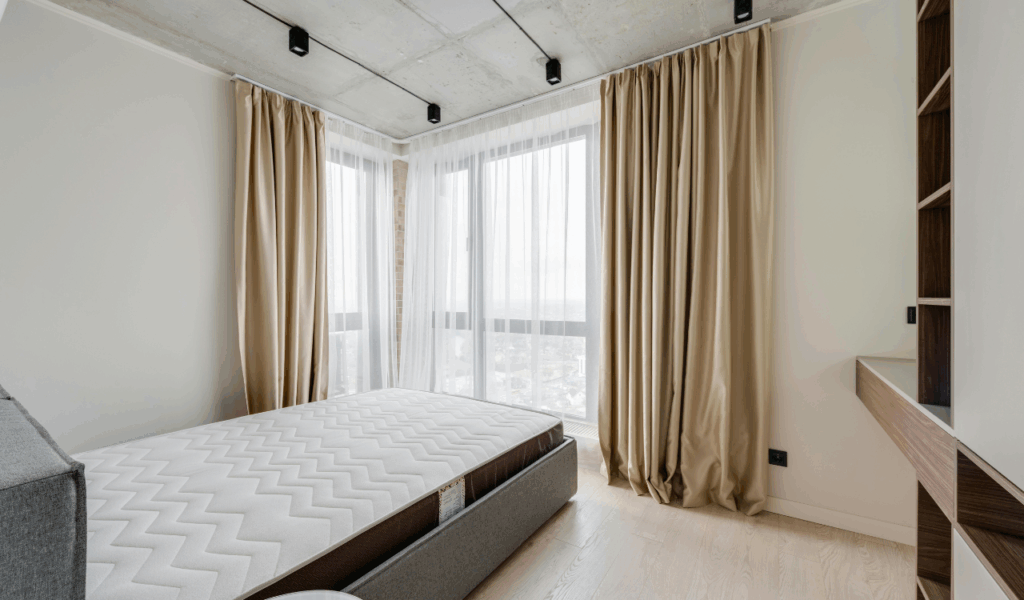
Sheer curtains can be beautiful, but only when layered thoughtfully. On their own, they often feel insufficient and temporary, as though something is missing. They provide little privacy, minimal light control, and almost no insulation, which can frustrate homeowners quickly. Visually, they lack the weight needed to ground a room, especially in spaces with large windows. The result is a window treatment that feels decorative but incomplete. Sheers are meant to soften and filter, not carry the full responsibility of framing a window. Without support, they read as an afterthought rather than a design choice.
8. Flimsy Mini-Blinds
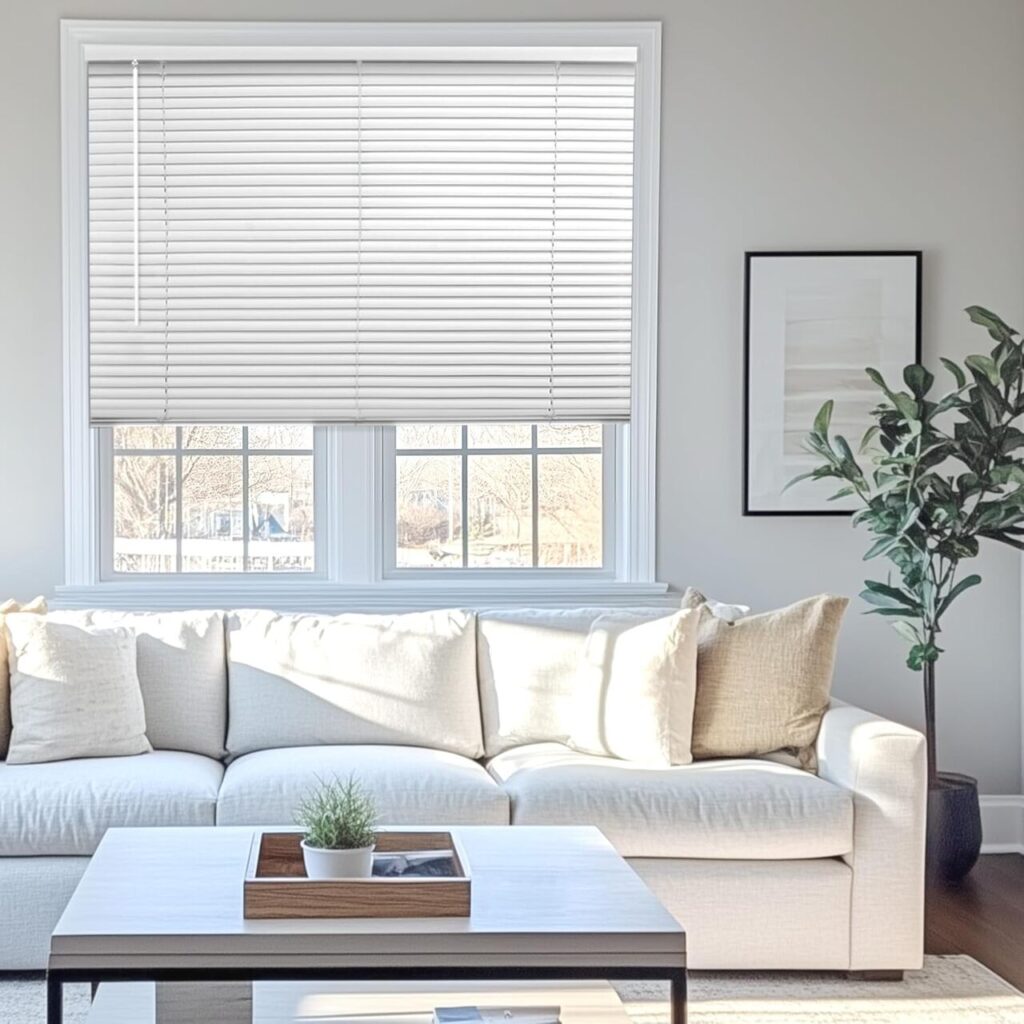
Mini-blinds are one of the most common offenders when it comes to cheapening a room. Their narrow slats bend easily and never seem to line up perfectly after regular use. Once damaged, they are difficult to repair, leaving permanent visual flaws. The cords often tangle or discolor, adding to the worn appearance. Mini-blinds also cast harsh, striped light patterns that can feel distracting rather than inviting. While they are functional in theory, their visual presence rarely elevates a space. In many homes, they become a reminder of cost-cutting rather than smart design.
9. Temporary Stick-On Window Films

Stick-on window films promise privacy and style without commitment, but they rarely age well. Edges peel, bubbles form, and adhesive residue becomes visible over time. What starts as a clever solution can quickly look worn and messy, especially in areas exposed to heat or moisture. These films also tend to distort natural light, creating an artificial feel inside the room. Because they are applied directly to glass, any imperfections are immediately noticeable. Instead of offering a polished look, temporary films often signal a quick fix that never quite delivers lasting quality or visual comfort.