11 New Year Home Purchases That Didn’t Improve Daily Life
New Year home purchases often come from a genuine desire to improve comfort, convenience, or enjoyment at home. Fresh budgets and fresh motivation make it easy to invest in upgrades that promise big lifestyle benefits. Once daily routines settle back in, many of these purchases reveal their limits. Some are used far less than expected, others create more maintenance, and a few simply do not fit how people actually live. When the excitement fades, what remains is whether the item truly supports everyday habits. These are the home buys that sounded helpful but did not deliver meaningful day-to-day improvements.
1. Outdoor Fire Pits That Rarely Fit Real Schedules

Fire pits feel like the perfect upgrade when people picture cozy evenings and weekend gatherings. In practice, they depend heavily on weather, free time, and the willingness to sit outside after long days. Many homeowners find that once the novelty wears off, the pit only gets used a handful of times a year. Setup and cleanup also add friction, from hauling cushions to clearing ash and covering the pit afterward. In colder or rainy climates, usable nights are limited. Even in warmer areas, bugs and early sunsets shorten how long people actually want to stay outside. What seemed like a lifestyle upgrade often becomes a decorative feature that looks nice from the window but does little to improve daily routines.
2. Designer Furniture That Looked Better Than It Lived
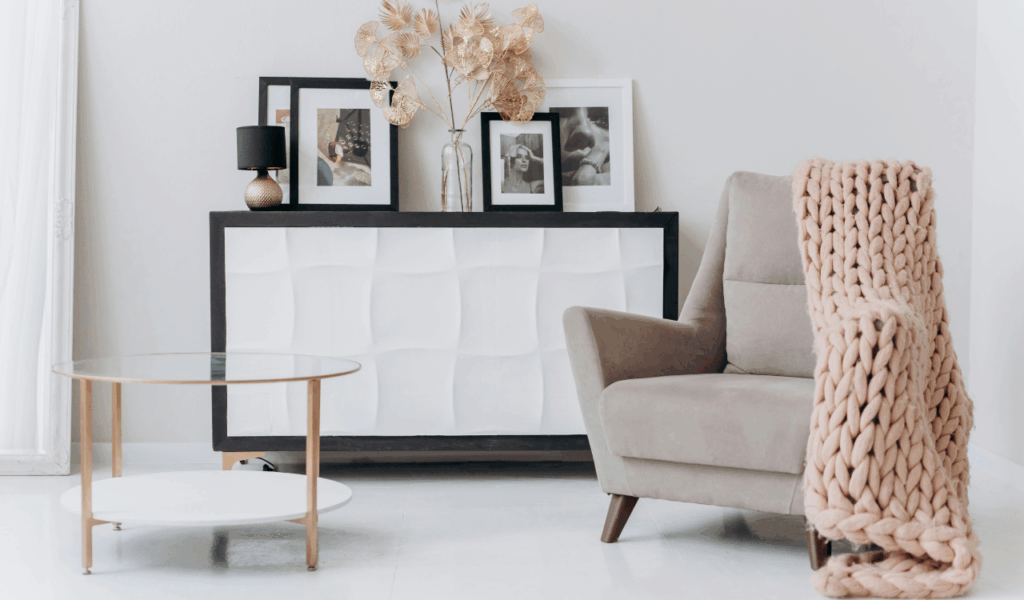
High end sofas, chairs, and tables often promise elevated style, but daily comfort and durability matter more over time. Some designer pieces prioritize shape and materials over support, which becomes obvious during long sitting sessions or family use. Light fabrics stain easily, and rigid cushions lose comfort fast. Homeowners then feel reluctant to fully relax in their own spaces, treating furniture as display pieces rather than functional seating. When furniture limits how people actually live, it stops adding value to everyday life. The disappointment is sharper because of the price tag, making small inconveniences feel bigger and harder to justify.
3. Smart Home Gadgets That Added More Steps Instead of Fewer
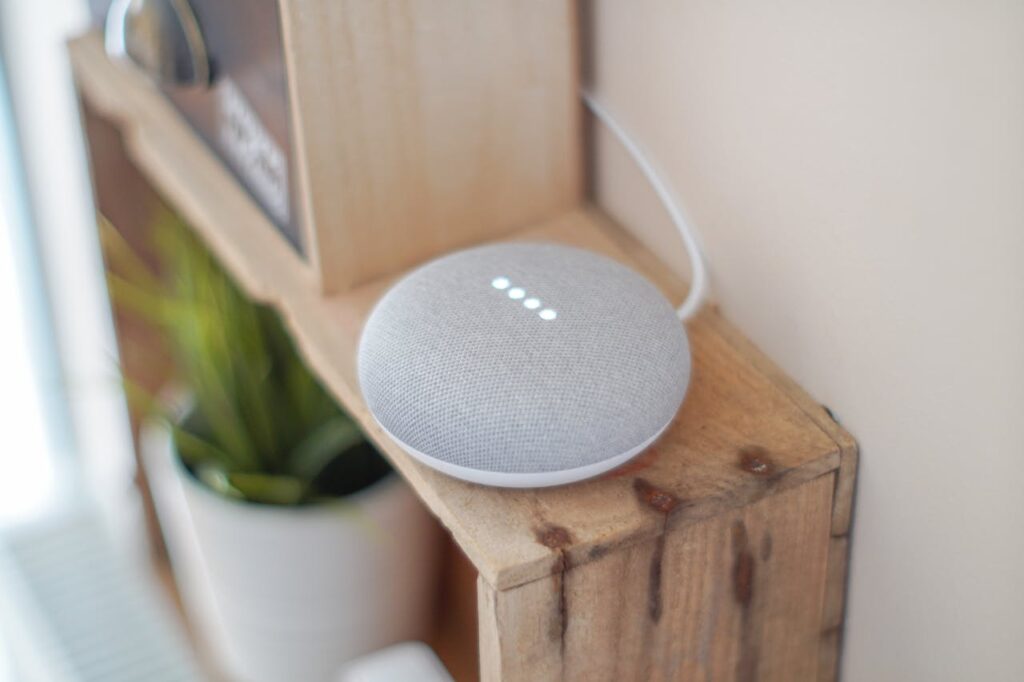
Smart thermostats, lighting systems, and voice-controlled devices promise efficiency, but they often require setup, updates, and troubleshooting that eat into time savings. Connectivity issues, software glitches, and compatibility problems can turn simple tasks into frustrating routines. Some users find themselves using manual controls anyway because they are faster and more reliable. When technology interrupts rather than supports daily flow, it becomes background noise instead of meaningful improvement. Over time, many smart features go unused, leaving homeowners with expensive equipment that does not meaningfully simplify daily habits.
4. Bathroom Upgrades That Felt Luxurious but Changed Nothing
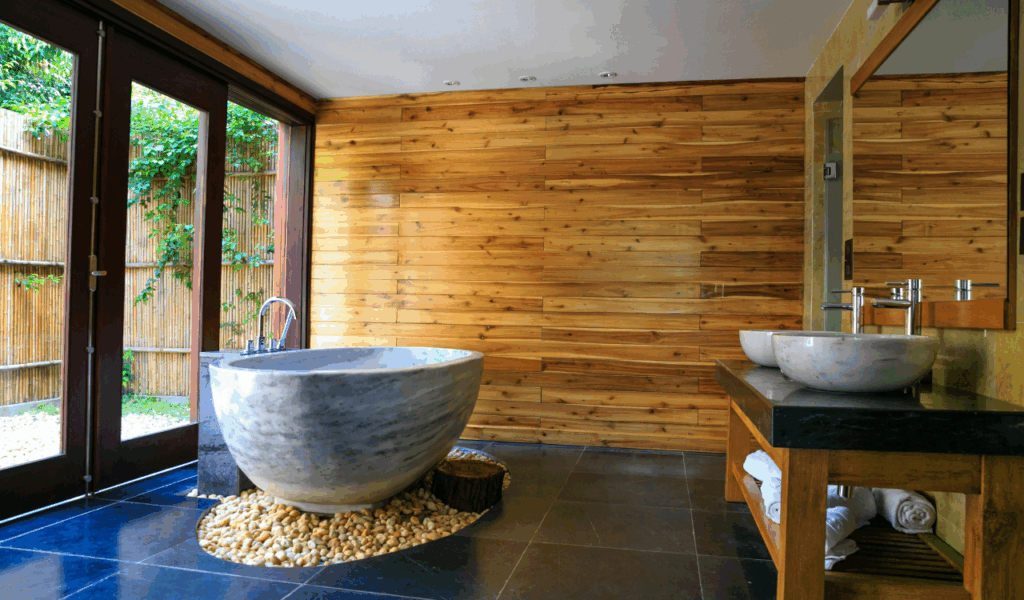
Rainfall showerheads, heated towel racks, and spa style fixtures sound indulgent, but they do not always translate into noticeable comfort gains. Water pressure may drop with certain showerheads, making daily showers less satisfying. Heated features increase energy use while offering limited practical benefit. These upgrades also require more maintenance and occasional repairs. When daily routines stay the same and comfort does not improve much, the upgrade feels cosmetic rather than functional. Homeowners often realize they would have benefited more from better storage, ventilation, or lighting instead of luxury features they barely notice after a few weeks.
5. Accent Lighting That Did Not Match Everyday Needs
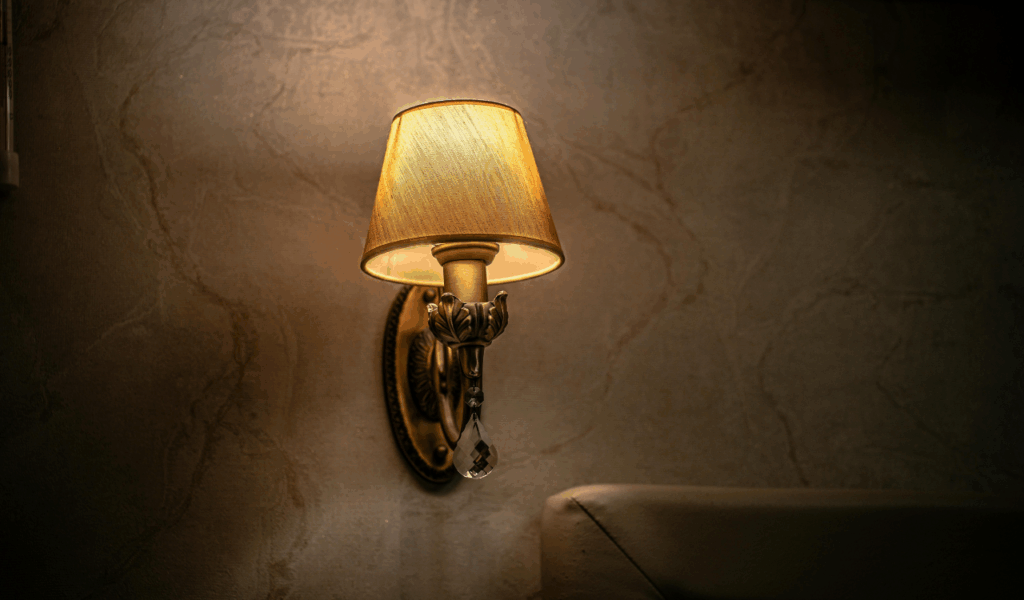
Statement lamps, LED strips, and decorative fixtures can look striking in staged rooms, but daily lighting needs are different. Accent lighting often fails to provide enough brightness for reading, working, or cooking. People end up relying on overhead lights while decorative fixtures stay off. Some accent lights also cast harsh or uneven shadows that make rooms less comfortable. When lighting does not support how spaces are actually used, it becomes visual clutter rather than a helpful feature. Over time, unused lights feel like missed opportunities to invest in better task and ambient lighting that would truly improve comfort.
6. Oversized Rugs That Disrupted Room Layouts
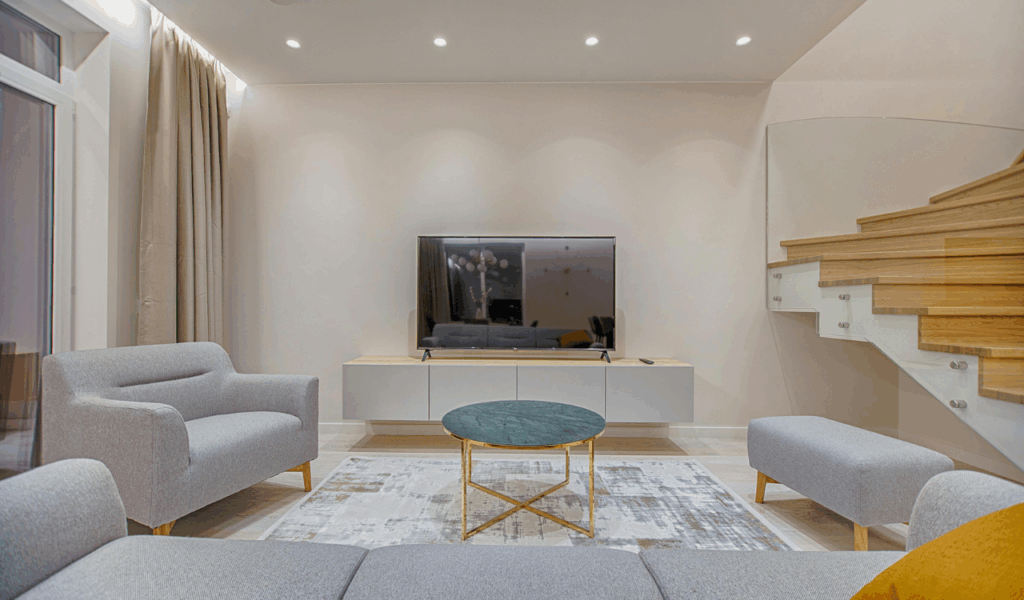
Large rugs are meant to ground furniture, but when scale is off, they create awkward spacing and tripping hazards. Oversized rugs can push furniture too far apart, making rooms feel less inviting. Edges may curl or shift, especially in high traffic areas, creating safety concerns. Cleaning becomes harder because moving heavy rugs requires effort. If rugs dominate the floor visually, they also limit flexibility when rearranging furniture. What was meant to unify the space can end up dictating layout in ways that reduce comfort and function instead of enhancing it.
7. Lawn Watering Systems That Required Constant Attention

Automatic irrigation sounds like a time saver, but many systems need frequent adjustments to account for weather, soil conditions, and plant types. Broken sprinkler heads, clogged lines, and programming errors lead to wasted water or dry patches. Homeowners still find themselves monitoring and fixing the system regularly. Seasonal changes require recalibration, which many people forget until problems appear. Instead of removing yard maintenance from the schedule, these systems often add technical upkeep to an already busy routine. The promised convenience does not always match the reality of ownership.
8. Kitchen Gadgets Used Once and Then Forgotten
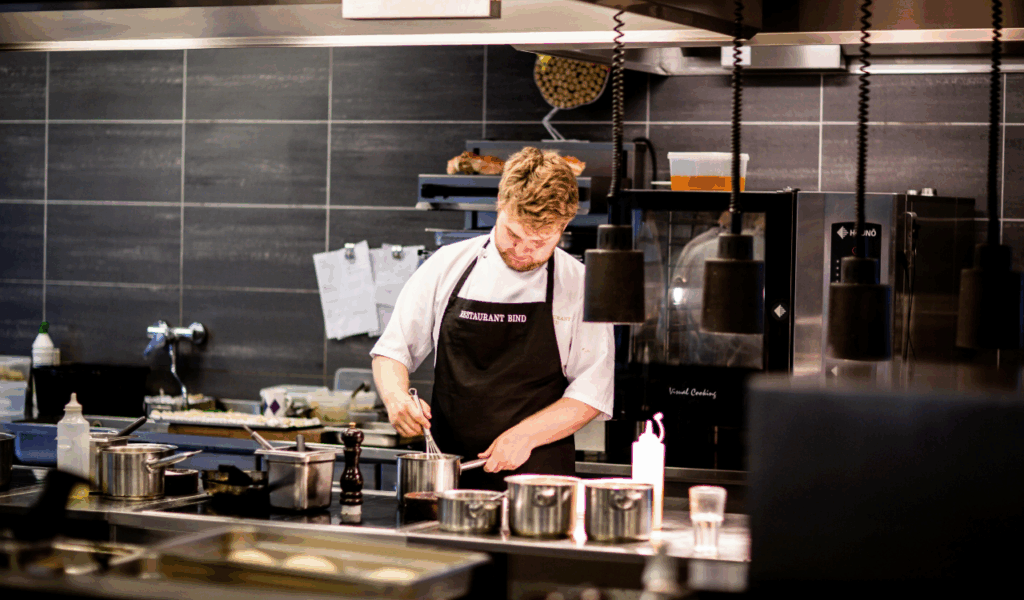
Specialty appliances and tools promise faster cooking or healthier meals, but many require setup, storage, and cleaning that outweighs their benefits. Items like air fryers, pasta makers, and bread machines can take up valuable counter or cabinet space. After initial enthusiasm fades, they often get replaced by simpler methods that require fewer steps. When tools are not integrated into daily cooking habits, they quickly become clutter. Homeowners realize that improving routines depends more on meal planning and workflow than on owning more equipment.
9. Home Fragrance Systems That Needed Constant Refills
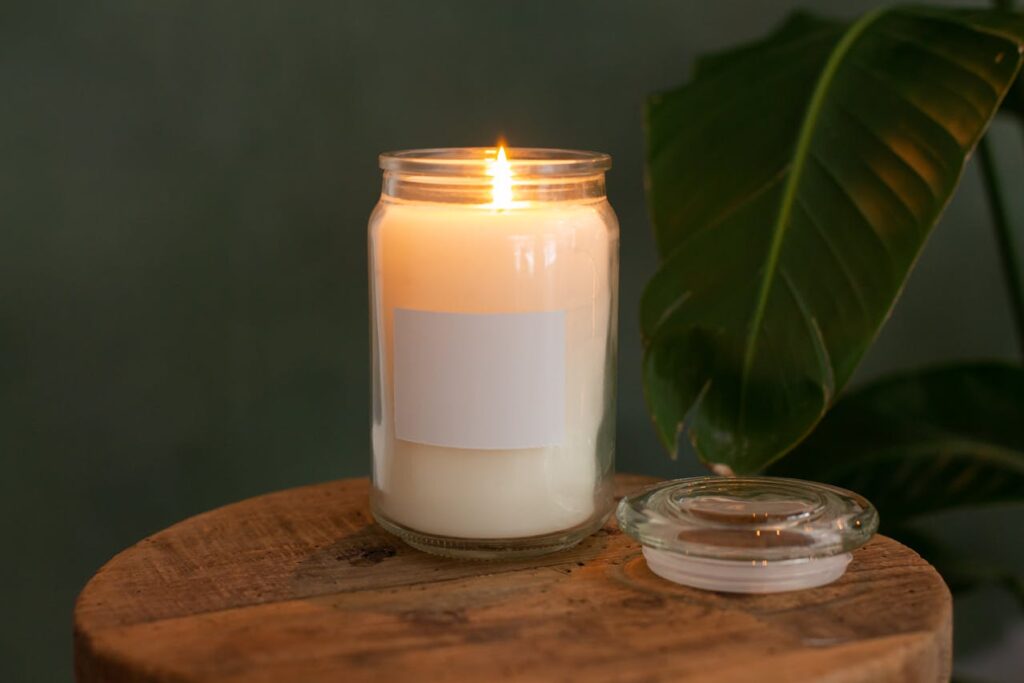
Diffusers, scented oils, and plug-in fragrance systems create pleasant first impressions, but they require ongoing purchases and maintenance. Scents fade quickly, and replacing cartridges becomes another small task to manage. Some fragrances also become overwhelming in closed spaces, leading people to turn them off or avoid certain rooms. When systems do not provide consistent benefit without frequent attention, they stop feeling like upgrades. Many homeowners eventually return to simpler methods like opening windows or using occasional candles instead of maintaining continuous scent devices.
10. Custom Built-Ins That Reduced Flexibility Over Time
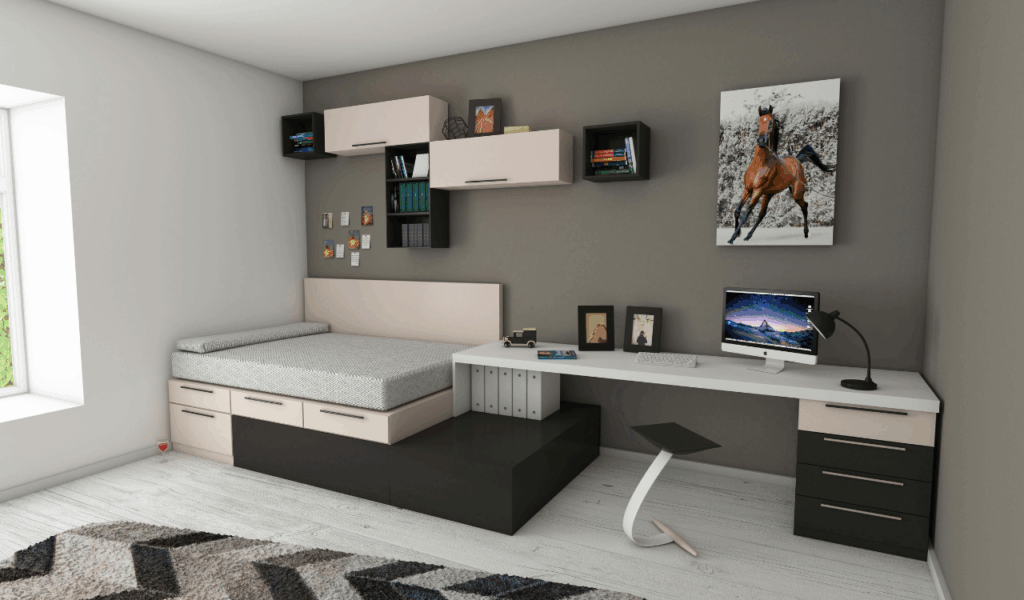
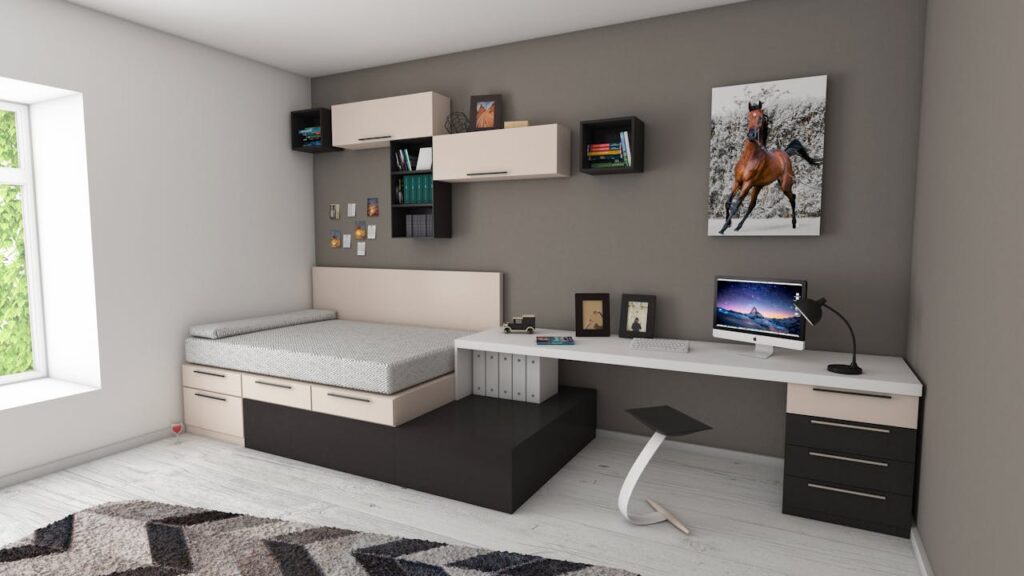
Built in shelving, desks, and storage units can look polished, but they lock rooms into specific layouts. As family needs change, fixed furniture may no longer suit how spaces are used. Removing or altering built-ins is expensive and disruptive, which discourages updates. What once felt tailored can start to feel restrictive. Storage designed for specific items may not adapt well to new hobbies, work needs, or family growth. Instead of evolving with the household, built-ins can limit future options, reducing overall usefulness.
11. Trend-Driven Paint Colors That Show Wear Quickly
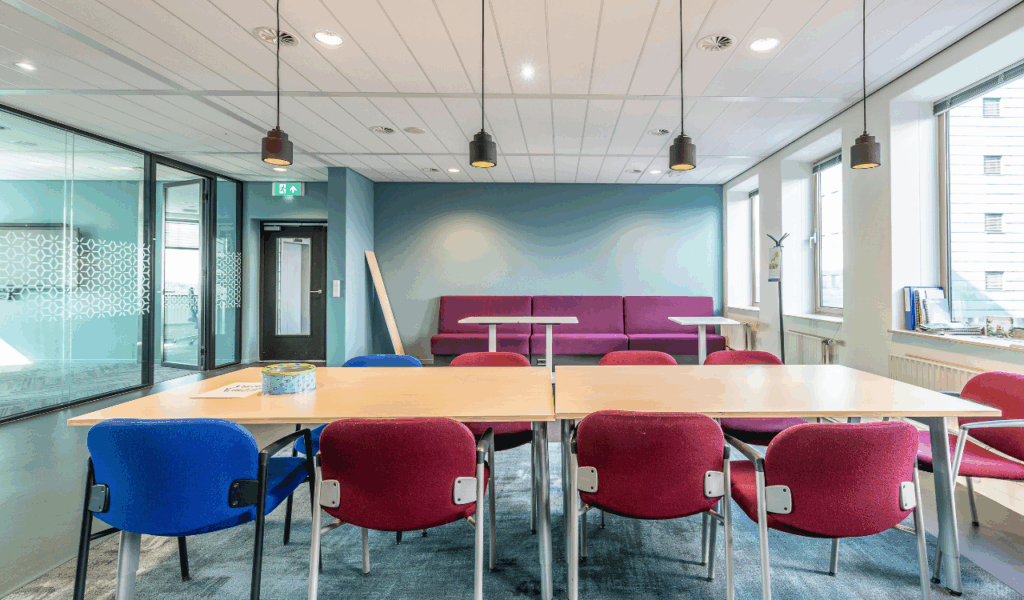
Bold or unusual paint colors make strong first impressions, but they can highlight scuffs, fingerprints, and fading more than neutral shades. Touch ups are harder because color matching is less forgiving. As trends shift, rooms may start to feel dated sooner than expected. Homeowners then face repainting sooner than planned, adding cost and effort. When color choices require frequent maintenance or updates to stay appealing, they stop contributing to long term comfort. Paint should support daily living, not create extra work to keep spaces looking presentable.