9 Kids’ Study Trends That Didn’t Encourage Consistency

Study trends for kids often arrive with big promises. The right app, the perfect chart, or a beautifully designed study space is supposed to make learning easier and more consistent. In real life, consistency depends far more on habits, comfort, and realistic expectations. Systems that rely on novelty, constant rewards, or perfect schedules tend to fade once the excitement wears off. When tools do not match how children actually learn and live, they stop getting used. These are the study trends that looked helpful at first but failed to support steady, long-term routines.
1. Motivational Wall Decals That Quickly Became Invisible

Motivational quotes and bright wall decals are meant to inspire effort and positive thinking, but the brain adapts to visual surroundings very fast. What feels exciting in the first few days becomes background noise within weeks. Once kids stop noticing the message, it does not influence behavior or focus. In some cases, busy typography and bold colors actually become visual distractions that pull attention away from work. Motivation also does not come from reading the same sentence every day. It comes from small wins, clear goals, and feedback. When décor is expected to replace active encouragement or structure, it falls short. Over time, the decals remain on the wall, but they stop serving any real purpose in shaping study habits.
2. Multiple Study Zones That Prevented Habit Building

Creating several study spots around the house seems flexible and accommodating, but it weakens routine. Consistency depends heavily on repeating the same behavior in the same place. When kids float between the kitchen table, bedroom desk, couch, and playroom, the brain never links a specific environment with focused work. Supplies also scatter, which increases setup time and frustration. Instead of beginning homework automatically, kids spend time deciding where to sit and finding materials. This delays starting and reduces follow-through. A single dependable study area builds familiarity and reduces friction. Too many options may feel helpful, but they quietly work against forming steady habits.
3. Color-Coded Task Charts Without Ongoing Support
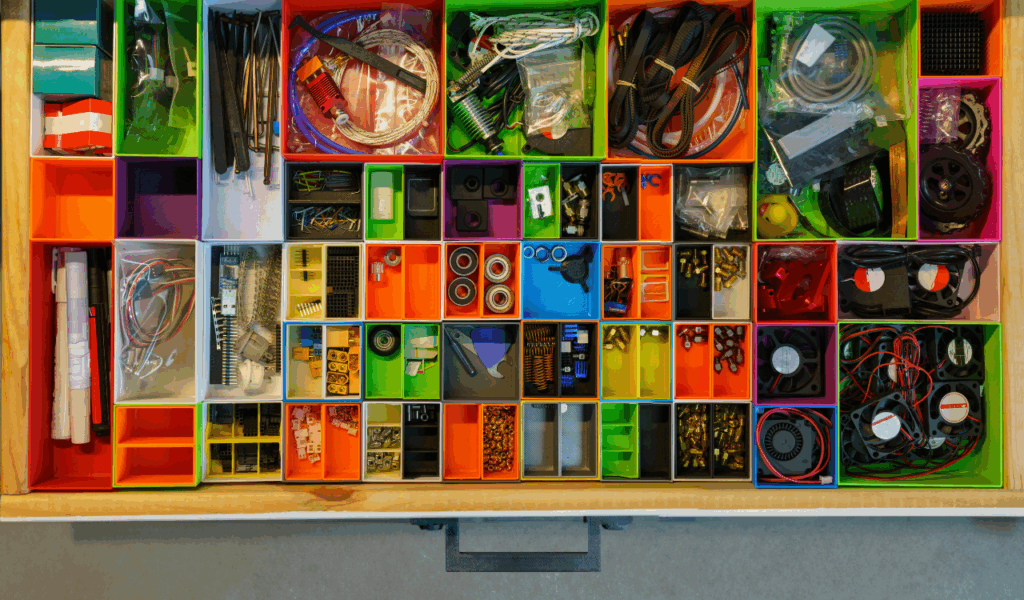
Color coded charts look organized and easy to follow, but they depend on adult involvement to stay relevant. When charts are not reviewed daily or adjusted as assignments change, they quickly become outdated. Kids stop trusting them and stop checking them. Without reminders and check-ins, charts turn into wall decorations instead of tools. Color alone does not motivate action. Clear expectations, accountability, and routine matter more. When charts are treated as set it and forget it systems, they lose effectiveness. Over time, kids ignore them because nothing happens when tasks are missed or completed.
4. Reward Boards That Lost Their Motivating Power
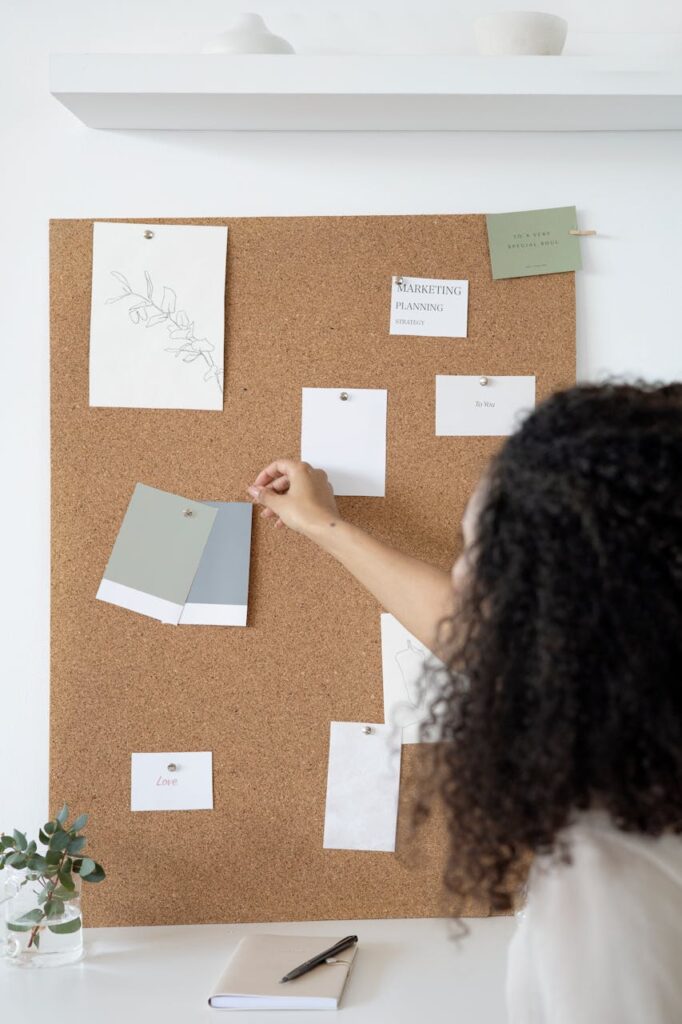
Sticker charts and point systems work best for short-term behavior change. When used for daily studying over long periods, their impact fades. Kids become less excited about the same rewards, and parents struggle to keep the system fresh. If rewards are too small, they stop motivating. If they are too big, they become unsustainable. Some children also begin to focus more on earning points than on learning or making an effort. Once rewards stop feeling meaningful, participation drops quickly. Consistency depends on internal motivation and habit, not just external prizes. When reward systems are not carefully evolved, they quietly stop working.
5. Study Apps That Interrupted More Than They Helped

Educational apps promise structure and engagement, but many send frequent notifications, reminders, and pop-ups. These interruptions break focus and encourage multitasking. Kids may open the app and then drift into other digital activities. Screen-based systems also rely on self-control that many children are still developing. Instead of strengthening routines, apps can fragment attention and make studying feel like another online activity rather than focused work time. Technical issues, updates, and login problems add more barriers. When technology becomes another thing to manage, it often weakens consistency rather than supporting it.
6. Group Study Sessions That Turned Into Social Time

Studying with friends can be helpful when sessions are structured and goal-driven. Without clear plans, group sessions often drift into conversation and shared distractions. Kids may feel productive simply because they are sitting together, even if little work gets done. Peer dynamics can also discourage asking questions or admitting confusion. Over time, these sessions feel fun but do not build real study habits. Consistency comes from reliable routines and focused effort, not just shared time. Without adult guidance or defined tasks, group study rarely delivers the steady practice students need.
7. Flashcard Overload That Made Studying Feel Endless
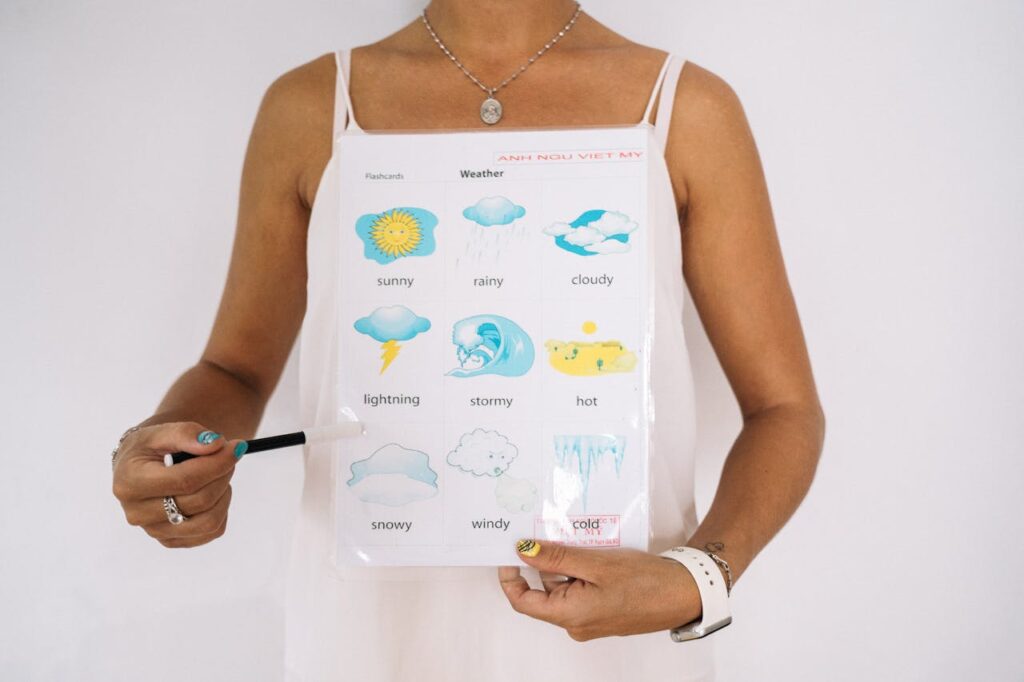
Flashcards are useful for memorization, but using them for every subject at once creates fatigue. Large stacks feel overwhelming and make progress hard to measure. Kids may rush through cards without actually retaining information. When studying feels repetitive and endless, motivation drops quickly. Flashcards work best in small, targeted sessions with specific goals. When they become the default tool for everything, they lose effectiveness. Overuse turns them into busywork rather than meaningful review. Consistency depends on variety and manageable workloads, not constant repetition of the same method.
8. Rigid Daily Study Schedules That Clashed With Real Life

Fixed study times look disciplined, but children’s days are rarely predictable. Homework loads vary, activities change, and energy levels shift. When schedules are too strict, missing one session can lead to giving up entirely. Kids may feel discouraged instead of supported. Flexible routines that adjust to daily demands work better for long-term consistency. When schedules ignore real-world variability, they feel like rules that cannot be met. Over time, families stop enforcing them because they create stress instead of structure. Sustainable routines adapt rather than insist.
9. Overdecorated Study Spaces That Pulled Focus Away

Bright colors, themed décor, and busy bulletin boards can make study areas feel cheerful, but they also compete for attention. Visual stimulation increases mental load, making it harder to concentrate on reading and problem-solving. Kids may fidget, stare at decorations, or feel restless in spaces that are too active visually. A calm environment supports longer focus periods. When design prioritizes appearance over function, productivity suffers. Over time, kids may choose quieter spots elsewhere, abandoning the decorated study area altogether. Comfort and simplicity matter more than visual excitement when it comes to consistent studying.