10 Urban Loft Decor Feeling Like Home Base
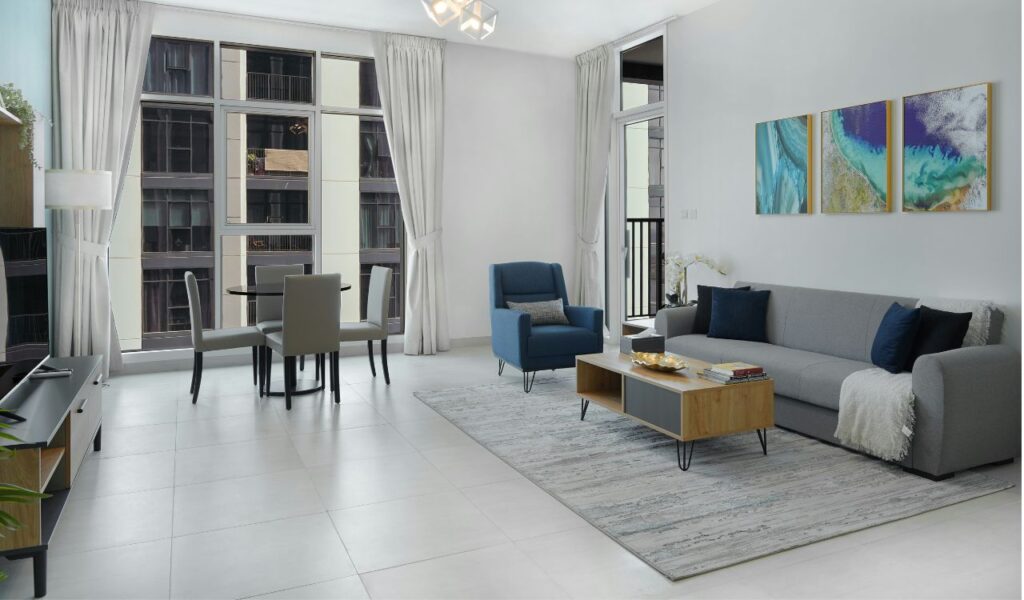
Urban lofts often blend industrial architecture with personal style, but creating a space that feels truly like home can be tricky. High ceilings, exposed beams, and open floor plans offer freedom, yet they can also feel impersonal or echoey if not thoughtfully decorated. Interior designers suggest balancing raw materials with warm textures, layered lighting, and curated furniture to craft a homey atmosphere. Experts also note that even small touches, like rugs, textiles, and art, can anchor a large loft space, making it feel inviting rather than stark. For residents seeking comfort without sacrificing modern style, these ten urban loft decorating strategies transform open, industrial spaces into functional, lived-in sanctuaries.
1. Statement Sofa (Central Seating Anchor)
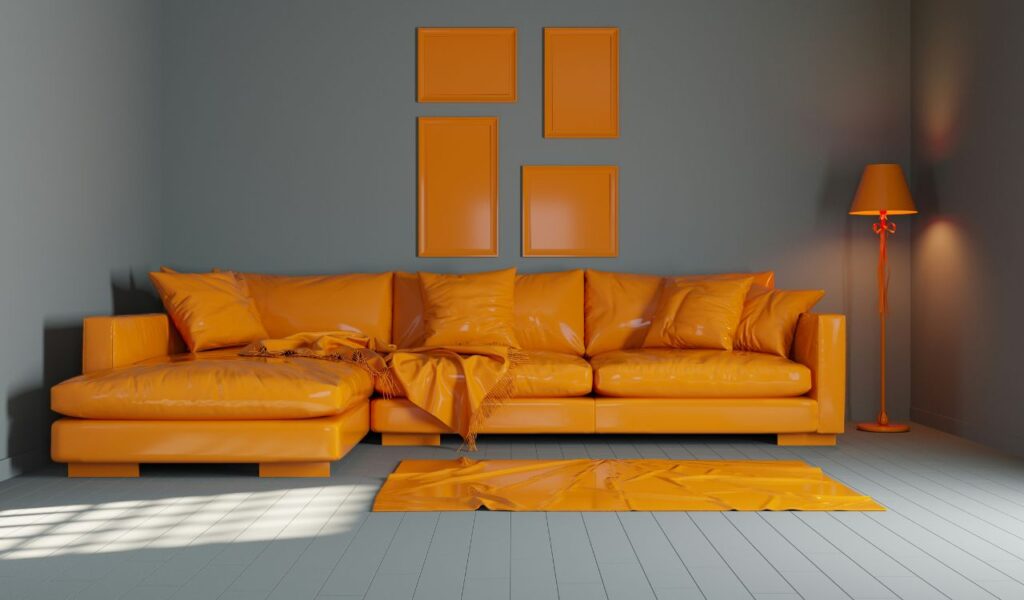
A bold, oversized sofa can define an open loft space, giving it structure and comfort. Interior designers emphasize choosing materials that are both visually striking and durable, such as leather or performance fabrics. This central anchor allows for conversation zones and creates a welcoming focal point amid industrial elements like concrete floors or exposed ductwork. Loft dwellers often layer throws and cushions to soften visual hardness, while color choices can complement or contrast metal and brick textures. Experts stress that investing in one substantial piece improves both comfort and design coherence.
Beyond aesthetics, the sofa’s placement impacts traffic flow and usability. Designers recommend leaving ample space around it to maintain an open feel while still creating a distinct lounge area. Local trends show loft owners favor modular or sectional sofas for flexibility, allowing adaptation to evolving needs or entertaining styles. This combination of function and warmth ensures that the sofa feels not just like furniture, but the heart of the loft.
2. Layered Lighting (Functional & Cozy)
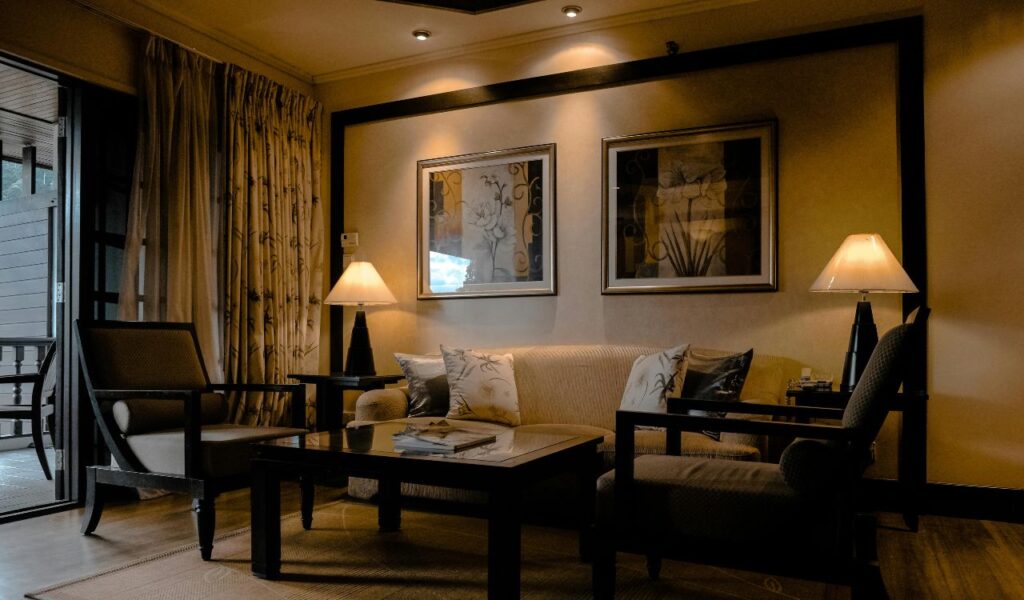
Lighting in a loft needs more than one source to prevent cavernous emptiness. Experts advise layering ambient, task, and accent lighting to balance practicality with mood. Industrial pendant lights highlight high ceilings, while table lamps and wall sconces soften edges, creating pockets of intimacy. Contemporary loft residents often combine metallic fixtures with warm bulbs to offset the hardness of exposed concrete or brick. Surveys of urban interiors indicate that spaces with layered lighting are consistently rated as more inviting by both residents and visitors.
Proper lighting also enhances architectural features without overwhelming them. Designers highlight that dimmable options and multiple circuits give control over ambiance, from bright workspace mode to evening relaxation. Accentuating artwork, shelves, or unique textures can transform bare walls into curated displays. Layered lighting ultimately anchors the loft emotionally and functionally, proving essential for spaces that double as home, office, and entertaining zone.
3. Area Rugs (Textural Grounding)
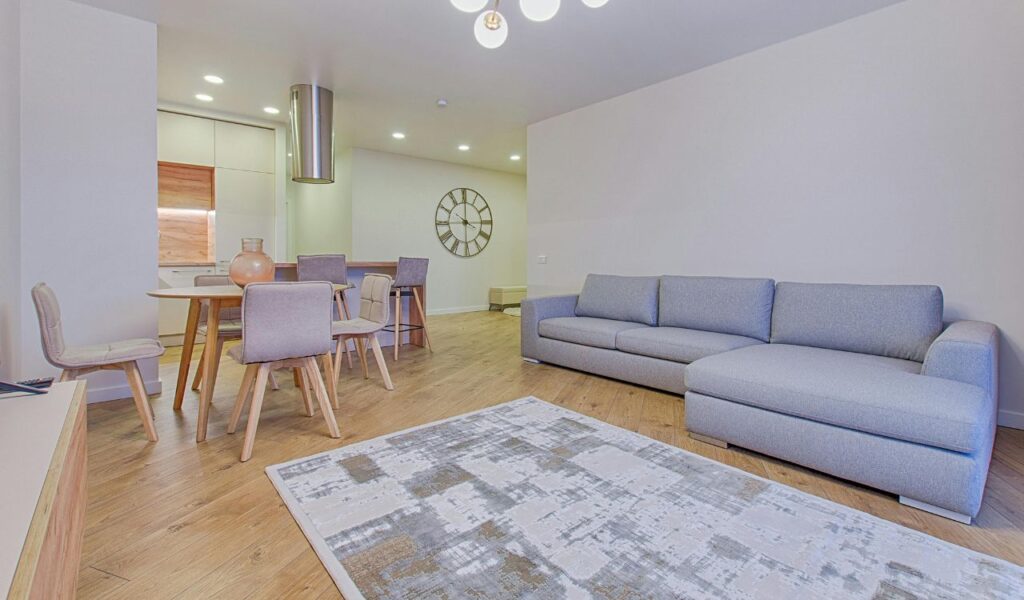
Open loft floors can feel cold or fragmented without rugs to define spaces. Interior stylists emphasize the importance of layering rugs in varying sizes, textures, and patterns to create intimate zones for seating, dining, or reading. Natural fibers like wool or jute provide warmth, while patterned options add personality and draw attention to otherwise stark floors. Experts note that rugs also absorb sound, mitigating echo from high ceilings, which is a common concern in urban lofts.
Placement matters as much as texture. Designers recommend anchoring furniture legs partially on rugs to create cohesion, or using multiple rugs to subtly separate living areas from dining or workspaces. Trend data shows loft dwellers increasingly use rugs to introduce color, contrast, and tactile comfort, transforming large, open plans into layered, homey interiors. A well-chosen rug ensures both visual and practical grounding, contributing significantly to a lived-in feel.
4. Modular Shelving (Flexible Storage & Display)
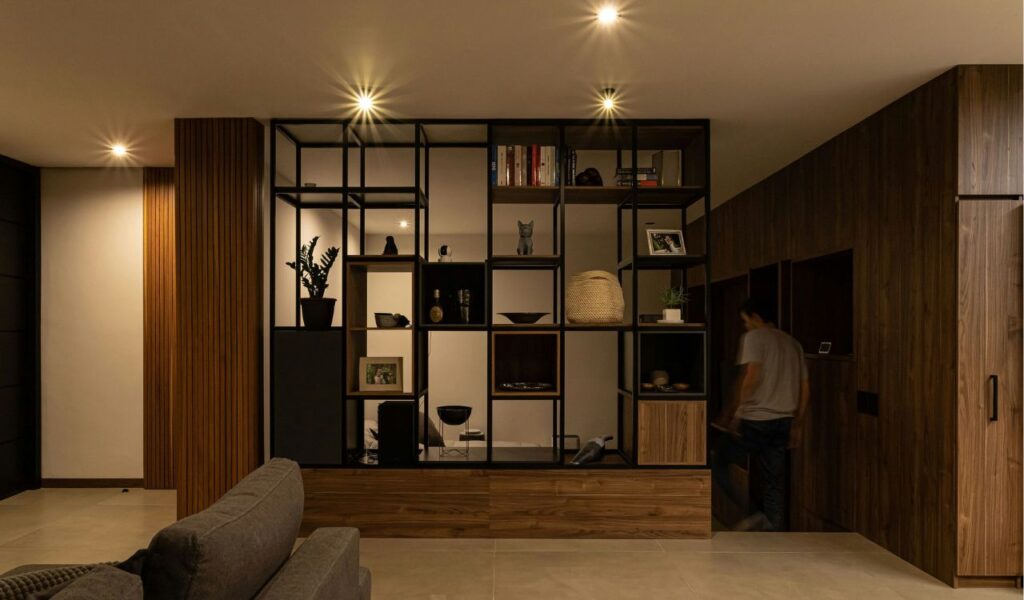
Lofts often lack built-in storage, making modular shelving units crucial. Interior professionals advocate for open or semi-open designs to maintain the airy loft aesthetic while providing display and organizational options. Shelves double as partitions to subtly delineate spaces without closing them off. Materials like reclaimed wood or metal resonate with industrial elements, while plants, books, and curated décor warm the space.
Experts highlight that flexibility is key: units that can be reconfigured or expanded allow the space to adapt to changing lifestyle needs, such as working from home or entertaining guests. Properly styled shelving can elevate a loft’s personality, giving it character while remaining functional. Observations from urban interiors suggest that creative shelving transforms high ceilings and open floors from intimidating to cozy, creating home zones within expansive lofts.
5. Statement Lighting Fixtures (Art Meets Function)
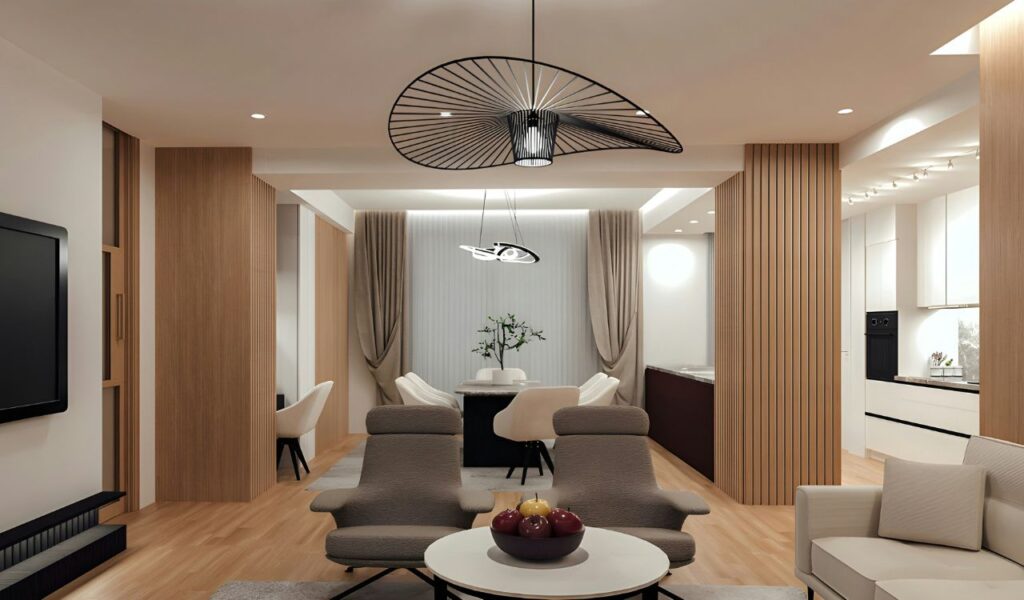
Loft ceilings often soar above 12 feet, making lighting both a functional necessity and a design statement. Designers suggest large pendant lights or chandelier-style fixtures that draw the eye upward while providing ample illumination. Industrial-inspired metals like brushed brass, matte black, or aged steel complement raw ceilings, exposed beams, and ductwork. Experts note that statement fixtures serve a dual purpose; they balance the open vertical space visually and anchor central living zones.
In practice, residents layer these bold lights with softer options such as floor lamps or LED strips to reduce harsh shadows and create cozy nooks. Data from urban interior surveys indicates loft dwellers increasingly invest in sculptural lighting that feels personalized, with fixtures often doubling as conversation pieces. The trend toward combining utility with artistry ensures that even expansive, open spaces feel curated, human, and grounded.
6. Indoor Plants (Natural Warmth & Airflow)
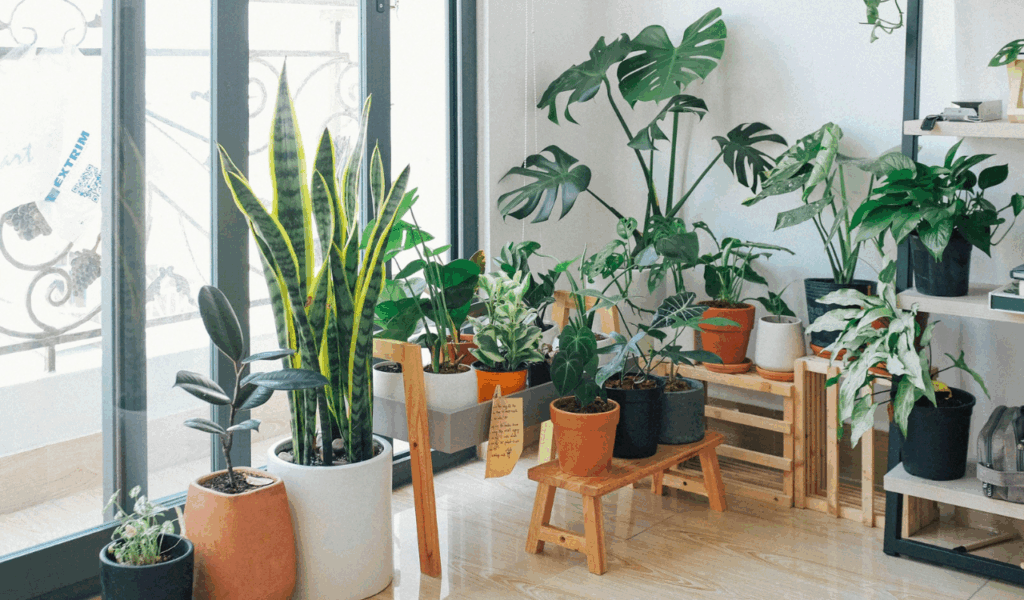
Greenery has emerged as a cornerstone of urban loft styling, both for aesthetic and environmental benefits. Interior botanists and designers highlight tall plants, hanging baskets, and grouped succulents as ways to break up open floor plans and inject warmth. Plants also improve air quality and soften industrial textures like concrete and metal. Trend data shows loft owners with high ceilings often choose fiddle leaf figs or rubber plants for vertical impact, paired with smaller flora on shelves and side tables to maintain layered depth.
Beyond visual appeal, plants help modulate acoustics, absorbing sound and reducing echo in large, minimally furnished lofts. Experts emphasize that arranging greenery strategically near seating areas, entrances, and dining spaces creates natural partitions, contributing to a more intimate atmosphere. The growing popularity of indoor gardens in city lofts reflects a desire to humanize stark urban environments, making open, industrial spaces feel more like a lived-in home.
7. Textured Throw Blankets & Pillows (Soft Layers for Comfort)
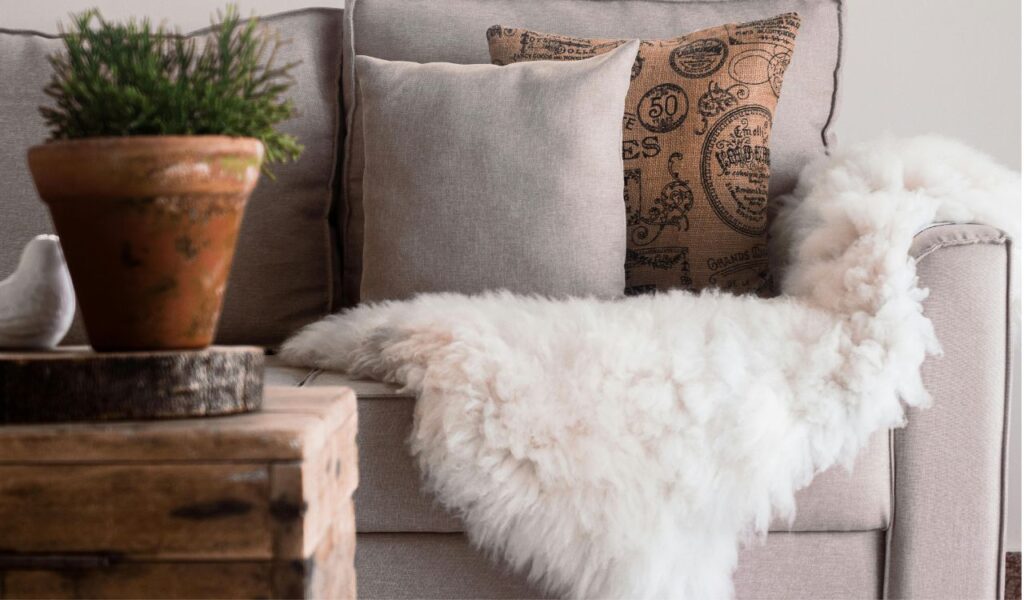
In lofts where concrete floors and steel finishes dominate, textiles provide crucial warmth and tactile comfort. Designers advocate for layering throws and pillows in varying materials, such as velvet, linen, knit, and faux fur, to create a lived-in feel. Recent interior trend studies note that urban loft residents increasingly favor muted neutrals punctuated by vibrant accents, blending industrial minimalism with cozy residential cues.
Beyond aesthetics, these soft layers invite touch, encouraging residents and guests to engage physically with the space. Interior experts also point out that textiles reduce ambient noise in open lofts, adding practical benefit alongside visual appeal. Properly curated cushions and throws can define seating areas, complement color palettes, and establish an inviting, homey vibe even in spaces with otherwise cold industrial bones.
8. Art & Wall Décor (Personalized Storytelling)
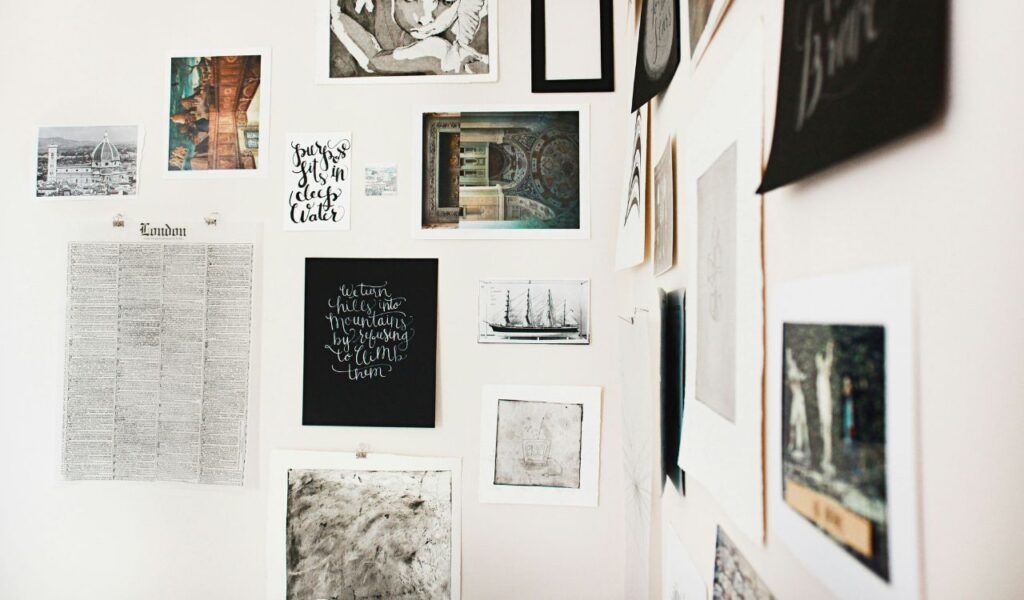
Loft walls are often expansive canvases, making art an essential tool for personalization. Professionals advise a mix of oversized statement pieces and smaller, curated collections to break monotony and create visual balance. Urban loft owners increasingly display a combination of contemporary prints, framed photography, and personal mementos, which helps humanize open, industrial environments. Trend data from city apartments shows walls curated with personal stories and rotating art add perceived warmth and authenticity to a space.
Placement is as important as the pieces themselves. Designers recommend staggered arrangements or gallery walls to maintain visual flow while introducing character. Art also serves as a psychological anchor, helping loft residents feel emotionally connected to their environment. By blending high-impact visuals with personal touches, expansive loft walls can tell a story and create an immediate sense of home.
9. Kitchen Islands (Functional Heart)
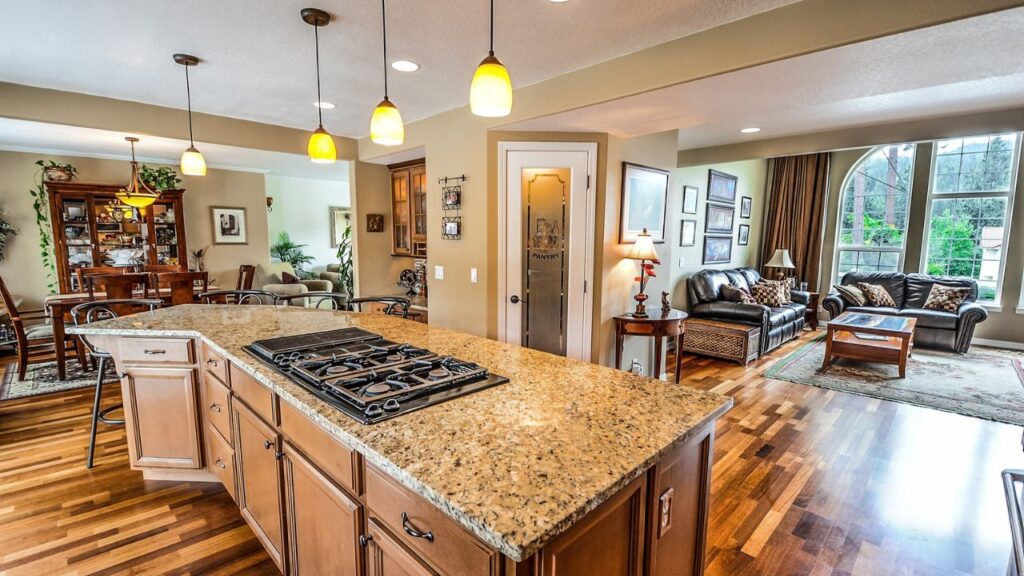
In open-plan lofts, the kitchen often doubles as a social hub, and a well-designed island anchors the space. Interior experts emphasize materials that complement industrial aesthetics, such as concrete countertops, reclaimed wood, or metal finishes, while ensuring surfaces remain practical for cooking and entertaining. Modern trends highlight multi-functional islands with storage, seating, and prep areas integrated seamlessly to optimize loft living.
Beyond functionality, islands serve as visual grounding, preventing the space from feeling too vast or impersonal. Observations from urban loft designs indicate residents increasingly customize islands with contrasting textures, lighting, or decorative barstools, reinforcing personality and homey charm. Properly designed, a kitchen island balances industrial style with residential comfort, making the loft feel inhabited and intentional.
10. Cozy Nooks & Reading Corners (Mini Retreats)
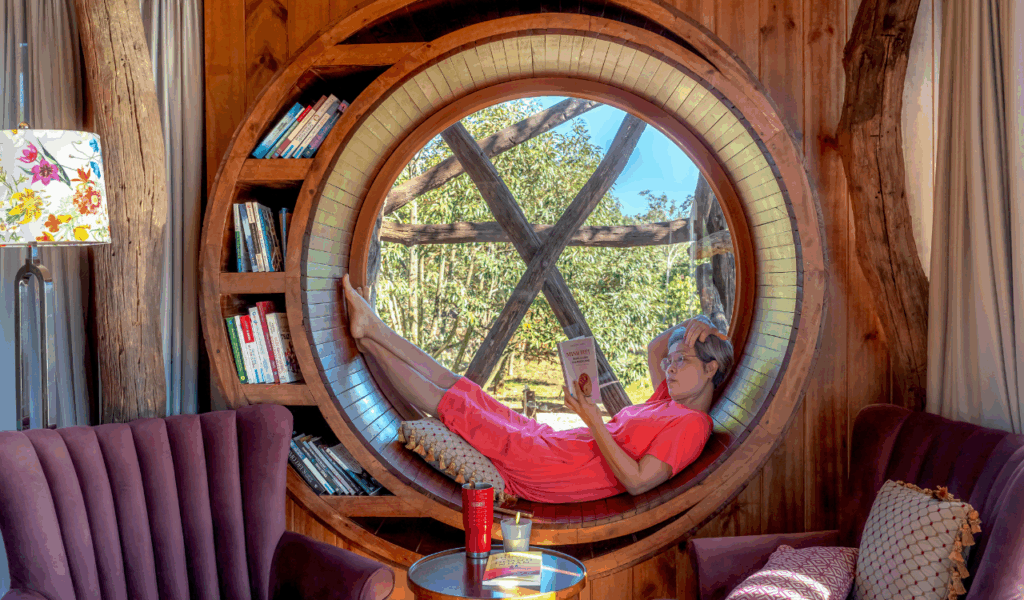
Even in large, open lofts, experts suggest carving out small zones for quiet retreat. A reading corner with a comfortable chair, ottoman, and side table creates intimacy and encourages relaxation amid the open floor plan. Designers recommend layering lighting, textiles, and small décor items to distinguish the nook without disrupting the loft flow. Trend research shows that city dwellers increasingly use compact corners to inject softness and functionality, ensuring large spaces remain human-scaled.
These micro-environments also provide flexible utility; they can double as work-from-home spaces or conversation spots while preserving the overall airy aesthetic. Interior designers stress that incorporating mini retreats transforms lofts from merely functional spaces into personalized homes, giving residents both openness and comfort. By integrating cozy nooks thoughtfully, lofts balance the industrial aesthetic with lived-in warmth, rounding out a fully habitable, inviting environment.