
10 Open Shelves That Turn Into Dust Magnets Overnight
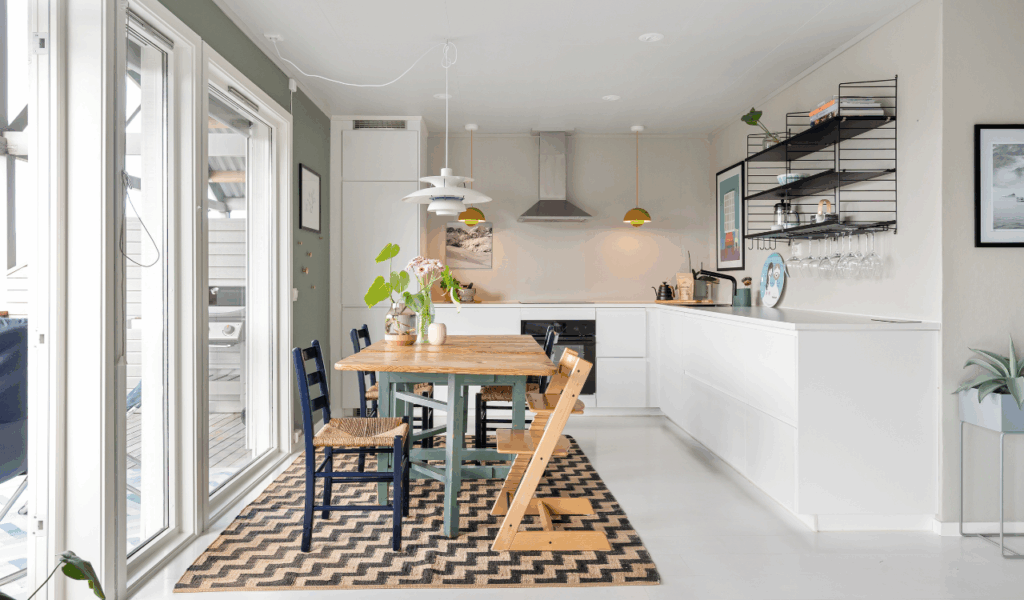
For years, open shelving has been popular in home design magazines, but professional cleaners and organizers say that this look is hard to keep up. Experts suggest that these surfaces become major landing spots for household garbage if you don’t have a good cleaning regimen. The appearance gives the space a light, modern impression. Professional organizers say that the visual clutter of dusty things generally surpasses the style benefits, which is why many homeowners regret the fad within months of installation.
Interior designers say that because there isn’t a physical barrier, gravity and airflow work together to cover your favorite decorations with a thin gray layer. Before you buy an open unit, experts say you should check the air quality in your property and how close it is to busy areas. If you live in a city or have pets, experts say that the “overnight” buildup of dust is a genuine thing that can destroy the ambiance of your home.
1. High-Gloss Kitchen Plate Racks
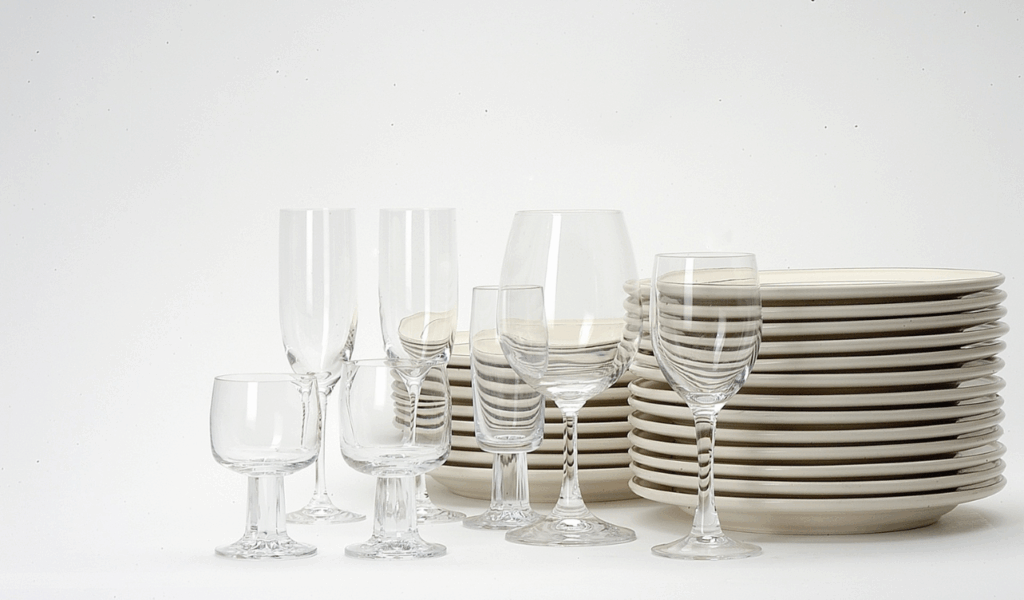
Kitchens are places with a lot of moisture, so dust doesn’t just settle; it sticks to cooking fat in the air. Professional chefs and kitchen designers say that open plate racks are lovely, but they often leave behind “grime-dust,” a sticky residue that is hard to wipe away. Experts claim that plates on these racks need to be washed completely before each usage, even if they were cleaned just a few days before. This means that the idea of free access is not true.
Experts in home maintenance say that the heat from stoves and ovens generates convection currents that lift particles and drop them right onto your plates. Organizers say that you should only use open racks for things you use every day so that they are always changing. Designers say that if you don’t often host big meals, the plates in the rear of the rack will always be a habitat for dust mites and kitchen oils. This means you’ll need to clean them far more often than you thought.
2. Matte Black Metal Floating Shelves
Matte black finishes are popular right now in modern farmhouse and industrial designs, but experts say they are the worst surfaces for dust. Interior designers say that the dark, flat tint makes the perfect high-contrast background for even the tiniest skin cells and lint. Professional cleaners say that a matte black shelf might look dirty merely hours after being dusted, especially in rooms with a lot of natural light.
Experts say that to avoid leaving stains on the delicate matte surface, you should use microfiber wipes made just for electronics. Experts explain that static charge commonly builds up on metal surfaces, making them literally magnets for floating debris. If you don’t want to have to wash down your shelves every morning to keep them looking clean and fresh, designers suggest going with a textured or wood-grain finish instead.
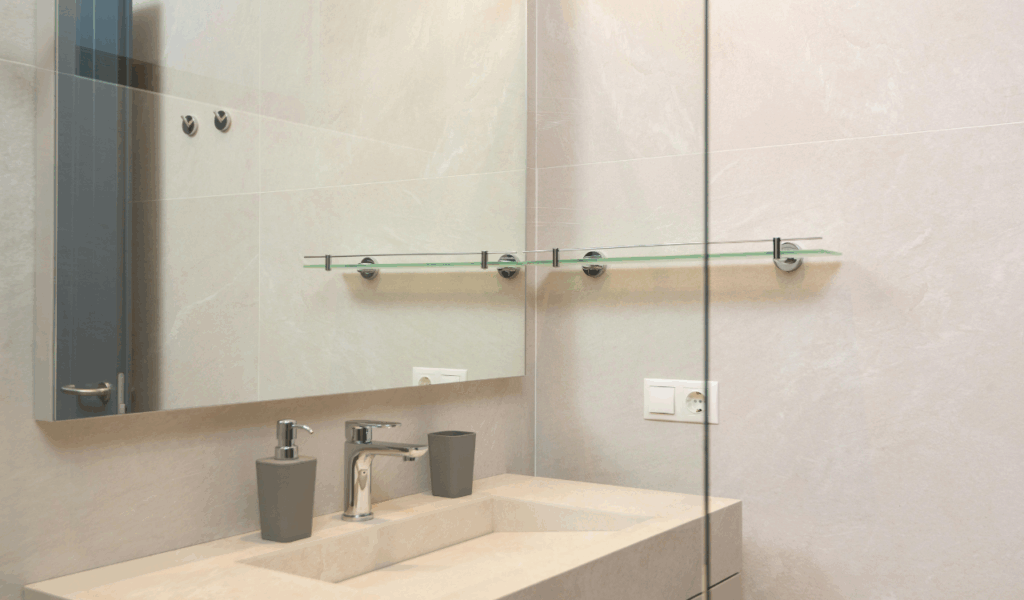
3. Glass Shelving in Sunlit Bathrooms
Matte black finishes are popular right now in modern farmhouse and industrial designs, but experts say they are the worst surfaces for dust. Interior designers say that the dark, flat tint makes the perfect high-contrast background for even the tiniest skin cells and lint. Professional cleaners say that a matte black shelf might look dirty merely hours after being dusted, especially in rooms with a lot of natural light.
Experts say that to avoid leaving stains on the delicate matte surface, you should use microfiber wipes made just for electronics. Experts explain that static charge commonly builds up on metal surfaces, making them literally magnets for floating debris. If you don’t want to have to wash down your shelves every morning to keep them looking clean and fresh, designers suggest going with a textured or wood-grain finish instead.
4. Deep Bookshelves with Small Trinkets
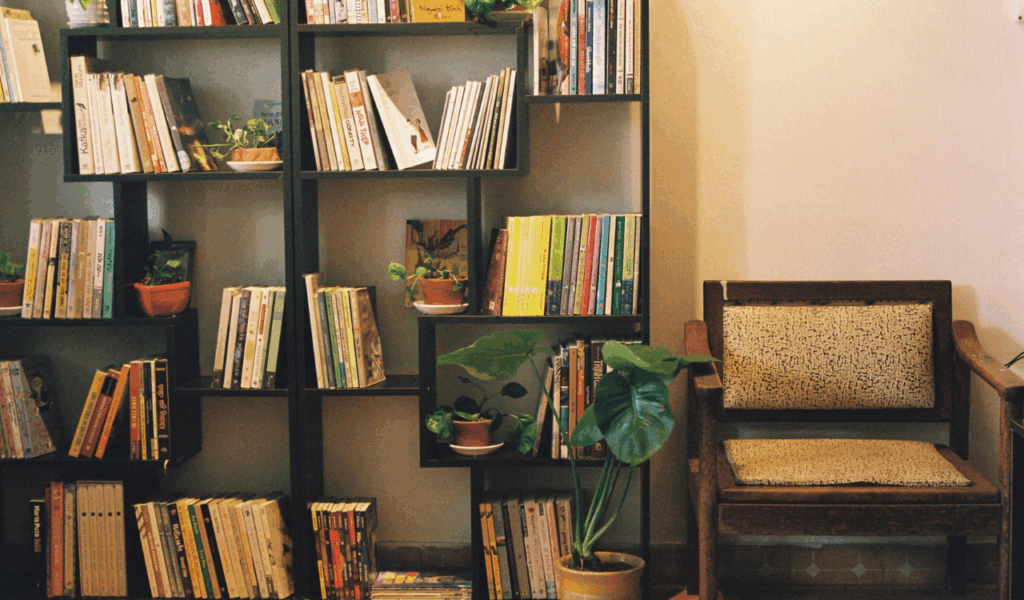
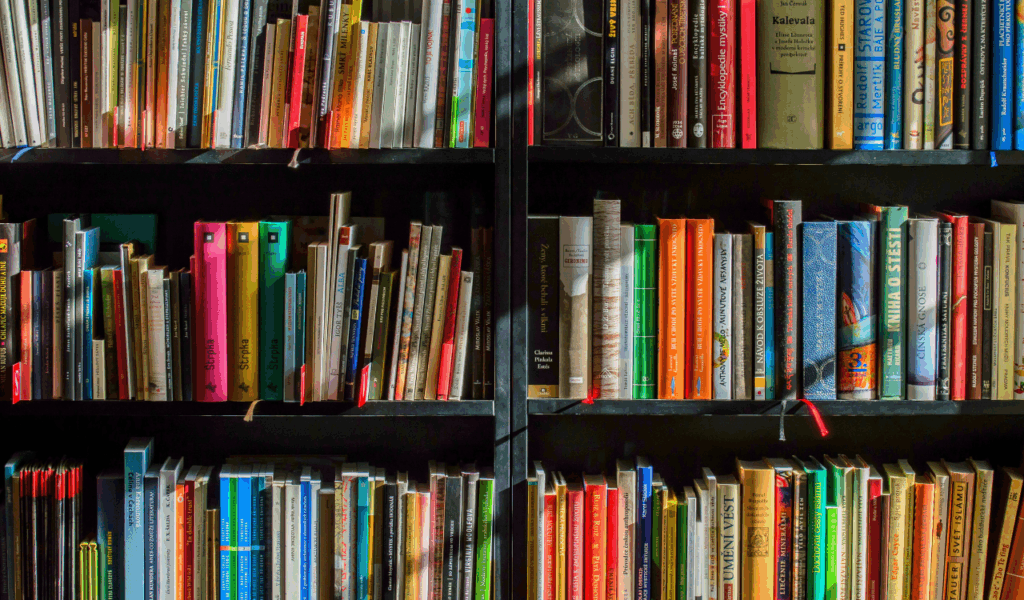
“Dead zones” form behind the decor when bookshelves are deeper than the things they hold. Professional organizers say that these pockets let dust build up in thick blankets that are often ignored when you quickly wipe down a surface. Experts claim that small knickknacks and collectibles make the problem worse because they have tiny cracks that trap pet hair and other allergens in the home.
Library scientists say that dust can harm the bindings of books over time by holding moisture on the paper. To get rid of the landing strip for dust, organizers suggest bringing books to the front edge of the shelf. Experts say that if you have a lot of small things, the best method to secure them while still making your library look nice is to put them behind glass-fronted “apothecary” style cabinets.
5. Low-Level Entryway Shoe Cubbies
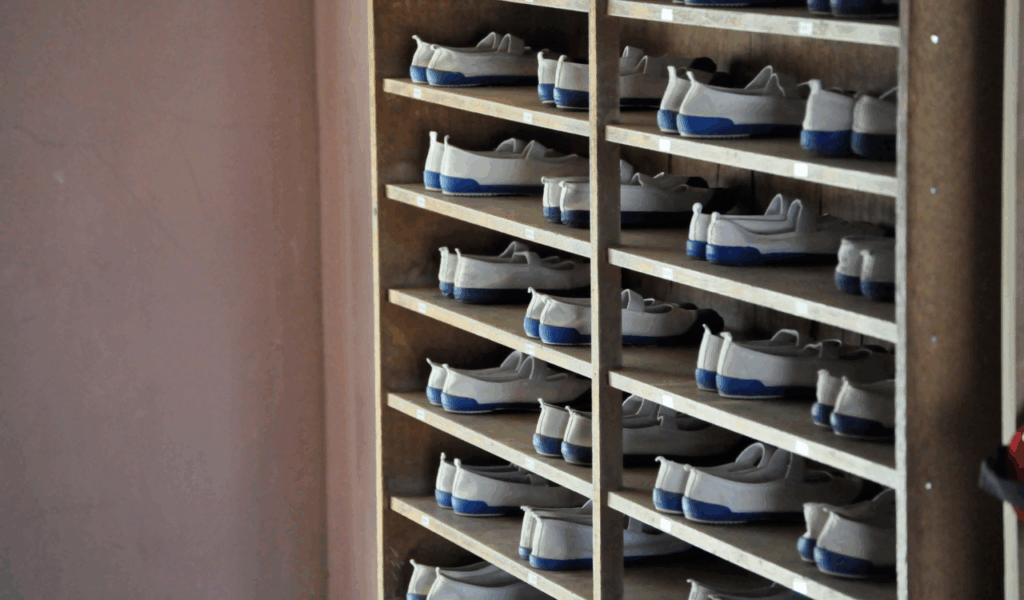
A shelf that is closer to the floor will accumulate more dust and filth. Professional cleaners say that open shoe cubbies near entryways are where dirt, pollen, and hair from outside come in. Experts explain that every time a door opens or someone walks by, a new gust of dirt and debris from the floor gets kicked up and lands right on the shelving unit and the shoes inside.
Home organizers say that the “overnight” dust here is sometimes mixed with dried mud and dirt from the street. Experts say that putting baskets in the cubbies will help hide the mess and keep the trash in one place. Designers say that homes with pets that shed a lot should not have open low-level shelving. This is because the fur tends to collect in the corners of the cubbies, making the area where you go from outside to inside your home dirty.
6. Nursery Shelving Near Changing Tables

There are commonly open shelves for toys and books in nurseries, but if they aren’t kept clean, they can be dangerous to health. Experts say that changing diapers and using baby powders releases a lot of tiny particles into the air. Pediatric health experts say that these particles land on neighboring open shelves, forming a layer of “nursery dust” that can bother a child’s sensitive respiratory system.
Professional organizers say that shelving should be at least six feet away from changing stations and upholstered furnishings. Experts believe that soft toys on exposed shelves are especially bad because they are “dust sponges” that hold allergens in their fabric. Designers say that to make cleaning easier and make the baby’s sleeping area healthier, you should put soft toys in locked containers and only show a few hard-surface books.
7. Mirrored Shelving in Dressing Areas
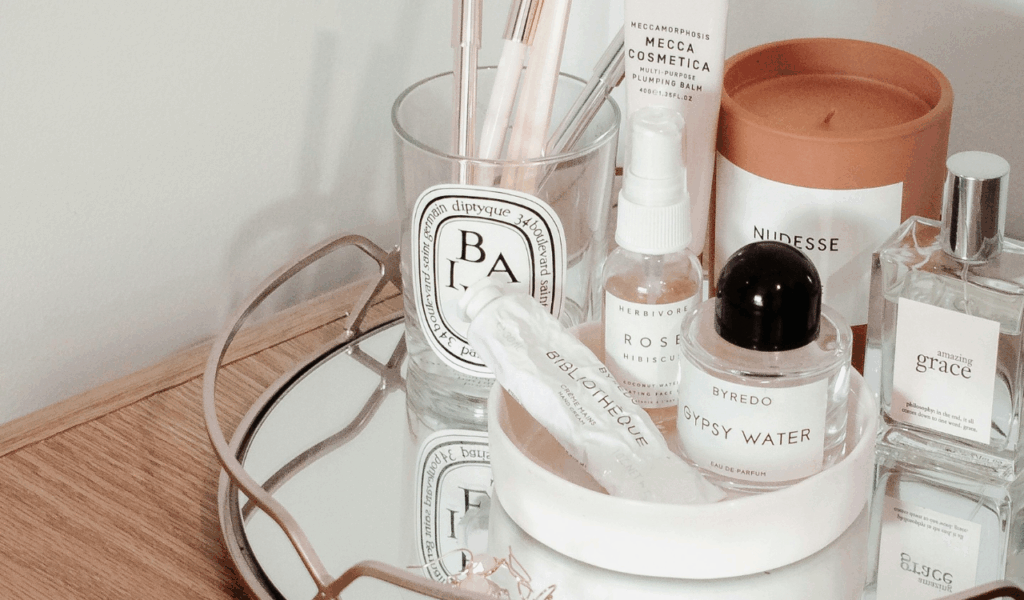
Mirrored shelves are the best “mood lighting” element, but they are hard to keep clean. Interior designers say that mirrors reflect the bottom of the dust layer, which makes the quantity of particles that can be seen by the eye seem twice as large. Professional cleaners say that the reflection also makes fingerprints and oil stains from perfumes or lotions stand out. These spots function like adhesive for dust that is drifting around.
Experts say that reflective surfaces need specific anti-static sprays to keep lint from sticking to them. Experts claim that if you use hairspray or dry shampoo nearby, a sticky film will build on the mirror, making it impossible to get rid of the dust with just a feather duster. Designers say that vertical backsplashes with mirrored accents are better than horizontal shelf surfaces since they don’t need to be cleaned all the time.
8. Rough-Sawn Reclaimed Wood Shelves
People really like the rustic look of salvaged wood, but the rough, uneven surface attracts lint. Experts say that the “nooks and crannies” in raw wood make it tough to clean with a regular cloth because the fabric becomes stuck on the wood and leaves behind much more dirt. Restoration experts say that dust can go deep into the grain and make the wood look less beautiful over time.
Contractors say that treating salvaged wood with a matte polyurethane will fill in the deepest cracks without changing how it looks. Experts suggest that the only safe way to clean these surfaces is with a vacuum that has a soft brush attachment. Organizers say that these shelves seem fantastic in pictures, but they are perfect for simple displays where you don’t have to move twenty things simply to get the deep-seated dust off the wood.
9. Laundry Room Utility Shelving
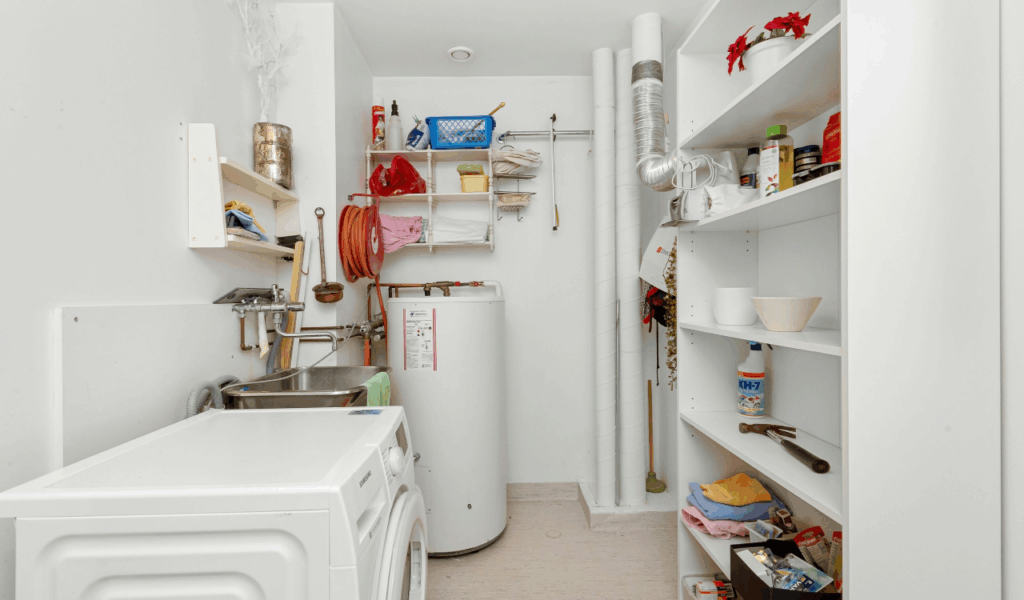
Because dryers make so much lint, laundry rooms are unexpectedly dusty. Experts say that even with a good lint trap, microfibers will always get into the air and rest on exposed utility shelves. Professional organizers say that these fibers typically react with the chemicals in detergents, leaving a coating on your “clean” linens and storage containers that feels gritty to the touch.
If you have to keep laundry materials on open shelves, home maintenance experts say to store them in closed cabinets or plastic containers that don’t let air in. Experts believe that the frequent shaking of laundry machines can also knock dust off of the walls and ceiling and onto the shelves below. Designers say that open shelf in a laundry room should only hold ornamental objects that are easy to wash, not big supplies like clean towels.
10. Over-the-Toilet Bathroom Shelving
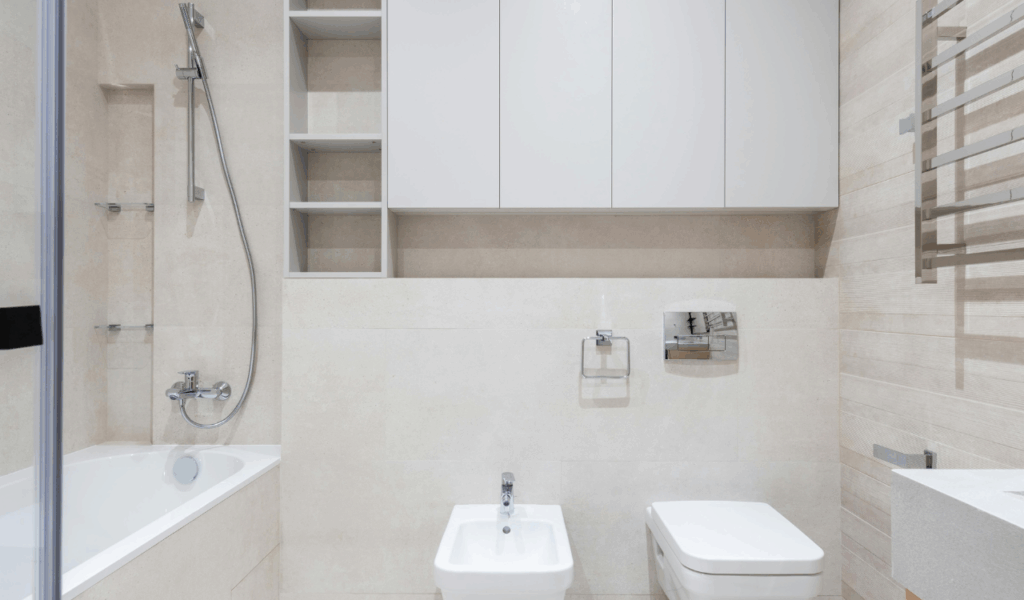
Open shelving is a common place to put things above the toilet, but it’s one of the dirtiest places in the house. Experts say that “toilet plume,” which is when particles are aerosolized during a flush, can drop on open shelves and everything on them. Microbiologists say that this means the dust on these shelves is often full of bacteria that you wouldn’t want to touch your spare toilet paper or guest towels.
Professional cleaners say that every day, you should wipe down every shelf in this area with a disinfectant. Experts suggest that if you have to have open shelf here, it should only be for things that aren’t porous, such glass jars that are easy to clean. Designers suggest picking a cabinet with a sturdy door for this area to keep both household dust and the bacteria that are often in a busy bathroom from getting in.