10 Hotel Breakfast Buffets Nutritionists Call Sugar Traps
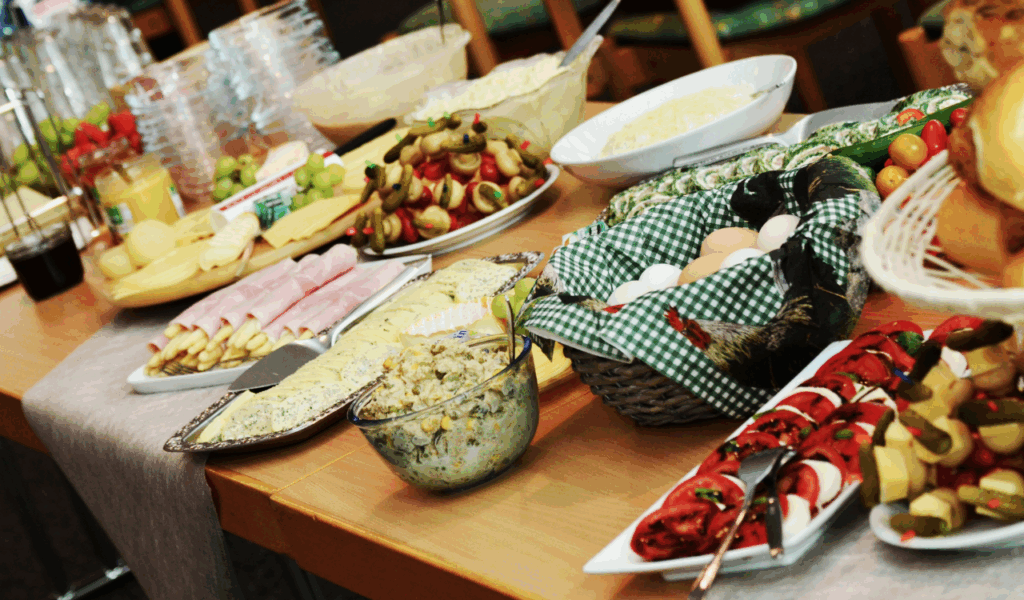
Nutritionists say that hotel breakfast buffets are often a nutritional minefield disguised as a morning treat, even if they are meant to be a feast for the eyes. Clinical nutritionists say that the ease of a “all-you-can-eat” buffet often causes travelers to eat more than three times the amount of sugar they should before noon.
Experts say that a lot of these things are made in large quantities and may be stored for a long time, so they need a lot of sweets to keep their taste and texture. This means that a brief meal can turn into a huge energy dump later in the day.
Travel health experts say that the “vacation mindset” makes us more likely to fall for these sugar traps because we frequently think of buffet options as a luxury instead of a quick and easy way to eat. Experts say that before you pick up a plate, you should check the whole station to find hidden sugars in areas that look nutritious.
Wellness experts say that without a strategy, most guests will leave the breakfast hall with a surge in blood sugar that makes it hard for them to focus on meetings or sightseeing tours for the rest of the day.
1. Pre-Mixed Fruit Yogurt Vats
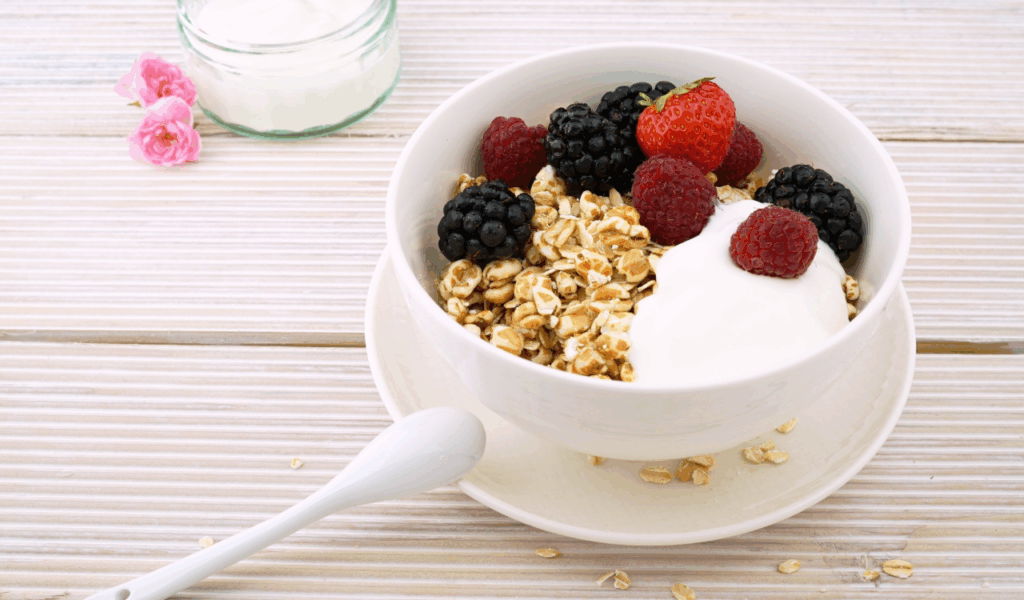
Experts say that the yogurt station is typically the most misleading, even though it looks like the healthiest place to eat at the buffet. Nutritionists say that the big bowls of strawberry or blueberry yogurt are often “industrial strength” items that are full of high-fructose corn syrup and fake thickeners. Dietitians say that one scoop can have as much sugar as a regular candy bar, which means that visitors won’t get much of the probiotic benefit they expect from a fermented dairy product.
Wellness coaches say that if you can, you should stick to plain, unsweetened Greek yogurt to avoid this pitfall. Experts suggest that the only way to manage the sweetness and make sure you’re getting real fiber is to add your own fresh, whole fruit. People who work in the hospitality industry say that hotels like pre-mixed yogurts because they stay on the ice bed longer, but for guests, they are a major source of hidden morning sugar.
2. Low-Fat Granola and Cereal Dispensers
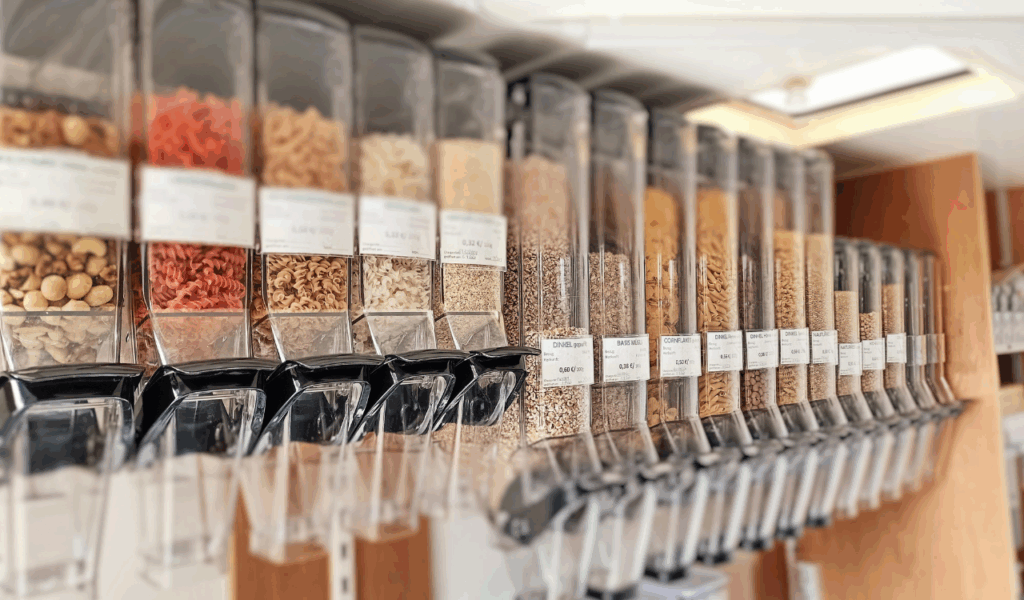
Experts call the “crunch” effect at a buffet “dessert in disguise,” and it commonly comes from dispensers packed with honey-toasted oats or colorful cereals. Nutritionists say that a lot of “low-fat” granolas use more sugar and syrups to hold the clusters together because they don’t have any oil. Sports nutritionists say that these refined carbs are absorbed nearly right away, which causes a sudden rise in insulin levels and then a strong hunger barely two hours later.
Experts say to opt for “naked” oats or muesli that hasn’t been toasted in sugar or honey. Dietitians say that the serving sizes that hotels suggest with their big bowls are sometimes four times what a person really requires. If you choose raw nuts and seeds instead of sugary granola toppings, you can get the texture you want without the inflammatory effects of processed sweeteners that expert organizers warn can make you feel lethargic and bloated.
3. “Fresh” Fruit Juices from Dispensers
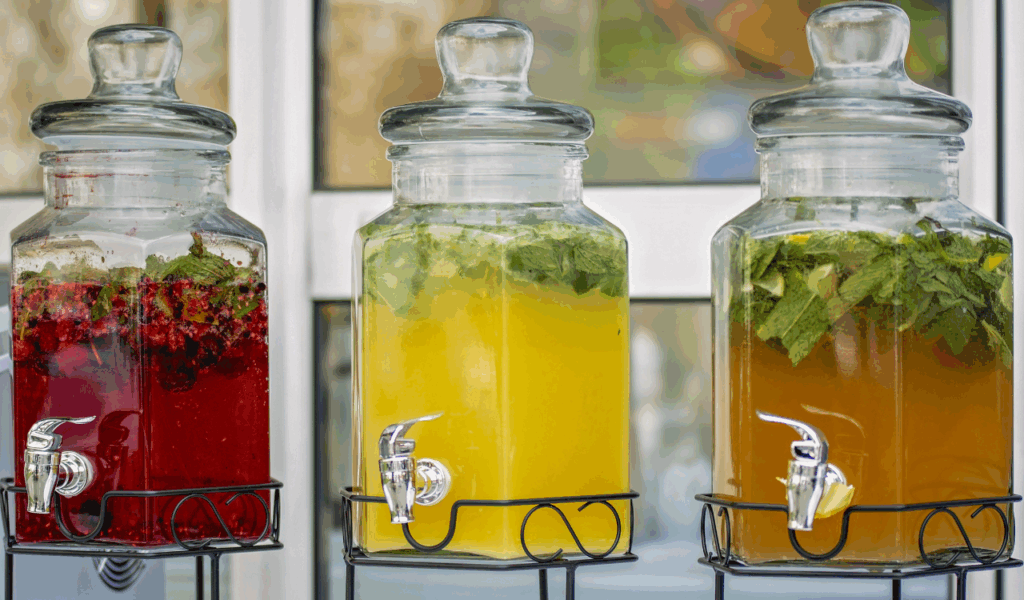
A nice glass of orange juice is the best way to start a holiday, but experts claim that buffet dispensers don’t usually have fresh fruit. Food scientists say that these juices are often reconstituted concentrates that have had their fiber removed and had sugars and “flavor packs” added to them. Nutritionists say that drinking your fruit instead of eating it makes your blood sugar rise quickly because there is no pulp to slow down the absorption of the fructose.
Experts say that instead of juice, you should choose a piece of whole fruit from the display. If you really want to drink juice, experts say you should mix it with at least 50% sparkling water to lower the sugar content.
Veteran flight attendants and tourists say that drinking simple water or herbal tea is much better for fighting jet lag than the short-lived, unsteady energy boost that comes from a glass of sugary “breakfast cocktail” juice.
4. Pastry Baskets with “Fruit” Fillings
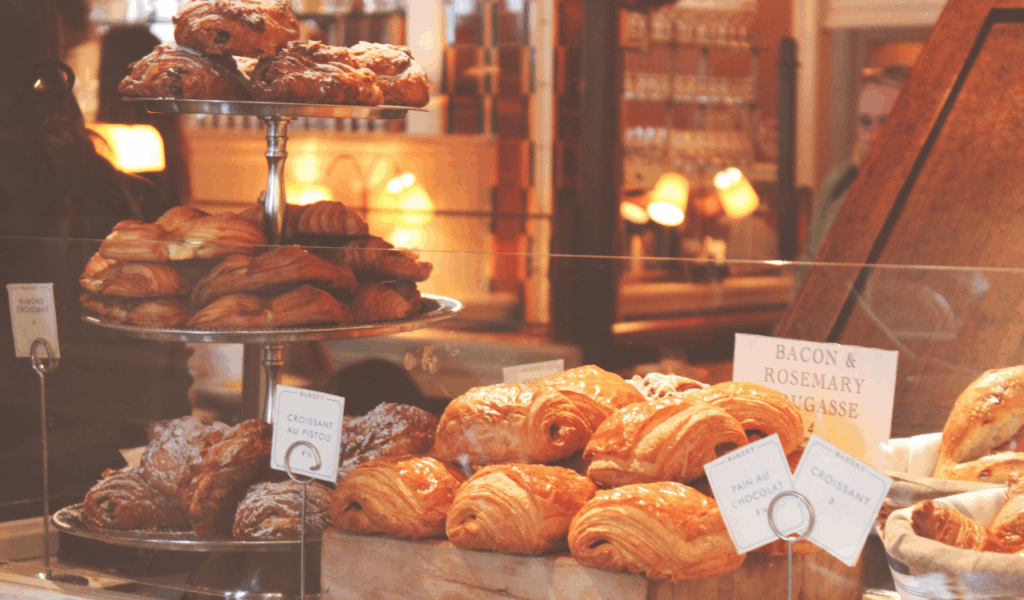
A nice glass of orange juice is the best way to start a holiday, but experts claim that buffet dispensers don’t usually have fresh fruit. Food scientists say that these juices are often reconstituted concentrates that have had their fiber removed and had sugars and “flavor packs” added to them. Nutritionists say that drinking your fruit instead of eating it makes your blood sugar rise quickly because there is no pulp to slow down the absorption of the fructose.
Experts say that instead of juice, you should choose a piece of whole fruit from the display. If you really want to drink juice, experts say you should mix it with at least 50% sparkling water to lower the sugar content.
Veteran flight attendants and tourists say that drinking simple water or herbal tea is much better for fighting jet lag than the short-lived, unsteady energy boost that comes from a glass of sugary “breakfast cocktail” juice.
5. Instant Oatmeal Packets and Flavored Porridge
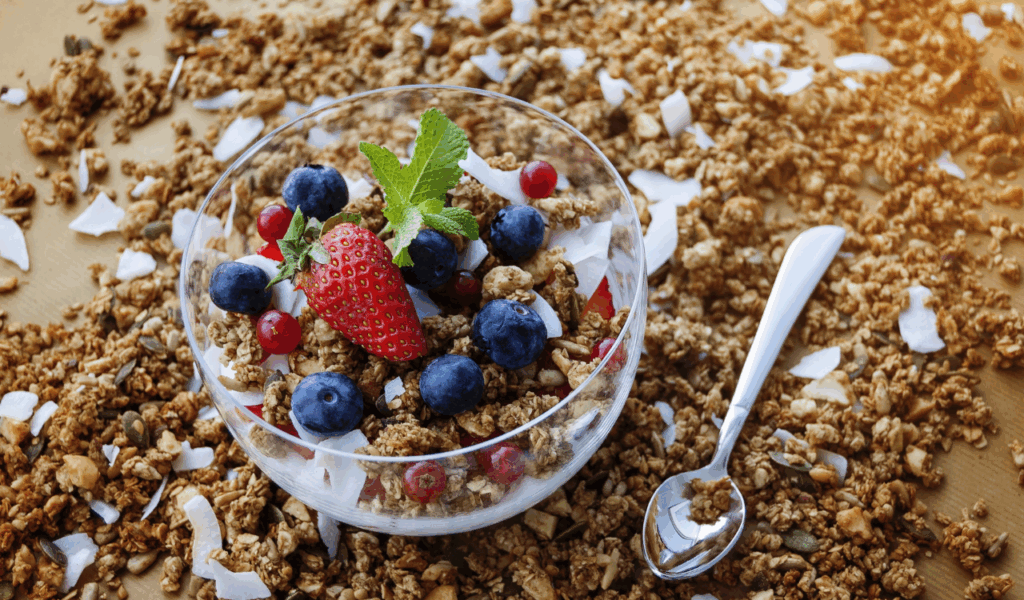
Oatmeal is the best breakfast food, but the instant, flavored kinds you can find at many mid-range hotels are not good for you at all. Nutritionists say that “Maple and Brown Sugar” or “Apple Cinnamon” packets can include up to twelve grams of added sugar in each serving. Wellness experts say that the oats in these packets are often “instantized,” which means they are cooked and dried ahead of time. This makes their glycemic index higher than that of regular steel-cut or rolled oats.
Experts suggest that if the buffet has a big pot of plain oatmeal, that’s your best chance. But organizers say that a lot of hotels add sugar or condensed milk to the big pot to make it taste better for everyone. Culinary experts say that you should always ask the staff if the oats are made with water or sweetened milk. Adding a spoonful of peanut butter or a handful of walnuts can help keep the sugar that is already in the grain from changing too much.
6. Glazed Bacon and Sausage Links
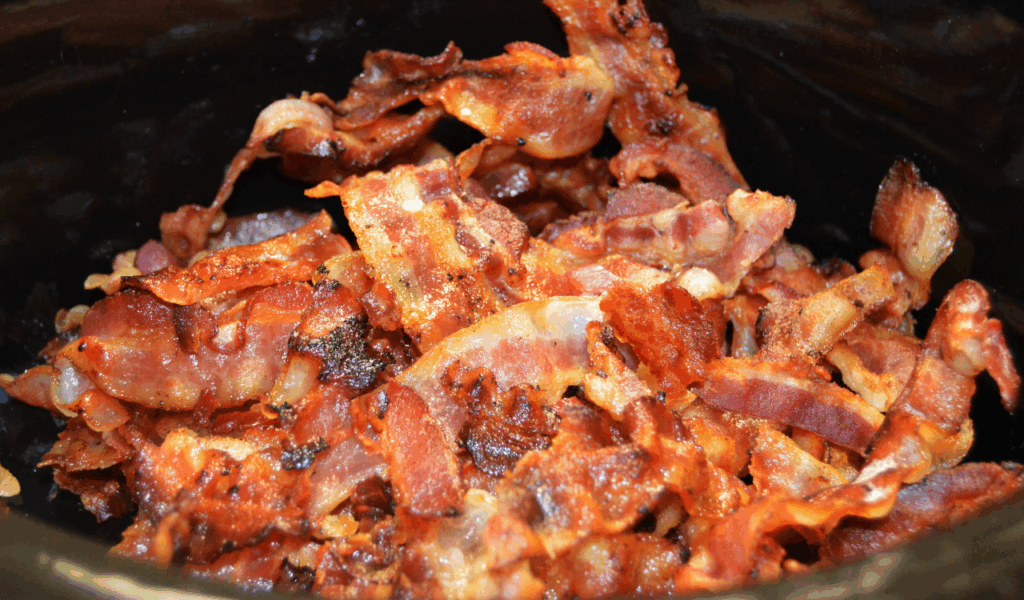
You might be surprised to see meat on a sugar trap list, but many hotel breakfast meats are glazed with brown sugar or maple syrup to make them more appealing. Food experts say that “honey-cured” or “maple-glazed” bacon is a typical buffet item that adds extra grams of sugar to your savory platter. Researchers who study food safety say that these glazes are also used to keep the meat looking shiny and “moist” while it is under the buffet line’s heat lamps.
Nutritionists say that hard-boiled eggs or smoked salmon are good morning proteins because they are plain and not coated. Experts argue that the nitrates and sodium in processed meats are already a problem for travelers, and adding sugar to the mix simply makes the problem worse. Professional chefs say that a decent sausage shouldn’t need a sugary coating to taste delicious. If the meat seems unusually sticky or shiny, it probably has a lot of sugar added to it.
7. Canned Fruit Medley in Heavy Syrup
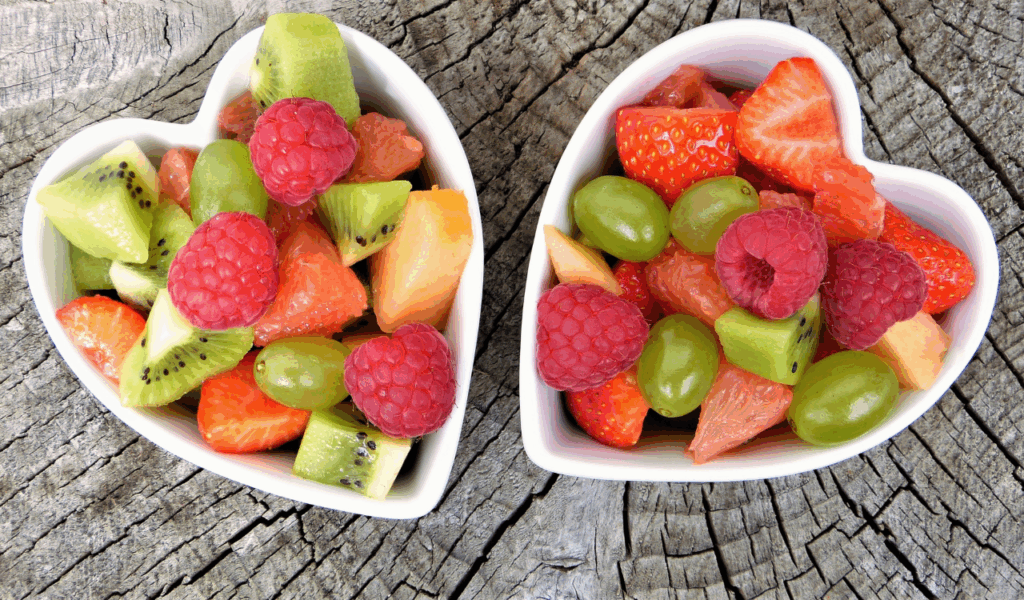
Experts say that the “canned medley” at the end of the line at a buffet is not safe, even though the fruit salad should be. Nutritionists say that these fruits are usually soaked in a thick syrup composed of corn syrup and preservatives, which seeps into the fruit. Dietitians say that this changes a healthy snack into a sweet treat that doesn’t have the vitamins and enzymes that fresh, raw fruits and vegetables do.
Travelers should eat entire fruits with skins, like bananas, oranges, or apples, because these are less likely to be processed. Experts claim that if the fruit is perfectly shaped and sitting in a pool of thick liquid, it is a clear sign that it is canned. Hospitality managers say that canned fruit is used to cut down on labor costs, but for health-conscious guests, it is a trap that can cause “brain fog” on a busy travel day.
8. Pre-Made Waffle and Pancake Batters

Many people love the DIY waffle station, but the batter is frequently a nightmare for people who are trying to eat well. Nutritionists say that these store-bought batters are made with maltodextrin and other sweets to make sure they brown just right and taste sweet even without syrup. Wellness experts say that the “syrup” that comes with these machines is usually not real maple syrup, but flavored high-fructose corn syrup that adds hundreds of calories of pure sugar.
If you can’t resist the waffle iron, dietitians say you should forgo the syrup and use plain yogurt or fresh fruit instead. Experts believe that the mix of the sweet batter and the fake syrup makes a huge rise in glucose that can cause headaches and mood swings. Organizers say that the “waffle crash” is a real thing that happens a lot when you’re trying to find your way around a new city or go to an important conference.
9. Whipped Toppings and “Cream” Substitutes
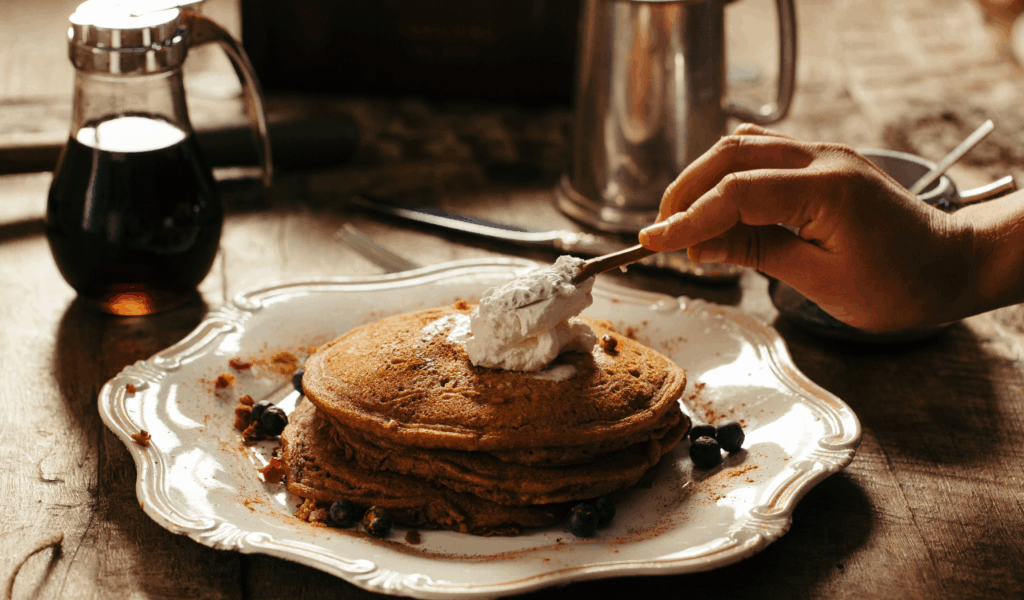
A lot of buffets provide bowls of whipped topping for coffee or waffles, however these are usually “non-dairy” replacements produced from hydrogenated oils and sugar. Experts say that these goods are made to stay stable at room temperature, which means they don’t melt as soon as real whipped cream.
Nutritionists say that these toppings are full of trans fats and hidden sugars that might cause heart problems and weight gain if you eat them a lot while traveling for a long time.
Experts say that instead of flavored creamers or whipped toppings, you should use actual milk or half-and-half in your coffee. Experts believe that the “creaminess” in these alternatives is only a trick of the chemicals and sweets that don’t add any nutrients.
People who work in catering say that these toppings are utilized because they are cheap and easy to store, but they are one of the most processed foods on the whole buffet line and should be avoided for better metabolic health.
10. Bran Muffins with a “Healthy” Image
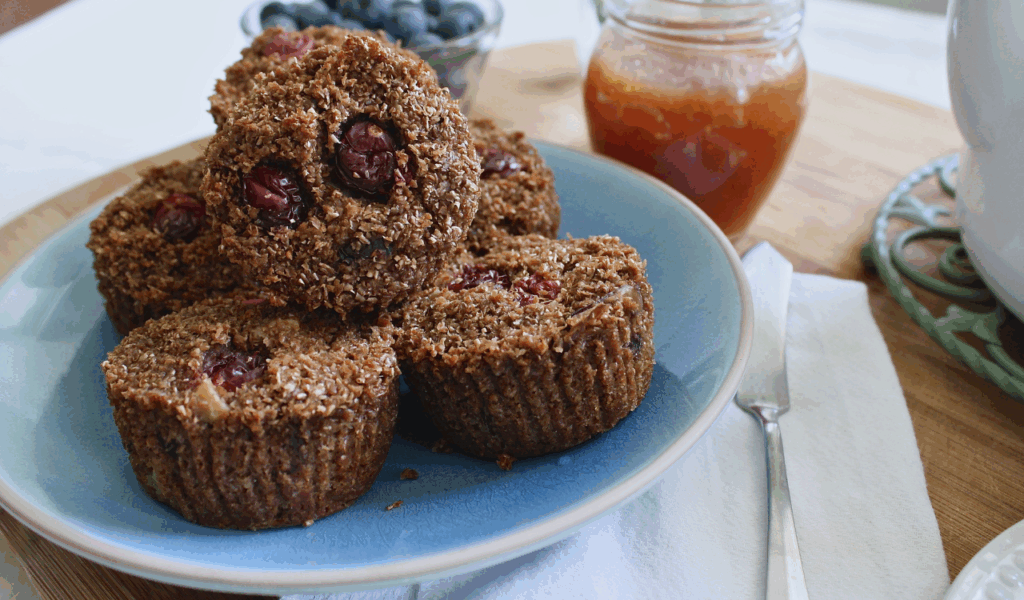
The “bran muffin” might be the biggest lie in the breakfast hall. Nutritionists say that to make bran taste good, companies add a lot of sugar, molasses, and oil, which can make them have more calories than a chocolate chip cookie.
Dietitians say that a normal hotel bran muffin can have up to forty grams of sugar, which is much more than any benefit from the small amount of fiber in processed wheat bran.
If you want fiber, wellness experts say you should eat a bowl of plain oats or a handful of raw nuts. Experts argue that caramel coloring or molasses, not whole grains, are typically used to give these muffins their “dark color.” Health experts say that the “healthy image” of the bran muffin is a marketing trick that tricks many well-meaning visitors into eating too much sugar, which undermines their nutritional goals before the day has ever really started.