
10 New Year Home Resets That Didn’t Feel Cozy
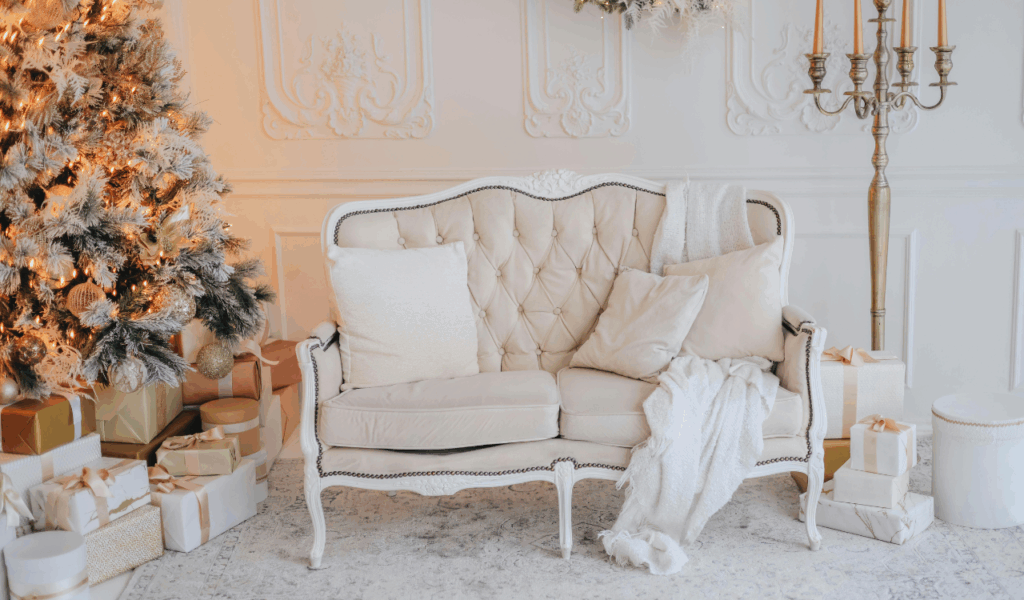
The beginning of a new year typically makes people want to clean up their homes and start over. After a busy season, home resets promise to bring back clarity, quiet, and a sense of order. The inspiration content shows minimalist rooms, surfaces that are free of clutter, and simple arrangements that are designed to be calming and invigorating. Some resets are unsettling. Home improvements that emphasize appearance or efficiency can undermine comfort. Cold, ineffectual, or emotionally detached resets are possible. Thinking about uncozy house resets can help homeowners combine comfort and organization for practical, not attractive, rooms.
1. Removing All Seasonal Textiles at Once
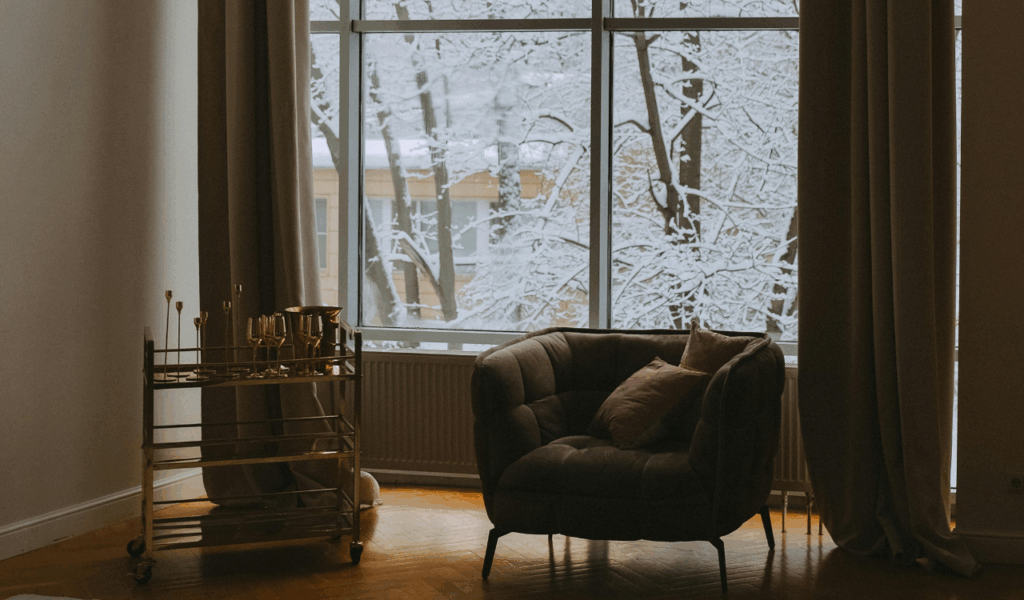
Taking away all of the seasonal textiles in one fell swoop can make spaces feel shockingly empty and frigid. In the winter, blankets, piled pillows, and textured throws keep you warm and look nice at the same time. Taking them all off at once shows rigid furniture lines and exposed surfaces, which makes the room feel empty. People typically want to start fresh in the new year, but the end result can feel cold and unfinished. The sudden absence of texture can sometimes make rooms feel noisier and less cozy. Changing out heavier textiles for lighter ones over time usually keeps the area feeling cozy while also giving it a new look.
2. Over Decluttering Personal Items
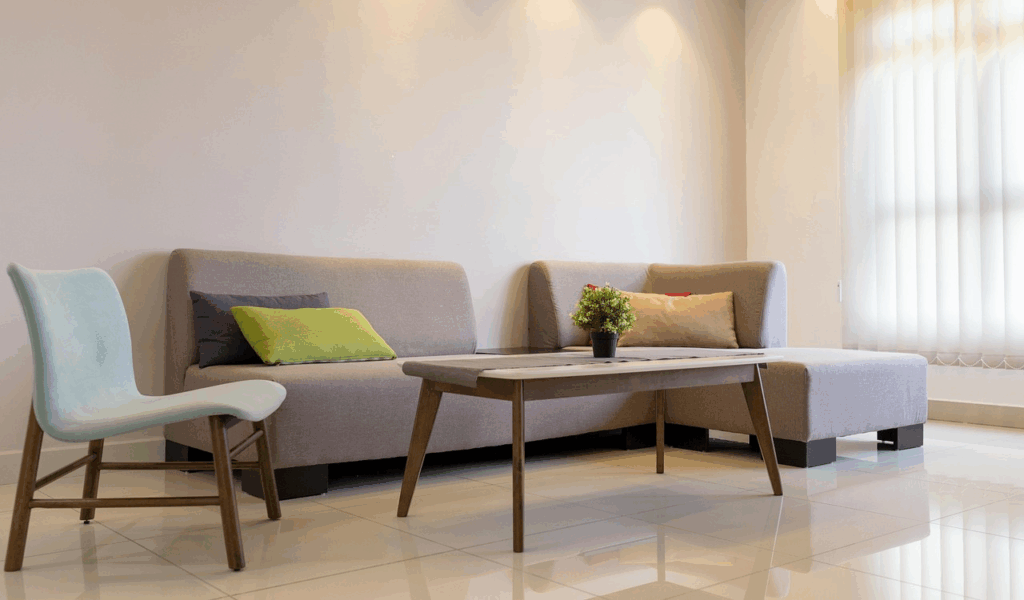
Getting rid of clutter is a popular and often good way to reset, but taking away too many personal belongings can make a home less interesting. Pictures, books, mementos, and other meaningful things can make you feel warm and connected to who you are. When these things are too little, rooms might appear empty and transitory, like showcases instead than homes. Even though clean surfaces might be comforting, they should nevertheless show who lives there. A well-thought-out mix of structure and personality typically feels far cozier than extreme minimalism, which puts emptiness before comfort.
3. Switching to Ultra Neutral Color Palettes
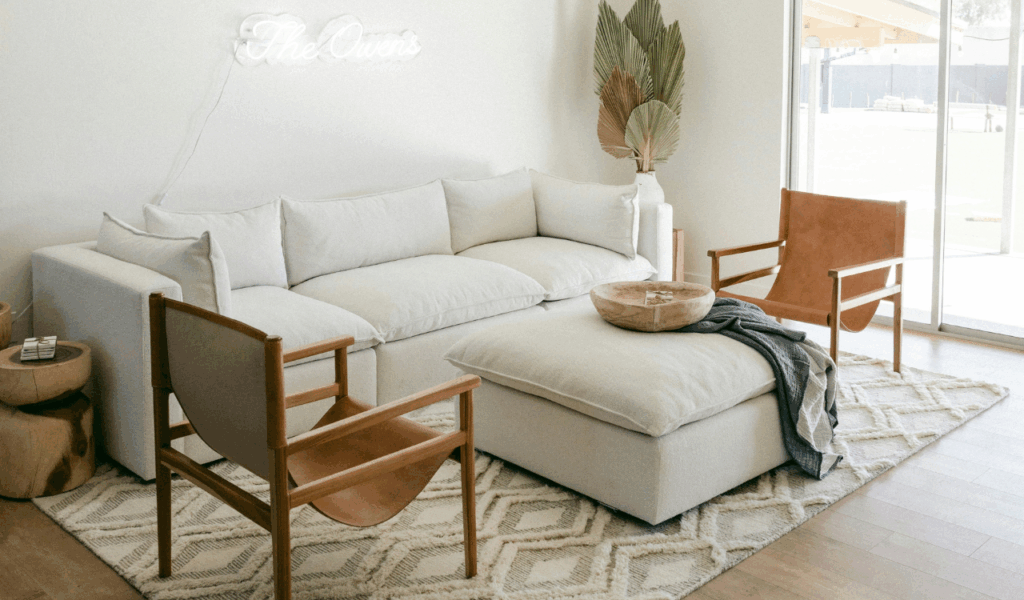
People often say that neutral color schemes are peaceful and timeless, yet schemes that are too pale or too homogeneous might feel dead. If you take away color without adding texture, contrast, or warmth, the interiors may look flat and boring. Cool neutrals can also make shadows stand out and make rooms appear colder, especially in the winter. Generally speaking, warm neutrals that are layered on top of each other and have delicate accents, wood tones, or subtle patterns tend to seem more welcoming. Comfort is often achieved by a combination of diversity and depth, rather than through strict constancy.
4. Clearing Surfaces Completely
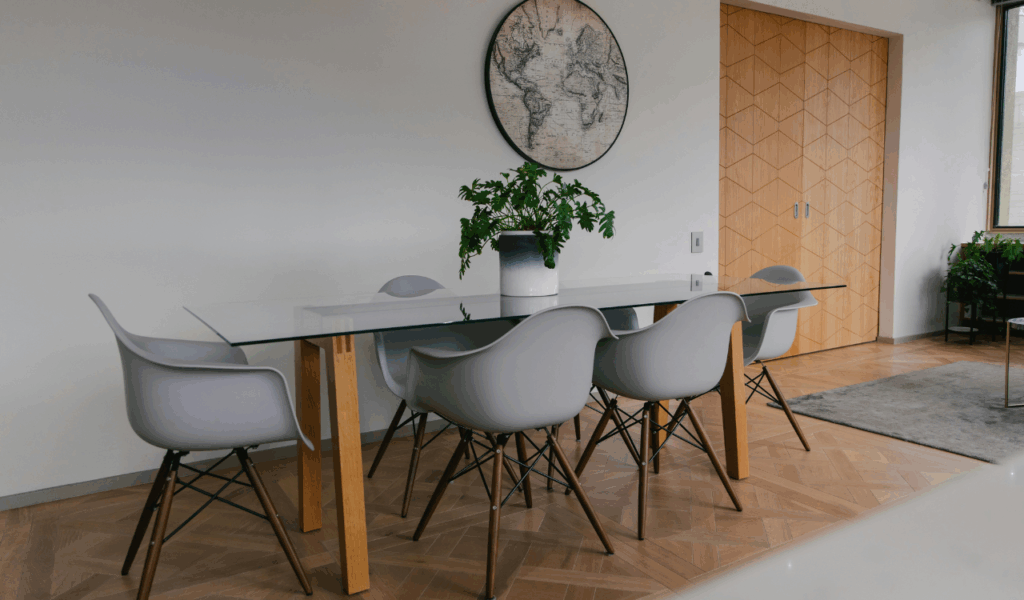
It may seem organized to completely sweep off surfaces, but it can make spaces appear unfinished and impractical. In everyday life, side tables, shelves, and countertops are useful because they hold things that people use all the time. When these surfaces are completely empty, spaces can feel like they are set up for a show instead of being cozy. An absence of visual anchoring might sometimes give the impression that a location is less sturdy. A few well selected items, such as a lamp, a book, or a small piece of art, have the potential to make a place feel more welcoming and functional without causing it to become excessively cluttered.
5. Replacing Soft Lighting With Bright White Bulbs
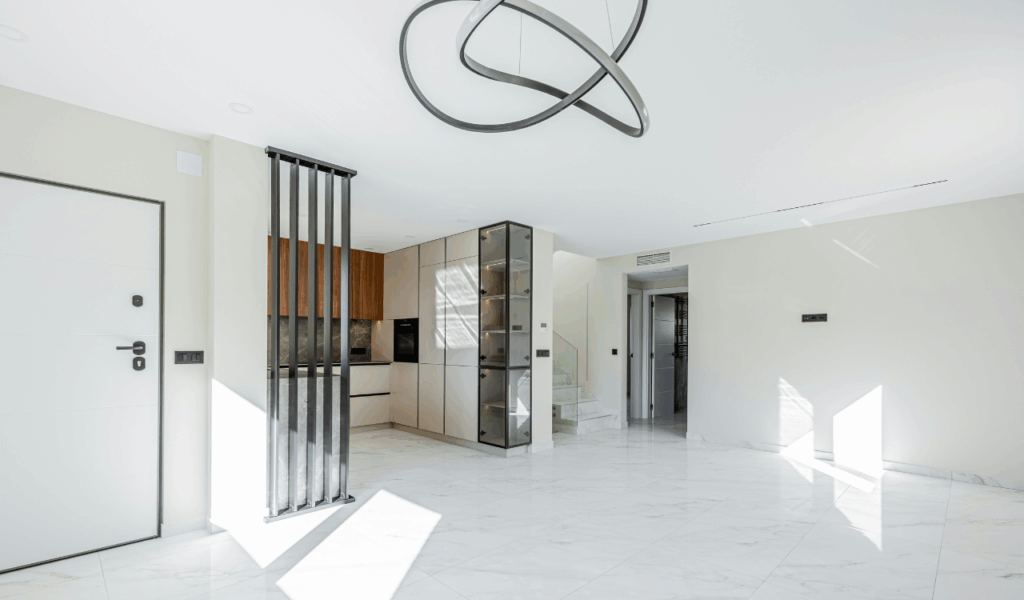
People commonly switch to bright white lighting to make a space feel clean and vibrant, but it may make a room feel cold very quickly. Cooler light temperatures make flaws stand out and generate harsh shadows, making rooms feel like hospitals. Bright white bulbs might be good for locations where you need to get things done, but they aren’t as good for relaxing areas. Having light that is gentle and warm makes you feel more at ease, reduces the strain on your eyes, and enhances your sense of calm. The presence of many lighting options in a place typically results in a more comfortable and adaptive atmosphere.
6. Removing Rugs to Simplify Spaces
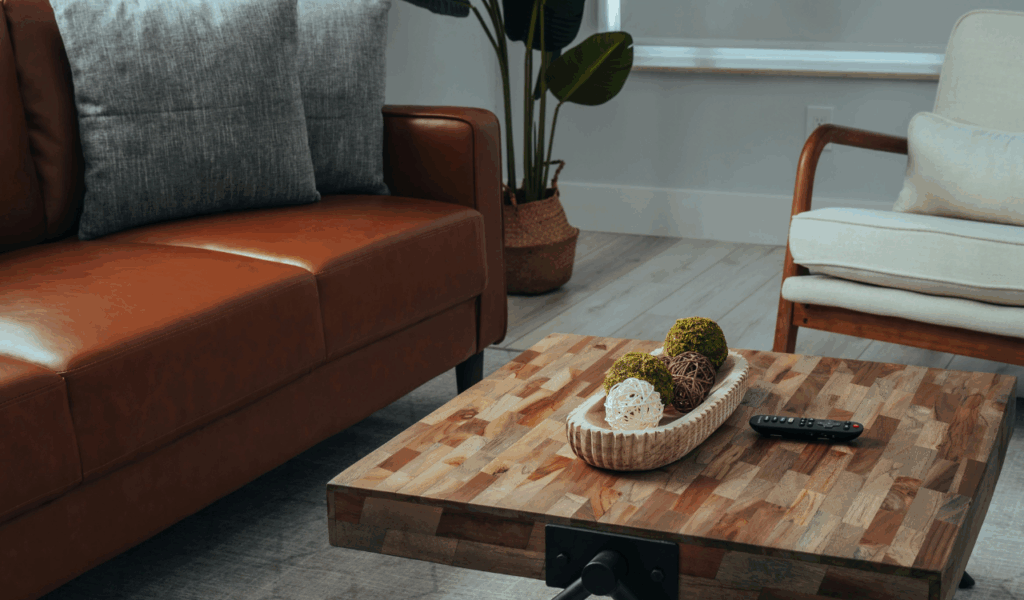
Rugs are vital because they keep furniture in place and make the floor feel softer. Taking them out to make things simpler might make rooms appear cold, echoey, and less defined. Rugs help keep sound in, make things warmer, and make groups of furniture look like they belong together. Without them, rooms may seem unfinished or less welcoming, especially in open design. Simplifying doesn’t necessarily mean getting rid of things. Sometimes it involves picking carpets with fewer designs or lighter textures that are nonetheless comfortable.
7. Streamlining Furniture Layouts Too Much
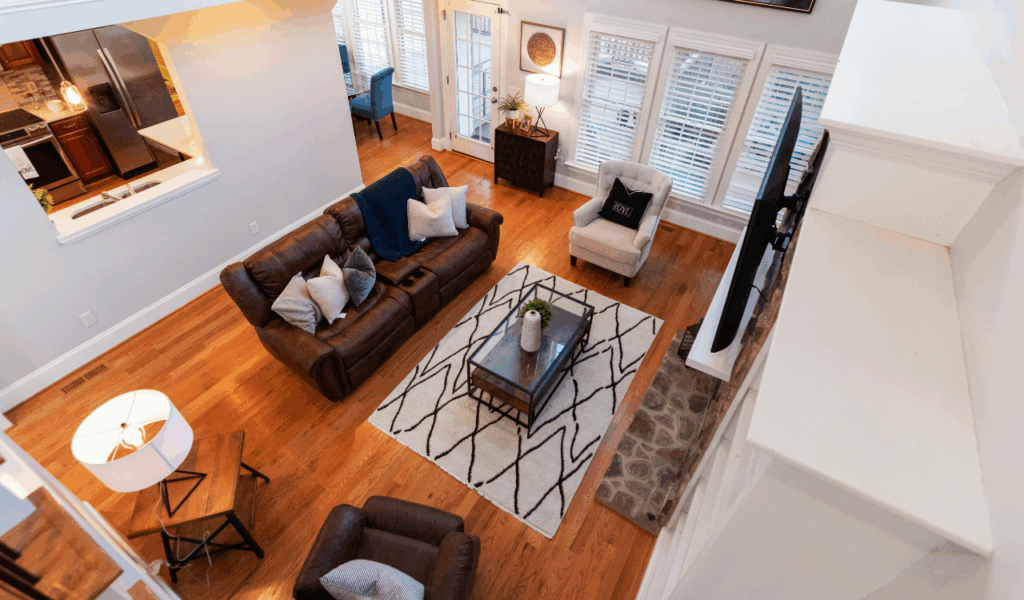
The simplification of furniture arrangements can be beneficial to flow, but if they are overly simple, it may cause individuals to feel less connected to one another. Putting furniture too far apart might give the impression that a space is empty and disconnected, despite the fact that it may provide the impression that the room is open. It is common for cozy locations to make use of smaller groupings, which makes it simpler for individuals to converse, unwind, and engage in activities together. Plans that promote openness over connection may make spaces less welcoming. Balance is essential for mobility and comfort.
8. Hiding Everyday Items Completely
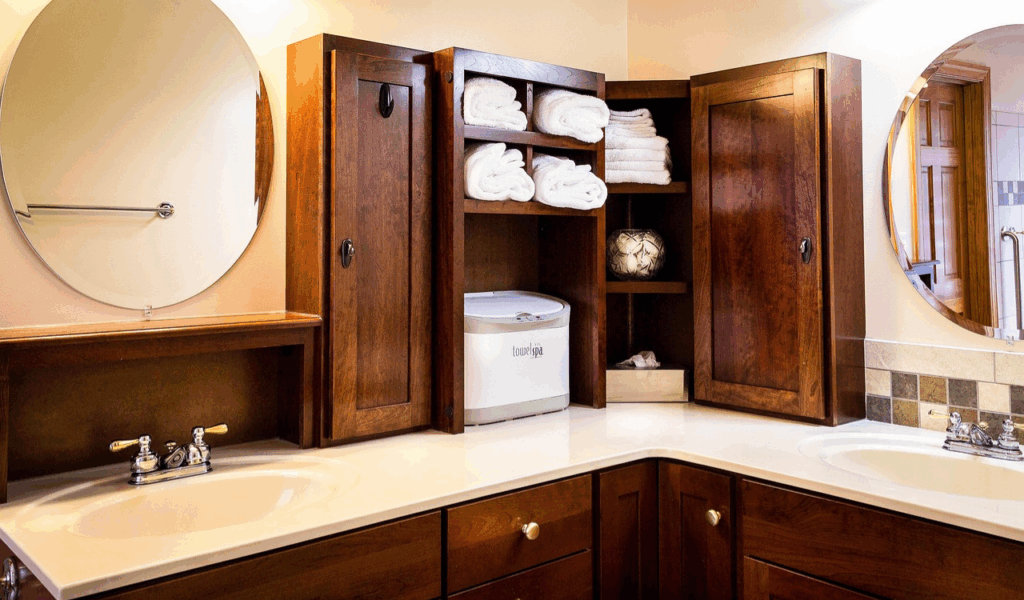
In spite of the fact that putting everyday items entirely out of sight could make things appear less cluttered, doing so might also be a hassle and cause you to feel annoyed. When things that you use frequently are difficult to access, your daily routines become less streamlined and less efficient. As time goes on, houses begin to feel less like homes and more like being locked up. It is possible for people to go about their day without having to constantly search for items or move things about because functional visibility allows them to do so. Rather than focusing on how effectively things are concealed, cozy places frequently reveals how things are actually used.
9. Removing Decorative Layers

Different types of decorative layers, such as artwork, textiles, and small accents, are examples of elements that give a room depth and personality. Taking them out entirely could give the impression that the room is empty and lacking something. In order to create the impression that a space is lived in and pleasant, layers provide both visual appeal and emotional warmth to the environment. It is possible to have an excessive amount of embellishment, but stacking items in a thoughtful manner typically makes them more comfortable. It is typically true that a room with a balanced design will feel more comfortable than a room that is empty and bleak.
10. Resetting Without Considering Routine

The cozy feeling that is associated with home resets that do not take into consideration daily routines can be lost with time. It is possible that stress and friction will be caused by layouts and storage solutions that do not correspond with your routines. There is a decrease in comfort when people are required to continually change the way things are set up. People do, in fact, reside, relocate, and unwind in houses that are warm and inviting. When you reset, you need to ensure that you are thinking about your routine in such a way that structure helps your life better rather than making it worse.