10 New Year Furniture Swaps That Didn’t Feel Necessary
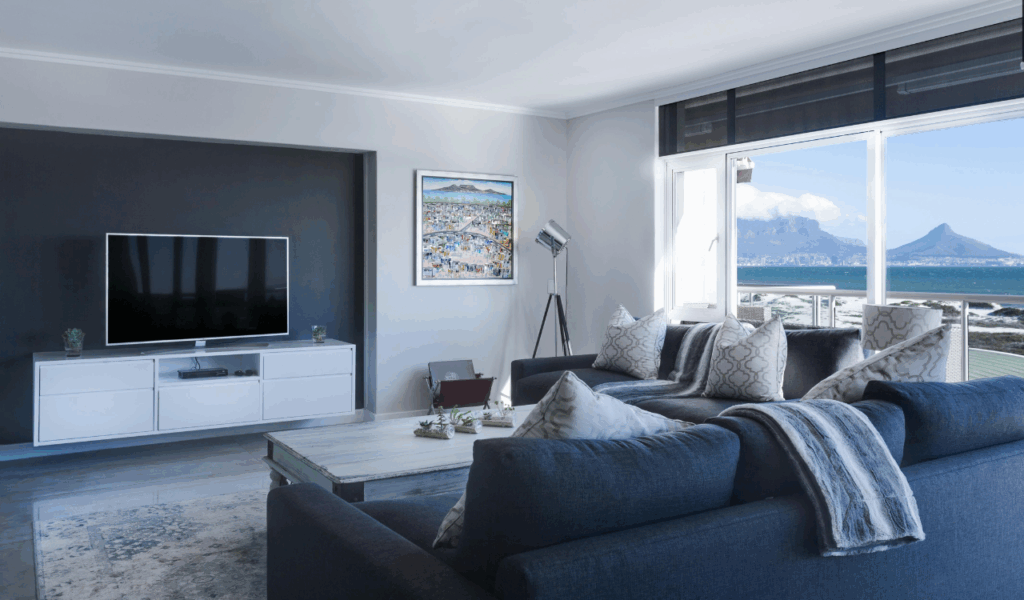
A new year often makes people want to change up their living spaces, and furniture exchanges are often advertised as the quickest method to do this. Some improvements really do make things more comfortable or useful, but others seem pointless as the initial thrill wears off. A lot of exchanges are based on trends or marketing messages instead of true necessities. Changing furniture without a good reason can mess up familiar layouts, waste money, and stretch budgets. Homeowners may make better selections when they know which alterations didn’t bring real value. They can focus on comfort, longevity, and their own style instead of seasonal pressure.
1. Replacing a Functional Sofa for a Trendy Shape
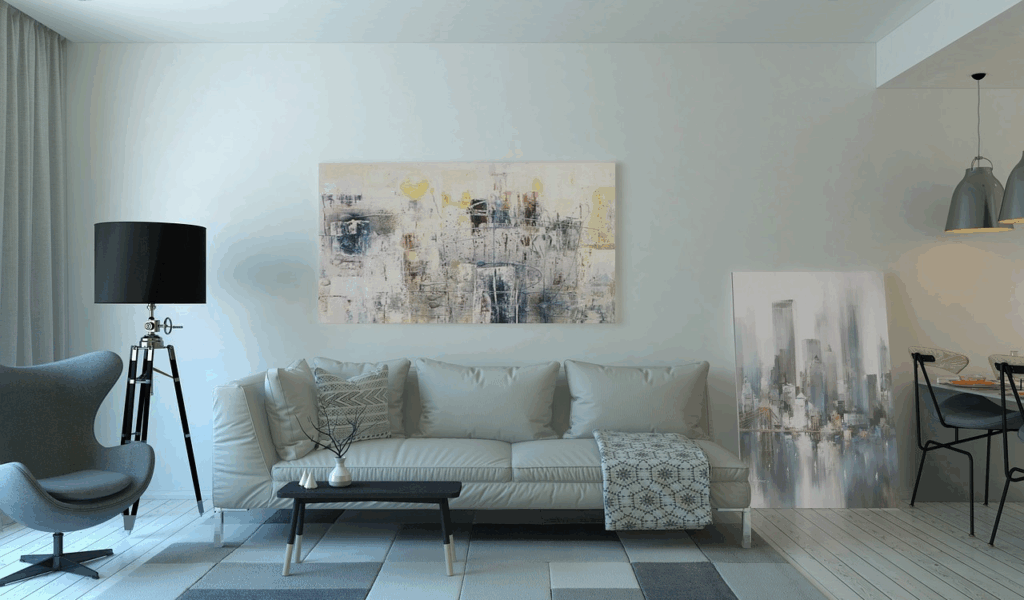
At first, it can be fun to trade in a comfortable, well-sized couch for a trendy shape, but it can be hard to use. Trendy forms could seem nice, but they might not be as comfortable or supportive. They might not fit the size of the room or the way you use it every day, like resting, spending time with family, or having guests over. A sofa that suits the area and your way of life usually works better than one that looks nice but isn’t as comfortable. Instead of trying to stay up with a design trend that will only be there for a limited period of time, it is much more vital to prioritize comfort and durability throughout time.
2. Downsizing Dining Tables Without Need
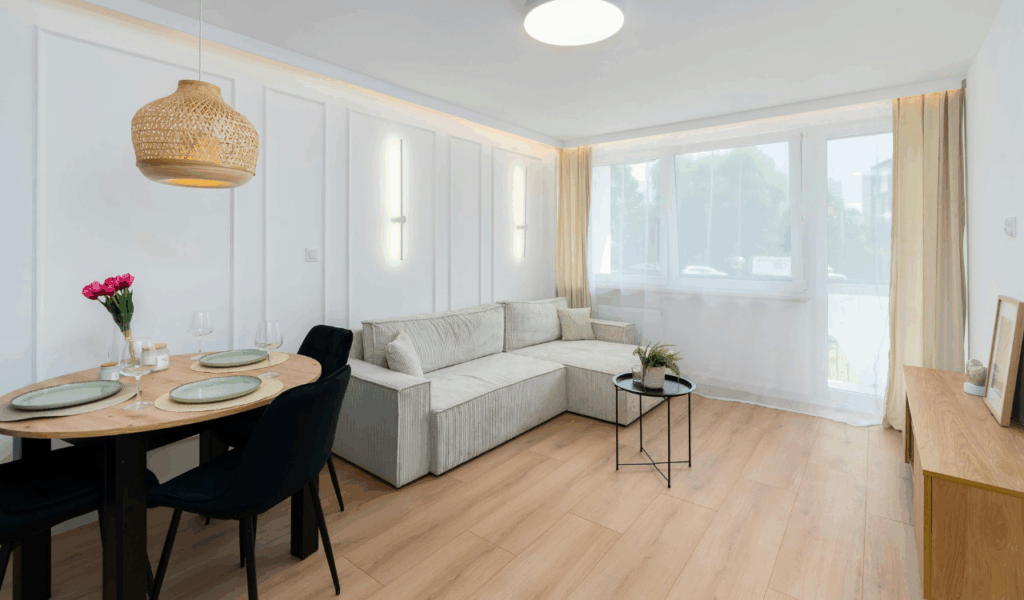
People often say that switching to a smaller dining table will make the space feel more open, but it can quickly feel closed off. Compact tables are great for saving room, but they make it harder to utilize for tasks, events, or everyday use. Generous surfaces are good for homes that often have guests or serve more than one purpose. There is a possibility that you may have to rearrange things quite a bit or feel guilty about it if you reduce without a valid reason. You should not select a dining table solely on the basis of its aesthetic appeal; rather, it should be able to fulfill the requirements of both regular use and special events.
3. Swapping Solid Wood for Lightweight Materials
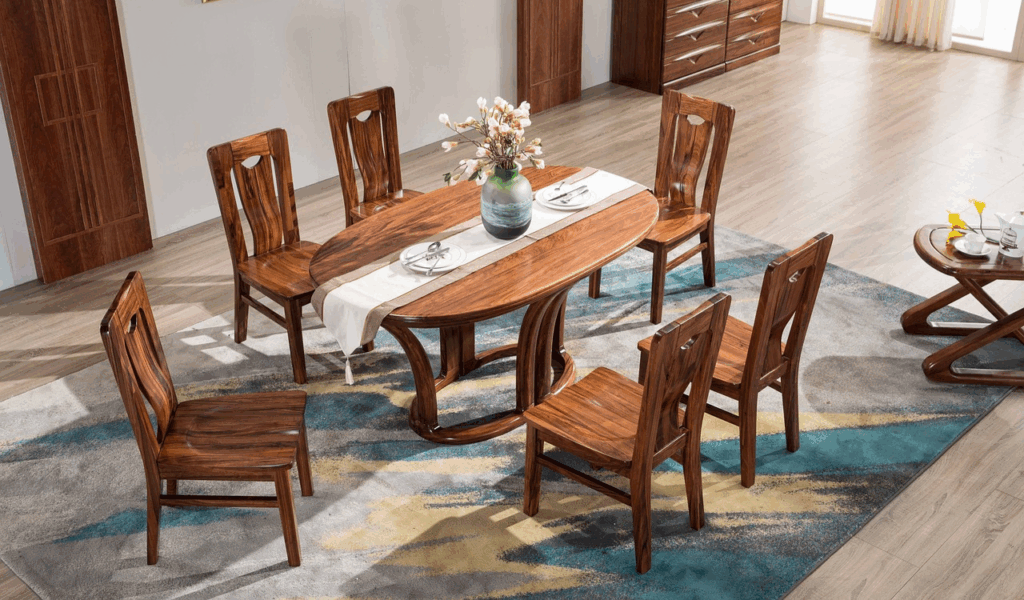
It may seem trendy or save room to replace durable, solid furniture with lighter options, but this typically means giving up longevity. Lightweight materials may not feel as stable, move around easily, and wear out more quickly with repeated use. Scratches, dents, and loose joints tend to show up more quickly. Solidly built things frequently get better with age, creating character instead of obvious damage. It might not be worth losing quality or longevity only to get a new look. Furniture that feels solid usually lasts longer and doesn’t need to be replaced as often, which saves you time and money in the long run.
4. Changing Bed Frames Without Improving Comfort
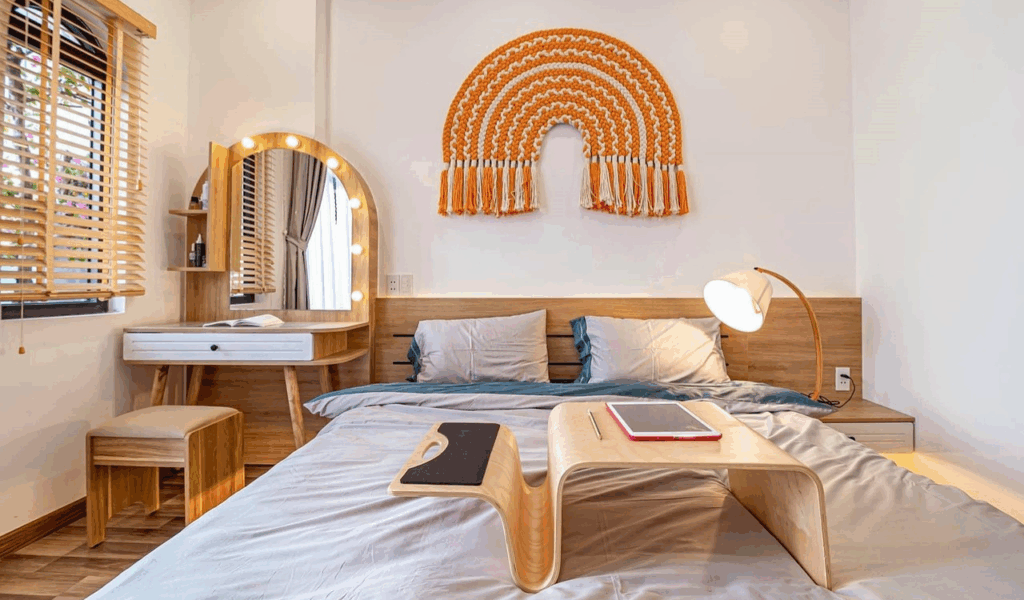
Changing the bed frame can make a bedroom appear new, but it frequently feels pointless to do so if it doesn’t help you sleep better. Frames that put a lot of emphasis on style may have problems like creaking, being unstable, or not giving enough support. If the mattress and support system already work well, replacing just the frame usually doesn’t make it more comfortable. It can even make sleep worse in some circumstances. When updating a bedroom, comfort, durability, and correct support should come first. When style is more important than comfort, the swap may look good but not make any real improvements.
5. Replacing Storage Furniture for Style Alone
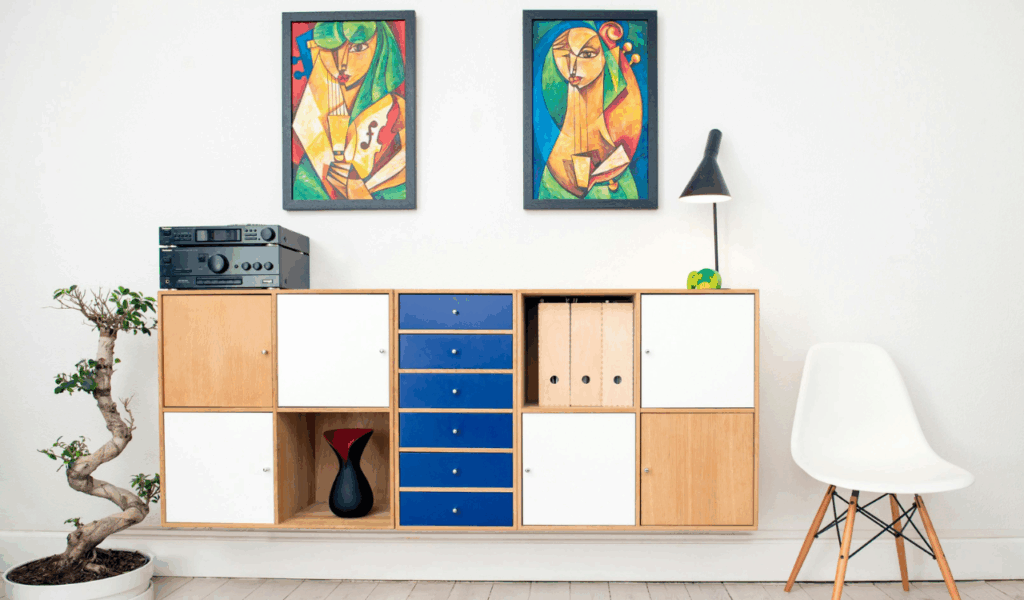
People often change their storage furniture to keep up with current design trends, but practicality should always come first. Trendy designs may look sleek, but they sometimes make things less accessible, less flexible, or less useful. When storage stops meeting everyday demands, clutter can grow instead of shrink. Drawers can be harder to open, or shelves might not be able to hold the things that are already there. Storage furniture that is well-made and meets its purpose doesn’t need to be replaced very often. In a lot of cases, changing the positioning, updating the hardware, or reorganizing the interiors can give the room a new look without having to buy new furniture.
6. Switching Coffee Tables Without Functional Gains
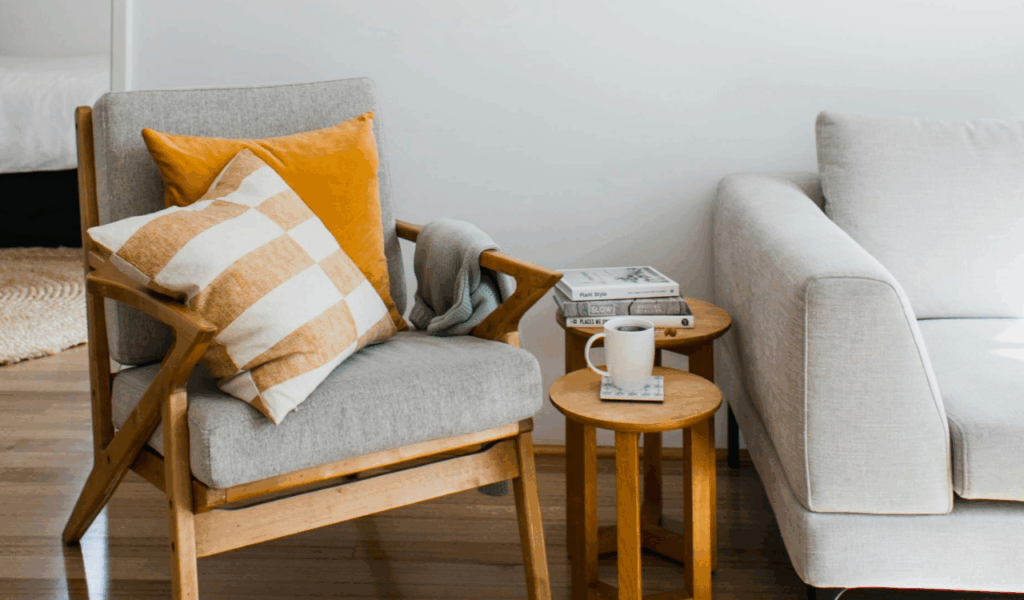
At the beginning of the year, switching out a coffee table often felt like change for the sake of change rather than a real improvement. A lot of the replacements were more stylish or had a little different shape, but they didn’t add any storage, durability, or flexibility to what was previously there. The new table sometimes made the space around the seats harder to utilize or unpleasant. If the original table featured drinks, literature, and decorations, replacing it rarely improved life. The trade addressed a short-term need for something new, but it didn’t offer any significant benefits that justified the work, money, or living room disruption.
7. Replacing Accent Chairs Too Quickly
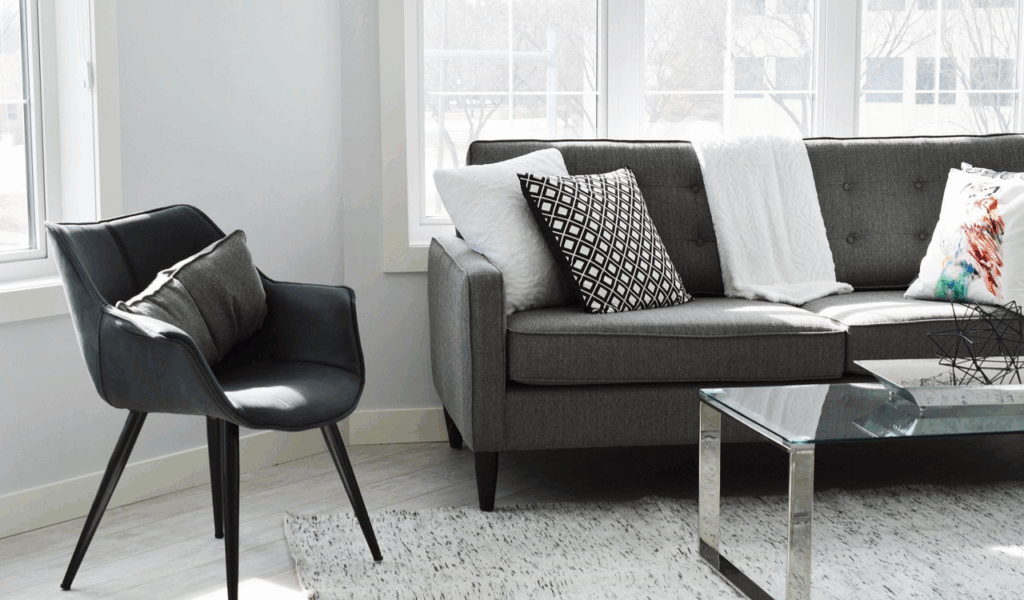
People often change their accent chairs to keep up with current styles, yet many of the chairs they already have are still comfy, robust, and look good. It can seem costly and needless to replace them too often. A well-made chair that fits the room and is comfortable to sit in can last for years. It’s possible that replacements based on trends won’t be as comfy or of same quality. It is possible to give your furniture a new look without having to get rid of a useful piece of furniture that is still functioning properly by doing things like adding new cushions, throws, or rearranging things around.
8. Changing Cabinets Without Functional Issues
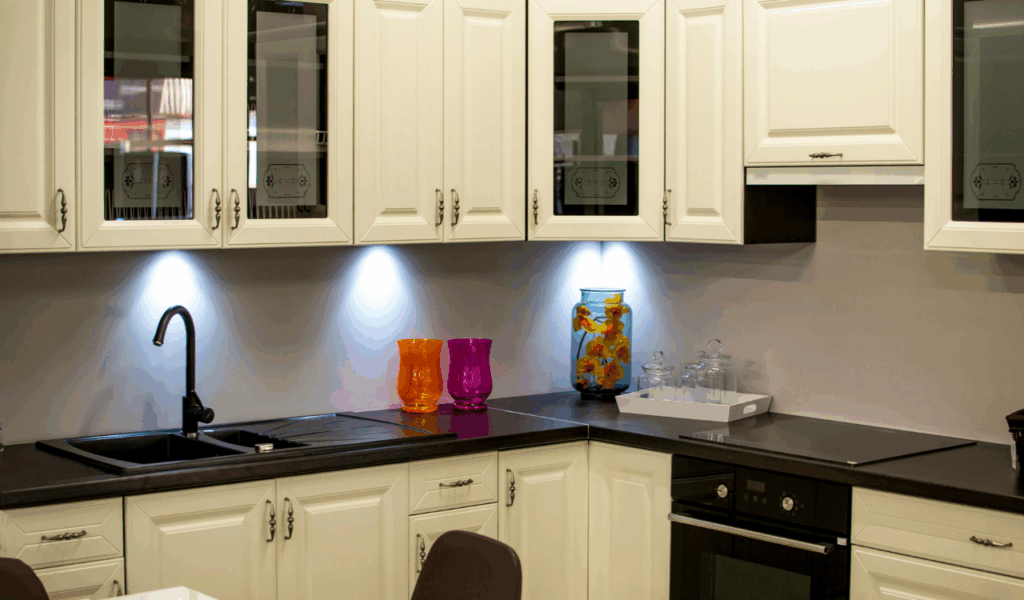
It’s a big expenditure to replace cabinets, and it frequently feels like too much to do it just to refresh them for the new year. If cabinets work well, open easily, and stay structurally sound, cosmetic changes may be all they need. Full replacement can cause a lot of trouble, cost, and waste without making daily use any better. After refinishing surfaces, altering the appearance of rooms, or updating handles, many homeowners find that they notice a significant difference in their homes. Functionality and durability should be the guiding principles for decision-making, rather from merely periodic style shifts or design trends.
9. Replacing Desks Without Workflow Benefits
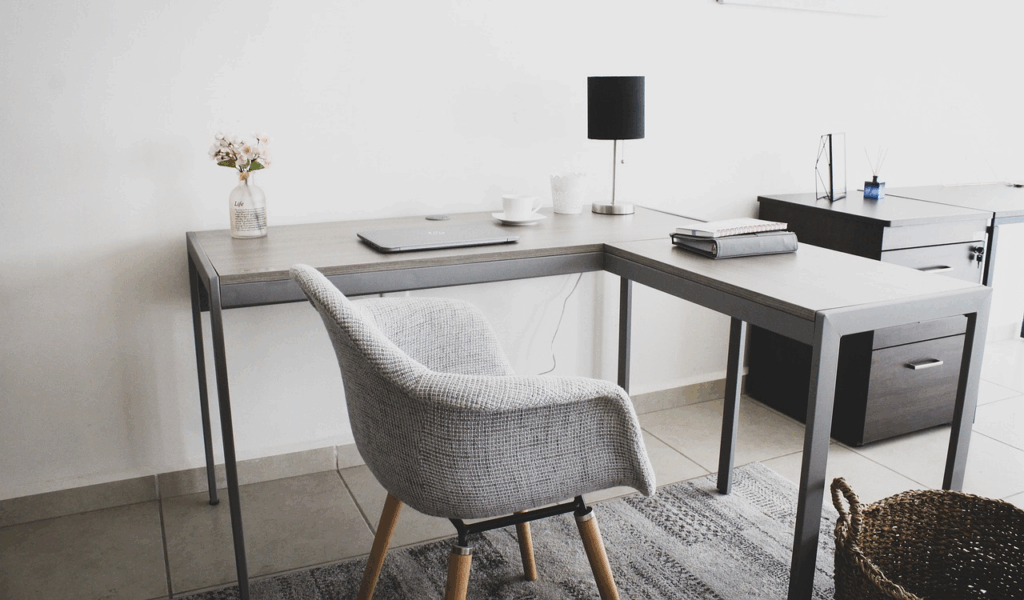
People often change their desks to keep up with minimalist or aesthetic trends, but smaller or sleeker designs can make it harder to get things done. A workstation needs to be able to accommodate work habits, tools, and comfort for lengthy periods of time. If you cut down on surface area or storage without making the workflow better, you could end up with a lot of stuff lying around and getting frustrated. Instead than making people adjust their routines, furniture should fit how a place is used. If a desk already works well for daily chores, it doesn’t need to be replaced until it really improves.
10. Swapping Shelving Units for Trend Appeal
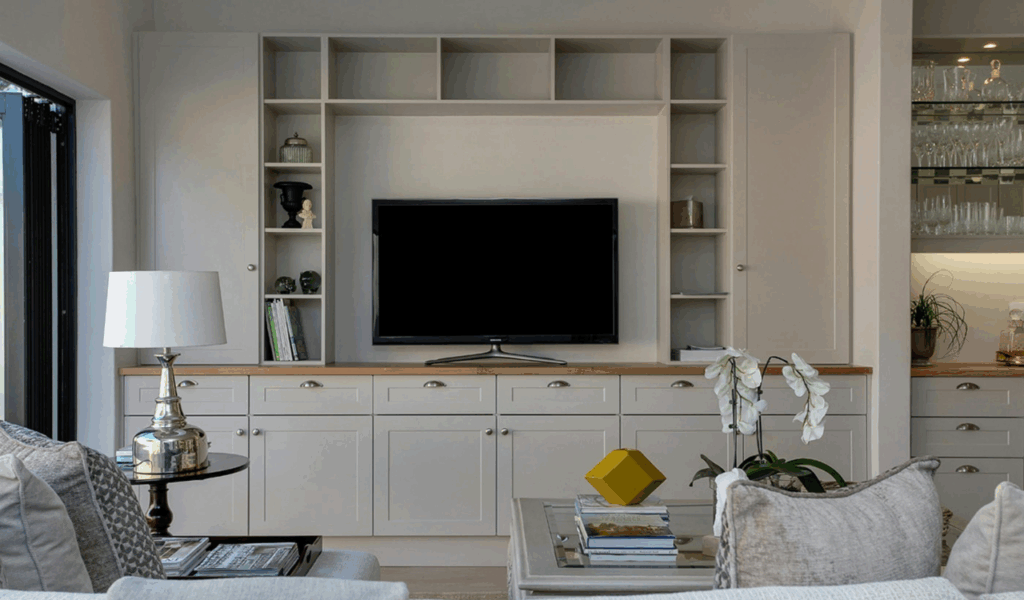
Most people alter their shelving units on a regular basis so that they are in line with the style of their existing interior design, but appearances are not the only thing that matters. New shelves may give the impression that the room is less stable, restrict the ways in which things can be arranged, or make the area appear to be smaller. The majority of the time, it is not necessary to replace units that are currently performing their duties effectively. By changing how goods are presented, ordered, or styled, shelves can look new without changing their structure. People are happier with durable furniture than trendy furnishings.