9 Barbecue Sides Rivalries That Get More Heated Than the Grill
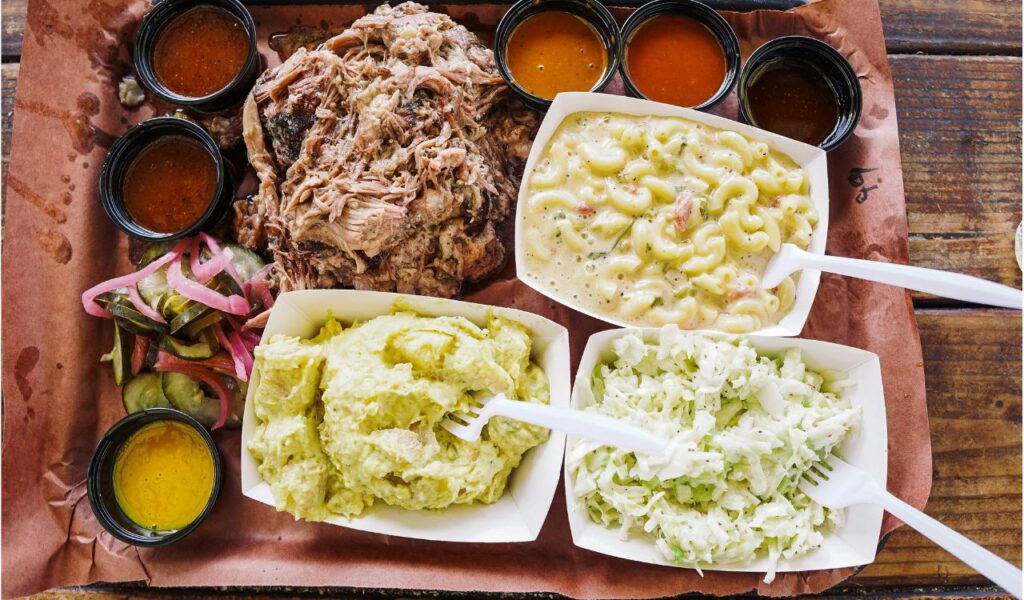
A backyard barbecue often looks relaxed on the surface, but anyone who has hosted or judged one knows the real tension sits on the side table. The fixins are where preferences, habits, and regional pride quietly collide. While the grill gets the attention, the sides shape how long people linger, how heavy the meal feels, and whether plates stay balanced or spiral into overload. Pitmasters and caterers consistently point out that the right sides cool the palate, pace the meal, and keep guests coming back for another bite rather than tapping out early.
What makes these rivalries so heated is that none of the choices is wrong. Each option solves a different problem, whether it is cutting through smoke, adding comfort, or surviving a long buffet line in summer heat. Judges tend to look at balance and fatigue, while caterers focus on durability and crowd behavior. Together, those perspectives explain why certain trimmings spark more debate than the meat itself.
1. Coleslaw vs. Potato Salad
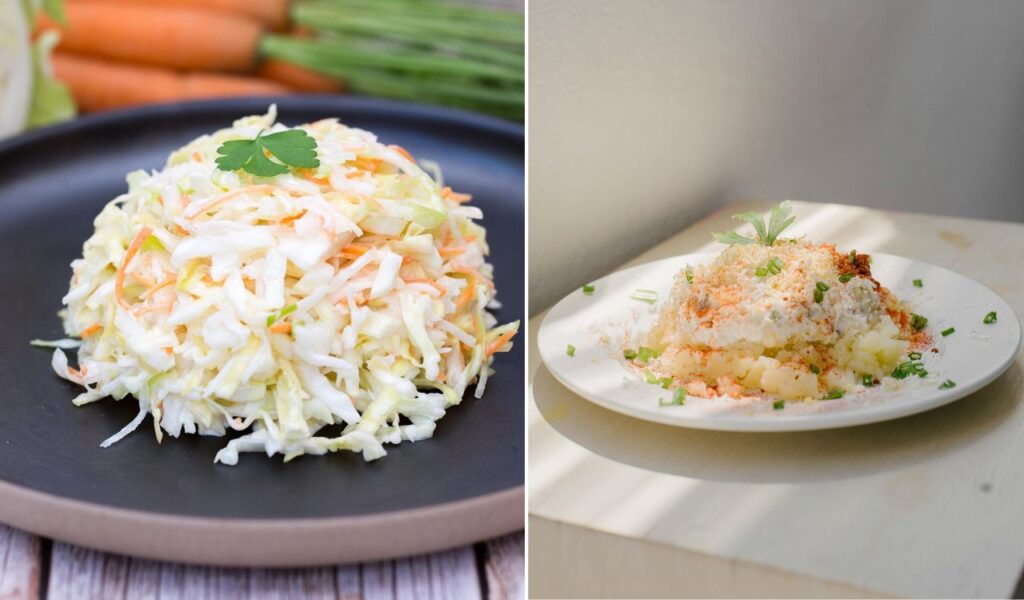
This rivalry shows up at nearly every cookout because both sides promise comfort in different ways. Coleslaw brings crunch and acidity, offering a sharp contrast to rich, smoky meats. Judges often appreciate how a well-made slaw resets the palate between bites, especially when barbecue sauce leans sweet or heavy. The vinegar or tangy mayo keeps flavors moving instead of letting them stack.
Potato salad, on the other hand, slows everything down. Its creamy texture and starchiness make the meal feel more filling and familiar. That can be a strength or a drawback. While many guests gravitate toward it instinctively, caterers frequently note that heavy potato salads wilt faster in the heat and take up valuable plate space. Too much creaminess early in the meal can dull enthusiasm for the main event.
Choosing between the two usually reflects the tone of the cookout. Slaw suits menus built around rich meats and long grazing. Potato salad wins when comfort and familiarity matter more than pacing. Most hosts learn quickly that offering both is less about generosity and more about preventing arguments.
2. Baked Beans vs. Chili Beans
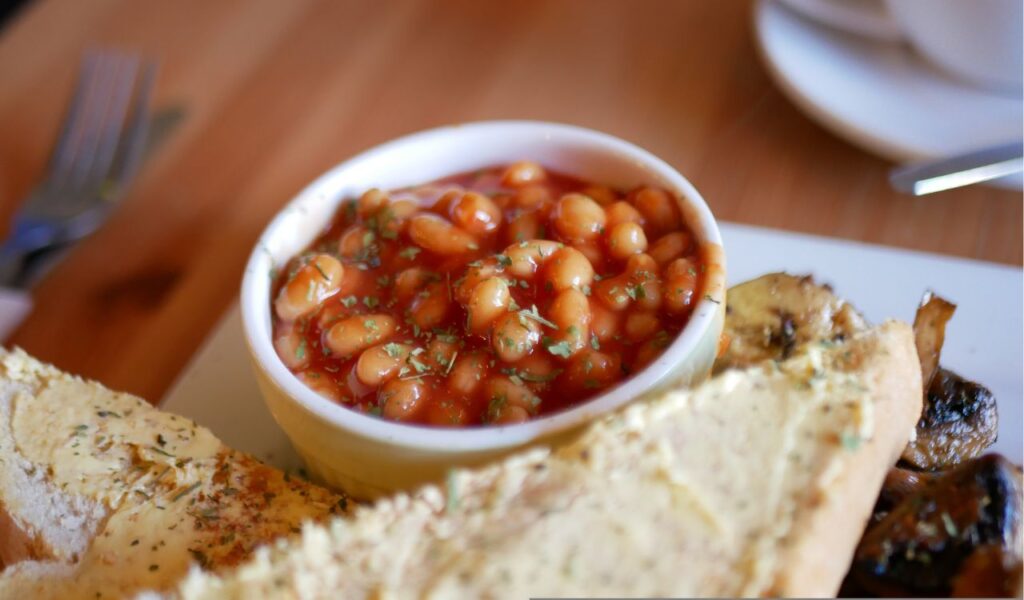
Beans are expected at a barbecue, but how they are seasoned changes the entire mood of the plate. Baked beans are lean and sweet, often carrying molasses or brown sugar that mirrors the sweetness found in many barbecue sauces. Judges tend to see them as supportive rather than competitive, filling gaps without challenging the meat.
Chili beans push in the opposite direction. Savory spices, heat, and sometimes meat of their own make them feel more assertive. That boldness excites some guests and overwhelms others. Caterers often warn that spicier beans divide crowds and demand simpler pairings. They also cool and thicken quickly, which can affect texture over time.
The decision usually hinges on how adventurous the crowd is. Sweet beans keep the peace and work across menus. Chili beans create excitement but require intention. When both appear, guests reveal their preferences quickly, and the rivalry plays out in real time.
3. Macaroni and Cheese vs. Corn Pudding
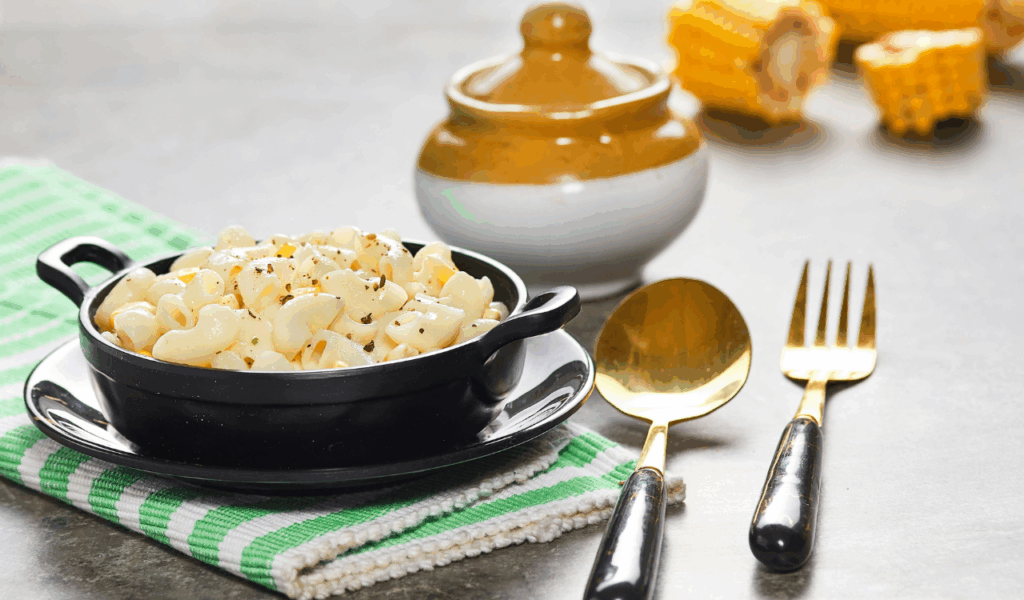
This is the comfort carb showdown, and it rarely stays quiet. Macaroni and cheese arrives rich, cheesy, and immediately satisfying. Judges recognize its crowd appeal but also note how quickly it dominates the plate. Its sharpness and weight can overshadow subtler meats if portions are not controlled.
Corn pudding takes a softer approach. Its sweetness and custardy texture sit gently alongside smoked flavors instead of competing with them. Caterers often favor it for large gatherings because it holds well and feels lighter bite after bite. The downside is perception. Some guests overlook it, assuming it will be bland unless they already know better.
Which side wins depends on the pace of the meal. Macaroni and cheese delivers instant gratification. Corn pudding supports longevity. Both satisfy, but only one keeps guests comfortable enough to go back for seconds.
4. Grilled Corn on the Cob vs. Esquites
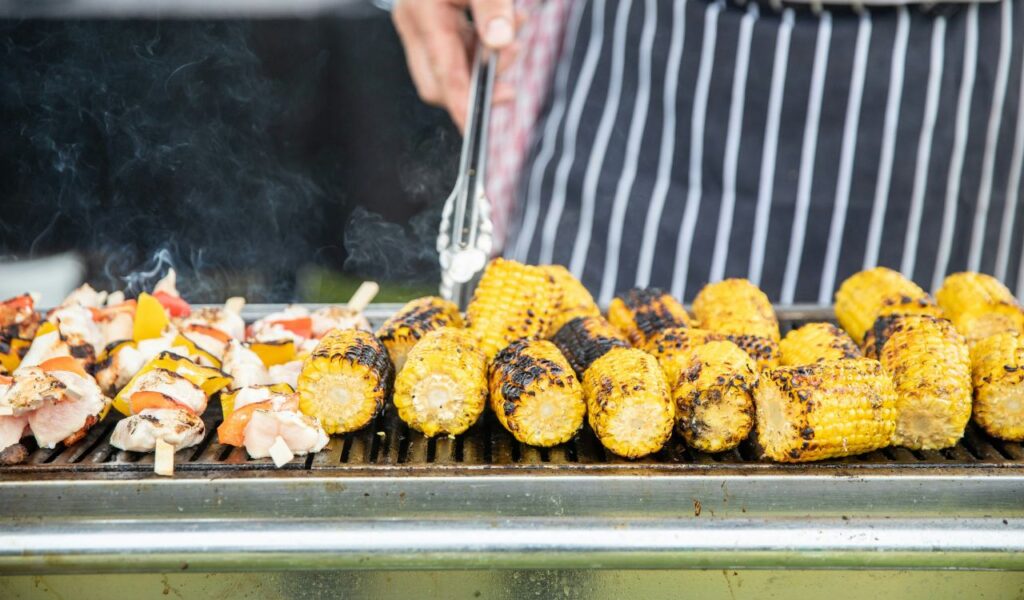
Corn at a barbecue carries visual and emotional weight. Grilled corn on the cob feels rustic and hands-on, with char marks and butter signaling peak summer. Judges appreciate the flavor but often note how messy it becomes once sauce and seasoning enter the mix. It demands attention and two hands, which not every guest wants while standing.
Esquites, the off-the-cob corn salad, trades spectacle for practicality. Served in cups or bowls, it delivers seasoning evenly and keeps guests clean. Caterers favor it for buffet lines because it holds texture and temperature better over time. Some argue it lacks the fun of eating corn straight off the cob, while others see that as a benefit.
The rivalry comes down to experience versus efficiency. Corn on the cob celebrates tradition and theater. Esquites prioritize ease and balance. Both belong at the table, but rarely for the same type of crowd.
5. Pickles vs. Pickled Red Onions
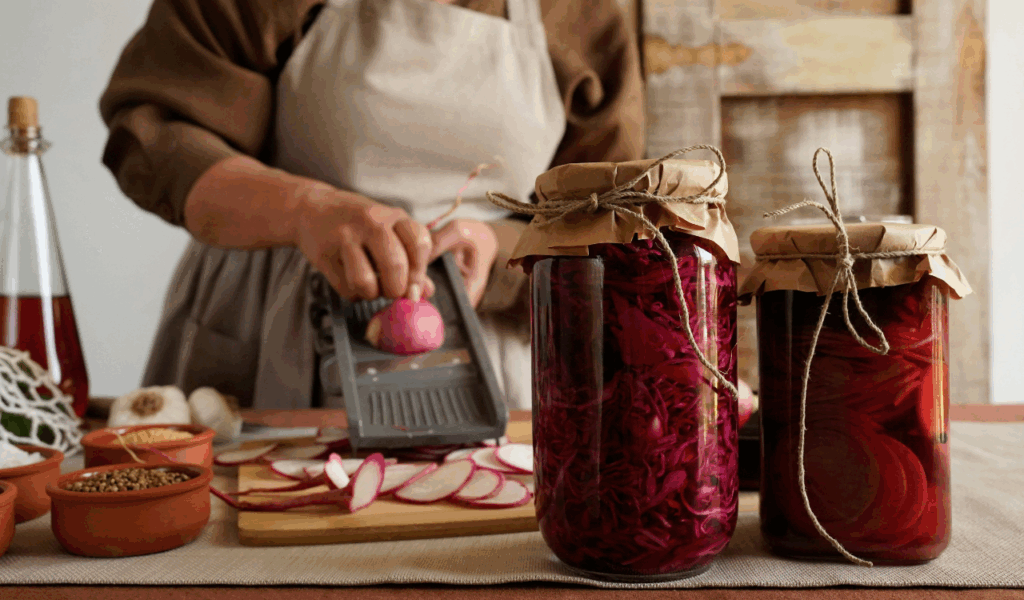
Pickled elements exist at a barbecue for one main reason: relief. After rich meat and heavy sides, acidity resets the palate and keeps the meal from feeling overwhelming. Traditional dill pickles have filled this role for generations. Judges often favor them because their sharpness is immediate and familiar, cutting through fat without adding complexity that distracts from the meat itself.
Pickled red onions represent a newer approach. Their milder vinegar bite and subtle sweetness add color and nuance to plates, especially when paired with pulled pork or smoked chicken. Caterers like them because they elevate presentation and feel intentional, but they also note that not everyone wants layered acidity. Some guests prefer the clean snap of a pickle over the softer bite of onion.
The divide comes down to simplicity versus refinement. Pickles do one job extremely well and stay out of the way. Pickled red onions add personality and visual appeal. Neither is wrong, but each sends a different signal about the style of the cookout.
6. Watermelon Slices vs. Ambrosia or Fruit Salad
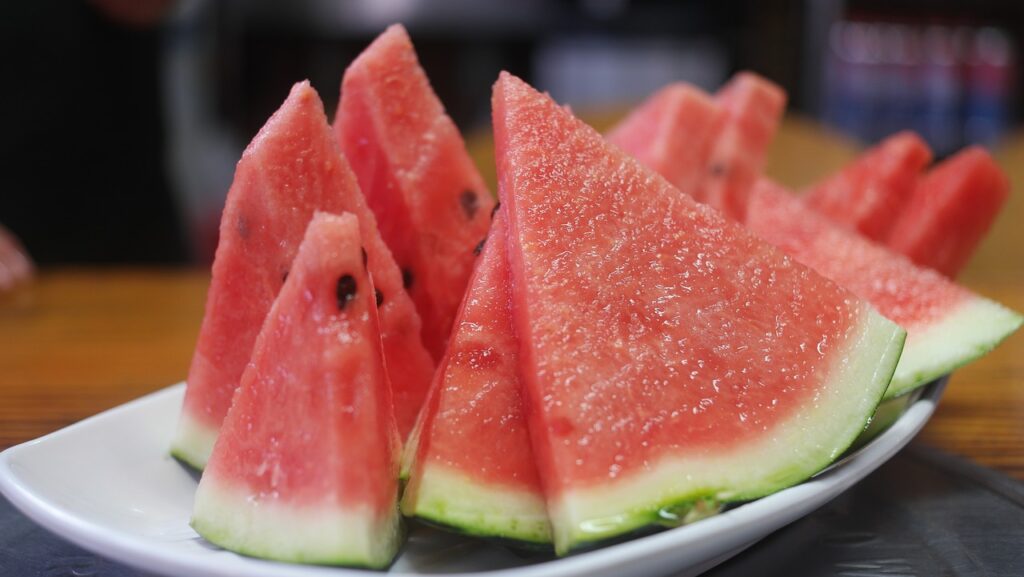
Fruit sides quietly control the temperature and energy of a barbecue. Watermelon slices bring hydration, crunch, and a sense of relief from heat. Judges appreciate how it refreshes without filling guests up, allowing them to keep tasting meats and sides without fatigue. Its sound, texture, and cold bite feel inseparable from summer gatherings.
Ambrosia or fruit salad leans in the opposite direction. Creamy, sweet, and nostalgic, it feels more like a dessert disguised as a side. Caterers often point out that while it travels well and holds its shape, it adds richness to an already heavy plate. Some guests love the comfort, while others skip it entirely in favor of lighter options.
The choice reflects how the meal is meant to flow. Watermelon keeps things moving and cooling. Fruit salad slows the pace and satisfies sweet cravings early. Both have loyal followings, and neither disappears quietly.
7. Deviled Eggs vs. Jalapeño Poppers
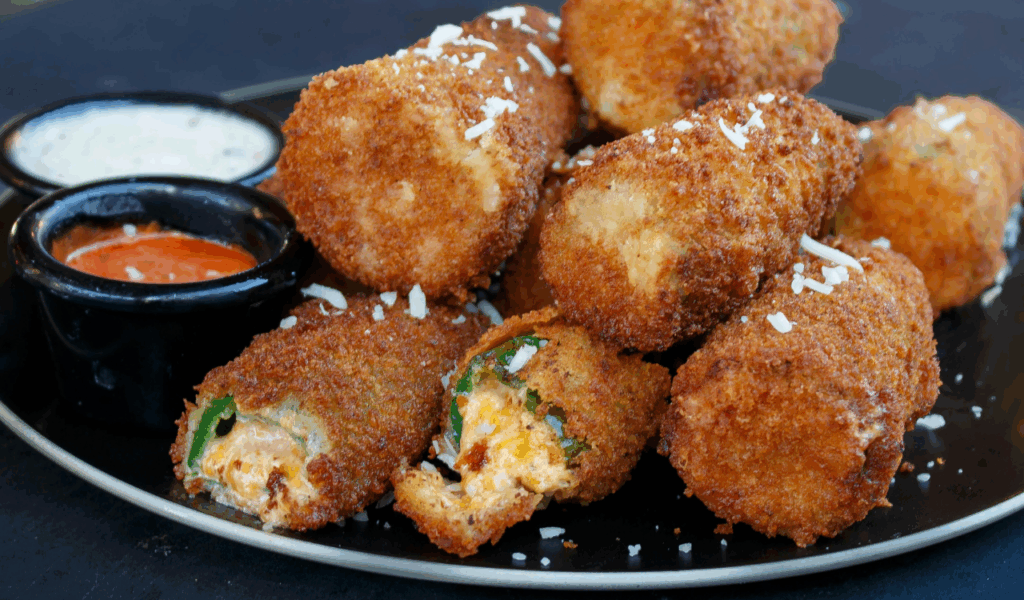
This rivalry pits calm against heat. Deviled eggs arrive cool, creamy, and predictable in the best way. Judges value them for their ability to settle the palate between smoky bites, especially when spice levels climb elsewhere on the plate. Their richness feels controlled rather than aggressive.
Jalapeño poppers bring drama. Bacon, cheese, and heat make them exciting, but also limiting. Caterers note that poppers disappear quickly among spice lovers, yet many guests stop at one. The heat builds fast, and for some, it shortens the meal rather than extending it.
The divide here is about stamina. Deviled eggs support long, relaxed eating. Poppers create bursts of excitement. Both draw crowds, but only one keeps everyone comfortably engaged until the end.
8. Chips and Dip vs. Veggie Trays
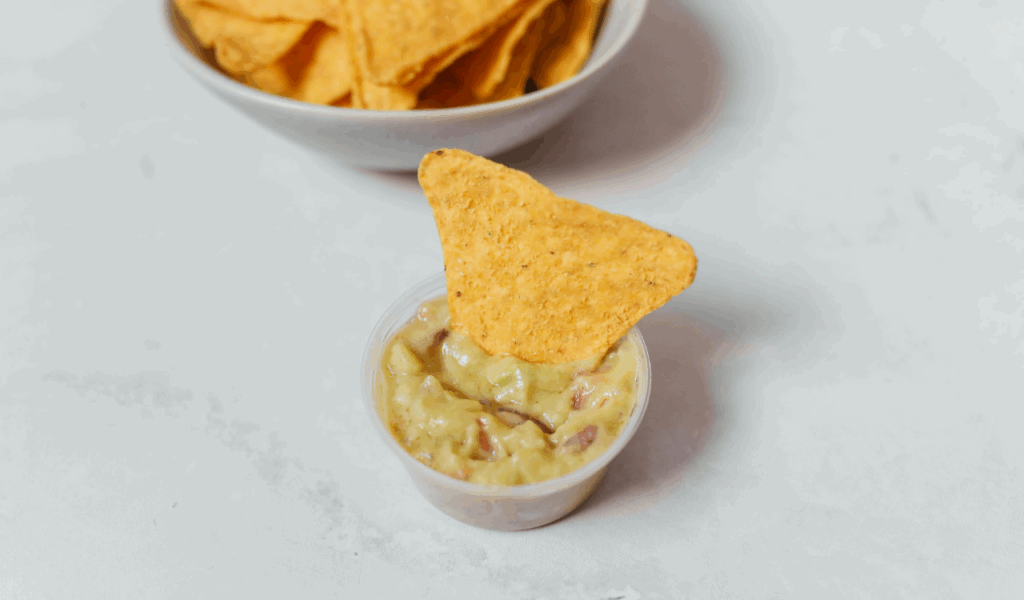
Starters quietly set expectations before the meat even hits the plate. Chips and dip signal indulgence and abundance. Judges often notice how quickly they disappear and how they affect appetite. Salty crunch paired with creamy dips excites guests, but it also fills them faster than expected.
Veggie trays offer contrast. Crunchy, cold, and light, they prepare the palate without overwhelming it. Caterers rely on them to keep guests satisfied while waiting for the grill, though they admit veggies rarely generate excitement. Some trays go untouched, while others become essential once the meal gets heavy.
This rivalry is about restraint versus temptation. Chips and dip ignite the party. Veggies protect the meal. Most hosts learn that the right balance matters more than choosing sides.
9. Texas Toast vs. Dinner Rolls
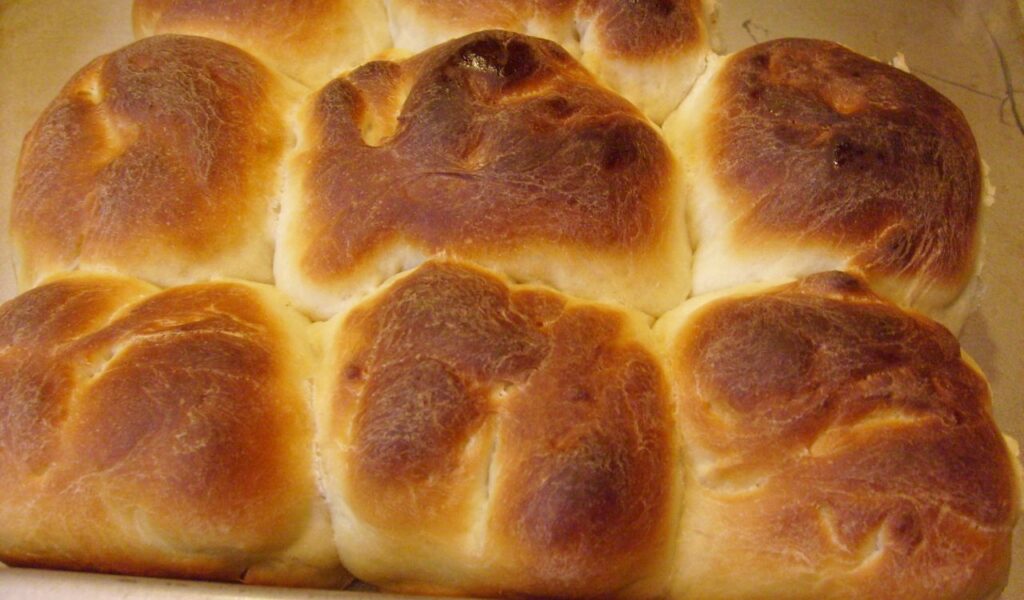
Bread decides how barbecue sauce behaves. Thick Texas toast is designed to absorb, catching drippings and sauce without collapsing. Judges appreciate how it keeps plates cohesive, especially with saucy meats. Its buttery flavor adds richness that pairs naturally with bold barbecue.
Dinner rolls take a quieter role. Soft, lightly sweet, and easy to eat, they support the meal without demanding attention. Caterers favor them because they travel well, appeal to all ages, and hold up across long serving windows. While they do not soak up sauce as aggressively, they keep plates lighter and more flexible.
The choice comes down to intention. Toast excels when barbecue is messy and bold. Rolls shine when variety and pacing matter. Both belong at the table, but rarely for the same crowd.