6 Lunch Spots “Redefining” Meals With Tiny Portions, Big Bills
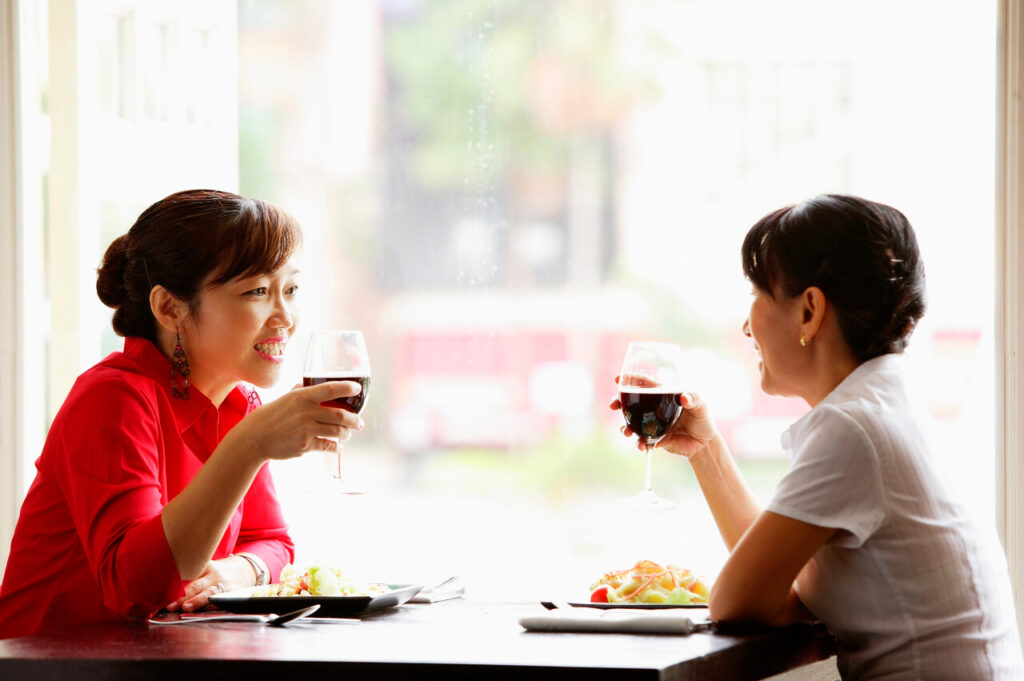
Tiny portions paired with big price tags might sound like a contradiction, but there’s a real reason these lunch spots have become talking points. They aren’t trying to fill you up in the traditional sense. Instead, they treat lunch as a curated experience, where the value comes from technique, sourcing, and the intimacy of small-scale dining. You’re paying for precision, not volume. What makes these places fascinating is how confidently they flip the usual lunch logic. Instead of speed and size, they offer ritual, rarity, and flavors designed to be savored slowly. Whether you leave full is almost beside the point. What stays with you is how intentionally every bite was crafted.
1. Kitcho
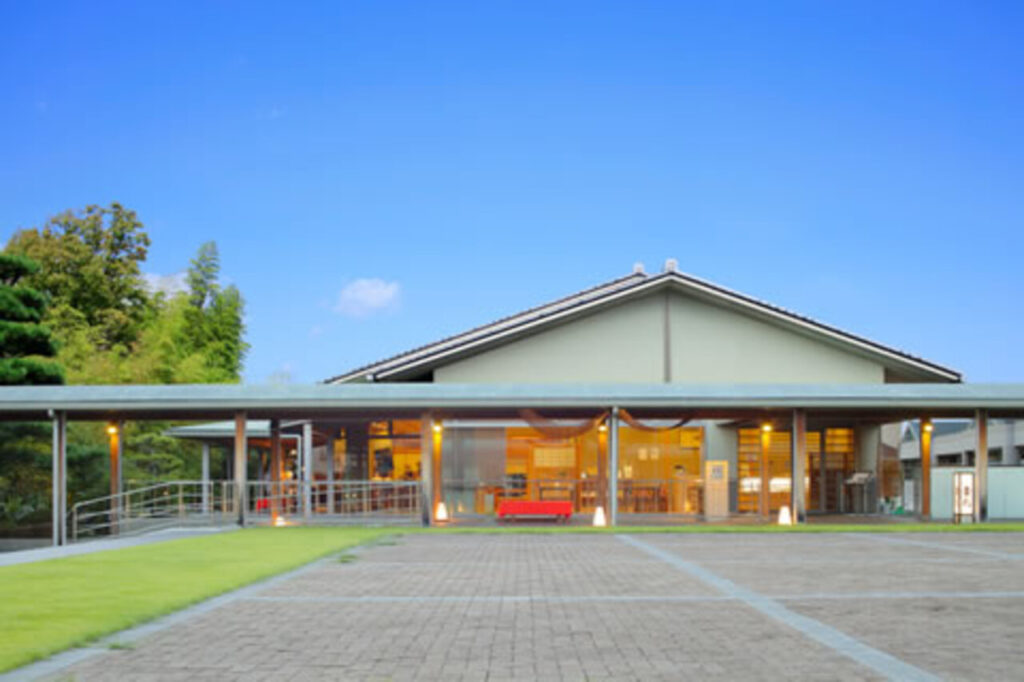
Dining at Kitcho is less like ordering lunch and more like attending a carefully scripted performance. The restaurant is built around kaiseki, Japan’s most formal style of multi-course dining, where each dish arrives in a specific sequence and reflects the current season. Portions look modest, sometimes just a single bite of sashimi or a few carefully cut vegetables, but each element is selected for contrast in color, texture, and flavor. The cost reflects not only premium ingredients such as top-grade seafood and seasonal mountain vegetables, but also the labor behind knife work, stock making, and precise plating.
2. Talula’s Table
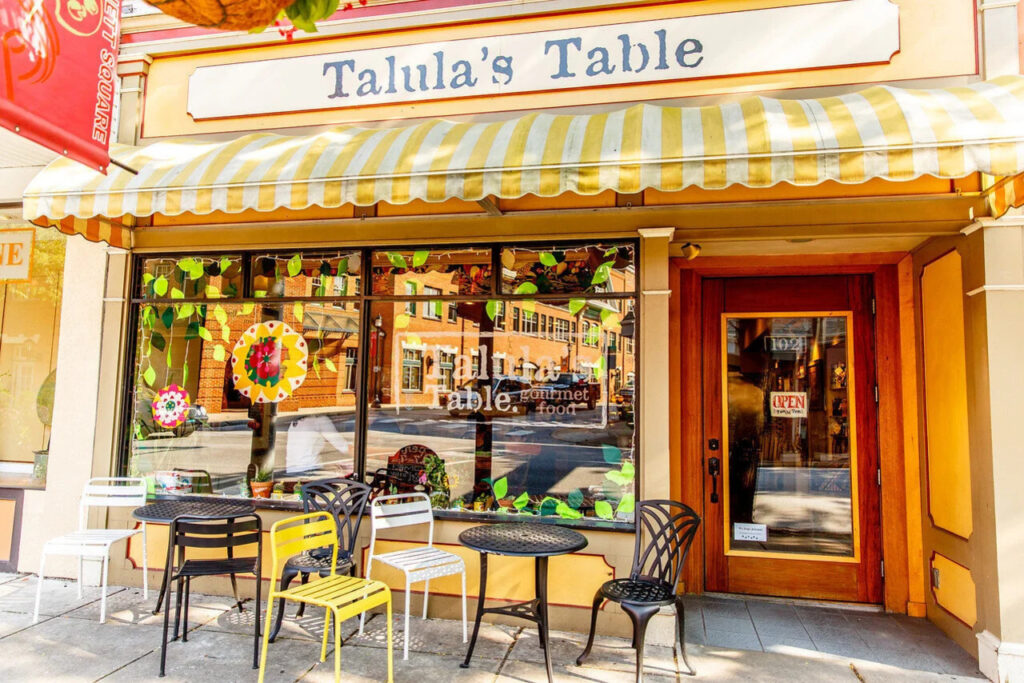
Talula’s Table proves that scarcity can be part of the business model. With extremely limited seating and bookings made months in advance, just getting a reservation has long been part of its mystique. The food itself leans into that same sense of careful curation. Lunch offerings and multi-course dinners focus on seasonal produce, artisanal cheeses, charcuterie, and breads, often in portions that prioritize tasting several things over finishing a large plate of any one item. Prices reflect the sourcing, from small farms and specialty producers, and the intensive prep that goes into even simple-looking dishes. You might see a salad that looks understated, but each component has been chosen at its peak and handled with attention.
3. Gabriel Kreuther
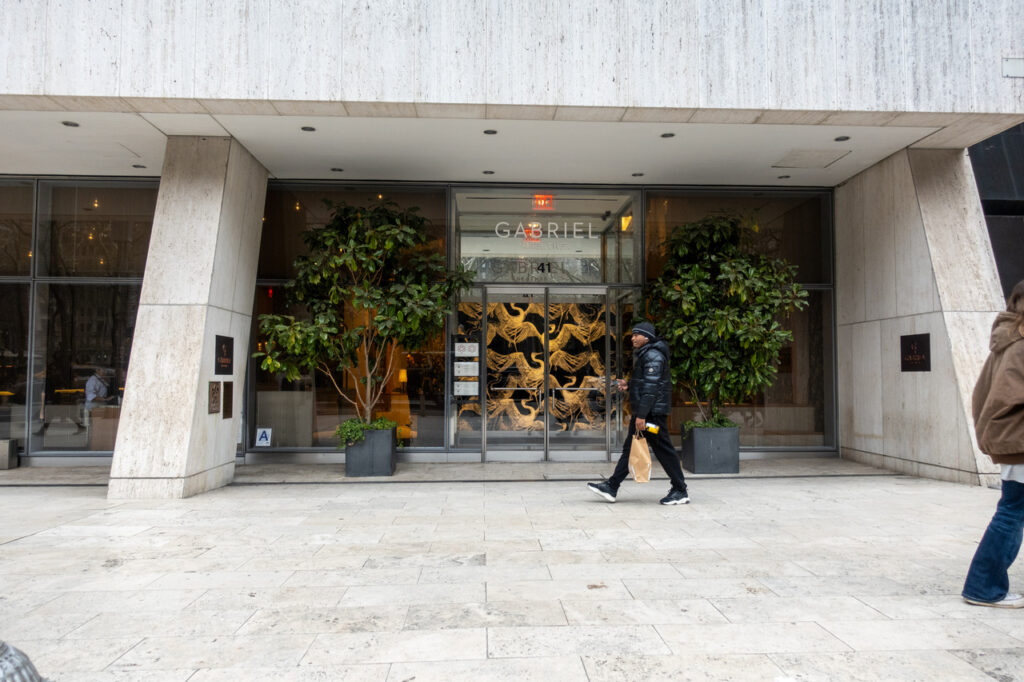
At Gabriel Kreuther in New York, lunch can feel like a compressed version of a grand French dinner. The portions are restrained, often centered on a single piece of fish, a modest cut of meat or a carefully constructed vegetable composition, framed by sauces and garnishes that take days to prepare. The cost of a midday meal reflects the realities of high-level French technique: stocks, reductions, pastry work, and a brigade of cooks whose labor is folded into every plate. Even bread service and petits fours carry that imprint. Guests are not paying for a piled-high plate but for precision, a central Manhattan location, and the luxury of lingering in a room where every detail, from glassware to service style, is tuned.
4. Chef-Owned Micro Restaurants
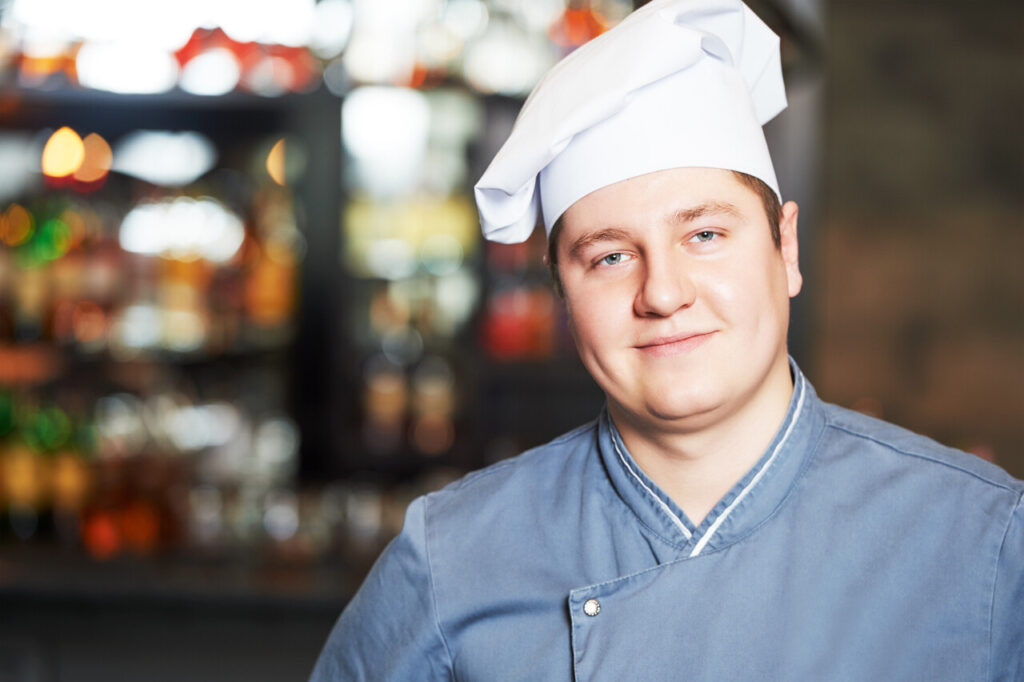
Chef-owned micro restaurants are often where you find the most radical version of “tiny portions, big bills.” These are small, sometimes counter-only spaces where one chef and a compact team present a tight tasting menu to a limited number of guests. Overhead is low in terms of square footage but high in terms of ingredient quality and time spent on each course. Portions stay small so that diners can experience six, eight or more dishes in one sitting without physical overload, while chefs get room to explore ideas that would not survive in a high-volume environment. Prices track the reality that revenue is spread over only a handful of seats per service.
5. High-End Fine Dining Chains With Lunch Tasting Menus
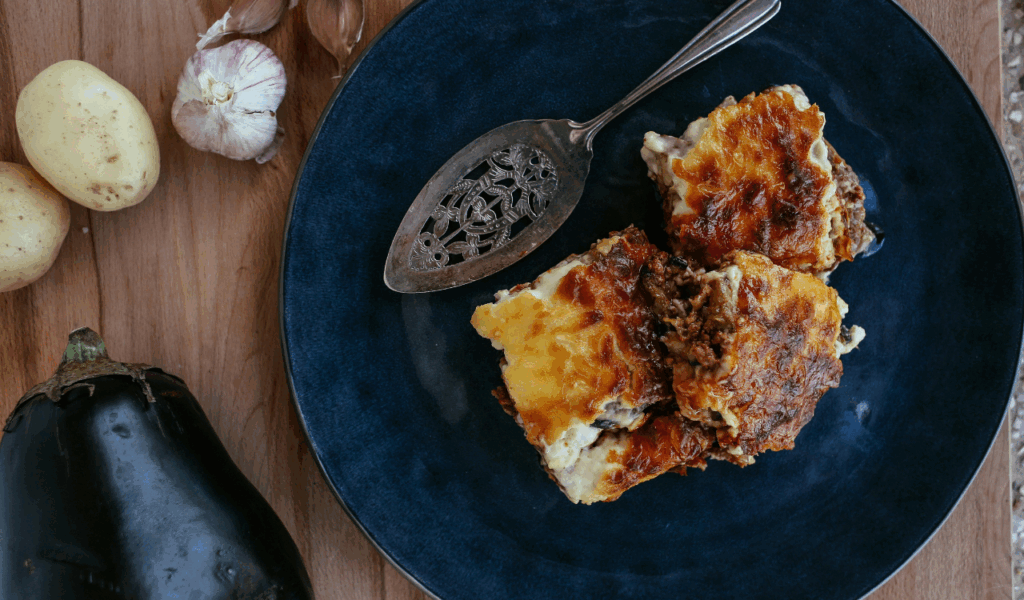
Some of the most famous fine dining brands now use lunch tasting menus as a way to open their doors to more guests without lowering their standards. These midday experiences are usually shorter than dinner, with fewer courses and slightly lower prices, but they still run well above what most people think of as a typical lunch bill. Portions are kept small by design. A single scallop with a precise sauce or a small portion of dry aged fish is meant to showcase products and techniques, not to function as a hearty midday refuel. Behind that finesse is an infrastructure of research kitchens, sommeliers, and teams sourcing everything from rare citrus to specialty grains. Lunch becomes a window into a culinary lab, a chance to experience a globally known restaurant’s style in a condensed format while still paying for the brand’s full weight in craft and service.
6. Modern Small Plate Restaurants With Artful Portions
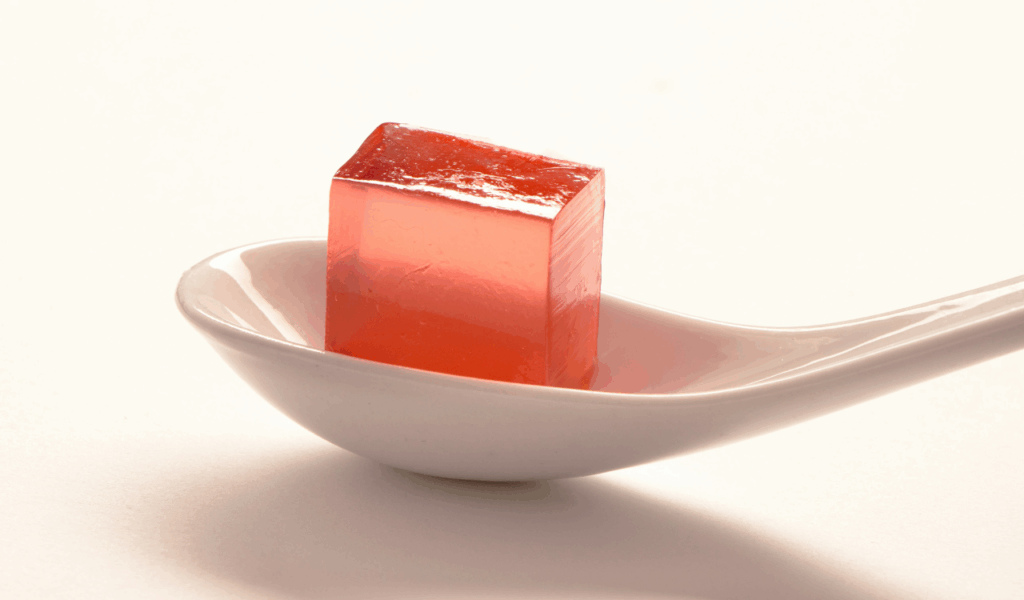
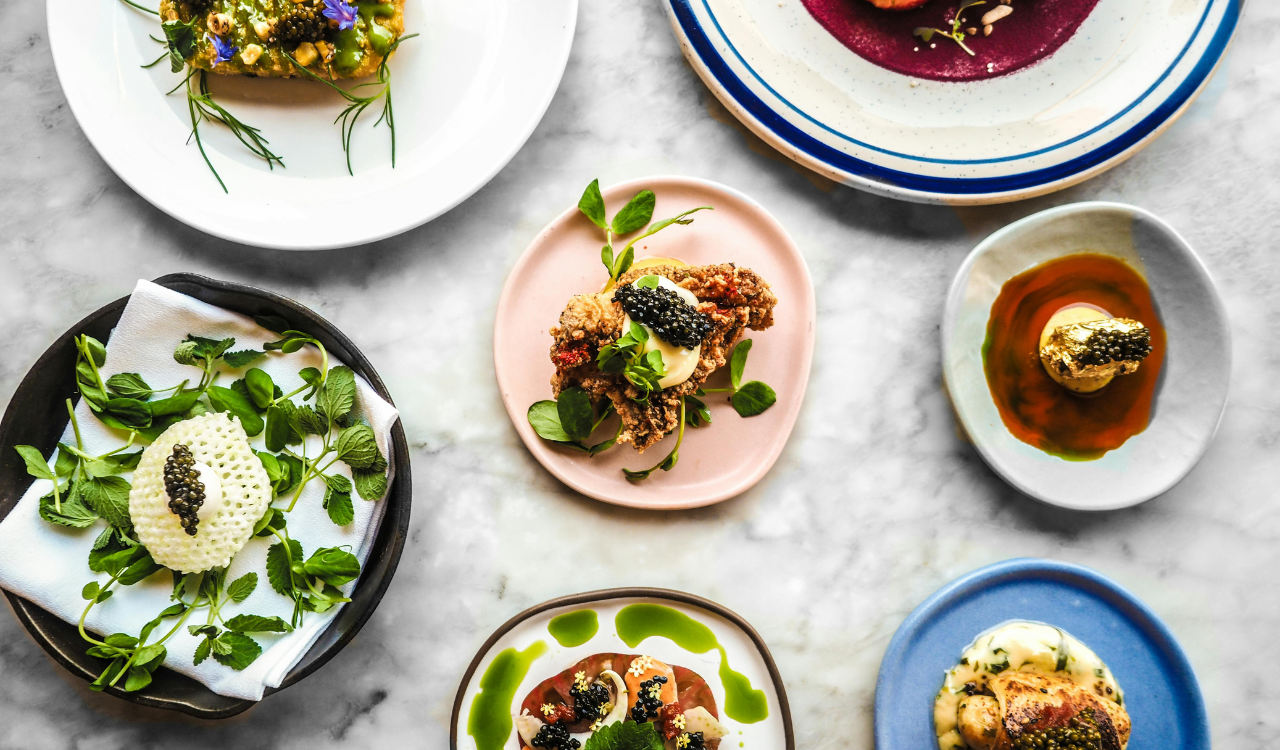
Modern small plate restaurants have taken the tapas idea and pushed it into fine dining territory. Here, lunch might mean a series of compact dishes that highlight one or two ingredients at a time, each arranged with obvious care on the plate. The bill climbs because each of those small servings still requires sourcing, prep and staff time. A vegetable plate might involve multiple cooking techniques for a single seasonal ingredient, finished with a precise dressing and a garnish that exists purely for contrast. Guests are encouraged to order several plates, which adds variety but also increases total spend. These places redefine lunch as an extended tasting experience rather than a single main course.