8 “Velvet” Bar Stools That Stick to Bare Legs in Summer
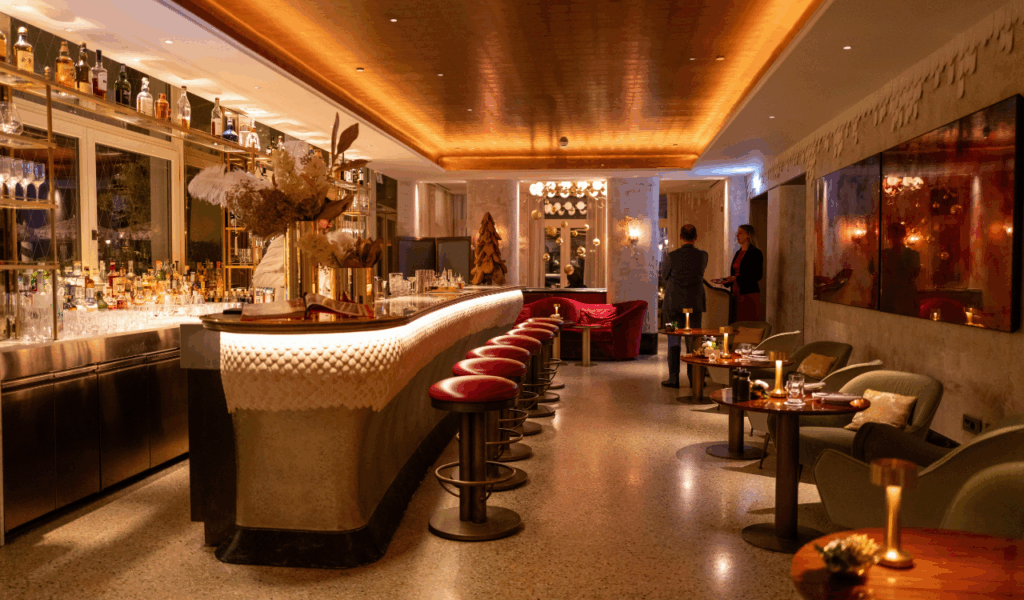
Velvet bar stools are the most beautiful way to decorate a kitchen. They have a velvety feel and deep color that leather or wood can’t match. But interior designers say that these soft chairs have a big drawback that many people don’t think about when they visit a showroom in the winter. Velvet is a thick, high-pile fabric that does a great job of trapping body heat and sweat. This may be very uncomfortable in the hot summer months. When you wear shorts or a sundress and sit down, the fabric doesn’t let air flow between your skin and the fabric, which makes it “stick” to your bare legs in an uncomfortable way.
Experts in furniture and textile design say that the “stickiness” is often made worse by the synthetic fibers used in modern performance velvets. These fabrics are great at resisting stains, but they don’t breathe as effectively as natural silk or cotton velvets. This causes a “greenhouse effect” on the seat.
Professional organizers and home flippers say that this may make a gorgeous kitchen island almost unusable during a heatwave, because visitors would avoid sitting where they feel overheated and pressed down. Experts suggest that if you pick the improper pile height or fiber blend, your expensive seating can become a daily annoyance that makes your fancy kitchen feel startlingly “ghetto” and badly organized.
1. Deep-Buttoned Tufted Polyester Velvet
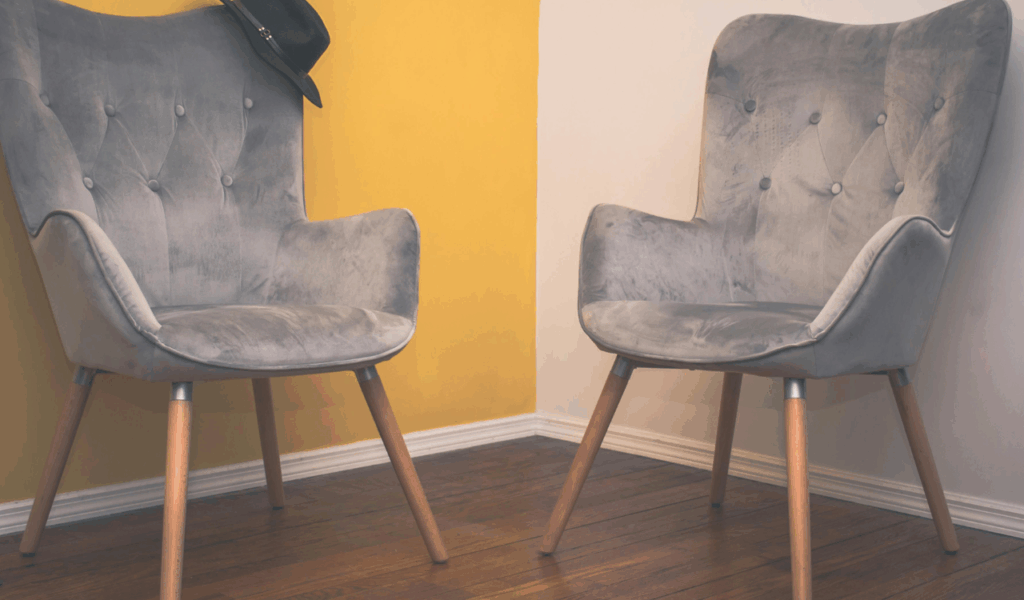
Tufted velvet chairs are popular for both traditional and glam looks, but experienced designers say they are the worst for sticking in the heat. The deep buttons make pockets where air gets trapped and heated by your body weight, which makes you sweat more. Experts argue that polyester is a plastic-based fiber, so it doesn’t pull moisture away from the skin. Instead, the moisture lingers on the surface and sticks your legs to the chair. Furniture experts say that the more tufting a stool has, the more surface area there is for heat to get trapped against your skin.
If you reside in a humid area, interior designers say you should not deep tuft any chair where flesh is likely to touch it. Professional flippers say that these stools often seem worn out sooner because the oils and sweat from bare legs break down the synthetic fibers in the tufts over time, causing them to mat together. Experts say that tufted polyester is so “sticky” that it might really hurt to stand up rapidly. To avoid this, designers suggest picking stools with a flat, smooth seat or a velvet blend that includes breathable natural fibers like linen or viscose to let air flow better.
2. High-Pile Crushed Velvet Seats
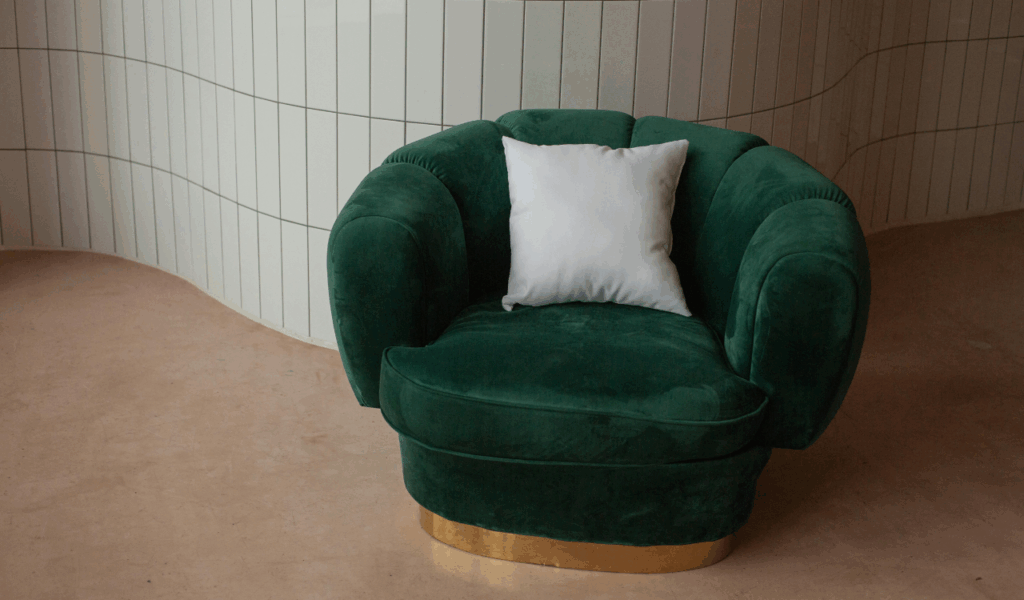
Crushed velvet has a unique, multi-tonal beauty that hides flaws nicely, but experienced organizers say that its dense pile attracts heat discomfort. By twisting the fabric during production, the “crushed” texture is made. This makes the surface thick and uneven, which makes it stick to skin very well. Experts claim that the longer the pile, the more it functions as an insulator. It wraps around the curvature of your legs and keeps cool air from getting to your skin. Textile experts say that this makes a sticky, “fuzzy” feeling that many people find disgusting in the summer.
Professional cleaners say that high-pile crushed velvet can also trap dust and allergens, which can make skin that is already sensitive to heat feel worse. Designers say that if you don’t get crushed velvet cleaned by a professional, the salt from your skin can make the fibers rigid and “crunchy” over time. Realtors often tell people not to do these things to properties in tropical areas because they can make potential purchasers feel very different about them. To keep high-pile velvet soft and not sticky, you have to steam it often and use specific brushes. This makes it a high-maintenance choice for a busy family kitchen.
3. Performance “Liquid-Repellent” Velvet

Families with kids and pets are told that performance velvet is a dream come true, but expert designers say that the chemicals used to keep liquids away also keep air away. A thin covering of latex or acrylic is sometimes put on the back of these materials to keep spills from soaking through. This makes the stool a surface that doesn’t breathe. Experts believe that when you sit on these in the summer, your body heat has nowhere to go, which makes you feel “damp” right away. Furniture experts say that the same thing that makes them easy to clean also makes them stick to your skin like plastic wrap.
Professional flippers say that a lot of homeowners regret these stools once summer starts because the “plastic” feel of the performance coating becomes more obvious in the heat. Designers say that the best way to evaluate a fabric is to try to breathe through it. If air doesn’t pass through, it will probably stick to your legs.
Experts say that the stain resistance is a good thing, but the loss of comfort can make your “signature” kitchen island a ghost town in July and August. Cleaning these materials with the improper detergents can also make the special coatings feel “tacky,” which makes it even more likely that they will stick to bare flesh.
4. Dark Charcoal and Black Velvet Stools
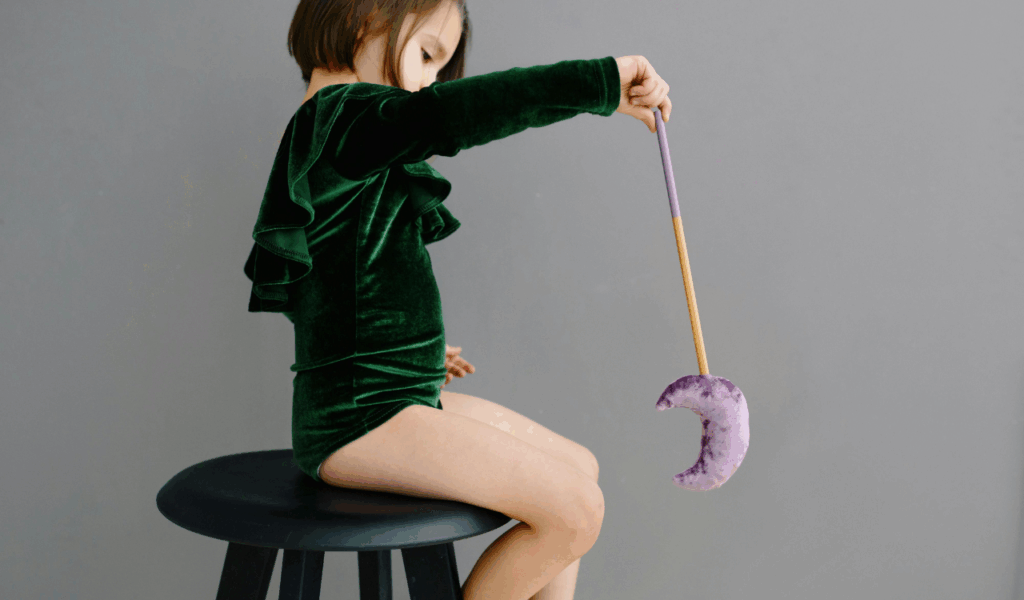
Color choice plays a massive role in the “stick” factor, and professional interior designers reveal that dark velvets are significantly more problematic in the summer. Dark colors, especially black and charcoal, soak up more radiant heat from sunshine coming in through kitchen windows. This makes the cloth feel hot to the touch before you ever sit down. Experts suggest that when you add body heat to a dark cloth that is already heated, your skin makes more moisture. Experts in thermal science say that a black velvet stool can be up to fifteen degrees warmer than a light-colored one in the same environment.
Professional stagers say that black velvet exposes “salt rings” from dried sweat more vividly than brighter colors. These rings can look really “ghetto” and dirty. If you really need dark stools, designers say you should keep them out of direct sunlight or cover them with window films that filter out UV rays.
Experts say that the way dark hues make you feel psychologically hot can make you feel stickier than you really are. Realtors often say that dark, heavy materials can make a kitchen feel “stuffy” in the summer. On the other hand, lighter velvets or linens that let air flow through them make guests feel much more welcome and comfortable.
5. Recycled PET Bottle Velvet
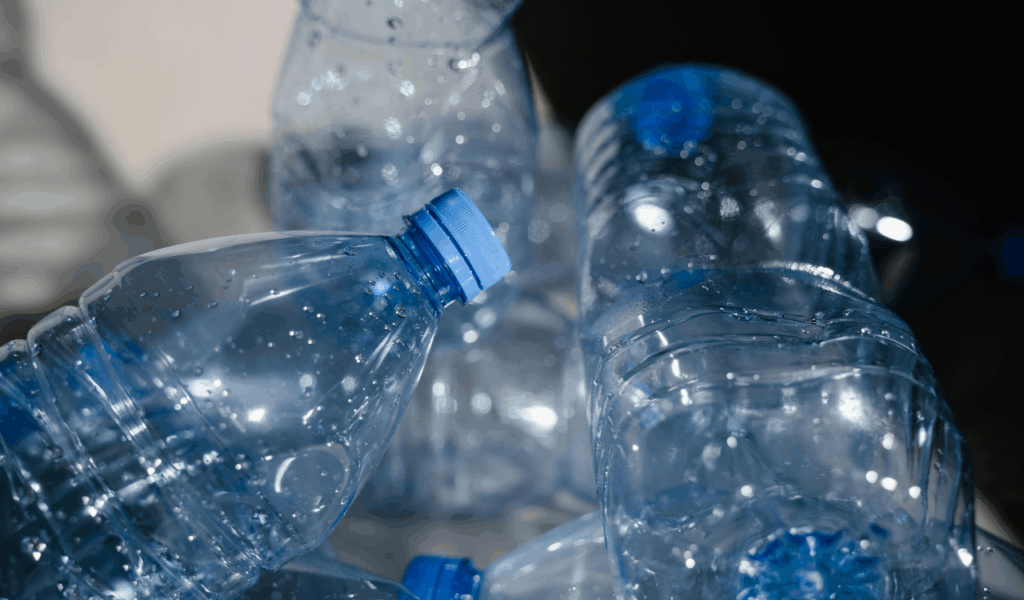
Sustainable velvet created from recycled plastic bottles is a new idea that is good for the environment, but expert contractors and designers say that it still traps heat like plastic does. These fibers are made entirely of synthetic materials, so they don’t absorb moisture naturally. This makes them one of the stickiest alternatives on the market. Experts argue that the “feel” of recycled velvet has gotten better, but the plastic’s molecular structure is still there, so your skin will stick to the seat in hot weather. Textile specialists say that this material is suitable for businesses with heavy-duty air conditioning.
Professional organizers say that recycled plastic velvet is really strong, but when you are sweaty, it can feel “scratchy” or “prickly” against naked skin. Designers say that these chairs are better for professional workplaces or places with few people than for a home kitchen, where people generally wear informal summer clothes that show off their legs. Home experts say that the “eco-friendly” label doesn’t mean that the cloth doesn’t follow the rules of thermodynamics. Experts say that if you want a sustainable choice that doesn’t cling, you should seek for recycled cotton or wool blends. These are considerably more breathable and have a softer, more natural “hand” that won’t grasp onto your legs during a summer brunch.
6. Velvet-Wrapped “Bucket” Style Stools
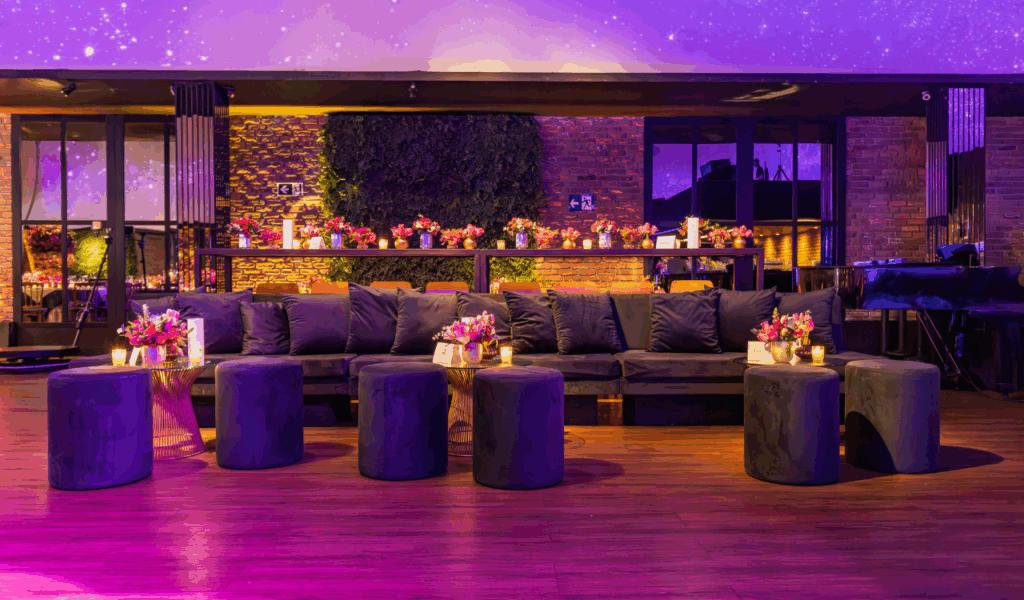
The “bucket” or “tub” style bar stool is pleasant for your body, but it makes the air flow in the summer a nightmare. Professional designers say that the curved back and sides of these stools “hug” your body, which makes more velvet-to-skin contact. Experts believe that because the sides are tight, air can’t move around your hips and thighs, making it a “sweat box.” Furniture experts say that the more of your body that touches the velvet, the more likely you are to feel stuck and hot within minutes of sitting down.
Professional organizers and designers say that “open-back” or “low-back” stools are a far better alternative for comfort all year long. Experts say that the bucket design is very popular in modern “luxe” styles, although beauty often wins out over utility. Hospitality experts say that bars that employ these stools often have clients leave faster since they get uncomfortable faster. If you enjoy the bucket style, designers suggest looking for one with a perforated back or an alternative fabric, such a breathable bouclé, that has a comparable texture but doesn’t have the high-stick “hug” of a velvet interior.
7. Silk-Effect Rayon Velvet
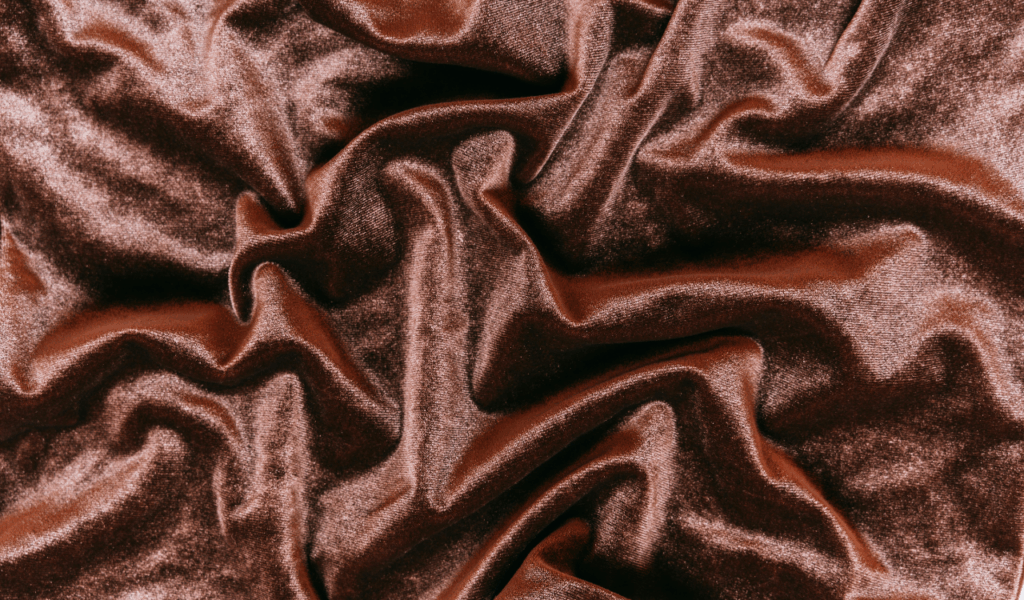
Rayon-based velvet, which is often called “silk-effect” or “viscose velvet,” has a gorgeous shine but is known for being very sensitive to moisture. Professional restorers say that when you sweat on rayon velvet, the dampness can make the fibers break down or “bruise” for good. Experts explain that technique makes a sticky, smooth surface that stays wet even after the fluid has dried. Textile designers say that rayon is just processed cellulose that loses its shape when it gets wet. This makes it one of the least lasting options for summer skin contact.
Instead of high-traffic bar stools, interior designers say these velvets are better for formal dining rooms that aren’t used very often. Professional cleaners say that trying to restore a “sweat-stained” rayon velvet stool is almost difficult without professional-grade tools because water-based stains leave permanent rings. Experts say that the “glamour” of the silk look isn’t worth the “ghetto” look of matted, sticky seats after just one season of use. Realtors say that high-end homes with damaged silk-effect furniture might actually make the interior design look less valuable because wear and tear looks worse on shining fabrics.
8. Low-Quality Micro-Velvet Imports
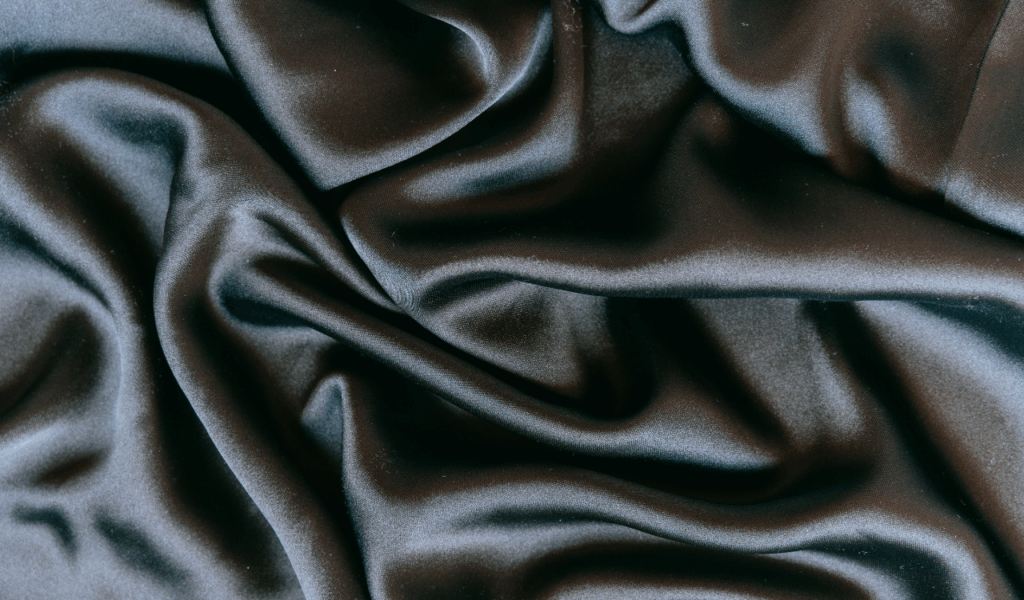
Micro-velvet is a synthetic fabric with very short piles that is typically used on cheap bar stools. Experts say that it is basically a “sweat magnet.” Professional flippers say that these cheap imports often employ a low-quality glue to hold the fibers to the backing. This glue can get “tacky” when it gets hot and humid. Experts suggest that this makes a real adhesive bond between your legs and the chair that is stronger than just suction. Furniture experts say that homeowners generally replace these stools first when they learn how badly they work in real life.
Professional organizers say that micro-velvet is also very prone to static, which can make it stick even more to synthetic clothing or skin. If you expect to use your kitchen island for more than five minutes at a time, designers say you should stay away from these “bargain” chairs. Experts say that these stools are cheap because they are made with the cheapest materials, which don’t breathe or “spring” like good upholstery does. Home experts say that spending a little more on a stool with superior fabric can save you from the embarrassment of having your guests practically “peel” themselves off your furniture during a summer dinner party.