13 Lunchbox Trends Kids Quickly Rejected
Packing a school lunch often feels like a balancing act between nutrition, variety, and good intentions. Parents try new ideas hoping to keep meals interesting and healthier, but the school lunchroom has its own rules. Time is short, social pressure is real, and kids gravitate toward what feels familiar and easy. Many popular lunchbox trends sound smart at home but fall apart by midday, returning untouched or half-eaten. Over time, patterns emerge. These are the lunchbox trends kids rejected quickly, not because they were unhealthy, but because they did not fit how children actually eat at school.
1. Unfamiliar Cultural Foods That Felt Too Risky at School

What looks exciting at home can feel intimidating in a lunchroom. When kids open a lunchbox and see foods they do not recognize, hesitation kicks in fast. Unfamiliar smells, colors, or textures draw attention from peers, and many kids would rather skip lunch than explain what they are eating. School cafeterias are social spaces, and standing out for the wrong reason feels uncomfortable. Even foods a child enjoys at dinner can feel different once packed cold and eaten under time pressure. Without reheating, sauces thicken, flavors mute, and textures change. Parents often underestimate how much familiarity matters. If a food does not look or smell instantly recognizable, kids are far more likely to bring it back untouched.
2. Vegetable-Heavy Lunchboxes That Felt Like Homework

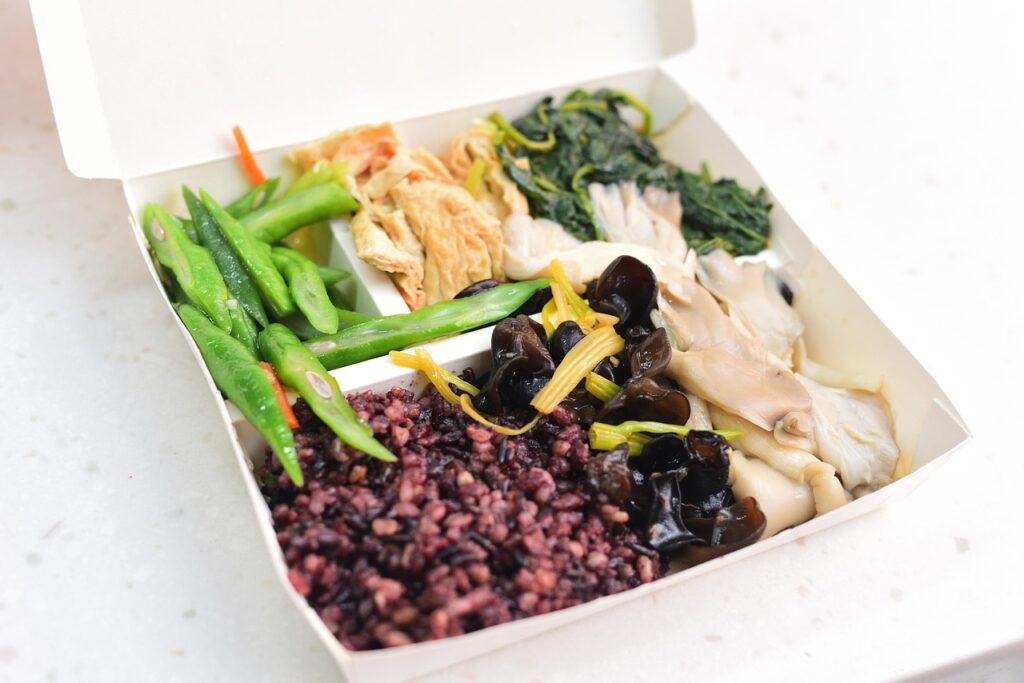
Vegetables may be nutritious, but when they dominate a lunchbox, kids tune out. Research consistently shows children gravitate toward sweeter, softer, and more familiar foods during short meal breaks. Raw vegetables dry out, cooked vegetables cool down, and both lose appeal fast. Bright packaging and peer influence only widen the gap. When time is limited, kids choose what feels easy and rewarding. Vegetables that require dipping, chewing, or effort often get skipped entirely. Parents aiming for balance sometimes overshoot, filling containers with good intentions but little kid appeal. The result is predictable. Veggie-heavy lunches come home barely touched, reinforcing resistance rather than building habits.
3. Snap Peas and Green Beans That Lost Their Crunch
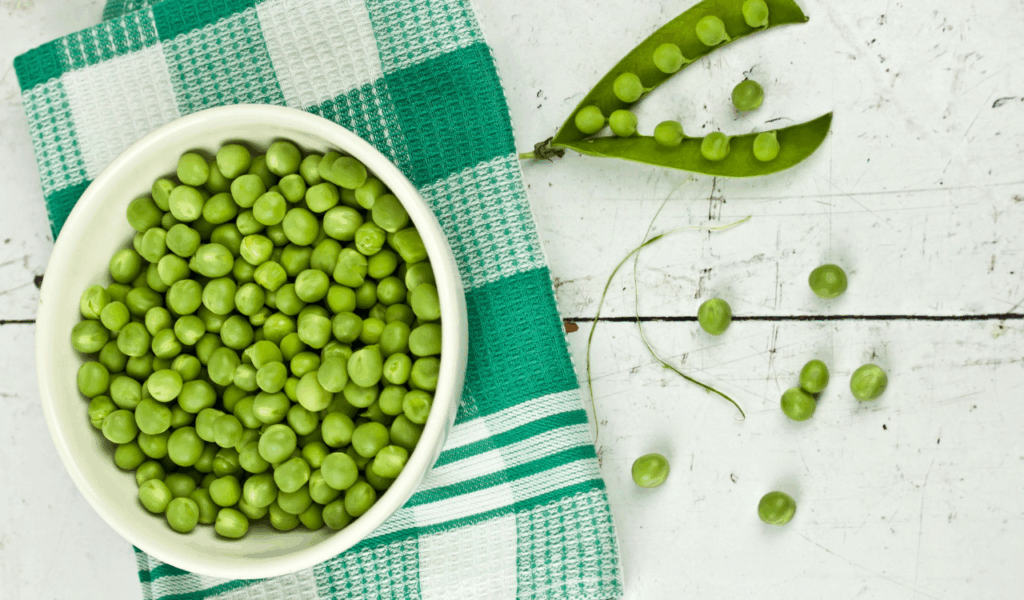
Snap peas and green beans sound lunchbox-friendly, but texture is everything. Once packed for hours, condensation softens them. Crunch disappears, and with it, appeal. Kids are especially sensitive to texture changes, and limp vegetables feel wrong immediately. Without seasoning or dipping sauces that stay separate, these greens taste bland. They also lack the visual excitement of brighter fruits or packaged snacks. Even kids who eat them at dinner often reject them cold. Parents notice these items coming back day after day, signaling that freshness and texture matter more than nutritional logic when it comes to lunchbox success.
4. Tuna Salad Packs That Drew Too Much Attention
Tuna salad has multiple strikes against it in a school setting. The smell is noticeable the moment the container opens, and kids know it. Fear of comments from classmates alone is enough to make many avoid it. Texture changes also work against tuna once chilled for hours. It can become watery or overly dense depending on the mix. Add mayonnaise concerns and temperature sensitivity, and hesitation grows. Even kids who enjoy tuna at home often leave it untouched at school. Parents end up eating it later, realizing that strong-smelling proteins rarely survive the lunchroom environment.
5. Hard-Boiled Eggs That Became a Social Risk
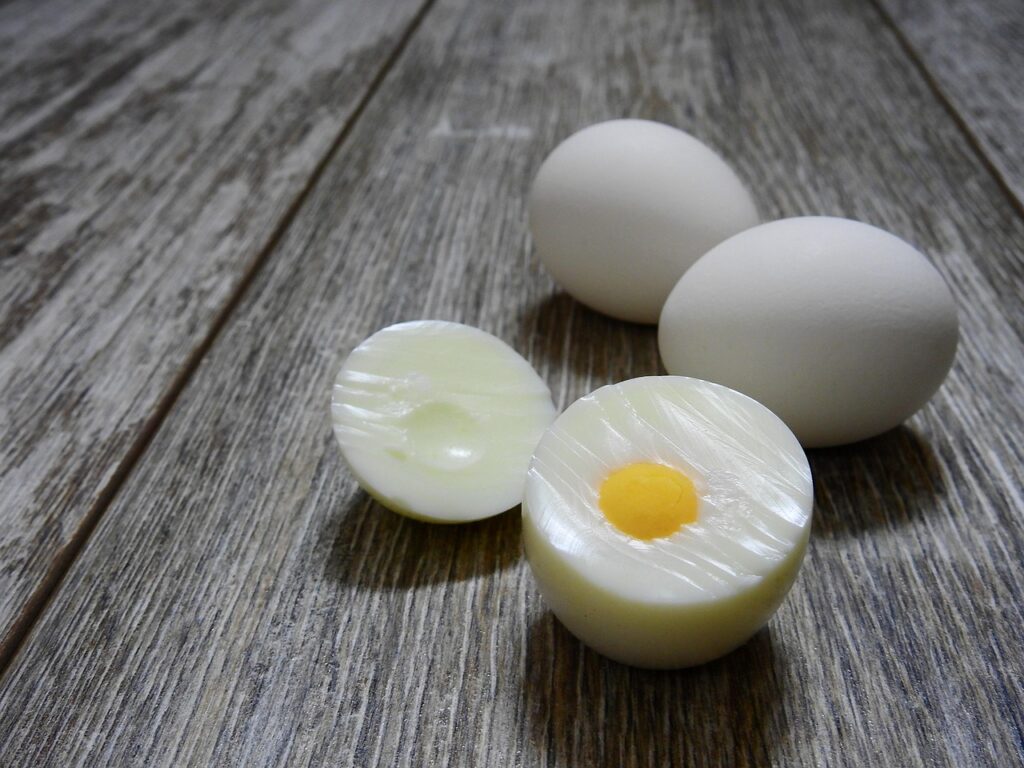
Hard-boiled eggs are convenient and nutritious, but they struggle in lunchboxes. The sulfur smell intensifies as eggs sit, and kids are quick to notice. Texture can also turn rubbery once cold. Peeling takes time and attention, which kids may not want to spend during a short lunch break. Even pre-peeled eggs feel awkward to eat around peers. The combination of smell, texture, and social awareness makes eggs one of the most commonly rejected lunchbox proteins. What works for breakfast rarely translates well to school lunch.
6. Whole Grains That Felt Too Plain
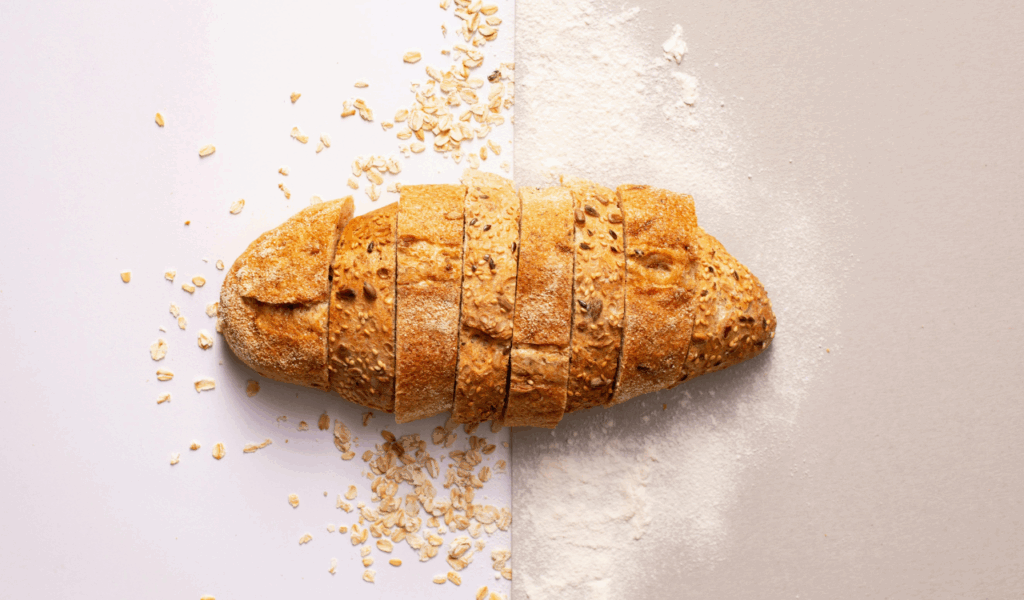
Whole-grain breads and crackers often promise better nutrition, but without familiar flavors, kids lose interest fast. Dense textures, darker colors, and milder taste profiles make them less appealing than refined alternatives. When paired with minimal spreads or dry fillings, they feel like effort rather than enjoyment. Kids compare lunches visually and instinctively reach for what looks soft and satisfying. Whole grains can work, but only when balanced with recognizable toppings. On their own, they are frequently left behind, even by kids who eat them willingly at home.
7. Salads That Turned Soggy by Noon
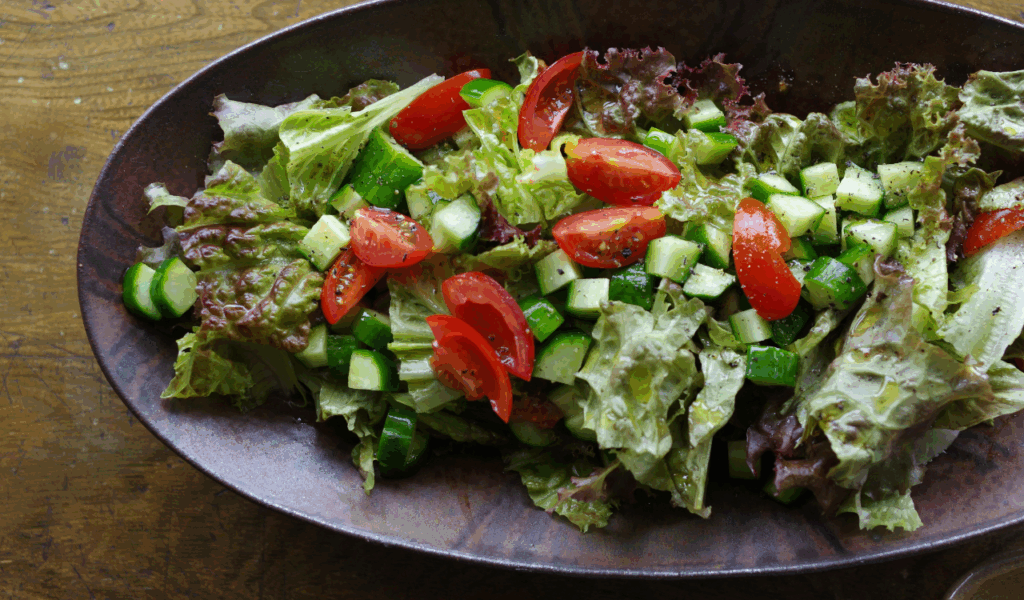
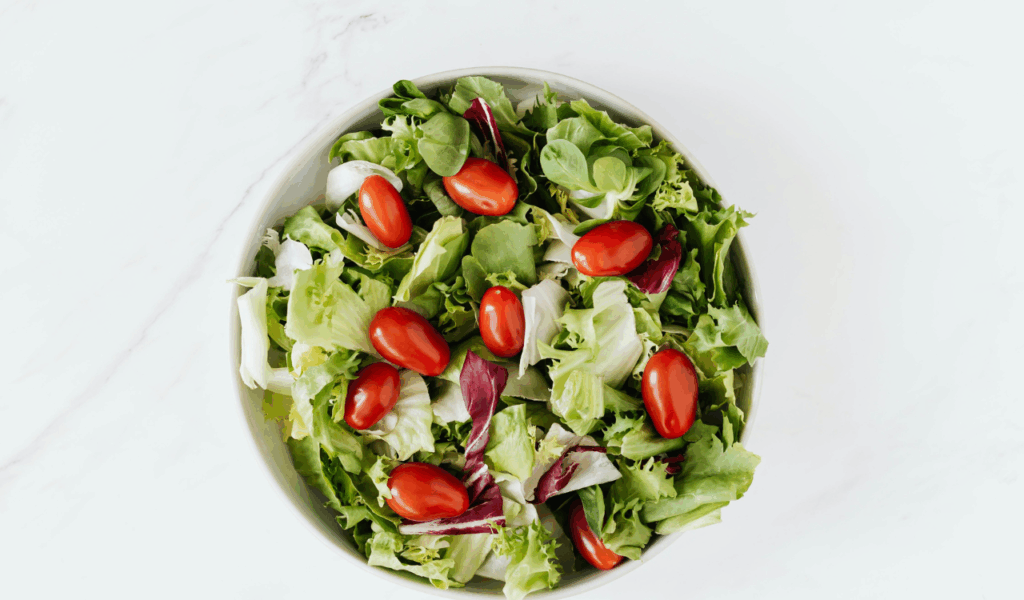
Salads rarely survive the school day intact. Dressing wilts greens, moisture pools at the bottom, and crisp textures disappear. By lunchtime, what looked fresh in the morning feels limp and unappealing. Kids also struggle with eating loose greens without utensils that work well in containers. Time pressure makes salads impractical. Add the risk of spills, and many kids simply skip them. Parents hoping salads will replace sandwiches often find containers returned full. Salads may suit adult routines, but they rarely align with how kids actually eat at school.
8. Fruit That Browned Before Lunch
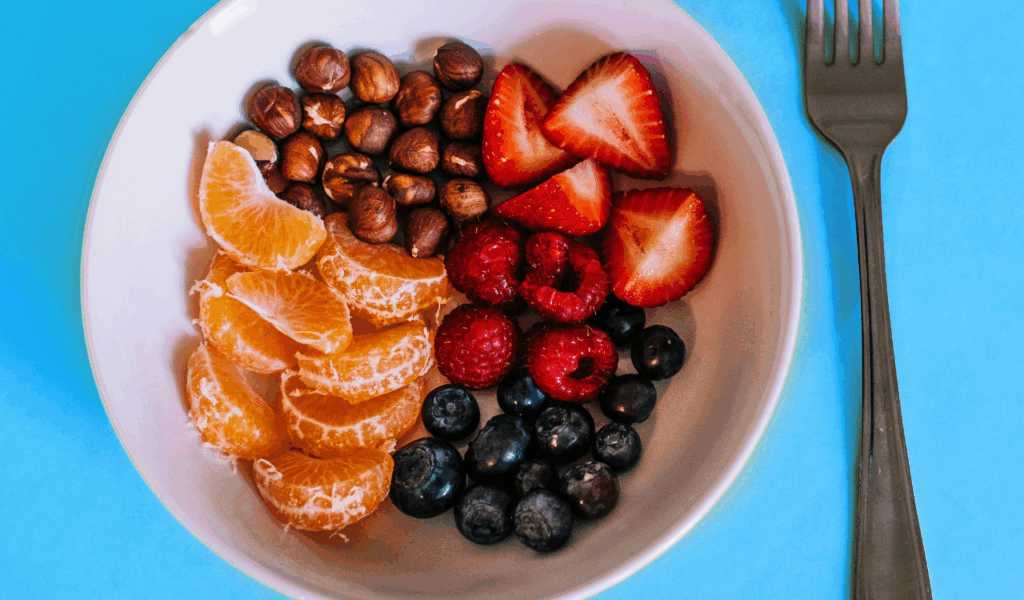
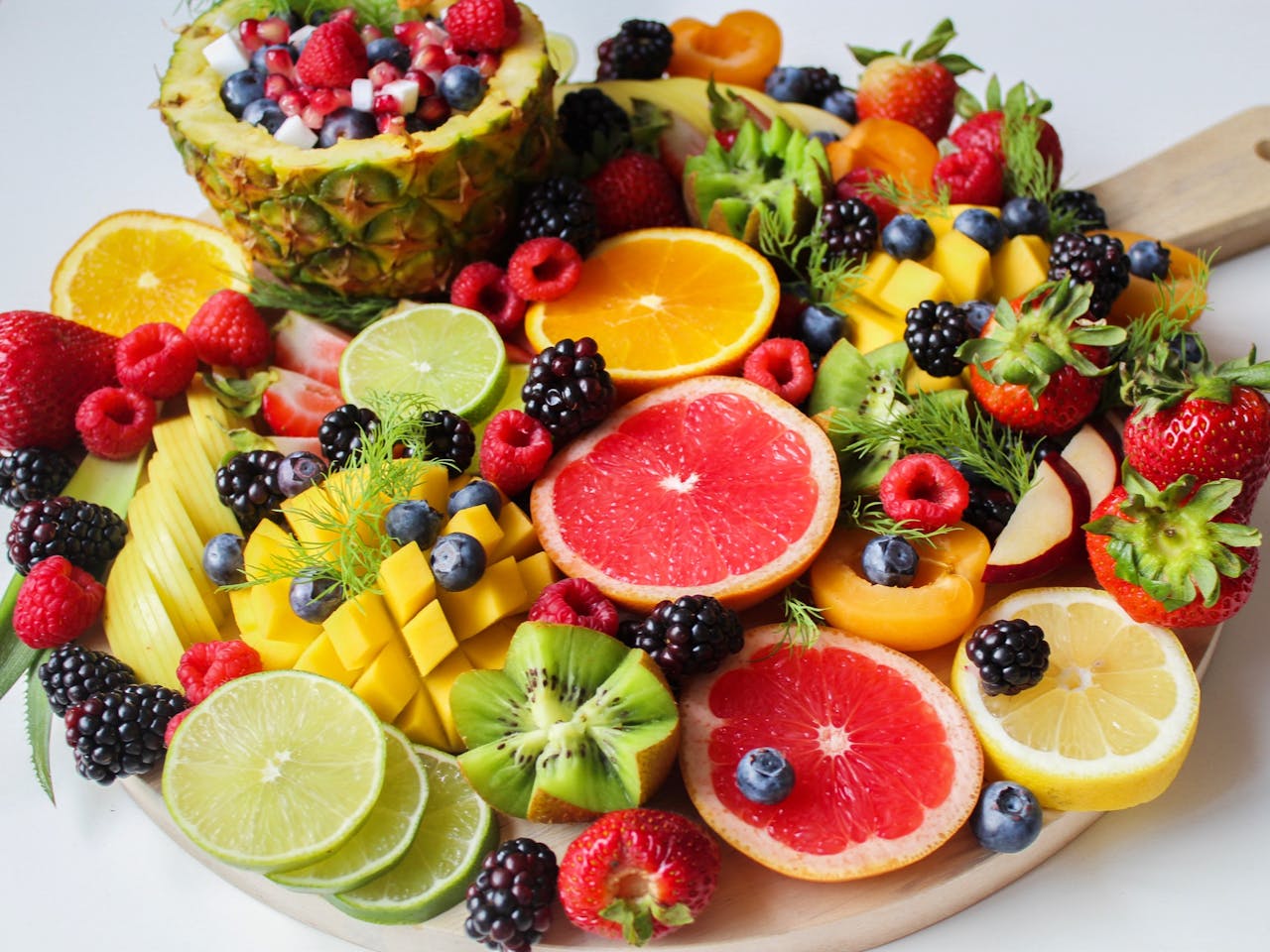
Appearance matters more than adults realize. Apples, bananas, and pears that brown slightly are often rejected immediately. Browning signals age to kids, even if the fruit is safe to eat. Texture also softens over time, reducing appeal. Once fruit looks damaged or dull, kids assume it tastes bad. Without careful prep and airtight packing, fruit loses its freshness long before lunch. Parents often underestimate how visual cues drive food choices. Fruit that looks imperfect rarely stands a chance in a crowded lunchroom.
9. Dinner Leftovers That Lost Their Appeal Cold
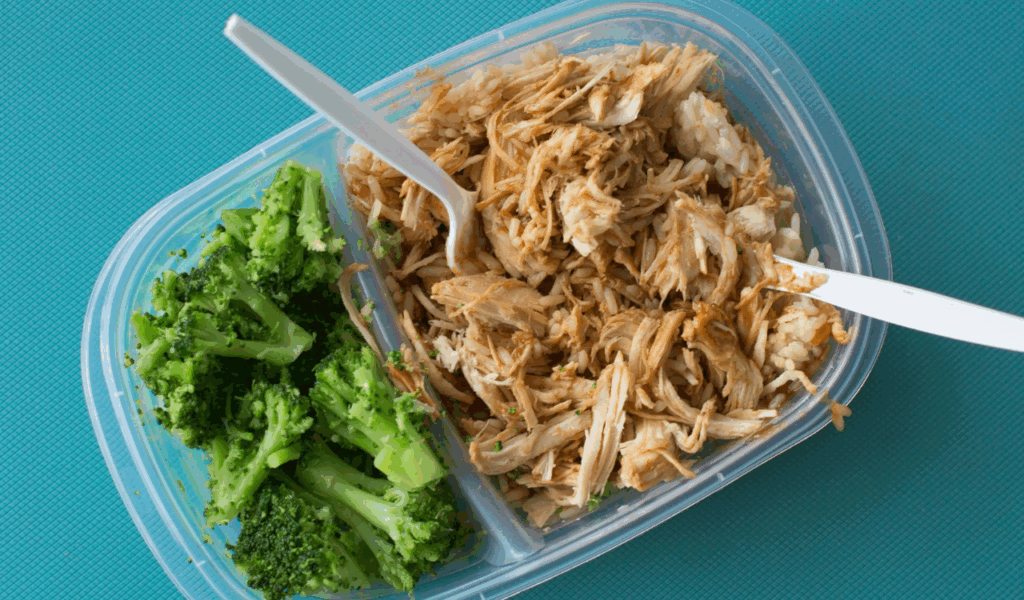
Leftovers can be efficient, but kids judge them differently at school. Foods designed to be eaten warm lose flavor and texture when cold. Sauces thicken, fats congeal, and familiar dishes taste off. Kids also associate leftovers with dinner, not lunch. Eating the same food again under different conditions feels unappealing. Even favorite meals can return untouched simply because they do not translate well to a lunchbox. Parents often discover leftovers at the end of the day, realizing that temperature and context matter more than convenience.
10. Bulk Snack Packs That Became Boring
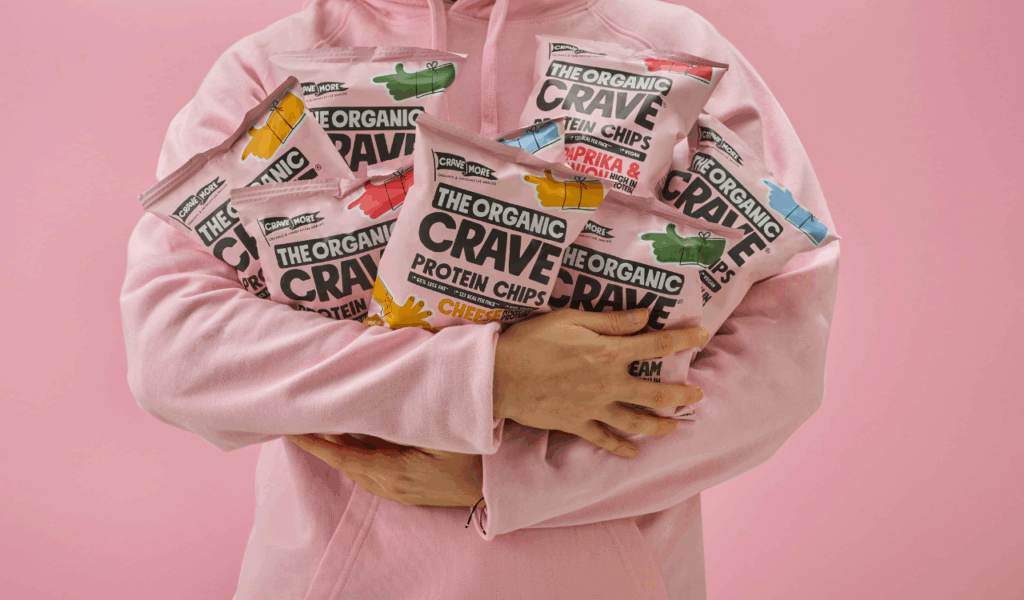
Large portions of the same snack seem practical, but repetition kills interest. Kids enjoy variety and novelty, especially when comparing lunches with friends. Bulk packs also feel endless, making it harder to finish even small amounts. Texture can stale, and flavors feel monotonous. When snacks do not feel special, kids trade them or leave them behind. Parents aiming to save money often notice these snacks coming back half-eaten. Smaller portions with variety tend to perform better than oversized containers of the same item.
11. Unlabeled Foods That Felt Uncertain

Kids like knowing what they are eating. When a lunchbox item looks unfamiliar or unrecognizable, hesitation sets in. Without clear cues, kids worry about taste, texture, or mess. This uncertainty leads many to skip the item altogether. Labels, familiar packaging, or repeated exposure build confidence. Without that, even good food goes uneaten. Research shows predictability matters for children’s food choices. If kids cannot identify something quickly, they often choose not to eat it, especially in time-limited lunch settings.
12. Odd Food Combinations Kids Never Asked For

Creative combinations may feel fun to adults, but kids prefer predictability. Sweet mixed with savory, unexpected spices, or unusual pairings confuse expectations. When flavors clash with what kids anticipate, rejection is quick. School lunch is not the place most kids want to experiment. They want comfort and reliability. Parents trying to be inventive often find these combinations untouched. Familiar foods eaten together usually perform better than inventive pairings that feel unfamiliar or surprising.
13. Foods That Required Too Much Effort to Eat
Lunch periods are short, noisy, and distracting. Foods that require cutting, peeling, assembling, or utensils often lose out to simpler options. Kids want to eat quickly and get back to friends. Messy foods add stress, especially when napkins or tools are limited. Even nutritious meals fail if they feel inconvenient. Research consistently shows ease of eating matters more than nutrition during school lunch. Foods that are simple, tidy, and quick are far more likely to be eaten than those that require extra steps.