9 Restaurants That Make “Homemade” Dressings From Powder
It may seem like a good idea to buy expensive salads for your health, but the “scratch-made” dressing on your greens may not be as fresh as the menu says. A lot of well-known restaurant chains and small businesses use industrial powder bases to make their famous creamy toppings and vinaigrettes. The kitchen staff does “mix” the dressing on-site, but the main flavors, stabilizers, and preservatives are usually already in a foil pouch.
Food safety and consistency are important reasons for this practice, according to experienced culinary consultants. Using a powdered base makes sure that the Caesar dressing tastes the same in New York as it does in Los Angeles, no matter what the chef likes. But for the consumer, this means that you are often eating a lot of maltodextrin, anti-caking agents, and artificial enhancers that you wouldn’t find in a real homemade recipe. Chefs say that these “secret recipes” are often just a brand-name powder mixed with a lot of oil and water.
The Classic Buttermilk Ranch
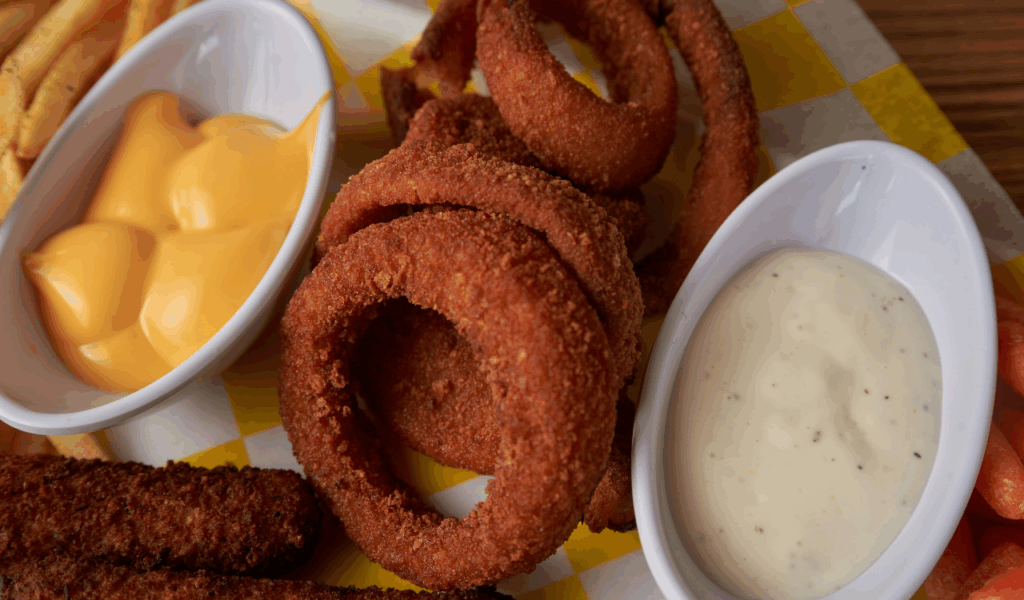
Ranch is the worst when it comes to the powder-to-pitcher pipeline. Most mid-range casual dining places use a dry seasoning mix as the base for their “house” ranch. Professional chefs say that the kitchen usually adds a gallon of buttermilk and a gallon of heavy-duty mayonnaise to a big packet of industrial seasoning.
They can say that the dressing is “made fresh daily” because they add the dairy parts in the back of the house. Dietitians say that these powdered mixes often have a lot of monosodium glutamate and sodium in them to make them taste like real herbs.
The texture feels rich and real, but the flavor is made in a lab. Experts say you should ask if the herbs in the dressing are fresh or dried. If the server can’t say for sure that there are fresh parsley or chives in the dressing, it’s likely that you are eating a reconstituted powder that was mixed up in a five-gallon bucket earlier that morning.
Zesty Italian Vinaigrette
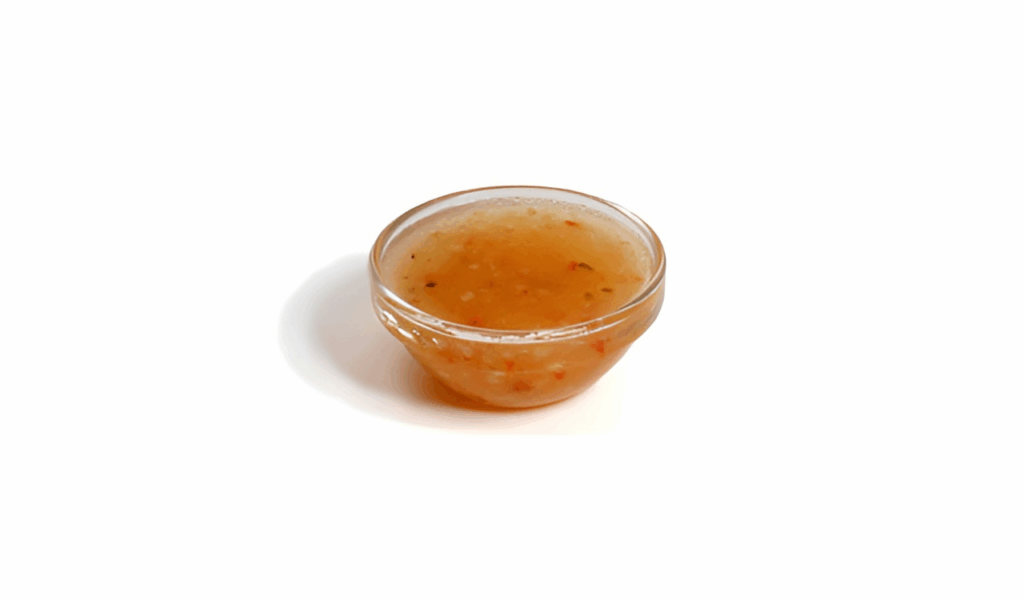
The bright orange Italian dressing you can find at many salad bars is not just a mix of oil and vinegar. Instead, restaurants often use a “zesty” powder base that has xanthan gum and different food dyes in it to keep the dressing from separating on the salad. Professional restaurant concept flippers say that real vinaigrettes separate within minutes, which is a nightmare for busy service. Powdered bases fix this “problem” by keeping the dressing perfectly suspended.
Food stylists and people who work in the industry say that the “zesty” flavor usually comes from dehydrated bell peppers and citric acid instead of fresh herbs. Restaurant consultants say that the savings are big because a single pouch of powder can make several gallons of dressing for a lot less money than fresh lemons and good vinegar. This makes the taste too acidic and standard, without the subtle brightness that comes from making dressing from scratch with real pantry staples.
The Creamy Caesar
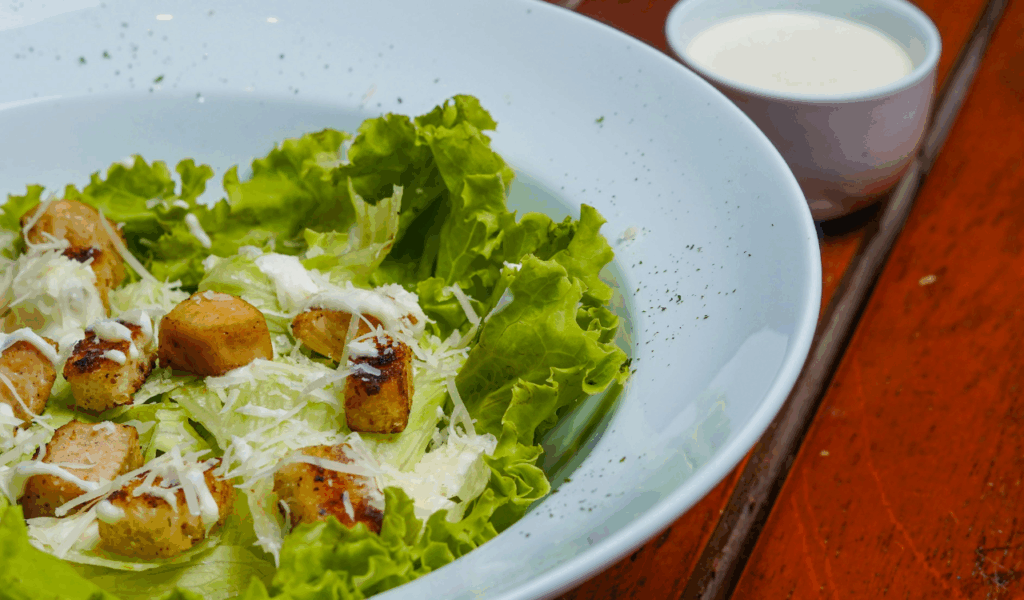
Traditionally, Caesar dressing is a labor-intensive emulsion of egg yolks, anchovies, garlic, and oil. However, many restaurants avoid this risk by using a shelf-stable powder or a “heavy” base. Chefs say that using raw eggs in a restaurant kitchen is very risky for salmonella, which is why many managers choose a pasteurized powder mix instead.
You don’t need to buy expensive anchovy fillets or spend time whisking by hand to get the thick, creamy texture and “umami” flavor that this mix gives you. Food safety experts say that the powder is safer for a lot of people to eat, but it often uses “natural flavors” to mimic the complex taste of aged cheese and fermented fish.
When restaurant menu designers use the phrase “house-blended,” they are trying to avoid saying that the base is a dry mix. If your Caesar dressing has a gel-like texture that is perfectly even and never seems to lose its thickness, even after sitting on a hot plate, it is almost certainly made from a stabilized powder.
Sweet Honey Mustard
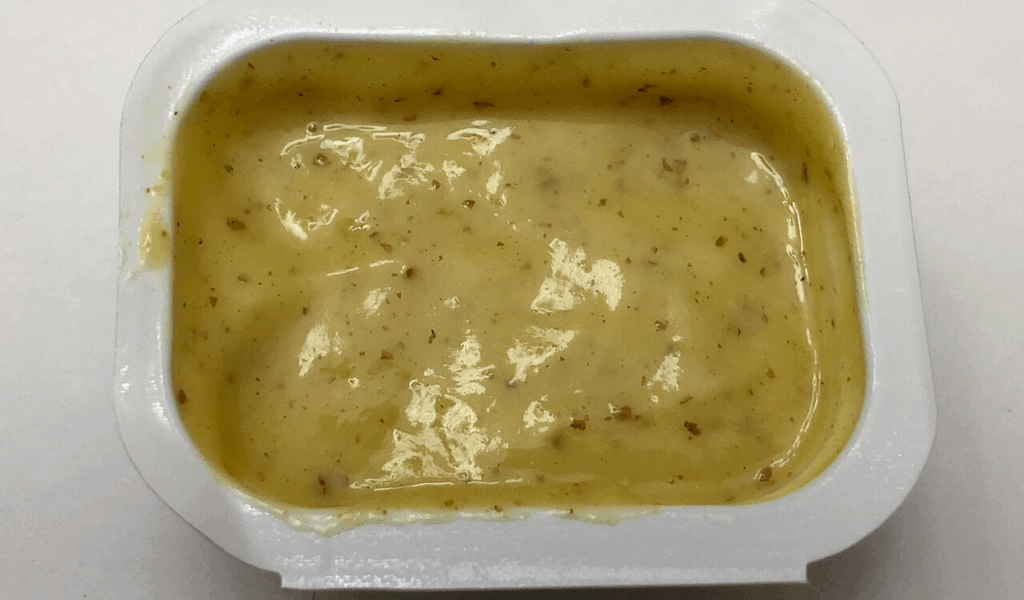
A powdered base that makes a certain “mouthfeel” is what makes restaurant honey mustard so addictive. Culinary teachers say that real honey is hard for big chains to control because it costs a lot and has different levels of sweetness. They use a dry mustard flour mix that has either powdered honey or corn syrup solids in it instead.
This makes sure that the dressing is always thick and sticky, which is great for dipping chicken tenders or coating kale. Nutritionists say that these powdered versions often have a lot more sugar and thickeners than a homemade version made with Dijon and clover honey.
Professional chefs say that the “creamy” version of honey mustard often doesn’t have any cream or eggs in it. Instead, it gets its creaminess from modified food starch that is already in the dry mix. This lets the restaurant keep the dressing at room temperature for longer periods of time during a busy shift without the risk of it going bad or getting thinner.
Blue Cheese with “Real” Crumbles
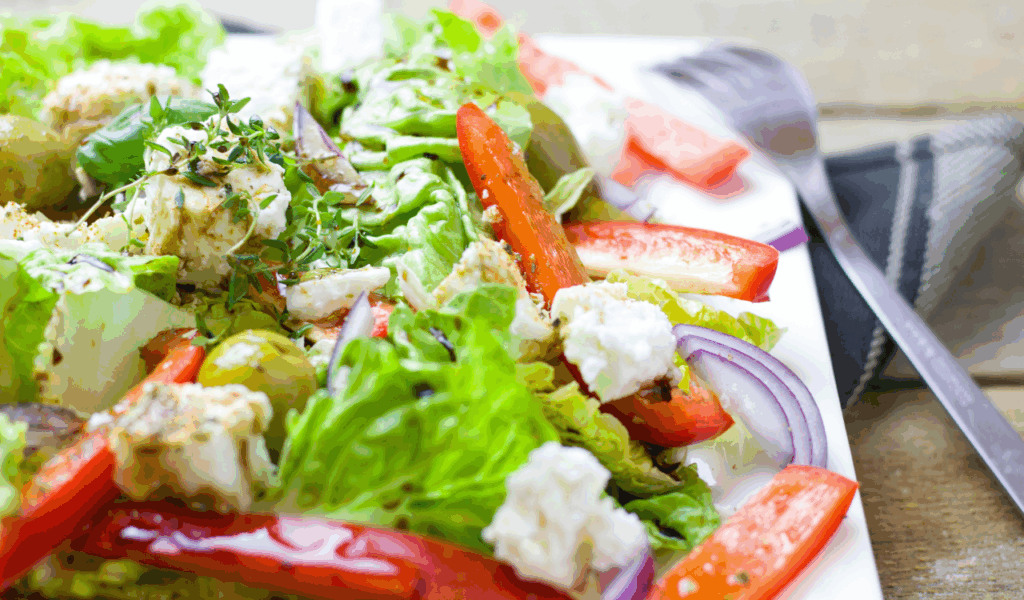
A common secret in the food industry is that “house-made” blue cheese dressing often starts with a neutral, powdered blue cheese base to which the kitchen adds bulk crumbles. Professional organizers in the food service industry say that this lets the restaurant buy cheaper, lower-quality cheese for the “chunks” while the powder gives the cheese the strong, fake “funk” that customers expect. This mixed method costs a lot less than letting a dressing sit for a while to get its natural flavor.
Experts say that the powdered base often has cellulose in it to keep it from clumping and blue food coloring to make the cheese stand out more. If the “sauce” part of the dressing is very white and tastes like sour cream, it is probably a powdered mix, according to experienced servers. A real blue cheese dressing made from scratch should have a slightly off-white or grayish tint because the cheese’s veins bleed into the liquid base over time. This doesn’t happen very often with powder.
Greek Feta Vinaigrette
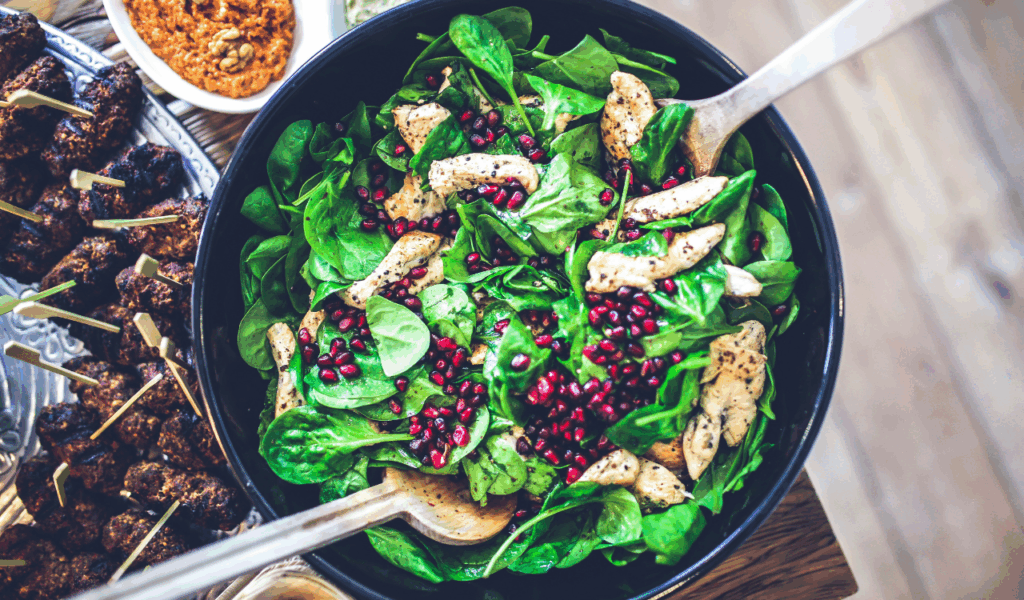
A lot of fast-casual Mediterranean restaurants serve “authentic” Greek dressing that is really just a mix of water, oil, and a special Greek seasoning powder. Kitchen managers say that the powder has emulsifiers in it that keep the dried oregano and garlic pieces evenly spread out in the bottle. Without the powder, the herbs would either float to the top or sink to the bottom.
This would make every salad taste different and annoy the line cooks.People who work in the food industry and design the supply chains say that these powders make the food last a lot longer.
A vinaigrette made with fresh garlic and lemon juice will start to taste bad after 48 hours, but a powder-based version can last for weeks in the walk-in cooler. Experts say that if you don’t see pieces of fresh garlic or zest that are not round in your Greek dressing, you are probably eating a chemical blend that has been rehydrated.
Garden Herb Vinaigrette
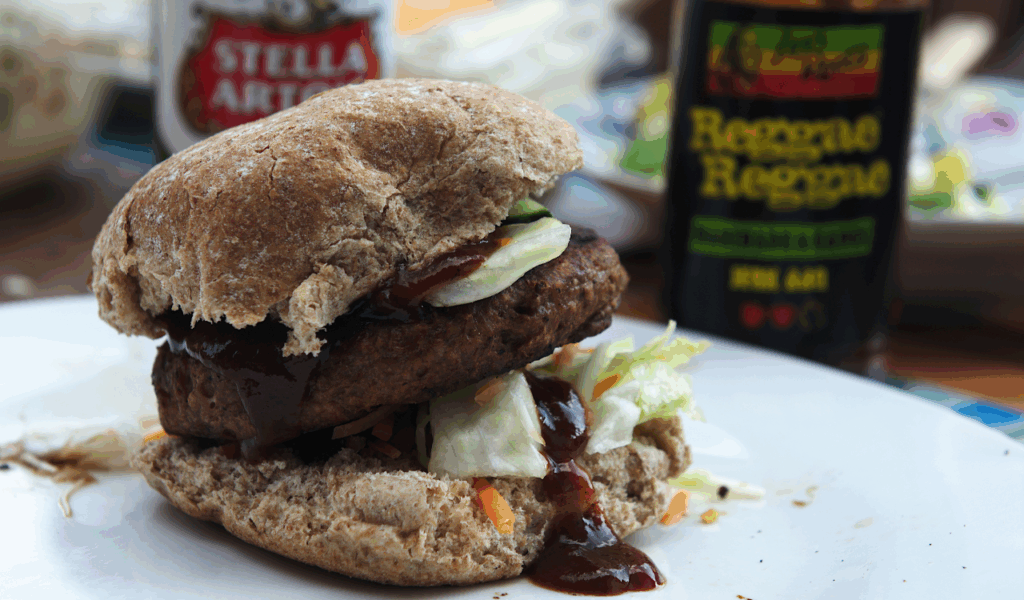
A lot of “light” or “garden” vinaigrettes that claim to be good for your heart are really just flavored water with powder added to make it thicker. Restaurant experts say that making a low-fat dressing that tastes good is hard without the help of a lab. Gums and fibers in powdered bases make them thick like oil without adding calories. The restaurant can say that the dressing is “made in-house” because the water and powder were mixed together in the kitchen.
Professional chefs say that these dressings are often the least “fresh” things on the menu. The “herbs” inside are usually dried flakes that have lost most of their nutrients and essential oils. Experts say that a real herb vinaigrette should be bright green and smell strongly of fresh basil or cilantro. If the dressing is clear and has small green specks in it that don’t add much flavor, it’s a sure sign that it came from a powdered commercial base.
Thousand Island and Secret Sauces
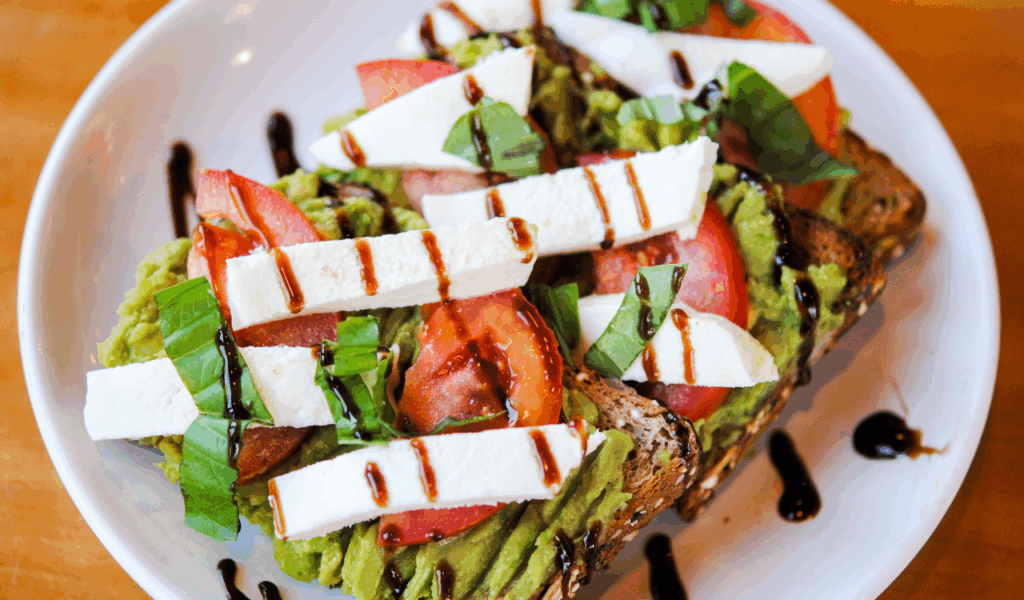
Most of the time, the “special sauce” on burgers and “Reubens” is made from a powdered base or a mayonnaise mix that was bought in bulk. Professional flippers who fix up failing restaurants say that the first step in lowering food costs is often to switch from expensive bottled dressings to a powder mix.
The powder gives the food its pink color and sweet-pickle flavor without having to chop up fresh herbs or measure out a lot of different condiments. Commercial food product designers say that these powders are made to be “hyper-palatable,” which means they hit all the salt, sugar, and fat receptors at once.
This makes people want the restaurant’s special sauce, which is hard to make at home with normal ingredients. Experts say that if the sauce is completely smooth and looks like tinted mayonnaise, it is a chemical reconstruction and not something that was made in the kitchen.
Balsamic Glaze and Vinaigrette
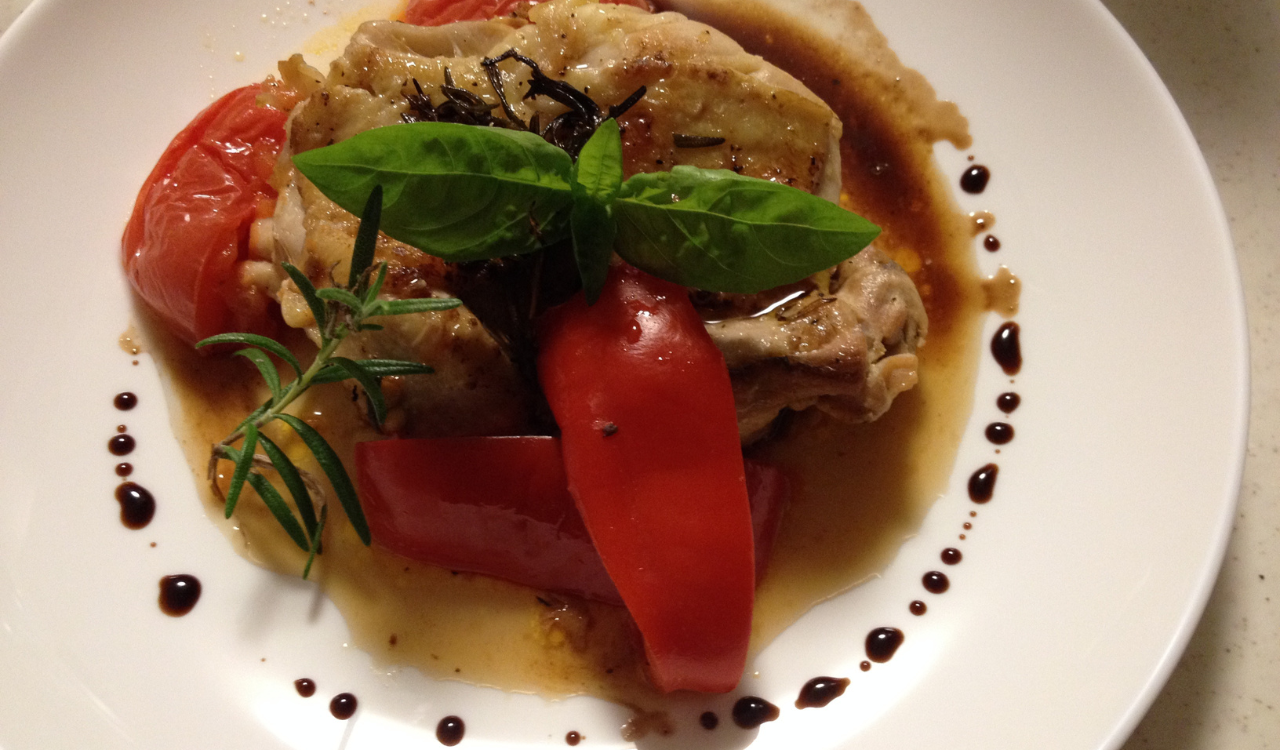
Balsamic vinegar sounds fancy, but the “balsamic vinaigrette” at a lot of chain restaurants is just a thick syrup made from a powder base. Real balsamic is aged and thick on its own, but the store-bought kind is usually a mix of cheap cider vinegar, caramel color, and a thickening powder. Culinary experts say that the “glaze” that is drizzled over caprese salads is often just a rehydrated powder that looks like the reduction process but doesn’t take hours to simmer.
Dietitians say that these powders can have a lot of lead and sulfites in them, depending on where the grape must comes from in the industrial process. Chefs say that real balsamic dressing should have a sharp, vinegary taste and be thin unless it has been cooked down by half on the stove. If the dressing is thick and sweet like pancake syrup, it means that the kitchen is using a pre-mix to save time and money on real ingredients.